Thean Hou Temple things to do, attractions, restaurants, events info and trip planning
Basic Info
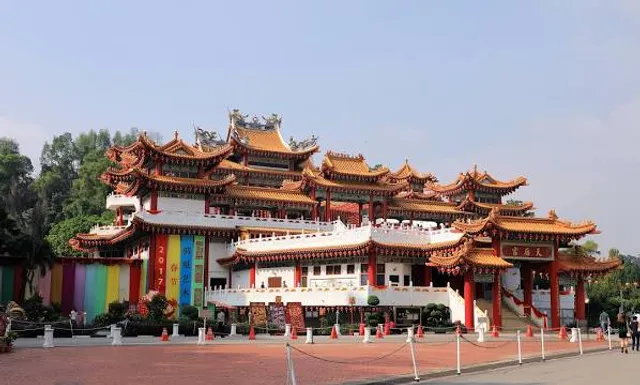
Thean Hou Temple
65, Persiaran Endah, Taman Persiaran Desa, 50460 Kuala Lumpur, Wilayah Persekutuan Kuala Lumpur, Malaysia
4.6(6.3K)
Closed
Save
spot
spot
Ratings & Description
Info
The Thean Hou Temple is a six-tiered temple of the Chinese sea goddess Mazu located in Kuala Lumpur, Malaysia. It is located on 1.67 acres of land atop Robson Heights on Lorong Bellamy, overlooking Jalan Syed Putra. It was completed in 1987 and officially opened in 1989.
Cultural
Family friendly
attractions: Buddhist Maha Vihara, Temple of Fine Arts KL, Little India Brickfields, River of Life - Precint Brickfields, Church of Our Lady of Fatima, Brickfields, Kuala Lumpur, Malaysia (1963), Sri Sakthi Karpaga Vinayagar Temple, restaurants: Restoran Siu Siu, Robson Heights Seafood Restaurant, The Grinz (Event Space + Catering), Nasi Lemak Daun Pisang Restaurant, Annalakshmi Vegetarian Restaurant Kuala Lumpur, Crays SB Cafe, Chandelier Wine Dine & Party, Seni SattiSorru, Ketuhar Malaysian Cuisine Restaurant, Chat Masala Restaurant, local businesses: Glasshouse at Seputeh, Marble Jade Mansion Flat, Pasar Malam Jalan Berhala Brickfields
 Learn more insights from Wanderboat AI.
Phone
+60 3-2274 7088
Website
hainannet.com.my
Open hoursSee all hours
Wed8 AM - 8 PMClosed
Plan your stay

Pet-friendly Hotels in Kuala Lumpur
Find a cozy hotel nearby and make it a full experience.

Affordable Hotels in Kuala Lumpur
Find a cozy hotel nearby and make it a full experience.

The Coolest Hotels You Haven't Heard Of (Yet)
Find a cozy hotel nearby and make it a full experience.

Trending Stays Worth the Hype in Kuala Lumpur
Find a cozy hotel nearby and make it a full experience.
Reviews
Live events
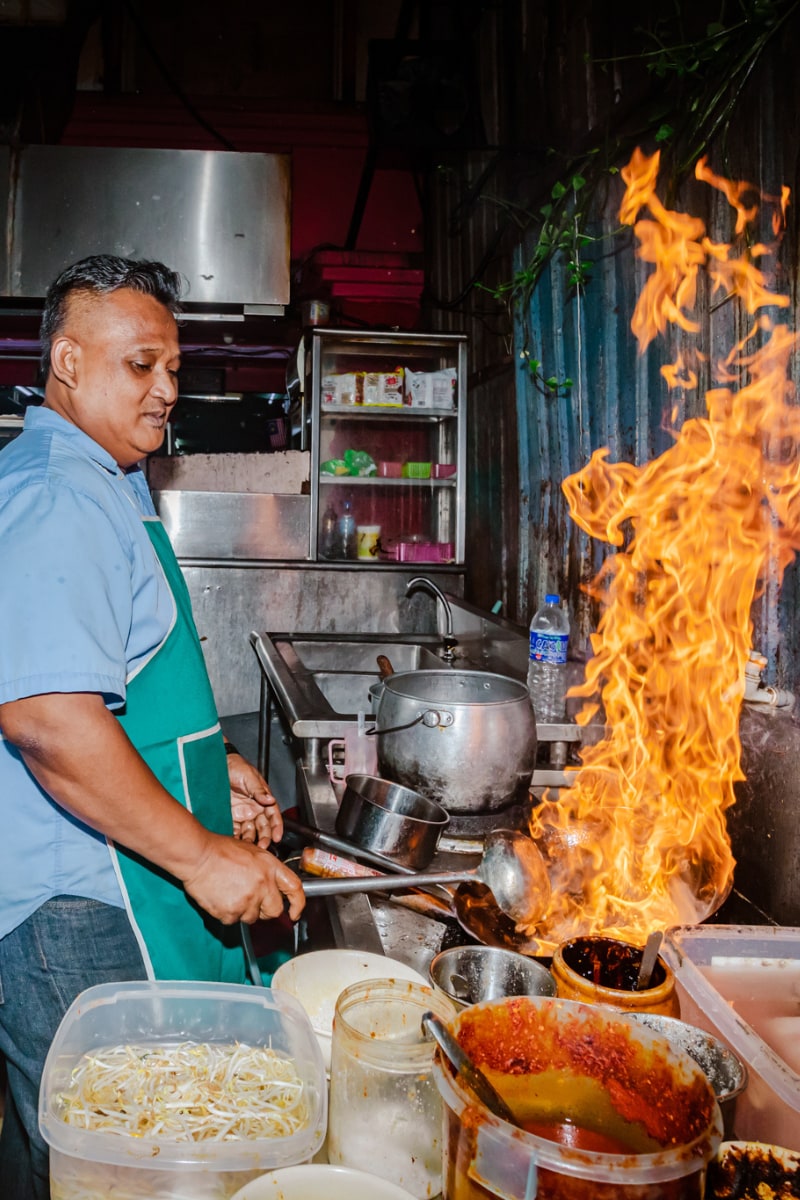
Sambal Streets Food Tour with 15-plus tastings
Wed, Feb 25 • 4:00 PM
50100, Kuala Lumpur, Federal Territory of Kuala Lumpur, Malaysia
View details
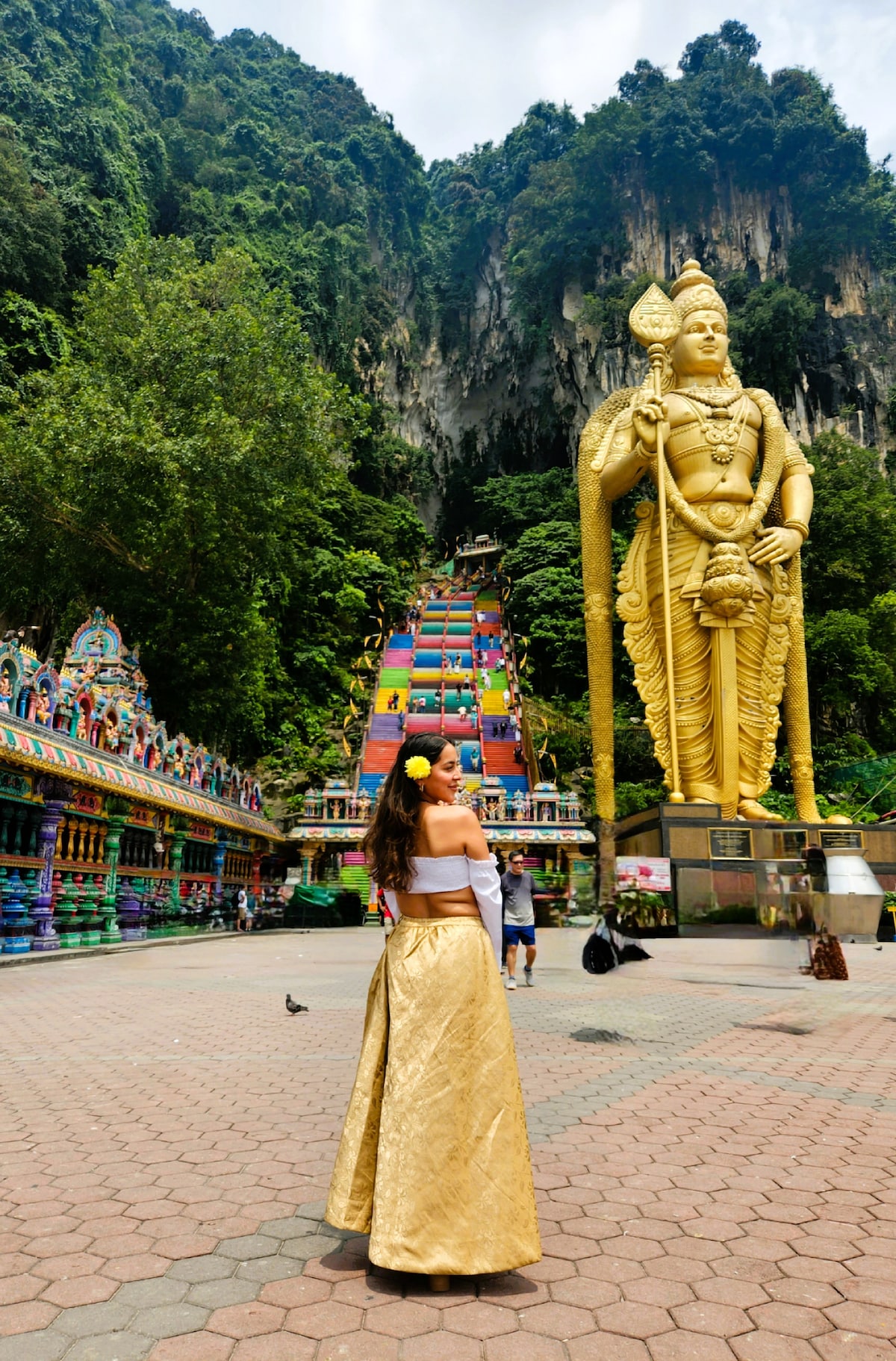
Explore 7 Wonders Of Kuala Lumpur With A Local
Wed, Feb 25 • 9:30 AM
50450, Kuala Lumpur, Federal Territory of Kuala Lumpur, Malaysia
View details
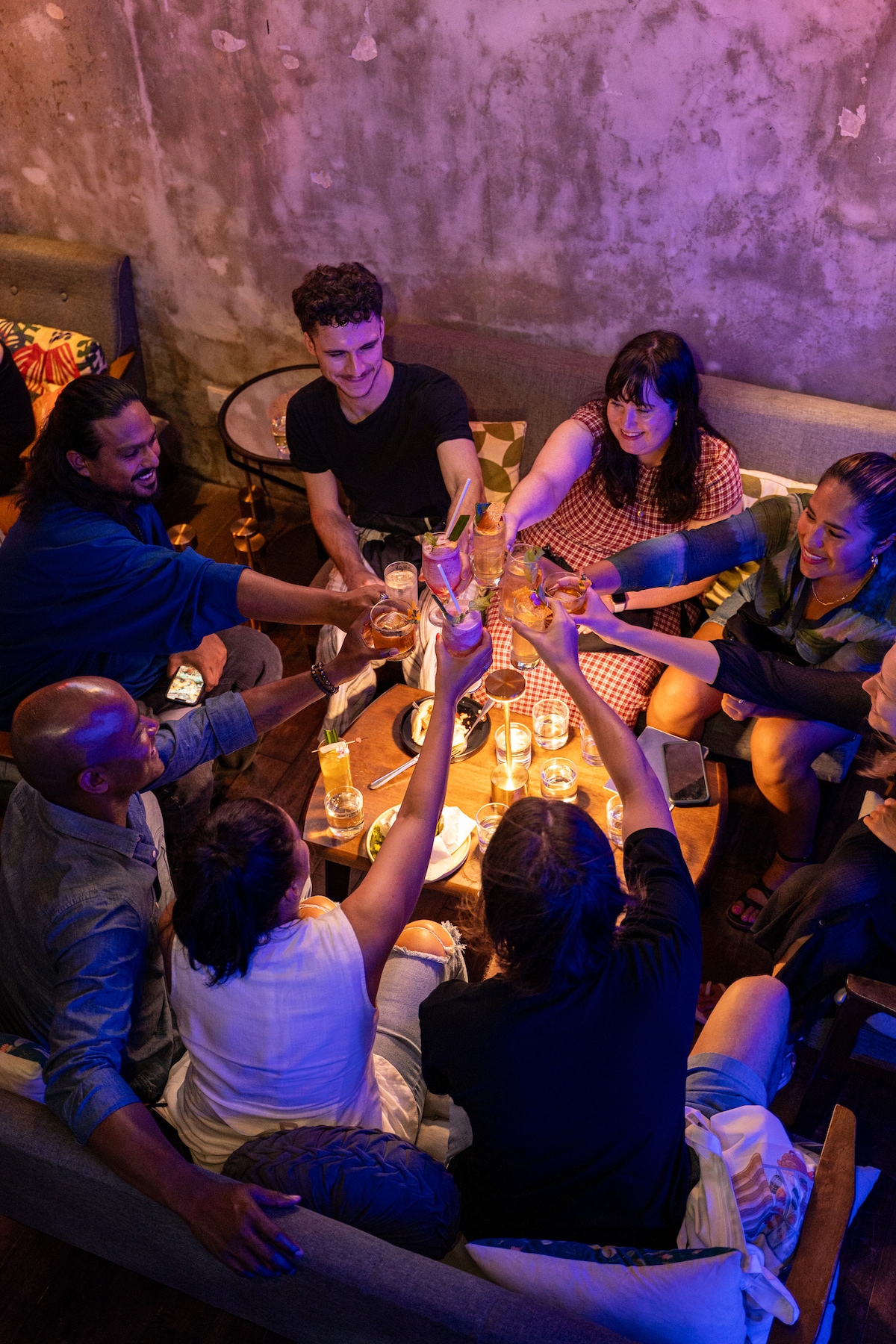
Hidden Bar Hopping With A Local
Wed, Feb 25 • 8:00 PM
50000, Kuala Lumpur, Federal Territory of Kuala Lumpur, Malaysia
View details
Nearby attractions of Thean Hou Temple
Buddhist Maha Vihara
Temple of Fine Arts KL
Little India Brickfields
River of Life - Precint Brickfields
Church of Our Lady of Fatima, Brickfields, Kuala Lumpur, Malaysia (1963)
Sri Sakthi Karpaga Vinayagar Temple
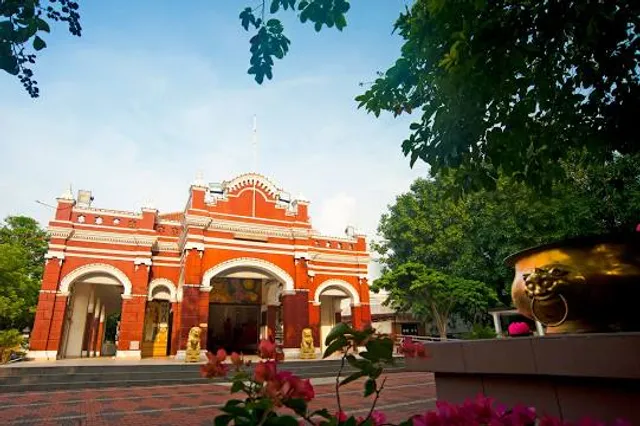
Buddhist Maha Vihara
4.6
(821)
Closed
Click for details
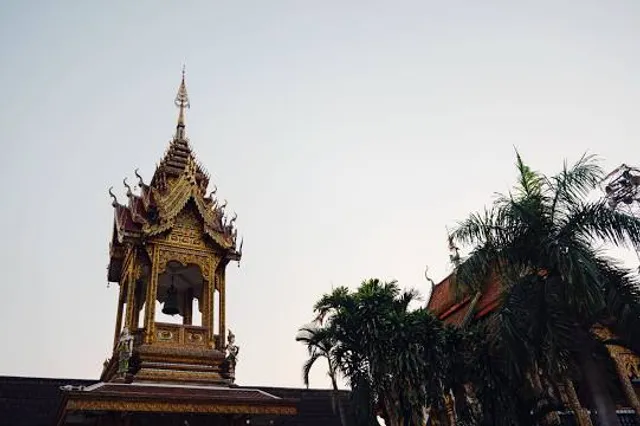
Temple of Fine Arts KL
4.4
(170)
Closed
Click for details
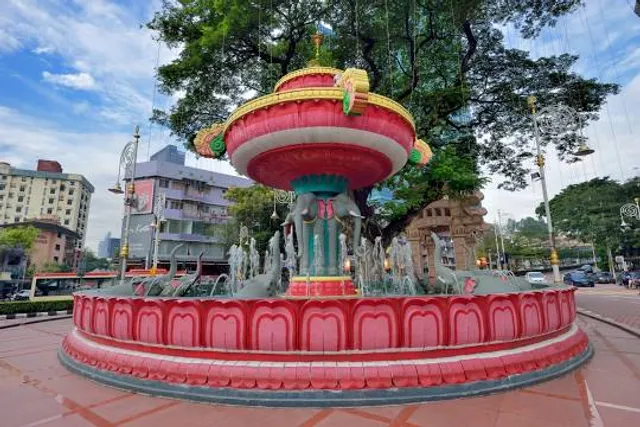
Little India Brickfields
4.3
(5.8K)
Closed
Click for details
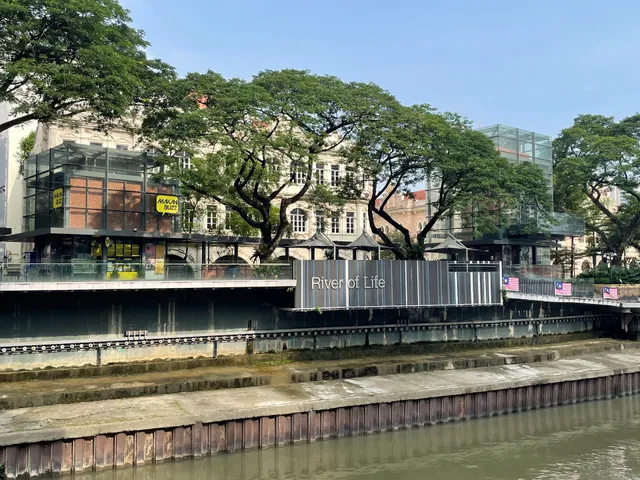
River of Life - Precint Brickfields
3.9
(35)
Open until 12:00 AM
Click for details
Nearby restaurants of Thean Hou Temple
Restoran Siu Siu
Robson Heights Seafood Restaurant
The Grinz (Event Space + Catering)
Nasi Lemak Daun Pisang Restaurant
Annalakshmi Vegetarian Restaurant Kuala Lumpur
Crays SB Cafe
Chandelier Wine Dine & Party
Seni SattiSorru
Ketuhar Malaysian Cuisine Restaurant
Chat Masala Restaurant
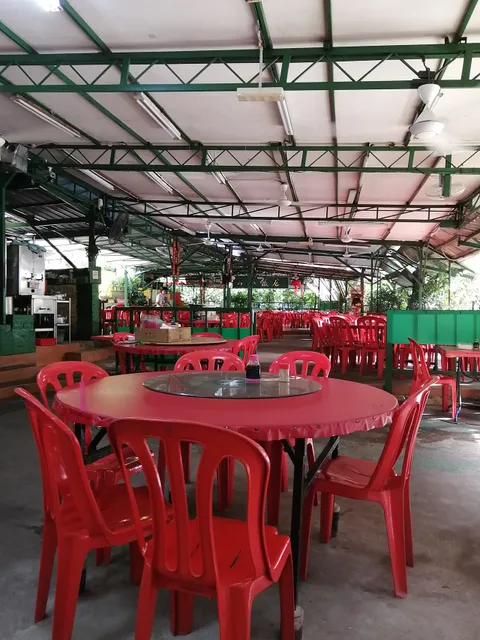
Restoran Siu Siu
3.9
(937)
Closed
Click for details
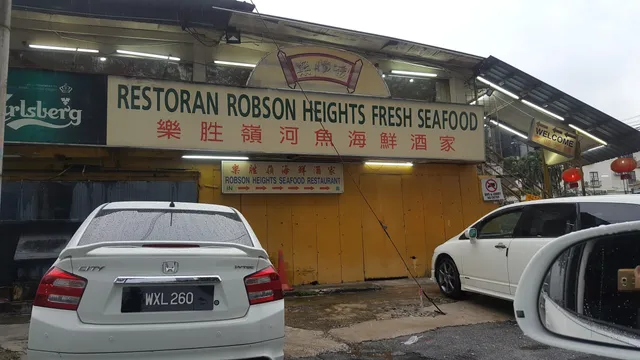
Robson Heights Seafood Restaurant
4.0
(390)
Open until 12:00 AM
Click for details
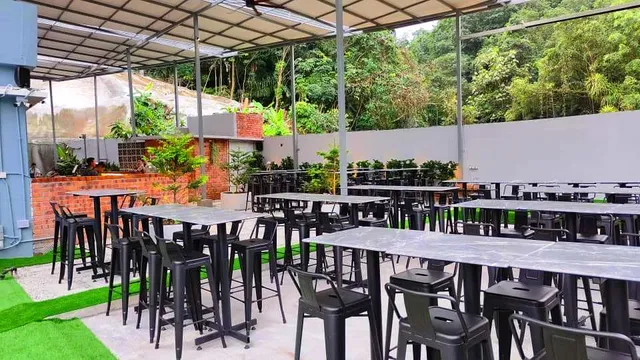
The Grinz (Event Space + Catering)
4.4
(198)
Closed
Click for details
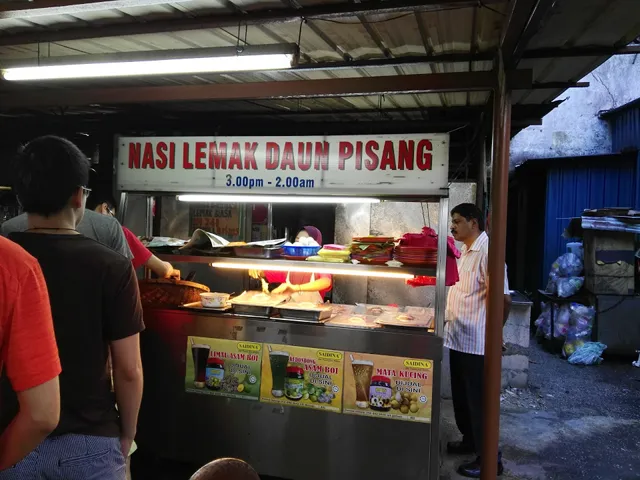
Nasi Lemak Daun Pisang Restaurant
4.0
(244)
Closed
Click for details
Nearby local services of Thean Hou Temple
Glasshouse at Seputeh
Marble Jade Mansion Flat
Pasar Malam Jalan Berhala Brickfields
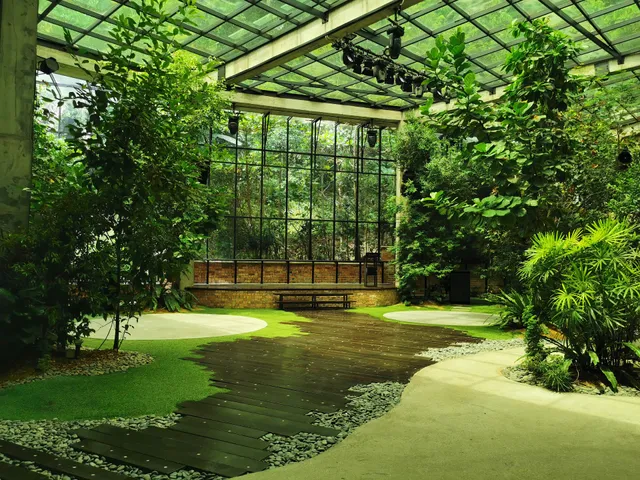
Glasshouse at Seputeh
4.2
(616)
Click for details
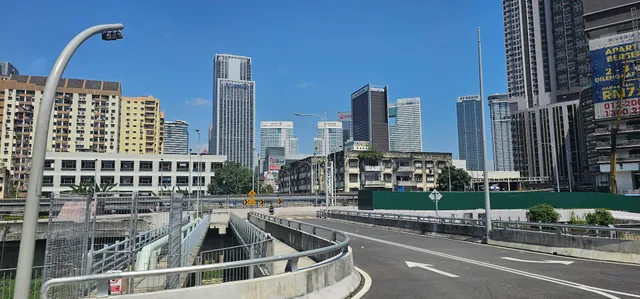
Marble Jade Mansion Flat
4.2
(9)
Click for details
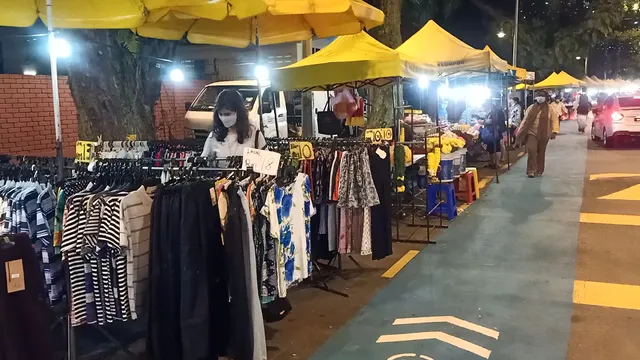
Pasar Malam Jalan Berhala Brickfields
4.4
(19)
Click for details