Birch Memorial Clock Tower things to do, attractions, restaurants, events info and trip planning
Basic Info
Birch Memorial Clock Tower
31650 Ipoh, Perak, Malaysia
4.3(665)
Open until 12:00 AM
Save
spot
spot
Ratings & Description
Info
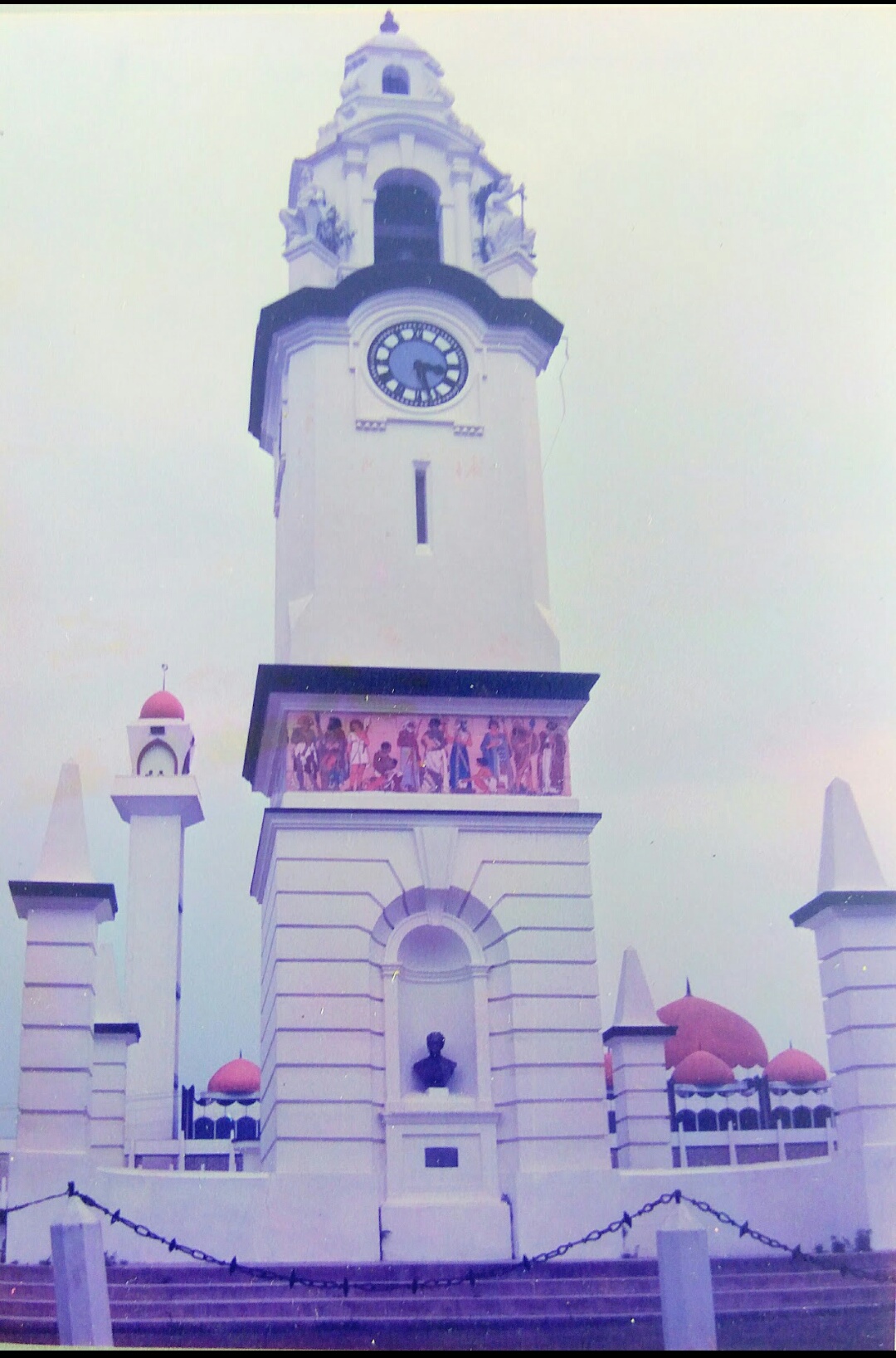
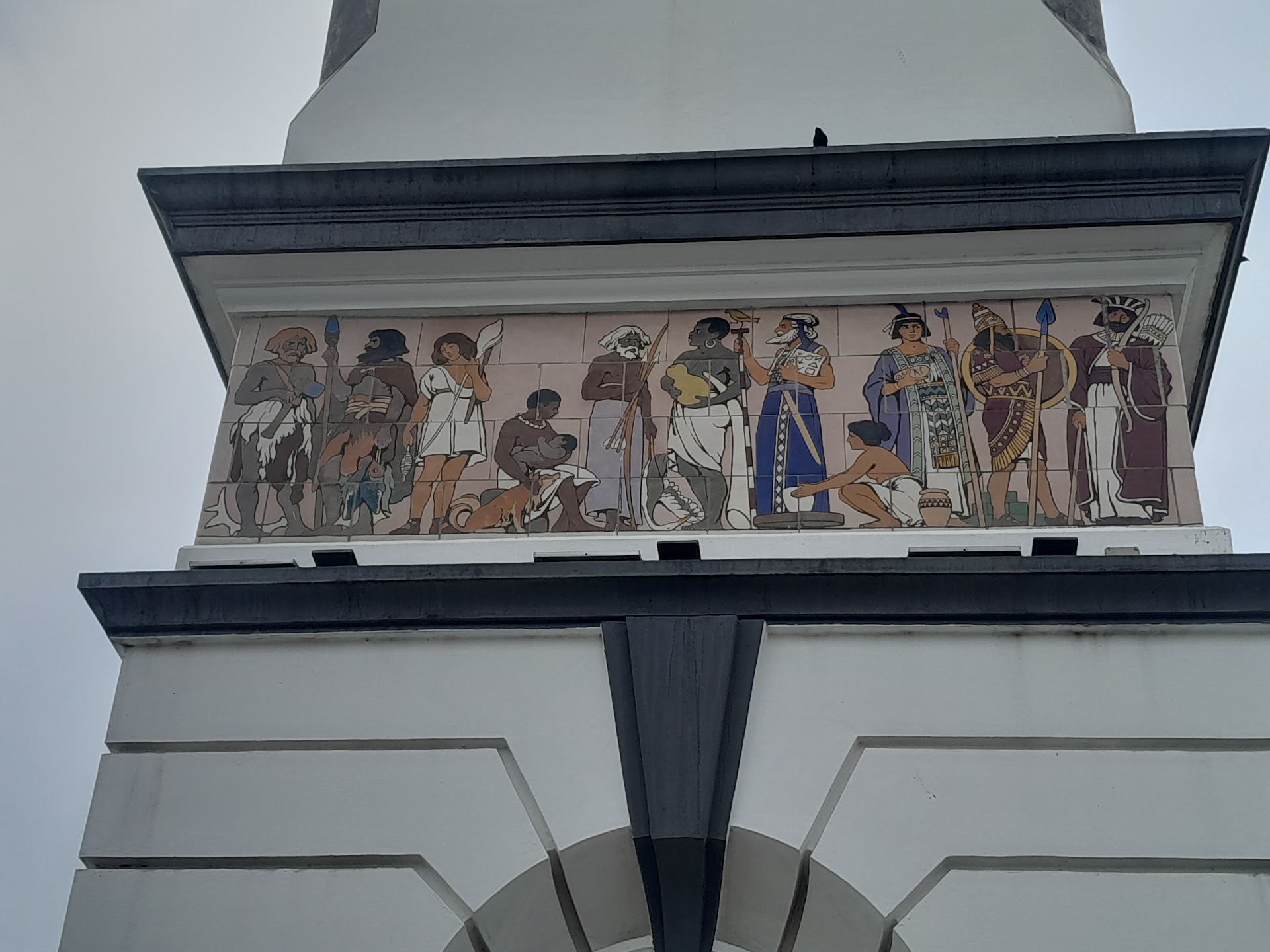
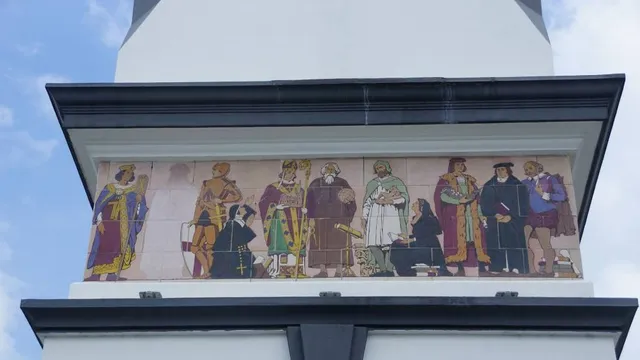
The Birch Memorial Clock Tower is a clock tower in Ipoh, Kinta District, Perak, Malaysia.
Cultural
Scenic
attractions: Dataran KTM Ipoh, Heritage Trail Ipoh, Padang Ipoh, Lorong Seni @ Lorong Panglima, Ipoh, Han Chin Pet Soo, Ipoh Town Hall, Made In Ipoh, Ho Yan Hor Museum, Ipoh Mural, 22 Hale Street Heritage Gallery, restaurants: OLDTOWN White Coffee @ Ipoh Padang, Plan B Restaurant | Ipoh, Miker Pizza, Aro Restaurant, Restoran Thean Chun 天津茶室, Aud's Cafe, Genki Japanese Food, Patisserie Boutique, Mad Ramen Bar 狂匠拉面, Cold Blue Specialty Coffee, local businesses: Masjid Negeri Perak, Panglima Ln, Yasmin Ahmad at Kong Heng Museum, Ipoh Mural - No.1 An Old Uncle Drinking Coffee, Concubine Ln, What To Wear 3 • Ipoh Old Town, Ipoh, What To Wear 2 @ Ipoh Old Town, Ipoh Old Town Kong Heng Chicken Prawn Kuey Teow Ipoh Hor Fun, Yik Foong Complex
 Learn more insights from Wanderboat AI.
Open hoursSee all hours
WedOpen 24 hoursOpen
Plan your stay

Pet-friendly Hotels in Perak
Find a cozy hotel nearby and make it a full experience.

Affordable Hotels in Perak
Find a cozy hotel nearby and make it a full experience.

The Coolest Hotels You Haven't Heard Of (Yet)
Find a cozy hotel nearby and make it a full experience.

Trending Stays Worth the Hype in Perak
Find a cozy hotel nearby and make it a full experience.
Reviews
Live events
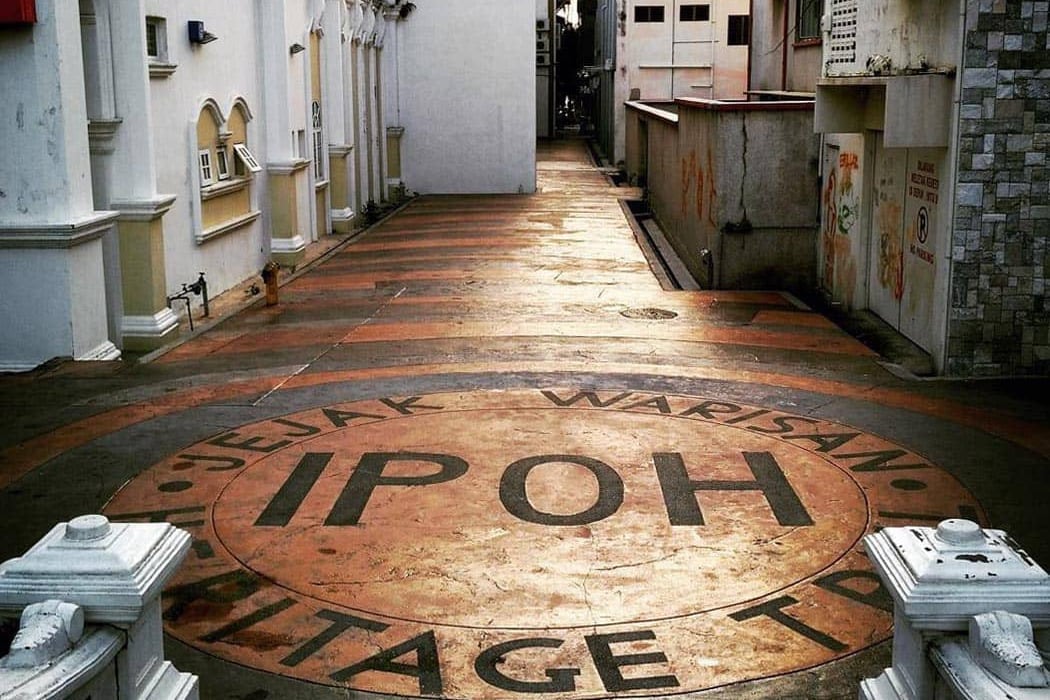
Walk Ipoh Old Town with a local heritage historian
Thu, Feb 26 • 8:45 AM
30000, Ipoh, Perak, Malaysia
View details
Nearby attractions of Birch Memorial Clock Tower
Dataran KTM Ipoh
Heritage Trail Ipoh
Padang Ipoh
Lorong Seni @ Lorong Panglima, Ipoh
Han Chin Pet Soo
Ipoh Town Hall
Made In Ipoh
Ho Yan Hor Museum
Ipoh Mural
22 Hale Street Heritage Gallery
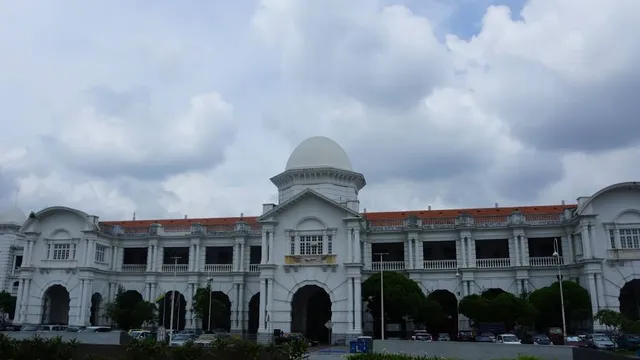
Dataran KTM Ipoh
4.2
(1.3K)
Open until 11:00 PM
Click for details
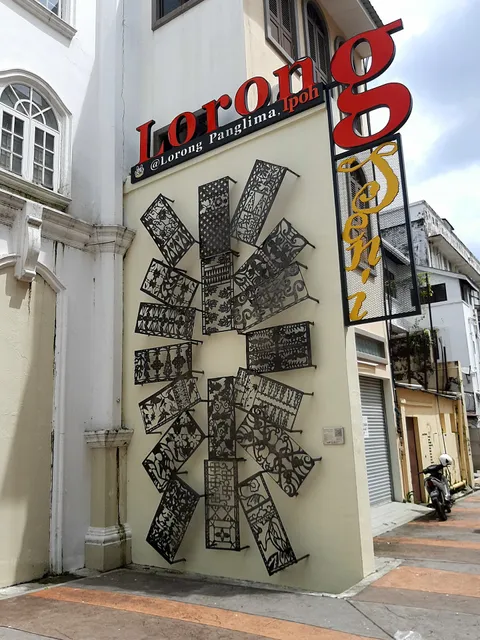
Heritage Trail Ipoh
4.4
(67)
Open 24 hours
Click for details
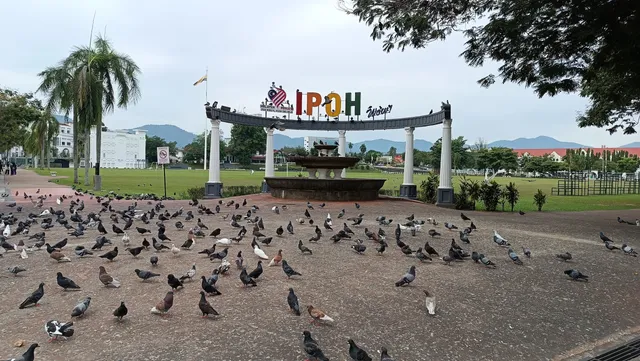
Padang Ipoh
4.3
(1.1K)
Open until 12:00 AM
Click for details
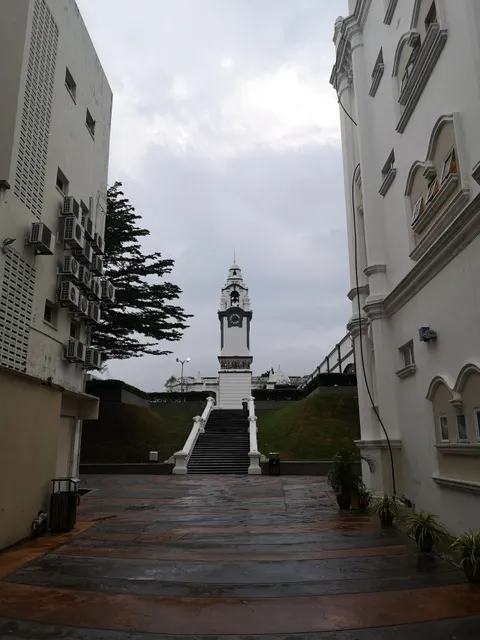
Lorong Seni @ Lorong Panglima, Ipoh
4.4
(23)
Open until 12:00 AM
Click for details
Nearby restaurants of Birch Memorial Clock Tower
OLDTOWN White Coffee @ Ipoh Padang
Plan B Restaurant | Ipoh
Miker Pizza
Aro Restaurant
Restoran Thean Chun 天津茶室
Aud's Cafe
Genki Japanese Food
Patisserie Boutique
Mad Ramen Bar 狂匠拉面
Cold Blue Specialty Coffee
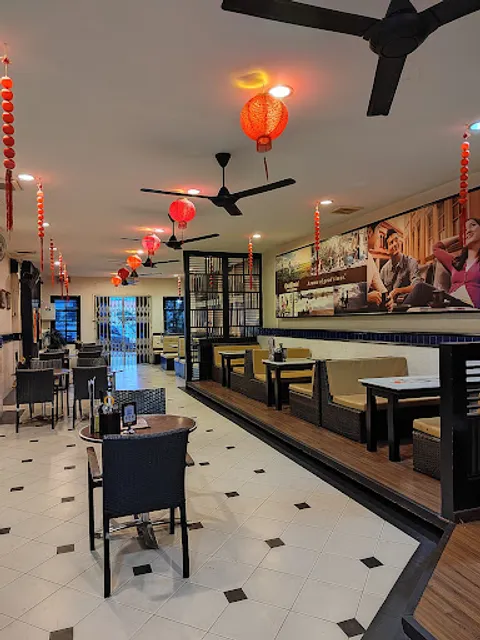
OLDTOWN White Coffee @ Ipoh Padang
4.5
(992)
Open until 10:00 PM
Click for details
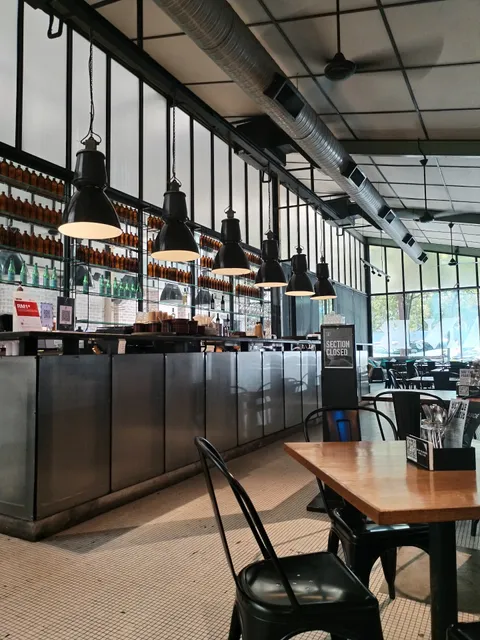
Plan B Restaurant | Ipoh
4.1
(1.5K)
Open until 10:00 PM
Click for details
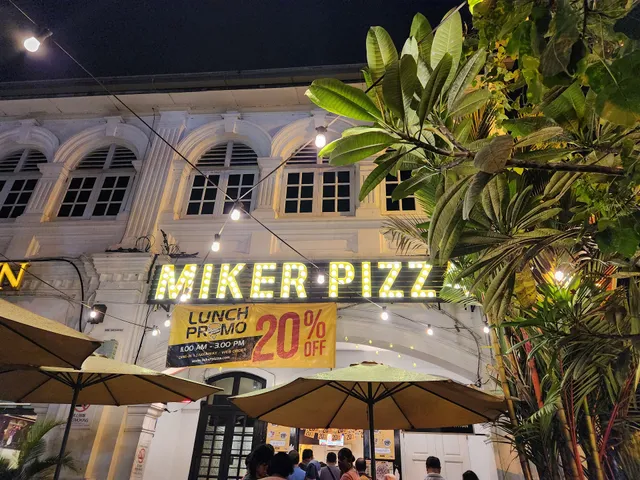
Miker Pizza
4.4
(1.0K)
Open until 11:00 PM
Click for details
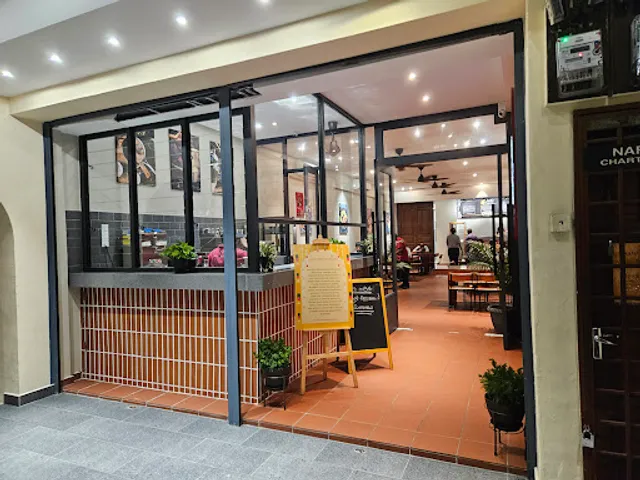
Aro Restaurant
4.7
(329)
Open until 9:30 PM
Click for details
Nearby local services of Birch Memorial Clock Tower
Masjid Negeri Perak
Panglima Ln
Yasmin Ahmad at Kong Heng Museum
Ipoh Mural - No.1 An Old Uncle Drinking Coffee
Concubine Ln
What To Wear 3 • Ipoh Old Town
Ipoh
What To Wear 2 @ Ipoh Old Town
Ipoh Old Town Kong Heng Chicken Prawn Kuey Teow Ipoh Hor Fun
Yik Foong Complex
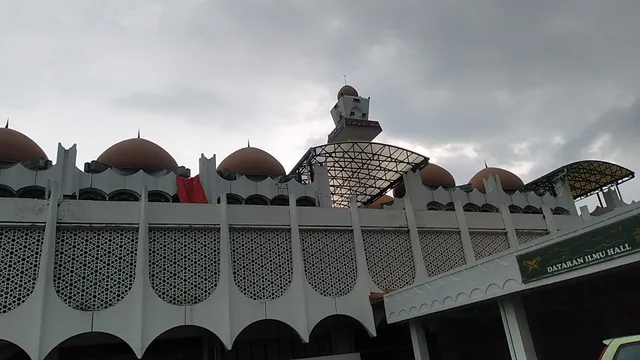
Masjid Negeri Perak
4.7
(754)
Click for details
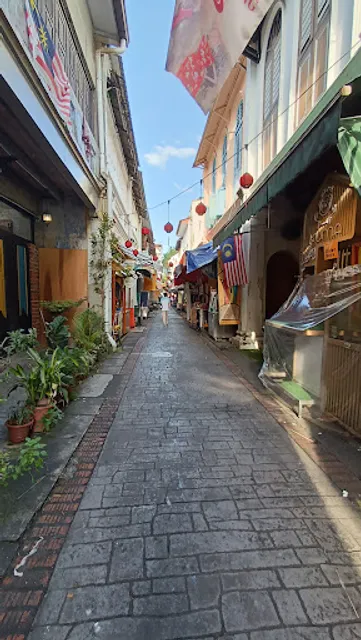
Panglima Ln
4.0
(146)
Click for details
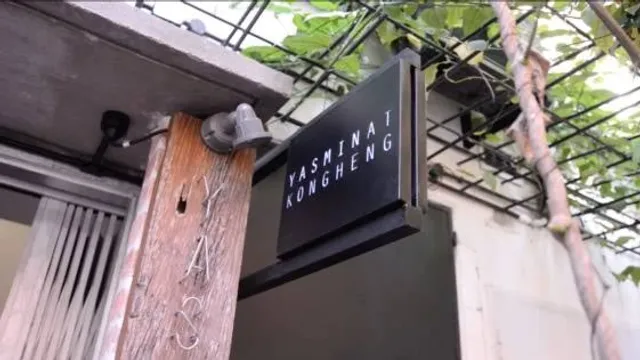
Yasmin Ahmad at Kong Heng Museum
4.3
(100)
Click for details
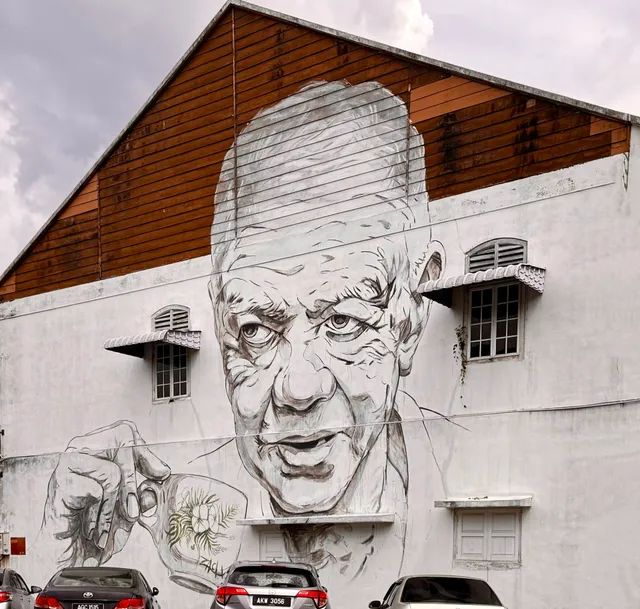
Ipoh Mural - No.1 An Old Uncle Drinking Coffee
4.2
(63)
Click for details