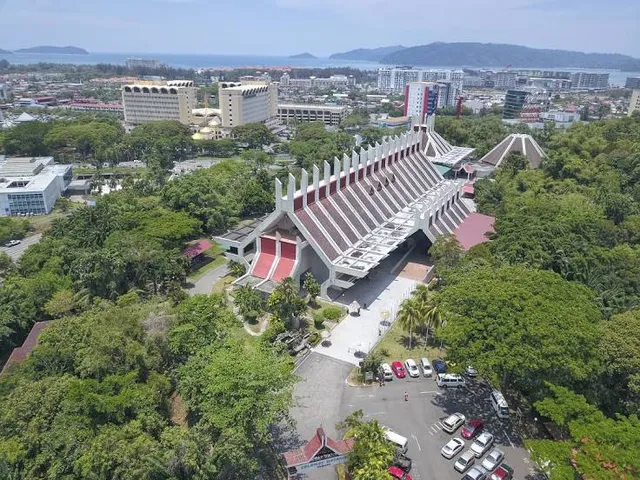
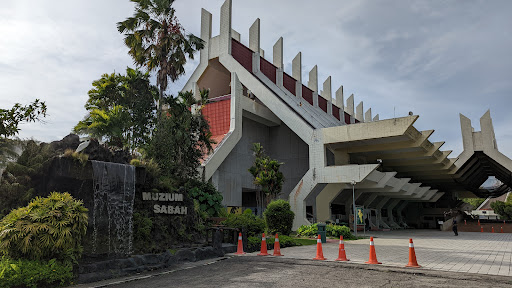
Sabah State Museum, located in Kota Kinabalu, Malaysia, is a treasure trove of knowledge that offers visitors a captivating insight into the rich heritage, diverse wildlife, and fascinating traditions of Sabah. With its impressive collection of artifacts, including a magnificent whale skeleton, realistic animal models, and exhibits on the state's traditional culture, the museum provides an immersive experience that educates and entertains visitors of all ages.
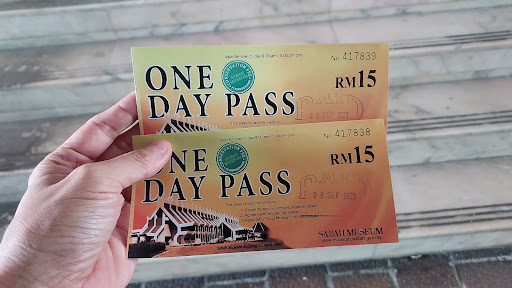
I go there by Grab, which is not expensive and reliable. The entrance fee is RM15 per person, for non local ones.
One of the standout attractions at Sabah State Museum is the awe-inspiring whale skeleton on display. As visitors enter the museum, they are greeted by the sight of this massive exhibit, serving as a testament to the incredible diversity and size of marine life in the waters surrounding Sabah. The sheer magnitude of the skeleton is a sight to behold and offers visitors a unique opportunity to gain a deeper understanding of the marine ecosystem that exists in this region.
Beyond the whale skeleton, the museum boasts a remarkable collection of lifelike animal models that provide visitors with an up-close encounter with Sabah's diverse wildlife. Each model is meticulously crafted to accurately represent the various species found in the region. From the endangered orangutans and Bornean pygmy elephants to the vibrant bird species and exotic reptiles, these realistic models offer a glimpse into the natural beauty and ecological importance of Sabah's rich biodiversity.
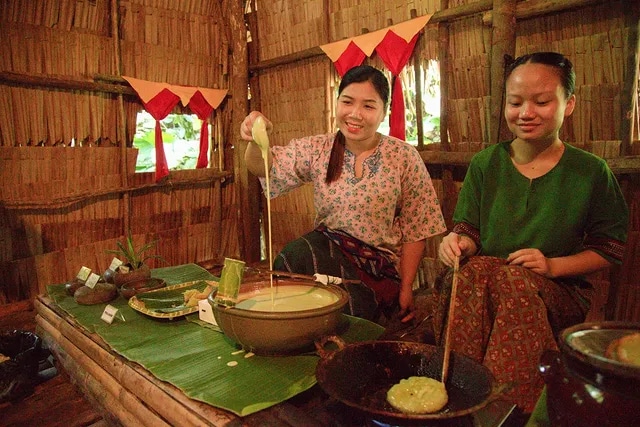
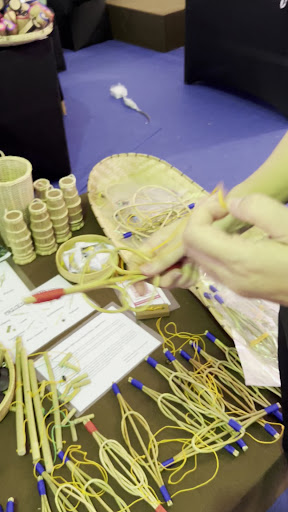
However, the Sabah State Museum is not just limited to showcasing the wonders of nature. It is also a treasure trove for those interested in exploring the cultural heritage of the region. The museum houses a range of exhibits dedicated to the traditional cultures of Sabah's indigenous communities. Visitors can witness the vibrant costumes, intricate handicrafts, and traditional musical instruments that have played a significant role in shaping the cultural identity of the state.
One aspect of Sabah's traditional culture that holds particular historical significance is the practice of headhunting. In the past, headhunting was prevalent among certain indigenous communities in Sabah. The museum provides insights into this aspect of the state's history through exhibits that shed light on the historical context, rituals, and artifacts associated with this tradition. Although headhunting is no longer practiced today, understanding its historical significance adds depth to one's appreciation of Sabah's...
Read moreGet here from the bus station at Marina Court if you're in the city centre, not minibus but a bus with the title "Penampang Terminal Wawasan". No schedule for the bus as they go when they have around 10 people on the bus. Waiting time was about half an hour. Bus fare was RM2 and I paid when getting off.
Don't follow the Google map recommendation for the bus drop off point because the road was blocked. Go further and there's an official entrance into the museum. Drop off near there.
I asked whether they turn off the lights before the museum closes and the ticket counter lady said they turn off the lights ten minutes before closing. When I explained to her how unfair that was to visitors, she assured me I only need an hour to see all the exhibits. Price was RM15 for foreigners, 7.5 times of the price for locals.
And she was pretty much right. I can't find many interesting exhibits in this two-floor museum really. The only exception is the description and photos about the head hunting culture of some indigenous.
I appreciate that they didn't turn off the lights before five and stole your visiting time like other third-world standard museums in Malaysia, maybe because I made complaints in prior. In the last minutes I was drawn into the most interesting thing in this museum - the English documentary they played which was about the studies of the identities and lives of the owners of the human skeletons they found in Sabah who lived in different periods. I watched until the museum closed.
In the museum, some lights which should be turned on weren't turned on, some TV screen which should be displaying something weren't working. English and Chinese translations are done poorly. For a RM15-level museum, I can see no reasons how such things should happen.
It was not okay, the money wasn't worth, but I didn't dislike it. The rating should be 2.5/5 but since they only allow me to give either 2 or 3, I would opt for the lower one to counter the overrating. If I'm local, then the RM2 fee should be worth. And I don't like such discrimination even though I know some locals think it's fair. In where I come from, museums are free or cheap and we don't have a different price tag for foreigners to discourage...
Read moreSabah Museum, a great place to learn about the history, flora, fauna, traditions and many more ❤
• Open daily
• Opening hours: 9am - 5pm
• Entry ticket: 15 RM (adult, foreigner)
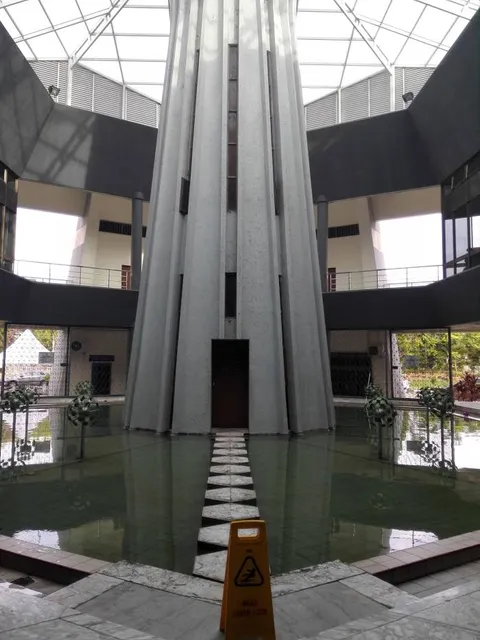
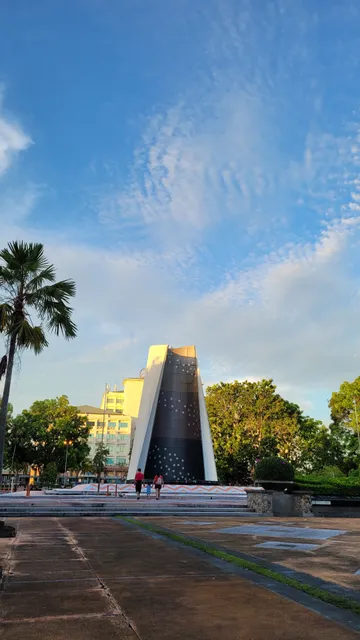
• Gives you access to the main building, 2 heritage villages and the Museum of Islamic Civilisation
• Location: a bit outside the city centre (but walkable). Or grab a Grab / Maxim.
• Recommended time to visit: one full day
• The main building is old. Excluding this, if you are curious to learn, there is a lot of useful information on display. On a rainy day you may see buckets placed around to collect the water leaking from the roof, but this shouldn't be an issue visiting.
• The museum is divided into several sections: natural history gallery, ceramics gallery, ethnography gallery, archaeology gallery, history gallery and head hunting gallery.
• Basically, you can learn about the history of Sabah and how it worked as an English colony, learn a bit about the tribes, about the agriculture in the old days, festivals and traditions, traditional clothes, local flora and fauna, excavated ceramics and the first human settlement on the island, and many more.
• There is an interesting exhibition in the ceramic gallery where you can see Chinese excavated ceramics from a sunken ship.
• Apart from the main building, the same ticket gives you access to two cultural villages. Here you can see how the housings are varying in terms of architecture from a local tribe to another but also from a region to another. The villages are near the museum, but are spread all over the park so it's a bit of nice walking as well. In some areas you will even walk small paths and forests.
• There is so much to learn that I highly recommend to spend the entire day. You will leave so much richer in knowledge and spending a lot of satisfaction by better understanding this amazing land.
For more travel tips around Borneo follow me on instagram...
Read more