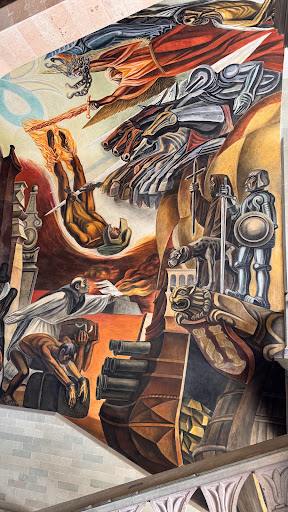
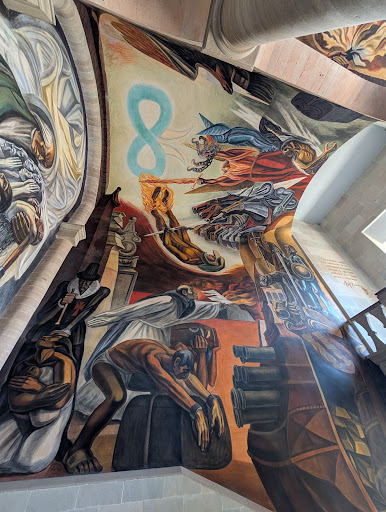
Alhóndiga de Granaditas Regional Museum things to do, attractions, restaurants, events info and trip planning
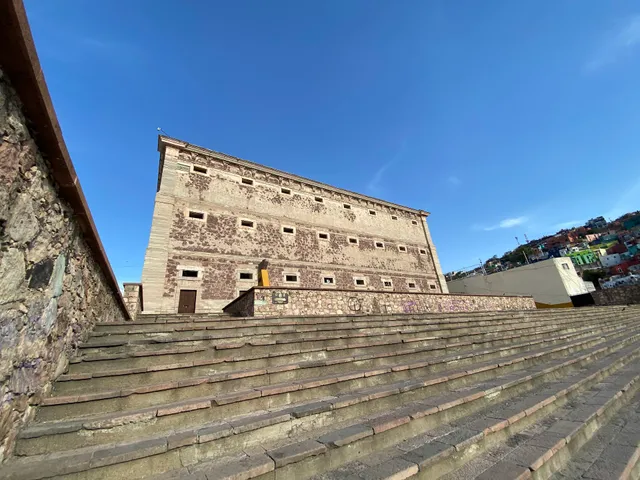
Basic Info
Alhóndiga de Granaditas Regional Museum
C. Mendizábal 6, Centro, 36000 Guanajuato, Gto., Mexico
4.7(8.7K)
Open until 6:00 PM

tickets
Save
spot
spot
Ratings & Description
Info
Cultural
Family friendly
Accessibility
attractions: Callejón del Beso, Museo de Cera, Musician Square, Explanada de la Alhondiga, University of Guanajuato, Faculty of Architecture, elpinchegrabadora, EnVisionArte, Foro Cultural 81, ARTLALLI (Tierra de Arte), Monumento Al Pipila, restaurants: Panadería la Purisima, La Table de Andrée, Pizza Báez Galarza, La Casa De Los Espiritus, La Oreja De Van Goh, Estación Gelato, El Horla, Restaurante Bar la Bohemia, Restaurante El Claustro, Los Barrilitos, local businesses: Mercado Hidalgo, Mercado Hidalgo, Mercado De Gavira, Juancho Tortas (Estilo CDMX), Cjon. del Beso, Templo De San Roque, Callejón del Beso, Unión Garden, University of Guanajuato, Guanajuato Capital
 Learn more insights from Wanderboat AI.
Phone
+52 473 732 1112
Website
sic.cultura.gob.mx
Open hoursSee all hours
Thu10 AM - 6 PMOpen
Plan your stay

Pet-friendly Hotels in Guanajuato
Find a cozy hotel nearby and make it a full experience.

Affordable Hotels in Guanajuato
Find a cozy hotel nearby and make it a full experience.

The Coolest Hotels You Haven't Heard Of (Yet)
Find a cozy hotel nearby and make it a full experience.

Trending Stays Worth the Hype in Guanajuato
Find a cozy hotel nearby and make it a full experience.
Reviews
Live events
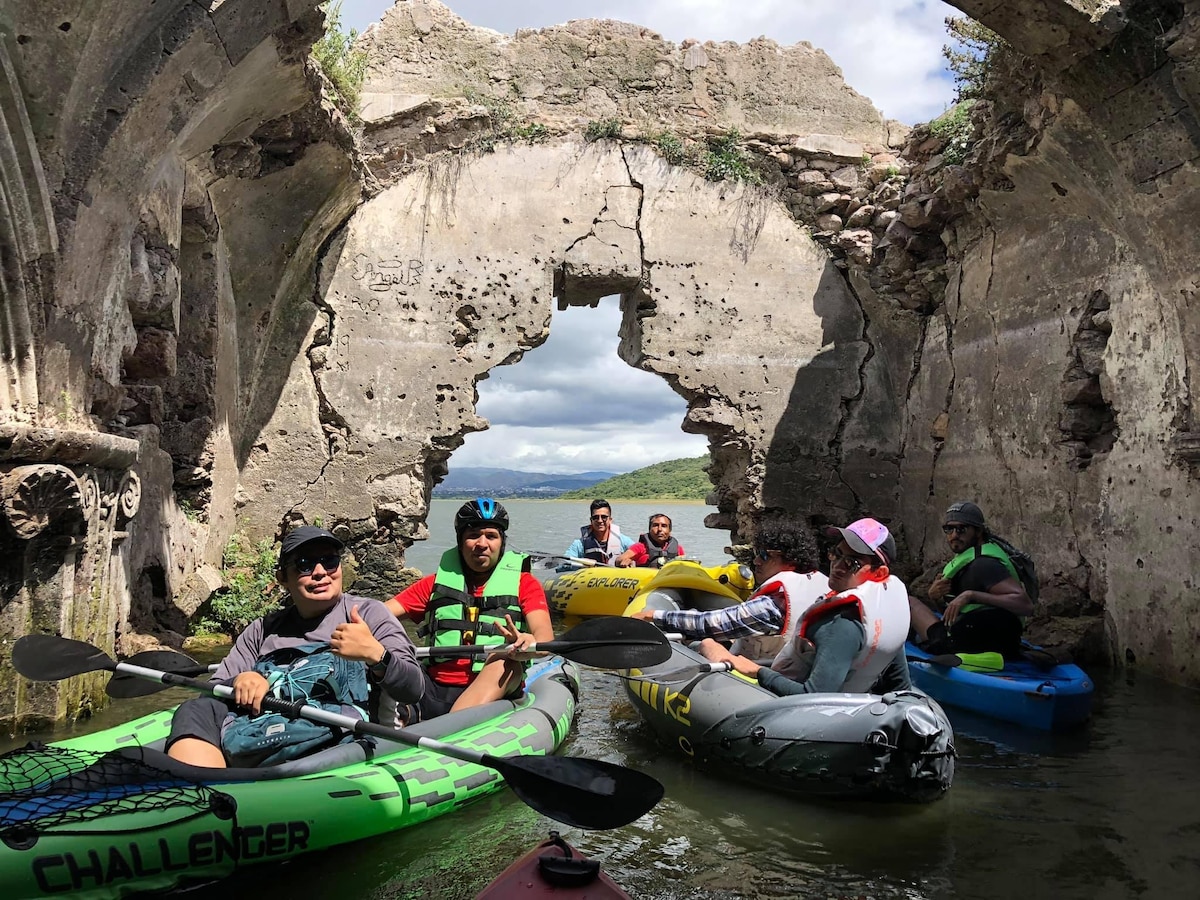
Kayak to the old sunken church
Fri, Feb 13 • 9:00 AM
36267, Guanajuato, Guanajuato, Mexico
View details
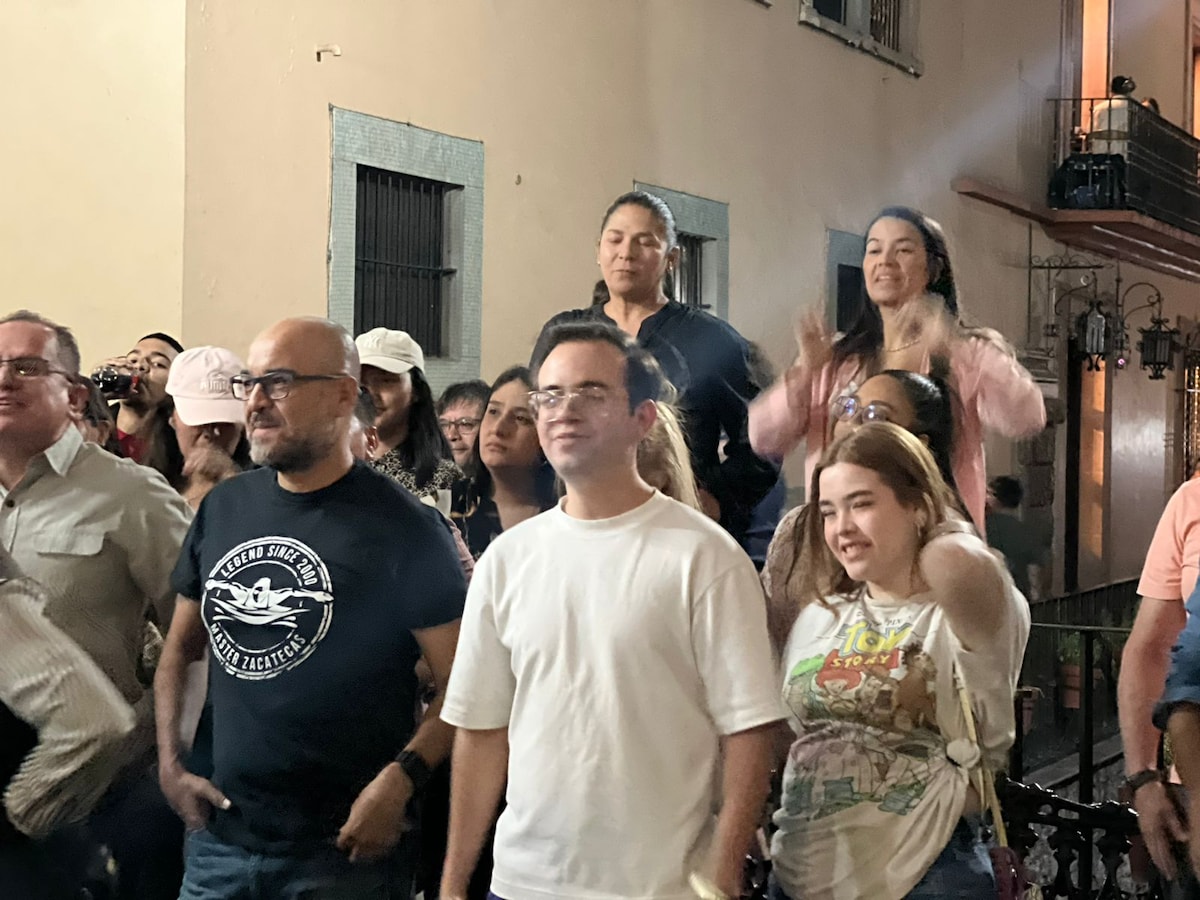
callejoneadas
Thu, Feb 12 • 7:00 PM
36000, Guanajuato, Guanajuato, Mexico
View details
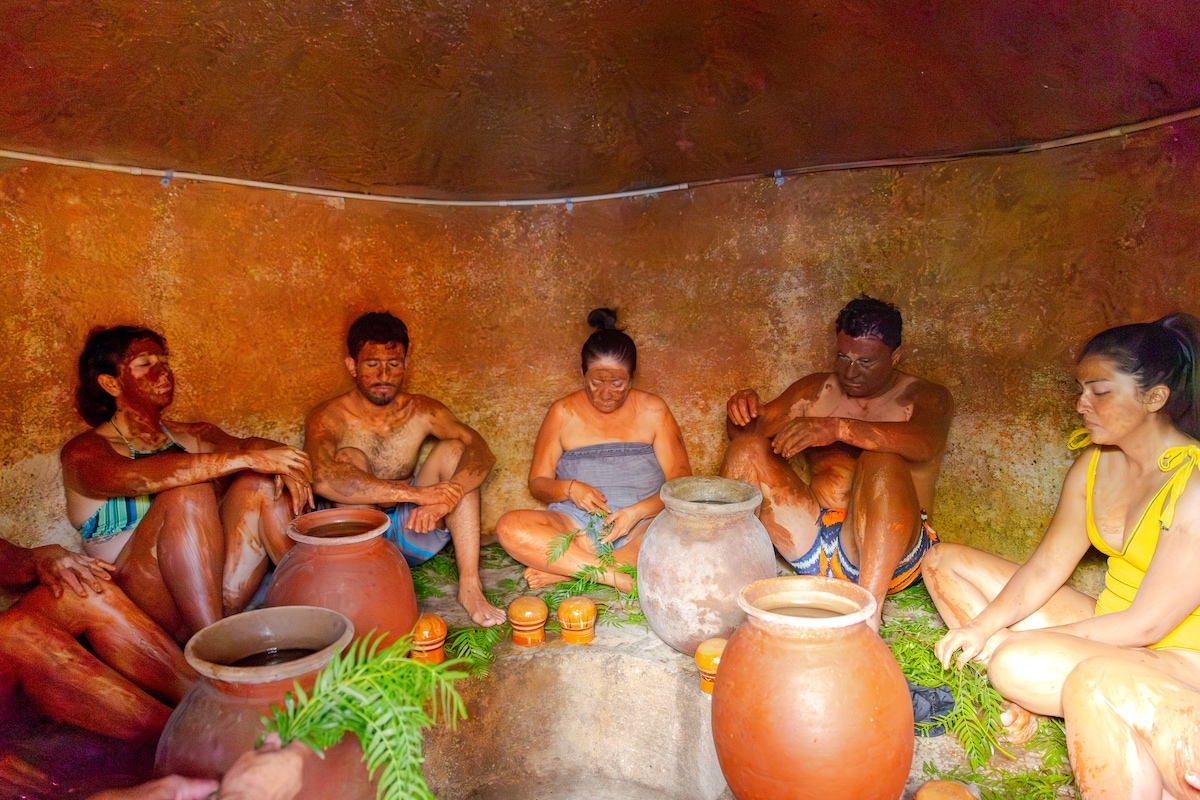
Experience a temazcal
Sun, Feb 15 • 11:30 AM
36030, Guanajuato, Guanajuato, Mexico
View details
Nearby attractions of Alhóndiga de Granaditas Regional Museum
Callejón del Beso
Museo de Cera
Musician Square
Explanada de la Alhondiga
University of Guanajuato, Faculty of Architecture
elpinchegrabadora
EnVisionArte
Foro Cultural 81
ARTLALLI (Tierra de Arte)
Monumento Al Pipila
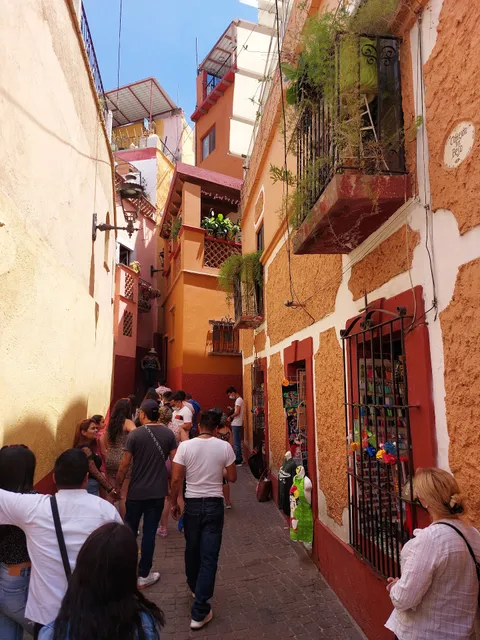
Callejón del Beso
4.6
(15.6K)
Open until 12:00 AM
Click for details

Museo de Cera
4.2
(240)
Open until 6:00 PM
Click for details
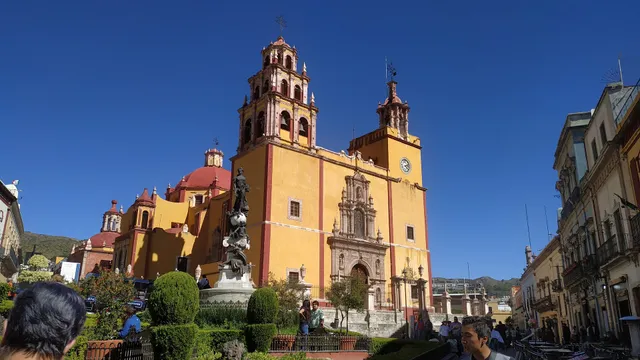
Musician Square
4.4
(633)
Open until 12:00 AM
Click for details
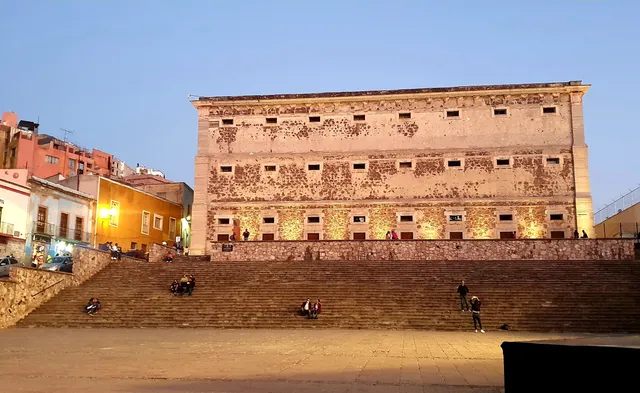
Explanada de la Alhondiga
4.8
(136)
Open until 12:00 AM
Click for details
Nearby restaurants of Alhóndiga de Granaditas Regional Museum
Panadería la Purisima
La Table de Andrée
Pizza Báez Galarza
La Casa De Los Espiritus
La Oreja De Van Goh
Estación Gelato
El Horla
Restaurante Bar la Bohemia
Restaurante El Claustro
Los Barrilitos
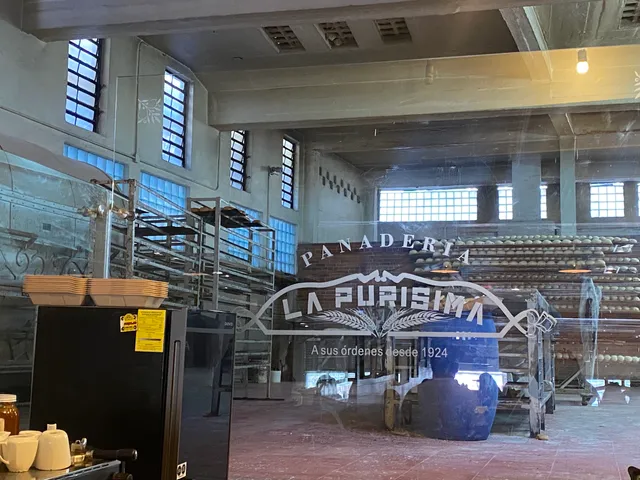
Panadería la Purisima
4.0
(445)
Open until 10:00 PM
Click for details
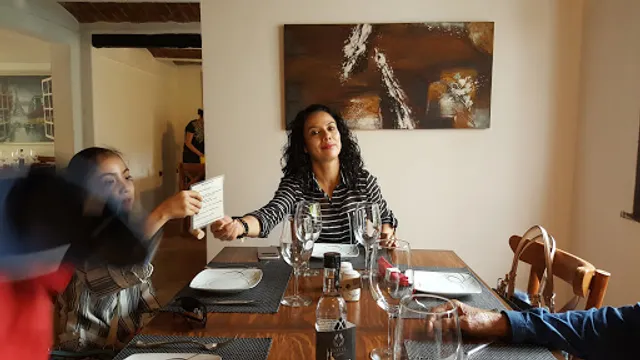
La Table de Andrée
4.7
(339)
$$
Closed
Click for details
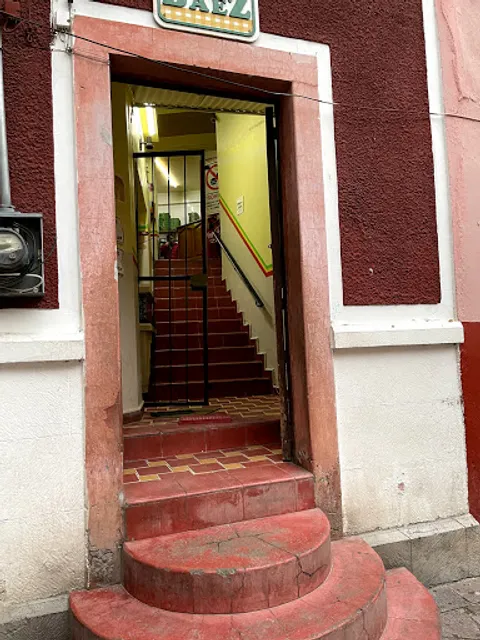
Pizza Báez Galarza
4.3
(506)
Open until 10:00 PM
Click for details
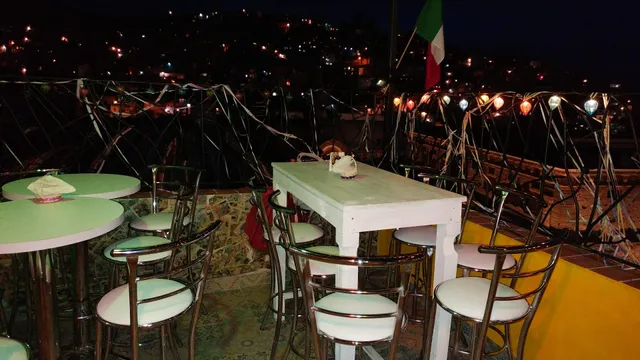
La Casa De Los Espiritus
4.6
(142)
Closed
Click for details
Nearby local services of Alhóndiga de Granaditas Regional Museum
Mercado Hidalgo
Mercado Hidalgo
Mercado De Gavira
Juancho Tortas (Estilo CDMX)
Cjon. del Beso
Templo De San Roque
Callejón del Beso
Unión Garden
University of Guanajuato
Guanajuato Capital
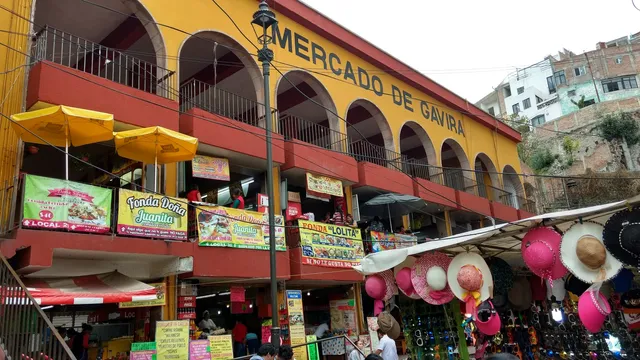
Mercado Hidalgo
4.3
(5.1K)
Click for details
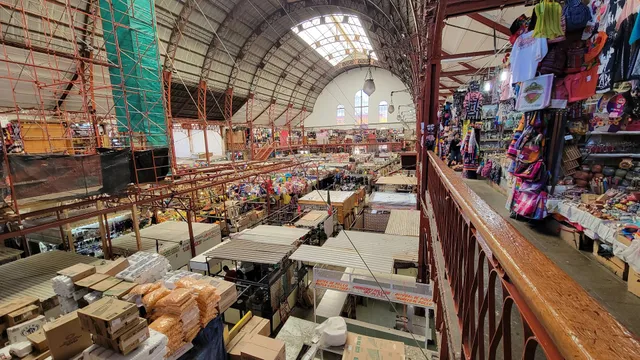
Mercado Hidalgo
4.5
(3.5K)
Click for details
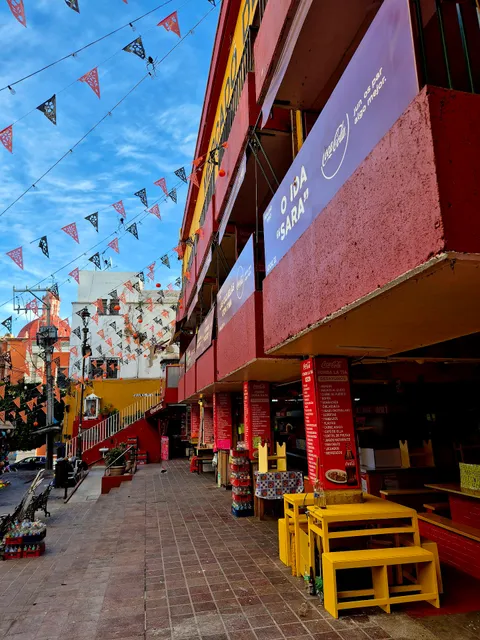
Mercado De Gavira
4.1
(105)
Click for details
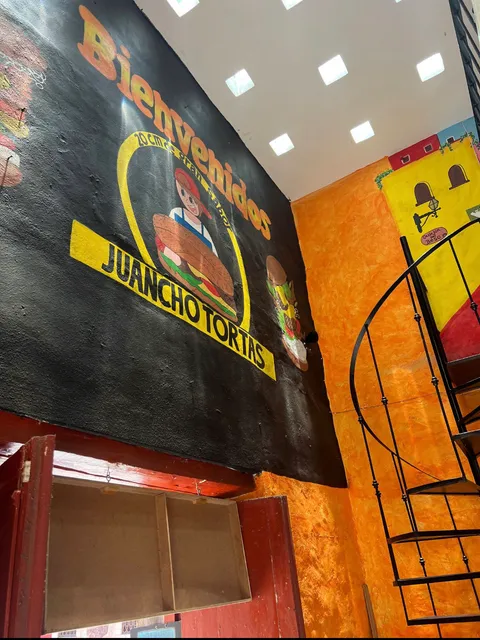
Juancho Tortas (Estilo CDMX)
4.5
(22)
Click for details