Jemaa el-Fnaa things to do, attractions, restaurants, events info and trip planning
Basic Info
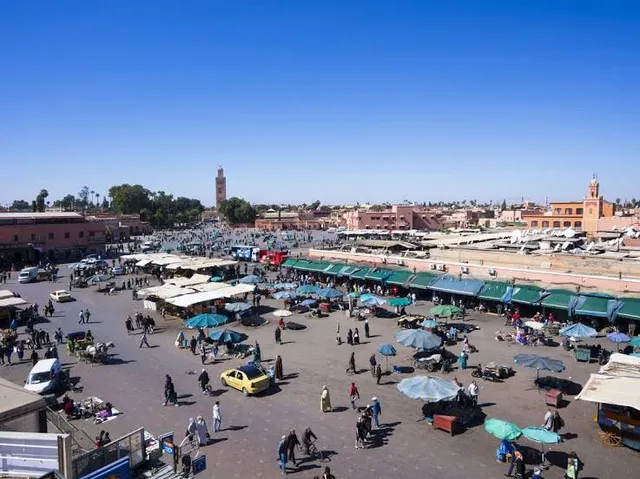
Jemaa el-Fnaa
Marrakesh 40000, Morocco
4.3(16.6K)
Open 24 hours
Save
spot
spot
Ratings & Description
Info
Cultural
Outdoor
Entertainment
Family friendly
attractions: Souk Semmarine, Place Jamaa el fna, Le Jardin Secret, Museum of Mouassine Music, Koutoubia Minaret, Morocco Desert Travels, Koutoubia, AGAFAY DESERT: Dinner ,Camel Ride ,BERBER CAMP, QUAD, Plaza Rahba Kedima, History of Kaftan, restaurants: Argana, Jemaa Al Fna - Groupe L'Adresse - Cafe & Restaurants Marrakech, La Pergola & Le bistro Arabe, Snack Toubkal, Zeitoun Café, Le Bistro Arabe - Moroccan Jazz Restaurant in Marrakech, Le Grand Balcon du Café Glacier, Restaurant Le Grand Bazar Marrakech, L'étoile Du Musée, MÖ-MÖ Restaurant (sans reservation), local businesses: Zoco Marrakech, Souk Semmarine, Les Jardins de La Koutoubia, moroccan-desert Tours, Herbalism, Market, Aux Merveilles de marrakech, Herboriste Sahara, Marrakech Herboristerie, Herboristerie Jamaa El Fna
 Learn more insights from Wanderboat AI.
Plan your stay

Pet-friendly Hotels in Marrakesh Prefecture
Find a cozy hotel nearby and make it a full experience.

Affordable Hotels in Marrakesh Prefecture
Find a cozy hotel nearby and make it a full experience.

The Coolest Hotels You Haven't Heard Of (Yet)
Find a cozy hotel nearby and make it a full experience.

Trending Stays Worth the Hype in Marrakesh Prefecture
Find a cozy hotel nearby and make it a full experience.
Reviews
Live events
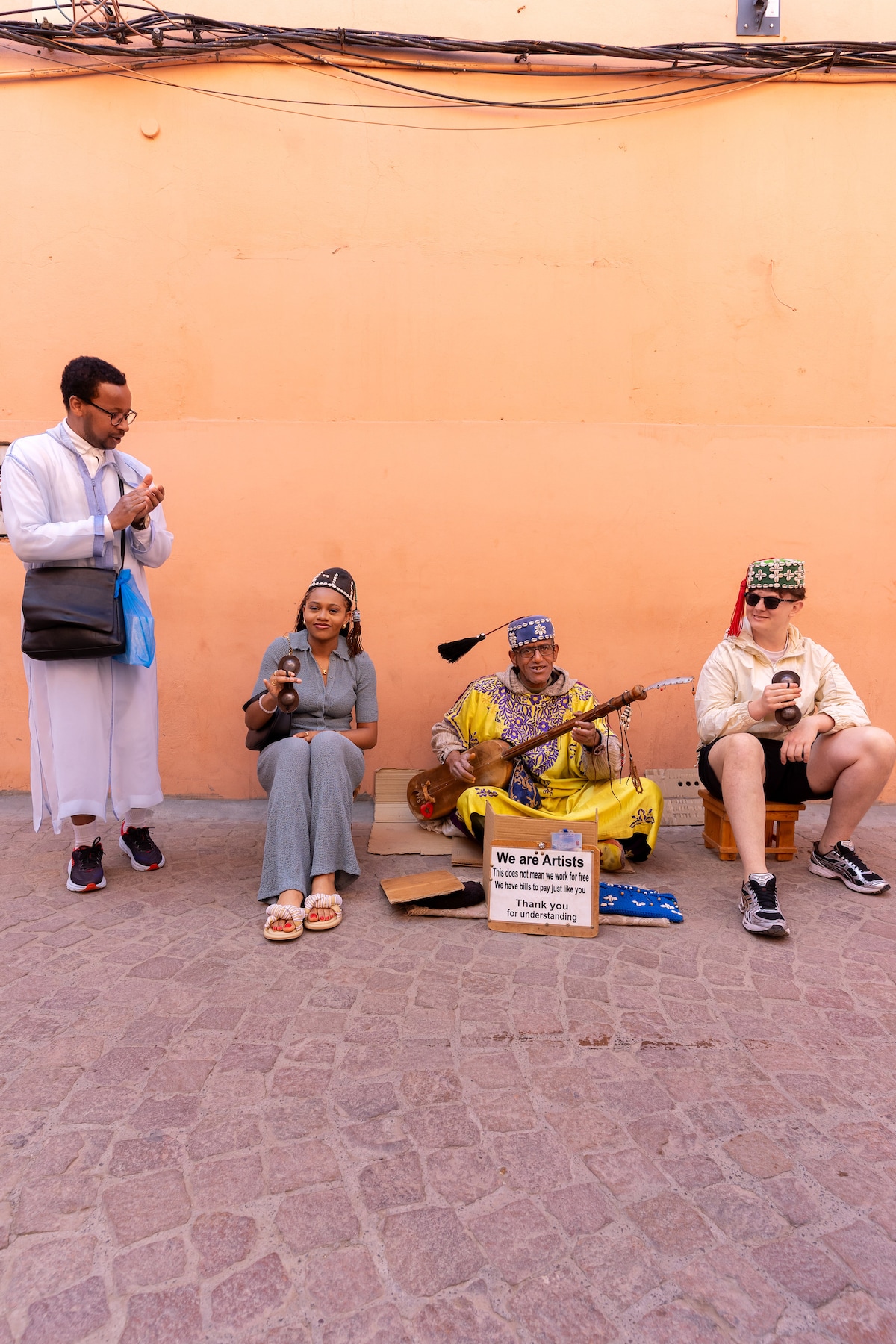
Walk the streets of Marrakech with a local guide
Fri, Feb 27 • 10:00 AM
Marrakesh, 40000, Morocco
View details
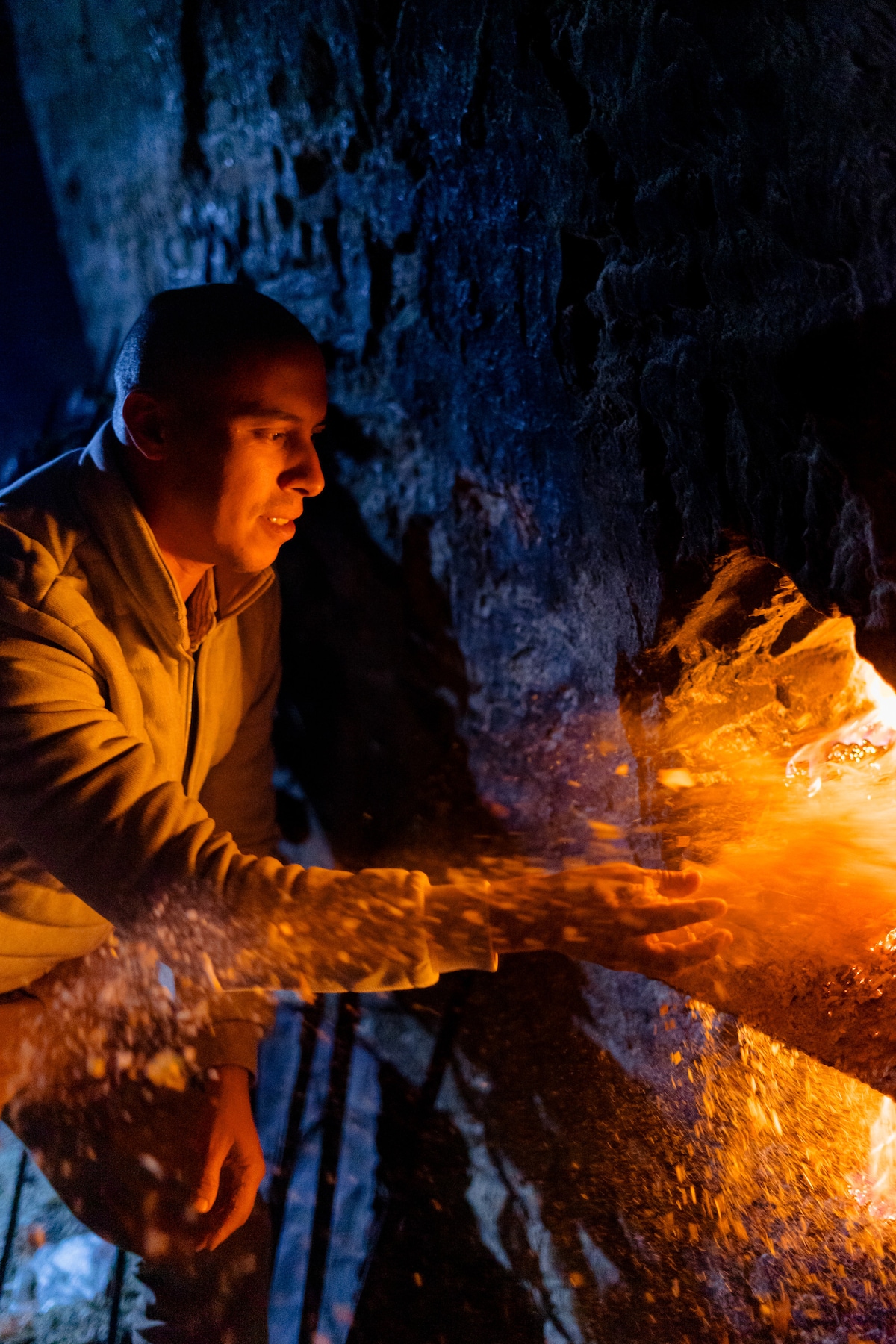
STREET FOOD TOUR: Eat & Drink as a Local
Mon, Feb 23 • 8:15 PM
Marrakesh, 4000, Morocco
View details
Nearby attractions of Jemaa el-Fnaa
Souk Semmarine
Place Jamaa el fna
Le Jardin Secret
Museum of Mouassine Music
Koutoubia Minaret
Morocco Desert Travels
Koutoubia
AGAFAY DESERT: Dinner ,Camel Ride ,BERBER CAMP, QUAD
Plaza Rahba Kedima
History of Kaftan
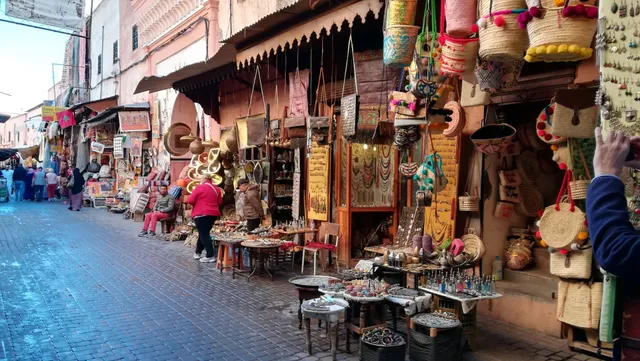
Souk Semmarine
4.4
(2.5K)
Open until 9:00 PM
Click for details
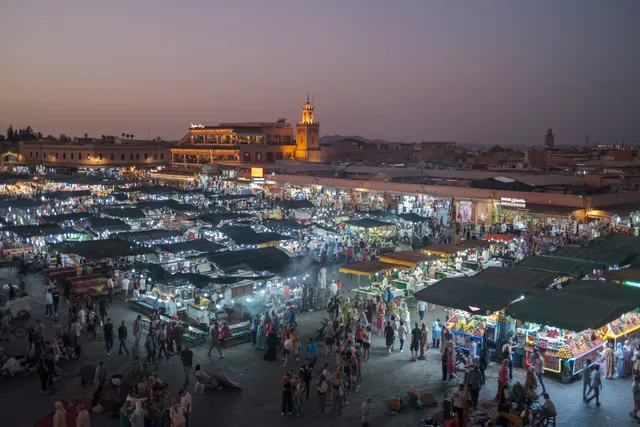
Place Jamaa el fna
4.3
(17)
Open 24 hours
Click for details
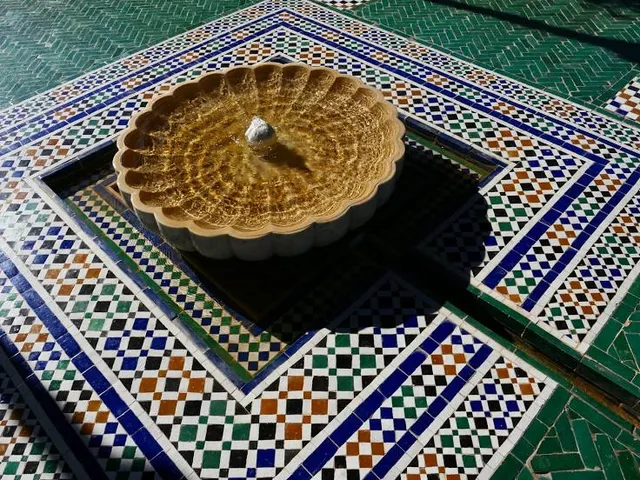
Le Jardin Secret
4.2
(4.4K)
Closed
Click for details
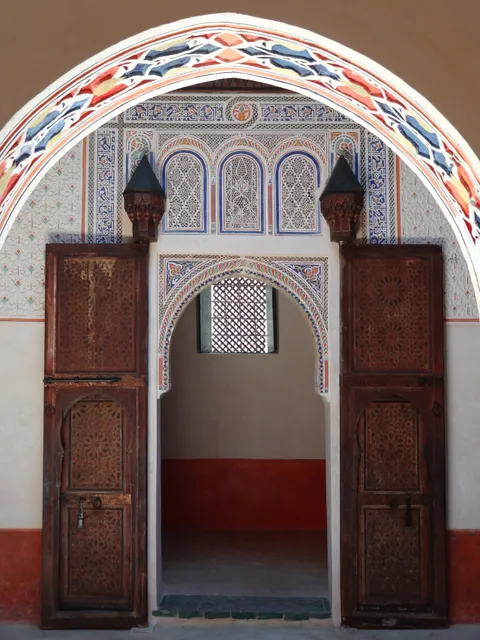
Museum of Mouassine Music
4.7
(345)
Closed
Click for details
Nearby restaurants of Jemaa el-Fnaa
Argana
Jemaa Al Fna - Groupe L'Adresse - Cafe & Restaurants Marrakech
La Pergola & Le bistro Arabe
Snack Toubkal
Zeitoun Café
Le Bistro Arabe - Moroccan Jazz Restaurant in Marrakech
Le Grand Balcon du Café Glacier
Restaurant Le Grand Bazar Marrakech
L'étoile Du Musée
MÖ-MÖ Restaurant (sans reservation)
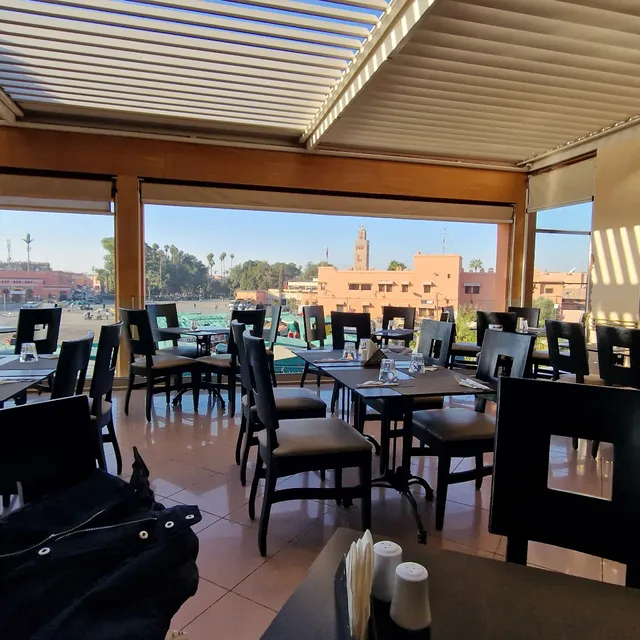
Argana
3.7
(2K)
$$
Open until 12:00 AM
Click for details
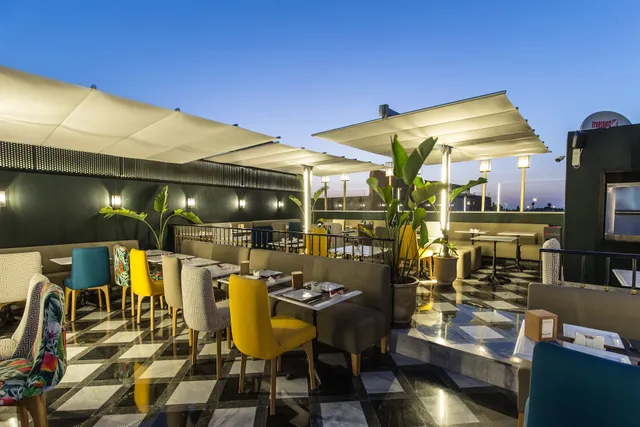
Jemaa Al Fna - Groupe L'Adresse - Cafe & Restaurants Marrakech
4.2
(2.3K)
$$
Open until 1:00 AM
Click for details
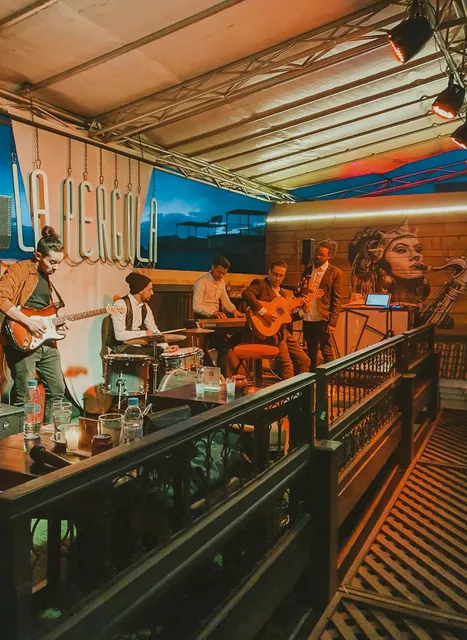
La Pergola & Le bistro Arabe
4.8
(12.4K)
$$
Open until 11:00 PM
Click for details
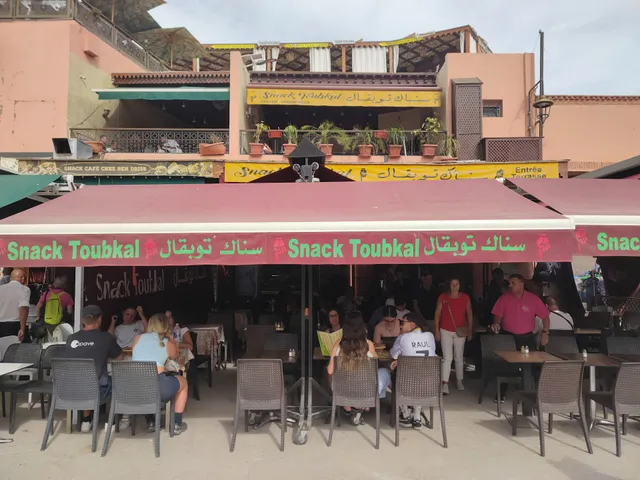
Snack Toubkal
4.2
(1.5K)
Open until 11:30 PM
Click for details
Nearby local services of Jemaa el-Fnaa
Zoco Marrakech
Souk Semmarine
Les Jardins de La Koutoubia
moroccan-desert Tours
Herbalism
Market
Aux Merveilles de marrakech
Herboriste Sahara
Marrakech Herboristerie
Herboristerie Jamaa El Fna
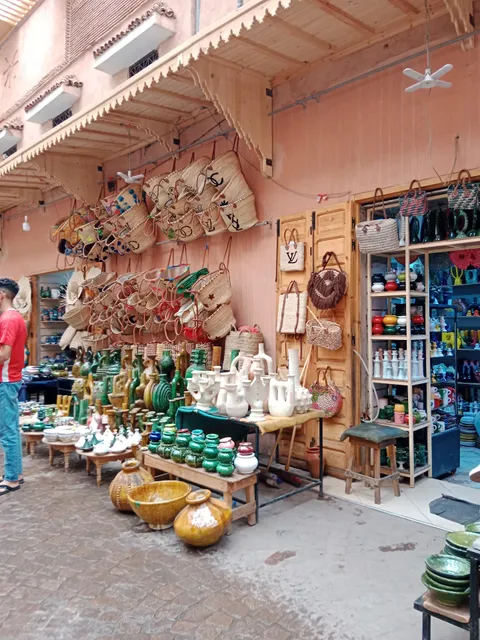
Zoco Marrakech
4.2
(217)
Click for details
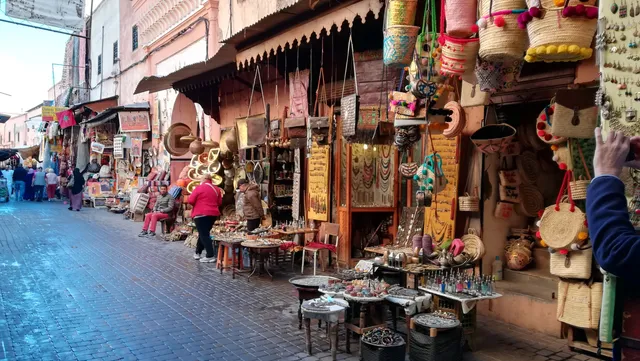
Souk Semmarine
4.4
(1.9K)
Click for details
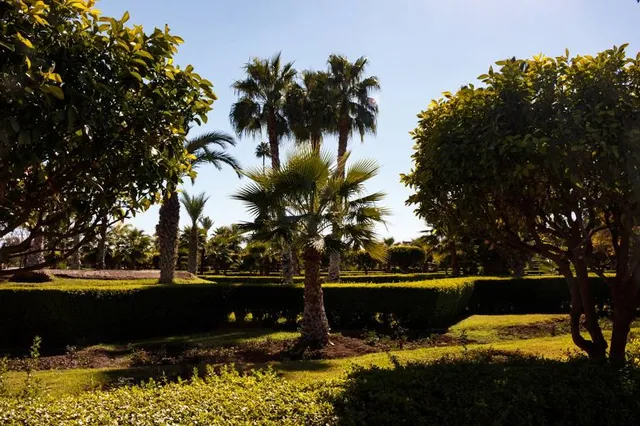
Les Jardins de La Koutoubia
4.5
(709)
Click for details
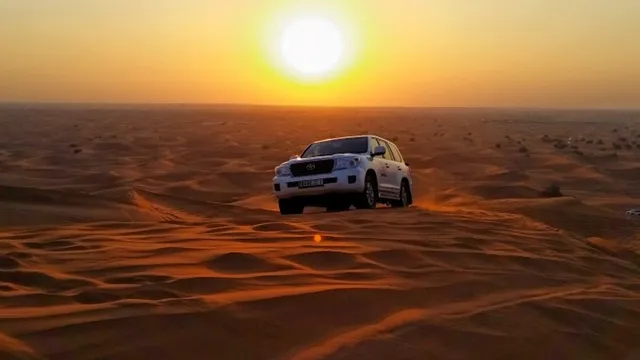
moroccan-desert Tours
5.0
(8)
Click for details