Koutoubia things to do, attractions, restaurants, events info and trip planning
Basic Info
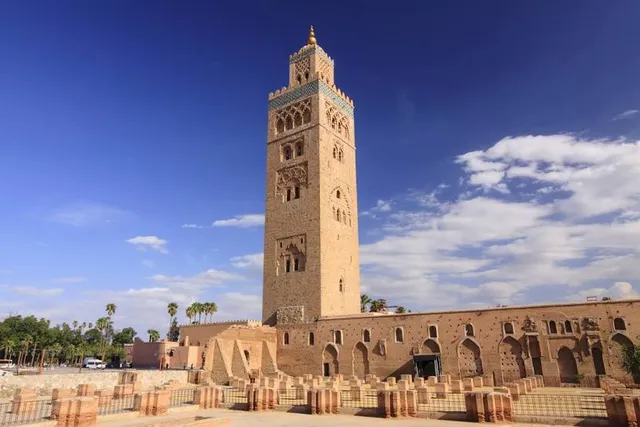
Koutoubia
Marrakesh 40000, Morocco
4.5(513)
Open 24 hours
Save
spot
spot
Ratings & Description
Info
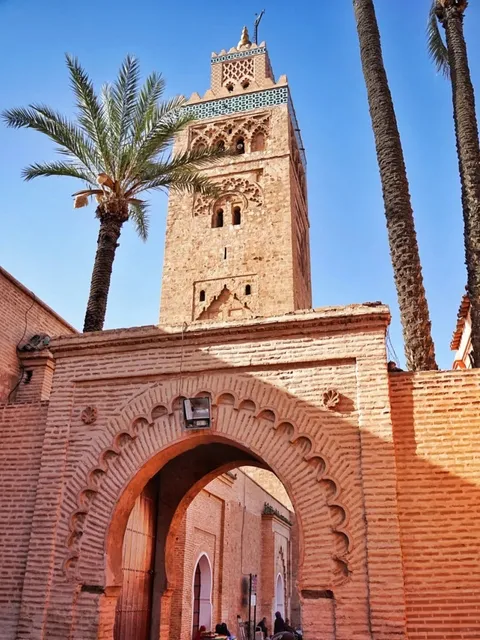
The Kutubiyya Mosque or Koutoubia Mosque is the largest mosque in Marrakesh, Morocco. It is located in the southwest medina quarter of Marrakesh, near the Jemaa el-Fnaa market place, and is flanked by large gardens.
Cultural
Outdoor
Accessibility
attractions: Koutoubia Minaret, AGAFAY DESERT: Dinner ,Camel Ride ,BERBER CAMP, QUAD, Jemaa el-Fnaa, Dar Moulay Ali, Maison de France in Marrakech, Le Grand Casino La Mamounia, Cyber Park, Souk Semmarine, Ensemble Artisanal, Saadian Tombs, Le Jardin Secret, restaurants: Cafe Medina Rouge, KABANA ROOFTOP FOOD & COCKTAILS, Al Manzah l'Koutoubia, La Table de la Koutoubia - Restaurant Médina, Portofino Restaurant, Café Koutoubia, Safran by Kôya, Burger 'n Shake Marrakech, Narwama, Fine Mama? Restaurant & Rooftop, local businesses: Parque Lalla Hasna, Les Jardins de La Koutoubia, Ice Madame, Marrakesh Desert Tours, Marrakech Herboristerie, Zoco Marrakech, Market, Souk Lalla Rkia, Travel To Desert / Morocco Sahara Tours, Medina Heritage
 Learn more insights from Wanderboat AI.
Phone
+212 5 24 43 34 07
Website
visitmarrakech.com
Plan your stay

Pet-friendly Hotels in Marrakesh Prefecture
Find a cozy hotel nearby and make it a full experience.

Affordable Hotels in Marrakesh Prefecture
Find a cozy hotel nearby and make it a full experience.

The Coolest Hotels You Haven't Heard Of (Yet)
Find a cozy hotel nearby and make it a full experience.

Trending Stays Worth the Hype in Marrakesh Prefecture
Find a cozy hotel nearby and make it a full experience.
Reviews
Live events
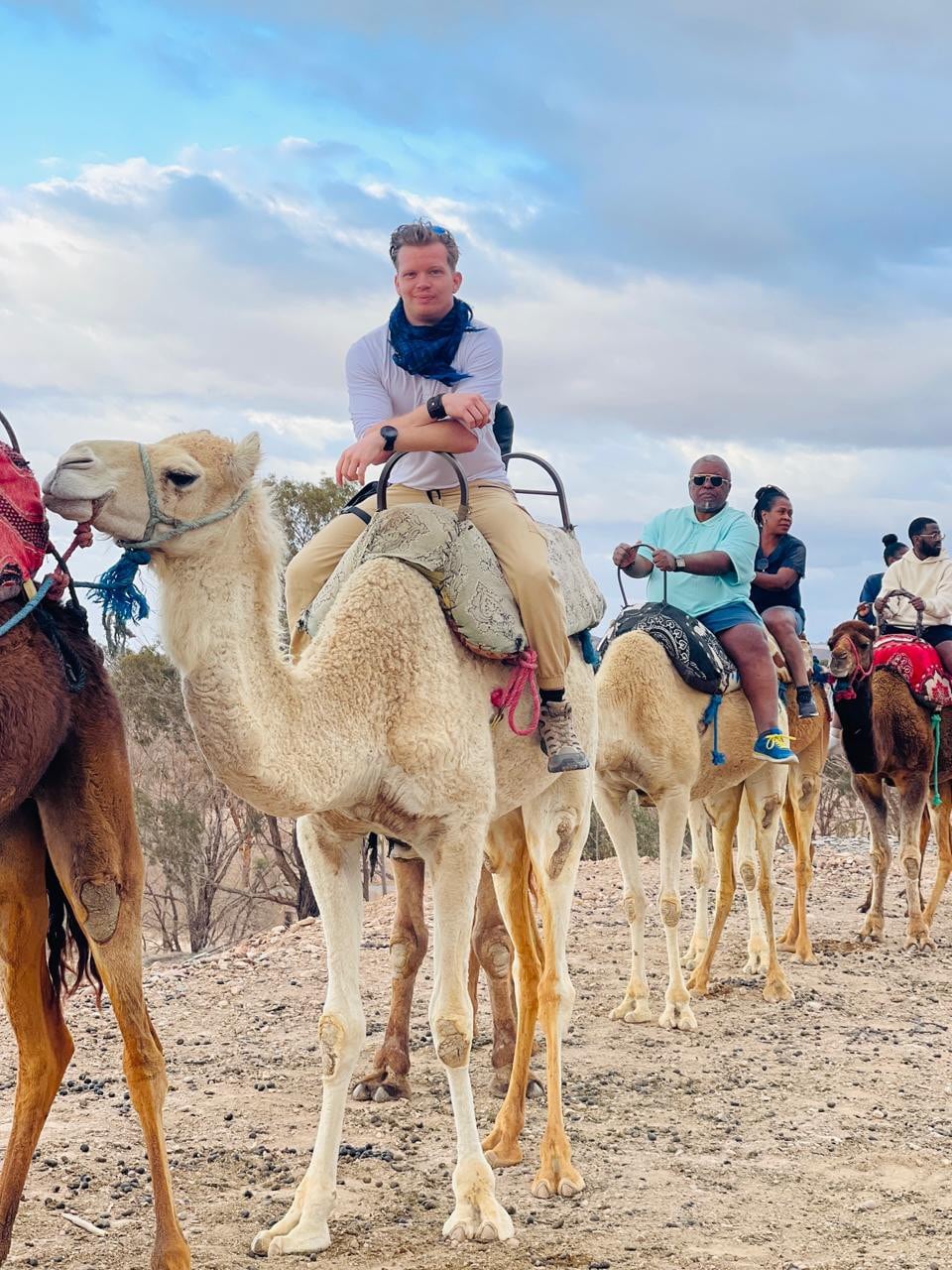
Quad bike, Camel ride & Dinner Show, Agafay desert
Mon, Feb 23 • 3:00 PM
Marrakesh, 40000, Morocco
View details
Nearby attractions of Koutoubia
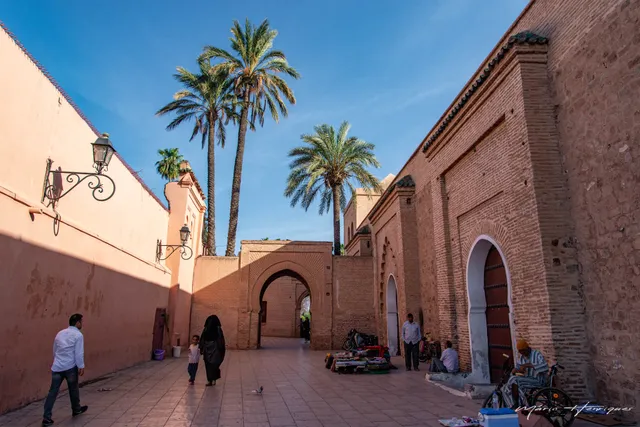
Koutoubia Minaret
AGAFAY DESERT: Dinner ,Camel Ride ,BERBER CAMP, QUAD
Jemaa el-Fnaa
Dar Moulay Ali, Maison de France in Marrakech
Le Grand Casino La Mamounia
Cyber Park
Souk Semmarine
Ensemble Artisanal
Saadian Tombs
Le Jardin Secret
Koutoubia Minaret
4.6
(508)
Open until 12:00 AM
Click for details
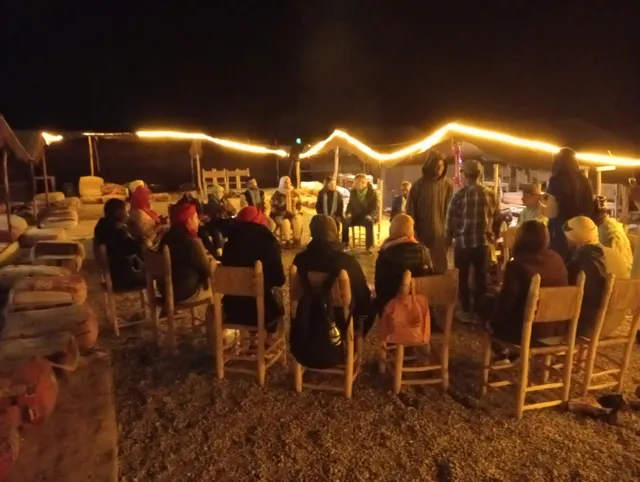
AGAFAY DESERT: Dinner ,Camel Ride ,BERBER CAMP, QUAD
4.6
(110)
Open until 12:00 AM
Click for details
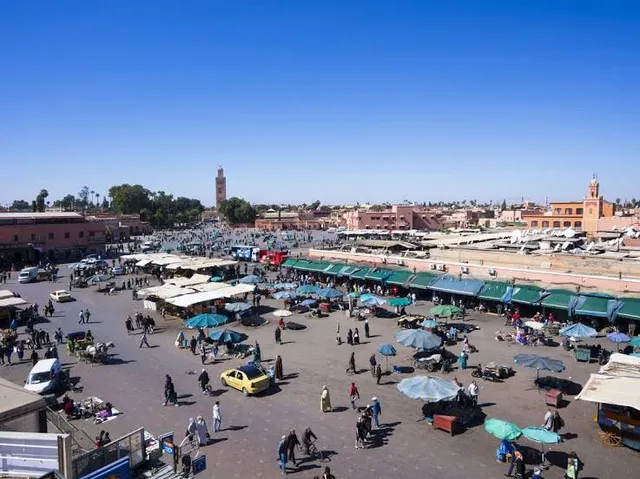
Jemaa el-Fnaa
4.3
(16.6K)
Open 24 hours
Click for details
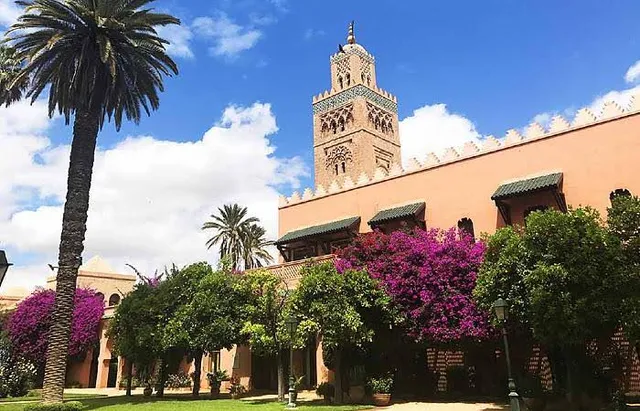
Dar Moulay Ali, Maison de France in Marrakech
4.4
(20)
Closed
Click for details
Nearby restaurants of Koutoubia
Cafe Medina Rouge
KABANA ROOFTOP FOOD & COCKTAILS
Al Manzah l'Koutoubia
La Table de la Koutoubia - Restaurant Médina
Portofino Restaurant
Café Koutoubia
Safran by Kôya
Burger 'n Shake Marrakech
Narwama
Fine Mama? Restaurant & Rooftop
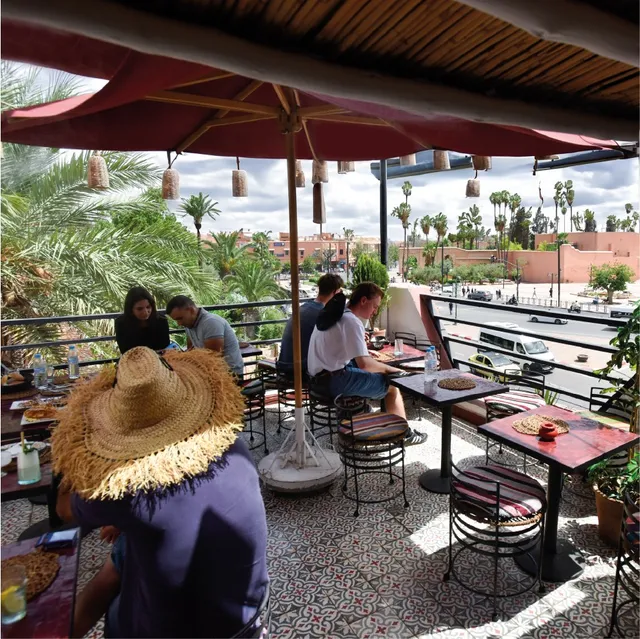
Cafe Medina Rouge
4.7
(883)
Open until 12:30 AM
Click for details
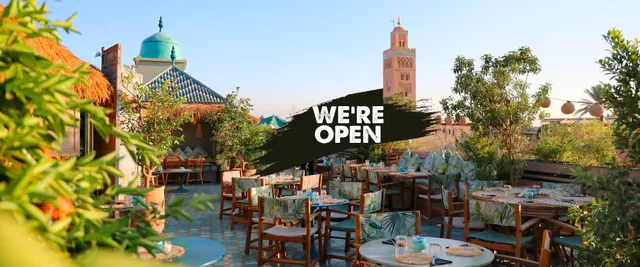
KABANA ROOFTOP FOOD & COCKTAILS
4.4
(2K)
$$
Open until 2:00 AM
Click for details
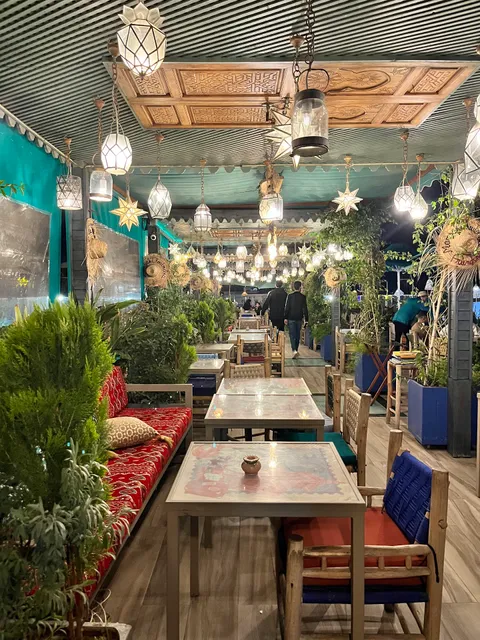
Al Manzah l'Koutoubia
4.2
(290)
Open until 1:00 AM
Click for details
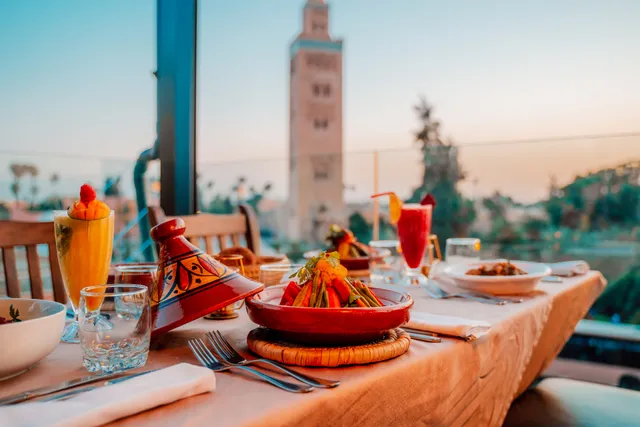
La Table de la Koutoubia - Restaurant Médina
4.0
(267)
Open until 11:00 PM
Click for details
Nearby local services of Koutoubia
Parque Lalla Hasna
Les Jardins de La Koutoubia
Ice Madame
Marrakesh Desert Tours
Marrakech Herboristerie
Zoco Marrakech
Market
Souk Lalla Rkia
Travel To Desert / Morocco Sahara Tours
Medina Heritage
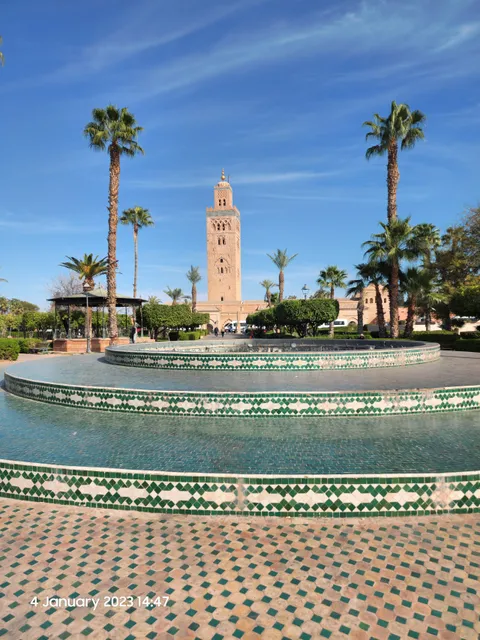
Parque Lalla Hasna
4.3
(529)
Click for details
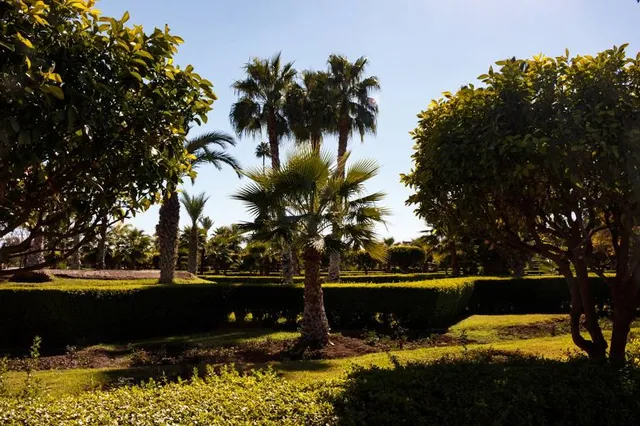
Les Jardins de La Koutoubia
4.5
(709)
Click for details
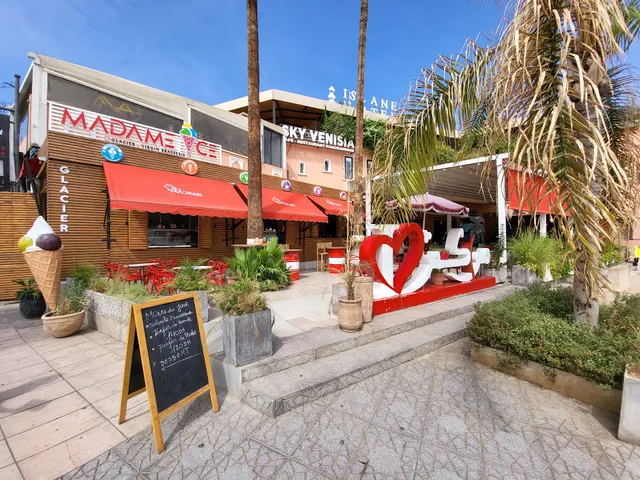
Ice Madame
2.7
(52)
Click for details
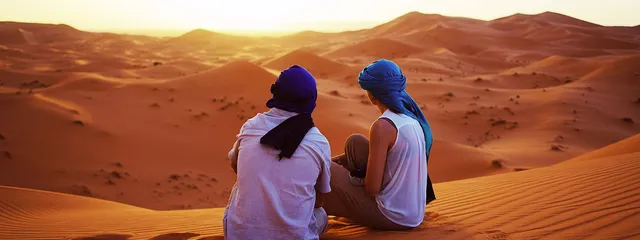
Marrakesh Desert Tours
4.6
(381)
Click for details