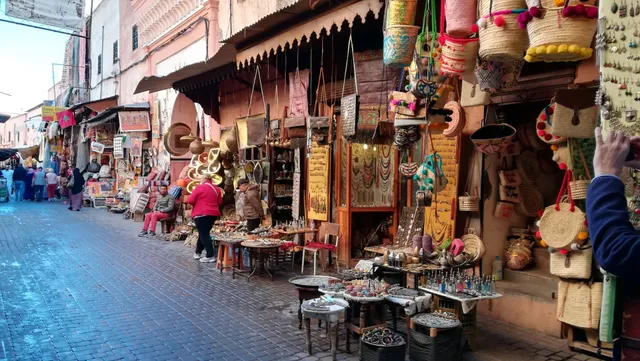
Souk Semmarine in Marrakesh offers an authentic dive into the city’s traditional marketplace ambiance. Located in the heart of the medina, this bustling souk is both a shopper’s haven and a historical landmark. Here’s what you need to know about navigating and appreciating this vibrant market.
Atmosphere and Experience
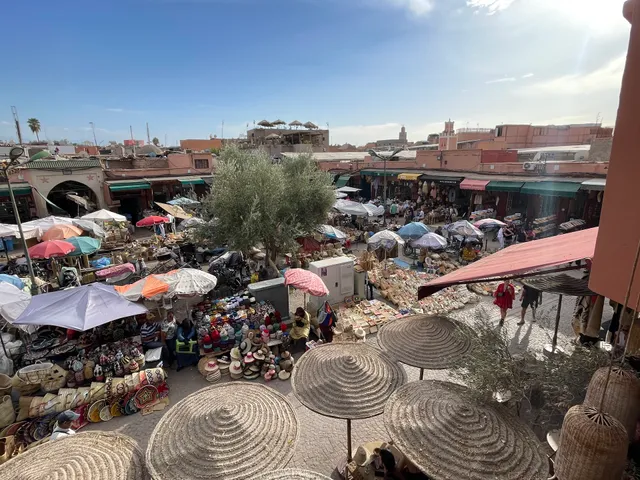
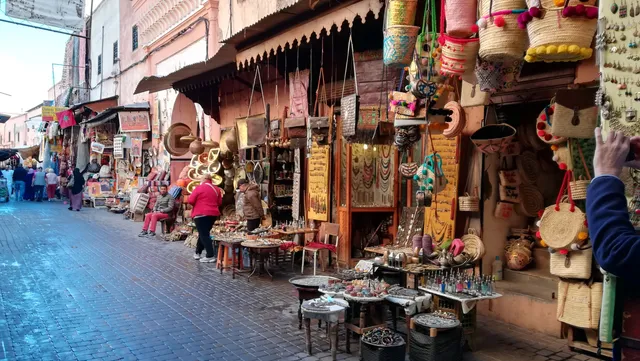
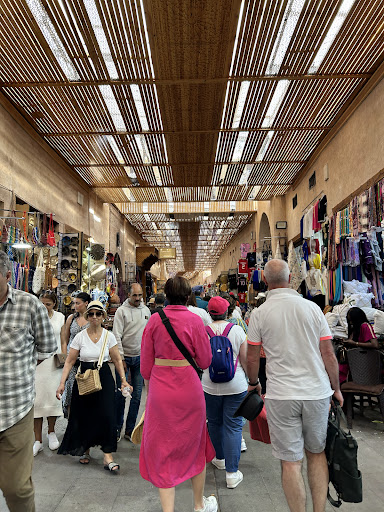
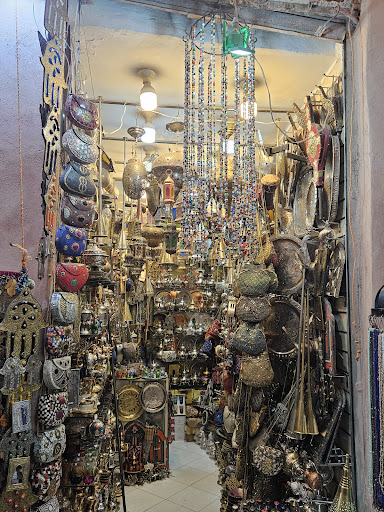
The Souk Semmarine is a sensory overload, with narrow alleys teeming with merchants selling a variety of goods—spices, textiles, ceramics, and jewelry. Its labyrinthine layout, coupled with the lively haggling, creates an environment that is both chaotic and captivating. Despite the apparent disorder, the souk is remarkably safe for tourists, allowing for an immersive experience in the local culture.
Negotiation: A Key Skill
When shopping in the souk, negotiation is crucial. Never settle for the initial price. Goods often start at inflated rates—items quoted at 50 or 60 euros can be bargained down to 15 or 20 euros. Even low-cost items, priced at 1 or 2 euros, can be negotiated down further, especially when buying in bulk. Patience and persistence are your best allies in securing fair prices.
Historical and Cultural Insights
Origins and Evolution:
Souk Semmarine traces its roots back to the 12th century, originally a market for silk traders. Its name, derived from “semmar” (meaning thread seller in Arabic), reflects this history. Over centuries, the souk expanded to include a diverse range of products, evolving from a specialized market into a central trading hub.
Cultural Connections:
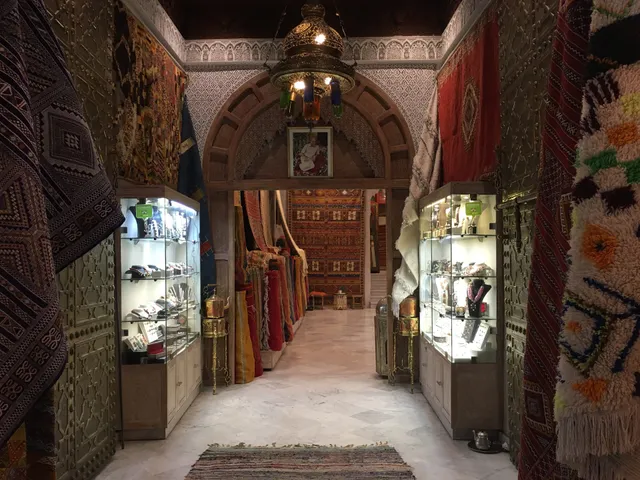
The souk maintains deep ties to Berber culture, with many traders descended from Berber tribes. They bring traditional crafts to the market, particularly in textiles and jewelry, utilizing methods passed down through generations. This connection adds a rich layer of cultural heritage to the shopping experience.
Hidden Gems:
Beyond its commercial allure, Souk Semmarine harbors some lesser-known treasures:
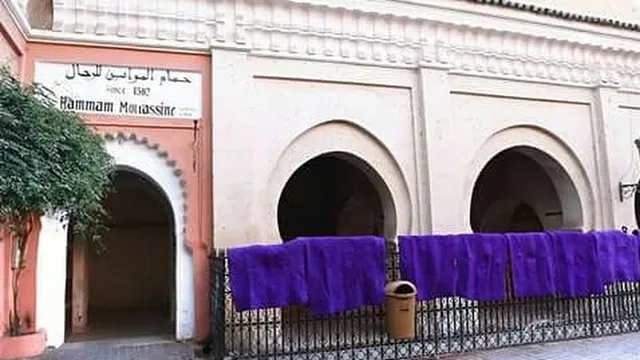
• Secret Courtyards and Hamaams: Hidden within the souk are ancient courtyards and hamaams that offered rest and rejuvenation to weary traders. Some remain operational, offering a glimpse into traditional Moroccan relaxation. • Legend of the Underground Garden: Locals tell of a mythical underground garden built by wealthy merchants as a retreat from the market’s bustle. Though never verified, the tale adds an element of mystery. • Setti Fatma’s Shrine: Tucked away in the souk is a small shrine dedicated to Setti Fatma, a revered Sufi saint. It’s a place where traders seek blessings for prosperity, often unnoticed by casual visitors. • Old Coin Chambers: Remnants of old coin chambers, used during the Saadian period for minting currency, can still be spotted in some alleys. These historical vestiges offer a unique connection to Marrakesh’s economic past. • Naqadias: Specialized women known as “Naqadias” (نقاديات) play a vital role in the souk, assessing the quality and authenticity of textiles and spices. Their expertise ensures that the souk’s offerings maintain high standards.
Recommendations for Visitors
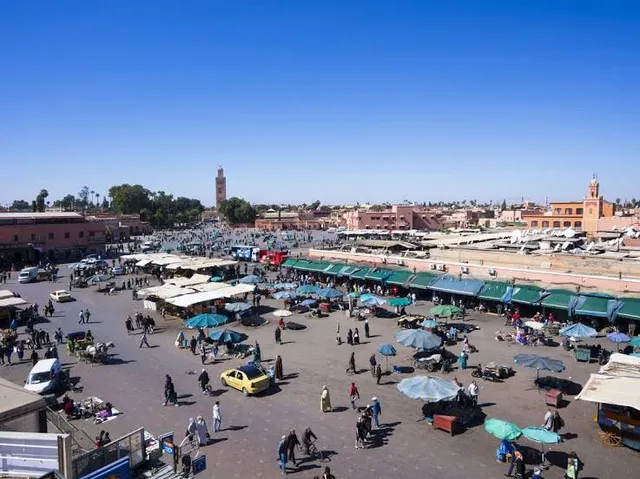
• Start Early: To avoid the heat and crowds, visit early in the day. • Explore Beyond Main Avenues: Take time to wander off the beaten path where you might find hidden gems and traditional experiences. • Engage with Locals: Chat with merchants about the souk’s history and legends to enrich your visit. • Combine with Nearby Attractions: Include the Souk Semmarine in a broader exploration of Marrakesh’s medina, visiting nearby attractions like the Jemaa el-Fnaa, the Bahia Palace, or the Saadian Tombs.
Conclusion
Souk Semmarine offers a mixed experience. Its historical significance and cultural depth provide a fascinating backdrop for shopping. However, the crowded and intense atmosphere, coupled with the need for aggressive negotiation, may not appeal to all visitors. With a bit of patience and curiosity, though, this souk can be a rewarding part of your...
Read moreThe traditional market (Souk) you would expect in oldest cities of the world. Its beautiful, vibrant and full of godies. You are guaranteed to find something for your liking. Just few tips to make your shopping trip hassle free. As always carry local currency because most business owners prefer the cash payments. Carry a bottle of water or any drink of your choice because souk is quite a walk and you need liquids to stay hydrated (especially in summer months. By the way inside souk you do not feel the heat due to architecture. Do NOT be afraid to produce a counter offer because bargaining is common practice here ,Shop keepers know it and they will ask an inflated price. The best practice is to offer between 25% to 45 % of the asking price and see how things go from here. Once you leave shop they will call you back and offer alternative rates but you decided based on your personal budget. I bought a glazzed clay Tajine and asking price was 200 Dirham but i offered 60 Dirham, back and forth haggling and it was settled for 80 Dirham which is about £7 in the UK. In the UK this Tajine sells easily for £40. So, a good bargain. Beware of the small motorcyles and small vendors transporting their goods in small carts. They just come out of nowhere but as long you have situational awareness, its all safe. I am not an expert on antiques but avoid buying unless you are 100% sure. There is nothing worse than making an effort to buy something, bringing it back home and later finding out, it is not genuine. Excercise the caution.
Final word, this souk represents the traditional/modern face of Morocon society. I would definitely recommend to visit even if you are not planning to...
Read moreSeriously so much better than a shopping mall. Variety times 100. Anything, literally anything, this world calls a human need is sated here. Just ask. But don't ask too loud, you'll be drowned in vendors. Free enterprise, not on steroids...on crystal heroin. Unadulterated shopping. A lot of the same things, over and over so you can price compare easily, haggle, negotiate, complain, whine, and act cheated. Part of the process.
But wow the supply is dazzling, gold, silver, leather, haberdashery, trinkets (i.e., useless stuff you'll regret), sweets, juice, foods...on and on. Even WCs are signed and sold like a product. Every and any human need. Photos usually ok but be careful of small signs, especially artists and furniture shops. They don't like photos.
Also beware of carts, motorbikes, running you down, knocking you over. No, they won't steal you stuff, no pickpockets (if you drop a coin, somebody will pick it up and give it back to you) but they'll knock you out if step in the way. You're the guest, they live here. They're trying to make a living out of it. Slowly converting streets of home into streets of shops. The souk like swamp, expanding inexorably into peoples houses. Inflation has bit here as everywhere. When hassled, just smile and wave and avoid eye contact. Whatever you do, don't show interest unless you have interest. No fisherman appreciates a fish tugging, ripping his bait and swimming away.
Easily spend 2hours here. You'll be exhausted (especially in hot and crowded). Then hit a coffee shop and sit, watch it all. Take it all in. You...
Read more