HTML SitemapExplore
logo
Find Things to DoFind The Best Restaurants

Dharahara — Attraction in Kathmandu Metropolitan City

Name
Dharahara
Description
Nearby attractions
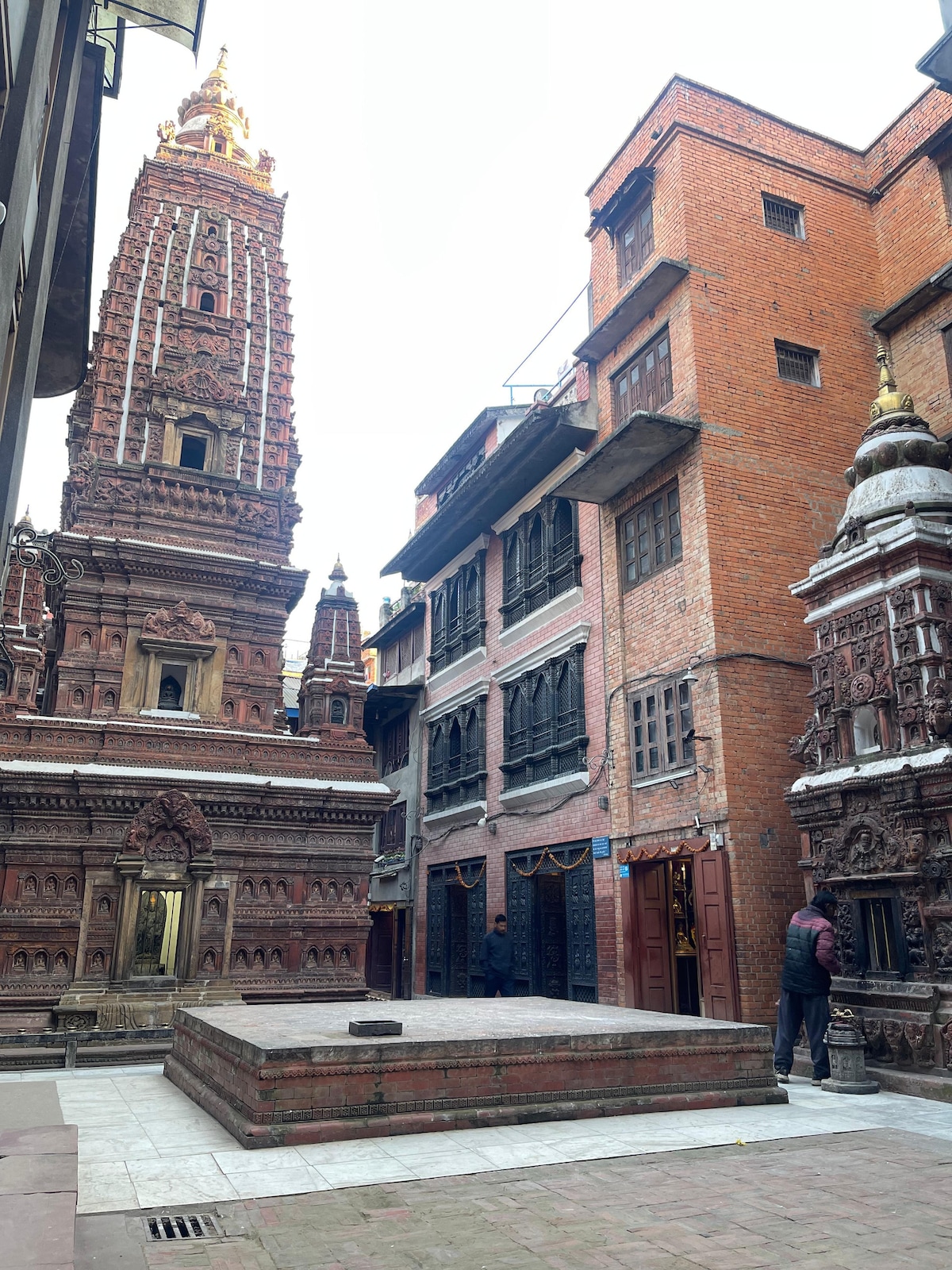
Sankata Temple
temple, NewRoad, beside, Kathmandu 44600, Nepal
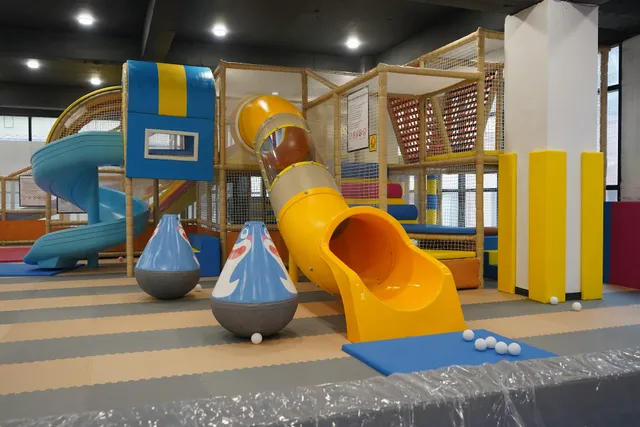
Playroom
Kathmandu 44600, Nepal
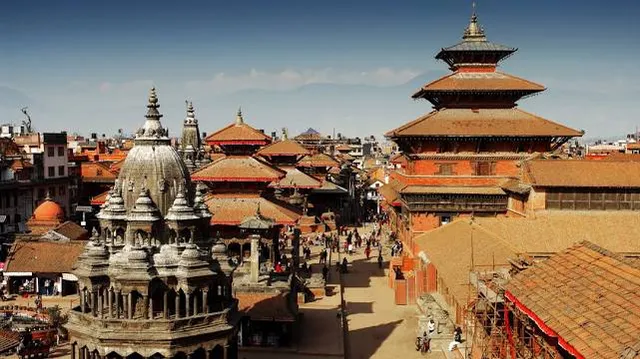
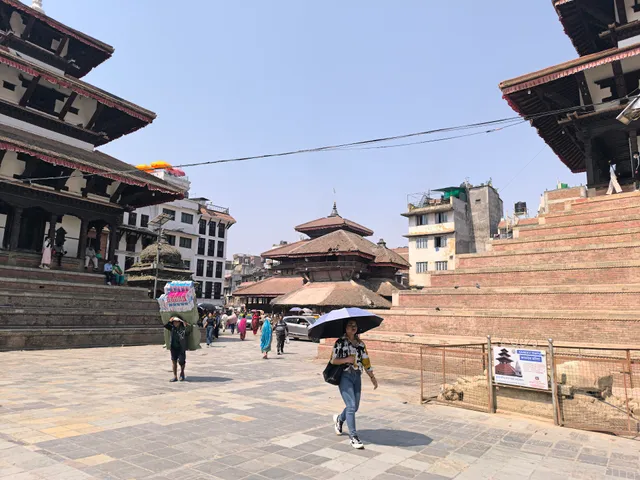
Kathmandu Durbar Square
Kathmandu 44600, Nepal
Nepal Tourism Board
Pradarshani Marg, Kathmandu 44617, Nepal
Ratna Park
रत्न पार्क पथ, Kathmandu 44600, Nepal
Bhrikuti Mandap Park
P829+GF6, Pradarshani Marg, Kathmandu 44600, Nepal
Hanuman Dhoka
Hanuman Dhoka Sadak, Kathmandu 44600, Nepal
Taleju Bhawani Temple
P845+46W, Layaku Marg, Kathmandu 44600, Nepal
Shree Kaal Bhairav Temple
Hanuman Dhoka Road, Kathmandu 44600, Nepal
Nasal Chowk
P834+MXP, Layaku Marg, Kathmandu 44600, Nepal
Nearby restaurants
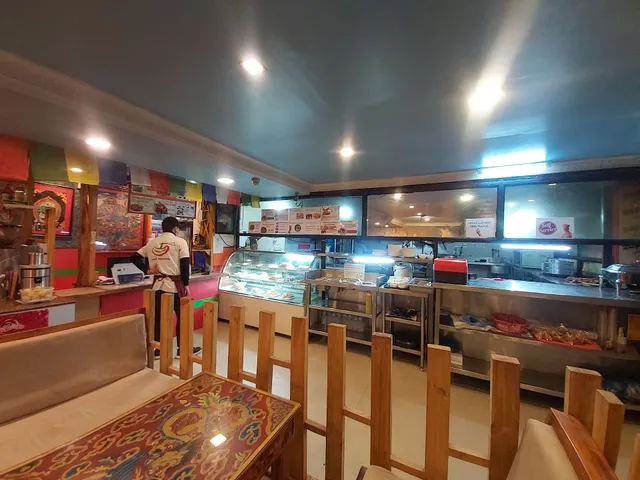
S. Chinese Kitchen
P836+267, पाको मार्ग, Kathmandu 44600, Nepal
New Sundhara Thakali Chulo And Bhanchhaghar
St 201, Kathmandu 44600, Nepal
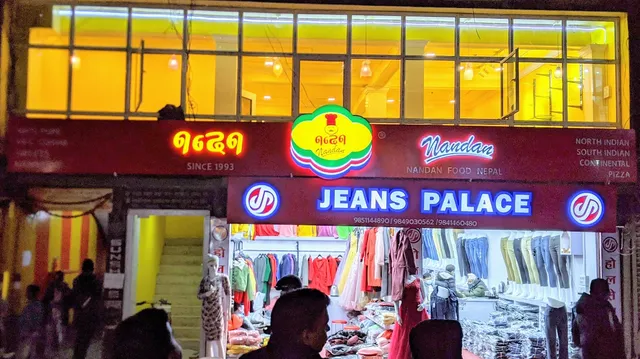
Nandan Foods Nepal
Pyukha Marg, Kathmandu 44600, Nepal
Secret Hookah Lounge
P825+P5G, निष्ठानन्द मार्ग, Kathmandu 44600, Nepal
Revolution Cafe
नयाँ सडक, Kathmandu 44600, Nepal
Chulo Cafe
P826+R8R, Khechapukhu Sadak, Kathmandu 44600, Nepal
Om Veg Momo
P836+FQ5, नयाँ सडक, Kathmandu 44600, Nepal
Chuskee Express
Kathmandu Mall, Sundhara Marg, Kathmandu 44600, Nepal
Korean Kini
Ombahal, Nepal
Dak-Galbi Korean House
Lyakusa Galli, Kathmandu 44600, Nepal
Related posts
Keywords
Dharahara tourism.Dharahara hotels.Dharahara bed and breakfast. flights to Dharahara.Dharahara attractions.Dharahara restaurants.Dharahara travel.Dharahara travel guide.Dharahara travel blog.Dharahara pictures.Dharahara photos.Dharahara travel tips.Dharahara maps.Dharahara things to do.
Dharahara things to do, attractions, restaurants, events info and trip planning
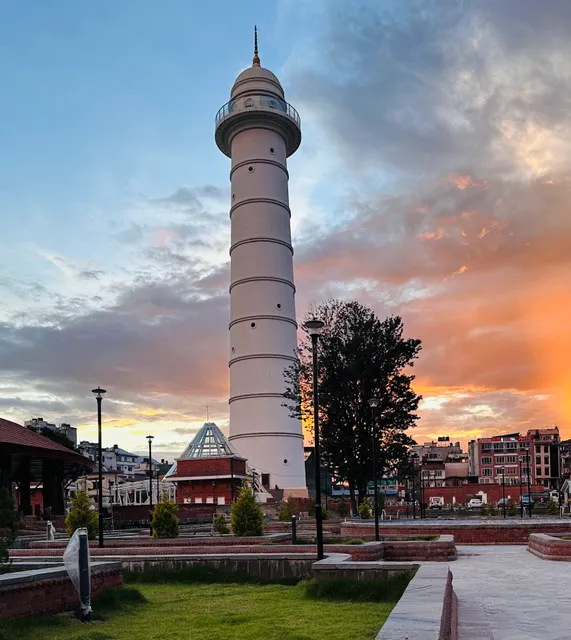
Dharahara
NepalBagmati ProvinceKathmandu Metropolitan CityDharahara

Basic Info

Dharahara

P826+3VR, Sundhara Rd, Kathmandu 44600, Nepal
4.3(953)
Open 24 hours
Save
spot

Ratings & Description

Info

Cultural
Scenic
Family friendly
attractions: Sankata Temple, Playroom, Kathmandu Durbar Square, Nepal Tourism Board, Ratna Park, Bhrikuti Mandap Park, Hanuman Dhoka, Taleju Bhawani Temple, Shree Kaal Bhairav Temple, Nasal Chowk, restaurants: S. Chinese Kitchen, New Sundhara Thakali Chulo And Bhanchhaghar, Nandan Foods Nepal, Secret Hookah Lounge, Revolution Cafe, Chulo Cafe, Om Veg Momo, Chuskee Express, Korean Kini, Dak-Galbi Korean House
logoLearn more insights from Wanderboat AI.
Website
dharahara.gov.np

Plan your stay

hotel
Pet-friendly Hotels in Kathmandu Metropolitan City
Find a cozy hotel nearby and make it a full experience.

hotel
Affordable Hotels in Kathmandu Metropolitan City
Find a cozy hotel nearby and make it a full experience.

hotel
The Coolest Hotels You Haven't Heard Of (Yet)
Find a cozy hotel nearby and make it a full experience.

hotel
Trending Stays Worth the Hype in Kathmandu Metropolitan City
Find a cozy hotel nearby and make it a full experience.

Reviews

Nearby attractions of Dharahara

Sankata Temple

Playroom

Kathmandu Durbar Square

Nepal Tourism Board

Ratna Park

Bhrikuti Mandap Park

Hanuman Dhoka

Taleju Bhawani Temple

Shree Kaal Bhairav Temple

Nasal Chowk

Sankata Temple

Sankata Temple

4.6

(618)

Open 24 hours
Click for details
Playroom

Playroom

3.9

(57)

Open 24 hours
Click for details
Kathmandu Durbar Square

Kathmandu Durbar Square

4.5

(14.4K)

Open 24 hours
Click for details
Nepal Tourism Board

Nepal Tourism Board

4.1

(1.1K)

Open 24 hours
Click for details

Things to do nearby

Forge a traditional Gurkha khukuri knife by hand
Sat, Dec 6 • 8:30 AM
Kathmandu, Bagmati Province 44600, Nepal
View details

Learn Nepali cooking in Patan
Fri, Dec 5 • 3:00 PM
Lalitpur, Bagmati Province 44600, Nepal
View details

Nearby restaurants of Dharahara

S. Chinese Kitchen

New Sundhara Thakali Chulo And Bhanchhaghar

Nandan Foods Nepal

Secret Hookah Lounge

Revolution Cafe

Chulo Cafe

Om Veg Momo

Chuskee Express

Korean Kini

Dak-Galbi Korean House

S. Chinese Kitchen

S. Chinese Kitchen

3.9

(302)

Click for details
New Sundhara Thakali Chulo And Bhanchhaghar

New Sundhara Thakali Chulo And Bhanchhaghar

4.7

(2)

Click for details
Nandan Foods Nepal

Nandan Foods Nepal

3.9

(230)

$$

Click for details
Secret Hookah Lounge

Secret Hookah Lounge

4.0

(293)

Click for details
Get the Appoverlay
Get the AppOne tap to find yournext favorite spots!
Wanderboat LogoWanderboat

Your everyday Al companion for getaway ideas

CompanyAbout Us
InformationAI Trip PlannerSitemap
SocialXInstagramTiktokLinkedin
LegalTerms of ServicePrivacy Policy

Get the app

© 2025 Wanderboat. All rights reserved.
logo

Posts

Suraj ChaliseSuraj Chalise
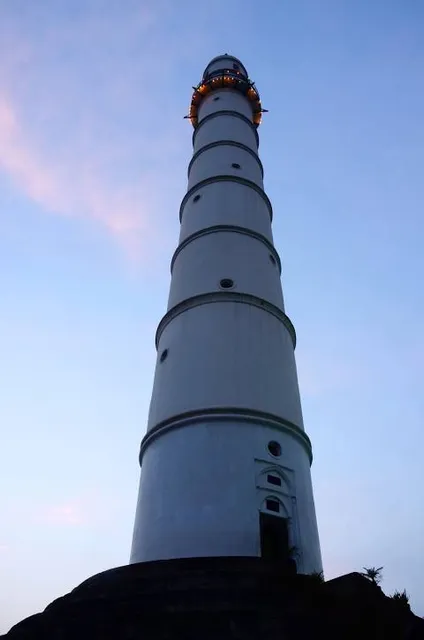
Dharahara or Bhimsen Stambha (Nepali: धरहरा; pronounced [dʱʌɾʌɦʌɾa] or [dʱʌɾʌːɾa]), is a 72-metre-tall (236 ft)[1] tower at the centre of Sundhara, Kathmandu, Nepal.[2] It was first built in 1832 by Mukhtiyar (equivalent to Prime Minister) Bhimsen Thapa under the commission of Queen Lalit Tripurasundari and was a part of the architecture of Kathmandu recognized by UNESCO.[3] It has been damaged and reconstructed several times. The tower had a spiral staircase containing 213 steps. The eighth floor held a circular balcony for observers that provided a panoramic view of the Kathmandu valley. It also had a 5.2-metre (17 ft) bronze mast on the roof.[2] Most of the tower collapsed in the April 2015 Nepal earthquake, but the base remained.[4][5] A total of 180 bodies were retrieved from the debris of the tower after the earthquake.[6] Reconstruction of the tower commenced in October 2018, and it was officially opened on 24 April 2021, one day before the sixth anniversary of the earthquake.[7] History Dharahara in Kathmandu was the tallest building in Nepal and the second such tower built by Bhimsen Thapa.[8] The first tower was built eight years earlier in 1824 (1881 BS) at his residence, Janarala Bagh, situated at south-east of Sundhara, near Bhotebahal of Kathmandu.[9] It got torn in half during the earthquake of 1834 and was never rebuilt. It was only a year later (in 1835) that Bhimsen Thapa built the second Dharahara, along with the Sundhara (the golden water spout), for Queen Lalit TripuraSundari Devi, who was the niece of Bhimsen Thapa.[9][10] Dharahara in 1910 A century later, on 15 January 1934, another earthquake completely destroyed the first tower, and only two of the nine storeys of the second tower remained. The then Prime Minister of Nepal, Juddha Shumsher Jang Bahadur Rana, subsequently carried out renovation work of the Dharahara tower to fully restore it.[3] After the original Bhimsen Tower was destroyed, Queen Lalit Tripurasundari's tower came to be known as Bhimsen Stambha (Nepali: भिमसेन स्तम्भ, lit. 'Bhimsen Tower'). The second tower was built in honour of Bhimsen Thapa's feat of taking Nepal's land back in the war. King Rajendra Bikram Shah had given a lalmohar (a document with the royal seal) to Bhimsen Thapa in 1835, acknowledging his Commander-in-Chief status and building of Dharahara in Sundhara in 1824, in his honour.[9] Dharahara was constructed for military usage as a watchtower. When incidents of national importance occurred, bugles were blown from the top floor of the tower. This was the signal for soldiers to assemble. This tradition of bugle trumpeting continued until the collapse of the tower.[2][11] On one of the sign boards at Dharahara, it is stated that the Dharahara's main purpose was to enable the state and city authorities to summon people to gather on the Tundikhel (the military parade ground to the northeast of the tower) to hear government announcements, and that it showed ‘the religious harmony between Hindu, Muslim and Christian faiths.'[12]
tyohasilobhaityohasilobhai
Dharahara: A Tower That Stands Tall in History and Resilience Dharahara, also known as Bhimsen Tower, is more than just a monument—it's a symbol of Nepal’s strength, history, and resilience. Originally built in 1832 by Prime Minister Bhimsen Thapa, this iconic structure has witnessed the rise and fall of generations, surviving multiple earthquakes before finally collapsing in the 2015 Gorkha Earthquake. Rebuilt with Modern Strength After the devastation, Dharahara was meticulously reconstructed and reopened in 2021 with an earthquake-resistant design, ensuring that it remains standing for future generations. The new tower is 22 stories high (88m), offering breathtaking panoramic views of Kathmandu Valley. With a museum, a fountain, and a well-maintained garden, the modern Dharahara is not just a historical relic but a must-visit attraction. Lesser-Known Facts That Make Dharahara Unique 🔹 Originally, there were two towers—Dharahara had a twin that was lost in the 1934 earthquake. 🔹 It was inspired by Mughal minarets, blending Nepalese and Mughal architecture. 🔹 Queen Lalit Tripura Sundari commissioned it, but Bhimsen Thapa became more associated with it. 🔹 A secret underground tunnel is rumored to have connected Dharahara to Hanuman Dhoka or Rani Pokhari. 🔹 The tower once served as a fire alarm system, warning Kathmandu’s residents of emergencies. 🔹 In 2015, more than 50 people lost their lives inside Dharahara when it collapsed during the earthquake, making its reconstruction even more emotional and significant. A Must-Visit for Every Traveler If you’re visiting Kathmandu, Dharahara is a must-see landmark that offers a blend of history, architecture, and a spectacular city view. The Rs. 150 entry fee (for locals) is worth it for the experience. Standing at the top, overlooking the valley, you can truly feel the resilience and spirit of Nepal. 🌟 Rating: 4.8/5 📍 Location: Sundhara, Kathmandu 🎟️ Ticket Price: Rs. 150 (Nepali Citizens), Rs. 1,000 (Foreigners) 👉 Would you visit Dharahara? Share your thoughts below! ⬇️
Bibek KarkiBibek Karki
The Dharahara tower in Kathmandu held historical significance as a military watchtower and was known for its impressive height of 203 feet. It featured a 17-foot bronze mast and a spiral stairway with 213 steps. The tower displayed a religious connection with a Shiva statue on its premises. Its architecture blended both European and Mughal styles, influenced by Bhimsen Thapa's appreciation for the Mughal style, combining Kathmandu Gothic and Mughal elements. Constructed using materials like Vajra-Surki, Chuna, Mas, and Chaku, the tower showcased a unique construction approach that differed from the widespread use of cement. An urban legend linked to the tower involves Jung Bahadur Rana, a notorious Rana Prime Minister. He supposedly exhibited bravery by riding a horse up the tower and then jumping from the balcony on his horse, surviving the fall while his horse didn't. This event was considered daring by some and reckless by others. The content also mentions the destruction of another building, Kal Mochan, attributed to Bhimsen Thapa. Despite starting the construction, he was unable to complete it due to his forced suicide. Jung Bahadur Rana, his grandnephew, eventually finished the temple. Bhimsen Thapa's tragic end was influenced by false information fed to him in captivity, leading him to believe his wife was being humiliated. This drove him to self-inflicted harm, resulting in his death. The Dharahara tower and its architectural features are notable, standing as a blend of cultural and historical elements. The narrative is enriched by stories of Bhimsen Thapa's involvement and eventual tragedy, as well as Jung Bahadur Rana's audacious feat connected to the tower. The content highlights both the tower's physical significance and the emotional tales associated with it.
See more posts
See more posts
hotel
Find your stay

Pet-friendly Hotels in Kathmandu Metropolitan City

Find a cozy hotel nearby and make it a full experience.

Dharahara or Bhimsen Stambha (Nepali: धरहरा; pronounced [dʱʌɾʌɦʌɾa] or [dʱʌɾʌːɾa]), is a 72-metre-tall (236 ft)[1] tower at the centre of Sundhara, Kathmandu, Nepal.[2] It was first built in 1832 by Mukhtiyar (equivalent to Prime Minister) Bhimsen Thapa under the commission of Queen Lalit Tripurasundari and was a part of the architecture of Kathmandu recognized by UNESCO.[3] It has been damaged and reconstructed several times. The tower had a spiral staircase containing 213 steps. The eighth floor held a circular balcony for observers that provided a panoramic view of the Kathmandu valley. It also had a 5.2-metre (17 ft) bronze mast on the roof.[2] Most of the tower collapsed in the April 2015 Nepal earthquake, but the base remained.[4][5] A total of 180 bodies were retrieved from the debris of the tower after the earthquake.[6] Reconstruction of the tower commenced in October 2018, and it was officially opened on 24 April 2021, one day before the sixth anniversary of the earthquake.[7] History Dharahara in Kathmandu was the tallest building in Nepal and the second such tower built by Bhimsen Thapa.[8] The first tower was built eight years earlier in 1824 (1881 BS) at his residence, Janarala Bagh, situated at south-east of Sundhara, near Bhotebahal of Kathmandu.[9] It got torn in half during the earthquake of 1834 and was never rebuilt. It was only a year later (in 1835) that Bhimsen Thapa built the second Dharahara, along with the Sundhara (the golden water spout), for Queen Lalit TripuraSundari Devi, who was the niece of Bhimsen Thapa.[9][10] Dharahara in 1910 A century later, on 15 January 1934, another earthquake completely destroyed the first tower, and only two of the nine storeys of the second tower remained. The then Prime Minister of Nepal, Juddha Shumsher Jang Bahadur Rana, subsequently carried out renovation work of the Dharahara tower to fully restore it.[3] After the original Bhimsen Tower was destroyed, Queen Lalit Tripurasundari's tower came to be known as Bhimsen Stambha (Nepali: भिमसेन स्तम्भ, lit. 'Bhimsen Tower'). The second tower was built in honour of Bhimsen Thapa's feat of taking Nepal's land back in the war. King Rajendra Bikram Shah had given a lalmohar (a document with the royal seal) to Bhimsen Thapa in 1835, acknowledging his Commander-in-Chief status and building of Dharahara in Sundhara in 1824, in his honour.[9] Dharahara was constructed for military usage as a watchtower. When incidents of national importance occurred, bugles were blown from the top floor of the tower. This was the signal for soldiers to assemble. This tradition of bugle trumpeting continued until the collapse of the tower.[2][11] On one of the sign boards at Dharahara, it is stated that the Dharahara's main purpose was to enable the state and city authorities to summon people to gather on the Tundikhel (the military parade ground to the northeast of the tower) to hear government announcements, and that it showed ‘the religious harmony between Hindu, Muslim and Christian faiths.'[12]
Suraj Chalise

Suraj Chalise

hotel
Find your stay

Affordable Hotels in Kathmandu Metropolitan City

Find a cozy hotel nearby and make it a full experience.

Get the Appoverlay
Get the AppOne tap to find yournext favorite spots!
Dharahara: A Tower That Stands Tall in History and Resilience Dharahara, also known as Bhimsen Tower, is more than just a monument—it's a symbol of Nepal’s strength, history, and resilience. Originally built in 1832 by Prime Minister Bhimsen Thapa, this iconic structure has witnessed the rise and fall of generations, surviving multiple earthquakes before finally collapsing in the 2015 Gorkha Earthquake. Rebuilt with Modern Strength After the devastation, Dharahara was meticulously reconstructed and reopened in 2021 with an earthquake-resistant design, ensuring that it remains standing for future generations. The new tower is 22 stories high (88m), offering breathtaking panoramic views of Kathmandu Valley. With a museum, a fountain, and a well-maintained garden, the modern Dharahara is not just a historical relic but a must-visit attraction. Lesser-Known Facts That Make Dharahara Unique 🔹 Originally, there were two towers—Dharahara had a twin that was lost in the 1934 earthquake. 🔹 It was inspired by Mughal minarets, blending Nepalese and Mughal architecture. 🔹 Queen Lalit Tripura Sundari commissioned it, but Bhimsen Thapa became more associated with it. 🔹 A secret underground tunnel is rumored to have connected Dharahara to Hanuman Dhoka or Rani Pokhari. 🔹 The tower once served as a fire alarm system, warning Kathmandu’s residents of emergencies. 🔹 In 2015, more than 50 people lost their lives inside Dharahara when it collapsed during the earthquake, making its reconstruction even more emotional and significant. A Must-Visit for Every Traveler If you’re visiting Kathmandu, Dharahara is a must-see landmark that offers a blend of history, architecture, and a spectacular city view. The Rs. 150 entry fee (for locals) is worth it for the experience. Standing at the top, overlooking the valley, you can truly feel the resilience and spirit of Nepal. 🌟 Rating: 4.8/5 📍 Location: Sundhara, Kathmandu 🎟️ Ticket Price: Rs. 150 (Nepali Citizens), Rs. 1,000 (Foreigners) 👉 Would you visit Dharahara? Share your thoughts below! ⬇️
tyohasilobhai

tyohasilobhai

hotel
Find your stay

The Coolest Hotels You Haven't Heard Of (Yet)

Find a cozy hotel nearby and make it a full experience.

hotel
Find your stay

Trending Stays Worth the Hype in Kathmandu Metropolitan City

Find a cozy hotel nearby and make it a full experience.

The Dharahara tower in Kathmandu held historical significance as a military watchtower and was known for its impressive height of 203 feet. It featured a 17-foot bronze mast and a spiral stairway with 213 steps. The tower displayed a religious connection with a Shiva statue on its premises. Its architecture blended both European and Mughal styles, influenced by Bhimsen Thapa's appreciation for the Mughal style, combining Kathmandu Gothic and Mughal elements. Constructed using materials like Vajra-Surki, Chuna, Mas, and Chaku, the tower showcased a unique construction approach that differed from the widespread use of cement. An urban legend linked to the tower involves Jung Bahadur Rana, a notorious Rana Prime Minister. He supposedly exhibited bravery by riding a horse up the tower and then jumping from the balcony on his horse, surviving the fall while his horse didn't. This event was considered daring by some and reckless by others. The content also mentions the destruction of another building, Kal Mochan, attributed to Bhimsen Thapa. Despite starting the construction, he was unable to complete it due to his forced suicide. Jung Bahadur Rana, his grandnephew, eventually finished the temple. Bhimsen Thapa's tragic end was influenced by false information fed to him in captivity, leading him to believe his wife was being humiliated. This drove him to self-inflicted harm, resulting in his death. The Dharahara tower and its architectural features are notable, standing as a blend of cultural and historical elements. The narrative is enriched by stories of Bhimsen Thapa's involvement and eventual tragedy, as well as Jung Bahadur Rana's audacious feat connected to the tower. The content highlights both the tower's physical significance and the emotional tales associated with it.
Bibek Karki

Bibek Karki

See more posts
See more posts

Reviews of Dharahara

4.3
(953)
avatar
5.0
19w

History of Dharahara (Bhimsen Tower) – 300 Words

Dharahara, also known as Bhimsen Tower, is a historical monument located in the heart of Kathmandu, Nepal. It was originally built in 1832 by the then Prime Minister Bhimsen Thapa during the reign of Queen Lalit Tripura Sundari. The tower was constructed as a part of a military watchtower and symbol of national pride. Inspired by Mughal architecture, the original Dharahara stood 61.88 meters tall and was made of brick and mortar, consisting of nine storeys.

Dharahara held cultural and historical significance for Nepalese people. It had a spiral staircase with 213 steps leading to a viewing balcony that offered a panoramic view of the Kathmandu Valley. It was open to the public and became a popular tourist attraction.

However, the tower faced destruction multiple times due to earthquakes. It was partially damaged in the 1934 earthquake but was repaired afterward. The most devastating blow came on April 25, 2015, when a 7.8 magnitude earthquake struck Nepal. Dharahara collapsed entirely, killing around 60 people who were inside or nearby at the time. The loss was deeply mourned across the nation as a symbol of heritage was reduced to rubble.

Following the earthquake, the government of Nepal, with the support of the private sector and citizens, initiated the reconstruction of Dharahara. The new tower was rebuilt near the original site, maintaining its historical design but with modern earthquake-resistant features. Reconstruction was completed in 2021 and inaugurated by Prime Minister KP Sharma Oli. The new Dharahara stands 72 meters tall, with a museum, elevator, and gardens, representing both remembrance and resilience.

Today, Dharahara stands not only as a monument of historical legacy but also as a symbol of Nepal’s strength and ability to rebuild after tragedy. Certainly! Here's an extended version of the History of Dharahara in about 450+ words, while keeping the original content intact and adding more detail:

History of Dharahara (Bhimsen Tower)

Dharahara, also known as the Bhimsen Tower, is a significant historical monument located in Sundhara, Kathmandu, Nepal. It was originally constructed in 1832 by the first Prime Minister of unified Nepal, Bhimsen Thapa, during the reign of Queen Lalit Tripura Sundari. Built in the Mughal architectural style, it was part of a military structure intended to oversee the city and relay messages from the palace. The tower was 61.88 meters (203 feet) high and had nine storeys, with a spiral staircase of 213 steps leading to a circular balcony at the top.

Dharahara held cultural, historical, and architectural value for the Nepalese people. It was not only a symbol of national pride but also a tourist attraction, offering stunning views of the Kathmandu Valley from its top. For many years, it stood tall as a landmark reflecting Nepal’s historical progress and achievements.

The tower faced destruction more than once in its history. It was first damaged by the great earthquake of 1934, which reduced it from nine to eight storeys. It was later repaired and continued to be a heritage symbol. However, the most catastrophic event occurred on April 25, 2015, when a devastating 7.8 magnitude earthquake struck central Nepal. The powerful quake caused the entire Dharahara to collapse, claiming the lives of around 60 people who were inside or near it. The event was a tragic moment in Nepal's modern history, and the fall of Dharahara deeply affected the collective national identity. In the aftermath of the disaster, the Government of Nepal, in collaboration with the private sector and civil society, took steps to rebuild Dharahara. The reconstruction project aimed to honor its original architecture while incorporating modern, earthquake-resistant engineering. The foundation stone for the new tower was laid in 2019, and by April 2021, the new Dharahara was completed and officially inaugurated by Prime Minister KP Sharma Oli. The new structure stands taller at 72 meters and includes modern amenities such as an...

   Read more
avatar
5.0
50w

Dharahara, also known as Bhimsen Tower, stands as a significant monument in the heart of Kathmandu, Nepal. It is a testament to the country's rich cultural heritage and architectural prowess. This iconic structure has witnessed the ebbs and flows of Nepal’s history, including its rise during the unification era and its resilience amidst natural calamities.

The Origin of Dharahara

The original Dharahara was built in 1832 by Prime Minister Bhimsen Thapa during the reign of King Rajendra Bikram Shah. Thapa, an influential figure in Nepal's unification efforts, envisioned Dharahara as a watchtower. Constructed in the neoclassical architectural style, the tower was initially a military observatory designed to enhance the defense capabilities of the Kathmandu Valley. However, it also served as a symbol of power and grandeur, embodying the ambitions of the Gorkha Kingdom.

The original structure stood 11 stories tall, approximately 61.88 meters (203 feet), making it one of the tallest buildings in Nepal at the time. The tower featured a spiral staircase of 213 steps, leading to a balcony at the top. This balcony provided panoramic views of the Kathmandu Valley and the surrounding Himalayan ranges, making it a beloved spot for visitors.

Earthquakes and Restoration Efforts

Nepal's geographical location on tectonic plates makes it prone to earthquakes, and Dharahara has faced the wrath of these natural disasters multiple times. The first major earthquake to impact Dharahara occurred in 1934. This devastating earthquake reduced the original 11-story structure to nine stories. It was subsequently restored under the leadership of then-Prime Minister Juddha Shumsher Rana, preserving its historical essence.

Dharahara remained a symbol of resilience for decades, attracting locals and tourists alike. However, tragedy struck again during the catastrophic earthquake of April 25, 2015. The 7.8-magnitude earthquake caused the tower to collapse, claiming the lives of nearly 200 people who were inside or around the structure. The loss of Dharahara was a poignant reminder of Nepal's vulnerability to natural disasters and a significant blow to the nation's cultural heritage.

Rebuilding Dharahara: A Modern Revival

Following the 2015 earthquake, the Nepali government and various stakeholders initiated plans to rebuild Dharahara. The reconstruction aimed to preserve its historical essence while incorporating modern engineering techniques to make the structure earthquake-resistant.

The new Dharahara, completed in 2021, stands as a 22-story tower, with 11 stories above ground and additional levels underground. It includes features such as a museum, a shopping area, and a garden to honor its historical legacy while meeting contemporary needs. At 72 meters (236 feet), the new Dharahara is taller than the original and retains its iconic white cylindrical appearance.

The reconstructed tower serves as a memorial to the lives lost in the 2015 earthquake and a symbol of Nepal’s resilience and determination to rise from adversity. Visitors can once again ascend the spiral staircase to enjoy breathtaking views of Kathmandu, continuing the legacy of Dharahara as a cultural and architectural marvel.

Significance of Dharahara

Dharahara is more than just a tower; it represents the identity and pride of Nepal. Its history encapsulates the country’s journey through time, marked by triumphs and tribulations. It stands as a symbol of unity, resilience, and hope, inspiring future generations to honor and preserve Nepal's rich cultural heritage.

The modern Dharahara is a testament to Nepal’s ability to blend tradition with innovation. As it rises once again in the heart of Kathmandu, it reminds us of the enduring spirit of the Nepali people and their commitment to safeguarding their history for...

   Read more
avatar
5.0
27w

Dharahara in Kathmandu was the tallest building in Nepal and the second such tower built by Bhimsen Thapa.8] The first tower was built eight years earlier in 1824 (1881 BS) at his residence, Janarala Bagh, situated at south-east of Sundhara, near Bhotebahal of Kathmandu.[9] It got torn in half during the earthquake of 1834 and was never rebuilt. It was only a year later (in 1835) that Bhimsen Thapa built the second Dharahara, along with the Sundhara (the golden water spout), for Queen Lalit TripuraSundari Devi, who was the niece of Bhimsen Thapa.[9

Dharahara in 1910 A century later, on 15 January 1934, another earthquake completely destroyed the first tower, and only two of the nine storeys of the second tower remained. The then Prime Minister of Nepal, Juddha Shumsher Jang Bahadur Rana, subsequently carried out renovation work of the Dharahara tower to fully restore it.3] After the original Bhimsen Tower was destroyed, Queen Lalit Tripurasundari's tower came to be known as Bhimsen Stambha (Nepali: भिमसेन स्तम्भ, lit. 'Bhimsen Tower').

The second tower was built in honour of Bhimsen Thapa's feat of taking Nepal's land back in the war. King Rajendra Bikram Shah had given a lalmohar (a document with the royal seal) to Bhimsen Thapa in 1835, acknowledging his Commander-in-Chief status and building of Dharahara in Sundhara in 1824, in his honour.[9]

Dharahara was constructed for military usage as a watchtower. When incidents of national importance occurred, bugles were blown from the top floor of the tower. This was the signal for soldiers to assemble. This tradition of bugle trumpeting continued until the collapse of the tower.[2 On one of the sign boards at Dharahara, it is stated that the Dharahara's main purpose was to enable the state and city authorities to summon people to gather on the Tundikhel (the military parade ground to the northeast of the tower) to hear government announcements, and that it showed ‘the religious harmony between Hindu, Muslim and Christian faiths.'12]

2015 earthquake

The remains of Dharahara after the 2015 earthquake On 25 April 2015, at 11:56 NST, an earthquake with an estimated magnitude of 7.8 (Mw), hit Kathmandu and its surrounding region, leading to the collapse of the tower.[5] The earthquake's epicenter was approximately 29 kilometres (18 mi) east-southeast of Lamjung, Nepal.[4] The structure collapsed and only its base survived.[13[15] According to the people on the scene when the earthquake hit, the region was covered with clouds of smoke and in the rubble was heard shouting. The Nepalese Army barricaded the entrance and launched the rescue mission. Some people were able to collect the remains of Dharahara bricks, probably to remember them. Those bricks were inscribed with the name of Juddha Shumsher, indicating that the tower was rebuilt during his tenure.[16] More than 9,000 people were killed and 2.8 million were displaced. The image of Dharahara that fell during the earthquake in the 19th century, quickly became an iconic representation for many Nepalese not only of the catastrophe but also of their national determination to recuperate and rebuild it.[12] When local people living far away from the epicenter heard that the Dharahara had fallen, they understood the scale of the calamity: they then realised that ‘the disaster was not small’. It was a total shock for the people of Nepal, because Dharahara was the pre-eminent symbol of not only the Kathmandu metropolis, but also of the...

   Read more
Page 1 of 7
Previous
Next