HTML SitemapExplore
logo
Find Things to DoFind The Best Restaurants

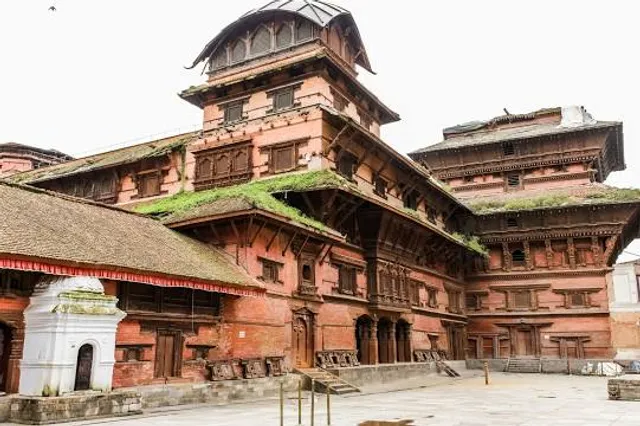
Hanuman Dhoka — Attraction in Kathmandu Metropolitan City

Name
Hanuman Dhoka
Description
Nearby attractions
Kathmandu Durbar Square
Kathmandu 44600, Nepal
Shree Kaal Bhairav Temple
Hanuman Dhoka Road, Kathmandu 44600, Nepal
Nasal Chowk
P834+MXP, Layaku Marg, Kathmandu 44600, Nepal
Taleju Bhawani Temple
P845+46W, Layaku Marg, Kathmandu 44600, Nepal
Kumari Ghar
P834+FHQ, Layaku Marg, Kathmandu 44600, Nepal
Kasthamandap
Kathmandu 44600, Nepal
Gaddhi Baithak
P834+HMW, Kathmandu 44600, Nepal
अशोक विनायक मन्दिर (Maru Ganesh Temple)
Kathmandu 44600, Nepal
Jagannath Temple
P834+VWC, Hanuman Dhoka Road, Kathmandu 44600, Nepal
Mahendra Museum
P834+PVW, Ganga Path, Kathmandu 44600, Nepal
Nearby restaurants
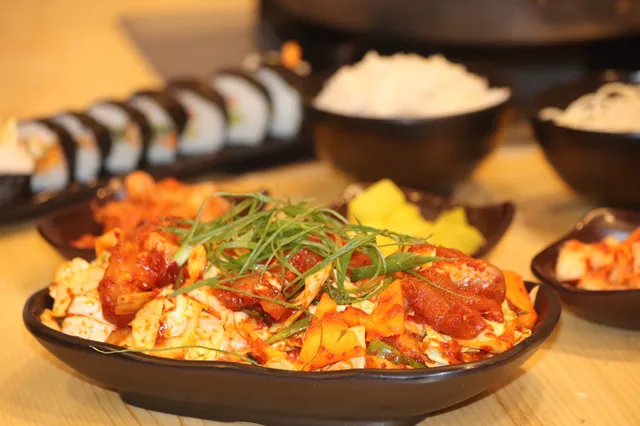
Dak-Galbi Korean House
Lyakusa Galli, Kathmandu 44600, Nepal
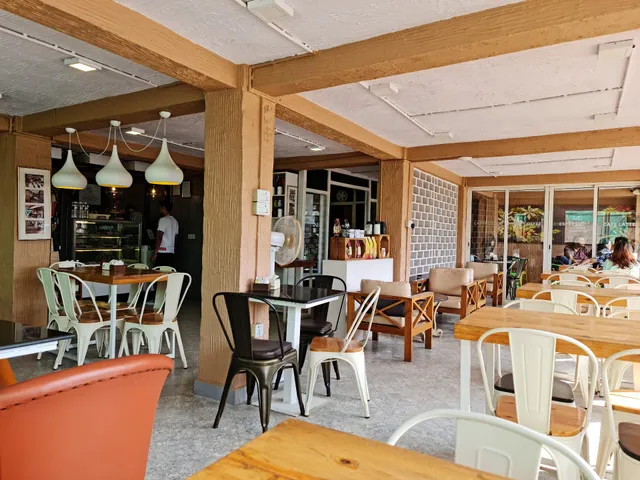
Revolution Cafe
नयाँ सडक, Kathmandu 44600, Nepal
Aunty's Sekuwa Corner
P834+WHF, Gangalal Marg, Kathmandu 44600, Nepal
Newa Ghasa - Basantapur
Gangalal Marg, Kathmandu 44600, Nepal
Secret Hookah Lounge
P825+P5G, निष्ठानन्द मार्ग, Kathmandu 44600, Nepal
MomoMimi
Kathmandu 44411, Nepal
Janakpur Dahi Lassi Bhandar
P845+GV3, Chandraman Maskey Marg, Kathmandu 44600, Nepal
Bar
Guna Kamdev Marga, Kathmandu 44600, Nepal
Dwarika's Chhen Durbar Square
P844+7P4, Gangalal Marg, Kathmandu 44600, Nepal
Newa Lahana Newroad
Kathmandu 44600, Nepal
Nearby hotels
Durbar Square Pahuna Ghar
Lyaku Marga, Kathmandu 44600, Nepal
Backpacker’s Green House Lodge
Freak St, Kathmandu 44600, Nepal
Hotel Wanderlust
Freak St, Kathmandu 00977, Nepal
Nirvana Kuti
P834+5CH, अट्को नारायणस्थान, Kathmandu 44600, Nepal
Hotel Basantapur
Kathmandu 44600, Nepal
Hotel Avocado Garden
P833+GWF, Chwosapakaha Marg, Kathmandu 44600, Nepal
Durbar Square Backpackers Inn
Mimnani Bahal Jor Ganesh Galli, Om Bahal Ward no. 23, Basantapur, New Road Province 3, Kathmandu, Nepal
OYO 297 Hotel Aayam
Hotel Aayam Ganbihar Galli, Kathmandu 44600, Nepal
Hotel Ganesh Himal
Ikhapokhari Marg P854+XJ5 Chettrapati, Chettrapati, Thamel 44600, Nepal
Kathmandu Boutique Hotel
Gangalal Marg, Kathmandu 44600, Nepal
Related posts
The most famous Square in Nepal
Keywords
Hanuman Dhoka tourism.Hanuman Dhoka hotels.Hanuman Dhoka bed and breakfast. flights to Hanuman Dhoka.Hanuman Dhoka attractions.Hanuman Dhoka restaurants.Hanuman Dhoka travel.Hanuman Dhoka travel guide.Hanuman Dhoka travel blog.Hanuman Dhoka pictures.Hanuman Dhoka photos.Hanuman Dhoka travel tips.Hanuman Dhoka maps.Hanuman Dhoka things to do.
Hanuman Dhoka things to do, attractions, restaurants, events info and trip planning
Hanuman Dhoka
NepalBagmati ProvinceKathmandu Metropolitan CityHanuman Dhoka

Basic Info

Hanuman Dhoka

Hanuman Dhoka Sadak, Kathmandu 44600, Nepal
4.5(674)
Open 24 hours
Save
spot

Ratings & Description

Info

Cultural
Family friendly
Accessibility
attractions: Kathmandu Durbar Square, Shree Kaal Bhairav Temple, Nasal Chowk, Taleju Bhawani Temple, Kumari Ghar, Kasthamandap, Gaddhi Baithak, अशोक विनायक मन्दिर (Maru Ganesh Temple), Jagannath Temple, Mahendra Museum, restaurants: Dak-Galbi Korean House, Revolution Cafe, Aunty's Sekuwa Corner, Newa Ghasa - Basantapur, Secret Hookah Lounge, MomoMimi, Janakpur Dahi Lassi Bhandar, Bar, Dwarika's Chhen Durbar Square, Newa Lahana Newroad
logoLearn more insights from Wanderboat AI.
Phone
+977 1-4258034

Plan your stay

hotel
Pet-friendly Hotels in Kathmandu Metropolitan City
Find a cozy hotel nearby and make it a full experience.

hotel
Affordable Hotels in Kathmandu Metropolitan City
Find a cozy hotel nearby and make it a full experience.

hotel
The Coolest Hotels You Haven't Heard Of (Yet)
Find a cozy hotel nearby and make it a full experience.

hotel
Trending Stays Worth the Hype in Kathmandu Metropolitan City
Find a cozy hotel nearby and make it a full experience.

Reviews

Nearby attractions of Hanuman Dhoka

Kathmandu Durbar Square

Shree Kaal Bhairav Temple

Nasal Chowk

Taleju Bhawani Temple

Kumari Ghar

Kasthamandap

Gaddhi Baithak

अशोक विनायक मन्दिर (Maru Ganesh Temple)

Jagannath Temple

Mahendra Museum

Kathmandu Durbar Square

Kathmandu Durbar Square

4.5

(14.4K)

Open 24 hours
Click for details
Shree Kaal Bhairav Temple

Shree Kaal Bhairav Temple

4.7

(1.1K)

Open 24 hours
Click for details
Nasal Chowk

Nasal Chowk

4.5

(320)

Open until 12:00 AM
Click for details
Taleju Bhawani Temple

Taleju Bhawani Temple

4.6

(549)

Open until 12:00 AM
Click for details

Things to do nearby

Explore hidden Nepali eateries
Tue, Dec 9 • 2:30 PM
Kathmandu, Bagmati Province 44600, Nepal
View details
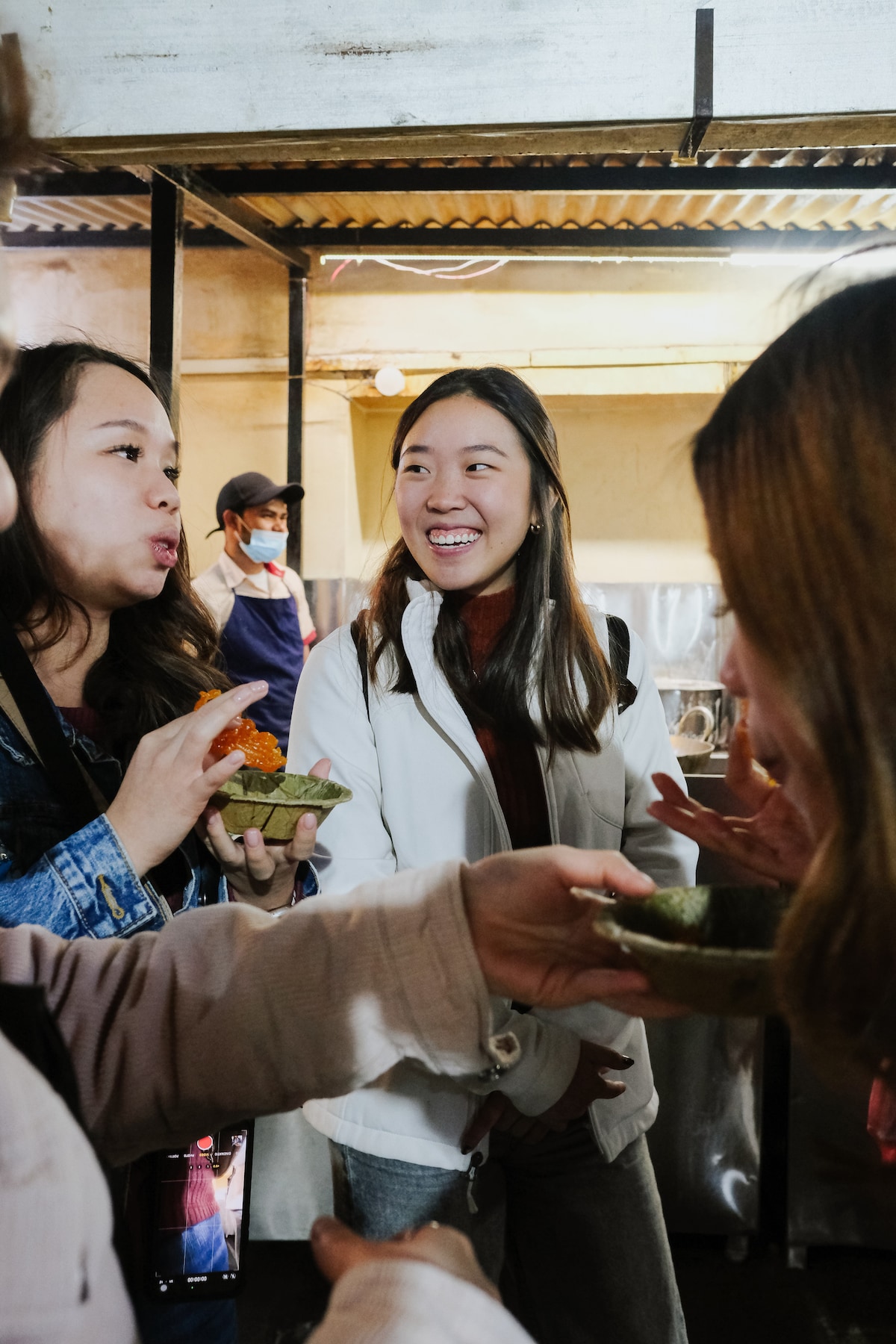
Learn Nepali cooking in Patan
Tue, Dec 9 • 10:00 AM
Lalitpur, Bagmati Province 44600, Nepal
View details

Nearby restaurants of Hanuman Dhoka

Dak-Galbi Korean House

Revolution Cafe

Aunty's Sekuwa Corner

Newa Ghasa - Basantapur

Secret Hookah Lounge

MomoMimi

Janakpur Dahi Lassi Bhandar

Bar

Dwarika's Chhen Durbar Square

Newa Lahana Newroad

Dak-Galbi Korean House

Dak-Galbi Korean House

4.6

(131)

Click for details
Revolution Cafe

Revolution Cafe

4.1

(329)

Click for details
Aunty's Sekuwa Corner

Aunty's Sekuwa Corner

4.0

(68)

Click for details
Newa Ghasa - Basantapur

Newa Ghasa - Basantapur

4.1

(129)

Click for details
Get the Appoverlay
Get the AppOne tap to find yournext favorite spots!
Wanderboat LogoWanderboat

Your everyday Al companion for getaway ideas

CompanyAbout Us
InformationAI Trip PlannerSitemap
SocialXInstagramTiktokLinkedin
LegalTerms of ServicePrivacy Policy

Get the app

© 2025 Wanderboat. All rights reserved.
logo

Reviews of Hanuman Dhoka

4.5
(674)
avatar
4.0
4y

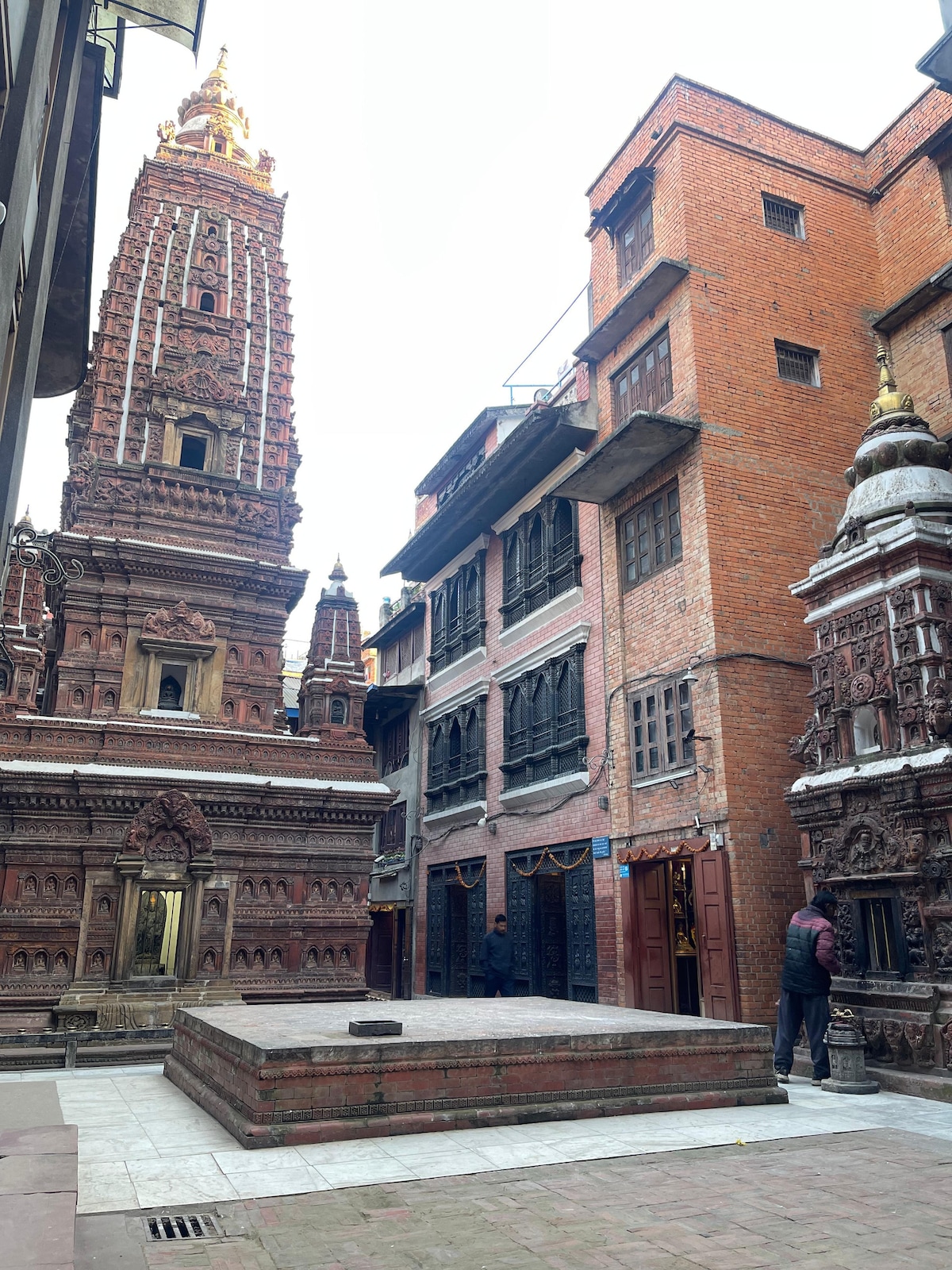
Hanumandhoka Durbar square is the center of cultural and historical core of Kathmandu valley. The Hanumandhoka Durbar square is famous for its historical heritage and monuments specially for hanumandhoka palace which was the residence and administrative center from ancient times. An office named Hanumandhoka Durbar harecha Adda (Hanumandhoka palace management and conservation office) was established by Nepal Government for conservation and restoration of the Hanumandhoka palace and it's historical arts, crafts and monuments under the Cultural, Tourism and Civil Aviation Ministry .

The old centre of the city the Hanumandhoka was a Royal Palace since a beginning, which located at the heart of the city. This centrally located Palace has been became special important for ancient ruler ever since the Licchavi Period. The area around the present site of the Hanumandhoka was called "Koligrama" or "Dakshin Rajkula". The earlier name of the Palace was known as "Kantipur" city of light or beautiful city during the early medieval period.

Ratna Malla (1482 AD) was the first king of independent Kathmandu, who is the second son of Yaksha Mall, who powerfully ruled over in great "Bhatgaon". However, the Bhasa Vanshavali credit for the founding of the Kathmandu to king Gunkamdeva. The Hanumandhoka area contains the divers monuments having outstanding courtyard surrounded by Royal Palace, temples, waterspouts, gardens etc. with full or open spaces. The Palace complex is surrounded by numerous temples of Pagoda, Sikharas and Dome architectural styles. The palace is rich in both tangible and intangible cultural diversity and has a outstanding historical, archaeological and religious value. So, it was enlisted as a UNESCO World Cultural Heritage Site in 1979. Unique festivals, rituals, sculptures, courtyards, temples etc. are aspects of living culture and national pride of the country. The palace named Hanumandhoka when profound art lover Pratap Malla installed an icon of Hanuman in front of the main gate in 1672 A.D.

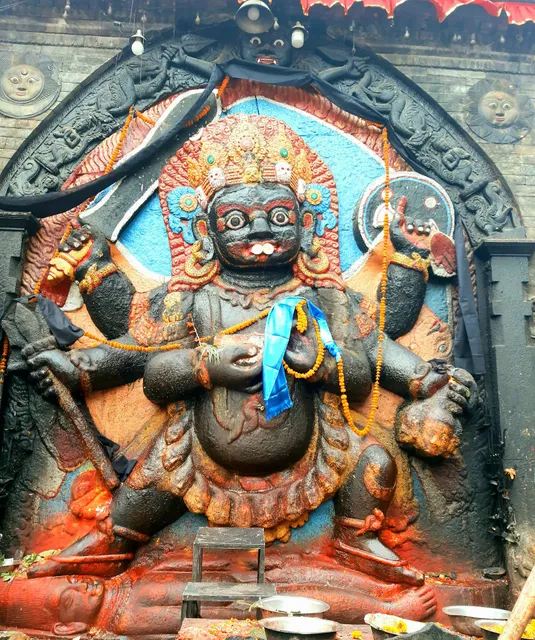
With span of centuries the present Hanumandhoka Palace complex and others monuments were built between the 15th century to 20th century. Every king from Ratna Malla to Prithivi Bir Bikram Shah added to the palace or at least repaired or renovated some parts of it, but the most important contribution were those of Mahendra Malla, Pratap Malla and Prithivi Narayan Shah. Mahendra Malla who minted the coins, few changes were made to the Palace and built Kotilingeshvar, Jagannath, Taleju and Mahendreshvar temples which still stands today. Pratap Malla built many monuments such as image of Hanuman, Kalvairab, Swaitvairab and famous Sundari Chowk and Mohankali Chowk. King Prithivi Narayan Shah built Basantapur Nine Storied Palace in this complex. They are the unique creation of Malla and Shah Dynasties. Representing as a open air museum here are more than ten courtyards. Four courtyards have been already opened for general public. Now three memorial museum galleries and many sections have been exihibited with basic amenities to the general public as well...

   Read more
avatar
5.0
1y

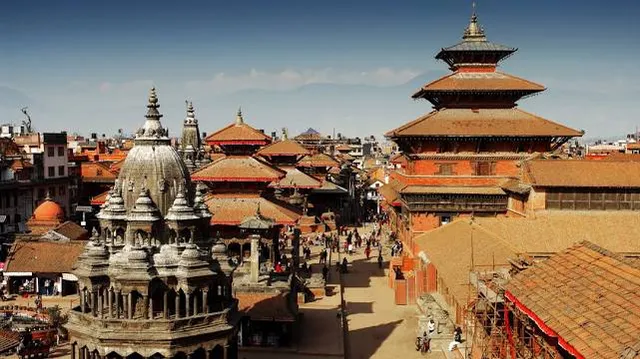
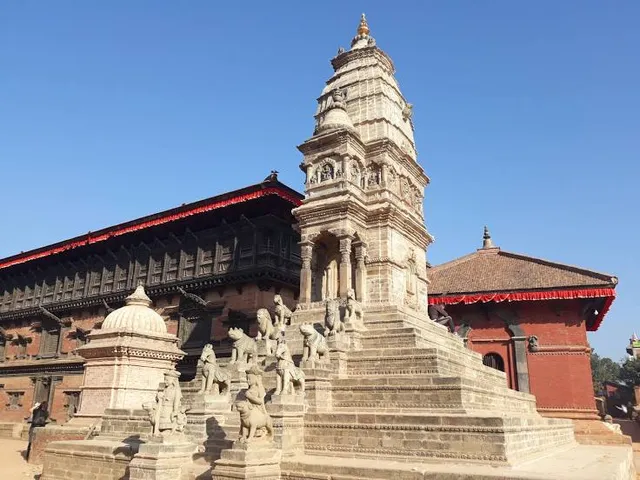
Hanuman Dhoka Durbar Square, located in the heart of Kathmandu, Nepal, is a historic complex that serves as a stunning example of traditional Newari architecture. This UNESCO World Heritage Site dates back to the Malla period and continues to be a focal point for cultural and historical significance in Nepal

Main Attractions Hanuman Statue The square is named after the statue of Hanuman, the monkey god, which stands at the entrance. The statue is revered and considered a guardian of the palace.

Taleju Temple One of the most prominent structures in the square is the Taleju Temple, built in the 16th century. This temple is dedicated to the goddess Taleju Bhawani and is accessible only to Hindus

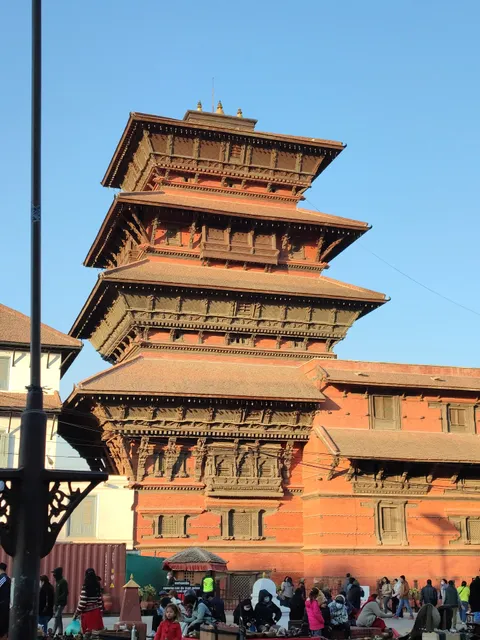
Basantapur Tower The Basantapur Tower, also known as the Basantapur Durbar or Nine-Storey Palace, offers panoramic views of the city and the surrounding valley. It showcases exquisite woodwork and intricate designs typical of Newari craftsmanship.

The Living Goddess Kumari One of the unique aspects of Hanuman Dhoka Durbar Square is its connection to the Kumari, the living goddess. The Kumari is a young girl chosen from the Newar community who is believed to be the physical incarnation of the goddess Taleju. She resides in the Kumari Ghar, a beautifully decorated building within the square. The Kumari appears at public events and festivals, blessing devotees and tourists alike. This tradition is a fascinating blend of religious, cultural, and historical practices unique to Nepal.

The Museum The old royal palace has been converted into a museum that displays a variety of artifacts, including weapons, furniture, and historical documents. The museum provides a deeper insight into the history and culture of Nepal.

Cultural Significance Hanuman Dhoka Durbar Square is not just a tourist destination but also a vibrant center for local life and cultural activities. It is the site of numerous festivals and rituals, including Indra Jatra and Dashain, where locals gather to celebrate with traditional music, dance, and ceremonies.

Fun and Leisure Visitors can enjoy leisurely walks around the square, exploring the many temples, courtyards, and shrines. The area is bustling with local vendors selling traditional crafts, souvenirs, and street food, providing a rich sensory experience.

Conclusion Hanuman Dhoka Durbar Square offers a profound glimpse into Nepal's rich history and cultural heritage. Its blend of historical significance, architectural beauty, and vibrant local culture makes it a must-visit destination for anyone traveling...

   Read more
avatar
5.0
1y

Hanuman Dhoka, known as हनुमान ढोका in Nepali, is a historical landmark located in the heart of Kathmandu, Nepal. It is named after the stone statue of Hanuman (the Hindu monkey god) that guards its entrance. Hanuman Dhoka holds great historical and cultural significance as it was the royal palace of the Malla kings and later served as the residence of the Shah monarchs.

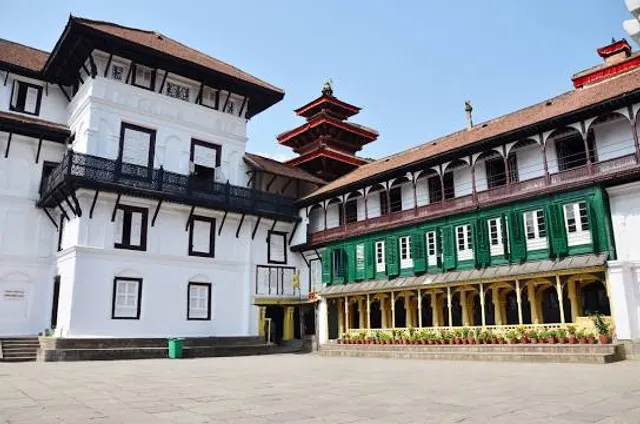
The palace complex encompasses an extensive area and is adorned with intricately carved wooden windows, doors, and pillars, showcasing exquisite Newari craftsmanship. It consists of various courtyards, halls, and temples, each reflecting the architectural and artistic styles of different periods in Nepalese history.

Today, Hanuman Dhoka houses the Hanuman Dhoka Palace Museum, which is dedicated to preserving and showcasing the history and heritage of the Shah Dynasty. The museum's exhibits include royal artifacts, portraits, thrones, ceremonial objects, and other items associated with the Shah kings who ruled Nepal from the late 18th century until the abolition of the monarchy in 2008. Visitors can explore the museum to gain insights into the political, cultural, and social aspects of Nepal's royal history.

Apart from the museum, Hanuman Dhoka remains an active cultural hub and administrative center. It is home to several government offices and is often used for ceremonial events, festivals, and official functions. The complex also houses temples dedicated to various Hindu deities, including Taleju Bhawani, the patron goddess of the Malla kings.

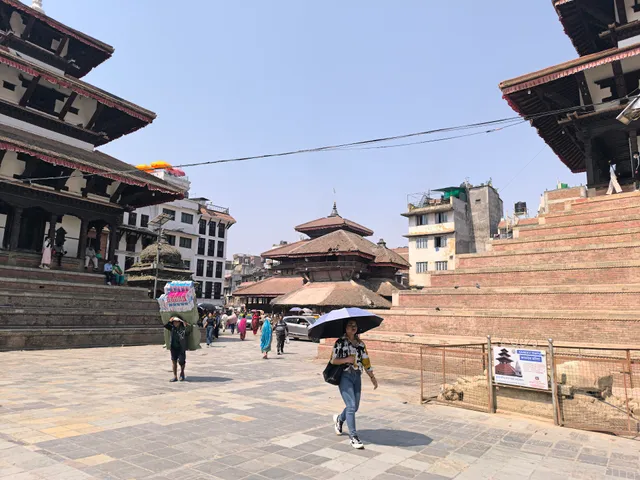
Hanuman Dhoka Sadak, the street leading to the palace, is a bustling thoroughfare lined with shops, markets, and traditional Newari architecture. It serves as a vibrant hub of activity, attracting locals and tourists alike who come to explore the historical landmarks, shop for souvenirs, and immerse themselves in the rich cultural heritage of Kathmandu.

Overall, Hanuman Dhoka stands as a testament to Nepal's rich history and architectural legacy. It continues to be a cherished symbol of the country's cultural identity and remains a must-visit destination for anyone interested in experiencing the grandeur of Nepal's royal past. EDIT...

   Read more
Page 1 of 7
Previous
Next

Posts

The most famous Square in Nepal
Eva Bell Eva Bell
The most famous Square in Nepal
Dinesh RijalDinesh Rijal
Hanuman Dhoka Durbar Square, located in the heart of Kathmandu, Nepal, is a historic complex that serves as a stunning example of traditional Newari architecture. This UNESCO World Heritage Site dates back to the Malla period and continues to be a focal point for cultural and historical significance in Nepal Main Attractions Hanuman Statue The square is named after the statue of Hanuman, the monkey god, which stands at the entrance. The statue is revered and considered a guardian of the palace. Taleju Temple One of the most prominent structures in the square is the Taleju Temple, built in the 16th century. This temple is dedicated to the goddess Taleju Bhawani and is accessible only to Hindus Basantapur Tower The Basantapur Tower, also known as the Basantapur Durbar or Nine-Storey Palace, offers panoramic views of the city and the surrounding valley. It showcases exquisite woodwork and intricate designs typical of Newari craftsmanship. The Living Goddess Kumari One of the unique aspects of Hanuman Dhoka Durbar Square is its connection to the Kumari, the living goddess. The Kumari is a young girl chosen from the Newar community who is believed to be the physical incarnation of the goddess Taleju. She resides in the Kumari Ghar, a beautifully decorated building within the square. The Kumari appears at public events and festivals, blessing devotees and tourists alike. This tradition is a fascinating blend of religious, cultural, and historical practices unique to Nepal. The Museum The old royal palace has been converted into a museum that displays a variety of artifacts, including weapons, furniture, and historical documents. The museum provides a deeper insight into the history and culture of Nepal. Cultural Significance Hanuman Dhoka Durbar Square is not just a tourist destination but also a vibrant center for local life and cultural activities. It is the site of numerous festivals and rituals, including Indra Jatra and Dashain, where locals gather to celebrate with traditional music, dance, and ceremonies. Fun and Leisure Visitors can enjoy leisurely walks around the square, exploring the many temples, courtyards, and shrines. The area is bustling with local vendors selling traditional crafts, souvenirs, and street food, providing a rich sensory experience. Conclusion Hanuman Dhoka Durbar Square offers a profound glimpse into Nepal's rich history and cultural heritage. Its blend of historical significance, architectural beauty, and vibrant local culture makes it a must-visit destination for anyone traveling to Kathmandu.
Anubhav MahatoAnubhav Mahato
Hanuman Dhoka (Nepali: हनुमान ढोका) is a complex of structures with the Royal Palace of the Malla kings and also of the Shah dynasty in the Durbar Square of central Kathmandu, Nepal. It is spread over five acres. The Hanuman Dhoka Palace (Hanuman Dhoka Darbar in Nepali) gets its name from the stone image of Hanuman, the Hindu deity, that sits near the main entryway. 'Dhoka' means door or gate in Nepali. The buildings were severely damaged in the 2015 earthquake. The eastern wing with ten courtyards is the oldest part dated to the mid 16th century. It was expanded by King Pratap Malla in the 17th century with many temples. Sundari Chok and Mohan Chok in the north part of the palace are both closed. In 1768, in the southeast part of the palace, four lookout towers were added by Prithvi Narayan Shah. The royal family lived in this palace till 1886. They after shifted to Narayanhiti Palace. The stone inscription outside is in fifteen languages. The stone is a jaladroni (drinking fountain) and legend states that for someone who understands all 15 languages, milk instead of water would spring from it. The "Hanuman Dhoka" proper, or Hanuman Gate, is located on the west side of Durbar Square. It is the entry gate to the palace, where a standing statue of Hanuman (monkey god), dated to 1672, guards the palace. Hanuman is decked with a red cloth and an umbrella. The face is smeared with a red paste. On the left is a stone sculpture dated to 1673 of Lord Narasimha (the half-man, half lion incarnation of Lord Vishnu), devouring the demon Hiranyakashipu, which is credited to Pratap Malla period according to an inscription on the pedestal of the image.
See more posts
See more posts
hotel
Find your stay

Pet-friendly Hotels in Kathmandu Metropolitan City

Find a cozy hotel nearby and make it a full experience.

The most famous Square in Nepal
Eva Bell

Eva Bell

hotel
Find your stay

Affordable Hotels in Kathmandu Metropolitan City

Find a cozy hotel nearby and make it a full experience.

Get the Appoverlay
Get the AppOne tap to find yournext favorite spots!
Hanuman Dhoka Durbar Square, located in the heart of Kathmandu, Nepal, is a historic complex that serves as a stunning example of traditional Newari architecture. This UNESCO World Heritage Site dates back to the Malla period and continues to be a focal point for cultural and historical significance in Nepal Main Attractions Hanuman Statue The square is named after the statue of Hanuman, the monkey god, which stands at the entrance. The statue is revered and considered a guardian of the palace. Taleju Temple One of the most prominent structures in the square is the Taleju Temple, built in the 16th century. This temple is dedicated to the goddess Taleju Bhawani and is accessible only to Hindus Basantapur Tower The Basantapur Tower, also known as the Basantapur Durbar or Nine-Storey Palace, offers panoramic views of the city and the surrounding valley. It showcases exquisite woodwork and intricate designs typical of Newari craftsmanship. The Living Goddess Kumari One of the unique aspects of Hanuman Dhoka Durbar Square is its connection to the Kumari, the living goddess. The Kumari is a young girl chosen from the Newar community who is believed to be the physical incarnation of the goddess Taleju. She resides in the Kumari Ghar, a beautifully decorated building within the square. The Kumari appears at public events and festivals, blessing devotees and tourists alike. This tradition is a fascinating blend of religious, cultural, and historical practices unique to Nepal. The Museum The old royal palace has been converted into a museum that displays a variety of artifacts, including weapons, furniture, and historical documents. The museum provides a deeper insight into the history and culture of Nepal. Cultural Significance Hanuman Dhoka Durbar Square is not just a tourist destination but also a vibrant center for local life and cultural activities. It is the site of numerous festivals and rituals, including Indra Jatra and Dashain, where locals gather to celebrate with traditional music, dance, and ceremonies. Fun and Leisure Visitors can enjoy leisurely walks around the square, exploring the many temples, courtyards, and shrines. The area is bustling with local vendors selling traditional crafts, souvenirs, and street food, providing a rich sensory experience. Conclusion Hanuman Dhoka Durbar Square offers a profound glimpse into Nepal's rich history and cultural heritage. Its blend of historical significance, architectural beauty, and vibrant local culture makes it a must-visit destination for anyone traveling to Kathmandu.
Dinesh Rijal

Dinesh Rijal

hotel
Find your stay

The Coolest Hotels You Haven't Heard Of (Yet)

Find a cozy hotel nearby and make it a full experience.

hotel
Find your stay

Trending Stays Worth the Hype in Kathmandu Metropolitan City

Find a cozy hotel nearby and make it a full experience.

Hanuman Dhoka (Nepali: हनुमान ढोका) is a complex of structures with the Royal Palace of the Malla kings and also of the Shah dynasty in the Durbar Square of central Kathmandu, Nepal. It is spread over five acres. The Hanuman Dhoka Palace (Hanuman Dhoka Darbar in Nepali) gets its name from the stone image of Hanuman, the Hindu deity, that sits near the main entryway. 'Dhoka' means door or gate in Nepali. The buildings were severely damaged in the 2015 earthquake. The eastern wing with ten courtyards is the oldest part dated to the mid 16th century. It was expanded by King Pratap Malla in the 17th century with many temples. Sundari Chok and Mohan Chok in the north part of the palace are both closed. In 1768, in the southeast part of the palace, four lookout towers were added by Prithvi Narayan Shah. The royal family lived in this palace till 1886. They after shifted to Narayanhiti Palace. The stone inscription outside is in fifteen languages. The stone is a jaladroni (drinking fountain) and legend states that for someone who understands all 15 languages, milk instead of water would spring from it. The "Hanuman Dhoka" proper, or Hanuman Gate, is located on the west side of Durbar Square. It is the entry gate to the palace, where a standing statue of Hanuman (monkey god), dated to 1672, guards the palace. Hanuman is decked with a red cloth and an umbrella. The face is smeared with a red paste. On the left is a stone sculpture dated to 1673 of Lord Narasimha (the half-man, half lion incarnation of Lord Vishnu), devouring the demon Hiranyakashipu, which is credited to Pratap Malla period according to an inscription on the pedestal of the image.
Anubhav Mahato

Anubhav Mahato

See more posts
See more posts