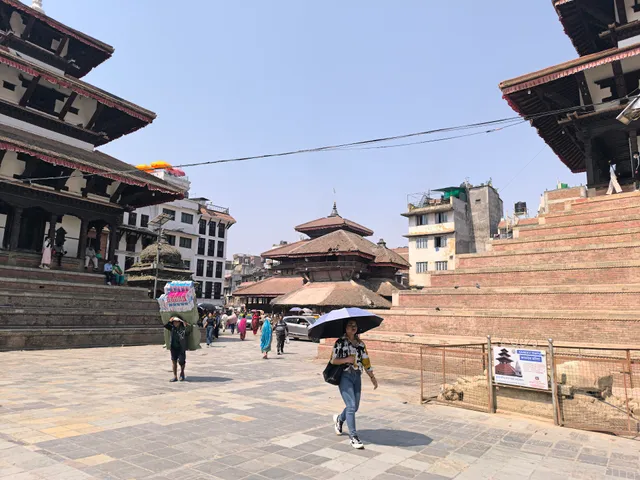
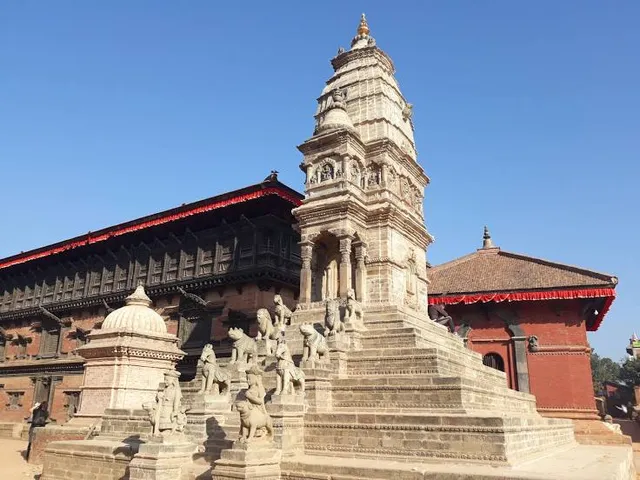
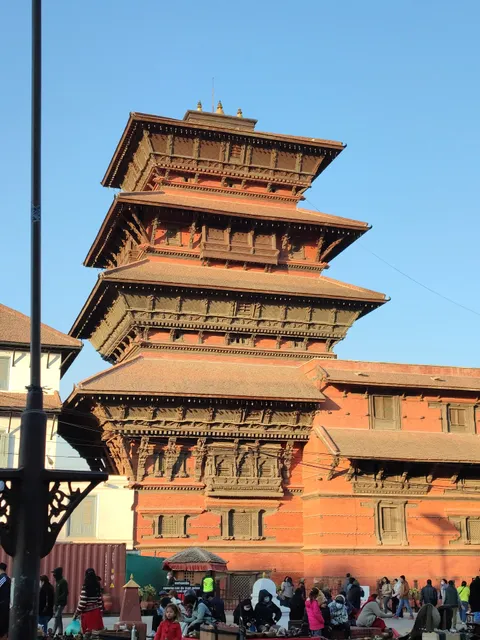
Kathmandu Durbar Square, also known as Basantapur Durbar Square, is a place where the soul of old Kathmandu still lingers. Located in the heart of the city, this UNESCO World Heritage Site is a vibrant reminder of Nepal’s rich royal past. As you wander through the narrow, lively alleys that lead to the square, you’re instantly transported to a different era—one of kings, courtiers, rituals, and artistic brilliance.
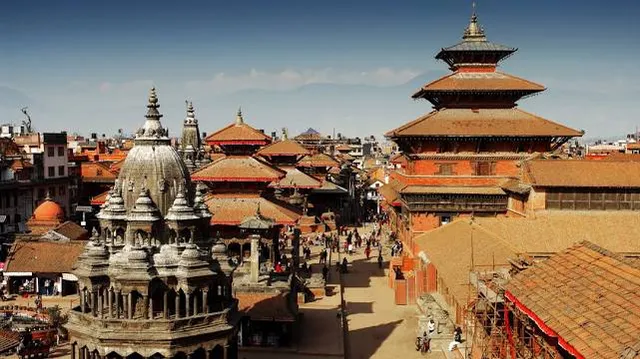
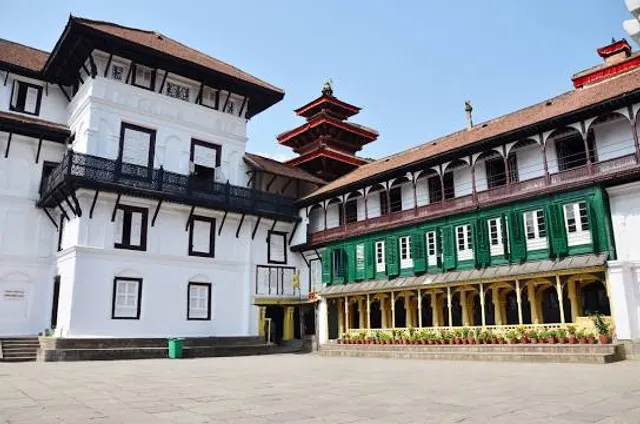
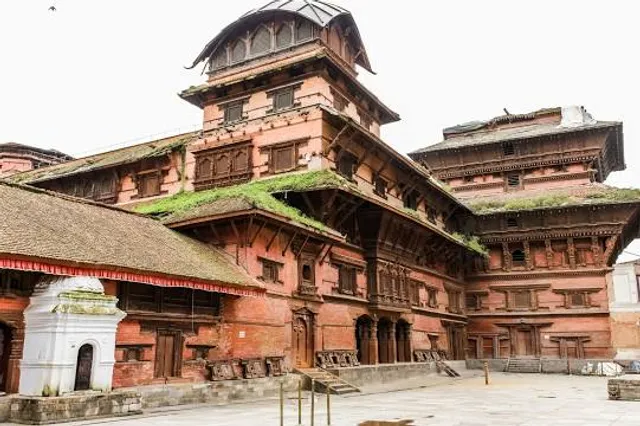
The first thing that strikes you is the stunning architecture. The square is a collection of temples, shrines, courtyards, and palaces—each unique, yet harmoniously woven together. Most of these monuments date back to the Malla period, when Kathmandu’s art and architecture flourished. At the heart of it all lies the Hanuman Dhoka Palace, once home to the kings of Kathmandu. Though much of it now functions as a museum, its historic character and the stories it holds are very much alive. Walking through its courtyards, hearing your footsteps echo on the stone floors, you can almost imagine the royal processions and festivals that once took place here.
One of the most fascinating attractions is the Kumari Ghar—the residence of the Living Goddess, Kumari. This tradition, where a young girl is worshipped as the embodiment of divine power, is unique to Nepal. If you're fortunate, you may get a glimpse of the Kumari as she appears briefly at a window to bless visitors. Her presence adds an element of living spirituality to the square that few places in the world can match.
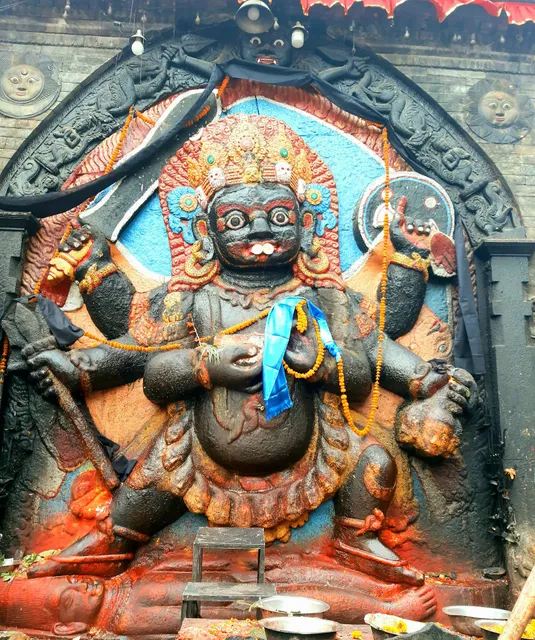
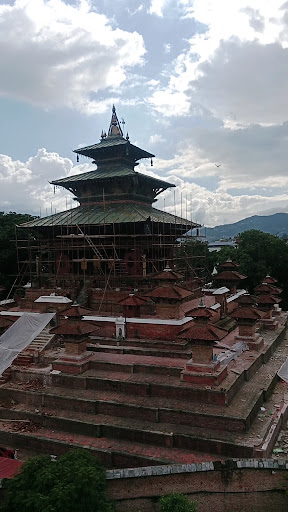
Another highlight is the Taleju Temple, the tallest structure in the square. Although only Hindus may enter, its towering presence is awe-inspiring. Nearby stands the massive statue of Kal Bhairav, a fierce manifestation of Lord Shiva. Even today, devotees come to pray here, showing that the square is not just a historical attraction but a spiritual center for locals.
Though the 2015 earthquake damaged several temples, restoration efforts have been impressive. Craftsmen are using traditional methods and materials to rebuild the temples as authentically as possible. This dedication to preservation adds even more depth to the experience—you’re witnessing a culture that not only values its history but actively works to protect and revive it.
What makes Kathmandu Durbar Square truly special is the way it blends the past with the present. The temples and palaces may be centuries old, but the square is alive. Children chase pigeons across the stones, elders rest on temple steps, and vendors sell incense, jewelry, and snacks. It’s not a museum behind glass—it’s a space where life still unfolds, just as it has for generations.
Whether you're a history buff, a photographer, a culture lover, or just a curious traveler, Kathmandu Durbar Square has something to offer. It’s more than a tourist site—it’s the living heart of old Kathmandu. Take your time here, let the square unfold its stories, and you’ll leave with a deeper appreciation for the...
Read moreKathmandu Durbar Square Kathmandu Durbar Square is a historic and cultural complex located in the heart of Kathmandu, Nepal. It was a former royal palace and is now a popular tourist destination and UNESCO World Heritage Site.
Key Features Architecture: The square features a blend of traditional Nepalese architecture, including intricately carved wooden buildings, temples, and statues. Hanuoman Dhoka: The square is home to the Hanuman Dhoka, a historic palace complex that served as the royal residence. Temples and Shrines: The square features several temples and shrines, including the Kasthamandap temple and the Pancha Mukhi Hanuman temple. Cultural Significance: Kathmandu Durbar Square is a symbol of Nepal's rich cultural heritage and history.
History Medieval Period: The square dates back to the medieval period, with some buildings and temples constructed in the 17th century. Royal Residence: The square was once the residence of the Malla and Shah kings of Nepal. Earthquake Damage: The 2015 earthquake caused significant damage to the square, and many buildings are still under restoration.
Nearby Attractions Swayambhunath Stupa: A sacred Buddhist site located nearby, also known as the Monkey Temple. Boudhanath Stupa: A major Buddhist pilgrimage site and UNESCO World Heritage Site. Thamel: A popular tourist area known for its shops, restaurants, and nightlife.
Visitor Information Location: Kathmandu Durbar Square is located in the heart of Kathmandu, Nepal. Best Time to Visit: The best time to visit is during the spring (March to May) and autumn (September to November) seasons. Accessibility: The square is easily accessible by foot or taxi from anywhere in Entry fees NPR 500 for sars country.
Kathmandu Durbar Square is a must-visit destination for anyone interested in Nepal's history, culture, and architecture. Its stunning buildings, temples, and statues make it a unique and...
Read moreBasantapur Durbar Square, also known as Kathmandu Durbar Square or Hanuman Dhoka Palace, is a historic cultural complex located in the heart of old Kathmandu. Recognized as a UNESCO World Heritage Site, this ancient square was once the royal palace for Malla and Shah kings and remains one of Nepal’s most iconic architectural and cultural landmarks.
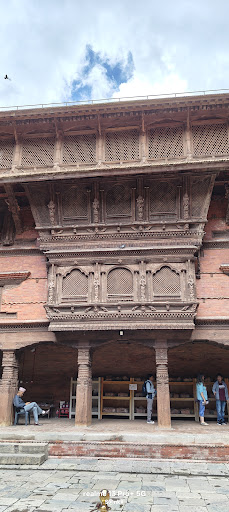
The square is famous for its beautiful Newar-style architecture, including pagoda temples, intricately carved wooden windows, stone sculptures, and the grand palace complex. One of its central structures is the Hanuman Dhoka Palace, named after the stone statue of Hanuman (Hindu monkey god) that guards its entrance. Another notable structure is the Nautalle Durbar (nine-story palace), built by King Prithvi Narayan Shah to symbolize the unification of Nepal.
A key highlight is the Kumari Ghar, the residence of the Living Goddess Kumari, where visitors can sometimes get a glimpse of her during religious festivals. Other remarkable temples include Taleju Temple, Jagannath Temple (famous for erotic carvings), Shiva-Parvati Temple, and Kal Bhairav statue.
The square is also a center for major cultural festivals such as Indra Jatra, Dashain, and Kumari Jatra, where traditional dances, chariot processions, and rituals attract thousands of locals and tourists. Despite suffering major damage during the 2015 earthquake, many structures have been restored, and reconstruction continues.
Basantapur is not only a historical site but a vibrant public space where tradition and daily life blend together. Street vendors, local youths, artists, and pilgrims create a lively atmosphere around the monuments. Its unique charm, cultural richness, and architectural beauty make it a must-visit destination for anyone...
Read more