History of Kathmandu Durbar Square Kathmandu Durbar Square Facts Monument
Kathmandu Durbar Square
City/District
Kathmandu
Province
Bagmati
UNESCO World Heritage Site Listed
1979 AD
Area occupied
5 Acres
Founded by (main palace)
Shankaradev (1069-1083)
Major Attractions
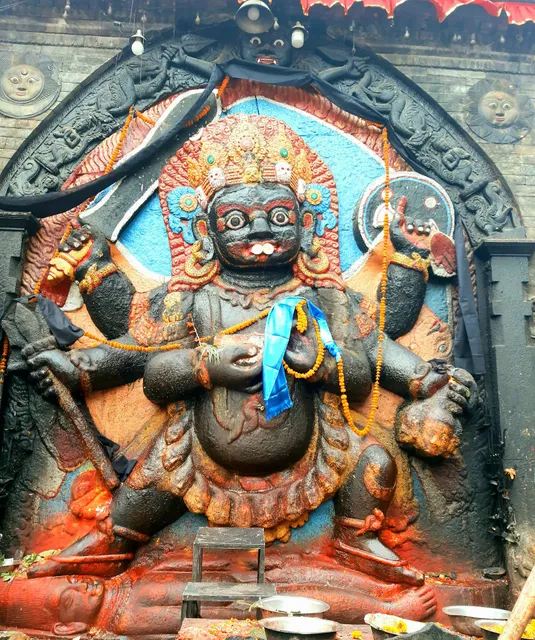
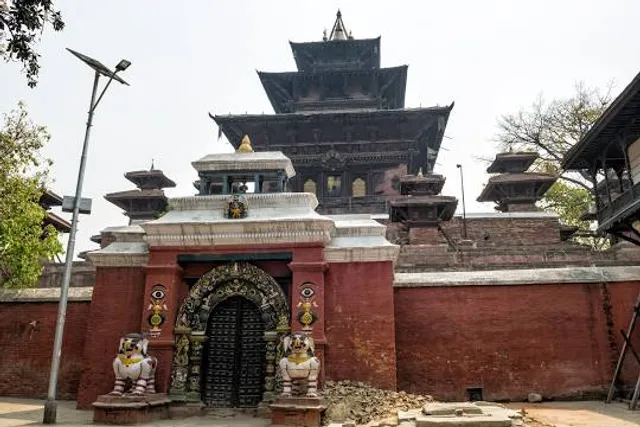
Taleju Bhawani Temple
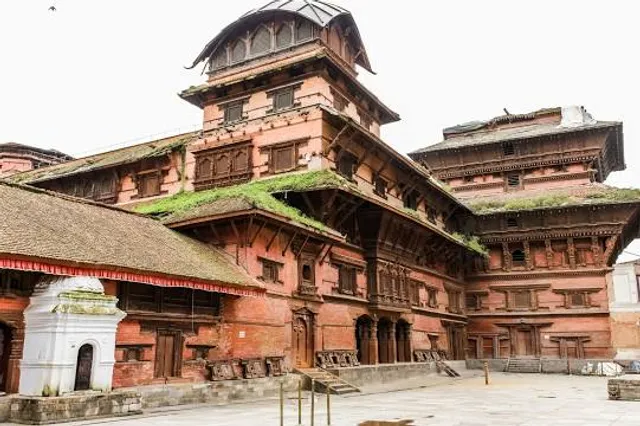
The Old Royal Palace
The Kumari Ghar
Gaddi Baithak
Kasthamandap
Major Festivities
Indra Jatra and Kumari Jatra
Gai Jatra
Seto Machhindranath Jatra
Entry Fees
Free for Nepalese citizens
NRs. 150 for SAARC residents
NRs. 1000 for visitors outside of SAARC countries
Free for children below 10 years
Where is Kathmandu Durbar Square? Kathmandu Durbar Square is easily accessible from many parts of the city because of its central location. Here is a quick overview:
From Tribhuvan International Airport: Kathmandu Durbar Square is located approximately 6 kilometers from Tribhuvan International Airport. The journey takes around 30-40 minutes by car depending on traffic conditions. You can take a taxi, hire a private car or travel on public transport to reach the square from the airport.
From Thamel: The square is located almost 2 kilometers far from Thamel. You can walk to the square in less than 20 minutes, or take a taxi to reach the square. Due to narrow streets and crowds, a taxi might take the same time as walking there from Thamel.
From New Road: New Road is another popular tourist area in Kathmandu, and the square is about 1 kilometer from New Road. You can easily walk to the square from New Road, or take a taxi to reach the square gate.
From Asan Tole: Asan Tole is a market area with everything from home appliances to clothes and accessories. You can simply walk to the square after completing your shopping spree, as the square is located only 1 kilometer away from Asan Tole.
A lot of winding streets (Galli) from nearby places connect to the Kathmandu Durbar Square or one of the places mentioned above. Walking through the streets is an adventure of its own. As it lies in the heart of the city, it is very easy to navigate to the square with online maps as well.
History of Kathmandu Durbar Square Even though the exact date of the establishment of the Kathmandu Durbar Square is unknown, Shankaradev was credited for the palace construction in the 11th century. Later on, in the 16th century, Ratna Malla constructed the Taleju Bhawani Temple. The rest of the square then grew around these two landmarks, turning into what we see today.
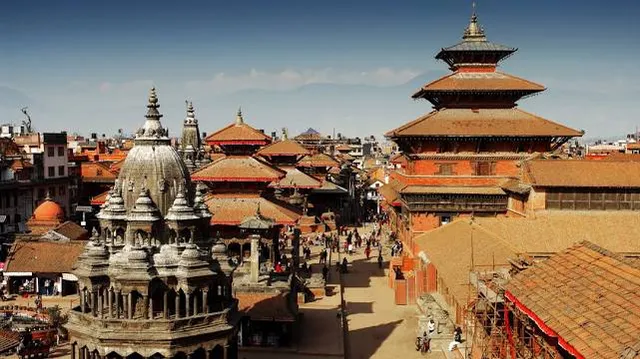
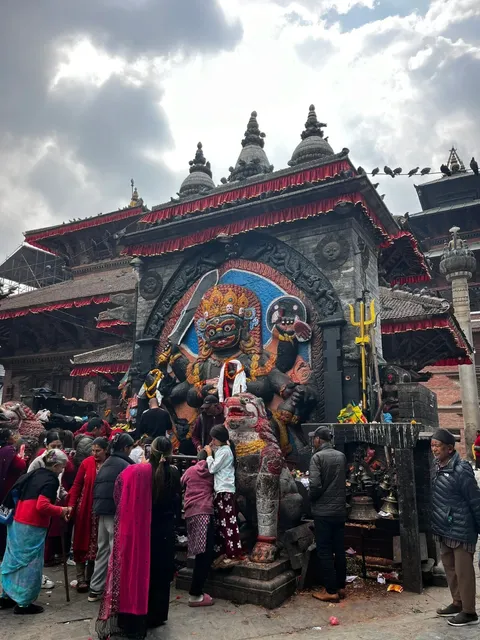
The square was once the center of the Nepalese royal palace and the throne for Nepal's kings and queens. It is home to several important cultural, historical, and architectural landmarks, including the Temple of the Living Goddess, the Hanuman Dhoka Palace, the Kasthamandap, and the Old Royal Palace.
Kasthamandap Temple is said to have been built in the 12th century from the wood of a single tree. It is named after the same "kastha" tree, also known as the "sala" tree. The temple was used as a rest house for travelers and a place for people to perform religious rituals and ceremonies.
The Hanuman Dhoka Palace is a royal palace built in the 17th century that is now open to the public as a museum. It is named after the deity Hanuman, depicted in a statue at the entrance to the palace. The Old Royal Palace, also known as the Basantapur Durbar, is a complex of courtyards and temples composed of old royal lands and structures.
The Temple of the Living Goddess, also known as the Kumari Ghar, is a three-story building home to the Kumari, a young girl considered the living goddess. Kumari is chosen through a rigorous process involving physical, mental, and spiritual tests. This tradition dates back to the 18th Century and is an important destination for Hindu and Buddhist pilgrims.
The Kathmandu Durbar Square and its surrounding area have a long and fascinating history, and hence are a testament to Nepal’s rich cultural, historical, and architectural heritage.Where is Kathmandu Durbar Square?Attractions of Kathmandu Durbar Square Kathmandu Durbar Square...
Read moreKathmandu Durbar Square is an absolute gem, a must-visit destination that immerses you in the rich history and vibrant culture of Nepal. As soon as you step foot in this UNESCO World Heritage Site, you are transported to a bygone era, where the past comes alive in stunning architectural marvels, intricate carvings, and a palpable sense of awe.
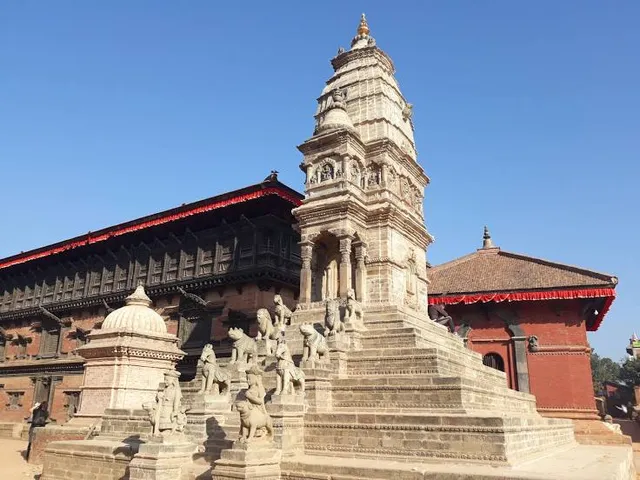
The square is a living testament to Nepal's ancient dynasties and their architectural prowess. The palaces, temples, and courtyards that adorn the square are a striking blend of Newari, Indian, and Tibetan architectural styles, showcasing the diverse influences that have shaped the country's heritage. Every structure holds a story, and wandering through this open-air museum feels like embarking on a historical treasure hunt.
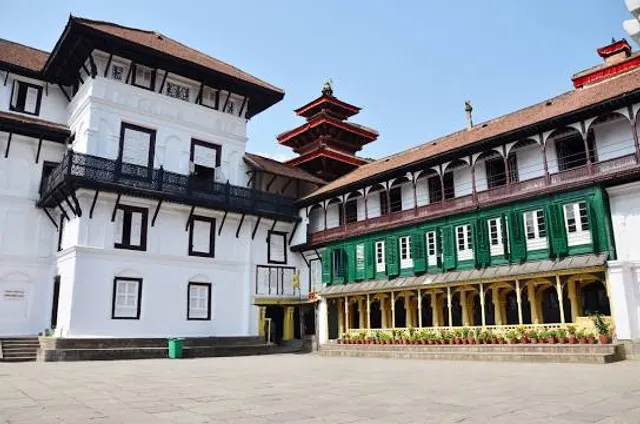
One of the highlights of Kathmandu Durbar Square is the Hanuman Dhoka Palace, the former royal residence. Its intricately carved wooden windows, delicate stone sculptures, and ornate courtyards are a visual feast for the eyes. Exploring the palace's rooms and galleries gives you a glimpse into the opulence and grandeur of Nepal's royal history.
The square is also home to an array of majestic temples, each with its unique charm. The Kumari Ghar, or House of the Living Goddess, is particularly captivating. This sacred abode of the Kumari, a young girl worshipped as a living deity, is adorned with intricate woodwork and adorned windows. Witnessing the Kumari during her occasional appearances is an incredibly spiritual experience.
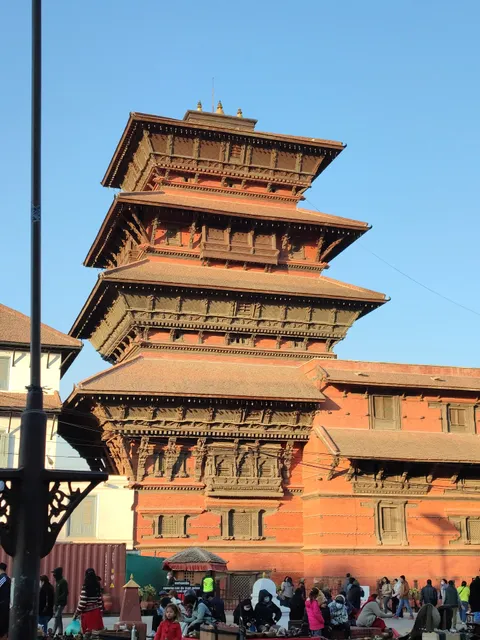
Additionally, the Taleju Temple, Jagannath Temple, and Kasthamandap, the temple from which Kathmandu derived its name, all add to the architectural splendor of the square. The detailed craftsmanship, the elaborate pagoda-style roofs, and the vivid colors used in their construction create a captivating spectacle that leaves you in awe.
Beyond the remarkable architecture, Kathmandu Durbar Square is a vibrant hub of local life. As you stroll through the square, you'll encounter artisans, merchants, and sadhus (holy men) going about their daily routines, infusing the place with a lively energy. Exploring the bustling markets surrounding the square allows you to immerse yourself in the local culture, where you can find handicrafts, traditional textiles, and delicious local delicacies.
Lastly, the panoramic views from the square are simply breathtaking. As the sun sets and casts its warm glow upon the ancient structures, the ambiance becomes even more magical. Be sure to find a quiet spot to sit and soak in the serenity of the surroundings, as the silhouette of the temples against the colorful sky creates an unforgettable vista.
In conclusion, Kathmandu Durbar Square is a captivating destination that offers an enchanting journey through history and culture. From the intricate architecture to the vibrant atmosphere, every moment spent here is a testament to the resilience and beauty of Nepal's heritage. Whether you're a history enthusiast, a cultural explorer, or simply seeking a transformative travel experience, a visit to Kathmandu Durbar Square will undoubtedly leave an indelible mark...
Read moreThe Basantapur Durbar Square in Kathmandu, Nepal, is a collage of historical events. Though much of its structure has been damaged by earthquakes over the years, locals continue to preserve its spirit.
As we enter Kathmandu’s Basantapur Durbar Square, two stone lions stand guard at the entrance, symbolizing the significance of the location in Newar culture. In Nepal, these lions indicate that a building holds an important status.
The term ‘Durbar’ literally translates to ‘palace.’ Kathmandu's Durbar Square was once the site where the city’s kings were crowned and ruled. Today, the square serves as the traditional heart of the old town, upholding the legacy of its traditional architecture.
Although most of the structures in the square date from the 17th and 18th centuries, many original buildings in this UNESCO World Heritage Site trace back to the eighth century. The square consists of three loosely connected areas and features old palaces, courtyards, and Hindu and Buddhist temples—many of which have intricately carved exteriors that showcase the skills of Newar artists and craftsmen developed over several centuries.
The square suffered extensive damage during Kathmandu’s 2015 earthquake, resulting in the collapse of several temples and towers, with reconstruction still ongoing. Despite this, many significant structures remain, including the Kumari Ghar (house), which stands intact against any disaster.
The centuries-old Kumari House is home to the ‘Kumari,’ or Kathmandu’s ‘living goddess,’ who is embodied in a young girl each morning. According to legend, the Kumari is an incarnation of the goddess Taleju, who ruled the Kathmandu Valley from the 12th century until the mid-18th century. The concept of a protective deity is prevalent in Newar settlements, leading to the construction of the Kumari House.
Local beliefs state that, despite neighboring structures suffering damage from earthquakes, the Kumari House remains untouched over the years because the Kumari provides protection. Each morning, mantras and rituals, passed down through generations, are performed by a Hindu and a Buddhist priest to invoke the goddess in the young girl; without these rituals, she cannot fully embody the goddess.
Another significant structure in the square is the Hanuman Dhoka Palace Complex, which served as the royal residence of Nepal until the 19th century. Important ceremonies, including the coronation of the Nepalese monarch, were held here. The palace is adorned with wooden windows and houses the King Tribhuwan Memorial Museum and the...
Read more