Cube Houses things to do, attractions, restaurants, events info and trip planning
Basic Info
Cube Houses
Overblaak 70, 3011 MH Rotterdam, Netherlands
4.4(8.3K)
Closed

tickets
Save
spot
spot
Ratings & Description
Info
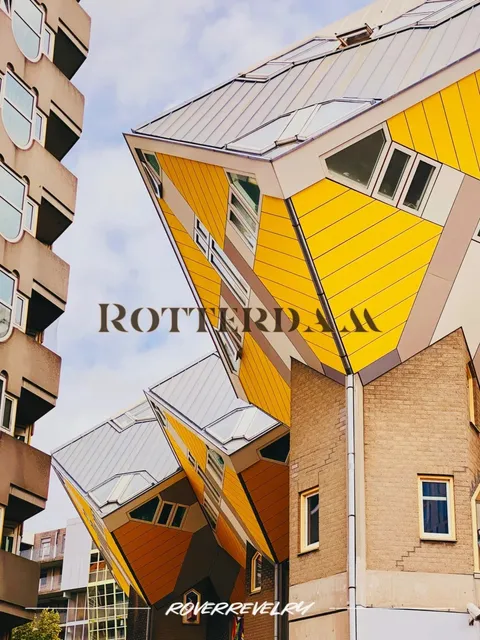
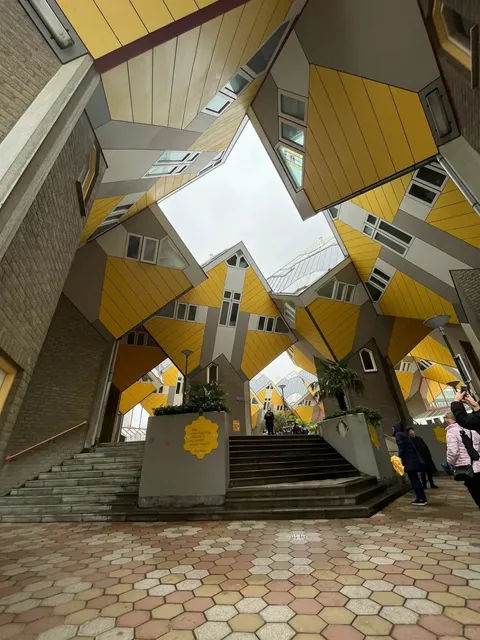
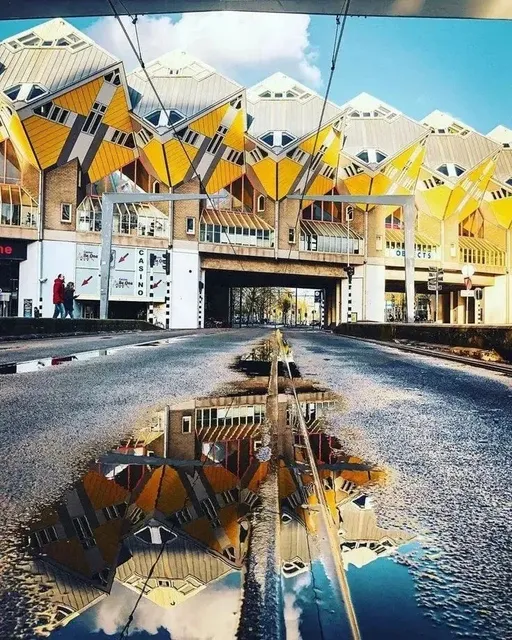
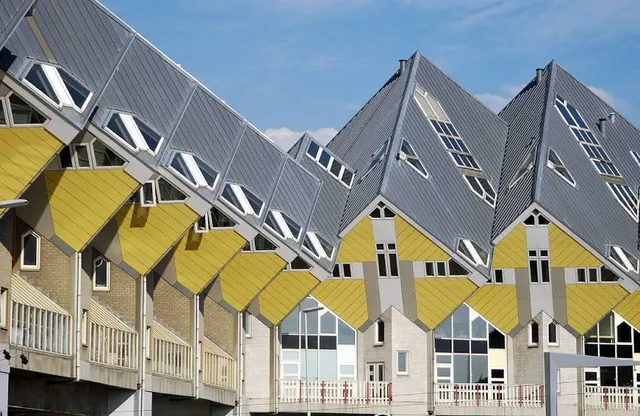
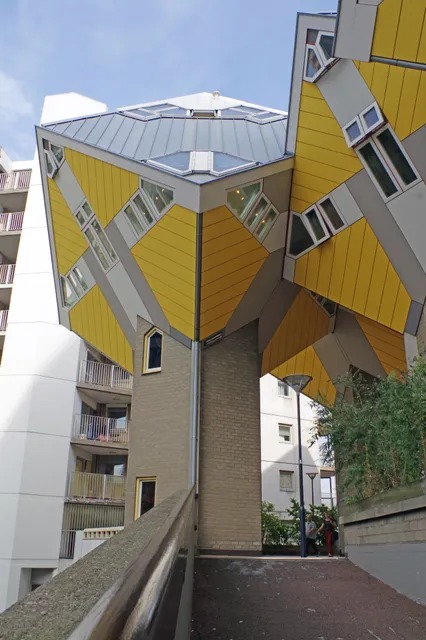
Cube houses are a set of innovative houses built in Helmond and Rotterdam in the Netherlands, designed by architect Piet Blom and based on the concept of "living as an urban roof": high density housing with sufficient space on the ground level, since its main purpose is to optimise the space inside.
Cultural
Family friendly
attractions: Kunstkubus, Marines Museum, De Cultuurschool, Bibliotheektheater Rotterdam, Iris Galerie Rotterdam Markthal, St. Lawrence Church, Rotterdam Central Library, De Tijdtrap, The White House, The Red Apple Marina / Harbour Wellness, restaurants: Markthal, Kade 4, APARTT - Steak on the Stone and Fondue, Stockholm, Kuub Coffee, Popocatepetl, 91Spices, Madam Chen, Very Italian Pizza, Restaurant Old Bay Rotterdam, local businesses: Markthal, CUBE, Oudehaven, Blaak, Madame Cocos, De Markthal Market, market Binnenrotte, Coffeeshop Trefpunt Rotterdam, ZeYa, Gimsel
 Learn more insights from Wanderboat AI.
Phone
+31 10 414 2285
Website
kubuswoning.nl
Open hoursSee all hours
Thu11 AM - 5 PMClosed
Plan your stay

Pet-friendly Hotels in Rotterdam
Find a cozy hotel nearby and make it a full experience.

Affordable Hotels in Rotterdam
Find a cozy hotel nearby and make it a full experience.

The Coolest Hotels You Haven't Heard Of (Yet)
Find a cozy hotel nearby and make it a full experience.

Trending Stays Worth the Hype in Rotterdam
Find a cozy hotel nearby and make it a full experience.
Reviews
Live events

Create your own leathercraft from scratch
Thu, Feb 19 • 6:30 PM
2312 TT, Leiden, Netherlands
View details
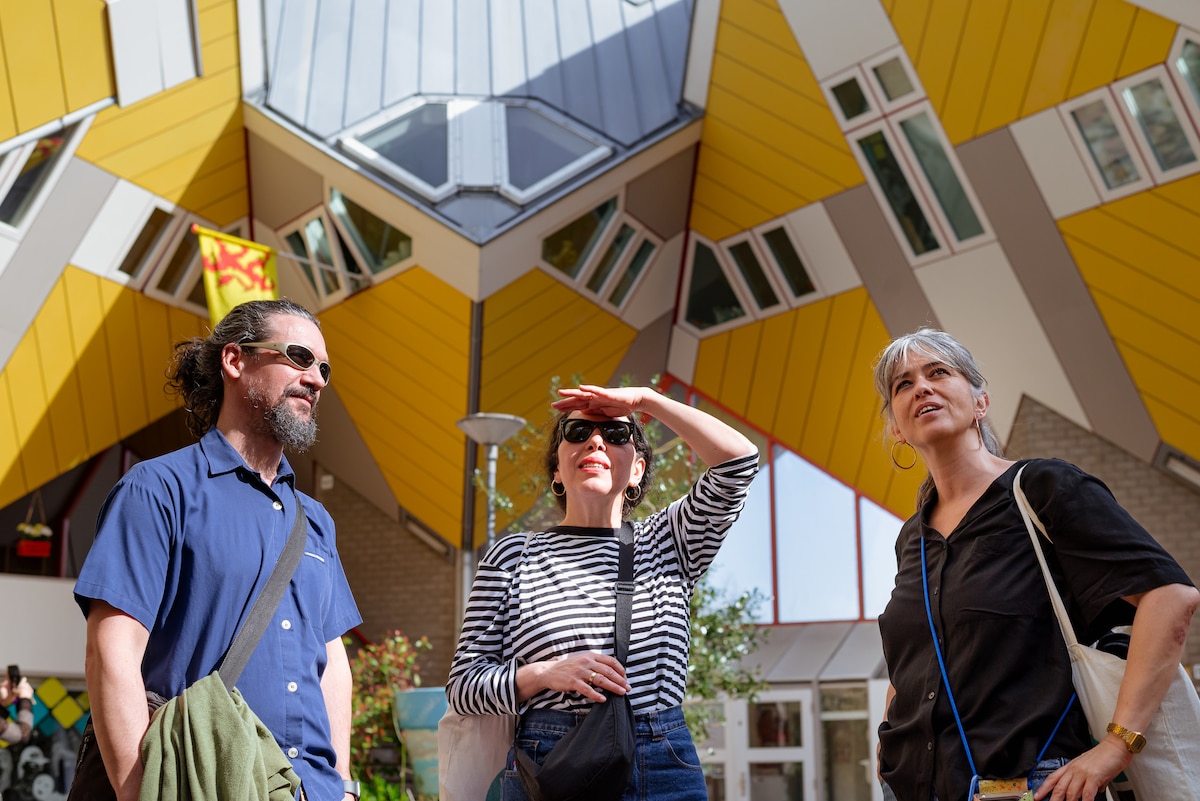
Architecture Walk Rotterdam
Fri, Feb 13 • 10:00 AM
3013 AJ, Rotterdam, Netherlands
View details

LUMINISCENCE: De meest spectaculaire lichtshow ter wereld, voor het eerst in Nederland!
Thu, Feb 12 • 8:30 PM
HH Geestkerkhof 25, Delft, Netherlands, 2611 HT
View details
Nearby attractions of Cube Houses
Kunstkubus
Marines Museum
De Cultuurschool
Bibliotheektheater Rotterdam
Iris Galerie Rotterdam Markthal
St. Lawrence Church
Rotterdam Central Library
De Tijdtrap
The White House
The Red Apple Marina / Harbour Wellness
Kunstkubus
4.4
(185)
Closed
Click for details
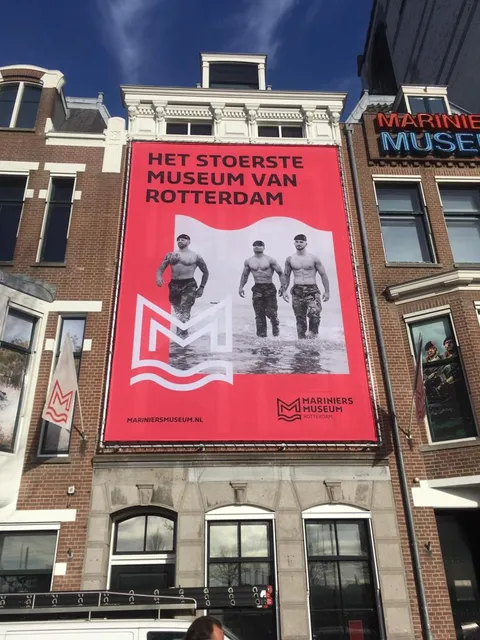
Marines Museum
4.4
(467)
Closed
Click for details

De Cultuurschool
5.0
(16)
Closed
Click for details

Bibliotheektheater Rotterdam
4.4
(112)
Open 24 hours
Click for details
Nearby restaurants of Cube Houses
Markthal
Kade 4
APARTT - Steak on the Stone and Fondue
Stockholm
Kuub Coffee
Popocatepetl
91Spices
Madam Chen
Very Italian Pizza
Restaurant Old Bay Rotterdam
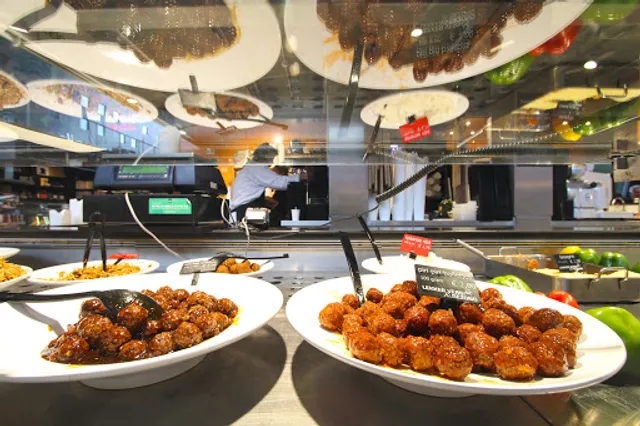
Markthal
4.5
(17.4K)
Closed
Click for details
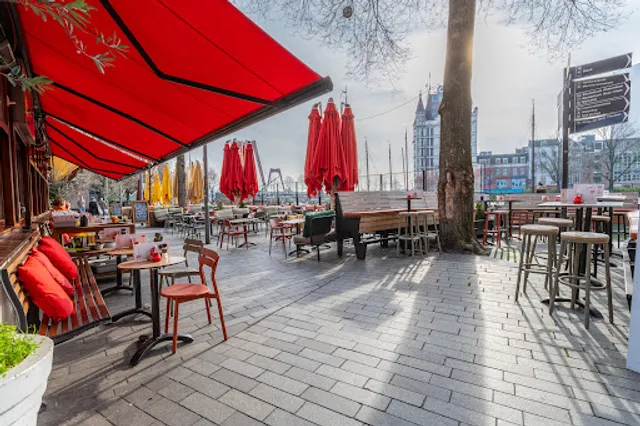
Kade 4
4.2
(802)
Open until 1:00 AM
Click for details
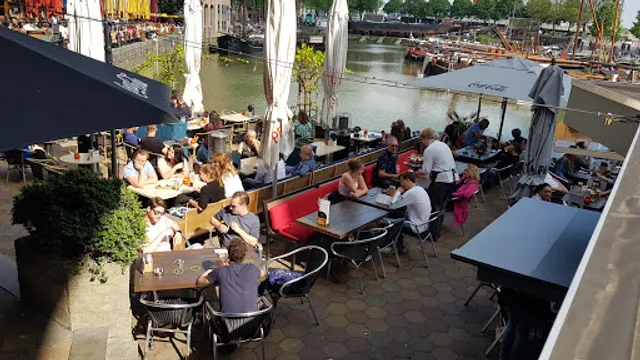
APARTT - Steak on the Stone and Fondue
3.8
(384)
$$
Open until 1:00 AM
Click for details
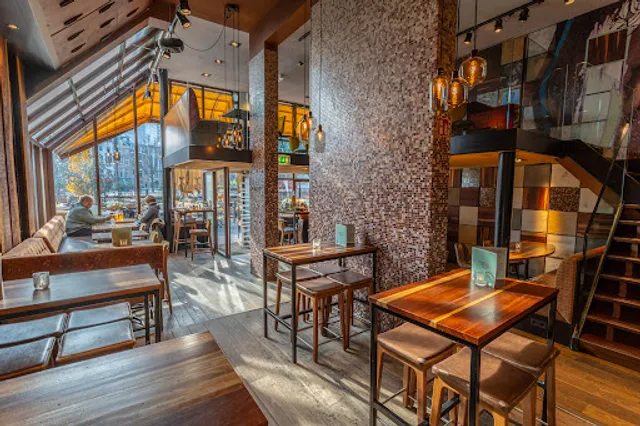
Stockholm
4.0
(486)
$$
Open until 1:00 AM
Click for details
Nearby local services of Cube Houses
Markthal
CUBE
Oudehaven
Blaak
Madame Cocos
De Markthal Market
market Binnenrotte
Coffeeshop Trefpunt Rotterdam
ZeYa
Gimsel
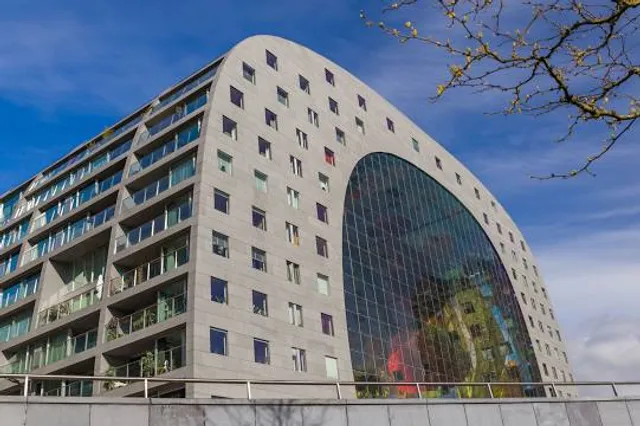
Markthal
4.4
(15K)
Click for details
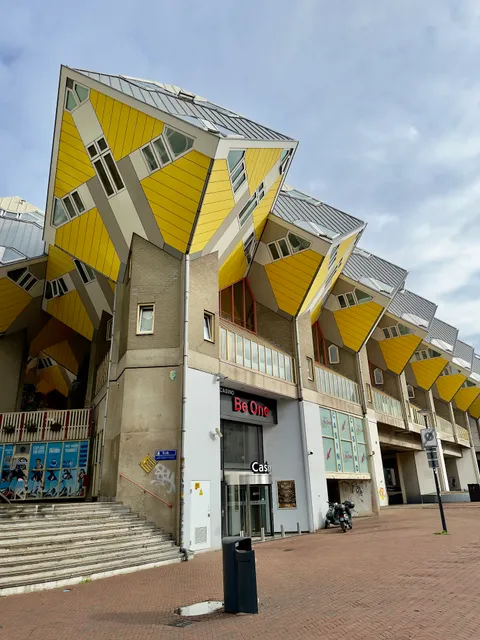
CUBE
4.0
(65)
Click for details
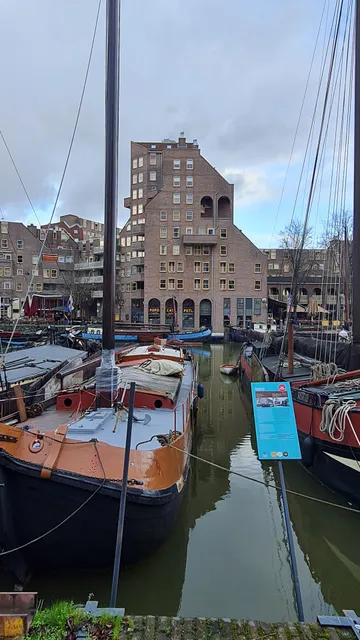
Oudehaven
4.5
(193)
Click for details
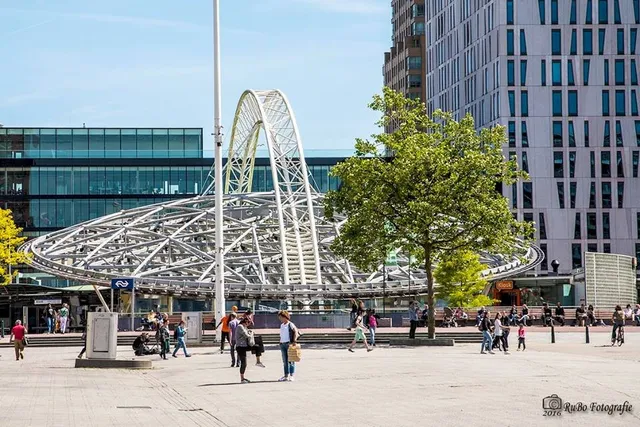
Blaak
4.5
(316)
Click for details