Stavanger Maritime Museum things to do, attractions, restaurants, events info and trip planning
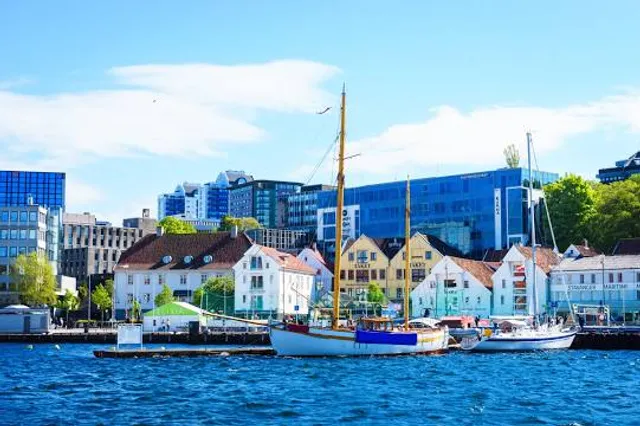
Basic Info
Stavanger Maritime Museum
Strandkaien 22, 4005 Stavanger, Norway
4.4(313)
Open until 12:00 AM

tickets
Save
spot
spot
Ratings & Description
Info
Cultural
Family friendly
Accessibility
attractions: Gamle Stavanger, Sjøfartsmonumentet, Stavanger Cathedral, Tollboden, Stavanger, Valberg Tower, Fargegaten, Viking House, Norwegian Petroleum Museum, Folken, Vågen (Stavanger), restaurants: Fisketorget Stavanger, Olivia Torget, Villa 22 Trattoria & Bar, Døgnvill Burger Stavanger, Gnu Bar, Cardinal Pub, Sabrura Sticks & Sushi Herbarium, burger&beers, Phileas Fogg, Skagen Fiskerestaurant, local businesses: Greenpeas, Rødne Fjord Cruise, Döner 02, Lysefjord & Pulpit Rock. Cruise and & Hike., MS Sandnes, Sølvberggata 11, Chili Chocolate, Byparken, Ho Kjøkken Takeaway, Gallery G
 Learn more insights from Wanderboat AI.
Phone
+47 40 76 96 79
Website
stavangermaritimemuseum.no
Open hoursSee all hours
Tue11 AM - 4 PMOpen
Plan your stay

Pet-friendly Hotels in Stavanger
Find a cozy hotel nearby and make it a full experience.

Affordable Hotels in Stavanger
Find a cozy hotel nearby and make it a full experience.

The Coolest Hotels You Haven't Heard Of (Yet)
Find a cozy hotel nearby and make it a full experience.

Trending Stays Worth the Hype in Stavanger
Find a cozy hotel nearby and make it a full experience.
Reviews
Nearby attractions of Stavanger Maritime Museum
Gamle Stavanger
Sjøfartsmonumentet
Stavanger Cathedral
Tollboden, Stavanger
Valberg Tower
Fargegaten
Viking House
Norwegian Petroleum Museum
Folken
Vågen (Stavanger)
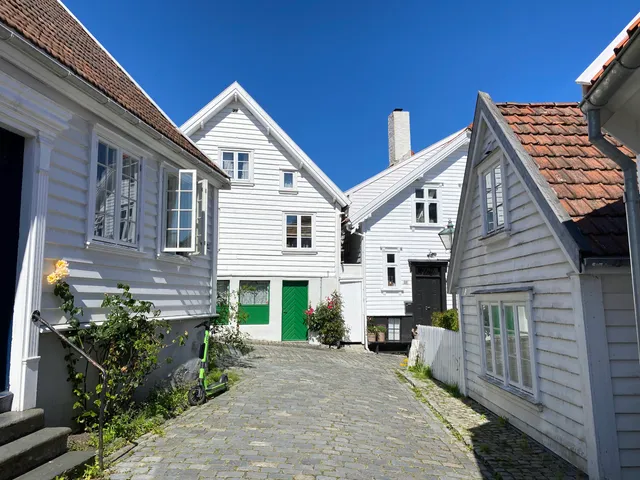
Gamle Stavanger
4.7
(3.7K)
Open until 12:00 AM
Click for details
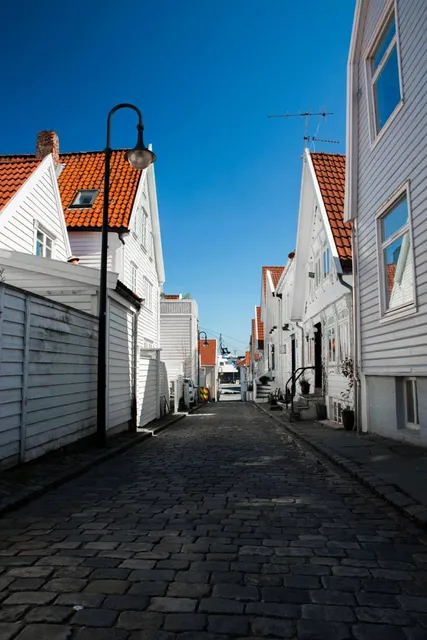
Sjøfartsmonumentet
4.4
(81)
Open until 12:00 AM
Click for details
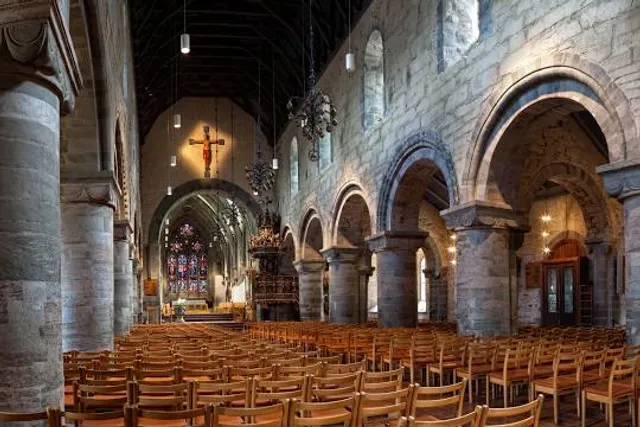
Stavanger Cathedral
4.3
(782)
Closed
Click for details
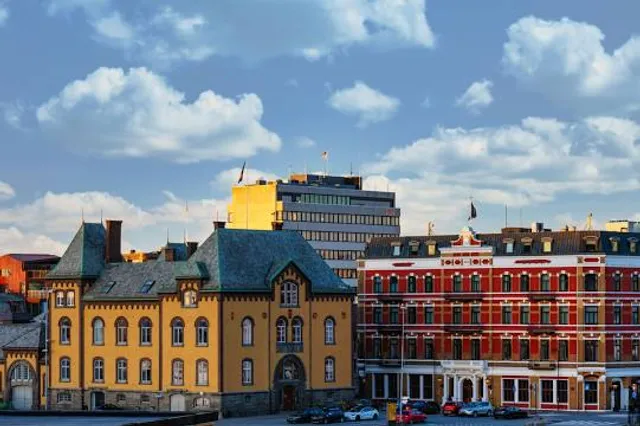
Tollboden, Stavanger
4.5
(683)
Open 24 hours
Click for details
Nearby restaurants of Stavanger Maritime Museum
Fisketorget Stavanger
Olivia Torget
Villa 22 Trattoria & Bar
Døgnvill Burger Stavanger
Gnu Bar
Cardinal Pub
Sabrura Sticks & Sushi Herbarium
burger&beers
Phileas Fogg
Skagen Fiskerestaurant
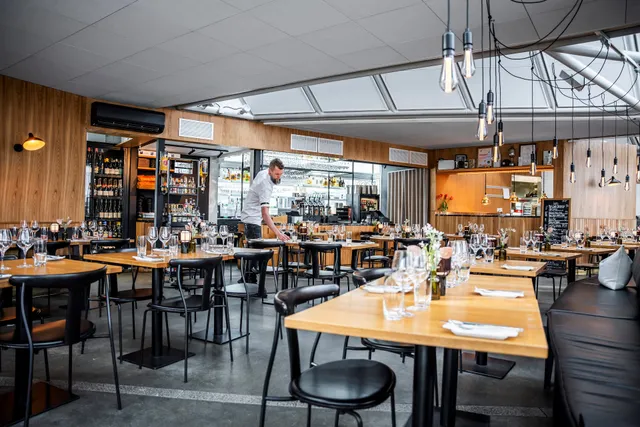
Fisketorget Stavanger
4.4
(1.2K)
$$
Closed
Click for details
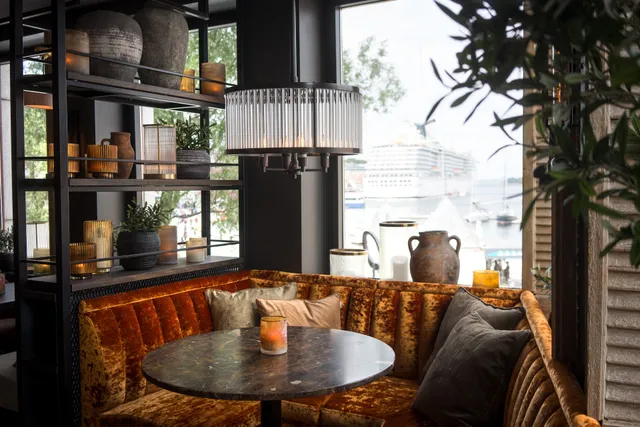
Olivia Torget
4.2
(994)
$$
Closed
Click for details
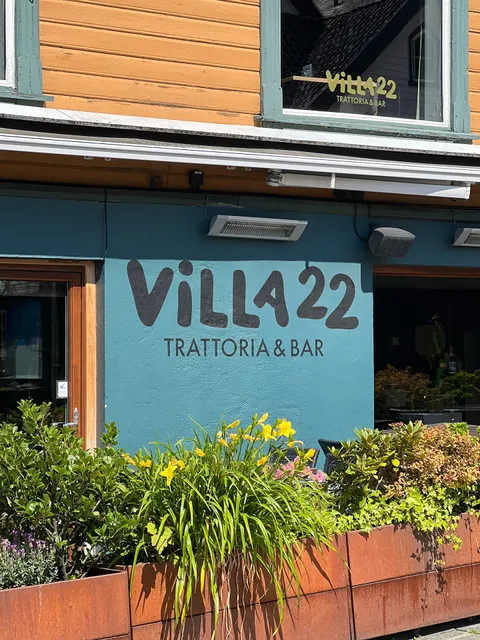
Villa 22 Trattoria & Bar
4.1
(856)
$$
Open until 12:00 AM
Click for details
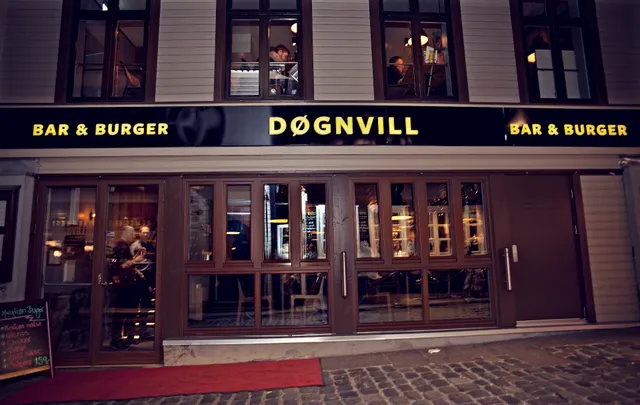
Døgnvill Burger Stavanger
4.5
(1.4K)
Closed
Click for details
Nearby local services of Stavanger Maritime Museum
Greenpeas
Rødne Fjord Cruise
Döner 02
Lysefjord & Pulpit Rock. Cruise and & Hike.
MS Sandnes
Sølvberggata 11
Chili Chocolate
Byparken
Ho Kjøkken Takeaway
Gallery G
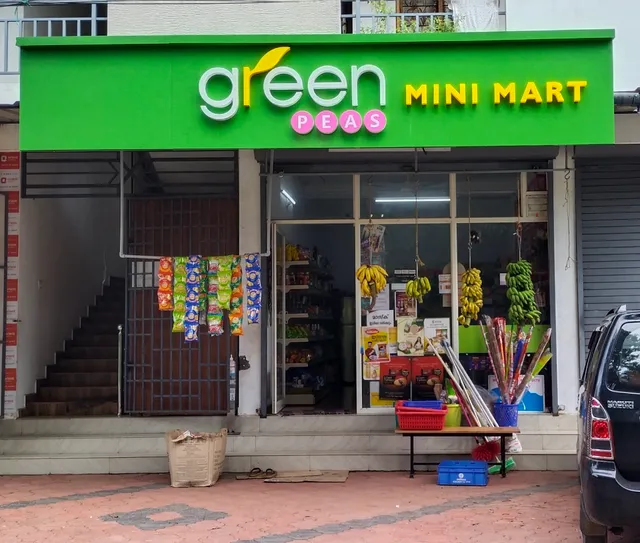
Greenpeas
4.6
(316)
Click for details
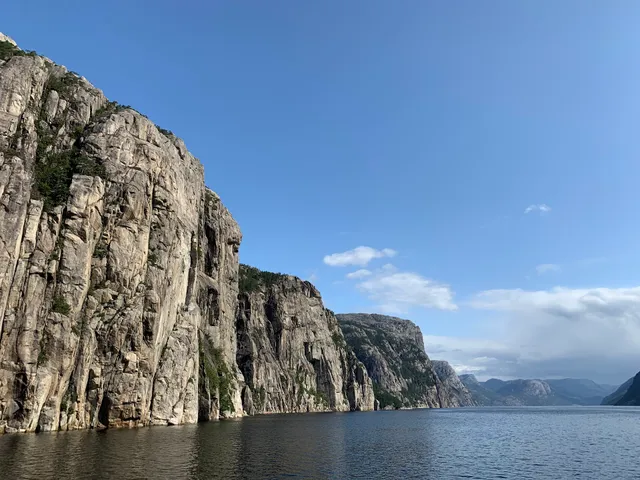
Rødne Fjord Cruise
4.5
(354)
Click for details
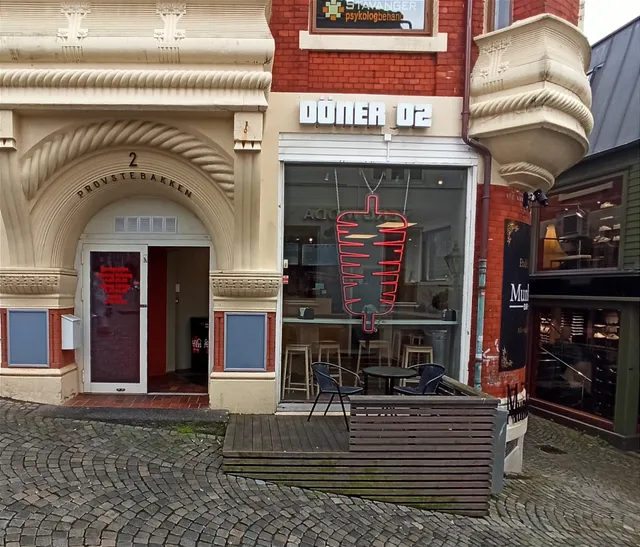
Döner 02
4.5
(84)
Click for details
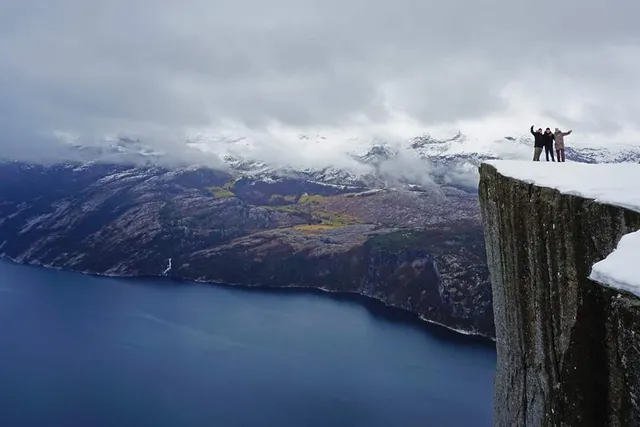
Lysefjord & Pulpit Rock. Cruise and & Hike.
4.6
(14)
Click for details