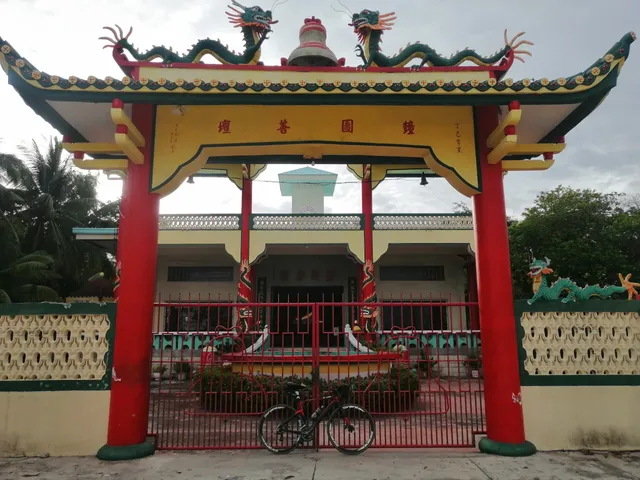
This should be a Taoist temple The Essence of Taoism, Folk Religion (like “Novel Teachings”), and Buddhism in China Taoism (Daoism) Essence: Harmony with nature, longevity, immortality, non-action (wuwei), unity with the Dao. Cosmology: Belief in the “Dao” as the origin of all things. Everything follows the natural order (Dao follows nature). • View of Life: Advocates inner peace, detachment, and alignment with nature. • Spiritual Practice: Alchemy, qigong, meditation, rituals, aiming for immortality or becoming an immortal (xian). • Deity System: Complex hierarchy of gods and immortals, such as the Three Pure Ones (Sanqing); includes many local deities. • Moral Code: Values compassion, frugality, humility, and a quiet lifestyle. Folk Religions / “Novel Teachings” (like White Lotus, Luoism, etc.) Essence: Salvation in the end-times, spiritual resistance, popular utopianism, and mystical revelations. • Doctrine: Apocalyptic beliefs—current world is corrupt, and a savior (like Maitreya Buddha or Wusheng Laomu) will come to rescue the faithful. • Transmission: Spread via storytelling, chanting, illustrated texts, and religious novels. Easily accessible to the masses. • Structure: Often secretive, passed through teacher-student relationships, sometimes in opposition to the government. • Deities: Maitreya, Eternal Mother (Wusheng Laomu), and other amalgamated figures from Daoism, Buddhism, and Confucianism. • Social Role: Provides hope and moral structure, especially for the oppressed or during times of turmoil. Buddhism (especially Chinese Buddhism like Zen and Pure Land) Essence: Suffering, emptiness, compassion, karmic cycles, liberation from samsara. • Cosmology: All life is impermanent. Beings are trapped in cycles of rebirth (samsara) due to karma. • View of Life: Life is suffering (dukkha); liberation comes from wisdom and compassion. • Practice: • Zen (Chan): Seeks enlightenment through meditation and direct insight. • Pure Land: Emphasizes faith in Amitabha Buddha to be reborn in the Western Pure Land. • Goal: Nirvana—liberation from the cycle of death and rebirth. • Ethics: Universal compassion, non-violence, and the salvation of all beings. Why Did Taoism Absorb Guanyin (a Buddhist Bodhisattva) and Guan Yu (a Mortal General)? Religious Competition and Fusion • As Buddhism spread in China, Taoism adapted by borrowing Buddhist concepts and deities to stay relevant. • Guanyin (Bodhisattva of compassion) was adopted into Taoism as “Cihang Zhenren” or “Compassionate Immortal.” • Over time, both religions influenced each other; many deities became shared or syncretic. • The common people didn’t distinguish much between Taoist and Buddhist gods—they just worshipped whoever was believed to be effective. Guan Yu’s Deification: Loyalty Meets State Power • Guan Yu, a real historical figure from the Three Kingdoms era, became a symbol of loyalty and righteousness. • He was gradually deified, especially during the Song, Ming, and Qing dynasties: • In Confucianism: A moral hero. • In Buddhism: A protector deity (Dharmapala). • In Taoism: A powerful spirit, demon-subduer, and even a wealth god. • Political factors also played a role—rulers promoted his worship to strengthen loyalty and moral values in society. Taoism’s Inclusiveness and Flexibility • Taoism has a long tradition of absorbing elements from other traditions (Buddhism, Confucianism, folk beliefs). • It integrated local gods, historical heroes, and foreign deities into its pantheon of immortals and spirits. • This flexibility made Taoism highly adaptable and popular, especially in the folk religious landscape. Folk Belief: Efficacy Over Orthodoxy • Chinese folk religion emphasizes “practical belief”—people pray to whoever is believed to be effective, regardless of doctrinal origin. • That’s why temples often contain statues of Guanyin, Laozi, Buddha, Guan Yu, Mazu, and others side by side. • This syncretic landscape drove Taoism to adopt and reinterpret many popular figures into its own...
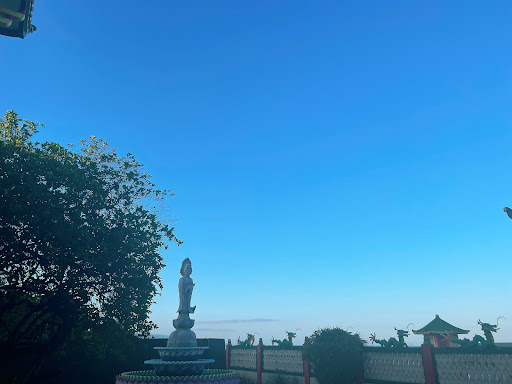
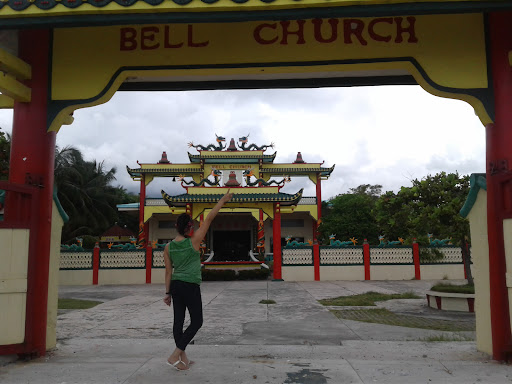
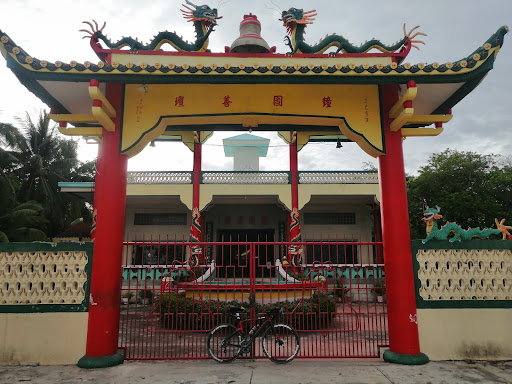
Read moreI think this is one of the highlights of Dumaguete because of the peaceful serenity it can bring your soul. Unlike visiting tourist sites, the Bell Church is populated only to those who are lucky enough to find it. A colorful landmark just over the southern tip of Rizal Boulevard. Along the main road stretching along the city's seacoast is an old Chinese temple. This is a traditional taoist temple, in Barangay Calindagan, Dumaguete. It is kind of hard to find. If you continue going south on Rizal Boulevard through Barangay Tinago and then across the Banica Bridge you will see it on the left. Keep going until you get to the end of the block wall and make a left. This little concrete road will take you directly into the Church parking lot. Feel free to go inside and wlak around the grounds. Visitors are always welcome here. The hours are...
Read moreSituated close to the city center of Dumaguete this temple is worth a visit. It was built in the most traditional style of chinese Buddhist temple. The temple and its surroundings are architecturally beautifully designed. A peaceful place to meditate and simply enjoy whatever is your religion. Not really known from inhabitants of Dumaguete who are not curious enough the beauties of their city. It's a great pity. Try to go further than...
Read more