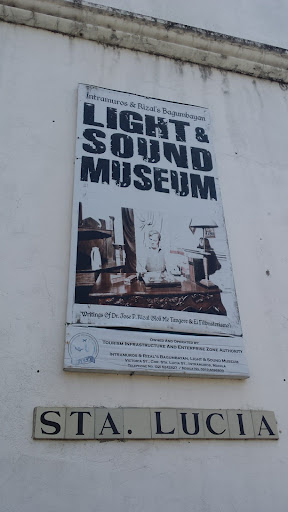
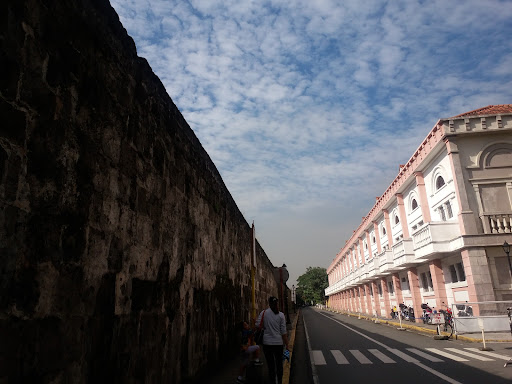
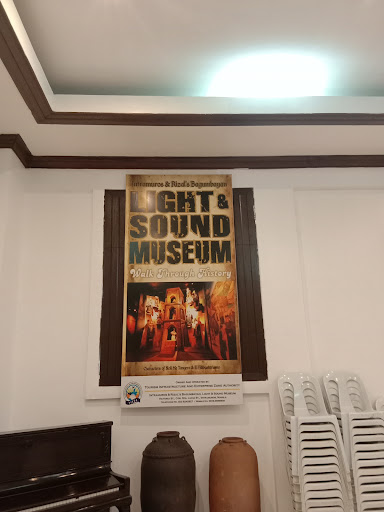
Intramuros and Rizal’s Bagumbayan Light and Sound Museum things to do, attractions, restaurants, events info and trip planning
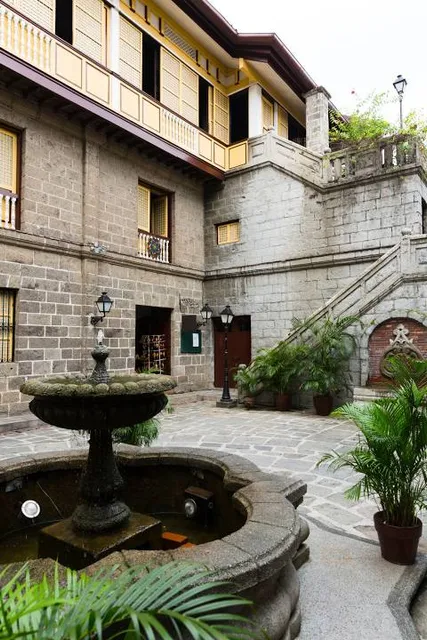
Basic Info
Intramuros and Rizal’s Bagumbayan Light and Sound Museum
HXPG+Q3Q, Victoria St, Intramuros, Manila, 1000 Metro Manila, Philippines
4.3(78)
Open 24 hours
Save
spot
spot
Ratings & Description
Info
Cultural
Entertainment
Family friendly
Accessibility
attractions: San Agustin Church, Baluarte de San Diego, San Diego Gardens, Casa Manila, Bambike Ecotours Intramuros, Padre Blanco Gardens, Rizal Park, Reducto de San Pedro, Puerta Real Gardens, The Manila Cathedral, restaurants: Starbucks Pandiman Building Intramuros, Barbara's Heritage Restaurant, Ristorante delle Mitre, Shakey's - Port Area Manila, Plaza San Luis Complex, Batala Bar / Philippine Artisan Trade, Cafe Intramuros, Casa Manila Patio, IN Cafe Bar, Cafe Ilang-Ilang, local businesses: San Agustin Convent Museum, José Rizal Monument, SM City Manila, Nayong Pilipino, Palacio del Gobernador, Liwasang Bonifacio, Rizal Park - South, Museum Foundation of the Philippines, Inc., Binondo–Intramuros Bridge
 Learn more insights from Wanderboat AI.
Phone
+63 2 8524 2827
Website
tieza.gov.ph
Plan your stay

Pet-friendly Hotels in Manila
Find a cozy hotel nearby and make it a full experience.

Affordable Hotels in Manila
Find a cozy hotel nearby and make it a full experience.

The Coolest Hotels You Haven't Heard Of (Yet)
Find a cozy hotel nearby and make it a full experience.

Trending Stays Worth the Hype in Manila
Find a cozy hotel nearby and make it a full experience.
Reviews
Live events
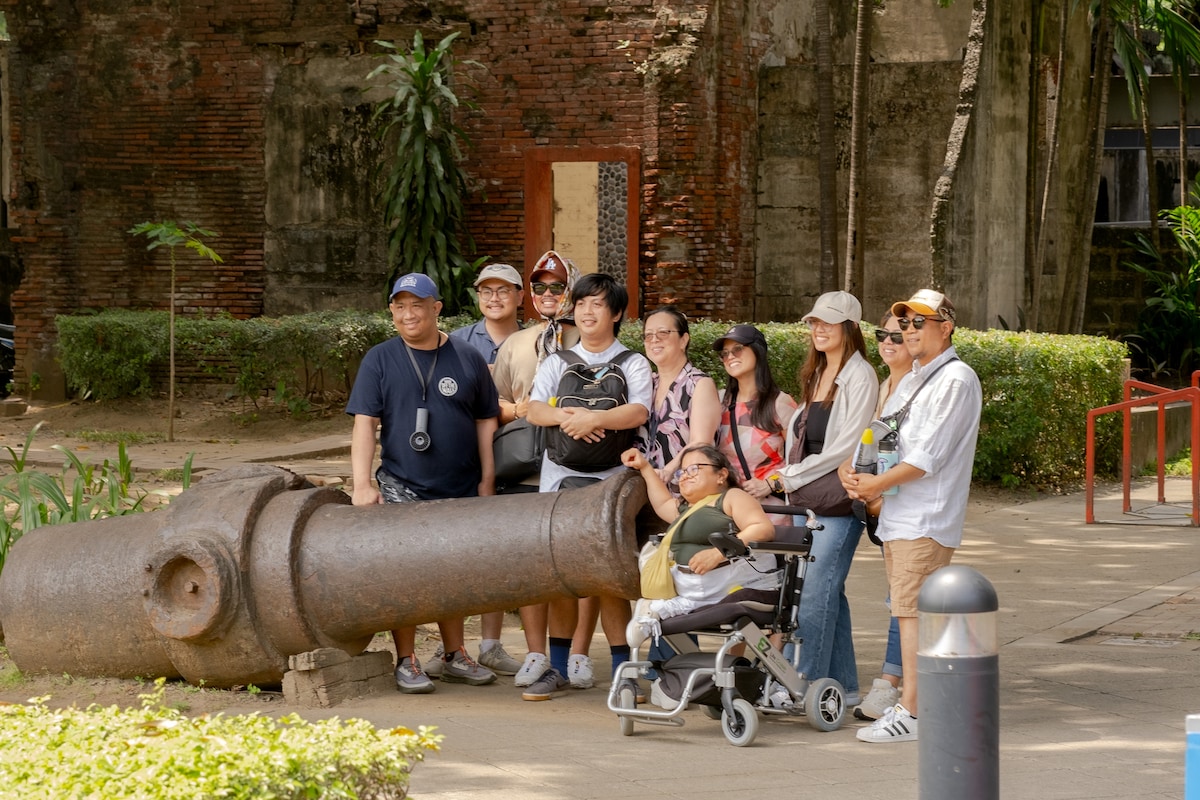
Explore Intramuros with Local Guide
Mon, Feb 23 • 1:00 PM
Manila, 1002, Metro Manila, Philippines
View details
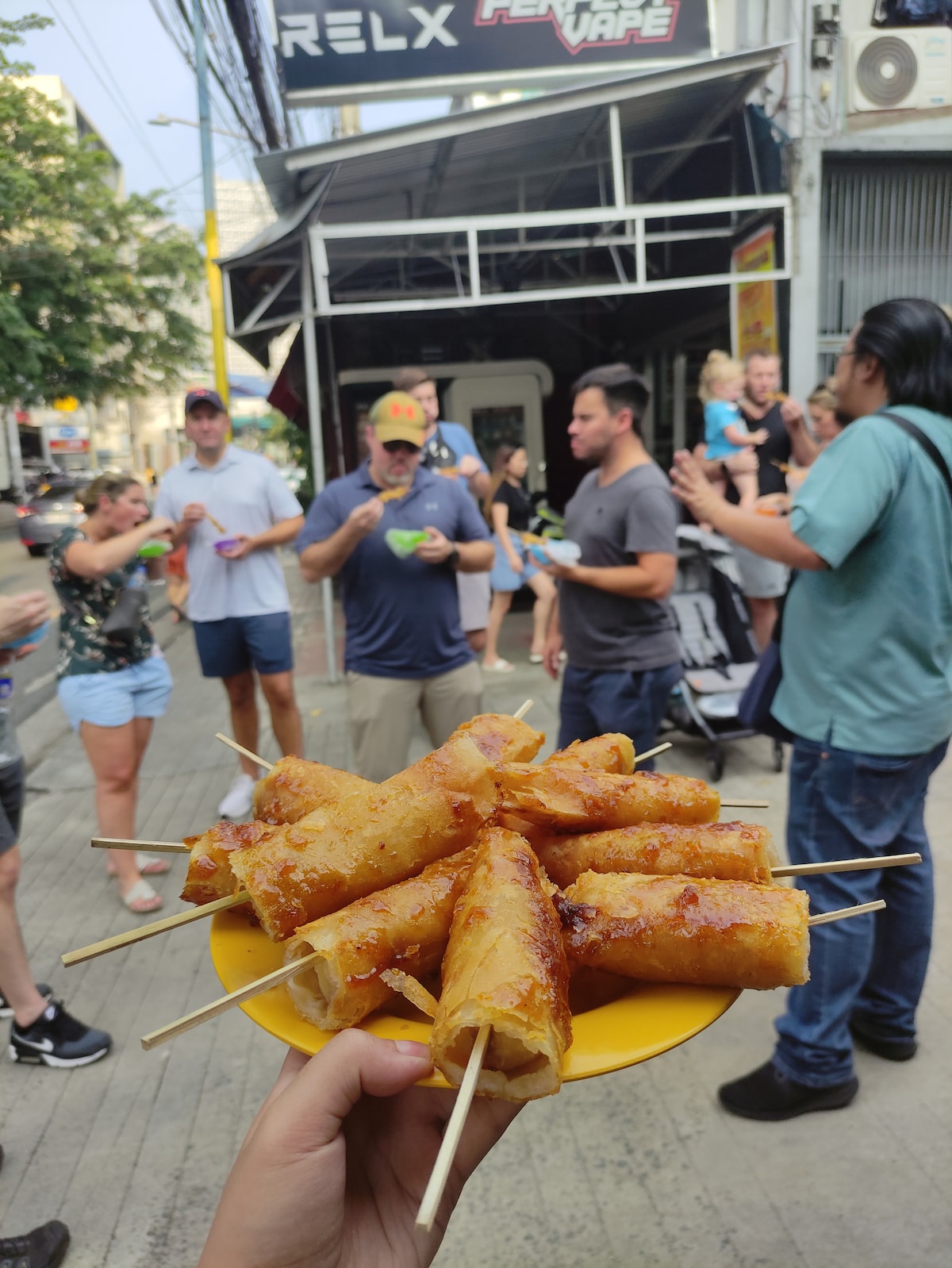
Taste Filipino Neighborhood Street Food
Mon, Feb 23 • 3:00 PM
Mandaluyong, 1550, Metro Manila, Philippines
View details
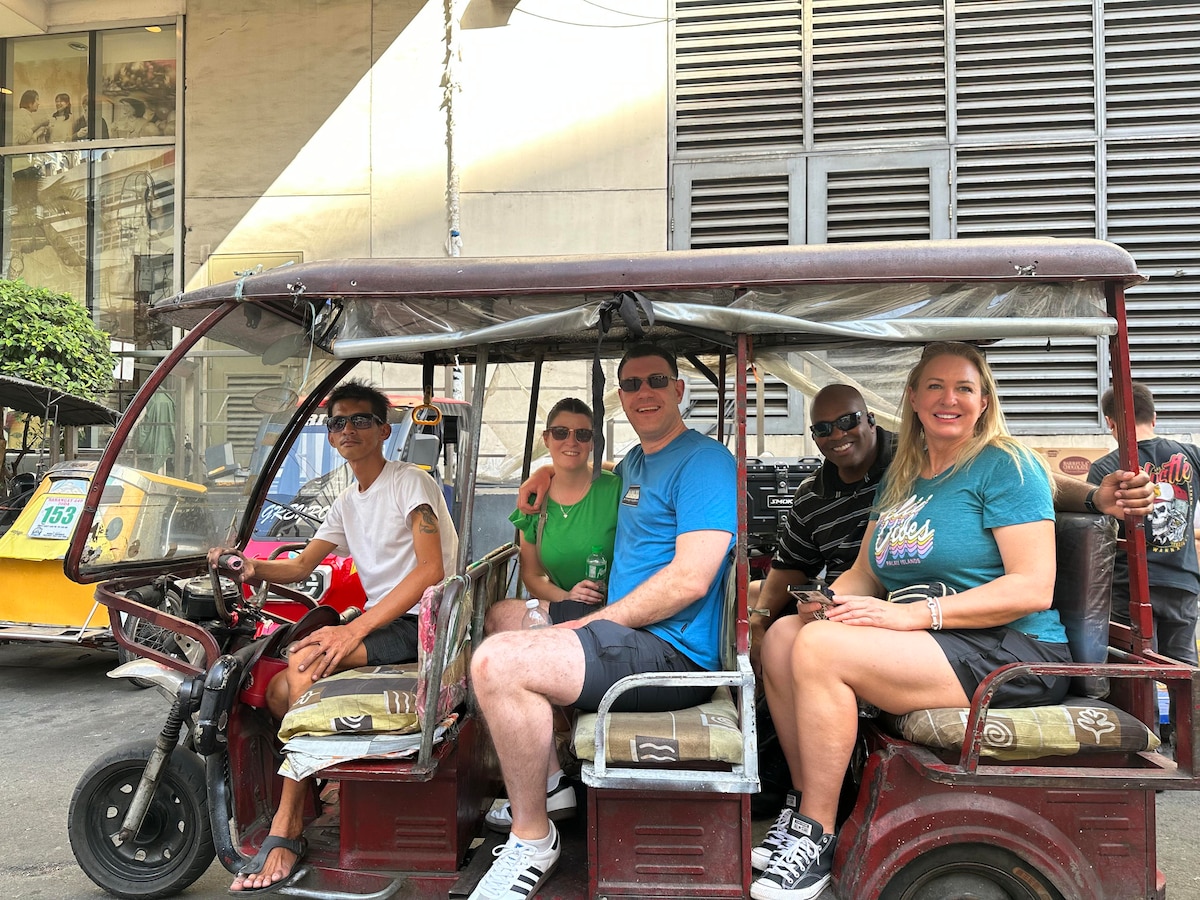
Discover the Real Manila with Tuktuk and Jeepney
Mon, Feb 23 • 2:00 PM
Manila, 1012, Metro Manila, Philippines
View details
Nearby attractions of Intramuros and Rizal’s Bagumbayan Light and Sound Museum
San Agustin Church
Baluarte de San Diego
San Diego Gardens
Casa Manila
Bambike Ecotours Intramuros
Padre Blanco Gardens
Rizal Park
Reducto de San Pedro
Puerta Real Gardens
The Manila Cathedral
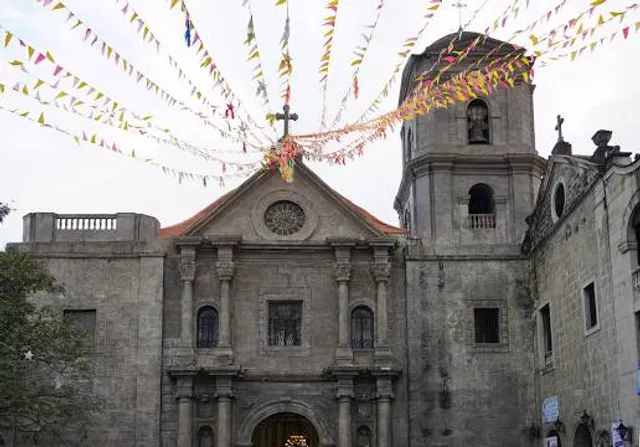
San Agustin Church
4.6
(2.4K)
Open until 12:00 AM
Click for details
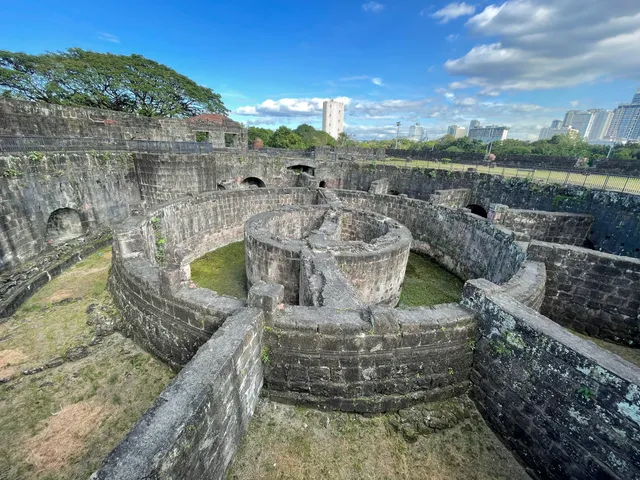
Baluarte de San Diego
4.5
(438)
Open until 5:00 PM
Click for details
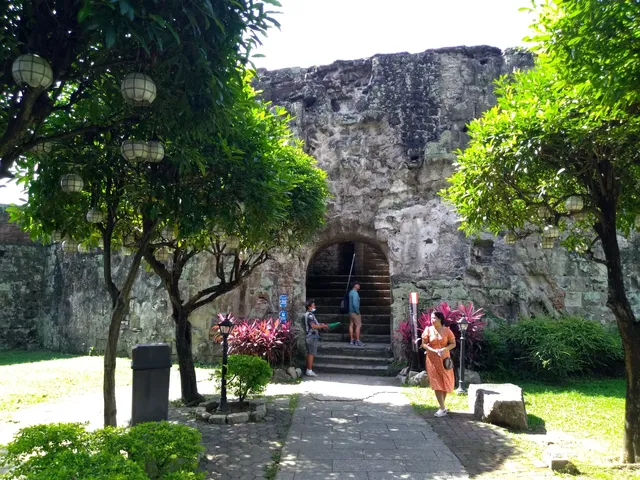
San Diego Gardens
4.4
(82)
Open 24 hours
Click for details
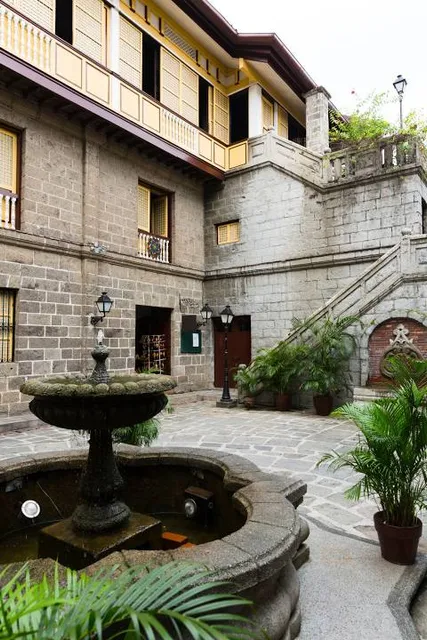
Casa Manila
4.6
(501)
Open until 12:00 AM
Click for details
Nearby restaurants of Intramuros and Rizal’s Bagumbayan Light and Sound Museum
Starbucks Pandiman Building Intramuros
Barbara's Heritage Restaurant
Ristorante delle Mitre
Shakey's - Port Area Manila
Plaza San Luis Complex
Batala Bar / Philippine Artisan Trade
Cafe Intramuros
Casa Manila Patio
IN Cafe Bar
Cafe Ilang-Ilang
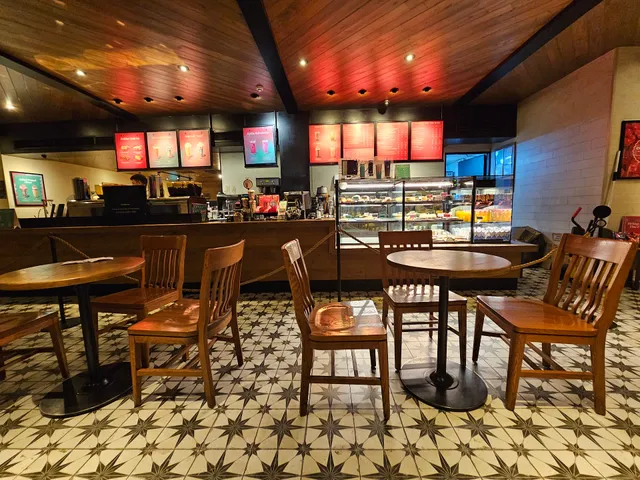
Starbucks Pandiman Building Intramuros
4.4
(311)
Open until 9:00 PM
Click for details
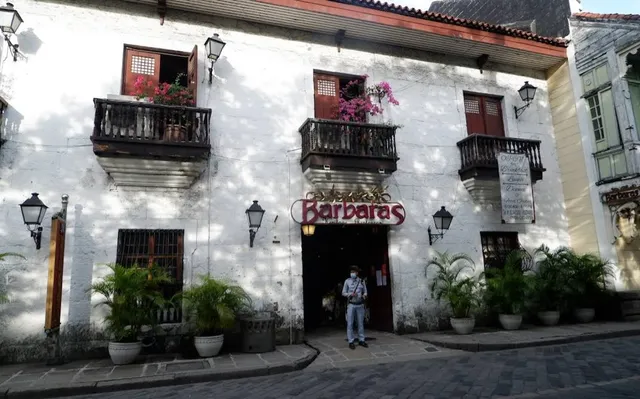
Barbara's Heritage Restaurant
4.3
(697)
$$
Open until 9:00 PM
Click for details
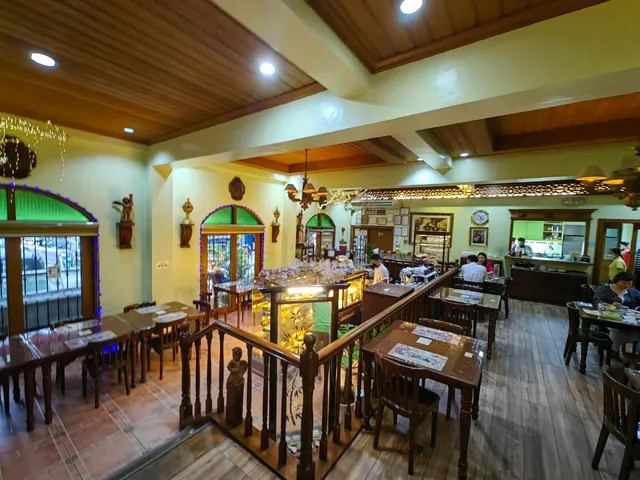
Ristorante delle Mitre
4.3
(289)
Open until 8:00 PM
Click for details
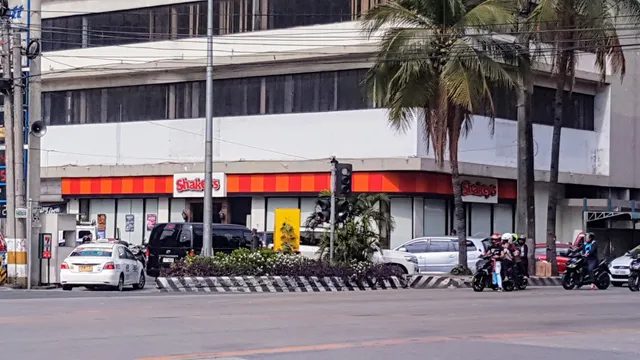
Shakey's - Port Area Manila
4.0
(169)
Open until 10:00 PM
Click for details
Nearby local services of Intramuros and Rizal’s Bagumbayan Light and Sound Museum
San Agustin Convent Museum
José Rizal Monument
SM City Manila
Nayong Pilipino
Palacio del Gobernador
Liwasang Bonifacio
Rizal Park - South
Museum Foundation of the Philippines, Inc.
Binondo–Intramuros Bridge
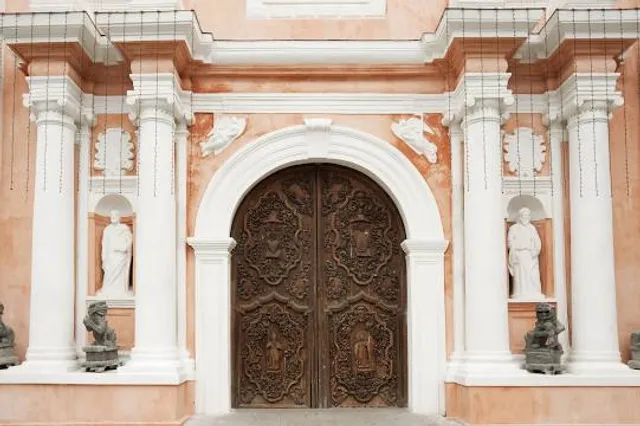
San Agustin Convent Museum
4.7
(125)
Click for details
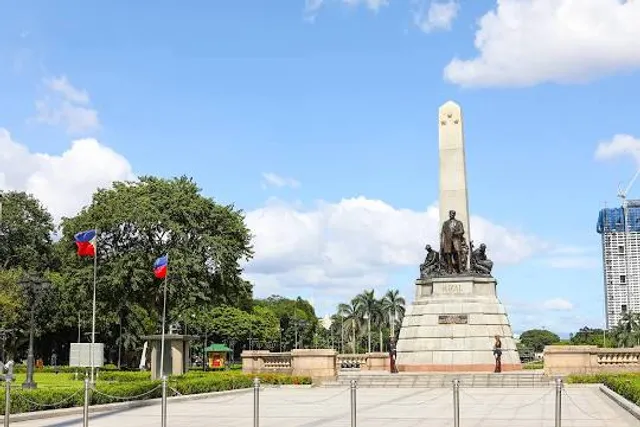
José Rizal Monument
4.6
(1.1K)
Click for details

SM City Manila
4.4
(4.1K)
Click for details
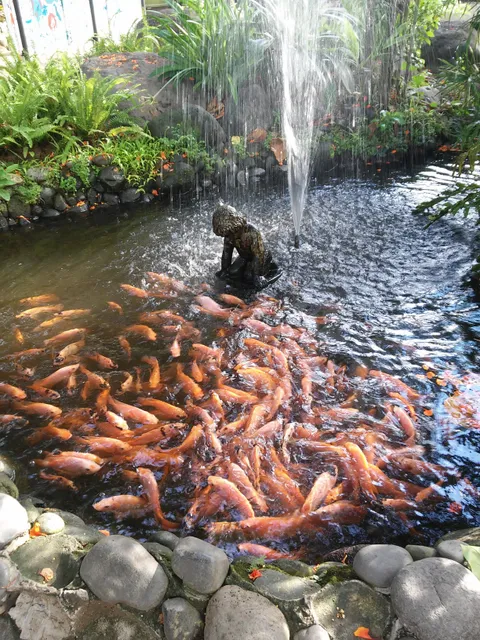
Nayong Pilipino
4.4
(34)
Click for details