Jones Bridge things to do, attractions, restaurants, events info and trip planning
Basic Info
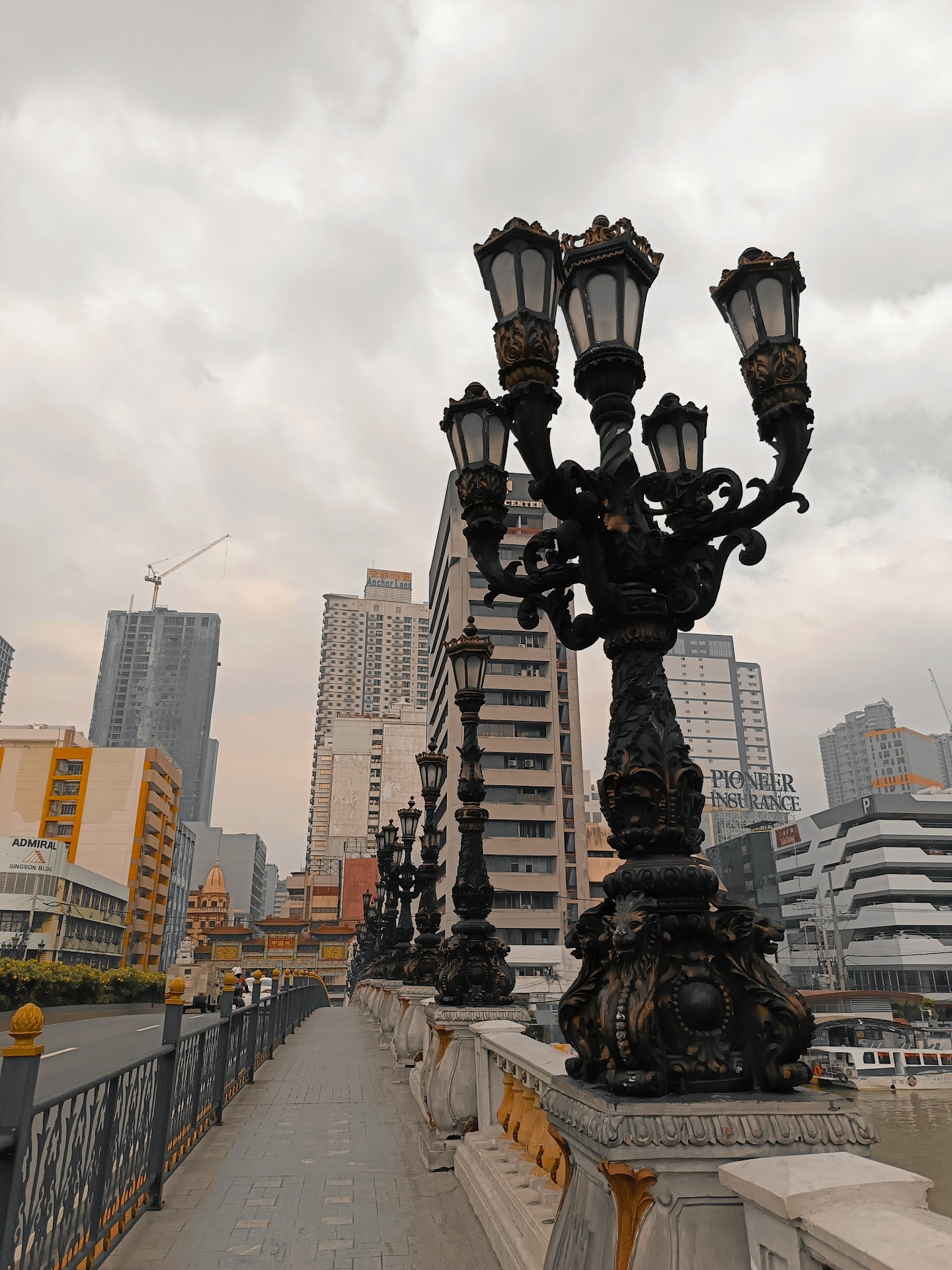
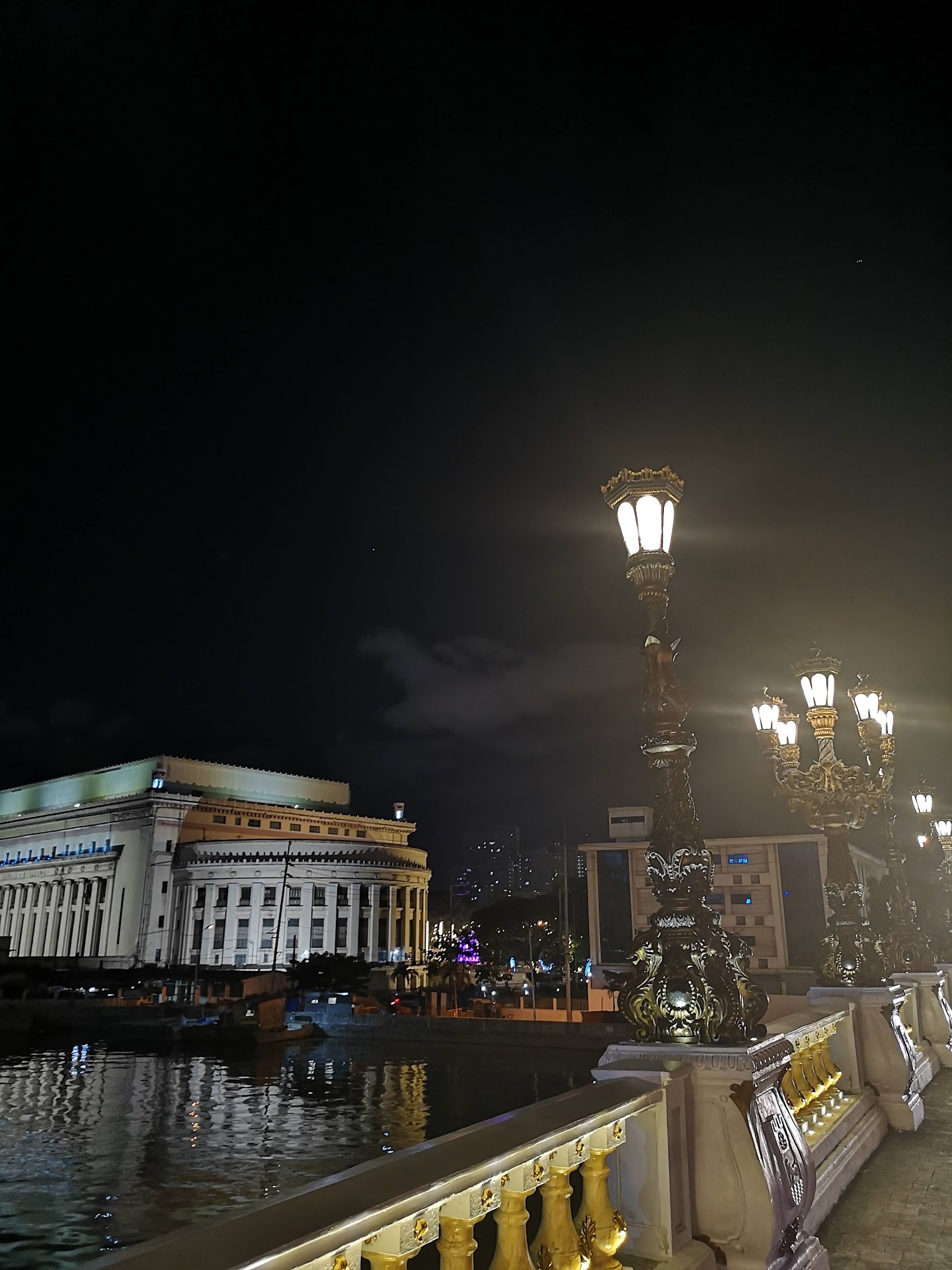
Jones Bridge
Jones Brg, Binondo, Manila, Metro Manila, Philippines
4.6(9)
Open until 12:00 AM
Save
spot
spot
Ratings & Description
Info
Cultural
Scenic
attractions: La Madre Filipina - Democracy, Gratitude, Progress, Justice, The Manila Cathedral, Archdiocesan Shrine of the Blessed Sacrament - Santa Cruz, Manila City (Archdiocese of Manila), Destileria Limtuaco Museum, Arroceros Forest Park, Manila Hidden Garden, Fort Santiago, The Maritime Expedition of Mexico - Philippines, Minor Basilica of the Black Nazarene, Mehan Garden Manila, restaurants: 1919 Grand Cafe, Ying Ying Tea House, Uno Seafood Wharf Palace, 24 Chicken T.pinpin - Binondo, Tropical Hut, Starbucks Pacific Center Bldg, Sincerity Restaurant, Pares ni Lakay (New Site), To Ho Panciteria Antigua, J's Cuisine, local businesses: Binondo–Intramuros Bridge, Liwasang Bonifacio, Escolta Street, Quinta Market & Fish Port, Divisoria Mall Marketing, Eng Bee Tin Chinese Deli, Plaza Miranda, Abby's Paws n' Play Pet Care Services, SM City Manila, Palacio del Gobernador
 Learn more insights from Wanderboat AI.
Open hoursSee all hours
FriOpen
Plan your stay

Pet-friendly Hotels in Manila
Find a cozy hotel nearby and make it a full experience.

Affordable Hotels in Manila
Find a cozy hotel nearby and make it a full experience.

The Coolest Hotels You Haven't Heard Of (Yet)
Find a cozy hotel nearby and make it a full experience.

Trending Stays Worth the Hype in Manila
Find a cozy hotel nearby and make it a full experience.
Reviews
Live events
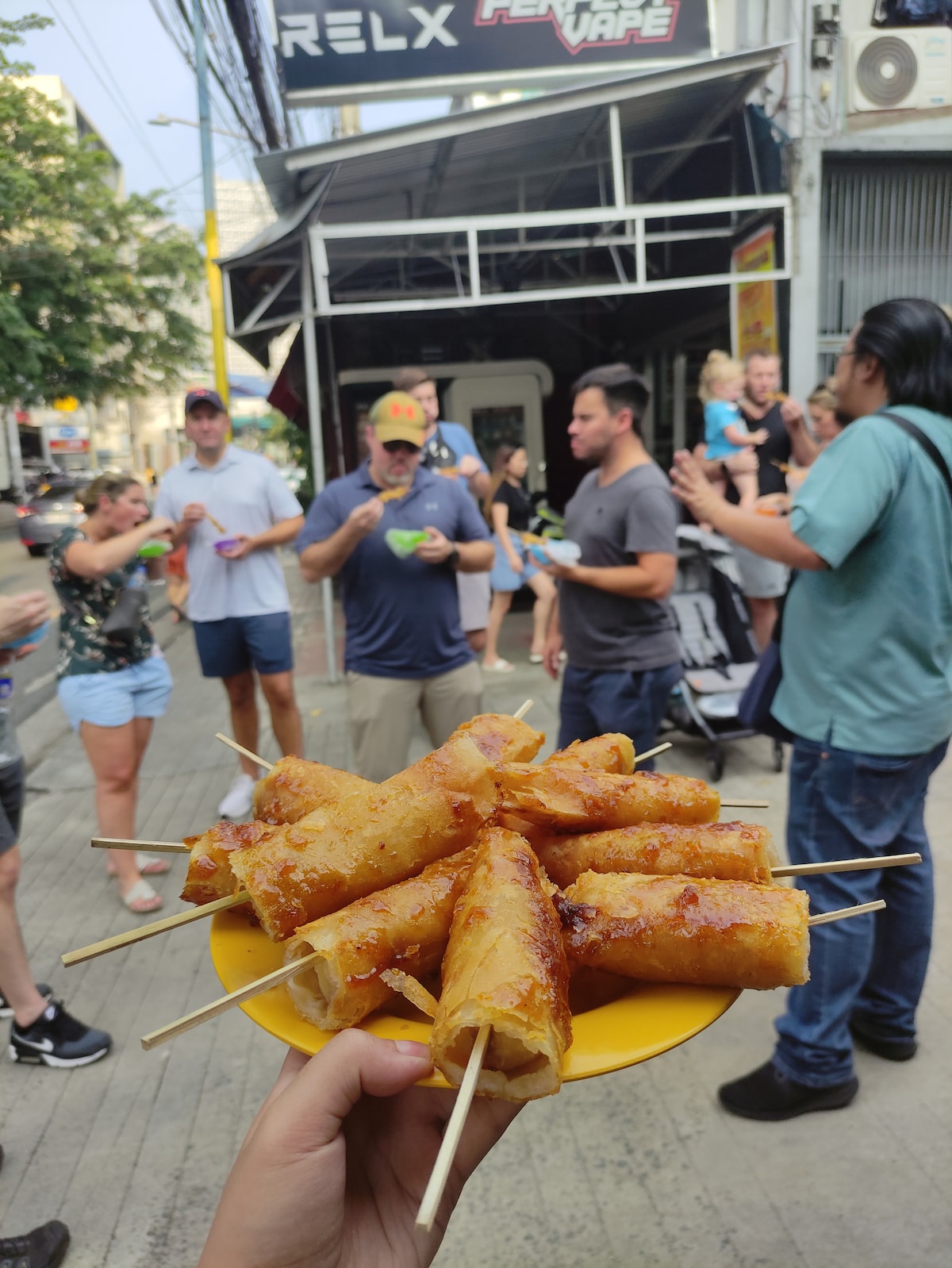
Taste Filipino Neighborhood Street Food
Sat, Feb 21 • 3:00 PM
Mandaluyong, 1550, Metro Manila, Philippines
View details

Makati Street Food Experience End in a Rooftop Bar
Fri, Feb 20 • 6:00 PM
Makati, 1210, Metro Manila, Philippines
View details

Hidden Gems of Manila
Sat, Feb 21 • 8:00 AM
Manila, 1012, Metro Manila, Philippines
View details
Nearby attractions of Jones Bridge
La Madre Filipina - Democracy, Gratitude, Progress, Justice
The Manila Cathedral
Archdiocesan Shrine of the Blessed Sacrament - Santa Cruz, Manila City (Archdiocese of Manila)
Destileria Limtuaco Museum
Arroceros Forest Park
Manila Hidden Garden
Fort Santiago
The Maritime Expedition of Mexico - Philippines
Minor Basilica of the Black Nazarene
Mehan Garden Manila
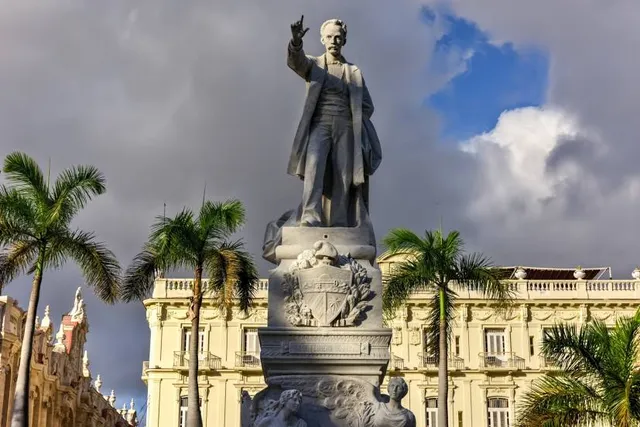
La Madre Filipina - Democracy, Gratitude, Progress, Justice
4.6
(9)
Open until 12:00 AM
Click for details
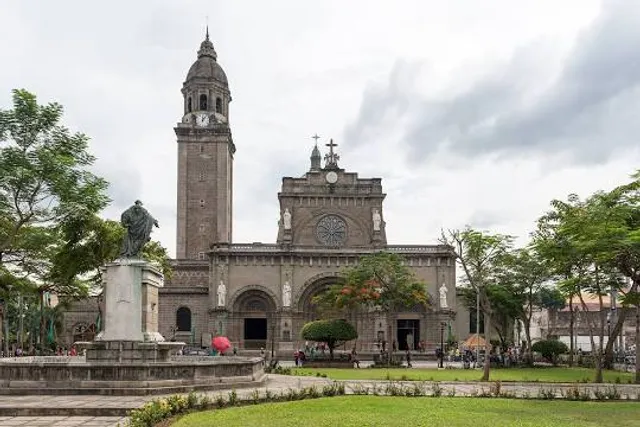
The Manila Cathedral
4.7
(3.3K)
Closed
Click for details
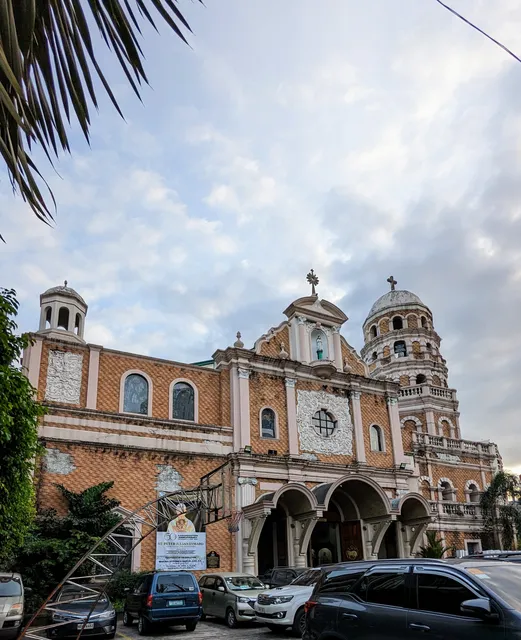
Archdiocesan Shrine of the Blessed Sacrament - Santa Cruz, Manila City (Archdiocese of Manila)
4.6
(822)
Closed
Click for details
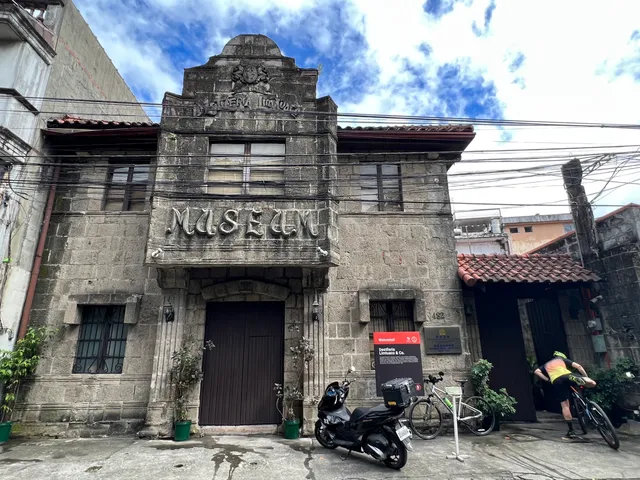
Destileria Limtuaco Museum
4.6
(103)
Closed
Click for details
Nearby restaurants of Jones Bridge
1919 Grand Cafe
Ying Ying Tea House
Uno Seafood Wharf Palace
24 Chicken T.pinpin - Binondo
Tropical Hut
Starbucks Pacific Center Bldg
Sincerity Restaurant
Pares ni Lakay (New Site)
To Ho Panciteria Antigua
J's Cuisine
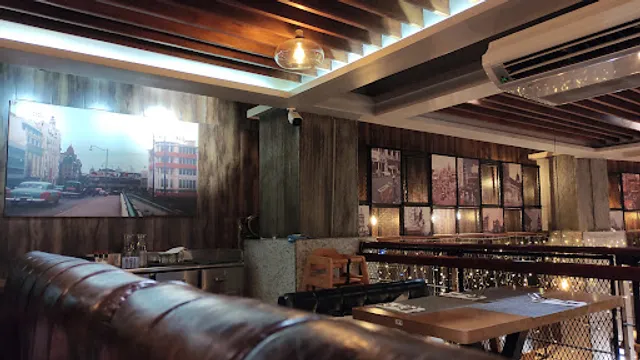
1919 Grand Cafe
4.5
(636)
Open until 11:00 PM
Click for details
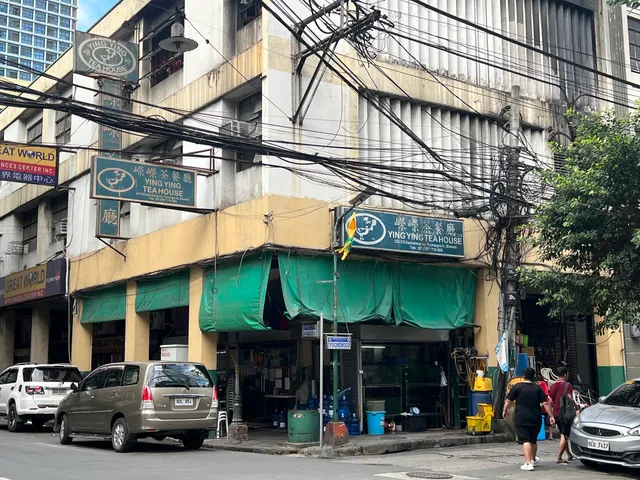
Ying Ying Tea House
4.2
(1.4K)
Open until 10:00 PM
Click for details
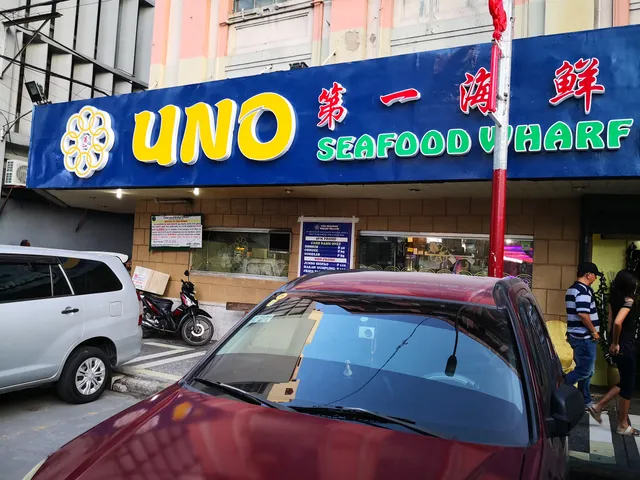
Uno Seafood Wharf Palace
4.3
(362)
Open until 10:00 PM
Click for details
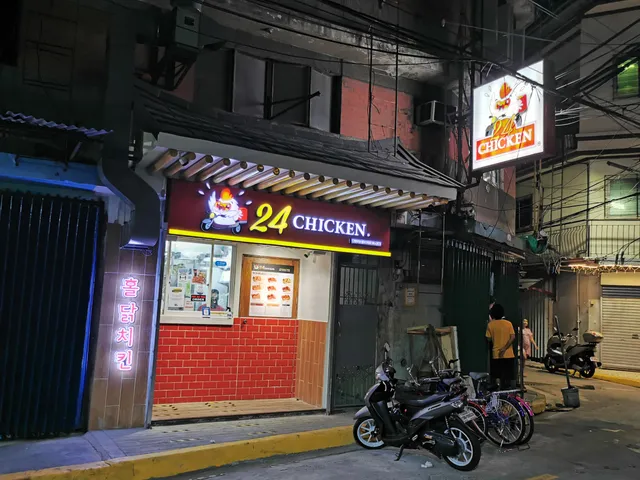
24 Chicken T.pinpin - Binondo
4.8
(312)
Open until 9:00 PM
Click for details
Nearby local services of Jones Bridge
Binondo–Intramuros Bridge
Liwasang Bonifacio
Escolta Street
Quinta Market & Fish Port
Divisoria Mall Marketing
Eng Bee Tin Chinese Deli
Plaza Miranda
Abby's Paws n' Play Pet Care Services
SM City Manila
Palacio del Gobernador

Binondo–Intramuros Bridge
4.7
(415)
Click for details
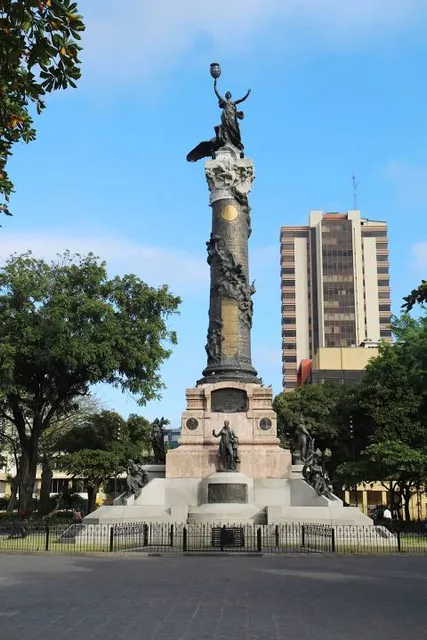
Liwasang Bonifacio
4.0
(628)
Click for details
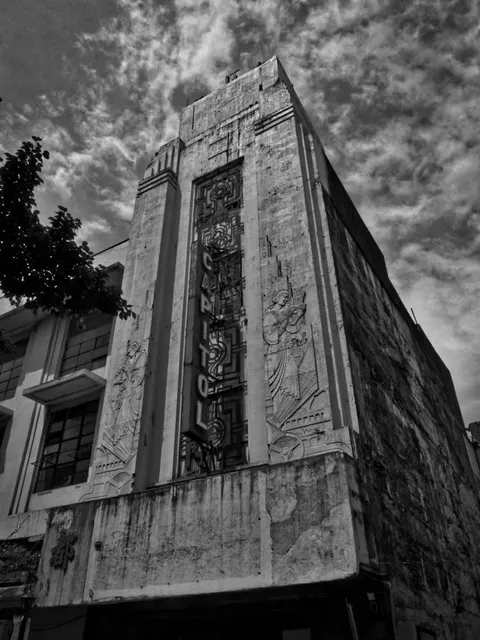
Escolta Street
4.5
(17)
Click for details
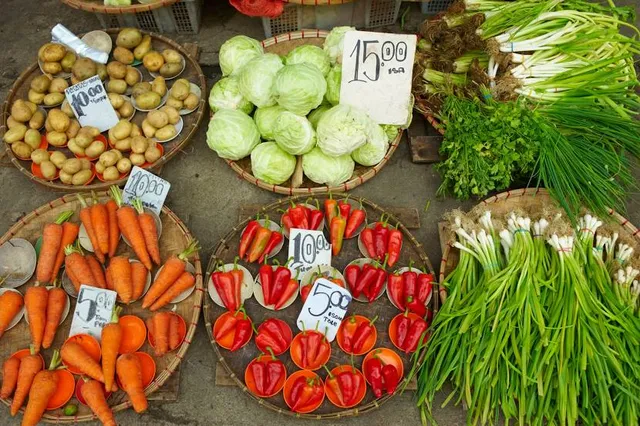
Quinta Market & Fish Port
4.1
(698)
Click for details