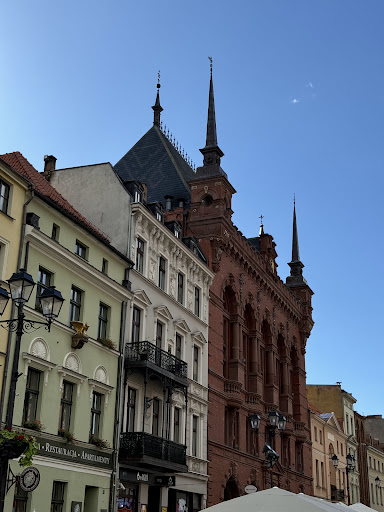
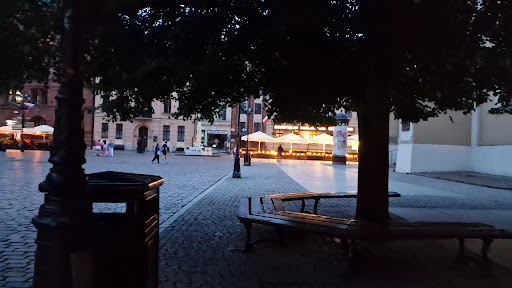
Rynek Staromiejski w Toruniu things to do, attractions, restaurants, events info and trip planning
Basic Info
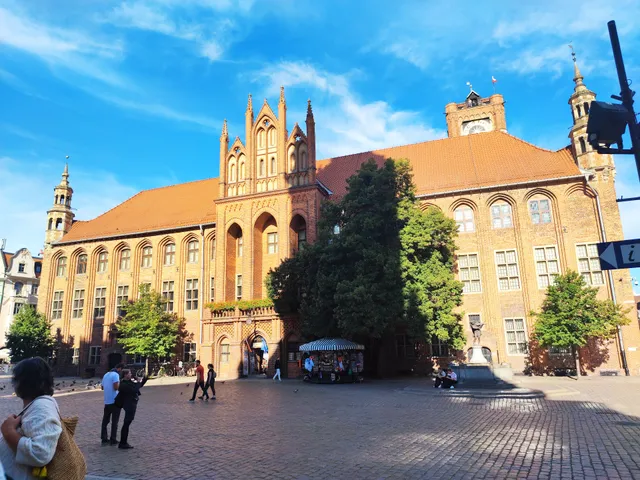
Rynek Staromiejski w Toruniu
Rynek Staromiejski, 87-100 Toruń, Poland
4.8(1.0K)
Open 24 hours
Save
spot
spot
Ratings & Description
Info
Cultural
Scenic
Family friendly
Accessibility
attractions: Nicolaus Copernicus Monument in Toruń, Regional Museum in Torun - Old Town Hall, House of Nicolaus Copernicus, Muzeum Piernika, Planetarium. W. Dziewulskiego, The Church of the Assumption of the Blessed Virgin Mary, House of Toruń Legends, Pomnik Filusia w Toruniu, Krzywa Wieża, Museum of Toys and Tales, restaurants: Manekin Toruń Rynek Staromiejski Naleśnikarnia, Pierogarnia Stary Młyn Toruń przy Rynku, Smaki Indii Restaurant & lounge bar, Restauracja Luizjana Toruń, Cocktail Bar & Cafe Lenkiewicz, Kuranty, Bar" Pod Arkadami". Bar mleczny, Jan Olbracht Browar Staromiejski, Sphinx, Pierogarnia Stary Toruń, local businesses: The Leaning Tower in Toruń, Fontaine lumineuse Cosmopolis de Toruń, Los Chupitos- shot bar i karaoke, Delikatesy Staromiejskie, Mikołaja Kopernika 36, Tratwa, U Kaduka, Centrum tańca i rozwoju W TAN, Geodium, Bulwar Filadelfijski 11
 Learn more insights from Wanderboat AI.
Plan your stay

Pet-friendly Hotels in Toruń
Find a cozy hotel nearby and make it a full experience.

Affordable Hotels in Toruń
Find a cozy hotel nearby and make it a full experience.

The Coolest Hotels You Haven't Heard Of (Yet)
Find a cozy hotel nearby and make it a full experience.

Trending Stays Worth the Hype in Toruń
Find a cozy hotel nearby and make it a full experience.
Reviews
Nearby attractions of Rynek Staromiejski w Toruniu
Nicolaus Copernicus Monument in Toruń
Regional Museum in Torun - Old Town Hall
House of Nicolaus Copernicus
Muzeum Piernika
Planetarium. W. Dziewulskiego
The Church of the Assumption of the Blessed Virgin Mary
House of Toruń Legends
Pomnik Filusia w Toruniu
Krzywa Wieża
Museum of Toys and Tales
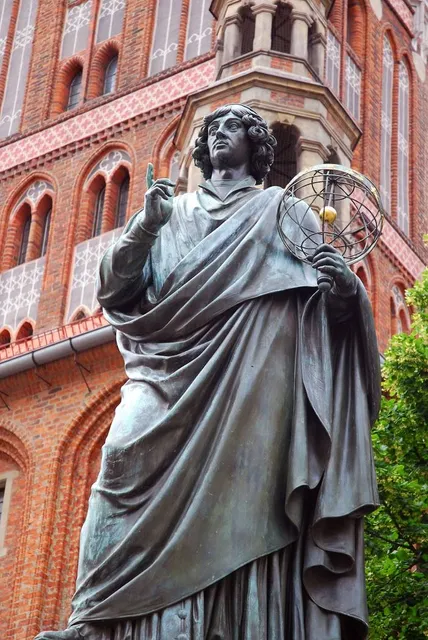
Nicolaus Copernicus Monument in Toruń
4.7
(4.6K)
Open until 12:00 AM
Click for details
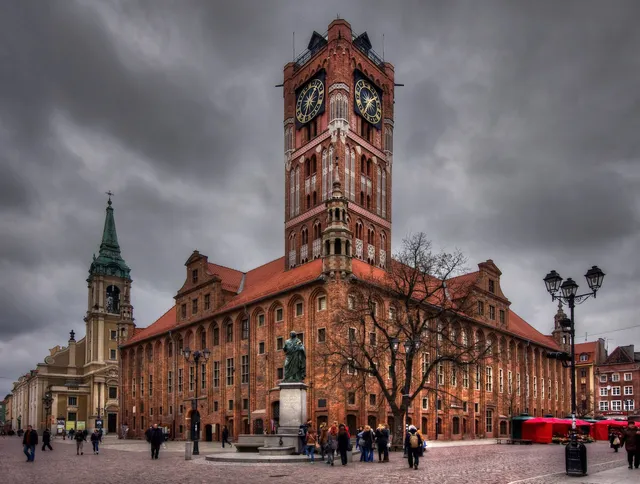
Regional Museum in Torun - Old Town Hall
4.7
(1.0K)
Closed
Click for details
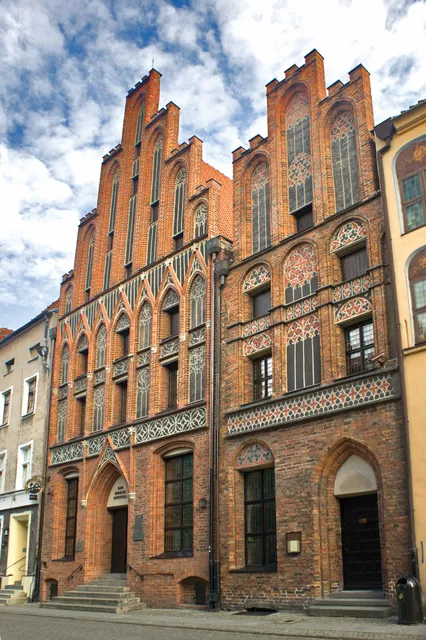
House of Nicolaus Copernicus
4.6
(2.9K)
Closed
Click for details
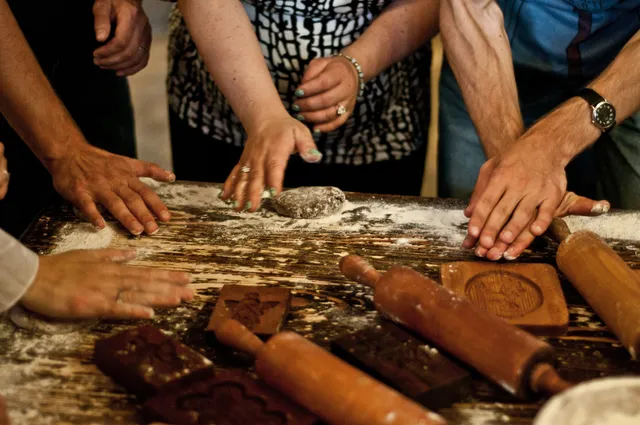
Muzeum Piernika
4.8
(5.6K)
Closed
Click for details
Nearby restaurants of Rynek Staromiejski w Toruniu
Manekin Toruń Rynek Staromiejski Naleśnikarnia
Pierogarnia Stary Młyn Toruń przy Rynku
Smaki Indii Restaurant & lounge bar
Restauracja Luizjana Toruń
Cocktail Bar & Cafe Lenkiewicz
Kuranty
Bar" Pod Arkadami". Bar mleczny
Jan Olbracht Browar Staromiejski
Sphinx
Pierogarnia Stary Toruń
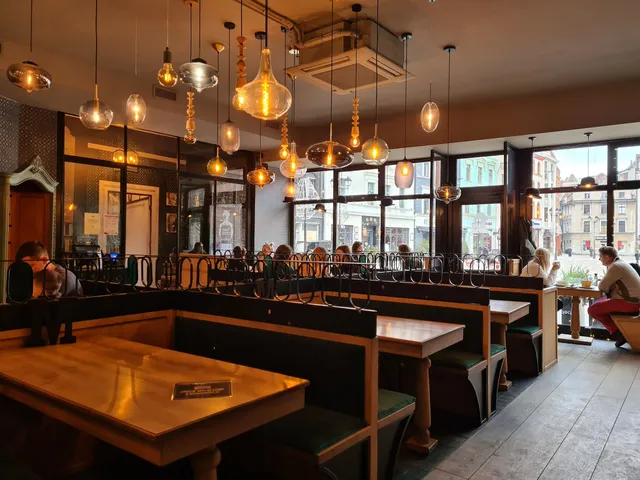
Manekin Toruń Rynek Staromiejski Naleśnikarnia
4.6
(5.1K)
$
Open until 12:00 AM
Click for details
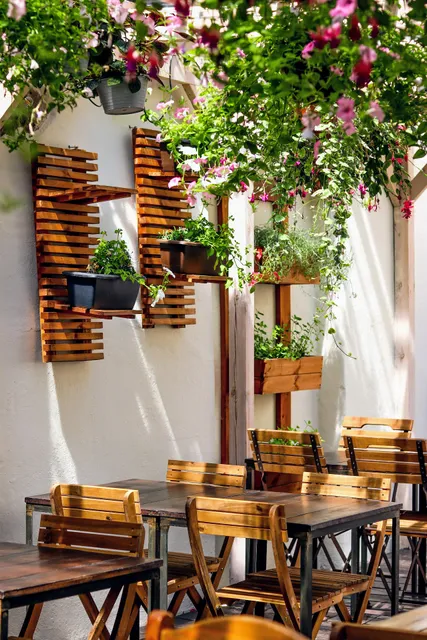
Pierogarnia Stary Młyn Toruń przy Rynku
4.5
(2.9K)
Open until 10:56 PM
Click for details

Smaki Indii Restaurant & lounge bar
4.9
(3.2K)
Open until 11:30 PM
Click for details
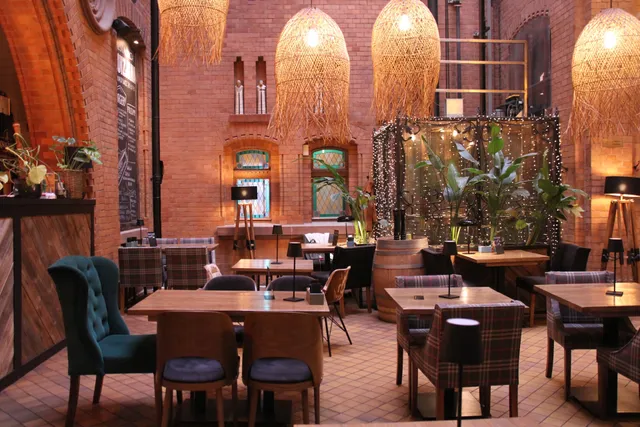
Restauracja Luizjana Toruń
4.7
(1.2K)
Open until 11:00 PM
Click for details
Nearby local services of Rynek Staromiejski w Toruniu
The Leaning Tower in Toruń
Fontaine lumineuse Cosmopolis de Toruń
Los Chupitos- shot bar i karaoke
Delikatesy Staromiejskie
Mikołaja Kopernika 36
Tratwa
U Kaduka
Centrum tańca i rozwoju W TAN
Geodium
Bulwar Filadelfijski 11
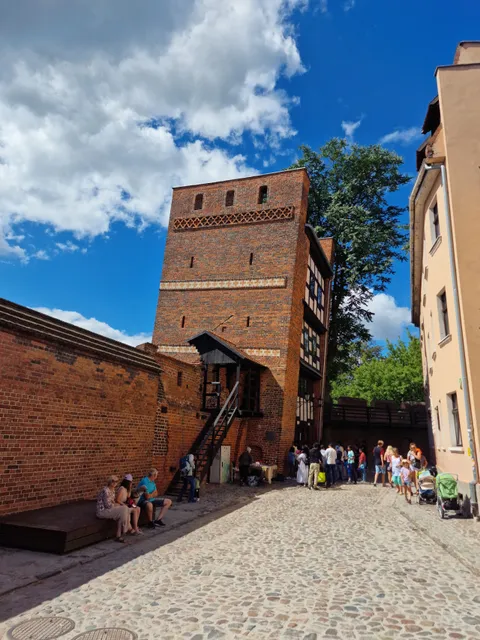
The Leaning Tower in Toruń
4.6
(2.5K)
Click for details
Fontaine lumineuse Cosmopolis de Toruń
4.6
(2K)
Click for details

Los Chupitos- shot bar i karaoke
4.6
(136)
Click for details
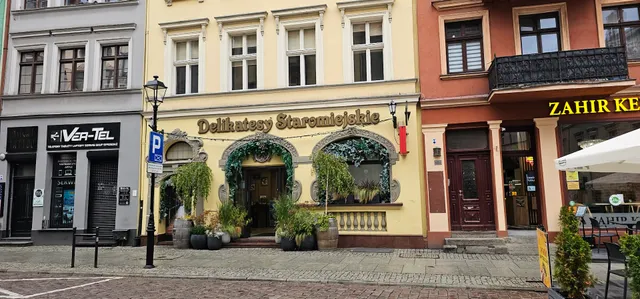
Delikatesy Staromiejskie
4.3
(266)
Click for details