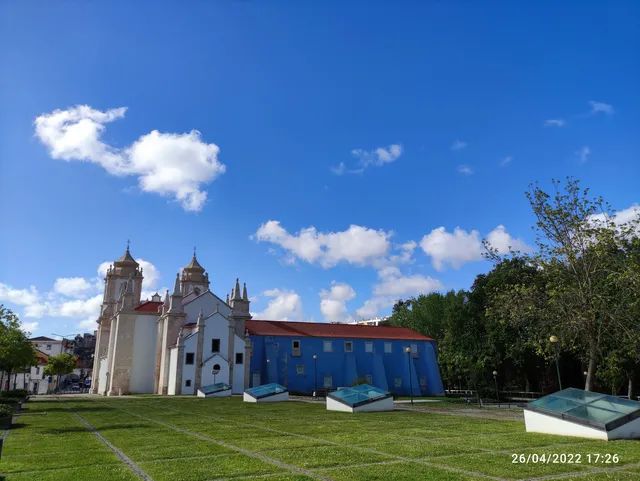
Our Lady of the Immaculate Conception Cathedral, Leiria things to do, attractions, restaurants, events info and trip planning
Basic Info
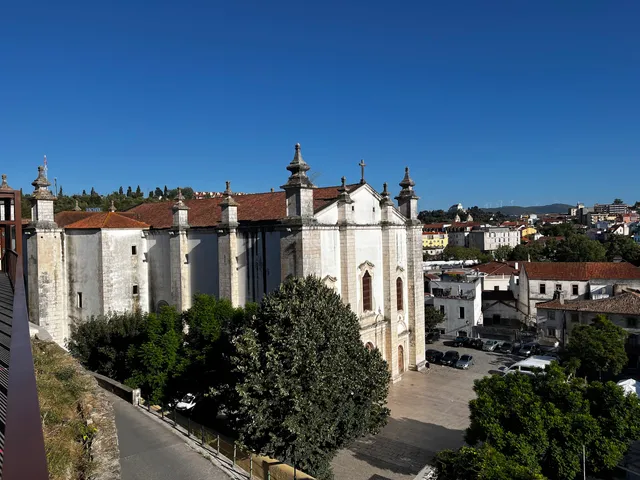
Our Lady of the Immaculate Conception Cathedral, Leiria
R. Conde Ferreira nº 3, 2400-175 Leiria, Portugal
4.4(420)
Open 24 hours
Save
spot
spot
Ratings & Description
Info
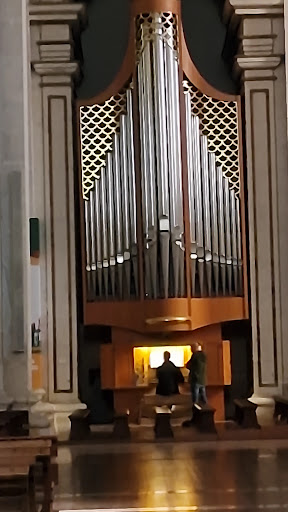
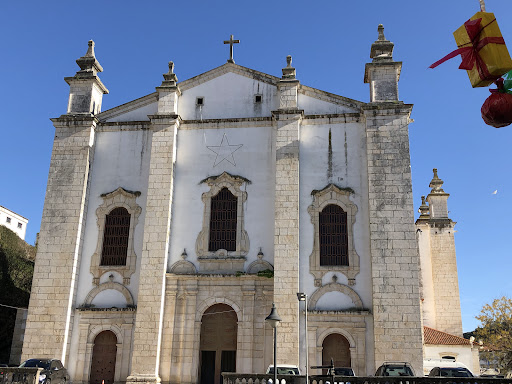
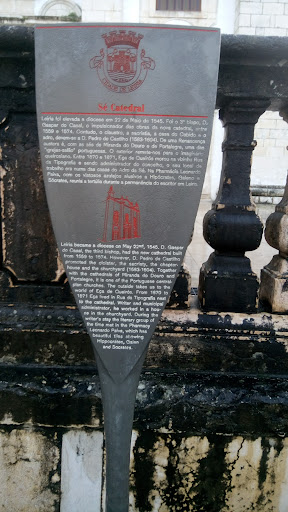
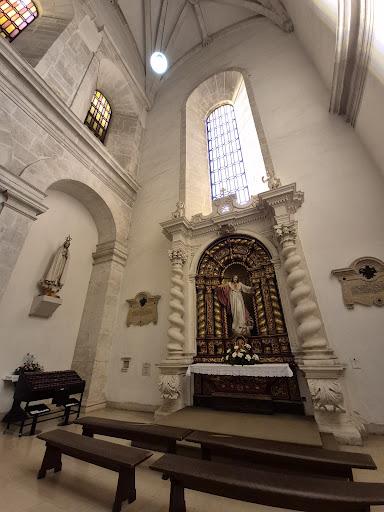
The Our Lady of the Immaculate Conception Cathedral also called Leiria Cathedral It is a Catholic church built in the center of the city of Leiria, Portugal. The church was built between 1550 and 1574, according to a project by architect Afonso Alvares.
Cultural
Accessibility
Family friendly
attractions: Jardim Luís de Camões, Castelo de Leiria, Museu da Imagem em Movimento, Museu do Sporting, Moinho do Papel de Leiria, restaurants: Oficina do Hambúrguer, Restaurante Adega Popular, La Tierra Mia, Cafetaria Espaço Eça, Restaurante Adega dos Caçadores, Mata Bicho Real Taverna, A adega das Francesinhas, Rei Arthur Café Bistrô, NATA Lisboa - Leiria - Pastel de Nata, Restaurante Maharani Leiria, local businesses: Centro Comercial Maringá, Gelataria Fior di Latte, Igreja e convento de Santo Agostinho, Museo de Leiría (Convento de San Agustín), Cabelereiro Louro Moreno, Estúdio de Dança e Yoga - Marta Loreto, Roman Catholic Diocese of Leiria-Fátima
 Learn more insights from Wanderboat AI.
Phone
+351 244 832 366
Website
paroquiadeleiria.pt
Plan your stay

Pet-friendly Hotels in Leiria
Find a cozy hotel nearby and make it a full experience.

Affordable Hotels in Leiria
Find a cozy hotel nearby and make it a full experience.

The Coolest Hotels You Haven't Heard Of (Yet)
Find a cozy hotel nearby and make it a full experience.

Trending Stays Worth the Hype in Leiria
Find a cozy hotel nearby and make it a full experience.
Reviews
Live events
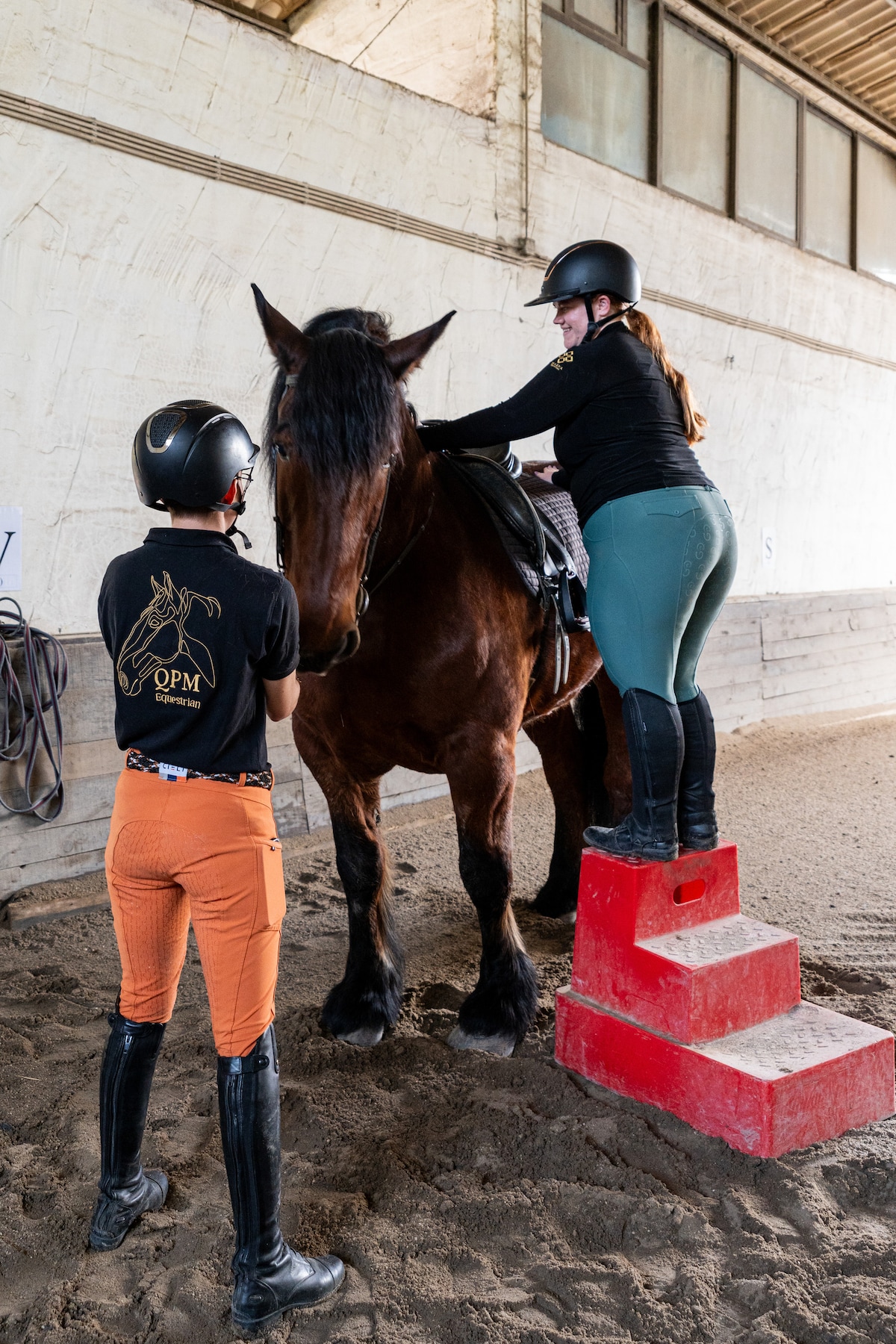
Ride through pine and eucalyptus forest
Tue, Jan 27 • 10:00 AM
2400, Leiria, Portugal
View details
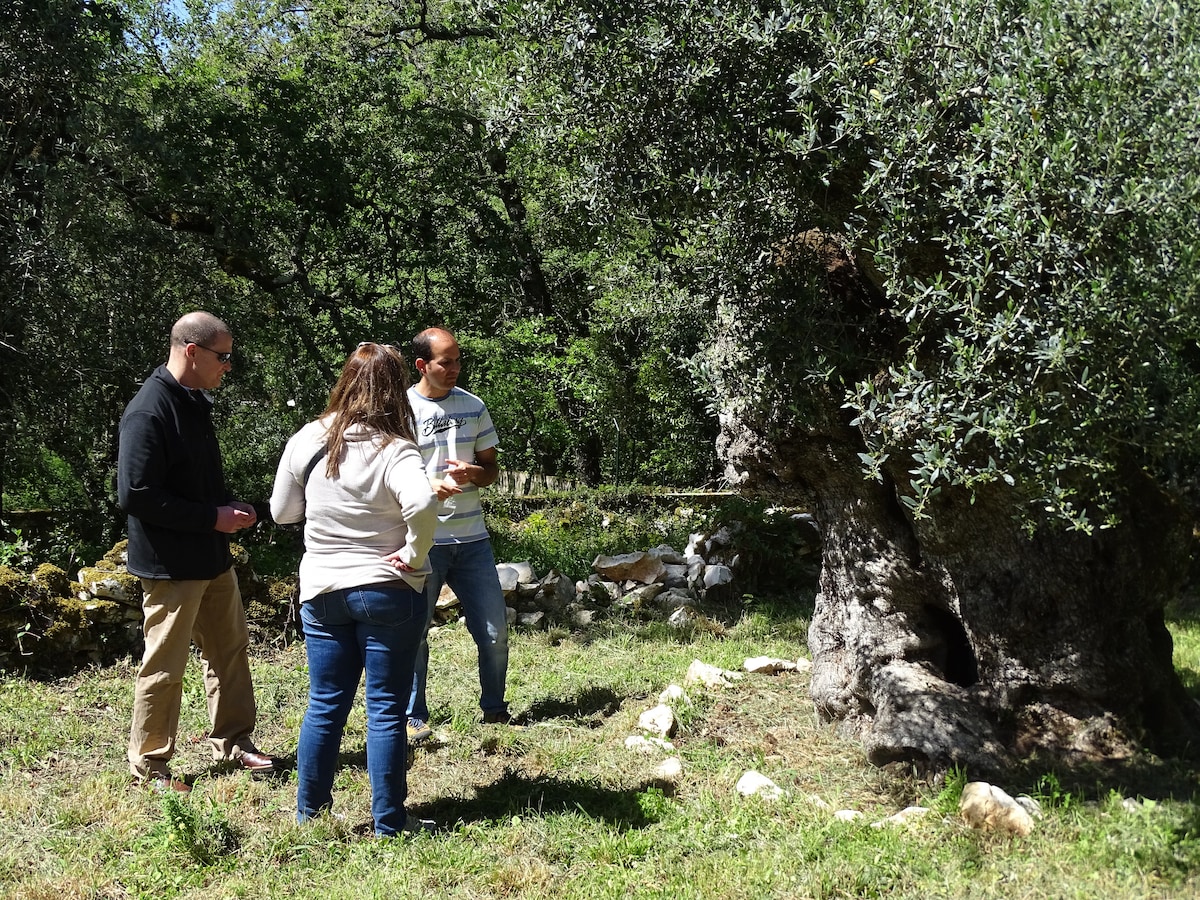
Learn & taste about the best portuguese olive oils
Tue, Jan 27 • 11:00 AM
2480, Alvados, Portugal
View details

Nazaré Best Beaches
Thu, Jan 29 • 10:00 AM
2450-199, Nazaré, Portugal
View details
Nearby attractions of Our Lady of the Immaculate Conception Cathedral, Leiria
Jardim Luís de Camões
Castelo de Leiria
Museu da Imagem em Movimento
Museu do Sporting
Moinho do Papel de Leiria
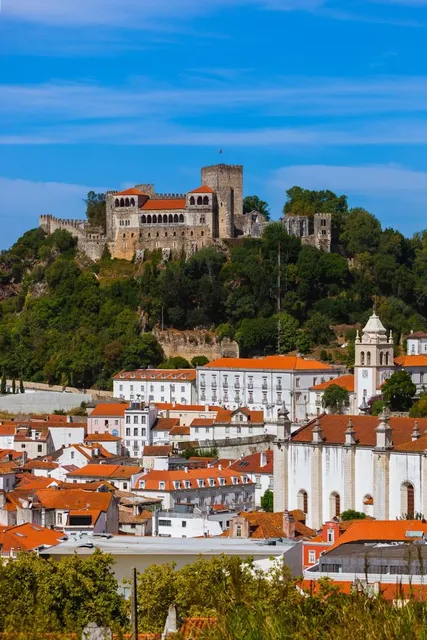
Jardim Luís de Camões
4.5
(2.8K)
Open until 12:00 AM
Click for details
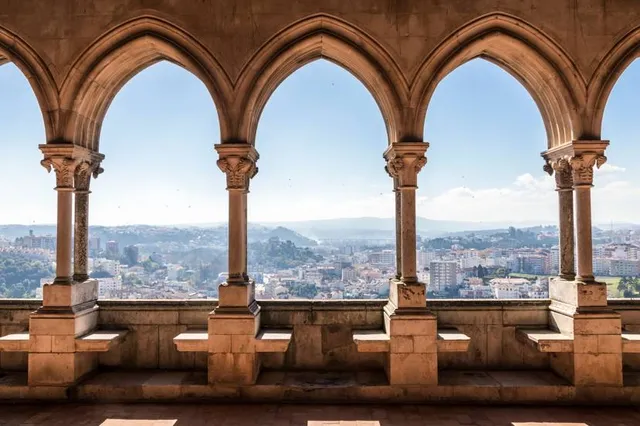
Castelo de Leiria
4.5
(3K)
Open until 5:30 PM
Click for details
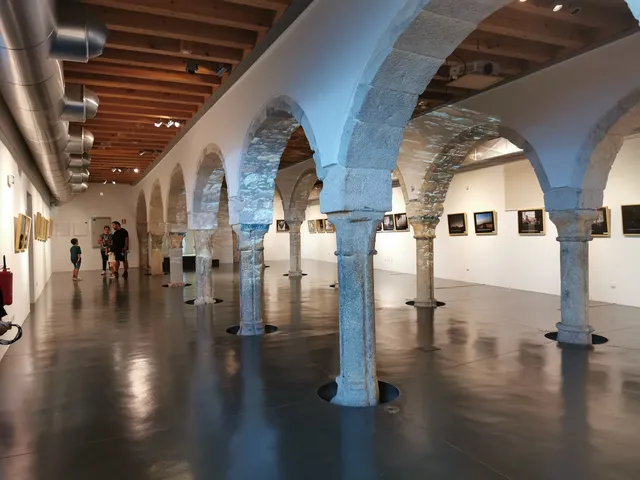
Museu da Imagem em Movimento
4.5
(288)
Open until 5:00 PM
Click for details
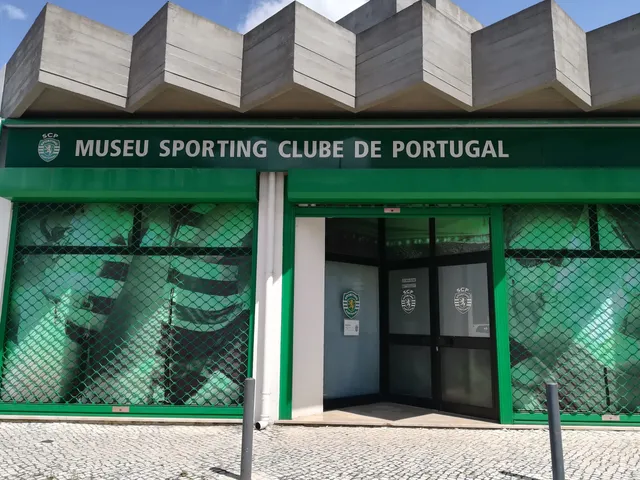
Museu do Sporting
4.6
(123)
Open until 6:00 PM
Click for details
Nearby restaurants of Our Lady of the Immaculate Conception Cathedral, Leiria
Oficina do Hambúrguer
Restaurante Adega Popular
La Tierra Mia
Cafetaria Espaço Eça
Restaurante Adega dos Caçadores
Mata Bicho Real Taverna
A adega das Francesinhas
Rei Arthur Café Bistrô
NATA Lisboa - Leiria - Pastel de Nata
Restaurante Maharani Leiria

Oficina do Hambúrguer
4.5
(616)
Open until 12:00 AM
Click for details
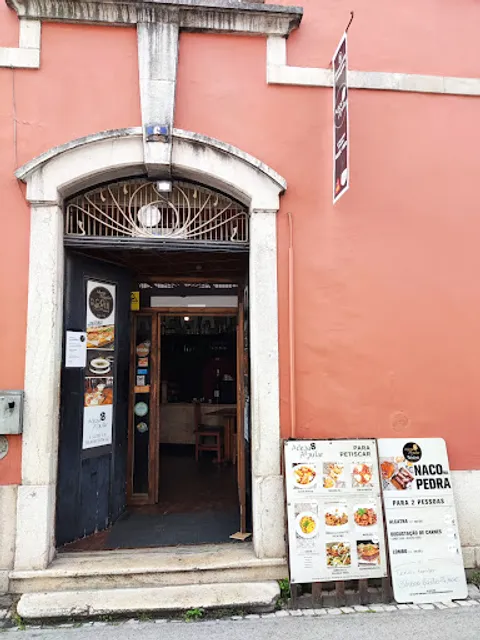
Restaurante Adega Popular
4.5
(290)
Open until 12:00 AM
Click for details
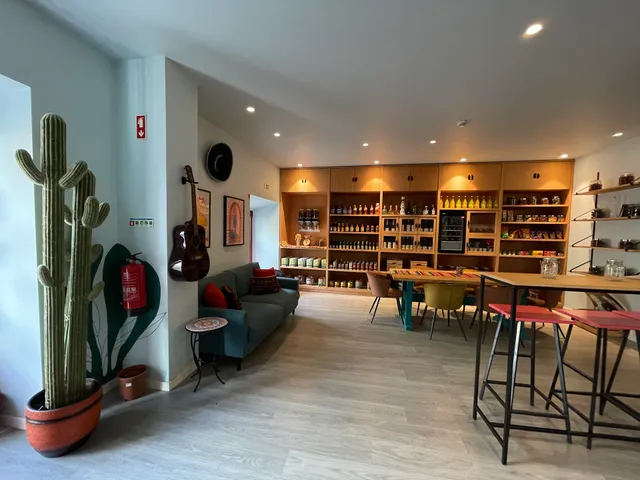
La Tierra Mia
4.6
(134)
Open until 12:00 AM
Click for details
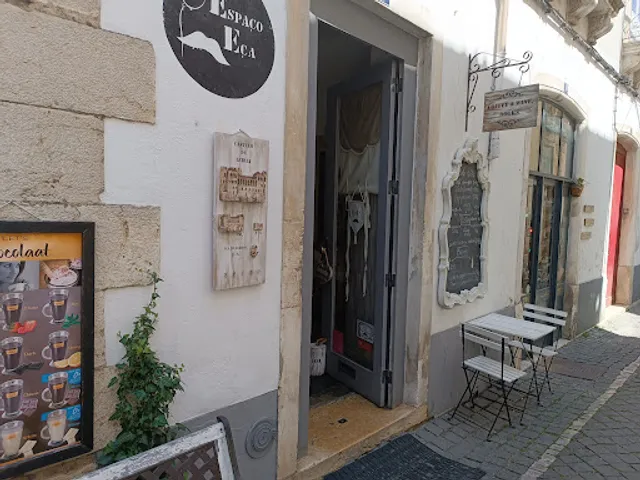
Cafetaria Espaço Eça
4.8
(175)
Open until 7:00 PM
Click for details
Nearby local services of Our Lady of the Immaculate Conception Cathedral, Leiria
Centro Comercial Maringá
Gelataria Fior di Latte
Igreja e convento de Santo Agostinho
Museo de Leiría (Convento de San Agustín)
Cabelereiro Louro Moreno
Estúdio de Dança e Yoga - Marta Loreto
Roman Catholic Diocese of Leiria-Fátima
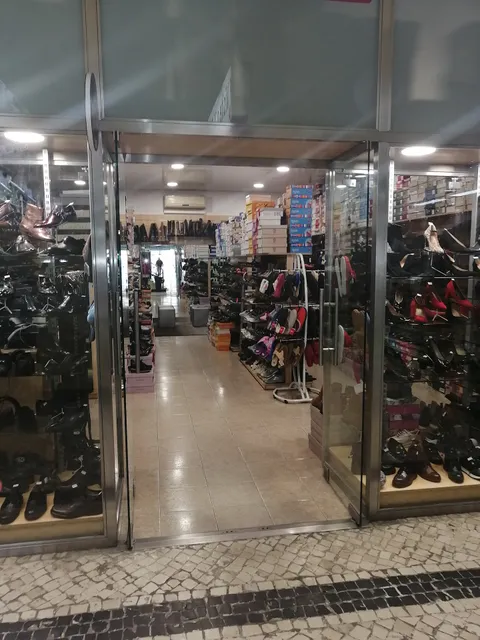
Centro Comercial Maringá
3.8
(1.4K)
Click for details

Gelataria Fior di Latte
4.4
(423)
Click for details
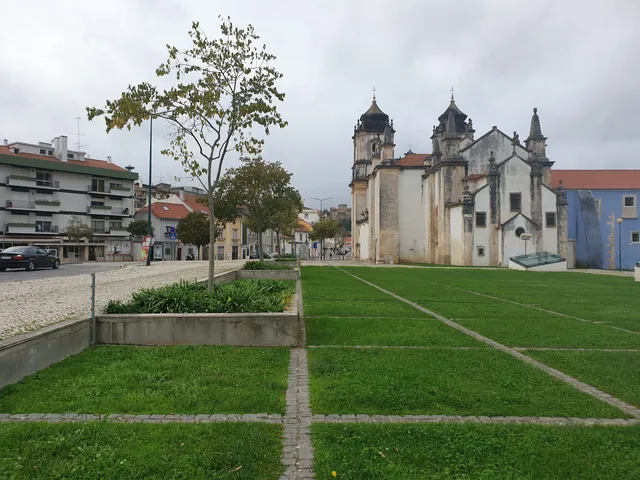
Igreja e convento de Santo Agostinho
4.4
(320)
Click for details
Museo de Leiría (Convento de San Agustín)
4.5
(246)
Click for details