The Kaaba: The Spiritual Heart of Islam
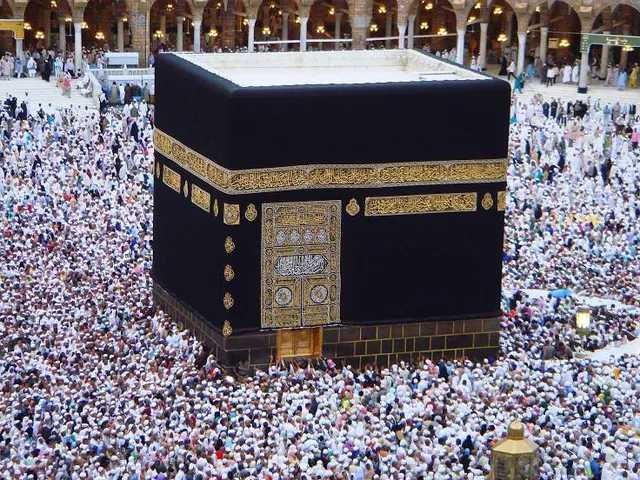
The Kaaba, also known as Baytullah (House of Allah), is the most sacred and revered structure in Islam. Located in the center of Masjid Al-Haram in Makkah, Saudi Arabia, it serves as the qiblah, the direction toward which Muslims around the world turn in prayer. The Kaaba is not only a physical building but also a powerful symbol of unity, monotheism, and the spiritual center of Islamic belief.
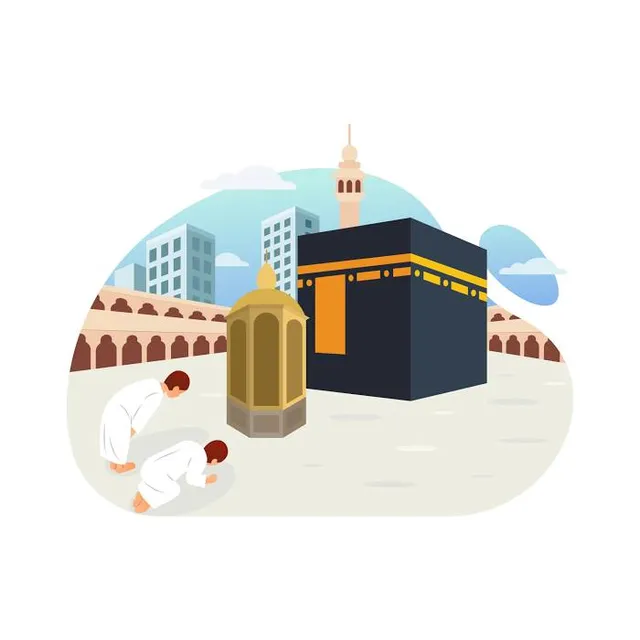
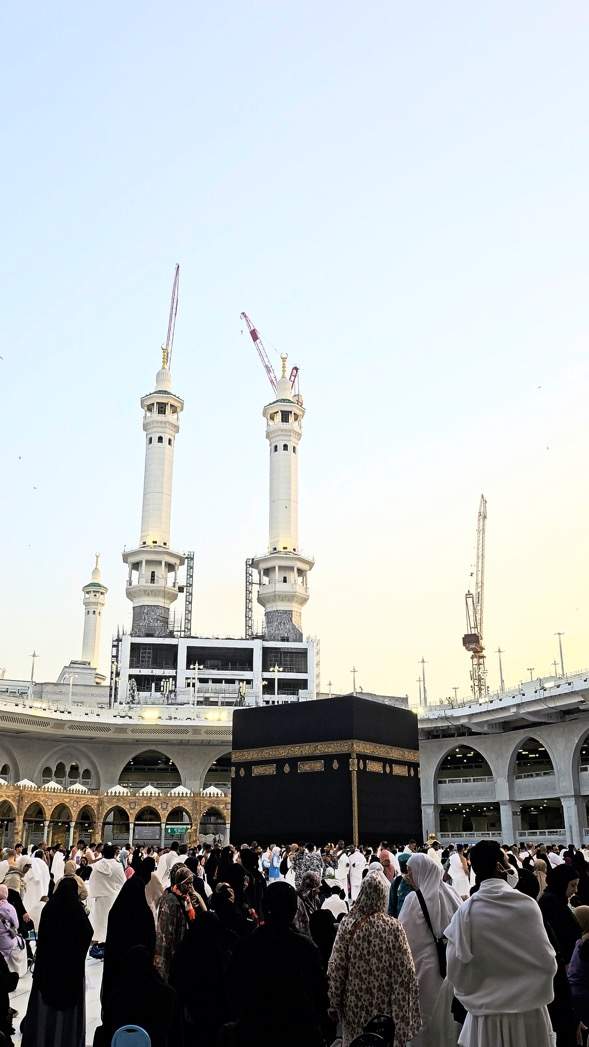
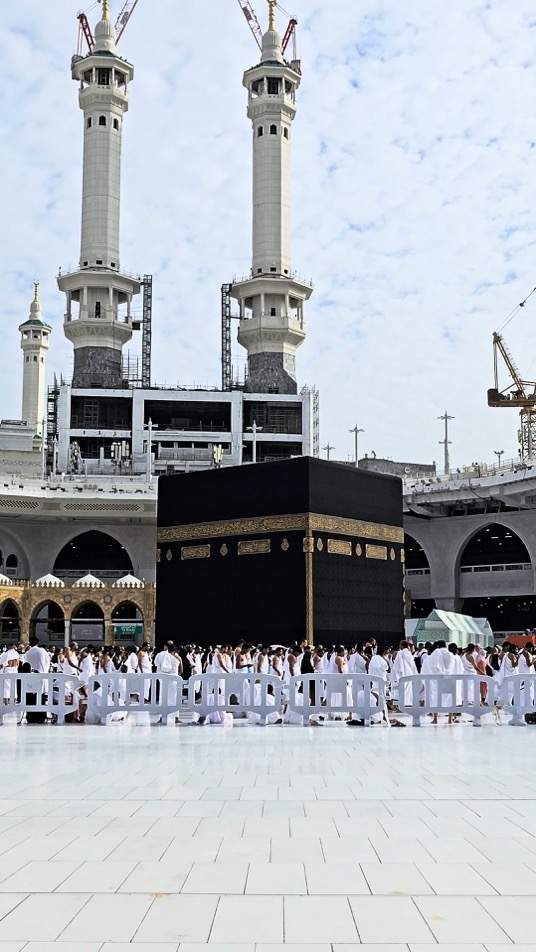
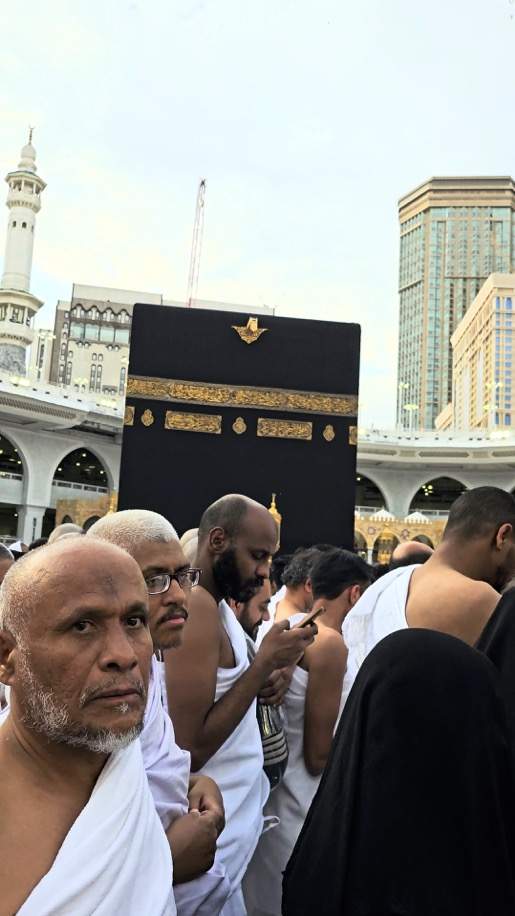
The Kaaba is a cuboid-shaped structure, approximately 15 meters high, with each side about 10 to 12 meters in length. It is covered with a black silk cloth known as the Kiswah, which is embroidered with gold Quranic verses and replaced annually during the Hajj season. Inside the Kaaba is a simple room with marble walls and a marble floor, and no decorations or furnishings — symbolizing the simplicity and purity of worship in Islam.
According to Islamic tradition, the Kaaba was originally built by Prophet Ibrahim (Abraham) and his son Ismail (Ishmael) on Allah’s command. The Qur’an says: "And [mention] when We designated for Abraham the site of the House, [saying], 'Do not associate anything with Me and purify My House for those who perform Tawaf and those who stand [in prayer] and those who bow and prostrate.'" (Surah Al-Hajj 22:26)
Before Islam, the Kaaba was surrounded by idols worshiped by various tribes. When the Prophet Muhammad ﷺ conquered Makkah in 8 AH, he removed the idols and rededicated the Kaaba solely for the worship of Allah, thus restoring it to its original monotheistic purpose.
One of the most sacred rituals associated with the Kaaba is Tawaf, the act of circumambulating it seven times in a counter-clockwise direction. This is performed during Hajj and Umrah and symbolizes the believer’s love, devotion, and submission to Allah. The Kaaba is also home to the Black Stone (Hajar al-Aswad), which is set into one of its corners. Pilgrims try to touch or kiss it, following the practice of the Prophet ﷺ.
Despite its relatively small size, the Kaaba holds immense significance. It is the direction of prayer (qiblah) for over a billion Muslims, representing unity in worship regardless of race, language, or culture. When a Muslim faces the Kaaba in prayer, they are spiritually connected to every other Muslim around the globe, emphasizing the brotherhood of the Islamic faith.
Moreover, the Kaaba is mentioned in numerous verses of the Qur’an and Hadith, highlighting its importance in Islamic teachings. Prayers in its vicinity are multiplied in reward, and standing in its presence evokes deep spiritual emotion and reverence among believers.
In conclusion, the Kaaba is far more than a structure of stone; it is the heart of Islamic spirituality. It represents the oneness of God, the unity of the Muslim Ummah, and the eternal bond between the Creator and His worshippers. For every Muslim, visiting the Kaaba is not just a journey of the body — it is a journey...
Read moreThe Kaaba in Mecca stands as an ethereal testament to the unbreakable bond shared by Muslims around the globe. As a devout believer, attempting to express the profound significance and emotional depth evoked by this sacred place is a humbling endeavor. Every aspect of the Kaaba embodies the collective faith, devotion, and spirituality of billions of Muslims throughout history.
To embark upon the pilgrimage, the Hajj, is a journey of the heart and soul, filled with a myriad of emotions that words can scarcely encapsulate. As Muslims, we yearn for the opportunity to be physically present in the presence of the Kaaba, to bask in its resplendent majesty, and to partake in the rituals that have been passed down through generations.
Upon witnessing the Kaaba for the first time, an overwhelming sense of awe takes hold, as if time itself is suspended, and the soul finds solace in its divine presence. The Kaaba stands tall, draped in its simple black covering, offering a visual focal point for the entire Islamic world. It is a symbol of unity, reminding us that regardless of our diverse cultures, languages, or backgrounds, we are all part of a single Ummah, bonded together by our shared belief and devotion.
The daily prayers, performed five times a day by Muslims across the globe, are directed towards the Kaaba. This act of turning towards the Kaaba during prayer, known as Qibla, holds profound significance. It serves as a constant reminder that no matter where we are, physically or spiritually, we are all connected in our devotion to Allah and our commitment to the teachings of Islam.
The magnetic pull of the Kaaba is not limited to its physical location in Mecca; it transcends borders and transcends time. Muslims from all walks of life yearn to set foot in the Holy City, to engage in the sacred rituals of circumambulation (Tawaf) and to experience the overwhelming sense of serenity that permeates the atmosphere.
The Kaaba represents the epitome of spiritual strength and resilience. Its ancient walls have witnessed the unfolding of countless human stories, the tears shed, the prayers whispered, and the hopes and dreams entrusted to the divine. It is a testament to the enduring power of faith, providing solace, guidance, and a profound sense of purpose to Muslims worldwide.
In conclusion, the Kaaba in Mecca is not merely a physical structure but a profound spiritual emblem that unites Muslims globally. Its magnetic presence resonates deeply within our hearts, reminding us of our shared faith, our collective identity, and our devotion to Allah. Whether we stand before it in person or envision it from afar, the Kaaba holds the power to inspire, uplift, and transform. It symbolizes the timeless connection between the divine and humanity, drawing believers towards its hallowed grounds, and fostering a sense of profound unity that spans continents and...
Read moreThe Kaaba is revered by Muslims as the House of God, the most sacred site on Earth, symbolizing unity and devotion to Allah, not to be worshipped itself. Believed to have been built by Prophet Abraham (Ibrahim) and his son Ishmael, it serves as the qibla—the direction all Muslims face for their five daily prayers. This sacred structure, covered by a black, silk and cotton cloth, is the focal point of the annual Hajj and Umrah pilgrimages, where millions circle it in a demonstration of equality and shared faith. The Kaaba connects Muslims worldwide, fostering a sense of spiritual unity that transcends borders and cultures. The Kaaba is revered by Muslims as the House of God, the most sacred site on Earth, symbolizing unity and devotion to Allah, not to be worshipped itself. Believed to have been built by Prophet Abraham (Ibrahim) and his son Ishmael, it serves as the qibla—the direction all Muslims face for their five daily prayers. This sacred structure, covered by a black, silk and cotton cloth, is the focal point of the annual Hajj and Umrah pilgrimages, where millions circle it in a demonstration of equality and shared faith. The Kaaba connects Muslims worldwide, fostering a sense of spiritual unity that transcends borders and cultures. The Kaaba is revered by Muslims as the House of God, the most sacred site on Earth, symbolizing unity and devotion to Allah, not to be worshipped itself. Believed to have been built by Prophet Abraham (Ibrahim) and his son Ishmael, it serves as the qibla—the direction all Muslims face for their five daily prayers. This sacred structure, covered by a black, silk and cotton cloth, is the focal point of the annual Hajj and Umrah pilgrimages, where millions circle it in a demonstration of equality and shared faith. The Kaaba connects Muslims worldwide, fostering a sense of spiritual unity that transcends borders and cultures. The Kaaba is revered by Muslims as the House of God, the most sacred site on Earth, symbolizing unity and devotion to Allah, not to be worshipped itself. Believed to have been built by Prophet Abraham (Ibrahim) and his son Ishmael, it serves as the qibla—the direction all Muslims face for their five daily prayers. This sacred structure, covered by a black, silk and cotton cloth, is the focal point of the annual Hajj and Umrah pilgrimages, where millions circle it in a demonstration of equality and shared faith. The Kaaba connects Muslims worldwide, fostering a sense of spiritual unity that transcends borders...
Read more