SNM-Natural History Museum things to do, attractions, restaurants, events info and trip planning
Basic Info
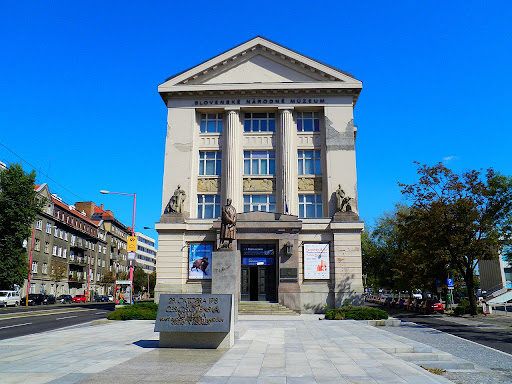
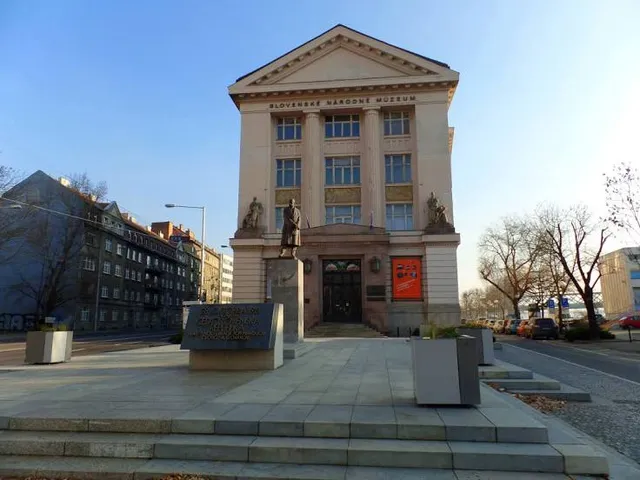
SNM-Natural History Museum
Vajanského nábrežie 2, 810 06 Bratislava, Slovakia
4.4(1.1K)
Closed


tickets
Save
spot
spot
Ratings & Description
Info
Cultural
Family friendly
Accessibility
attractions: Čumil, Slovak National Gallery, Slovak National Theatre (Historical Building), The Blue Church - Church of St. Elizabeth, Old Bridge, The Duck's Fountain, Ganymede's Fountain, Hviezdoslavovo námestie, Monument to Ľudovít Štúr, Bratislava Reduta, restaurants: Beerdock, Houdini Restaurant, Naštartované retro, THeMA, Regal UNDERGROUND, Radisson Blu Carlton Hotel, Bratislava, Prazdroj, Sushi House Kúpeľná, Urban House, La Donuteria, local businesses: Fajnorovo nábrežie 51/2, Výčap na Medenej, Hviezdoslavovo námestie, Eurovea, Námestie SNP 484/25, Steinplatz Bar, Old Bridge, Mojasrdcovka Bratislava, Múzeum mesta Bratislavy, Esterházy Palace
 Learn more insights from Wanderboat AI.
Phone
+421 2/204 691 27
Website
snm.sk
Open hoursSee all hours
Wed9 AM - 5 PMClosed
Plan your stay

Pet-friendly Hotels in Bratislava
Find a cozy hotel nearby and make it a full experience.

Affordable Hotels in Bratislava
Find a cozy hotel nearby and make it a full experience.

The Coolest Hotels You Haven't Heard Of (Yet)
Find a cozy hotel nearby and make it a full experience.

Trending Stays Worth the Hype in Bratislava
Find a cozy hotel nearby and make it a full experience.
Reviews
Live events
Explore Bratislava with unique bonuses
Thu, Feb 26 • 10:30 AM
811 03, Bratislava, Slovakia
View details
Candlelight: Pocta Skupine ABBA a Ďalším Legendám
Sat, Feb 28 • 7:30 PM
Dvořákovo nábrežie 6, 811 02
View details

Taste the wines of Bratislava
Fri, Feb 27 • 4:30 PM
811 02, Bratislava, Slovakia
View details
Nearby attractions of SNM-Natural History Museum
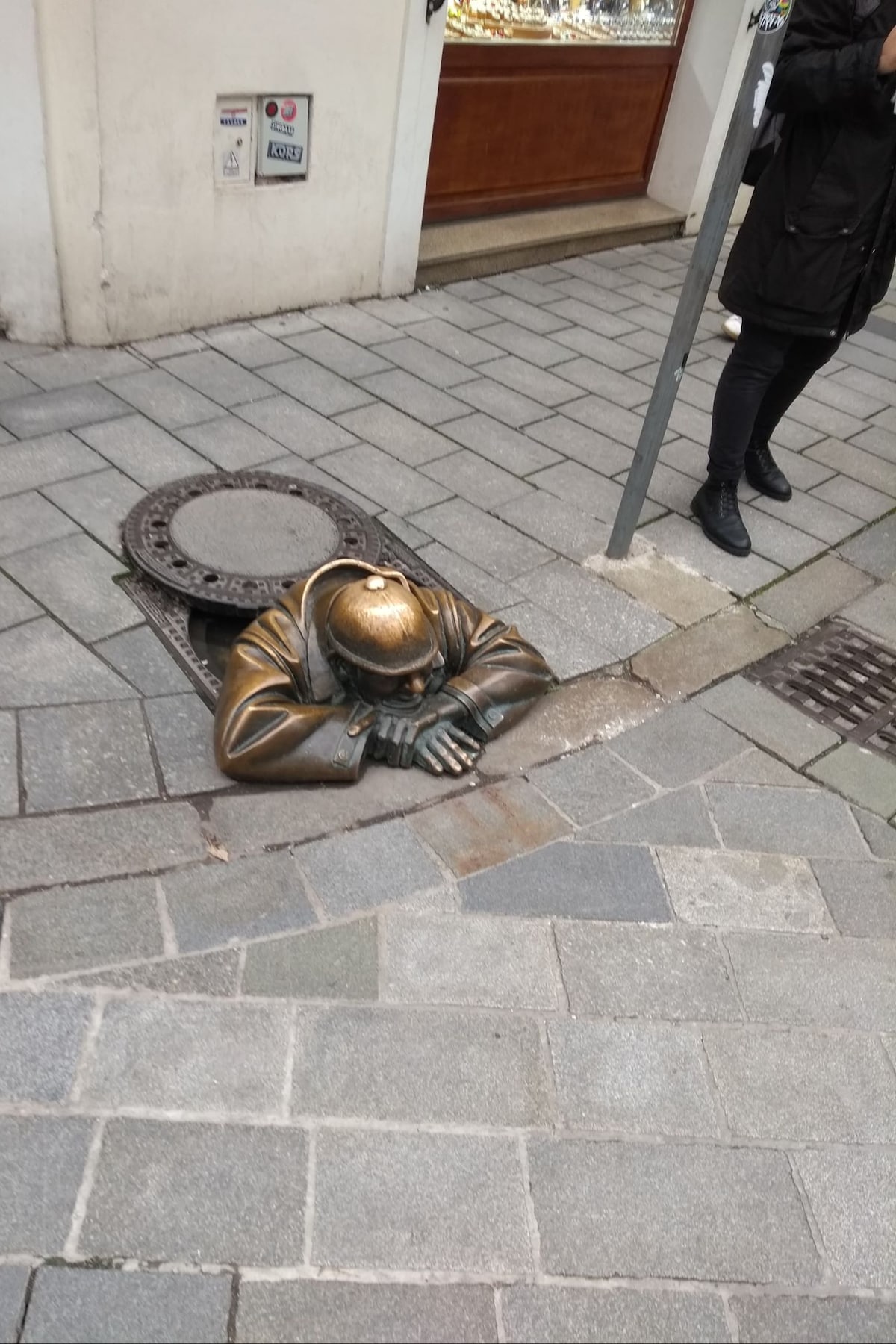
Čumil
Slovak National Gallery
Slovak National Theatre (Historical Building)
The Blue Church - Church of St. Elizabeth
Old Bridge
The Duck's Fountain
Ganymede's Fountain
Hviezdoslavovo námestie
Monument to Ľudovít Štúr
Bratislava Reduta
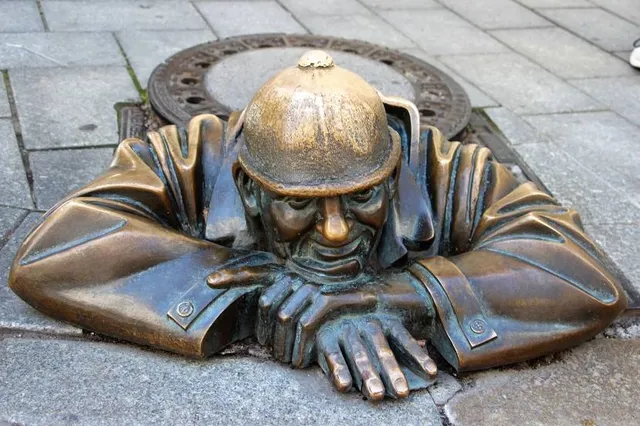
Čumil
4.6
(5.3K)
Open until 12:00 AM
Click for details
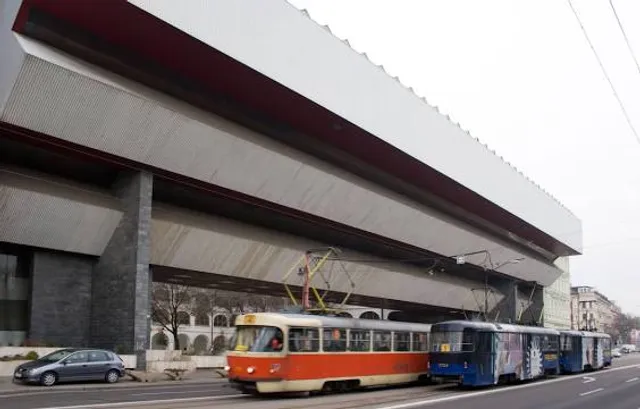
Slovak National Gallery
4.5
(1.1K)
Closed
Click for details
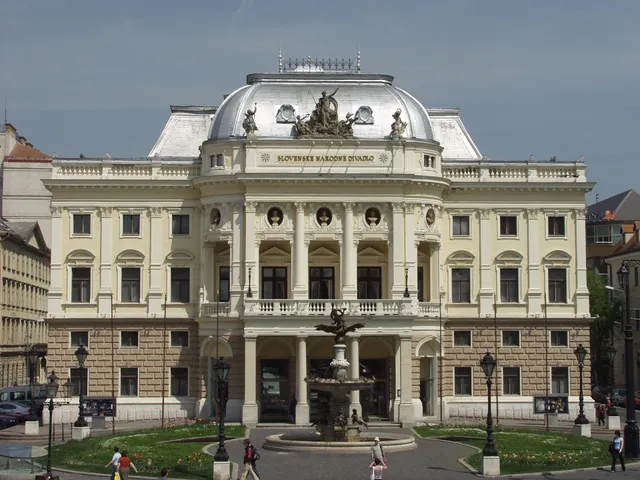
Slovak National Theatre (Historical Building)
4.7
(877)
Open 24 hours
Click for details
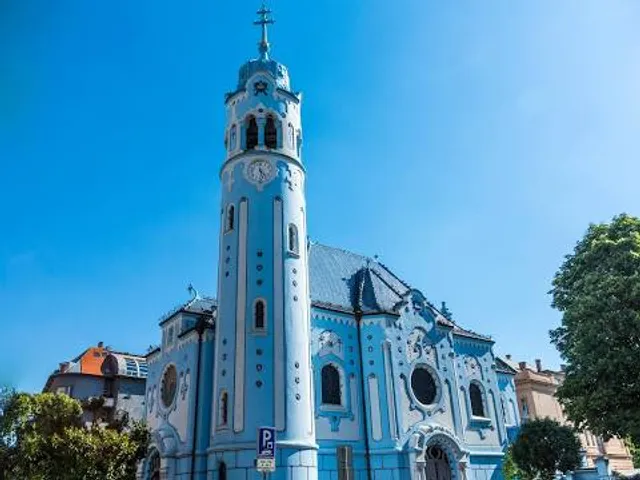
The Blue Church - Church of St. Elizabeth
4.6
(5.1K)
Closed
Click for details
Nearby restaurants of SNM-Natural History Museum
Beerdock
Houdini Restaurant
Naštartované retro
THeMA
Regal UNDERGROUND
Radisson Blu Carlton Hotel, Bratislava
Prazdroj
Sushi House Kúpeľná
Urban House
La Donuteria
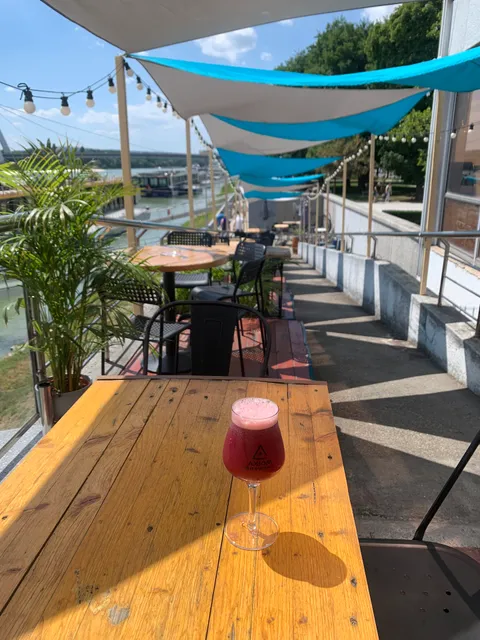
Beerdock
4.4
(101)
Open until 12:00 AM
Click for details

Houdini Restaurant
4.7
(267)
Closed
Click for details
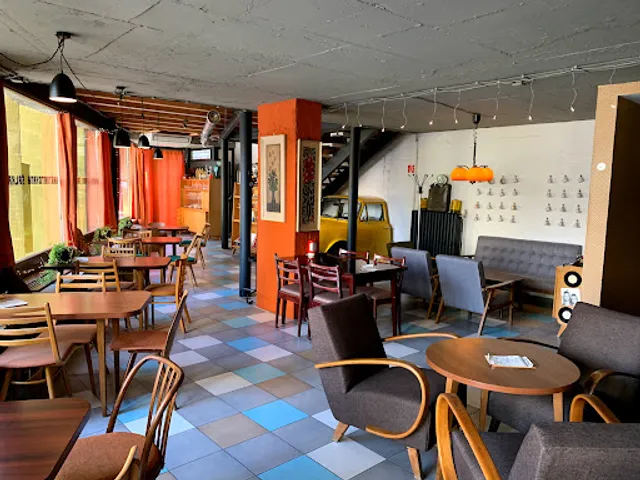
Naštartované retro
4.5
(313)
$$
Click for details
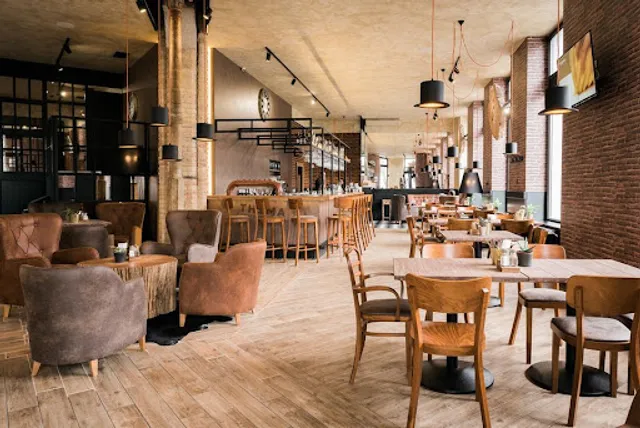
THeMA
4.4
(682)
$$
Open until 11:00 PM
Click for details
Nearby local services of SNM-Natural History Museum
Fajnorovo nábrežie 51/2
Výčap na Medenej
Hviezdoslavovo námestie
Eurovea
Námestie SNP 484/25
Steinplatz Bar
Old Bridge
Mojasrdcovka Bratislava
Múzeum mesta Bratislavy
Esterházy Palace
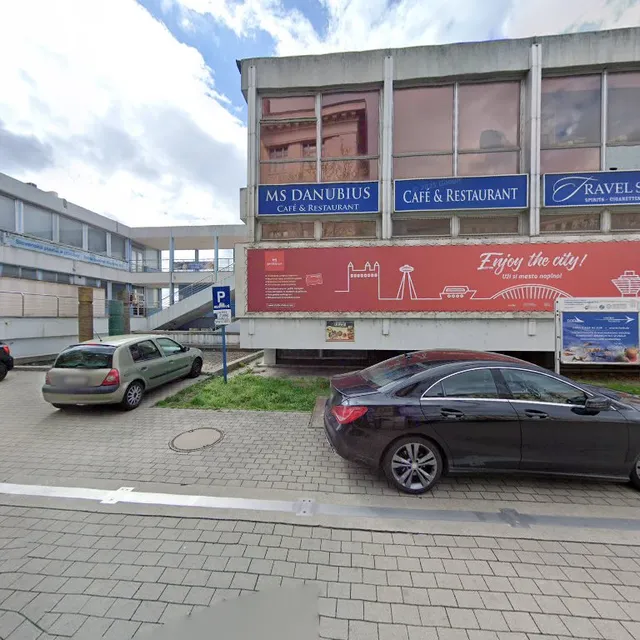
Fajnorovo nábrežie 51/2
4.3
(894)
Click for details
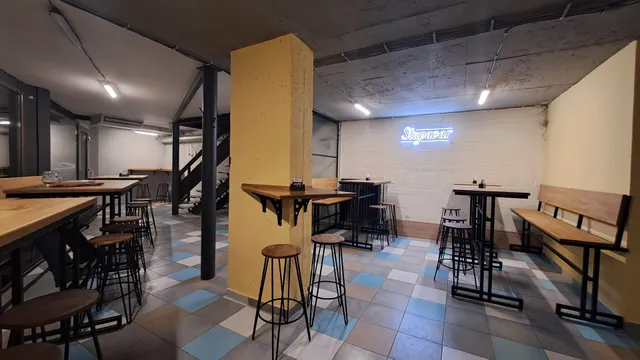
Výčap na Medenej
4.7
(79)
Click for details
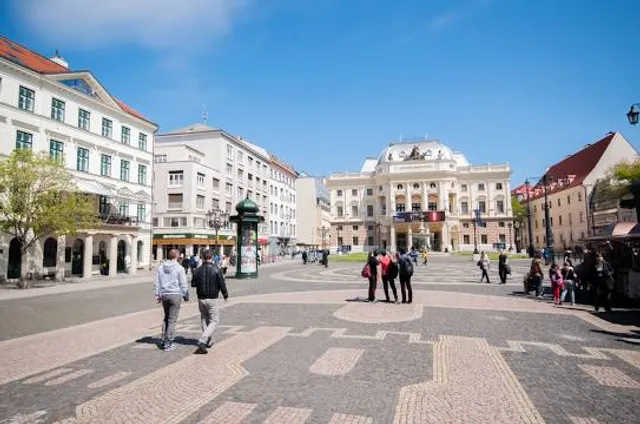
Hviezdoslavovo námestie
4.6
(1.7K)
Click for details
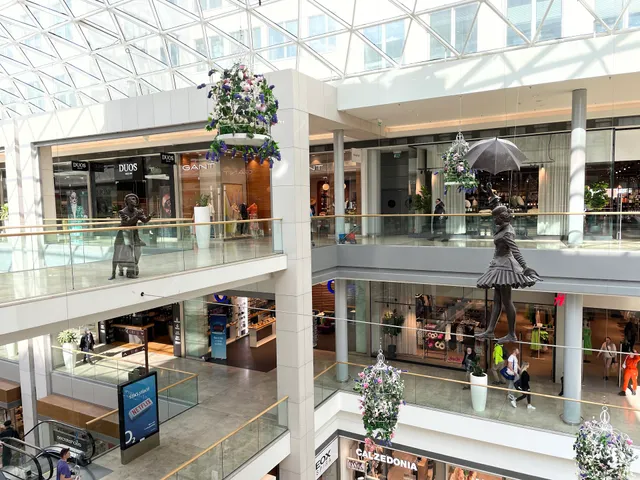
Eurovea
4.5
(9.7K)
Click for details