HTML SitemapExplore
logo
Find Things to DoFind The Best Restaurants

The National Folk Museum of Korea — Attraction in Seoul

Name
The National Folk Museum of Korea
Description
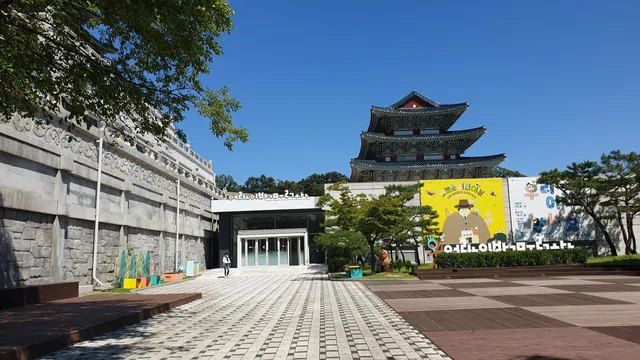
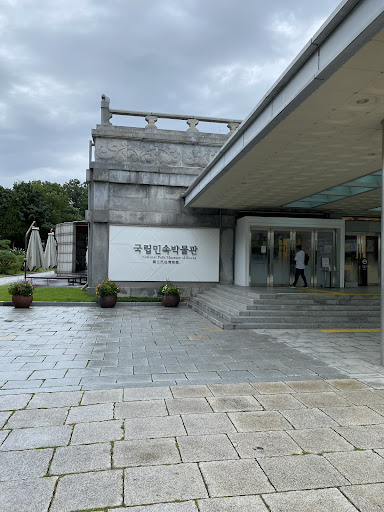
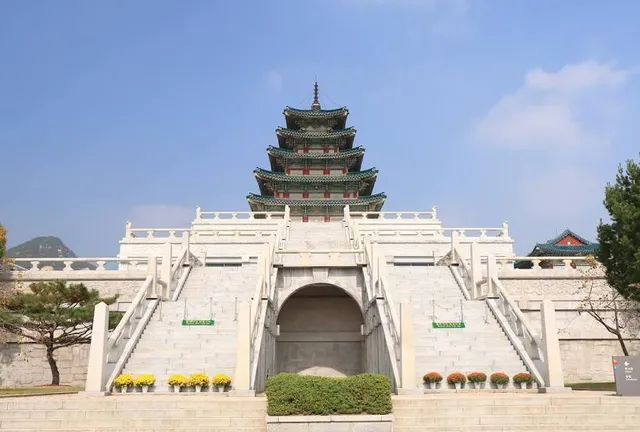
National Folk Museum of Korea is a national museum located on the grounds of Gyeongbokgung Palace in Jongno-gu, Seoul, South Korea. It uses replicas of historical objects to illustrate the history of traditional life of the Korean people.
Nearby attractions
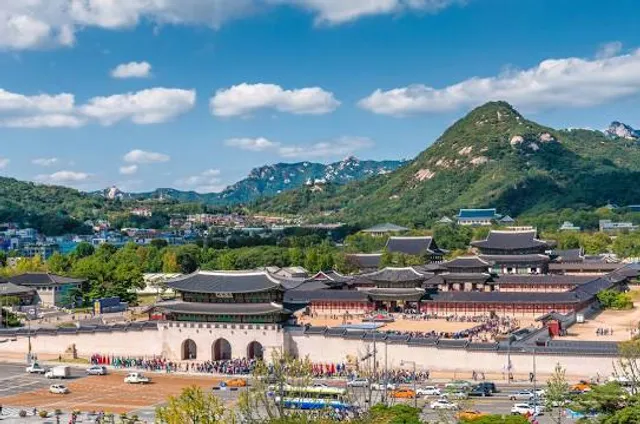
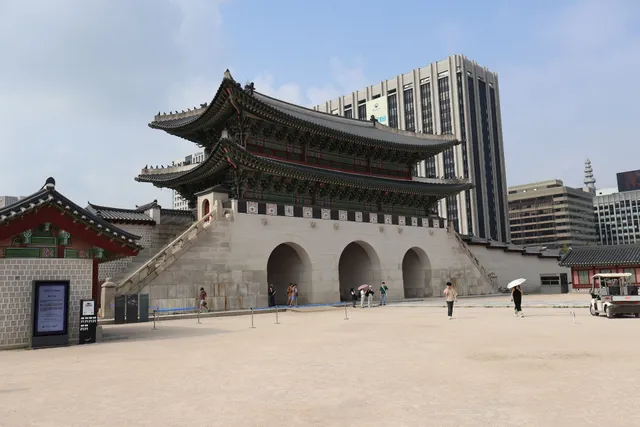
Gyeongbokgung Palace
161 Sajik-ro, Jongno District, Seoul, South Korea
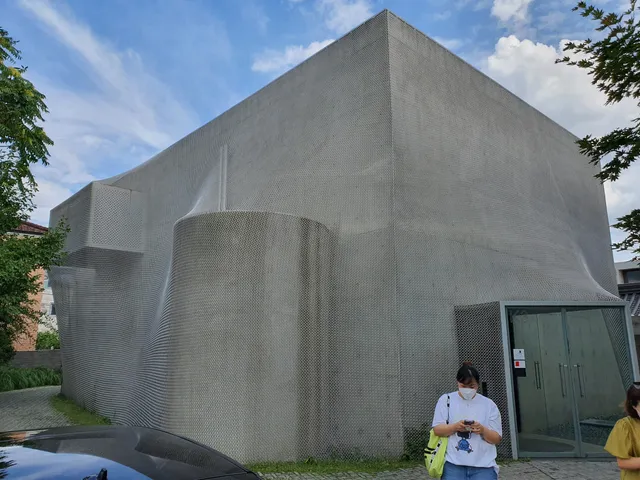
The Children’s Museum of the National Folk Museum of Korea
37 Samcheong-ro, Jongno District, Seoul, South Korea
Kukje Gallery
54 Samcheong-ro, Jongno District, Seoul, South Korea
Hakgojae
50 Samcheong-ro, Sogyeok-dong, Jongno District, Seoul, South Korea
Studio KJD
33 Bukchon-ro 5ga-gil, Jongno District, Seoul, South Korea
Geoncheonggung Residence
161 Sajik-ro, Jongno District, Seoul, South Korea
Hyangwonjeong Pavilion
161 Sajik-ro, Jongno District, Seoul, South Korea
Samcheong-dong Street
Samcheong-dong, Jongno District, Seoul, South Korea
Bukchon Hanok Village
Gyedong-gil, Jongno District, Seoul, South Korea
Barakat Contemporary
58-4 Samcheong-ro, Jongno District, Seoul, South Korea
Nearby restaurants
Hwangsaengga Kalguksu
78 Bukchon-ro 5-gil, Jongno District, Seoul, South Korea
Boutique Gyeongseong
75-5 Samcheong-ro, Palpan-dong, Jongno District, Seoul, South Korea
Samcheong Bingsu
84-1 Samcheong-ro, Jongno District, Seoul, South Korea
The Restaurant
54 Samcheong-ro, Jongno District, Seoul, South Korea
Samcheongdong Sujebi
101-1 Samcheong-ro, Jongno District, Seoul, South Korea
Mukshidonna Samcheongdong
90-1 Samcheong-ro, Jongno District, Seoul, South Korea
Cheonggukjang Bap
29-5 Samcheong-ro 2-gil, Jongno District, Seoul, South Korea
Dot Blanket Samcheong Hanok Branch
38 Samcheong-ro 2-gil, Jongno District, Seoul, South Korea
백년토종삼계탕
3-8 Samcheong-ro 2-gil, Jongno District, Seoul, South Korea
Cheongsujeong
91 Samcheong-ro, Jongno District, Seoul, South Korea
Nearby hotels
88Guesthouse
88 Palpan-dong, Jongno District, Seoul, South Korea
STAY256 Hanok Guesthouse
104-10 Palpan-dong, Jongno District, Seoul, South Korea
삼청동 코리아게스트하우스
12-1 Samcheong-ro 4-gil, Hwa-dong, Jongno District, Seoul, South Korea
Gaonjae
South Korea, Seoul, Jongno District, Gahoe-dong, 33-16
Gongsimga Hanok Guesthouse
46 Yulgok-ro 1-gil, Jongno District, Seoul, South Korea
Woo Guest House
South Korea, Seoul, Jongno District, 사간동 66
Bukchon Binkwan by Rakkojae 북촌빈관 by 락고재
10 Bukchon-ro 11ga-gil, Jongno District, Seoul, South Korea
Bonum 1957 Hanok Stay and Hotel
53 Bukchon-ro, Jongno District, Seoul, South Korea
Somerset Palace Seoul
7 Yulgok-ro 2-gil, Jongno District, Seoul, South Korea
Dalzip Bukchon
Bukchon-ro 11-gil, 삼청동 Jongno District, Seoul, South Korea
Related posts
Keywords
The National Folk Museum of Korea tourism.The National Folk Museum of Korea hotels.The National Folk Museum of Korea bed and breakfast. flights to The National Folk Museum of Korea.The National Folk Museum of Korea attractions.The National Folk Museum of Korea restaurants.The National Folk Museum of Korea travel.The National Folk Museum of Korea travel guide.The National Folk Museum of Korea travel blog.The National Folk Museum of Korea pictures.The National Folk Museum of Korea photos.The National Folk Museum of Korea travel tips.The National Folk Museum of Korea maps.The National Folk Museum of Korea things to do.
The National Folk Museum of Korea things to do, attractions, restaurants, events info and trip planning
The National Folk Museum of Korea
South KoreaSeoulThe National Folk Museum of Korea

Basic Info

The National Folk Museum of Korea

37 Samcheong-ro, Jongno District, Seoul, South Korea
4.6(1.7K)
Open 24 hours
Save
spot

Ratings & Description

Info

National Folk Museum of Korea is a national museum located on the grounds of Gyeongbokgung Palace in Jongno-gu, Seoul, South Korea. It uses replicas of historical objects to illustrate the history of traditional life of the Korean people.

Cultural
Educational
Accessibility
attractions: Gyeongbokgung Palace, The Children’s Museum of the National Folk Museum of Korea, Kukje Gallery, Hakgojae, Studio KJD, Geoncheonggung Residence, Hyangwonjeong Pavilion, Samcheong-dong Street, Bukchon Hanok Village, Barakat Contemporary, restaurants: Hwangsaengga Kalguksu, Boutique Gyeongseong, Samcheong Bingsu, The Restaurant, Samcheongdong Sujebi, Mukshidonna Samcheongdong, Cheonggukjang Bap, Dot Blanket Samcheong Hanok Branch, 백년토종삼계탕, Cheongsujeong
logoLearn more insights from Wanderboat AI.
Phone
+82 2-3704-3114
Website
nfm.go.kr

Plan your stay

hotel
Pet-friendly Hotels in Seoul
Find a cozy hotel nearby and make it a full experience.

hotel
Affordable Hotels in Seoul
Find a cozy hotel nearby and make it a full experience.

hotel
The Coolest Hotels You Haven't Heard Of (Yet)
Find a cozy hotel nearby and make it a full experience.

hotel
Trending Stays Worth the Hype in Seoul
Find a cozy hotel nearby and make it a full experience.

Reviews

Nearby attractions of The National Folk Museum of Korea

Gyeongbokgung Palace

The Children’s Museum of the National Folk Museum of Korea

Kukje Gallery

Hakgojae

Studio KJD

Geoncheonggung Residence

Hyangwonjeong Pavilion

Samcheong-dong Street

Bukchon Hanok Village

Barakat Contemporary

Gyeongbokgung Palace

Gyeongbokgung Palace

4.6

(15.6K)

Closed
Click for details
The Children’s Museum of the National Folk Museum of Korea

The Children’s Museum of the National Folk Museum of Korea

4.5

(297)

Open until 6:00 PM
Click for details
Kukje Gallery

Kukje Gallery

4.4

(238)

Open 24 hours
Click for details
Hakgojae

Hakgojae

4.6

(122)

Closed
Click for details

Things to do nearby

Explore night market food
Tue, Dec 9 • 6:00 PM
Seoul, 종로5.6가동, 종로구, 03195, South Korea
View details
Craft Your Own Natural Niche Perfume in Hongdae
Tue, Dec 9 • 2:00 PM
Seoul, Seoul, 04073, South Korea
View details
Seoul Pub Crawl
Seoul Pub Crawl
Thu, Dec 11 • 8:00 PM
Seoul, Mapo-gu, 04049, South Korea
View details

Nearby restaurants of The National Folk Museum of Korea

Hwangsaengga Kalguksu

Boutique Gyeongseong

Samcheong Bingsu

The Restaurant

Samcheongdong Sujebi

Mukshidonna Samcheongdong

Cheonggukjang Bap

Dot Blanket Samcheong Hanok Branch

백년토종삼계탕

Cheongsujeong

Hwangsaengga Kalguksu

Hwangsaengga Kalguksu

4.2

(1.4K)

$

Click for details
Boutique Gyeongseong

Boutique Gyeongseong

4.2

(215)

Click for details
Samcheong Bingsu

Samcheong Bingsu

4.5

(440)

Click for details
The Restaurant

The Restaurant

4.3

(126)

Click for details
Get the Appoverlay
Get the AppOne tap to find yournext favorite spots!
Wanderboat LogoWanderboat

Your everyday Al companion for getaway ideas

CompanyAbout Us
InformationAI Trip PlannerSitemap
SocialXInstagramTiktokLinkedin
LegalTerms of ServicePrivacy Policy

Get the app

© 2025 Wanderboat. All rights reserved.
logo

Reviews of The National Folk Museum of Korea

4.6
(1,703)
avatar
5.0
38w

The National Folk Museum and Gyeongbokgung Palace are basically housed in the same space, with the slight difference being that the latter costs a pittance to visit, and the other one is free. So, I am going to review them individually.

This is one of those places that makes you happy that countries still invest in giving visitors a chance to experience their history . . . for free!

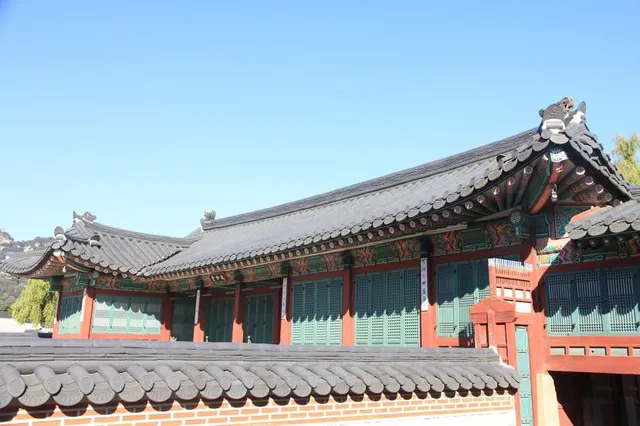
While the outside looks like an ancient palace was placed on top of a modern concrete foundation, the actual history is a wee more complicated and simpler: it was created during the Japanese occupation and was meant to emulate traditional sites in the area. So, basically, it is an early-1900s facsimile of things that were born out of Korea’s complicated history. That, too, is historical.

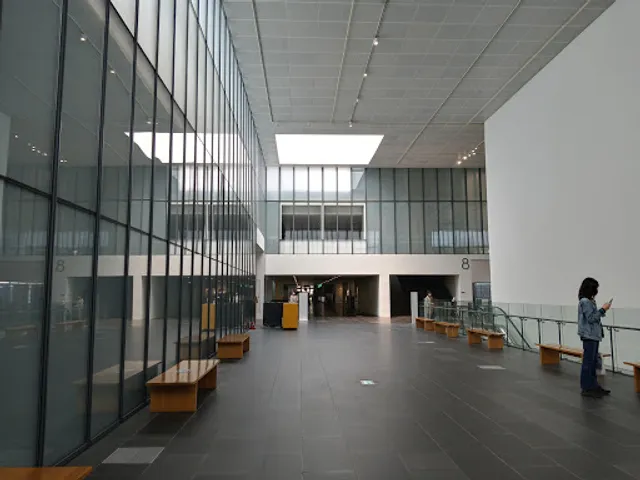
And what a museum! The modern interior opens with a spacious entry area with plenty of seating and a coffee shop. The permanent exhibitions are laid out in an orderly fashion, providing lots of details regarding the cultural history of Korea. Printing, fashion, K-Pop, and traditional aspects of housing, cooking, and cuisine are all covered, often with multi-media accents and unique flourishes: the wood cow is particularly interesting and some of the video/audio sections are almost nightmarish in their melding of history and contemporary graphical/auditory choices (watch the rice field video and listen to the sound of the workers' hoes hitting the ground . . . it’s quite amazing!). The room featuring a traditional abode with the video background is also a pleasure to experience. It is clear that great care is taken to present a compelling view of the broad scope of Korea's cultural history.

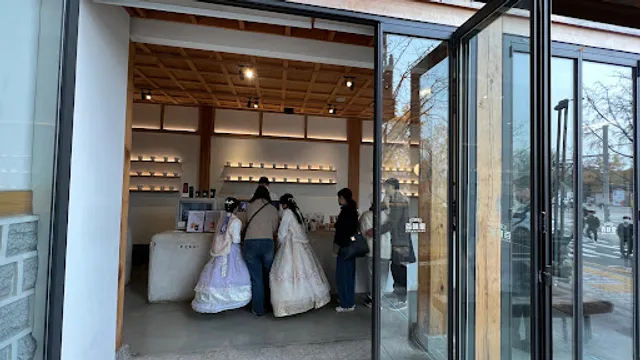
Big bonus? The outside grounds also present a historical recreation of buildings from the 70s and 80s, all of which are like viewing life through a time machine. So much so that, in the photography building, older Korean women were actually trying on the available fashions and having a good laugh! Big bummer? The gift shop was an underwhelming grab bag of items that either are too pricey for what they are or lack any reference to the actual museum itself. Why would I buy a standard magnet at a higher price here when I would pay more for a special magnet that actually made reference to the museum itself? Sure, the branded glasses are cool. But I am not risking taking those on a flight! And I am not sure who wants branded playing cards?

All in all, recommended. You can’t beat the price (free) and the history lesson...

   Read more
avatar
5.0
5y

National Folk Museum of Korea is a national museum of South Korea, located within the grounds of the Gyeongbokgung Palace in Jongno-gu, Seoul, and uses replicas of historical objects to illustrate the history of traditional life of the Korean people. The museum has three main exhibition halls, with over 98,000 artifacts: History of Korean People features materials of everyday life in Korea from prehistoric times to the end of the Joseon Dynasty in 1910; Korean Way of Life, which illustrates Korean villagers in ancient times; and Life Cycle of the Koreans, which depicts the deep roots of Confucianism in Korean culture and how this ideology gave rise to most of the culture's customs. The museum also features open-air exhibits, such as replicas of spirit posts where villagers used to pray, stone piles for worship, grinding mills, rice storage shelters and pits for kimchi pots. The National Folk Museum of Korea offers a variety of educational programs for adults, and multicultural and socially alienated groups. Moreover, traditional folk performances are held on an on-going basis to offer opportunities for visitors to experience the traditional arts of Korea. The National Folk Museum of Korea also operates the Children’s Museum, with exhibitions centered on actually touching and playing with traditional Korean folk life exhibits. The Children’s Museum also collects, preserves, and manages artifacts and materials related to children. The Museum encourages children to take interest to better understand and to further advance Korean history and culture rather than just playing the role of a repository for cultural relics related...

   Read more
avatar
5.0
1y

The National Folk Museum of Korea is a fascinating destination that provides deep insight into the country’s rich cultural heritage and traditional lifestyle. Located within the grounds of Gyeongbokgung Palace in Seoul, the museum blends seamlessly with the historical architecture, making it an integral part of any visit to the palace.

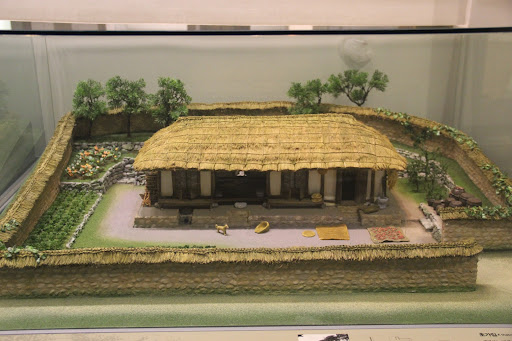
Inside, the exhibits are well-curated and cover a wide range of topics, from daily life during the Joseon Dynasty to traditional Korean customs, clothing, and agriculture. The displays are both informative and visually engaging, with detailed dioramas, artifacts, and multimedia presentations that bring Korea's past to life. The museum also offers rotating special exhibitions that explore specific aspects of Korean history and culture in greater depth.

One of the highlights is the Open-Air Exhibition, where you can walk through life-sized reconstructions of traditional homes and see tools and household items that were once part of daily life in Korea. This outdoor section makes the museum particularly enjoyable for families and photography enthusiasts.

Overall, the National Folk Museum provides a comprehensive and accessible way to learn about Korea’s folk traditions and is a must-visit for anyone interested in understanding the cultural roots of the country. The only challenge may be the sheer size of the collection, which can take a few hours to fully explore. However, the peaceful atmosphere and the surrounding palace grounds make it a pleasant and...

   Read more
Page 1 of 7
Previous
Next

Posts

Ngo Hai AnhNgo Hai Anh
National Folk Museum of Korea is a national museum of South Korea, located within the grounds of the Gyeongbokgung Palace in Jongno-gu, Seoul, and uses replicas of historical objects to illustrate the history of traditional life of the Korean people. The museum has three main exhibition halls, with over 98,000 artifacts: History of Korean People features materials of everyday life in Korea from prehistoric times to the end of the Joseon Dynasty in 1910; Korean Way of Life, which illustrates Korean villagers in ancient times; and Life Cycle of the Koreans, which depicts the deep roots of Confucianism in Korean culture and how this ideology gave rise to most of the culture's customs. The museum also features open-air exhibits, such as replicas of spirit posts where villagers used to pray, stone piles for worship, grinding mills, rice storage shelters and pits for kimchi pots. The National Folk Museum of Korea offers a variety of educational programs for adults, and multicultural and socially alienated groups. Moreover, traditional folk performances are held on an on-going basis to offer opportunities for visitors to experience the traditional arts of Korea. The National Folk Museum of Korea also operates the Children’s Museum, with exhibitions centered on actually touching and playing with traditional Korean folk life exhibits. The Children’s Museum also collects, preserves, and manages artifacts and materials related to children. The Museum encourages children to take interest to better understand and to further advance Korean history and culture rather than just playing the role of a repository for cultural relics related to children.
MohammadMohammad
The National Folk Museum of Korea is a fascinating destination that provides deep insight into the country’s rich cultural heritage and traditional lifestyle. Located within the grounds of Gyeongbokgung Palace in Seoul, the museum blends seamlessly with the historical architecture, making it an integral part of any visit to the palace. Inside, the exhibits are well-curated and cover a wide range of topics, from daily life during the Joseon Dynasty to traditional Korean customs, clothing, and agriculture. The displays are both informative and visually engaging, with detailed dioramas, artifacts, and multimedia presentations that bring Korea's past to life. The museum also offers rotating special exhibitions that explore specific aspects of Korean history and culture in greater depth. One of the highlights is the Open-Air Exhibition, where you can walk through life-sized reconstructions of traditional homes and see tools and household items that were once part of daily life in Korea. This outdoor section makes the museum particularly enjoyable for families and photography enthusiasts. Overall, the National Folk Museum provides a comprehensive and accessible way to learn about Korea’s folk traditions and is a must-visit for anyone interested in understanding the cultural roots of the country. The only challenge may be the sheer size of the collection, which can take a few hours to fully explore. However, the peaceful atmosphere and the surrounding palace grounds make it a pleasant and enriching experience.
Toon TranToon Tran
Step Back in Time: Exploring The National Folk Museum of Korea If you're looking for a delightful, free cultural escape in Seoul, The National Folk Museum of Korea (국립민속박물관) is a fantastic choice. Nestled close to Gyeongbokgung Palace, it offers a fascinating, accessible glimpse into the everyday lives, traditions, and history of the Korean people. Even if you're not a museum buff, it’s a wonderful spot for a casual and enriching stroll. While it might not boast endless halls of artifacts, the museum's charm lies in its carefully curated exhibits that bring history to life. What truly captivated me – and I know will charm many others – is the recreation of a traditional Korean street and, notably, the replica house from the beloved drama "Reply 1988." Stepping into this familiar set piece is like walking onto your favorite show! It’s incredibly nostalgic and, as you mentioned, offers plenty of fun photo opportunities. You can't go inside, but just seeing the exterior, complete with its vintage details, makes for some truly memorable snapshots. It perfectly captures the essence of a bygone era. Beyond the "Reply 1988" house, the outdoor exhibits showcase traditional Korean living, from farming tools to village life, all set amidst a pleasant, walkable environment. If you find yourself with some free time in Seoul, especially after visiting Gyeongbokgung, this museum is definitely worth a visit. It’s a relaxing, informative, and unexpectedly fun way to connect with the heart and soul of Korean culture.
See more posts
See more posts
hotel
Find your stay

Pet-friendly Hotels in Seoul

Find a cozy hotel nearby and make it a full experience.

National Folk Museum of Korea is a national museum of South Korea, located within the grounds of the Gyeongbokgung Palace in Jongno-gu, Seoul, and uses replicas of historical objects to illustrate the history of traditional life of the Korean people. The museum has three main exhibition halls, with over 98,000 artifacts: History of Korean People features materials of everyday life in Korea from prehistoric times to the end of the Joseon Dynasty in 1910; Korean Way of Life, which illustrates Korean villagers in ancient times; and Life Cycle of the Koreans, which depicts the deep roots of Confucianism in Korean culture and how this ideology gave rise to most of the culture's customs. The museum also features open-air exhibits, such as replicas of spirit posts where villagers used to pray, stone piles for worship, grinding mills, rice storage shelters and pits for kimchi pots. The National Folk Museum of Korea offers a variety of educational programs for adults, and multicultural and socially alienated groups. Moreover, traditional folk performances are held on an on-going basis to offer opportunities for visitors to experience the traditional arts of Korea. The National Folk Museum of Korea also operates the Children’s Museum, with exhibitions centered on actually touching and playing with traditional Korean folk life exhibits. The Children’s Museum also collects, preserves, and manages artifacts and materials related to children. The Museum encourages children to take interest to better understand and to further advance Korean history and culture rather than just playing the role of a repository for cultural relics related to children.
Ngo Hai Anh

Ngo Hai Anh

hotel
Find your stay

Affordable Hotels in Seoul

Find a cozy hotel nearby and make it a full experience.

Get the Appoverlay
Get the AppOne tap to find yournext favorite spots!
The National Folk Museum of Korea is a fascinating destination that provides deep insight into the country’s rich cultural heritage and traditional lifestyle. Located within the grounds of Gyeongbokgung Palace in Seoul, the museum blends seamlessly with the historical architecture, making it an integral part of any visit to the palace. Inside, the exhibits are well-curated and cover a wide range of topics, from daily life during the Joseon Dynasty to traditional Korean customs, clothing, and agriculture. The displays are both informative and visually engaging, with detailed dioramas, artifacts, and multimedia presentations that bring Korea's past to life. The museum also offers rotating special exhibitions that explore specific aspects of Korean history and culture in greater depth. One of the highlights is the Open-Air Exhibition, where you can walk through life-sized reconstructions of traditional homes and see tools and household items that were once part of daily life in Korea. This outdoor section makes the museum particularly enjoyable for families and photography enthusiasts. Overall, the National Folk Museum provides a comprehensive and accessible way to learn about Korea’s folk traditions and is a must-visit for anyone interested in understanding the cultural roots of the country. The only challenge may be the sheer size of the collection, which can take a few hours to fully explore. However, the peaceful atmosphere and the surrounding palace grounds make it a pleasant and enriching experience.
Mohammad

Mohammad

hotel
Find your stay

The Coolest Hotels You Haven't Heard Of (Yet)

Find a cozy hotel nearby and make it a full experience.

hotel
Find your stay

Trending Stays Worth the Hype in Seoul

Find a cozy hotel nearby and make it a full experience.

Step Back in Time: Exploring The National Folk Museum of Korea If you're looking for a delightful, free cultural escape in Seoul, The National Folk Museum of Korea (국립민속박물관) is a fantastic choice. Nestled close to Gyeongbokgung Palace, it offers a fascinating, accessible glimpse into the everyday lives, traditions, and history of the Korean people. Even if you're not a museum buff, it’s a wonderful spot for a casual and enriching stroll. While it might not boast endless halls of artifacts, the museum's charm lies in its carefully curated exhibits that bring history to life. What truly captivated me – and I know will charm many others – is the recreation of a traditional Korean street and, notably, the replica house from the beloved drama "Reply 1988." Stepping into this familiar set piece is like walking onto your favorite show! It’s incredibly nostalgic and, as you mentioned, offers plenty of fun photo opportunities. You can't go inside, but just seeing the exterior, complete with its vintage details, makes for some truly memorable snapshots. It perfectly captures the essence of a bygone era. Beyond the "Reply 1988" house, the outdoor exhibits showcase traditional Korean living, from farming tools to village life, all set amidst a pleasant, walkable environment. If you find yourself with some free time in Seoul, especially after visiting Gyeongbokgung, this museum is definitely worth a visit. It’s a relaxing, informative, and unexpectedly fun way to connect with the heart and soul of Korean culture.
Toon Tran

Toon Tran

See more posts
See more posts