Gyeongbokgung Palace things to do, attractions, restaurants, events info and trip planning
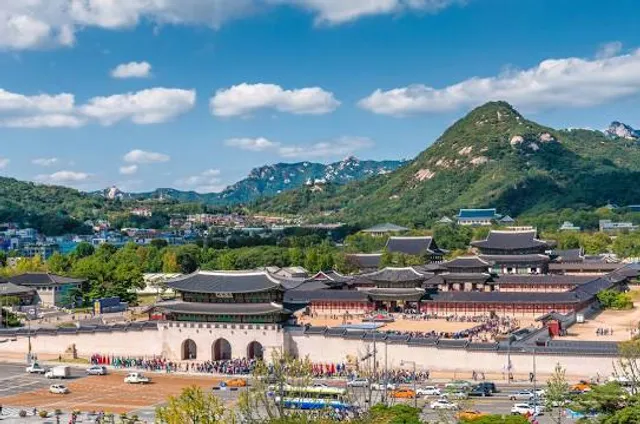
Basic Info
Gyeongbokgung Palace
161 Sajik-ro, Jongno District, Seoul, South Korea
4.6(16.2K)
Closed


tickets
Save
spot
spot
Ratings & Description
Info
Gyeongbokgung, also known as Gyeongbokgung Palace, was the main royal palace of the Joseon dynasty. Built in 1395, it is located in northern Seoul, South Korea. The largest of the Five Grand Palaces built by the Joseon dynasty, Gyeongbokgung served as the home of the royal family and the seat of government.
Cultural
Outdoor
Family friendly
attractions: Gyeonghoeru Pavilion, Geunjeongjeon, The National Folk Museum of Korea, Sajeongjeon (King's Office), Gyotaejeon (Queen's Residence), National Palace Museum of Korea, Cheonchujeon, Heumgyeonggak (Planetarium), Gwanghwamun Gate, Sujeongjeon, restaurants: Hwangsaengga Kalguksu, Blue Bottle Samcheong Cafe, Baekmidang Samcheong, O'sulloc Tea House MMCA Branch, Smith Hanok, Tosokchon Samgyetang, Nuldam Space - Gyeongbok Palace branch, Ra Cafe Gallery, 애즈라이크, HOME KOREAN CUISINE, local businesses: Gyeonghoeru, Gangnyeongjeon (King's Residence), National Museum of Modern and Contemporary Art, Seoul, MMCA (National Museum of Modern and Contemporary Art) Seoul, Site of Injidang 麟趾堂, Cultural Foundation, National Museum of Modern and Contemporary Art, Hanboknam 韓服男, 3355 HANBOK - Gyeongbokgung Palace Store, Heungnyemun, Seoul Metro Art Center
 Learn more insights from Wanderboat AI.
Phone
+82 2-3700-3900
Website
royal.khs.go.kr
Open hoursSee all hours
Sun9 a.m. - 6 p.m.Closed
Plan your stay

Pet-friendly Hotels in Seoul
Find a cozy hotel nearby and make it a full experience.

Affordable Hotels in Seoul
Find a cozy hotel nearby and make it a full experience.

The Coolest Hotels You Haven't Heard Of (Yet)
Find a cozy hotel nearby and make it a full experience.

Trending Stays Worth the Hype in Seoul
Find a cozy hotel nearby and make it a full experience.
Reviews
Live events
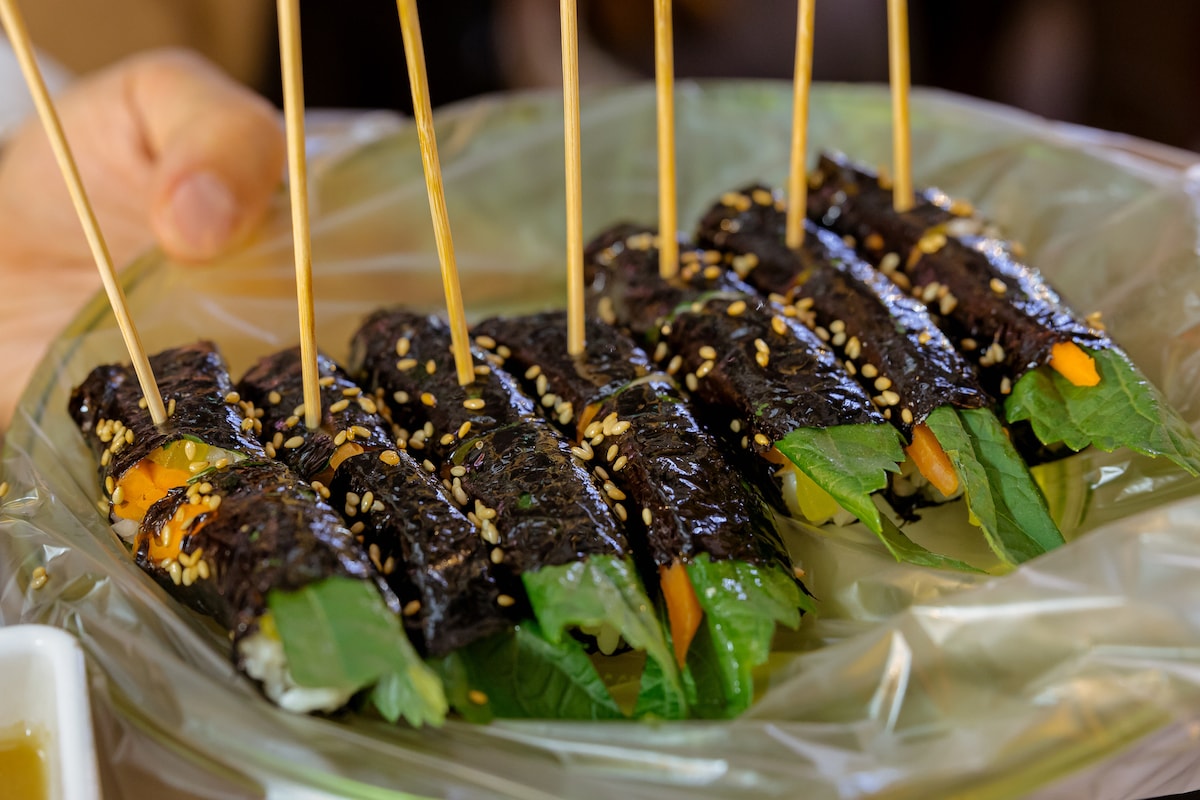
Explore night market food
Sun, Feb 22 • 6:00 PM
Seoul, 종로5.6가동, 종로구, 03195, South Korea
View details
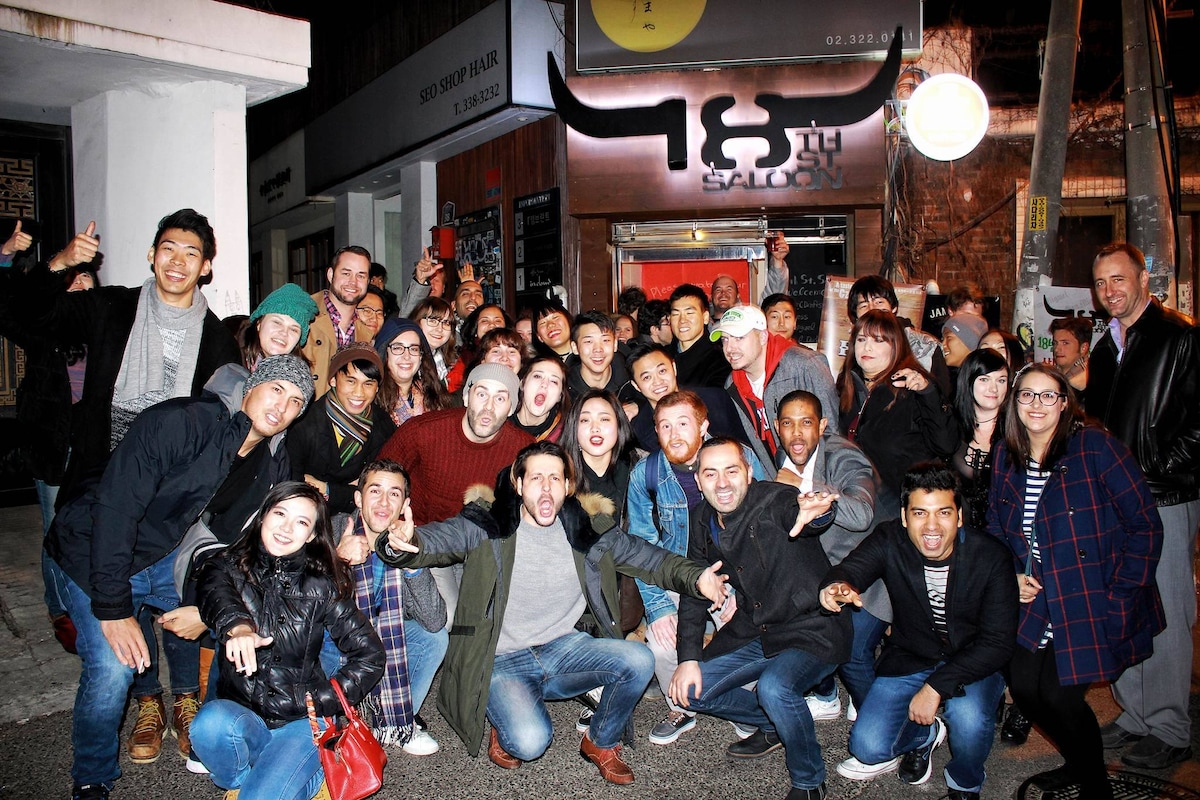
Seoul Pub Crawl
Sat, Feb 21 • 8:00 PM
Seoul, Mapo-gu, 04049, South Korea
View details
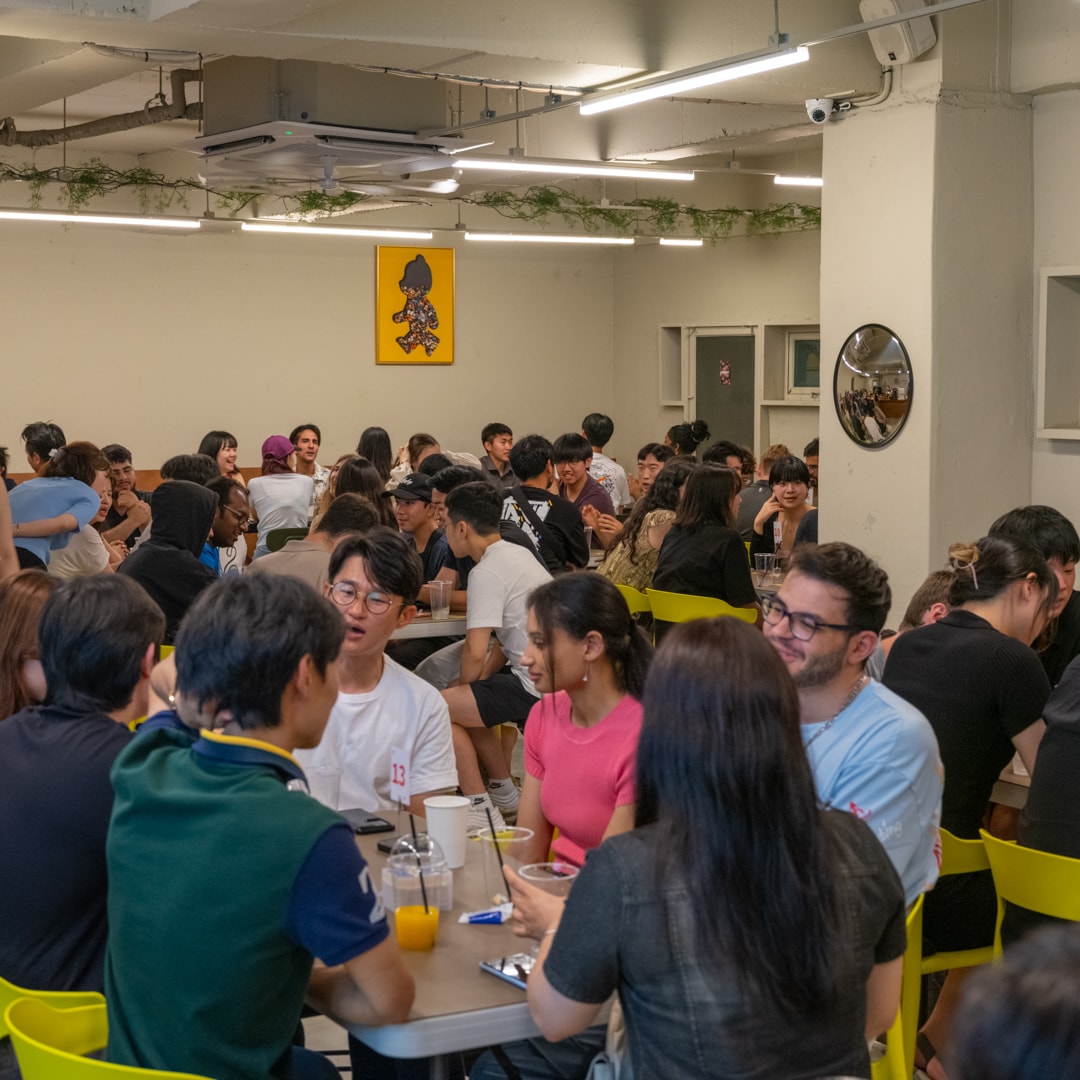
International Language Exchange In Hongdae
Wed, Feb 25 • 7:00 PM
Seoul, Seoul, 04049, South Korea
View details
Nearby attractions of Gyeongbokgung Palace
Gyeonghoeru Pavilion
Geunjeongjeon
The National Folk Museum of Korea
Sajeongjeon (King's Office)
Gyotaejeon (Queen's Residence)
National Palace Museum of Korea
Cheonchujeon
Heumgyeonggak (Planetarium)
Gwanghwamun Gate
Sujeongjeon
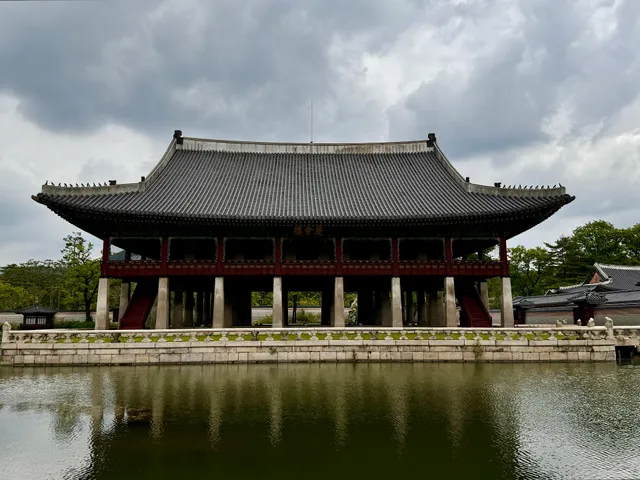
Gyeonghoeru Pavilion
4.8
(238)
Open 24 hours
Click for details
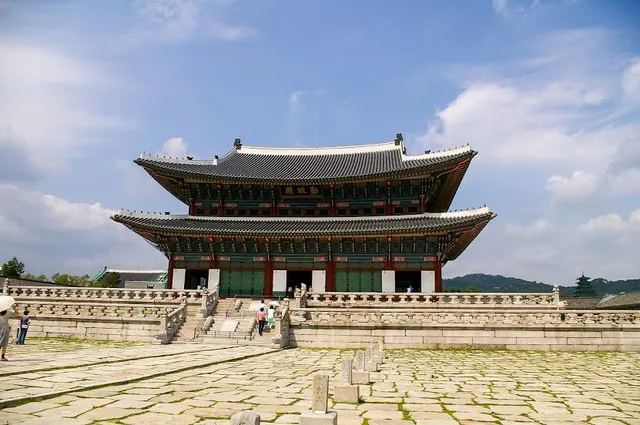
Geunjeongjeon
4.7
(205)
Closed
Click for details
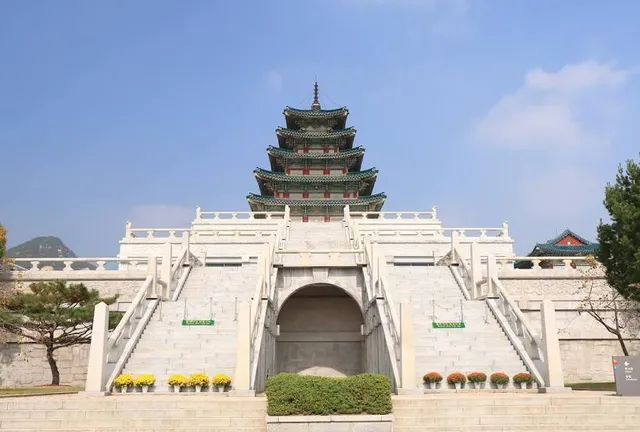
The National Folk Museum of Korea
4.6
(1.6K)
Closed
Click for details
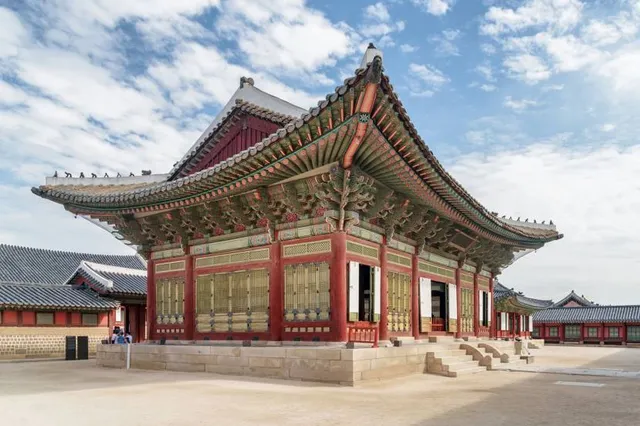
Sajeongjeon (King's Office)
4.7
(46)
Closed
Click for details
Nearby restaurants of Gyeongbokgung Palace
Hwangsaengga Kalguksu
Blue Bottle Samcheong Cafe
Baekmidang Samcheong
O'sulloc Tea House MMCA Branch
Smith Hanok
Tosokchon Samgyetang
Nuldam Space - Gyeongbok Palace branch
Ra Cafe Gallery
애즈라이크
HOME KOREAN CUISINE
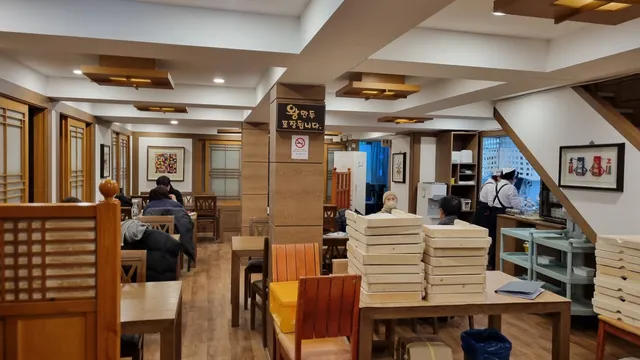
Hwangsaengga Kalguksu
4.2
(1.4K)
Closed
Click for details
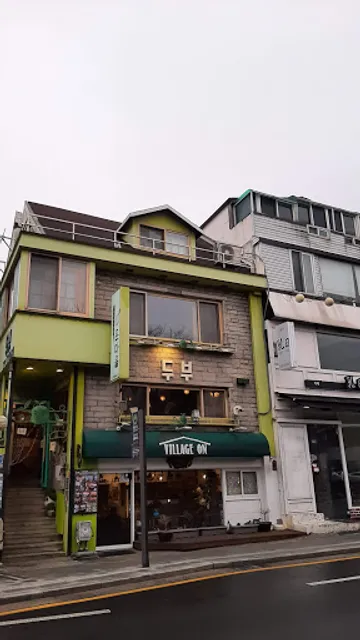
Blue Bottle Samcheong Cafe
4.0
(1.0K)
Closed
Click for details
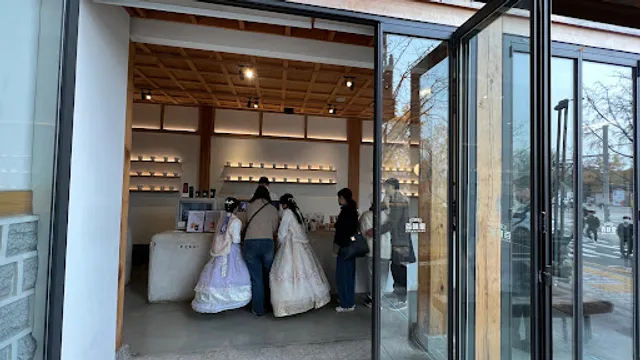
Baekmidang Samcheong
4.4
(274)
Closed
Click for details
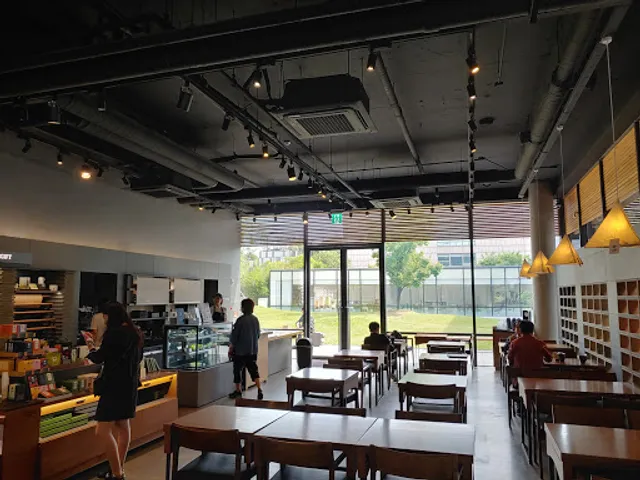
O'sulloc Tea House MMCA Branch
4.6
(521)
Closed
Click for details
Nearby local services of Gyeongbokgung Palace
Gyeonghoeru
Gangnyeongjeon (King's Residence)
National Museum of Modern and Contemporary Art, Seoul
MMCA (National Museum of Modern and Contemporary Art) Seoul
Site of Injidang 麟趾堂
Cultural Foundation, National Museum of Modern and Contemporary Art
Hanboknam 韓服男
3355 HANBOK - Gyeongbokgung Palace Store
Heungnyemun
Seoul Metro Art Center
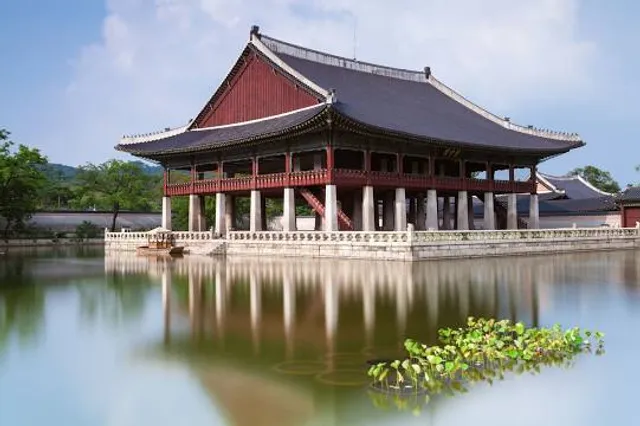
Gyeonghoeru
4.8
(127)
Click for details
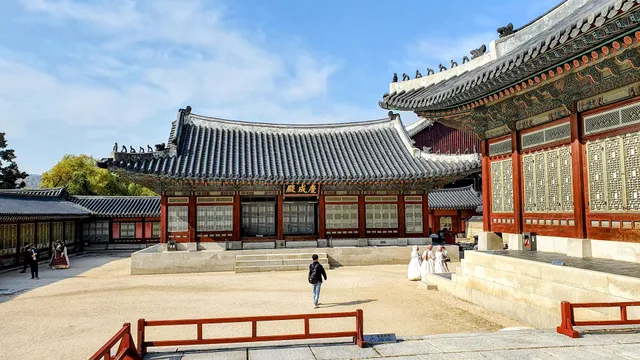
Gangnyeongjeon (King's Residence)
4.8
(30)
Click for details
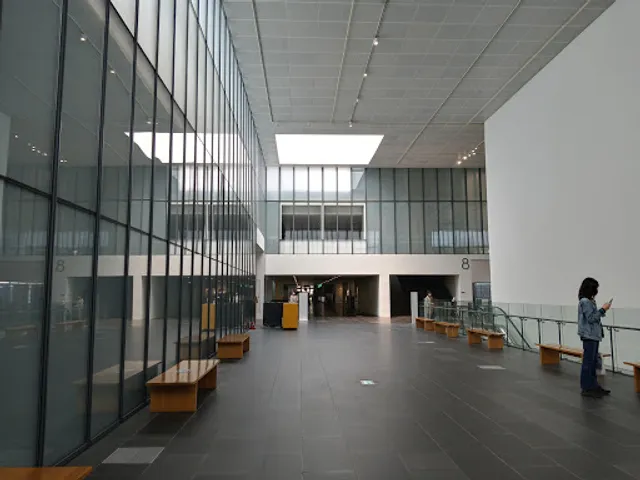
National Museum of Modern and Contemporary Art, Seoul
4.6
(1.7K)
Click for details
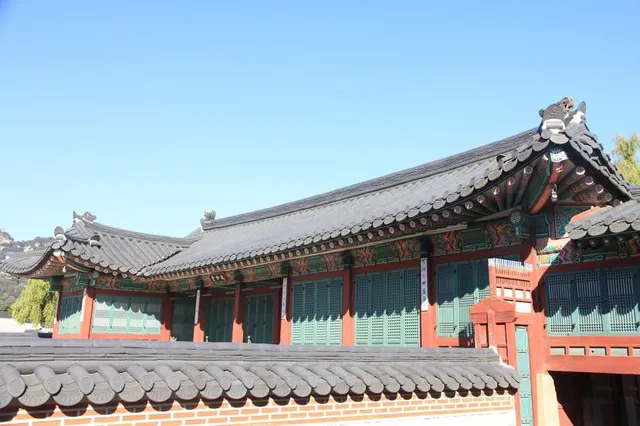
MMCA (National Museum of Modern and Contemporary Art) Seoul
4.6
(1.2K)
Click for details