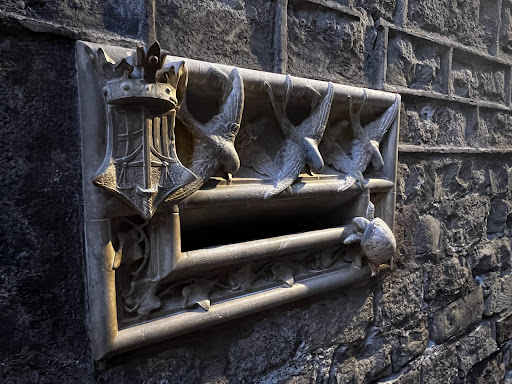
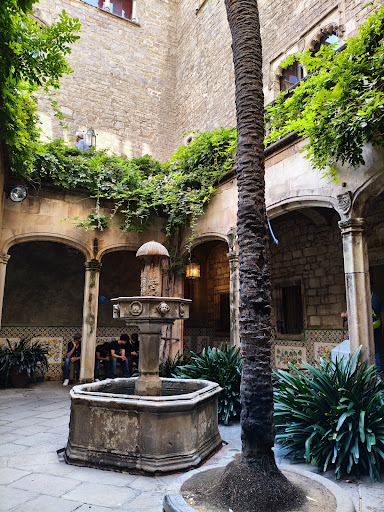
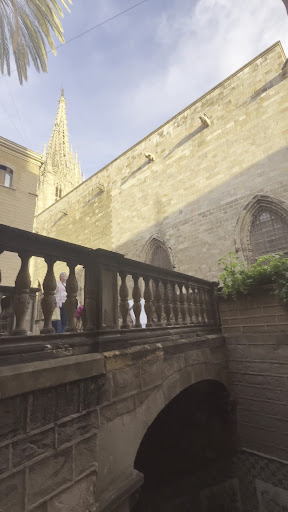
Casa de l'Ardiaca things to do, attractions, restaurants, events info and trip planning
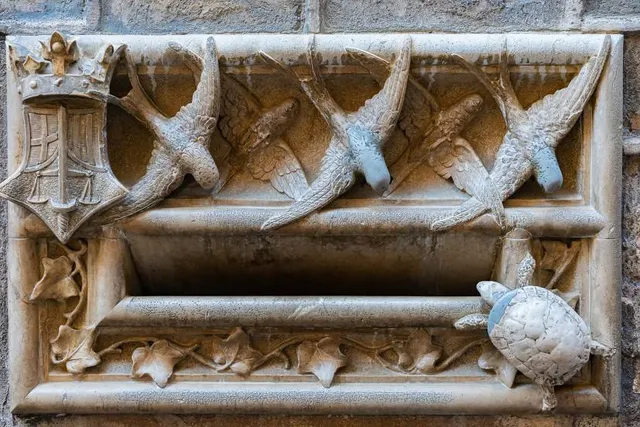
Basic Info
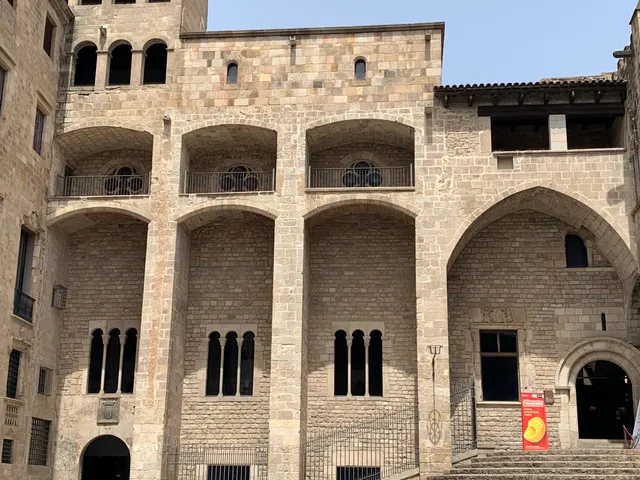
Casa de l'Ardiaca
Carrer de Santa Llúcia, 1, Ciutat Vella, 08002 Barcelona, Spain
4.6(288)
Open until 2:00 PM
Save
spot
spot
Ratings & Description
Info
Cultural
Scenic
Accessibility
attractions: Cathedral of Barcelona, Saint James's Square, Museu Frederic Marès, Barcelona History Museum MUHBA, Reial Cercle Artístic de Barcelona, Pont del Bisbe, The World Comes To Life With Each Kiss, Temple d'August, Basílica de Santa Maria del Pi, Palau de la Música Catalana, restaurants: Bilbao Berria, The Steak house, Bun Bo Barcelona - Vietnamese Inspired Food, La Alcoba Azul, Cercle, Gelaaati DI MARCO., El Cafè d'en Víctor, Restaurant Taverna del Bisbe, Estruch Cafe-Restaurant, Jesús Restaurant, local businesses: Plaça de Sant Jaume, Sant Felip Neri Square, DonkeyTours Barcelona, Plaça del Rei, ELIJAH Salon | Barber | Tattoo - Laietana, Decathlon, Real Círculo Artístico de Barcelona, Collect, Käthe Wohlfahrt, MUHBA Templo de Augusto
 Learn more insights from Wanderboat AI.
Phone
+34 932 56 22 55
Website
barcelona.cat
Open hoursSee all hours
Fri9:30 AM - 2 PM, 3 - 7:30 PMOpen
Plan your stay

Pet-friendly Hotels in Barcelona
Find a cozy hotel nearby and make it a full experience.

Affordable Hotels in Barcelona
Find a cozy hotel nearby and make it a full experience.

The Coolest Hotels You Haven't Heard Of (Yet)
Find a cozy hotel nearby and make it a full experience.

Trending Stays Worth the Hype in Barcelona
Find a cozy hotel nearby and make it a full experience.
Reviews
Live events
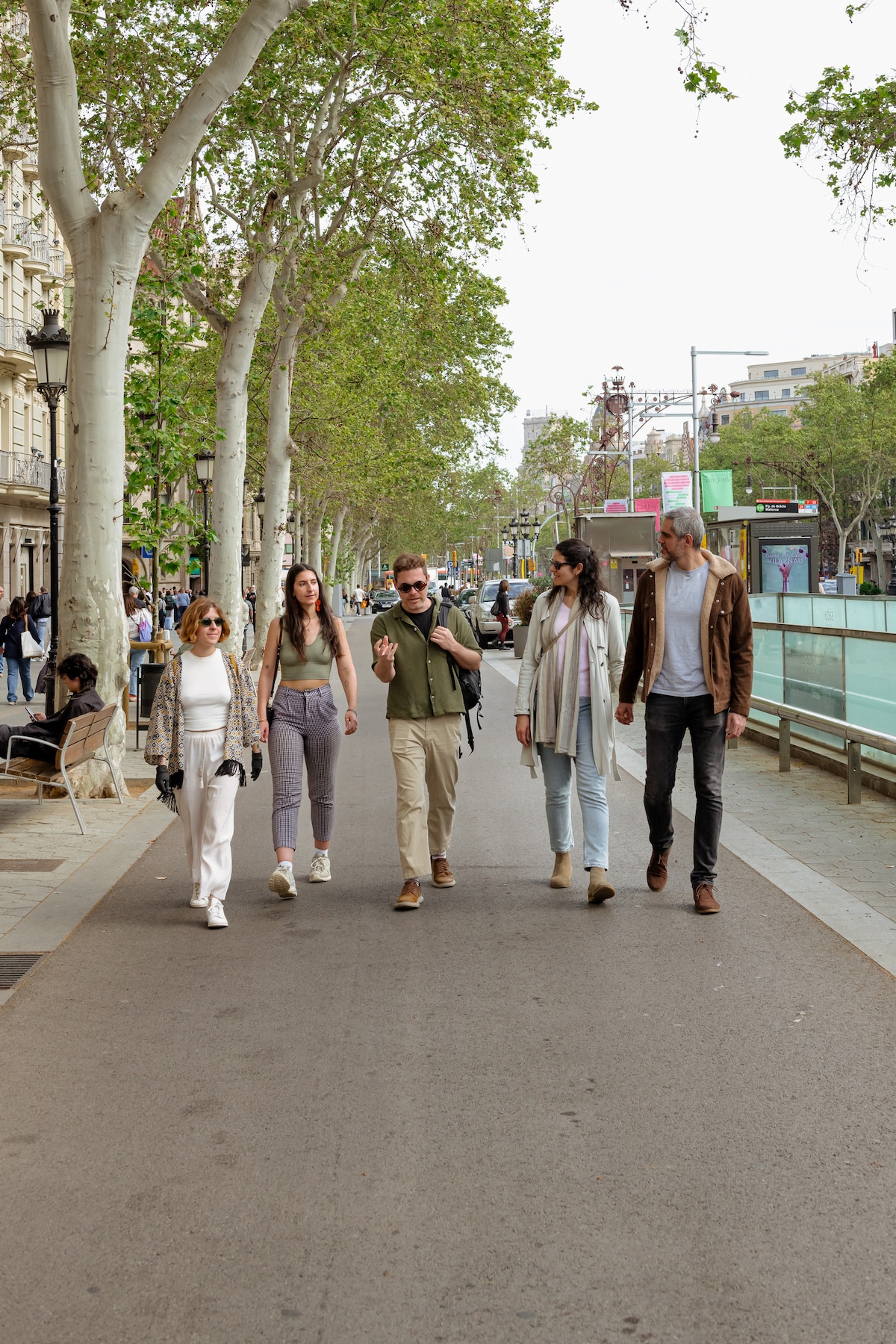
Sagrada Familia Sunset and Gaudi Tour
Fri, Feb 27 • 3:00 PM
08007, Barcelona, Catalonia, Spain
View details
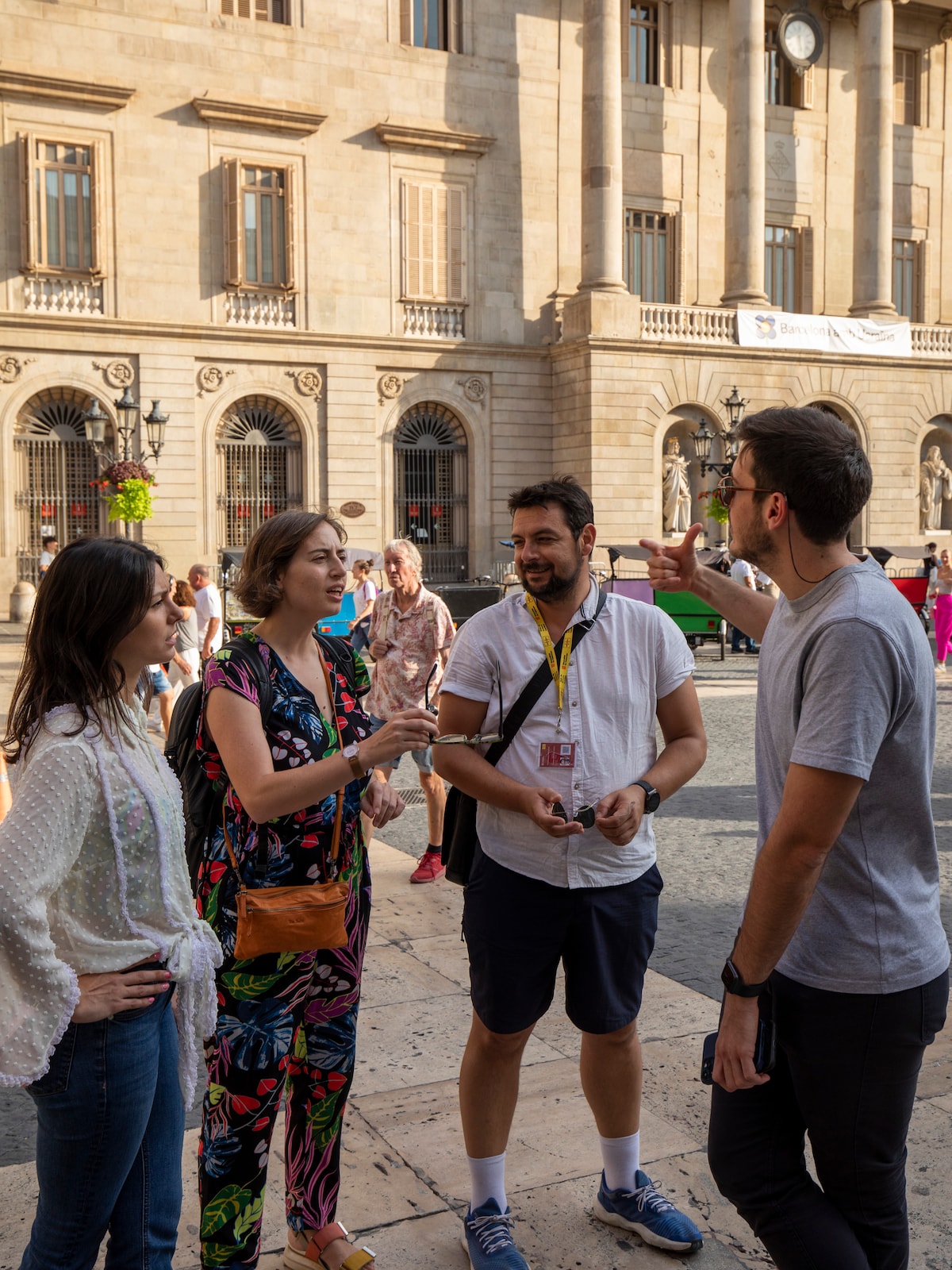
Step inside the Sagrada Familia with a guide
Sat, Feb 28 • 3:00 PM
08025, Barcelona, Catalonia, Spain
View details
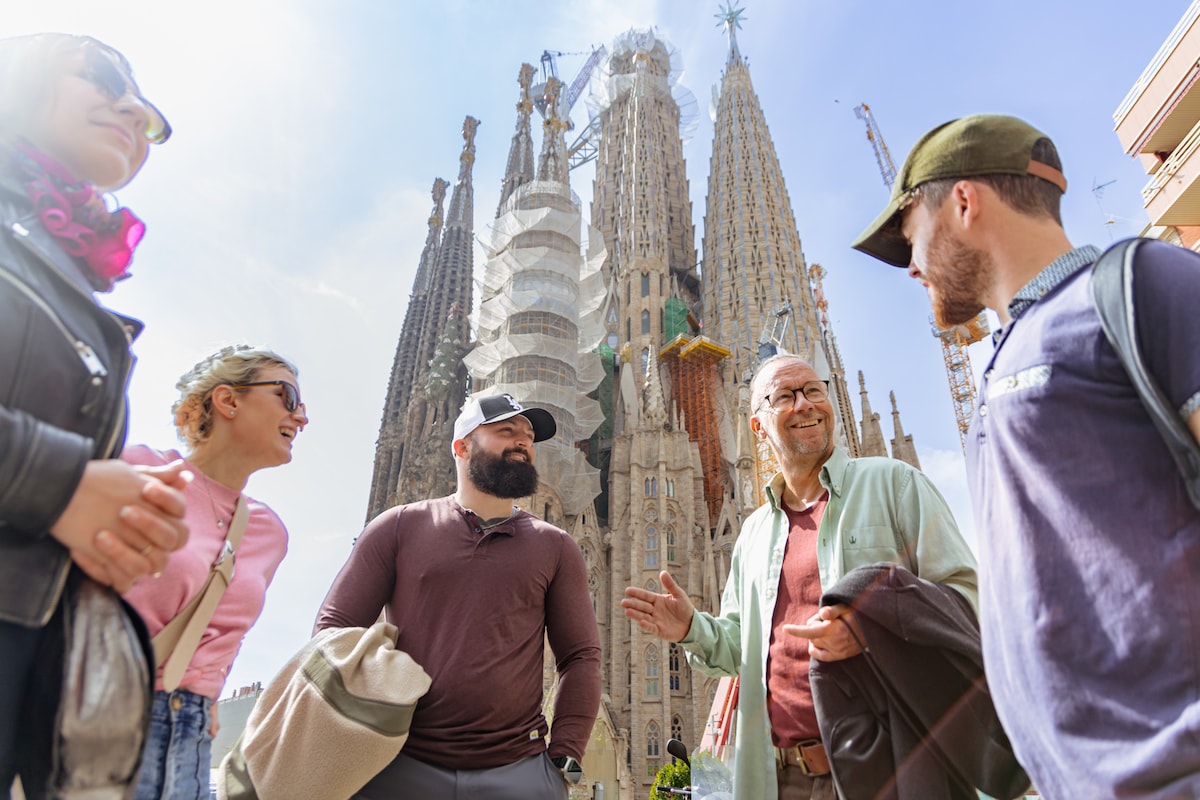
Introduction to Gaudí - Walk to Sagrada Família
Sat, Feb 28 • 9:30 AM
08002, Barcelona, Catalonia, Spain
View details
Nearby attractions of Casa de l'Ardiaca
Cathedral of Barcelona
Saint James's Square
Museu Frederic Marès
Barcelona History Museum MUHBA
Reial Cercle Artístic de Barcelona
Pont del Bisbe
The World Comes To Life With Each Kiss
Temple d'August
Basílica de Santa Maria del Pi
Palau de la Música Catalana
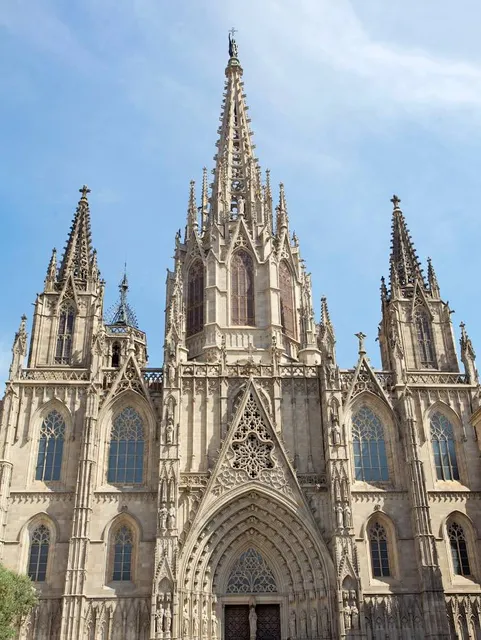
Cathedral of Barcelona
4.6
(28.2K)
Open until 5:45 PM
Click for details
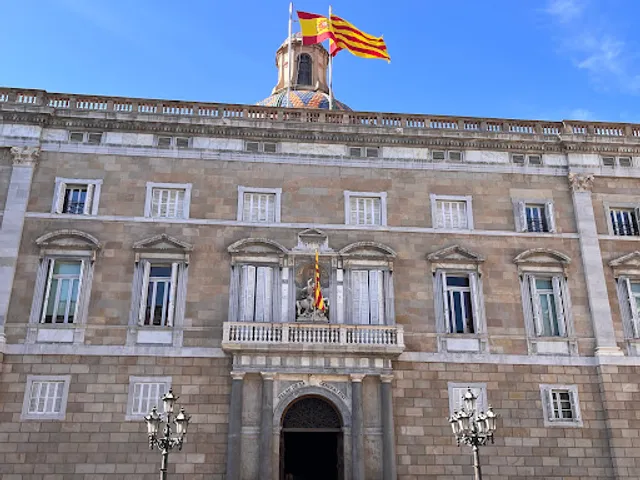
Saint James's Square
4.4
(6.8K)
Open until 12:00 AM
Click for details

Museu Frederic Marès
4.5
(1.3K)
Open until 7:00 PM
Click for details
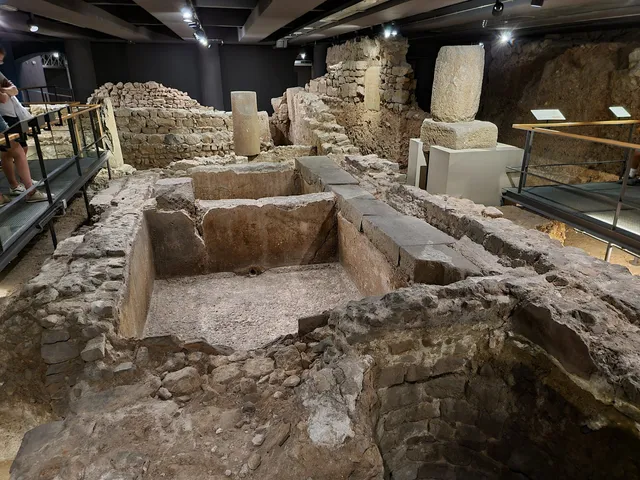
Barcelona History Museum MUHBA
4.6
(2.4K)
Open until 7:00 PM
Click for details
Nearby restaurants of Casa de l'Ardiaca
Bilbao Berria
The Steak house
Bun Bo Barcelona - Vietnamese Inspired Food
La Alcoba Azul
Cercle
Gelaaati DI MARCO.
El Cafè d'en Víctor
Restaurant Taverna del Bisbe
Estruch Cafe-Restaurant
Jesús Restaurant
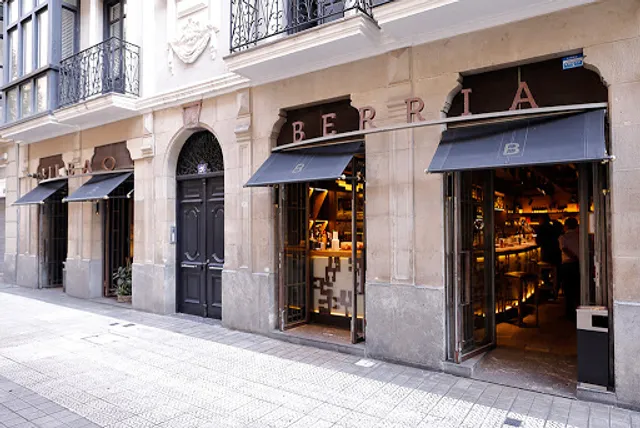
Bilbao Berria
4.2
(3K)
Open until 12:30 AM
Click for details
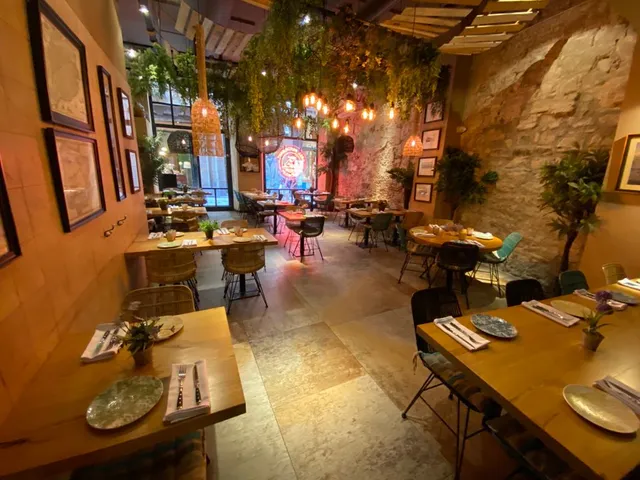
The Steak house
4.7
(3.1K)
Closed
Click for details
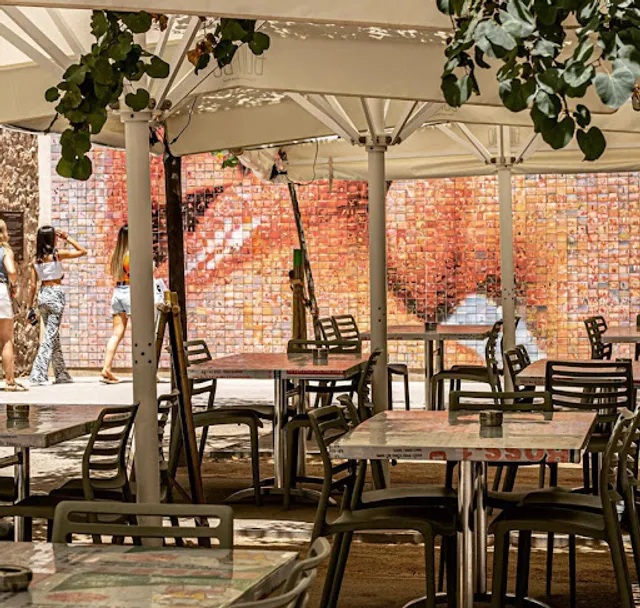
Bun Bo Barcelona - Vietnamese Inspired Food
4.3
(2.4K)
Open until 11:30 PM
Click for details
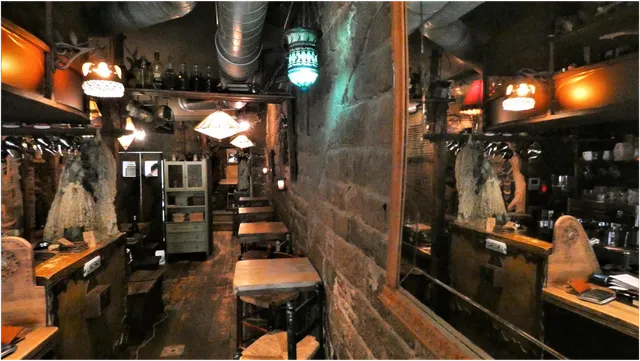
La Alcoba Azul
4.7
(2.2K)
Open until 1:00 AM
Click for details
Nearby local services of Casa de l'Ardiaca
Plaça de Sant Jaume
Sant Felip Neri Square
DonkeyTours Barcelona
Plaça del Rei
ELIJAH Salon | Barber | Tattoo - Laietana
Decathlon
Real Círculo Artístico de Barcelona
Collect
Käthe Wohlfahrt
MUHBA Templo de Augusto
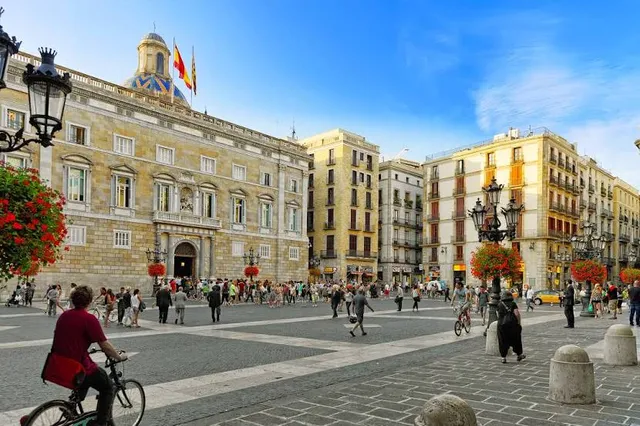
Plaça de Sant Jaume
4.4
(6.3K)
Click for details
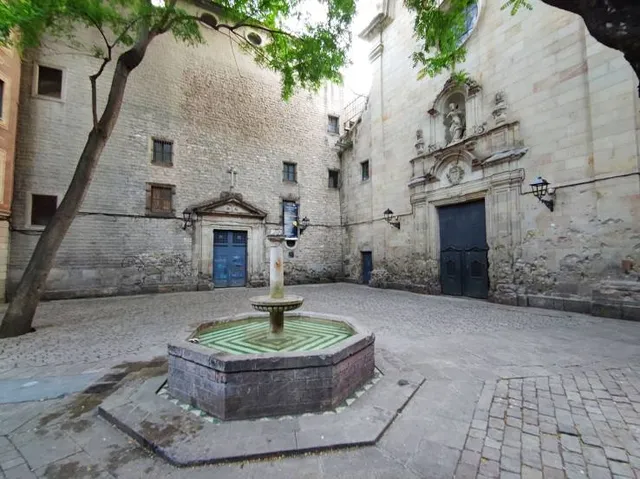
Sant Felip Neri Square
4.7
(1.5K)
Click for details

DonkeyTours Barcelona
4.9
(451)
Click for details
Plaça del Rei
4.6
(1.7K)
Click for details