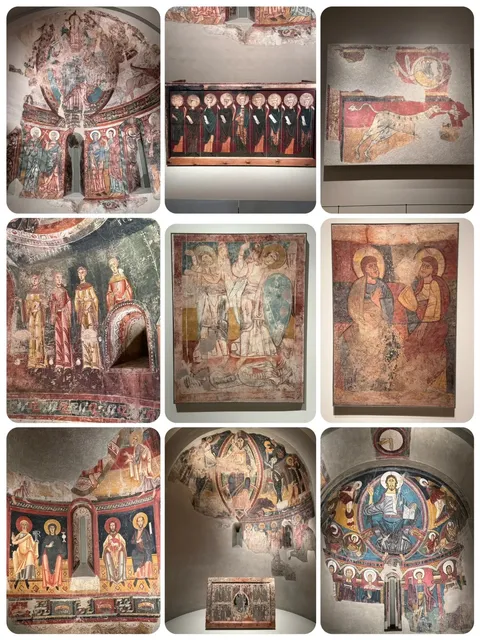
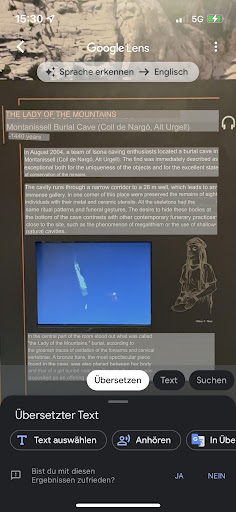
Catalan Museum of Archaeology things to do, attractions, restaurants, events info and trip planning
Basic Info
Catalan Museum of Archaeology
Passeig de Santa Madrona, 39, Sants-Montjuïc, 08038 Barcelona, Spain
4.5(1.2K)
Closed
Save
spot
spot
Ratings & Description
Info
The Archaeology Museum of Catalonia is an archaeological museum with five venues that exposes the most important archaeological collection of Catalonia, focusing on prehistoric times and ancient history. The museum was originally founded in 1932 by the Republican Government of Catalonia.
Cultural
Accessibility
attractions: Joan Miró Foundation, Teatre Grec, Jardins de Laribal, Museu Nacional d'Art de Catalunya, Museu Etnològic de Barcelona, Magic Fountain of Montjuïc, Montjuïc National Palace, Telefèric de Montjuïc (Barcelona Cable Car), Lluís Companys Olympic Stadium, Lluís Companys Olympic Stadium, restaurants: Petit Montjuïc, Mescladís | Montjuïc, La Font del Gat, Xemei, Santamadre Carn, peix i marisc, Oakanda - Comida Mexicana - Brunch Bar, L' Antica Napoli, TAPS Bar, Veganashi, El Changarrito, local businesses: Institut Cartogràfic i Geològic de Catalunya, Museo Olímpico y del Deporte Joan Antoni Samaranch, Gelateria Pichi🍦, Mirador Barcelona, Carnival Meat Lab, Gymfira, Funicular de Montjuïc, BCN INK, Carrefour Express, Palau Victòria Eugènia
 Learn more insights from Wanderboat AI.
Phone
+34 934 23 21 49
Website
macbarcelona.cat
Open hoursSee all hours
Fri9:30 AM - 7 PMClosed
Plan your stay

Pet-friendly Hotels in Barcelona
Find a cozy hotel nearby and make it a full experience.

Affordable Hotels in Barcelona
Find a cozy hotel nearby and make it a full experience.

The Coolest Hotels You Haven't Heard Of (Yet)
Find a cozy hotel nearby and make it a full experience.

Trending Stays Worth the Hype in Barcelona
Find a cozy hotel nearby and make it a full experience.
Reviews
Live events
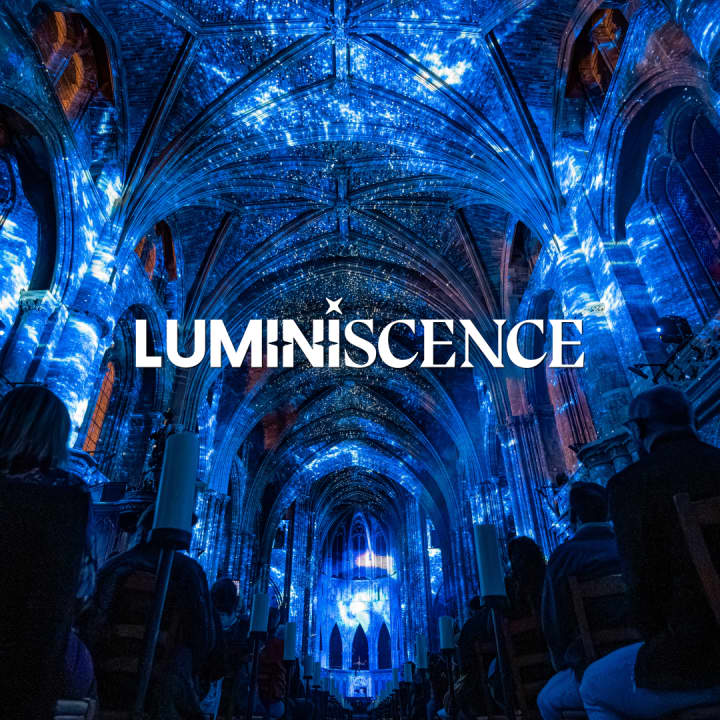
LUMINISCENCE: Sumérgete en los secretos de la Basílica Santa Maria del Pi
Fri, Feb 27 • 7:45 PM
Plaça del Pi, 7, Barcelona, 08002
View details
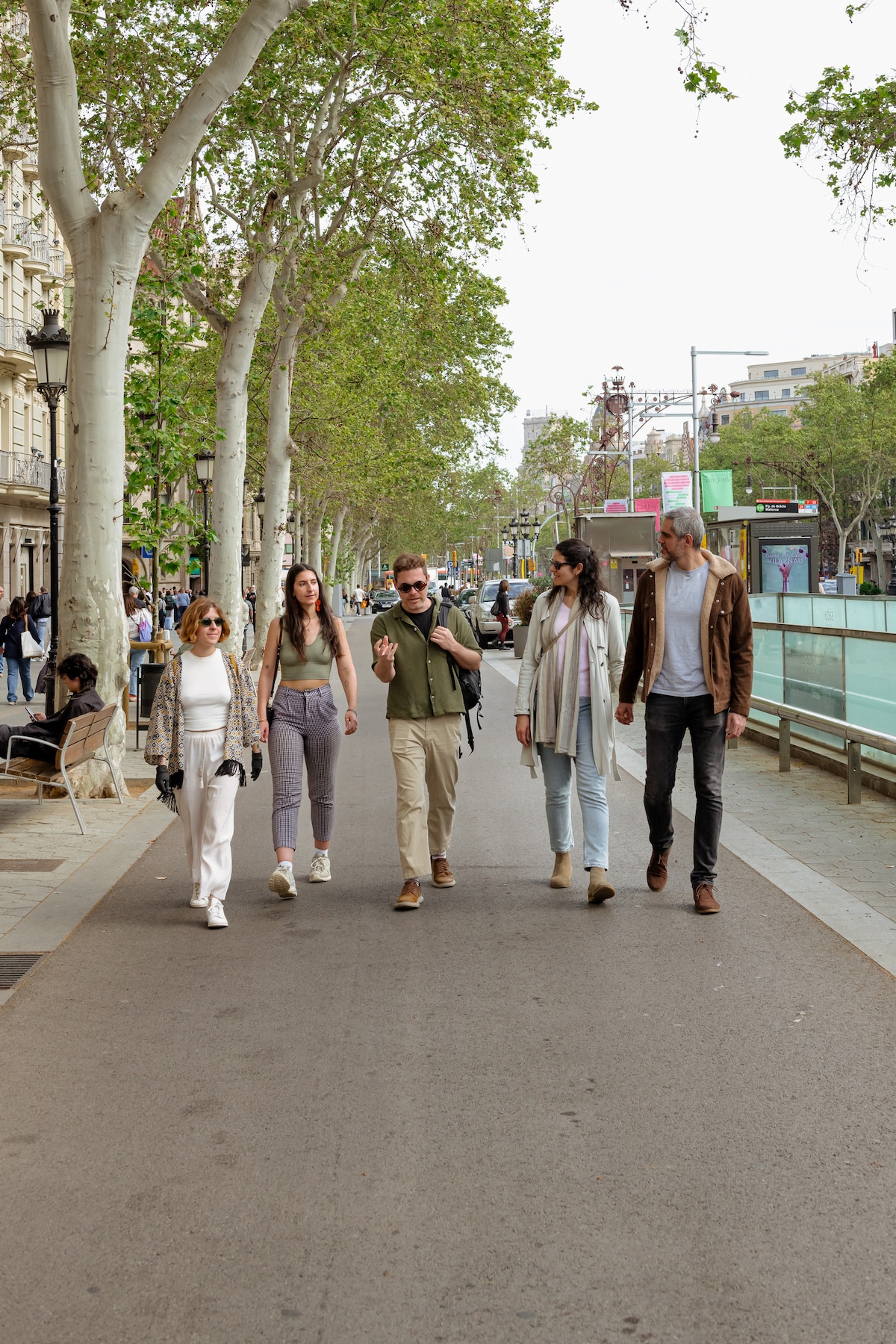
Sagrada Familia Sunset and Gaudi Tour
Fri, Feb 27 • 3:00 PM
08007, Barcelona, Catalonia, Spain
View details
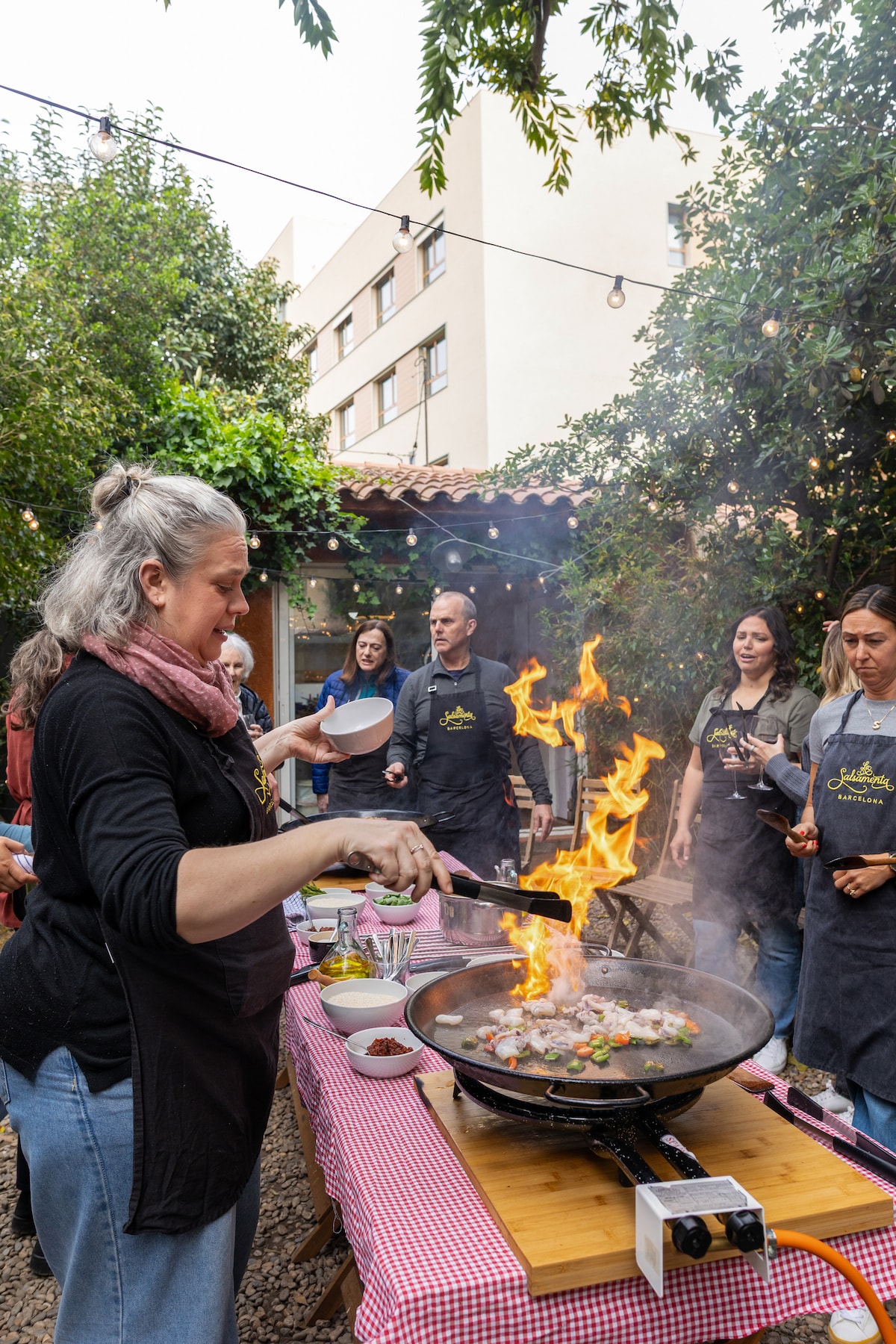
Paella in my secret garden
Sat, Feb 28 • 11:30 AM
08024, Barcelona, Catalonia, Spain
View details
Nearby attractions of Catalan Museum of Archaeology
Joan Miró Foundation
Teatre Grec
Jardins de Laribal
Museu Nacional d'Art de Catalunya
Museu Etnològic de Barcelona
Magic Fountain of Montjuïc
Montjuïc National Palace
Telefèric de Montjuïc (Barcelona Cable Car)
Lluís Companys Olympic Stadium
Lluís Companys Olympic Stadium
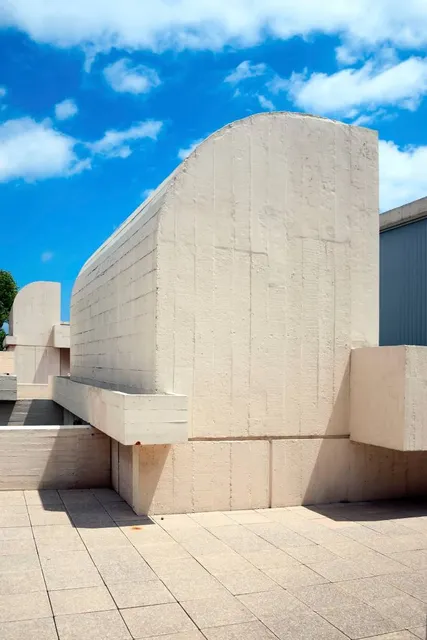
Joan Miró Foundation
4.5
(5.6K)
Closed
Click for details
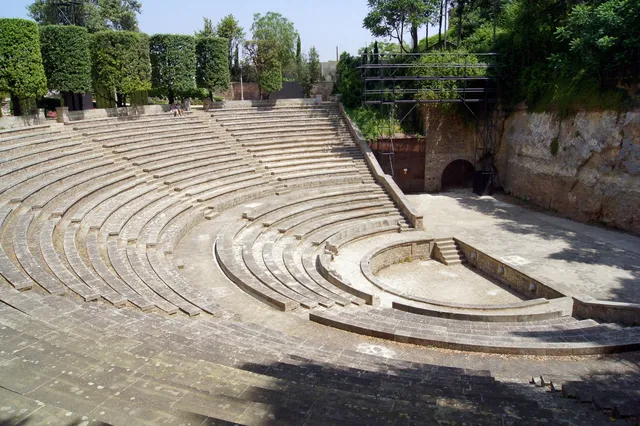
Teatre Grec
4.6
(2.8K)
Open 24 hours
Click for details
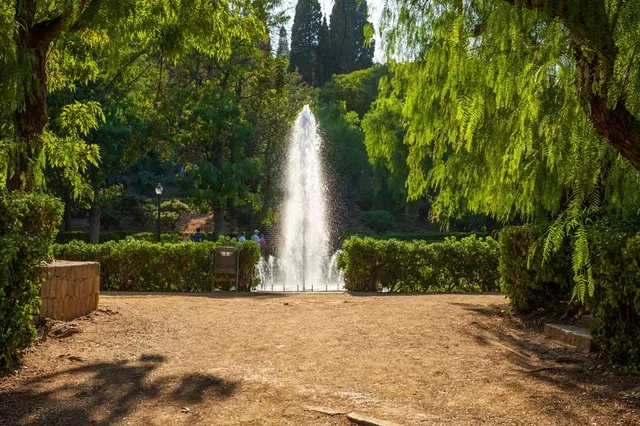
Jardins de Laribal
4.5
(1.3K)
Closed
Click for details

Museu Nacional d'Art de Catalunya
4.7
(14.2K)
Closed
Click for details
Nearby restaurants of Catalan Museum of Archaeology
Petit Montjuïc
Mescladís | Montjuïc
La Font del Gat
Xemei
Santamadre Carn, peix i marisc
Oakanda - Comida Mexicana - Brunch Bar
L' Antica Napoli
TAPS Bar
Veganashi
El Changarrito
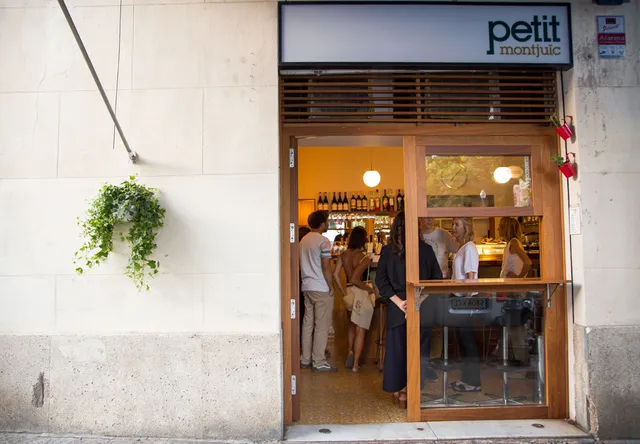
Petit Montjuïc
4.6
(358)
Closed
Click for details
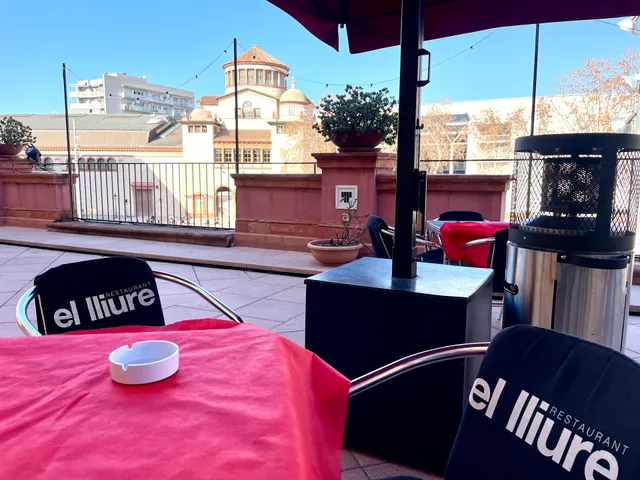
Mescladís | Montjuïc
4.3
(88)
Closed
Click for details
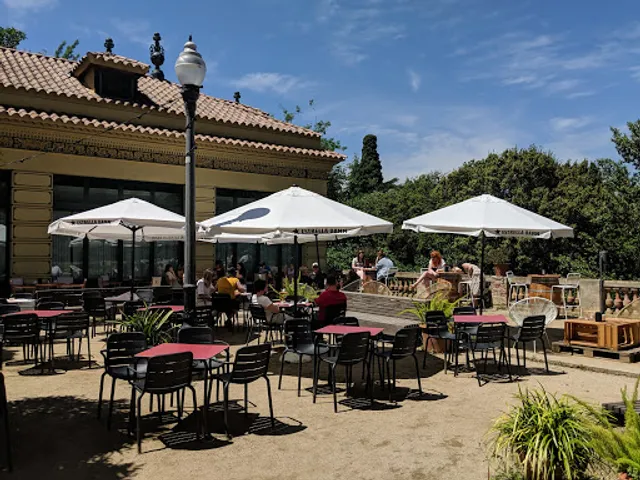
La Font del Gat
3.5
(397)
Click for details
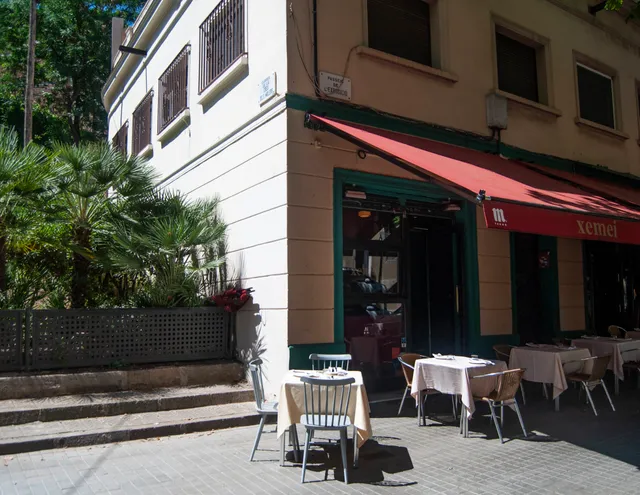
Xemei
4.4
(1.1K)
$$$
Closed
Click for details
Nearby local services of Catalan Museum of Archaeology
Institut Cartogràfic i Geològic de Catalunya
Museo Olímpico y del Deporte Joan Antoni Samaranch
Gelateria Pichi🍦
Mirador Barcelona
Carnival Meat Lab
Gymfira
Funicular de Montjuïc
BCN INK
Carrefour Express
Palau Victòria Eugènia
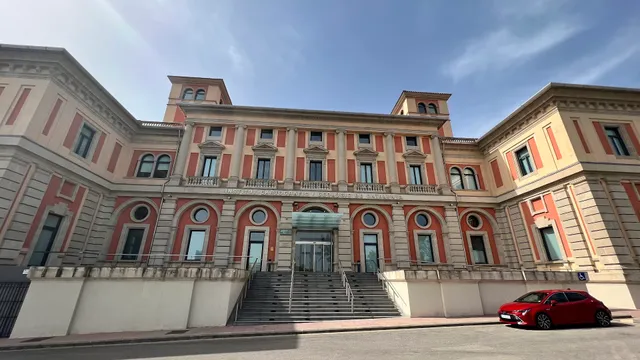
Institut Cartogràfic i Geològic de Catalunya
4.5
(94)
Click for details
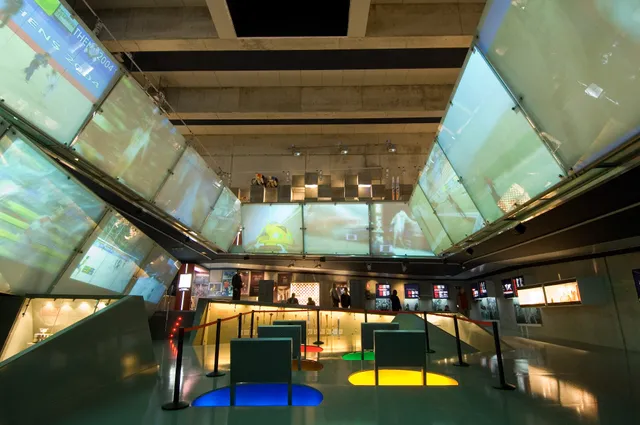
Museo Olímpico y del Deporte Joan Antoni Samaranch
4.4
(770)
Click for details

Gelateria Pichi🍦
4.5
(124)
Click for details

Mirador Barcelona
4.8
(273)
Click for details