Joan Miró Foundation things to do, attractions, restaurants, events info and trip planning
Basic Info
Joan Miró Foundation
Parc de Montjuïc, s/n, Sants-Montjuïc, 08038 Barcelona, Spain
4.5(5.8K)
Open until 12:00 AM


tickets
Save
spot
spot
Ratings & Description
Info
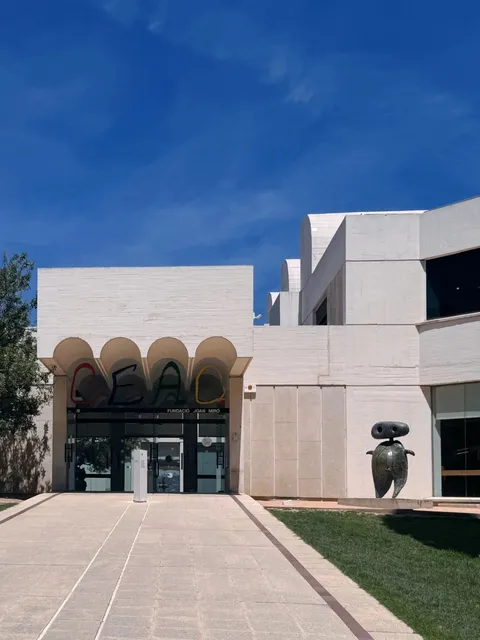
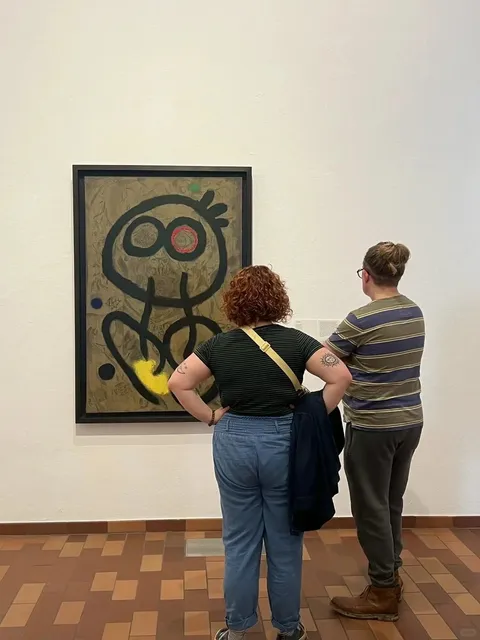
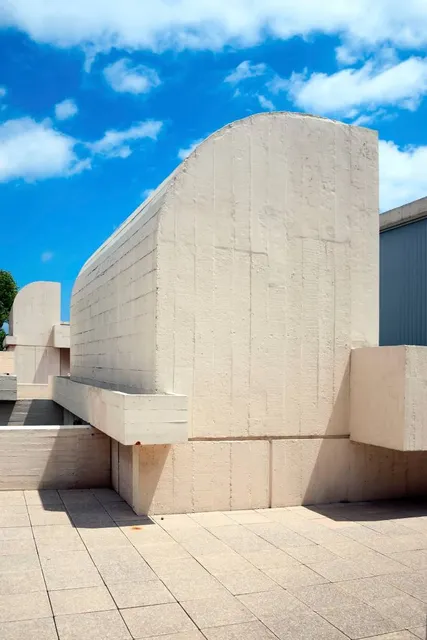
The Fundació Joan Miró is a museum of modern art honoring Joan Miró located on the hill called Montjuïc in Barcelona, Catalonia.
Cultural
Accessibility
attractions: Teatre Grec, Telefèric de Montjuïc (Barcelona Cable Car), Jardins de Laribal, Lluís Companys Olympic Stadium, Lluís Companys Olympic Stadium, Museu Nacional d'Art de Catalunya, Museu Olímpic i de l'Esport Joan Antoni Samaranch, Museu Etnològic de Barcelona, Jardins de Joan Maragall, Jardines de Mossèn Cinto Verdaguer, restaurants: Restaurant de la Fundació Joan Miró, Bar Marcelino, La Font del Gat, Xemei, El Xalet de Montjuïc, Petit Montjuïc, Restaurante de la Fundació Joan Miró, Mescladís | Montjuïc, De Paula Hamburgueseria, Salts - Terrassa Bar Montjuïc, local businesses: Catalan Museum of Archaeology, Museo Olímpico y del Deporte Joan Antoni Samaranch, Funicular de Montjuïc, Piscina Municipal de Montjuïc, Institut Cartogràfic i Geològic de Catalunya, Mirador Barcelona, Gelateria Pichi🍦, Palau Sant Jordi, Takeout BCN / Kafe Ragestan (cloud kitchens), Montjuïc
 Learn more insights from Wanderboat AI.
Phone
+34 934 43 94 70
Website
fmirobcn.org
Open hoursSee all hours
Tue10 AM - 7 PMOpen
Plan your stay

Pet-friendly Hotels in Barcelona
Find a cozy hotel nearby and make it a full experience.

Affordable Hotels in Barcelona
Find a cozy hotel nearby and make it a full experience.

The Coolest Hotels You Haven't Heard Of (Yet)
Find a cozy hotel nearby and make it a full experience.

Trending Stays Worth the Hype in Barcelona
Find a cozy hotel nearby and make it a full experience.
Reviews
Live events
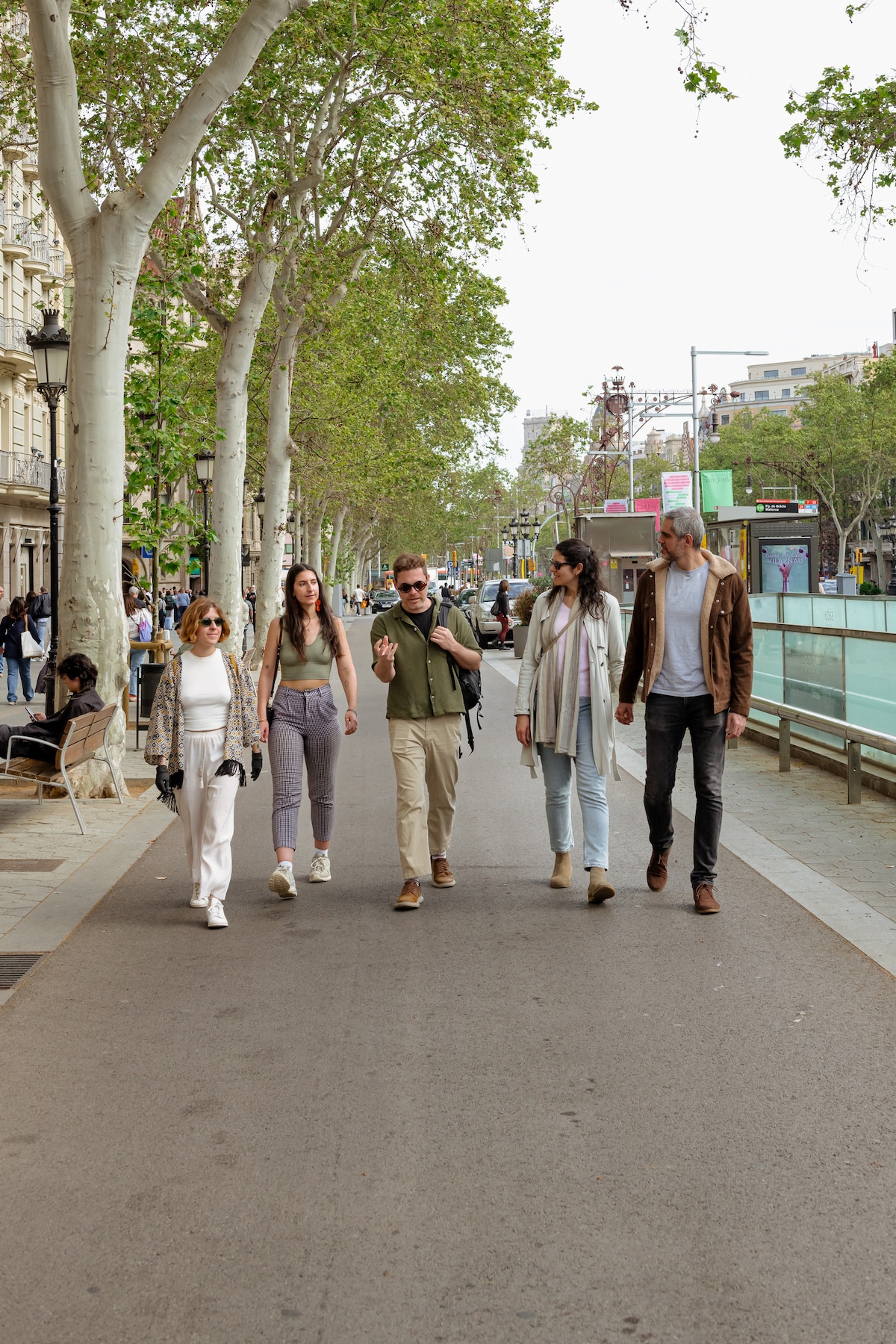
Sagrada Familia Sunset and Gaudi Tour
Tue, Feb 24 • 3:00 PM
08007, Barcelona, Catalonia, Spain
View details

LEONARDO VERSUS MICHELANGELO
Wed, Feb 25 • 12:00 PM
Carrer del Dr. Trueta, 196, 08005
View details
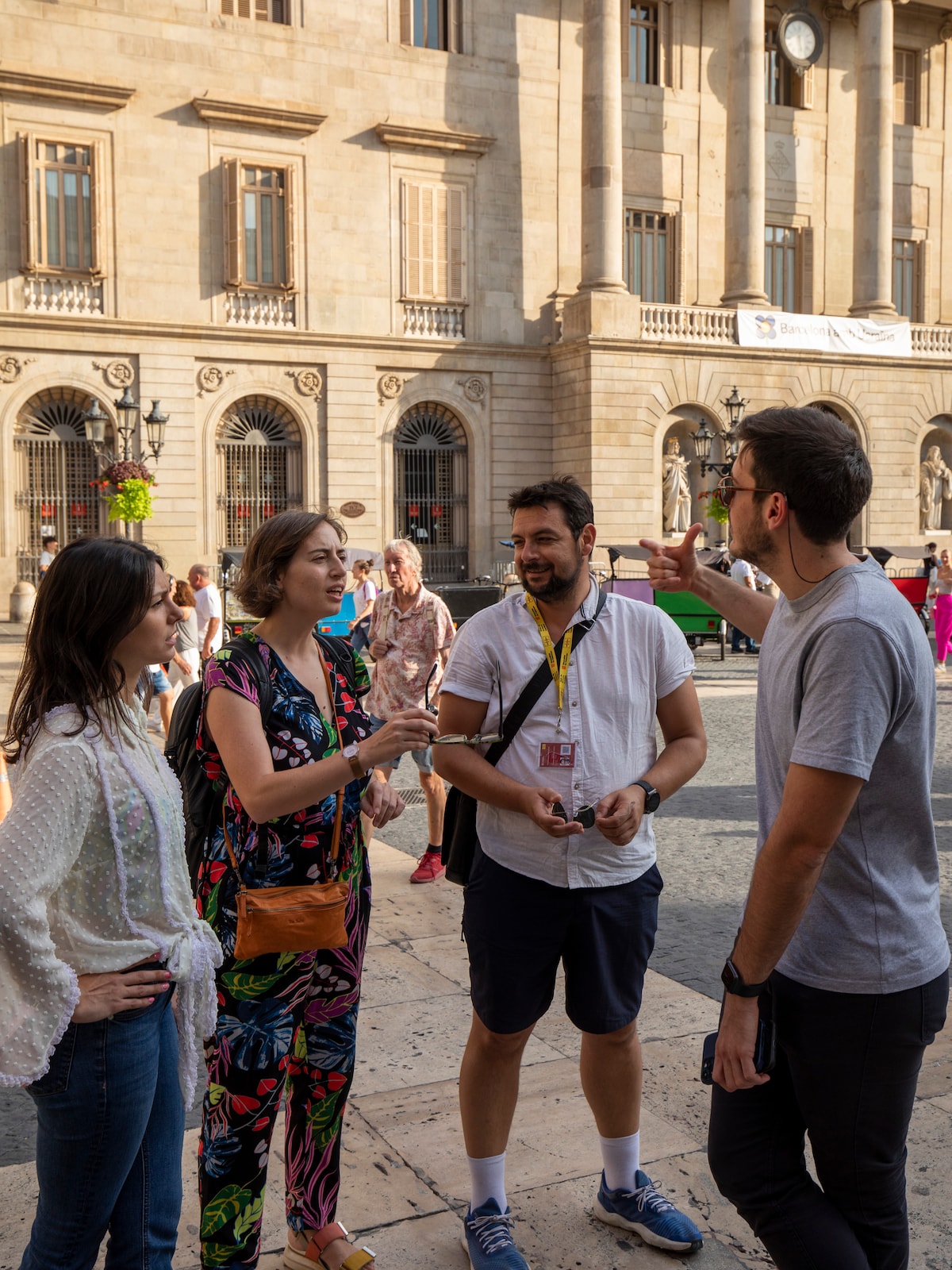
Step inside the Sagrada Familia with a guide
Wed, Feb 25 • 3:00 PM
08025, Barcelona, Catalonia, Spain
View details
Nearby attractions of Joan Miró Foundation
Teatre Grec
Telefèric de Montjuïc (Barcelona Cable Car)
Jardins de Laribal
Lluís Companys Olympic Stadium
Lluís Companys Olympic Stadium
Museu Nacional d'Art de Catalunya
Museu Olímpic i de l'Esport Joan Antoni Samaranch
Museu Etnològic de Barcelona
Jardins de Joan Maragall
Jardines de Mossèn Cinto Verdaguer
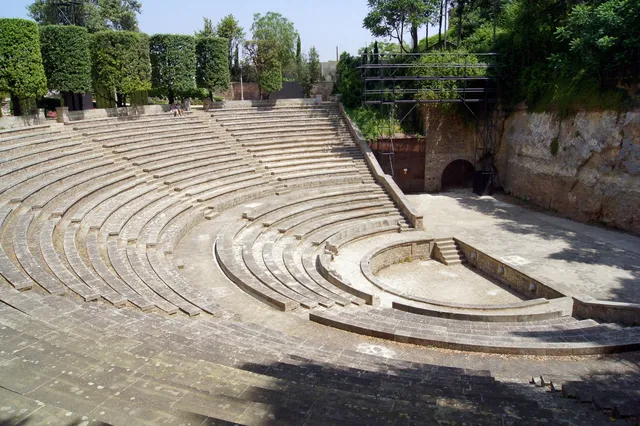
Teatre Grec
4.6
(2.6K)
Open 24 hours
Click for details
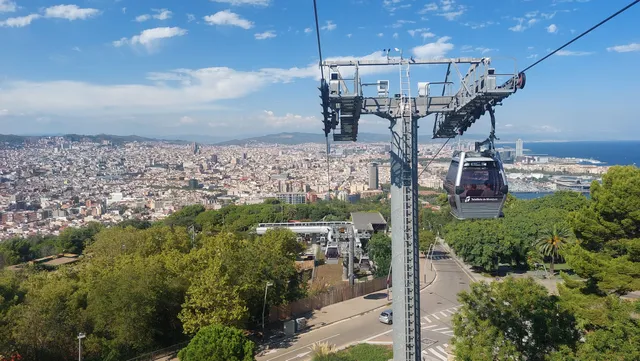
Telefèric de Montjuïc (Barcelona Cable Car)
4.4
(10.1K)
Open 24 hours
Click for details
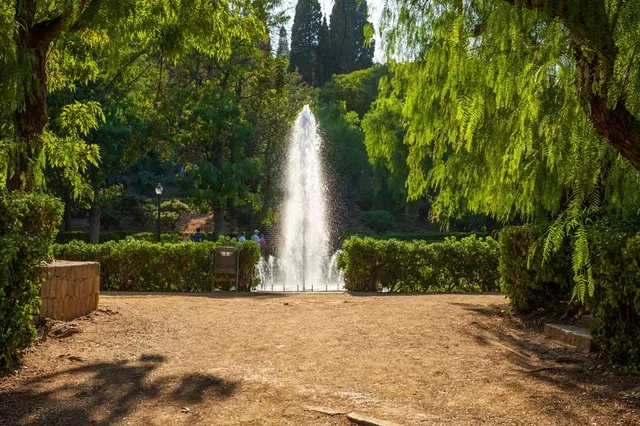
Jardins de Laribal
4.5
(1.3K)
Closed
Click for details
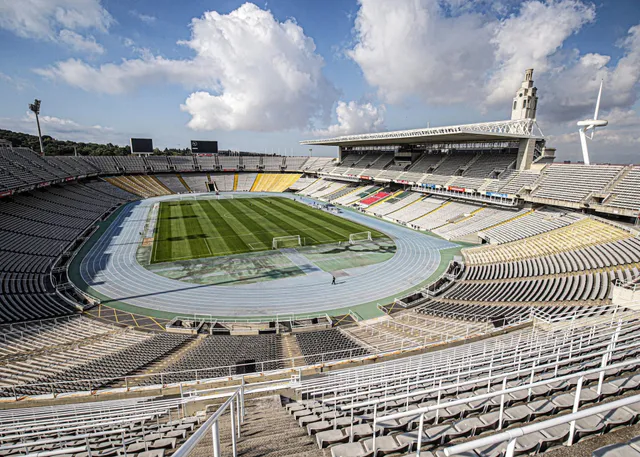
Lluís Companys Olympic Stadium
4.4
(9.2K)
Open 24 hours
Click for details
Nearby restaurants of Joan Miró Foundation
Restaurant de la Fundació Joan Miró
Bar Marcelino
La Font del Gat
Xemei
El Xalet de Montjuïc
Petit Montjuïc
Restaurante de la Fundació Joan Miró
Mescladís | Montjuïc
De Paula Hamburgueseria
Salts - Terrassa Bar Montjuïc
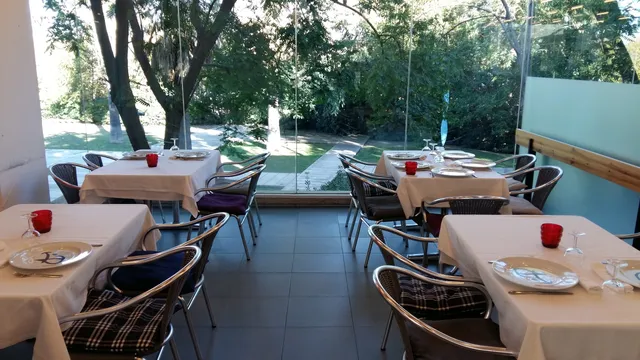
Restaurant de la Fundació Joan Miró
3.4
(72)
Open until 12:00 AM
Click for details
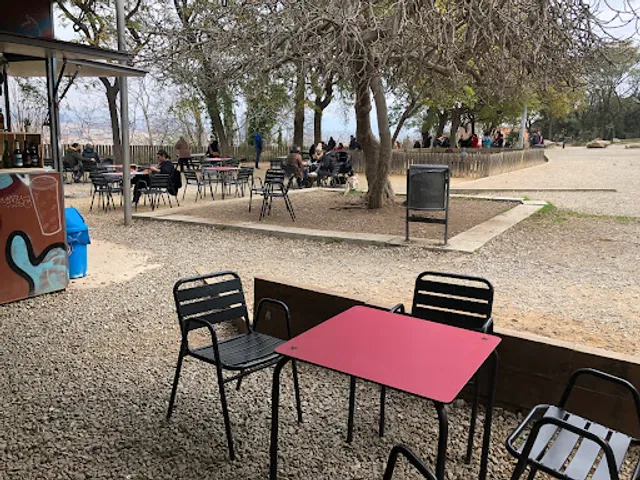
Bar Marcelino
4.4
(414)
Closed
Click for details
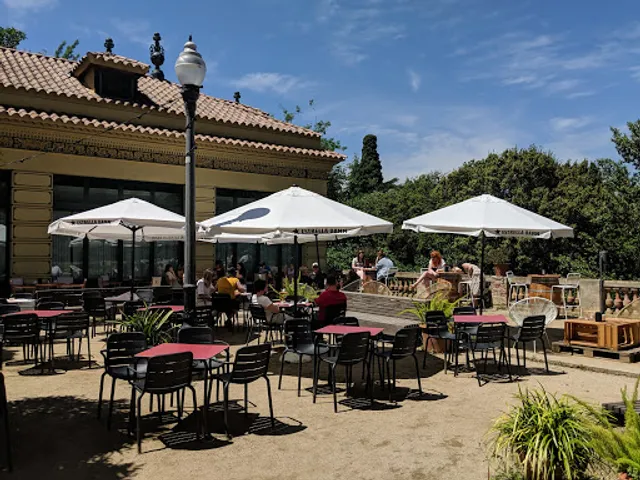
La Font del Gat
3.5
(383)
Click for details
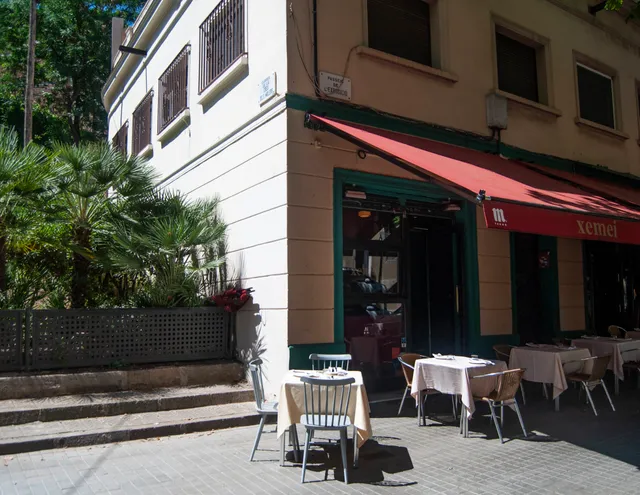
Xemei
4.4
(1.0K)
$$$
Closed
Click for details
Nearby local services of Joan Miró Foundation
Catalan Museum of Archaeology
Museo Olímpico y del Deporte Joan Antoni Samaranch
Funicular de Montjuïc
Piscina Municipal de Montjuïc
Institut Cartogràfic i Geològic de Catalunya
Mirador Barcelona
Gelateria Pichi🍦
Palau Sant Jordi
Takeout BCN / Kafe Ragestan (cloud kitchens)
Montjuïc
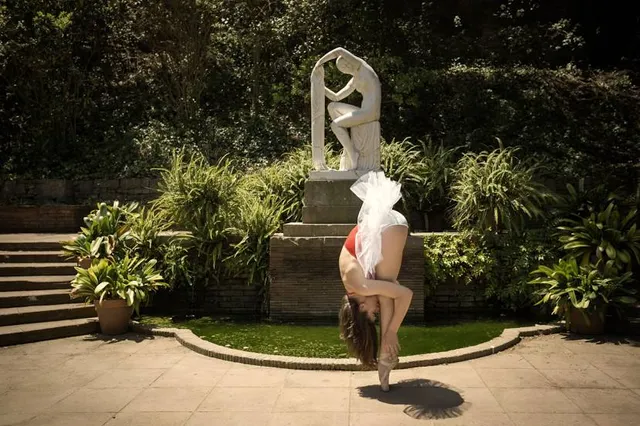
Catalan Museum of Archaeology
4.5
(1.2K)
Click for details
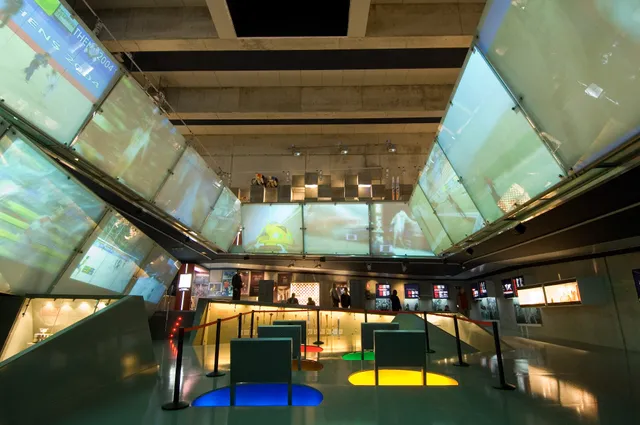
Museo Olímpico y del Deporte Joan Antoni Samaranch
4.4
(832)
Click for details
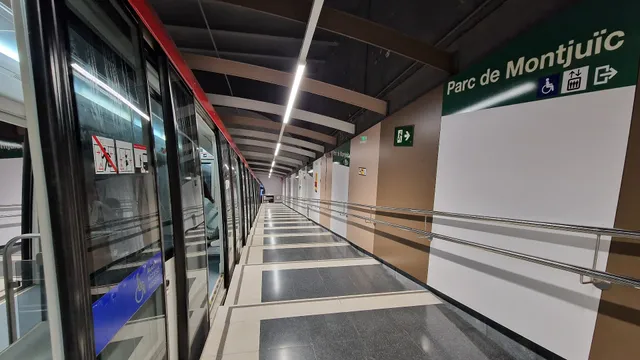
Funicular de Montjuïc
4.3
(102)
Click for details

Piscina Municipal de Montjuïc
4.0
(905)
Click for details