Corral del Carbón things to do, attractions, restaurants, events info and trip planning
Basic Info
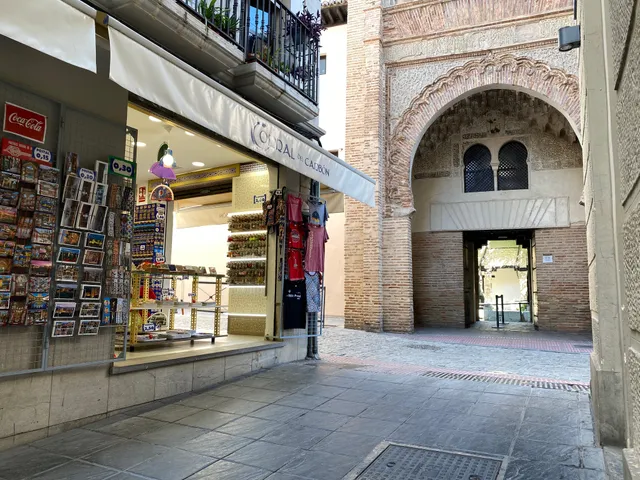
Corral del Carbón
C. Mariana Pineda, 21, Centro, 18009 Granada, Spain
4.3(1.9K)
Closed
Save
spot
spot
Ratings & Description
Info
The Corral del Carbón, originally al-Funduq al-Jadida, is a 14th-century historic building in the Spanish city of Granada. It is the only funduq or alhóndiga preserved from the Nasrid period in the Iberian peninsula. The building is located south of the Albaicin quarter, near the present-day Cathedral.
Cultural
Accessibility
attractions: Plaza Isabel La Católica, Catedral de Granada, Royal Chapel of Granada, Palacio de la Madraza, Plaza del Carmen, La Alcaicería, Fuente de los Gigantones, Iglesia Parroquial del Sagrario, Dobla de Oro, Centro José Guerrero, restaurants: La Telefónica, Restaurante Los Manueles - Reyes Católicos, Restaurante Mas que Vinos, Heladería Los Italianos, Alhambra Churrería | Granada, Perromedio, Rey Fernando, Wild Food, La Cueva de 1900 / Ayuntamiento, Los Diamantes, local businesses: Alcaicería, Artesanía Alcázar, La Cheesequería, Iris Galerie Granada, Granada Travel Center, Zoco Nazarí (Mercado De Artesanía), Alhambra Bookstore, Taberna Sabático Centro, Artesanías Medina, Picnic gourmet
 Learn more insights from Wanderboat AI.
Website
instagram.com
Open hoursSee all hours
Fri9 AM - 8 PMClosed
Plan your stay

Pet-friendly Hotels in Granada
Find a cozy hotel nearby and make it a full experience.

Affordable Hotels in Granada
Find a cozy hotel nearby and make it a full experience.

The Coolest Hotels You Haven't Heard Of (Yet)
Find a cozy hotel nearby and make it a full experience.

Trending Stays Worth the Hype in Granada
Find a cozy hotel nearby and make it a full experience.
Reviews
Live events
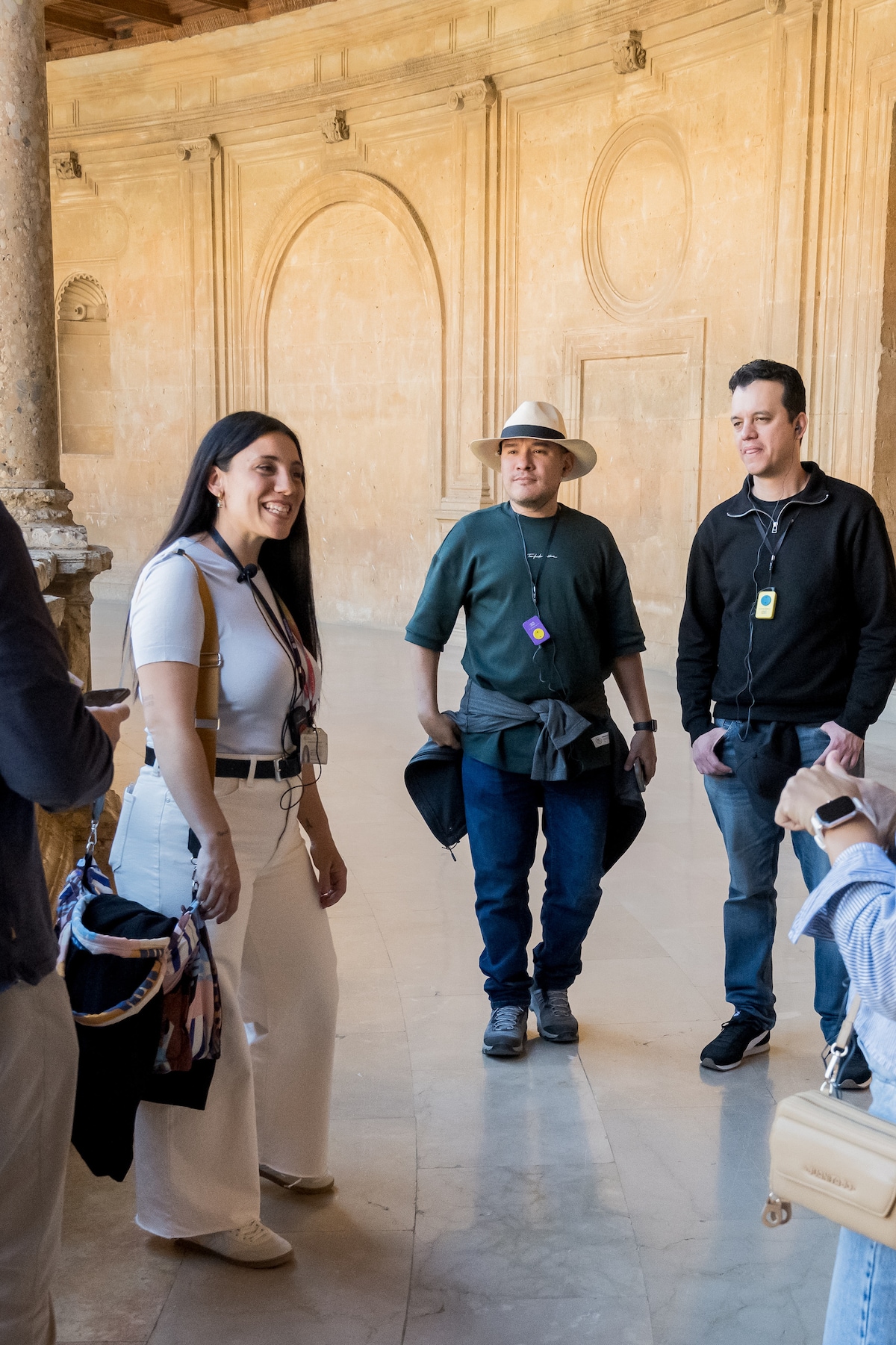
Discover the Alhambra with tickets included
Thu, Feb 26 • 9:00 AM
18009, Granada, Andalusia, Spain
View details

Siempre han hablado por nosotras de Najat El Hachmi
Fri, Feb 20 • 7:30 PM
1 Plaza de San Isidro 18012 Granada
View details
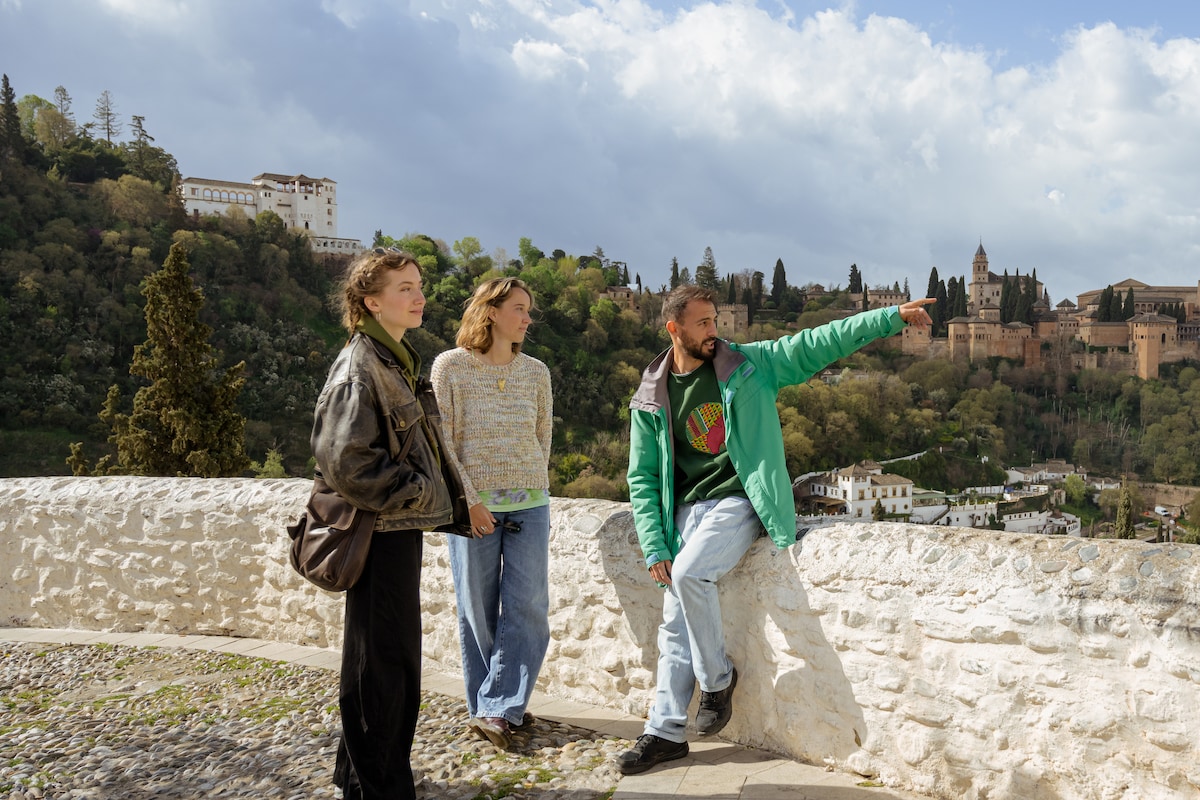
Tour the Albaicín and Sacromonte
Fri, Feb 20 • 9:00 AM
18010, Granada, Andalusia, Spain
View details
Nearby attractions of Corral del Carbón
Plaza Isabel La Católica
Catedral de Granada
Royal Chapel of Granada
Palacio de la Madraza
Plaza del Carmen
La Alcaicería
Fuente de los Gigantones
Iglesia Parroquial del Sagrario
Dobla de Oro
Centro José Guerrero
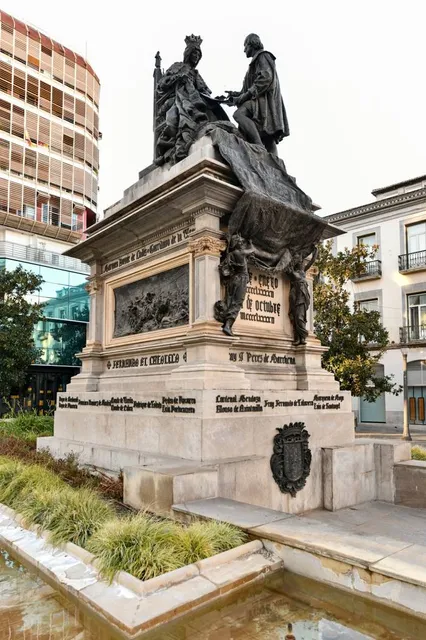
Plaza Isabel La Católica
4.5
(3.6K)
Open until 12:00 AM
Click for details
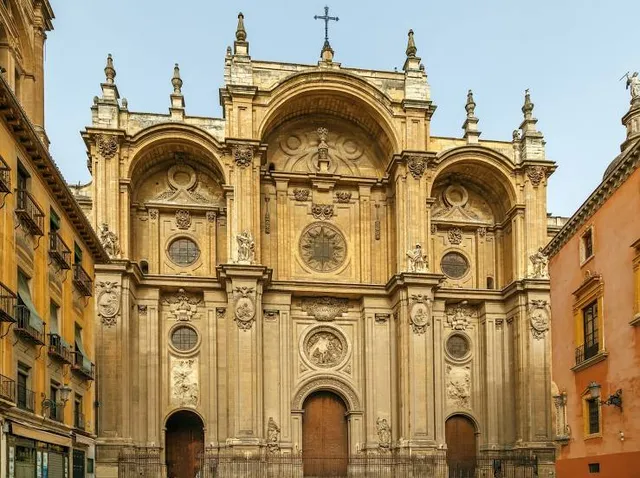
Catedral de Granada
4.6
(12.4K)
Closed
Click for details
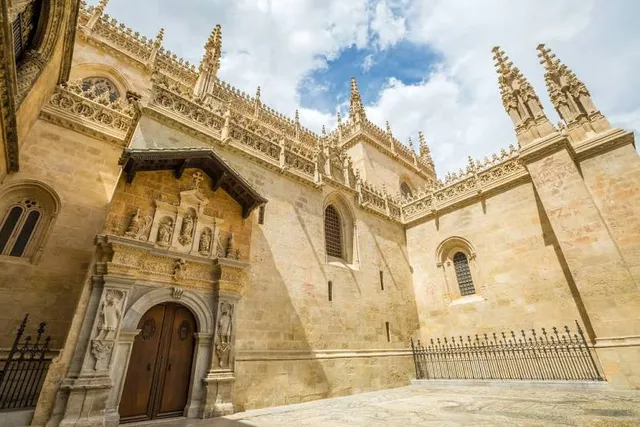
Royal Chapel of Granada
4.6
(6.1K)
Open 24 hours
Click for details
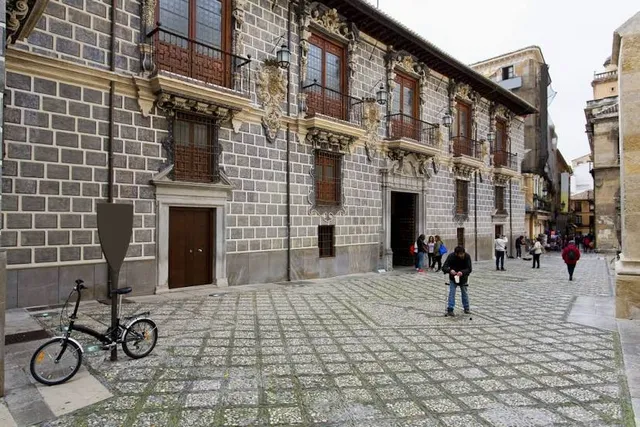
Palacio de la Madraza
4.5
(1.1K)
Closed
Click for details
Nearby restaurants of Corral del Carbón
La Telefónica
Restaurante Los Manueles - Reyes Católicos
Restaurante Mas que Vinos
Heladería Los Italianos
Alhambra Churrería | Granada
Perromedio
Rey Fernando
Wild Food
La Cueva de 1900 / Ayuntamiento
Los Diamantes
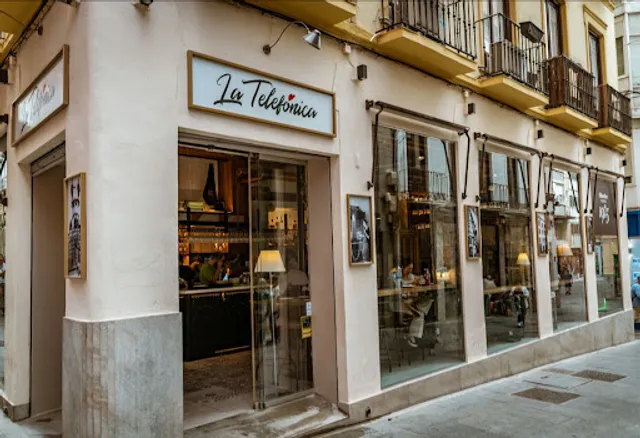
La Telefónica
4.9
(3.8K)
$$
Closed
Click for details
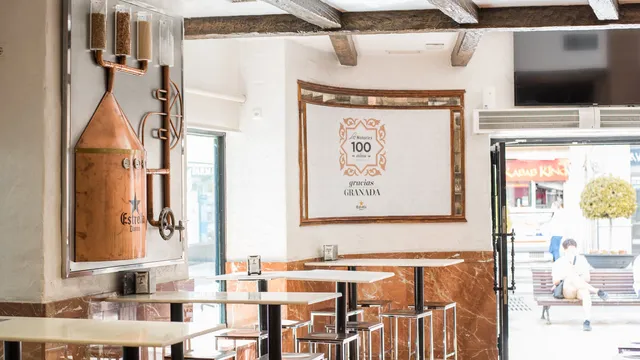
Restaurante Los Manueles - Reyes Católicos
4.3
(7.8K)
$
Closed
Click for details
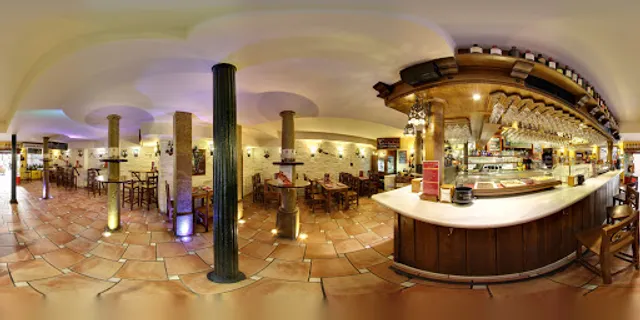
Restaurante Mas que Vinos
4.4
(1.1K)
Closed
Click for details
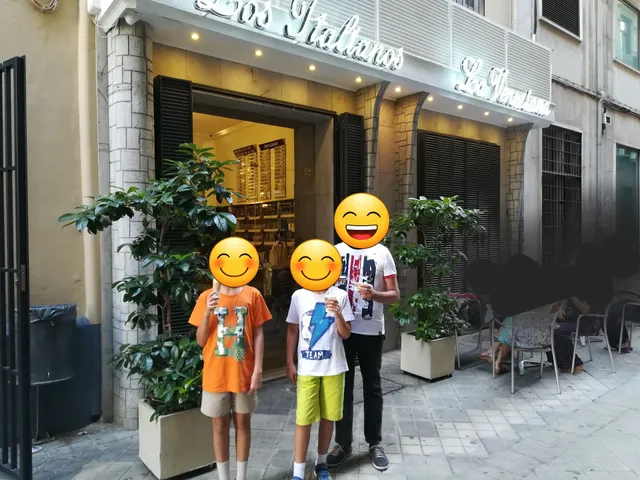
Heladería Los Italianos
4.5
(3.1K)
$
Open until 12:00 AM
Click for details
Nearby local services of Corral del Carbón
Alcaicería
Artesanía Alcázar
La Cheesequería
Iris Galerie Granada
Granada Travel Center
Zoco Nazarí (Mercado De Artesanía)
Alhambra Bookstore
Taberna Sabático Centro
Artesanías Medina
Picnic gourmet
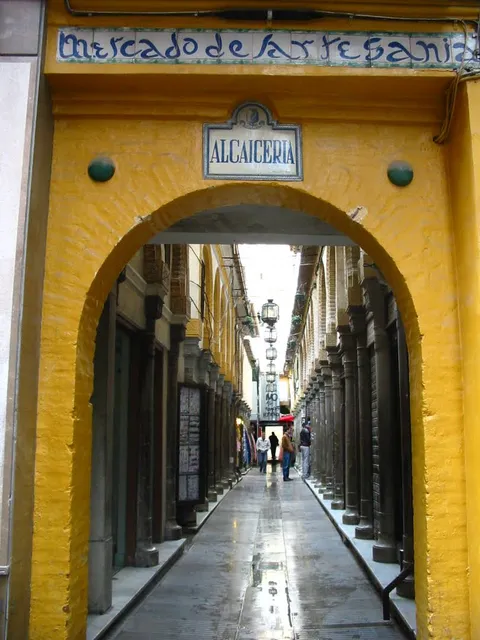
Alcaicería
4.4
(1.9K)
Click for details
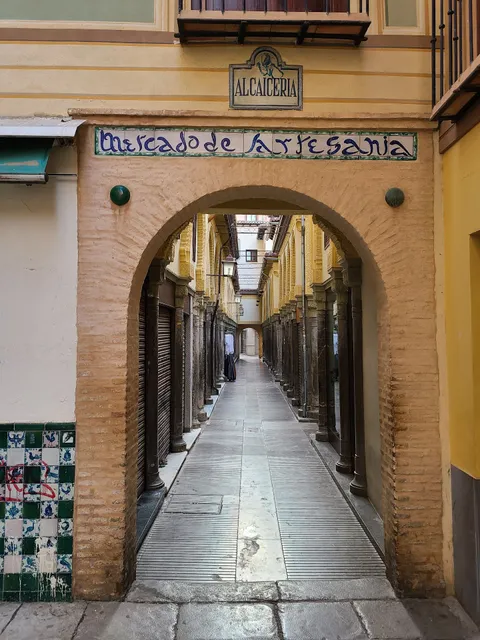
Artesanía Alcázar
3.8
(2K)
Click for details
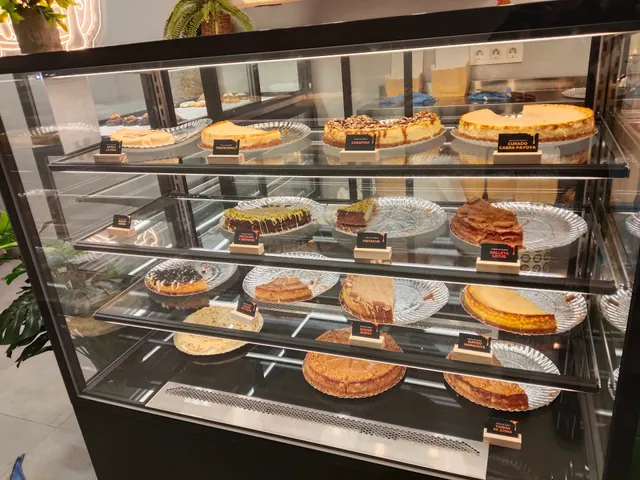
La Cheesequería
4.8
(354)
Click for details
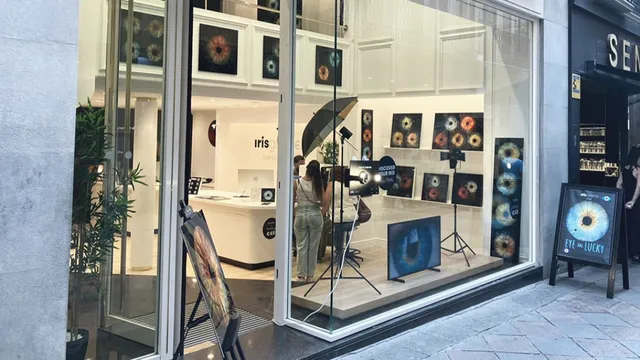
Iris Galerie Granada
4.9
(199)
Click for details