HTML SitemapExplore
logo
Find Things to DoFind The Best Restaurants

Museo Canario — Attraction in Las Palmas de Gran Canaria

Name
Museo Canario
Description
El Museo Canario is an archeological museum in Las Palmas, the capital city of Gran Canaria in the Canary Islands. It is dedicated to the pre-colonial history of the Canary Islands.
Nearby attractions
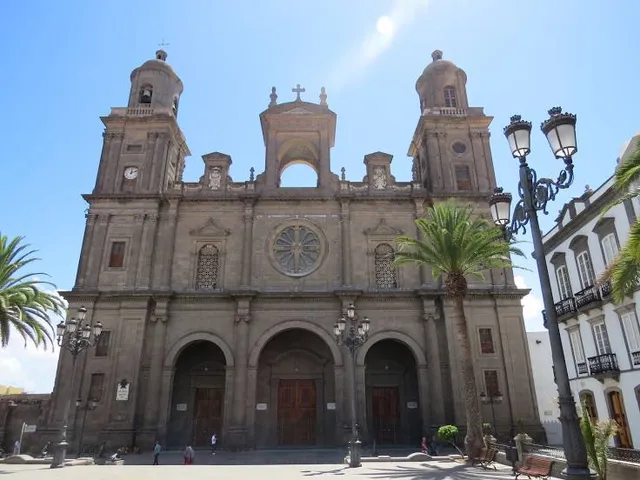
Catedral Metropolitana de Santa Ana de Canarias
Plaza Santa Ana, C. Obispo Codina, 13, 35001 Las Palmas de Gran Canaria, Las Palmas, Spain
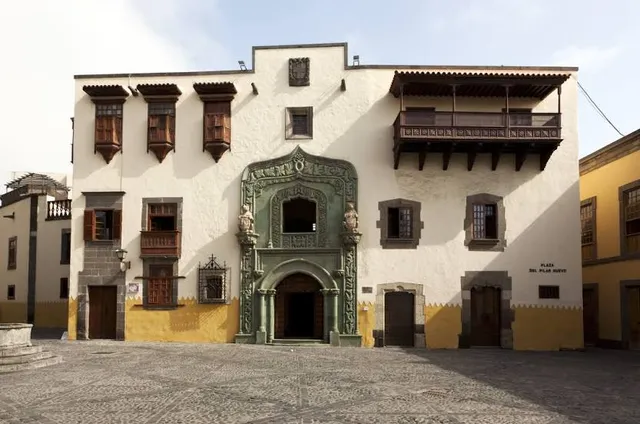
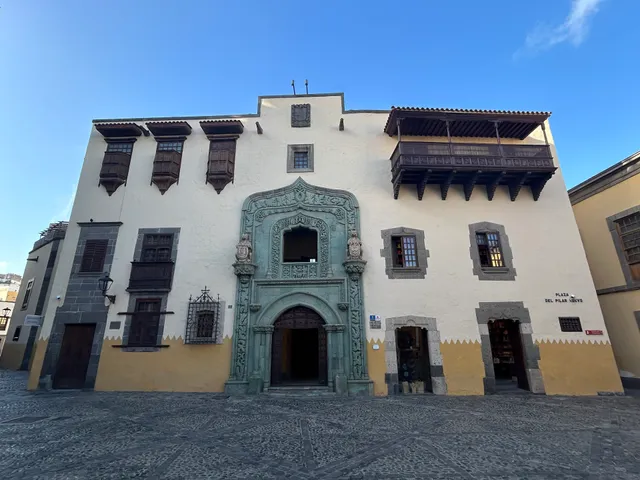
Casa de Colón
C. Colón, 1, 35001 Las Palmas de Gran Canaria, Las Palmas, Spain
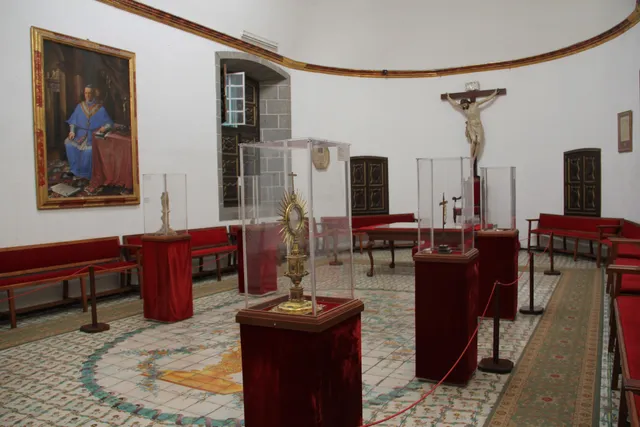
Museo Diocesano de Arte Sacro de Las Palmas de Gran Canaria
C. Espíritu Santo, 20, 35001 Las Palmas de Gran Canaria, Las Palmas, Spain
CAAM - Atlantic Center of Modern Art
C. los Balcones, 11, 35001 Las Palmas de Gran Canaria, Las Palmas, Spain
Plaza de las Ranas
Pl. Hurtado de Mendoza, 3, 35002 Las Palmas de Gran Canaria, Las Palmas, Spain
Vegueta
C. Audiencia, 2, 10, 35001 Las Palmas de Gran Canaria, Las Palmas, Spain
Ermita del Espiritu Santo
Pl. del Espíritu Santo, 1, 35001 Las Palmas de Gran Canaria, Las Palmas, Spain
Vegueta
Plaza Sta. Ana, 35001 Las Palmas de Gran Canaria, Las Palmas, Spain
Literary Cabinet
Pl. de Cairasco, 1, 35002 Las Palmas de Gran Canaria, Las Palmas, Spain
Alboroto Las Palmas
C. Remedios, 10, 35002 Las Palmas de Gran Canaria, Las Palmas, Spain
Nearby restaurants
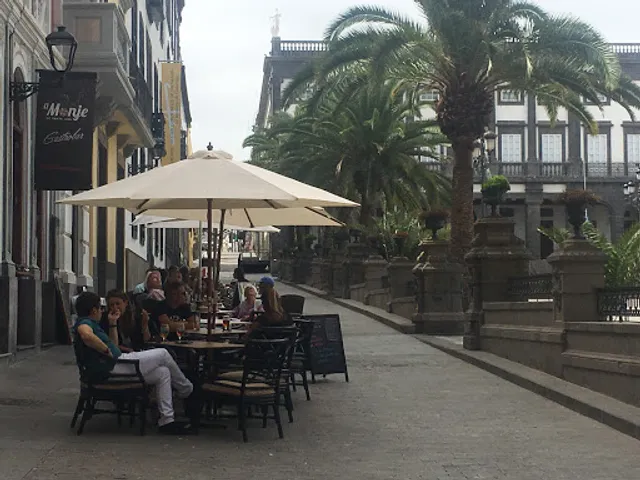
La Taberna de El Monje
C. Espíritu Santo, 27, 35001 Las Palmas de Gran Canaria, Las Palmas, Spain
Restaurante El Monje de Santa Ana
Plaza Sta. Ana, 2, 35001 Las Palmas de Gran Canaria, Las Palmas, Spain
Restaurante El Patio de Enmedio
C. Espíritu Santo, 31, 35001 Las Palmas de Gran Canaria, Las Palmas, Spain
Cerveceria Y Picoteo Te Lo Dije Perez
C. Obispo Codina, 6, 35001 Las Palmas de Gran Canaria, Las Palmas, Spain
Elle Detalle, food and drink
Plaza Sta. Ana, 2, 35001 Las Palmas de Gran Canaria, Las Palmas, Spain
Triciclo
C. Pelota, 12, 35001 Las Palmas de Gran Canaria, Las Palmas, Spain
Restaurante Dos balcones
C. Domingo Doreste, 12, 35001 Las Palmas de Gran Canaria, Las Palmas, Spain
El Rifeño
C. Pelota, 15, 35001 Las Palmas de Gran Canaria, Las Palmas, Spain
Restaurante Los 5 Sentidos
C. Armas, 13, 35001 Las Palmas de Gran Canaria, Las Palmas, Spain
Sushi Bar Kome Kome
C. Mesa de León, 4, 1º, 35001 Las Palmas de Gran Canaria, Las Palmas, Spain
Related posts
Keywords
Museo Canario tourism.Museo Canario hotels.Museo Canario bed and breakfast. flights to Museo Canario.Museo Canario attractions.Museo Canario restaurants.Museo Canario travel.Museo Canario travel guide.Museo Canario travel blog.Museo Canario pictures.Museo Canario photos.Museo Canario travel tips.Museo Canario maps.Museo Canario things to do.
Museo Canario things to do, attractions, restaurants, events info and trip planning
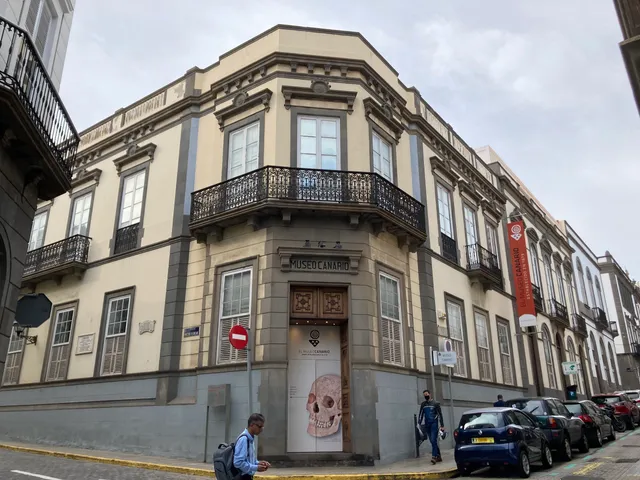
Museo Canario
SpainCanary IslandsLas Palmas de Gran CanariaMuseo Canario

Basic Info

Museo Canario

Calle del Dr. Verneau, 2, 35001 Las Palmas de Gran Canaria, Las Palmas, Spain
4.5(1.1K)
Open 24 hours
Save
spot

Ratings & Description

Info

El Museo Canario is an archeological museum in Las Palmas, the capital city of Gran Canaria in the Canary Islands. It is dedicated to the pre-colonial history of the Canary Islands.

Cultural
Accessibility
attractions: Catedral Metropolitana de Santa Ana de Canarias, Casa de Colón, Museo Diocesano de Arte Sacro de Las Palmas de Gran Canaria, CAAM - Atlantic Center of Modern Art, Plaza de las Ranas, Vegueta, Ermita del Espiritu Santo, Vegueta, Literary Cabinet, Alboroto Las Palmas, restaurants: La Taberna de El Monje, Restaurante El Monje de Santa Ana, Restaurante El Patio de Enmedio, Cerveceria Y Picoteo Te Lo Dije Perez, Elle Detalle, food and drink, Triciclo, Restaurante Dos balcones, El Rifeño, Restaurante Los 5 Sentidos, Sushi Bar Kome Kome
logoLearn more insights from Wanderboat AI.
Phone
+34 928 33 68 00
Website
elmuseocanario.com

Plan your stay

hotel
Pet-friendly Hotels in Las Palmas de Gran Canaria
Find a cozy hotel nearby and make it a full experience.

hotel
Affordable Hotels in Las Palmas de Gran Canaria
Find a cozy hotel nearby and make it a full experience.

hotel
The Coolest Hotels You Haven't Heard Of (Yet)
Find a cozy hotel nearby and make it a full experience.

hotel
Trending Stays Worth the Hype in Las Palmas de Gran Canaria
Find a cozy hotel nearby and make it a full experience.

Reviews

Nearby attractions of Museo Canario

Catedral Metropolitana de Santa Ana de Canarias

Casa de Colón

Museo Diocesano de Arte Sacro de Las Palmas de Gran Canaria

CAAM - Atlantic Center of Modern Art

Plaza de las Ranas

Vegueta

Ermita del Espiritu Santo

Vegueta

Literary Cabinet

Alboroto Las Palmas

Catedral Metropolitana de Santa Ana de Canarias

Catedral Metropolitana de Santa Ana de Canarias

4.5

(3.1K)

Open 24 hours
Click for details
Casa de Colón

Casa de Colón

4.5

(3K)

Closed
Click for details
Museo Diocesano de Arte Sacro de Las Palmas de Gran Canaria

Museo Diocesano de Arte Sacro de Las Palmas de Gran Canaria

4.4

(195)

Open 24 hours
Click for details
CAAM - Atlantic Center of Modern Art

CAAM - Atlantic Center of Modern Art

4.4

(471)

Open 24 hours
Click for details

Things to do nearby

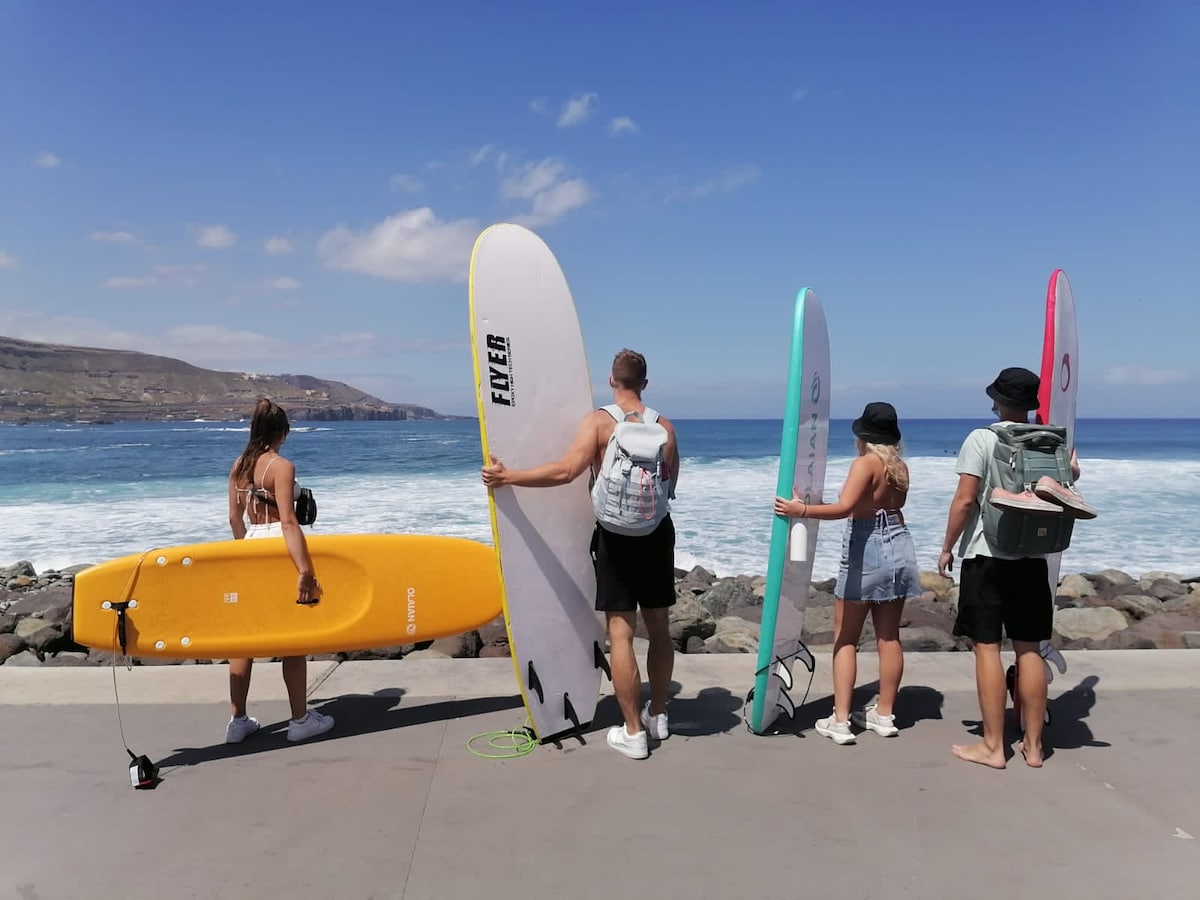
Catch waves in Gran Canaria
Fri, Dec 5 • 10:00 AM
35016, Las Palmas de Gran Canaria, Canarias, Spain
View details
Explore Canarian Wine
Fri, Dec 5 • 12:00 PM
35017, Las Palmas, Canarias, Spain
View details
Learn Green Witchcraft in Azuaje
Fri, Dec 5 • 9:00 AM
35432, Firgas, Canary Islands, Spain
View details
Nearby restaurants of Museo Canario

La Taberna de El Monje

Restaurante El Monje de Santa Ana

Restaurante El Patio de Enmedio

Cerveceria Y Picoteo Te Lo Dije Perez

Elle Detalle, food and drink

Triciclo

Restaurante Dos balcones

El Rifeño

Restaurante Los 5 Sentidos

Sushi Bar Kome Kome

La Taberna de El Monje

La Taberna de El Monje

4.3

(545)

Click for details
Restaurante El Monje de Santa Ana

Restaurante El Monje de Santa Ana

4.4

(334)

Click for details
Restaurante El Patio de Enmedio

Restaurante El Patio de Enmedio

4.2

(237)

Click for details
Cerveceria Y Picoteo Te Lo Dije Perez

Cerveceria Y Picoteo Te Lo Dije Perez

4.2

(1.0K)

Click for details
Get the Appoverlay
Get the AppOne tap to find yournext favorite spots!
Wanderboat LogoWanderboat

Your everyday Al companion for getaway ideas

CompanyAbout Us
InformationAI Trip PlannerSitemap
SocialXInstagramTiktokLinkedin
LegalTerms of ServicePrivacy Policy

Get the app

© 2025 Wanderboat. All rights reserved.
logo

Reviews of Museo Canario

4.5
(1,144)
avatar
4.0
1y

It is pity that every visitor cannot be made to visit this museum. It is fascinating for both what it says, what it does not say and what it misleads. What is does do is give an intriguing understanding of why the Canaries are like they are today. In most places, the islands are moonscapes as soon as you are more than 200 metres from the shore, packed with tourist hotels less than 200 metres from the shore.

It is worth starting with a quote. Pliny, an eminent Roman citizen, visited the islands 2,000 years ago and wrote, “they all have an abundant supply of fruit and of birds of every kind, Canaria also abounds in palm-groves bearing dates and in conifers; that in addition to this there is a large supply of honey, and also papyrus grows in the rivers, and sheat-fish [a type of cat fish]”. (Translation by H. Rackham, first published 1942). So how did these lush tropical islands become a complete desert or moonscape?

The invasion of the Canary Islands in the 15th century was driven by greed, mainly in the form of slaves and wood. Then, the islands were covered in the coveted Canary wood, (also known as Centrolobium) which is a type of hardwood that is now native to South America. The colonialists ruthlessly cut down all the Canary wood as well as most other types, transporting it all to Spain for ship building. Hence the moonscape-type islands we see today were created by the Spanish colonialists. (The Canary government, in fairness to them, are trying to replant the islands but it is a massive job.)

Most experts agree that the Guanches arrived in the Canary Islands from Africa in the first or second century BC. These first inhabitants of Tenerife and the other Canary Islands lived in caves, which probably offered excellent accommodation as caves are cool in summer and warm in the winter. The Guanches also had knowledge about geometric symbolism and carried out the embalming and mummification of their dead, as well as drilling the skulls of the living. What they were not is aborigines as the museum keeps referring to them. Neither were they desert dwellers as the museum portrays them.

But then another motive of Spanish colonialism was to spread Catholicism. The virtual genocide of the Guanches during the invasion by the Spaniards is, by implication, portrayed by the museum - looks at the thousands of skulls. Perhaps it is time for the museum to introduce a more balanced view of Canarian history, as opposed to the version of the Spanish colonialists currently, in large part, portrayed. Go to the museum and make your...

   Read more
avatar
2.0
9y

.

It could have been SO much better!

I like museums, because I like learning things. I like to read all the labels and gather the information.

Yes, I know that I gather it and then lose it, as I can never remember most of it, but I still like the gathering.

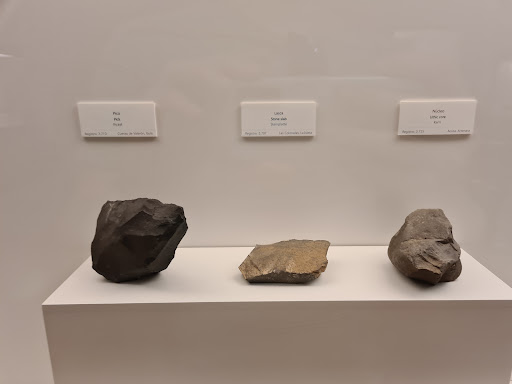
This museum was disappointing. The information was scarce in any language but Spanish - not a problem for me - but what information was actually given was not very useful. There were cases and cases of broken bits of something-or-other. The information given was Where it had been found, When it had been found, but never What exactly it probably was and How exactly it was used and Why. Seeing something and being told it had been dug up in October 1965 in the town of X was of no interest to me.

And cases and cases of skulls? They would have done better to select three or four that were representative of different epochs or geographical origins, and explain carefully the differences and similarities, and give an idea why. A Guanche skull from 8 centuries ago, comparing its features with a Berber skull from N Africa today, for example.

Slightly more interesting was the large model of a dwelling, but I am going to be picky here too. They showed the roof, with branches - thinnish ones, not tree-trunks - making a base for the roof. On top were placed flat stones.

But the stones were totally out of scale. Measuring them against the human figures, they would have been so heavy that it would have been almost impossible for the builders to lift them, without technology, onto the roof. And then the weight would have brought them immediately crashing down through the fragile roof supports.

This was so clearly unscientific that it annoyed me almost as much as the couldn't-care-don't-care attitude of the lady at the front desk, who could barely take her eyes off her smartphone to give us our change when we bought our tickets, and, later on, when I asked where the lavatory was, didn't even bother to raise her eyes or even open her mouth - just gave an airy wave of her hand.

The museum is, however, situated in an attractive part of the town - go and visit the Mercado de la Vegueta if you are there one morning - a wonderful bustling produce market. Much more fun than this rather...

   Read more
avatar
3.0
3y

A nice little museum about the history of the Guanches, before the Spanish conquest of the island, with precious and intriguing artefacts that attest to the arts, crafts and daily life of the original inhabitants. It's a real shame that 95 % of the texts are only in Spanish, and that most also look like they've been hanging there for at least 30 years. There's a new audioguide in English but you have to listen on your phone, so be sure to bring a headphone because we didn't... Oddly, there doesn't seem to be much actual 'history' told. I didn't notice any dates or periodisation on any of the artefacts - not even on highlights of the collection, like the Idol of Tara. These literally could date from any time between 500 BC and 1500 AD. It feels like the Guanches are imagined to have been cavemen, and that the pre-Hispanic history of the island is one big blur. No attention seems to be paid to the conquest and colonization of the island. This kind of historical scrunity and nuance might be available to Spanish-speaking visitors, but it definitely isn't to foreigners. The room containing the skull collection attests very clearly to the 19th-century ethnographic collection the museum grew out of, when 'scientists' were obsessed with differentiating Canarian races on the basis of cranial measurements and such. It sometimes feels like the museum is still rooted in that time period and thought. The top of the cabinets is lined with busts - apparently life casts made of subjects of various ethnicities, likely also made out of ethnographic interest. Again, I found no explanation or contextualisation for these busts. I hope the museum will invest in new, multilingual information panels that contextualize and historicize the collection, and that explain how views of the Guanches have evolved over time. Now, you leave with more questions than answers, and especially as a tourist, you ultimately...

   Read more
Page 1 of 7
Previous
Next

Posts

Nicholai MartinNicholai Martin
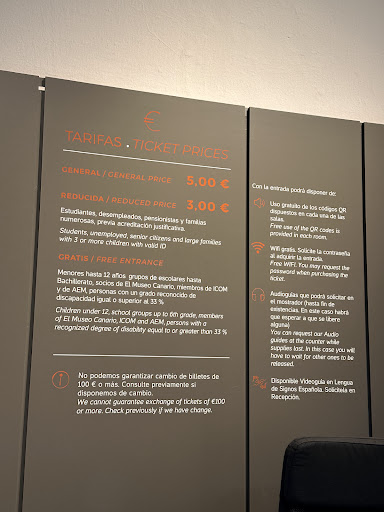
As I've been to this island a few times I actually had no idea about the long human history here. Here there is little text (in English) to explain things and you must have a phone to the audio tours. Unfortunately the signal was bad and we missed lots of information as we couldn't connect. But I could understand a few things from the images and collections. It does well to show case how the tribes previously lived, where and even how to differentiate ceramic bowl differences between them. The skull room was quite interesting from a visual perspective however did not have access to tour so that's a mystery. It cost about €5 per person but is definitely worth a look here and to learn more about the Island pre-colonisation.
YP SooYP Soo
Interesting to learn about the history of the indigenous people of Gran Canaria through artifacts and exhibits. Small but quaint museum. Do note the it’s 2 levels and did not spot a lift hence unsure if it’s wheelchair friendly. Free audio guide using your mobile phone to scan the QR code in each museum room however unable to connect to the museum’s WiFi and 3G was crawling slow hence skipped the audio guide in total. Opening hours: Mondays to Fridays 10am to 8pm, Saturdays and Sundays 10am to 2pm. Entry fees: €5, SGD7.10. Tickets can be bought at the entrance.
Hello HouseHello House
A private museum. Very well kept. Staff friendly and informative. 1 star lost as this museum is not wheelchair accessible and their building is not well connected by safe pedestrian access from the main tourist area of Santa Ana a short walk away. No drinking fountains. Pay to enter. Discounts for children and incapacitated persons. Augmented reality displays are interesting although we only observed these from a TV promo in the lobby as we didn't use the smartphone to view these during visit. Air conditioned building which is a bonus on very hot days.
See more posts
See more posts
hotel
Find your stay

Pet-friendly Hotels in Las Palmas de Gran Canaria

Find a cozy hotel nearby and make it a full experience.

As I've been to this island a few times I actually had no idea about the long human history here. Here there is little text (in English) to explain things and you must have a phone to the audio tours. Unfortunately the signal was bad and we missed lots of information as we couldn't connect. But I could understand a few things from the images and collections. It does well to show case how the tribes previously lived, where and even how to differentiate ceramic bowl differences between them. The skull room was quite interesting from a visual perspective however did not have access to tour so that's a mystery. It cost about €5 per person but is definitely worth a look here and to learn more about the Island pre-colonisation.
Nicholai Martin

Nicholai Martin

hotel
Find your stay

Affordable Hotels in Las Palmas de Gran Canaria

Find a cozy hotel nearby and make it a full experience.

Get the Appoverlay
Get the AppOne tap to find yournext favorite spots!
Interesting to learn about the history of the indigenous people of Gran Canaria through artifacts and exhibits. Small but quaint museum. Do note the it’s 2 levels and did not spot a lift hence unsure if it’s wheelchair friendly. Free audio guide using your mobile phone to scan the QR code in each museum room however unable to connect to the museum’s WiFi and 3G was crawling slow hence skipped the audio guide in total. Opening hours: Mondays to Fridays 10am to 8pm, Saturdays and Sundays 10am to 2pm. Entry fees: €5, SGD7.10. Tickets can be bought at the entrance.
YP Soo

YP Soo

hotel
Find your stay

The Coolest Hotels You Haven't Heard Of (Yet)

Find a cozy hotel nearby and make it a full experience.

hotel
Find your stay

Trending Stays Worth the Hype in Las Palmas de Gran Canaria

Find a cozy hotel nearby and make it a full experience.

A private museum. Very well kept. Staff friendly and informative. 1 star lost as this museum is not wheelchair accessible and their building is not well connected by safe pedestrian access from the main tourist area of Santa Ana a short walk away. No drinking fountains. Pay to enter. Discounts for children and incapacitated persons. Augmented reality displays are interesting although we only observed these from a TV promo in the lobby as we didn't use the smartphone to view these during visit. Air conditioned building which is a bonus on very hot days.
Hello House

Hello House

See more posts
See more posts