San Fernando Fine Art Royal Academy things to do, attractions, restaurants, events info and trip planning
Basic Info
San Fernando Fine Art Royal Academy
C. Alcalá, 13, Centro, 28014 Madrid, Spain
4.6(1.9K)
Open until 7:00 PM


tickets
Save
spot
spot
Ratings & Description
Info
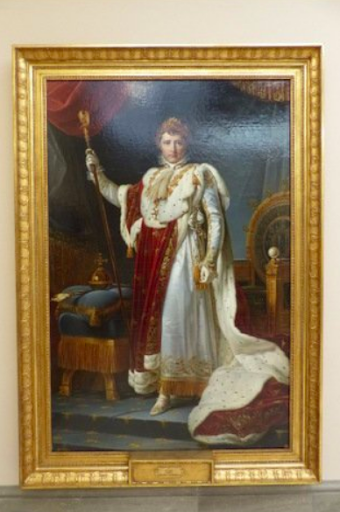
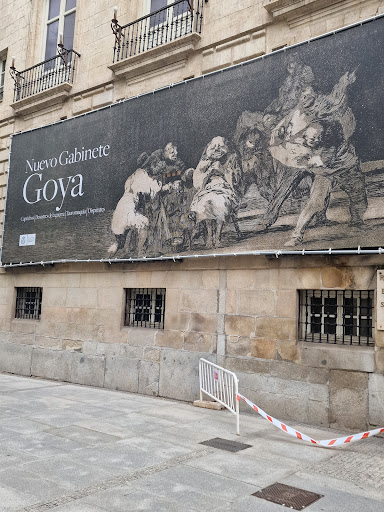
The Real Academia de Bellas Artes de San Fernando, located on the Calle de Alcalá in the heart of Madrid, currently functions as a museum and gallery. A public law corporation, it is integrated together with other Spanish royal academies in the Instituto de España.
Cultural
Accessibility
attractions: Puerta del Sol, Legends: The Home of Football, El Oso y el Madroño, Trixi Bike Rental & Tour, Círculo de Bellas Artes, Church of the Calatravas, Teatro Príncipe Gran Vía, Fundación Telefónica, Sala Alcala 31, Metropolis Building, restaurants: Museo del Jamón Carrera de San Jerónimo, Castizo Alcalá-Canalejas, Pizzart Villa Canalejas | Pizzería Madrid, Tapa Tapa Montera, Dani Brasserie, Restaurante La Catedral, Lhardy Restaurante, Garden of Salvador Bachiller, Restaurante El Gaucho, La Rollerie, local businesses: Galleria Canalejas, Apple Puerta del Sol, Primark, Carrefour Express, La Violeta, MediaMarkt, El Corte Inglés Preciados, Mándalo Market, Sol, Casino Gran Vía I Poker Room
 Learn more insights from Wanderboat AI.
Phone
+34 915 24 08 64
Website
realacademiabellasartessanfernando.com
Open hoursSee all hours
Sat10 AM - 7 PMOpen
Plan your stay

Pet-friendly Hotels in Madrid
Find a cozy hotel nearby and make it a full experience.

Affordable Hotels in Madrid
Find a cozy hotel nearby and make it a full experience.

The Coolest Hotels You Haven't Heard Of (Yet)
Find a cozy hotel nearby and make it a full experience.

Trending Stays Worth the Hype in Madrid
Find a cozy hotel nearby and make it a full experience.
Reviews
Live events

Mercado de Motores Madrid · 7 y 8 de Febrero · Entrada GRATIS
Sat, Feb 7 • 11:00 AM
61 Paseo de las Delicias 28045 Madrid
View details

Conferencia | La mitad femenina del cosmos entre los nahuas
Thu, Feb 12 • 7:00 PM
20 Calle de Alberto Aguilera 28015 Madrid
View details
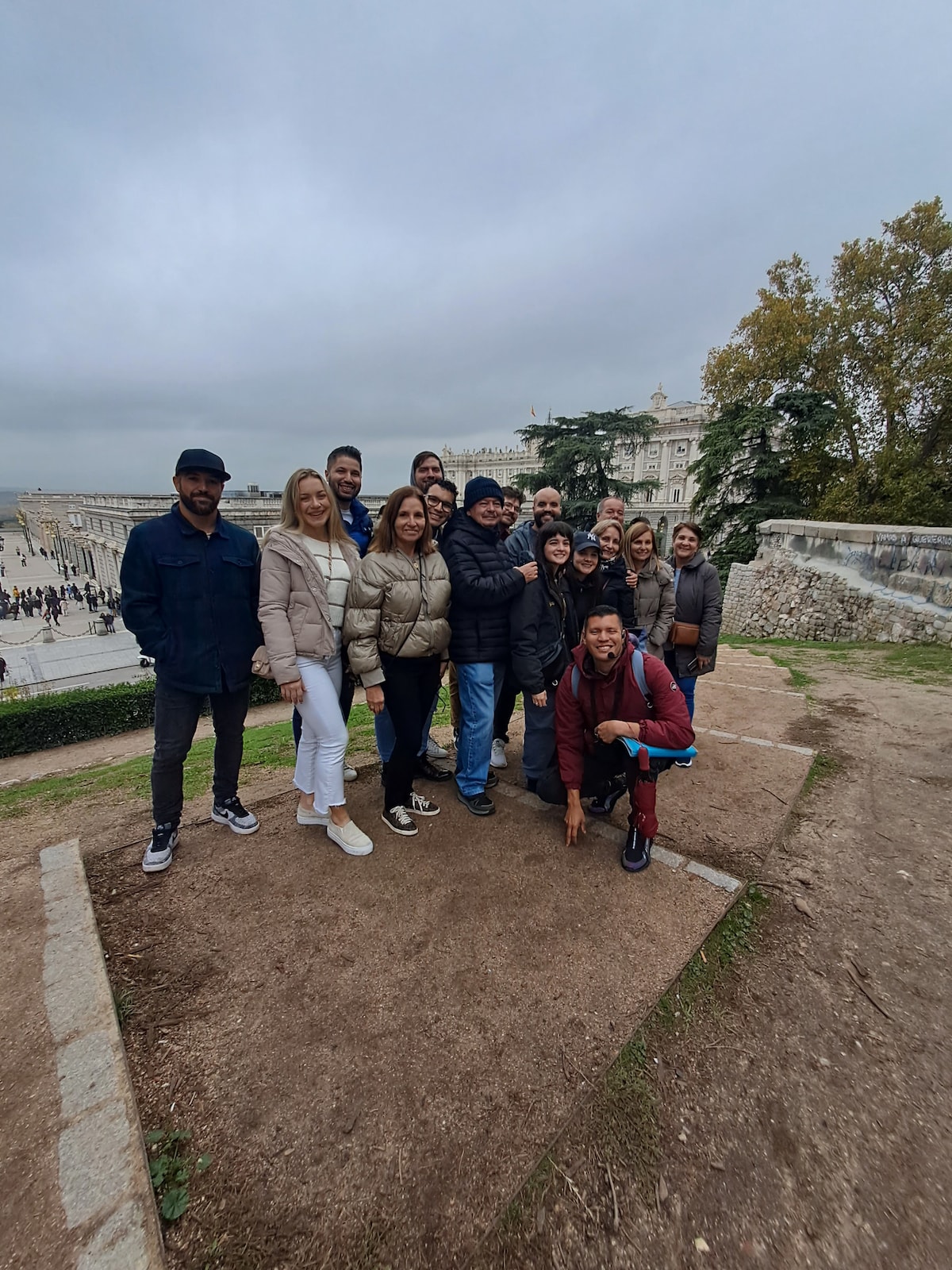
Freetour Discover the historic Madrid
Sat, Feb 7 • 11:00 AM
28000, Madrid, Community of Madrid, Spain
View details
Nearby attractions of San Fernando Fine Art Royal Academy
Puerta del Sol
Legends: The Home of Football
El Oso y el Madroño
Trixi Bike Rental & Tour
Círculo de Bellas Artes
Church of the Calatravas
Teatro Príncipe Gran Vía
Fundación Telefónica
Sala Alcala 31
Metropolis Building
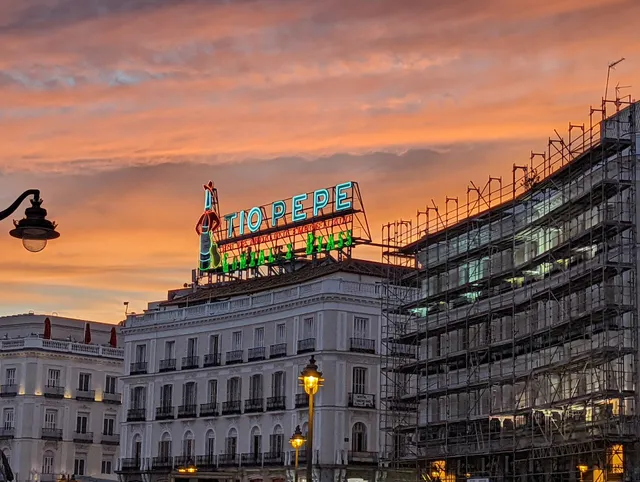
Puerta del Sol
4.6
(57K)
Open until 12:00 AM
Click for details

Legends: The Home of Football
4.8
(2.4K)
Open until 12:00 AM
Click for details

El Oso y el Madroño
4.6
(3.4K)
Open until 12:00 AM
Click for details

Trixi Bike Rental & Tour
4.9
(451)
Open 24 hours
Click for details
Nearby restaurants of San Fernando Fine Art Royal Academy
Museo del Jamón Carrera de San Jerónimo
Castizo Alcalá-Canalejas
Pizzart Villa Canalejas | Pizzería Madrid
Tapa Tapa Montera
Dani Brasserie
Restaurante La Catedral
Lhardy Restaurante
Garden of Salvador Bachiller
Restaurante El Gaucho
La Rollerie
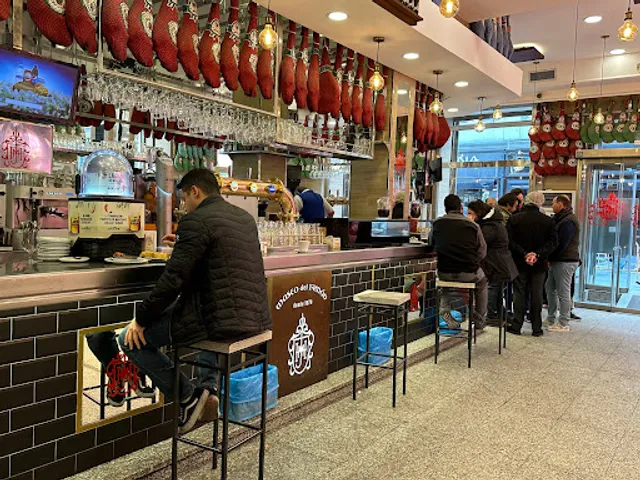
Museo del Jamón Carrera de San Jerónimo
4.1
(6.8K)
Open until 12:30 AM
Click for details
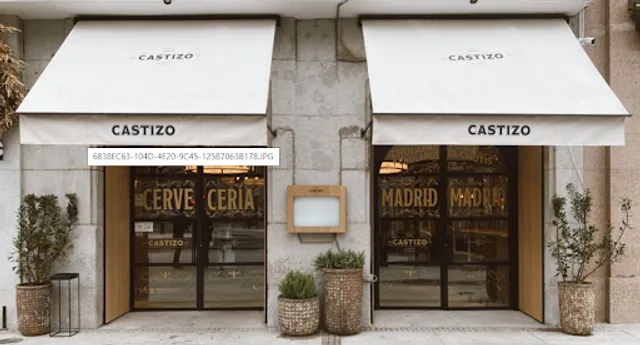
Castizo Alcalá-Canalejas
4.2
(1.1K)
$$
Open until 1:00 AM
Click for details
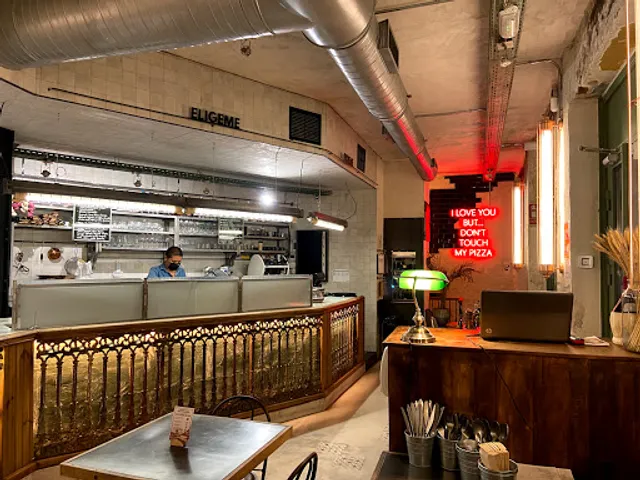
Pizzart Villa Canalejas | Pizzería Madrid
4.7
(2K)
Open until 1:00 AM
Click for details
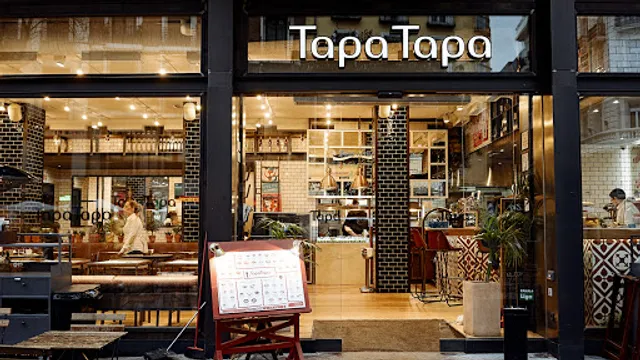
Tapa Tapa Montera
4.6
(11.8K)
Open until 2:00 AM
Click for details
Nearby local services of San Fernando Fine Art Royal Academy
Galleria Canalejas
Apple Puerta del Sol
Primark
Carrefour Express
La Violeta
MediaMarkt
El Corte Inglés Preciados
Mándalo Market
Sol
Casino Gran Vía I Poker Room
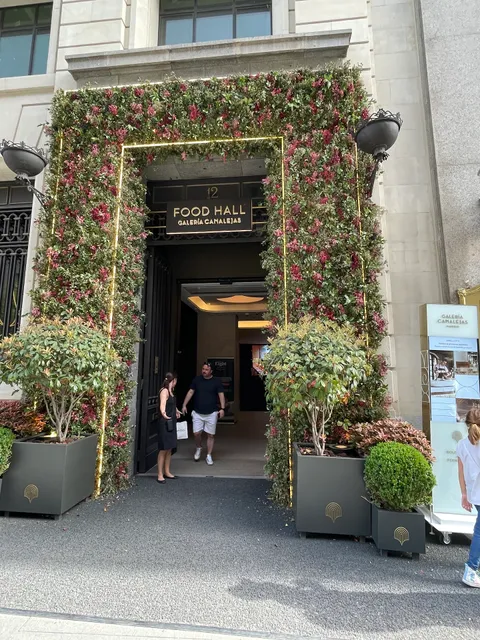
Galleria Canalejas
4.5
(1.7K)
Click for details
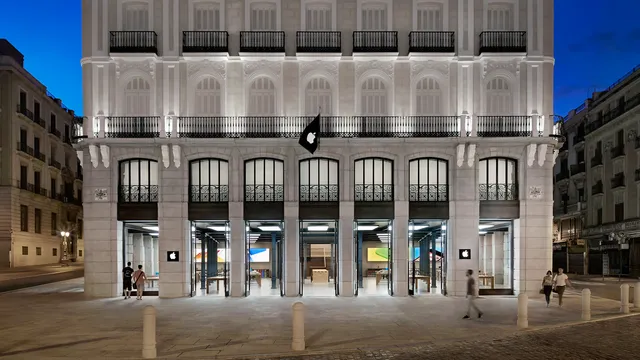
Apple Puerta del Sol
3.7
(4K)
Click for details

Primark
4.2
(34.4K)
Click for details
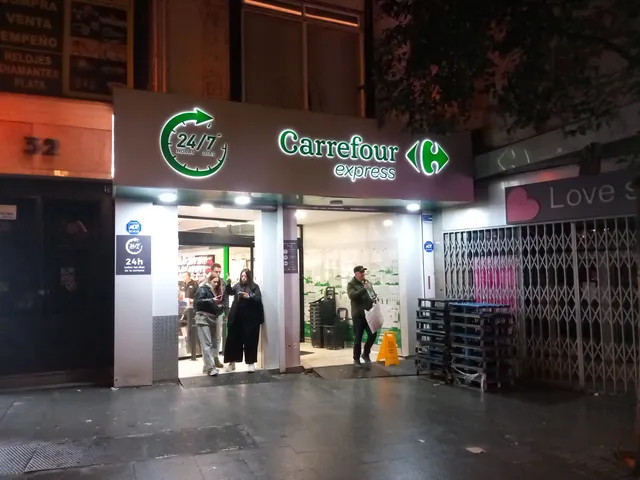
Carrefour Express
4.0
(1.2K)
Click for details