Toledo Gate things to do, attractions, restaurants, events info and trip planning
Basic Info
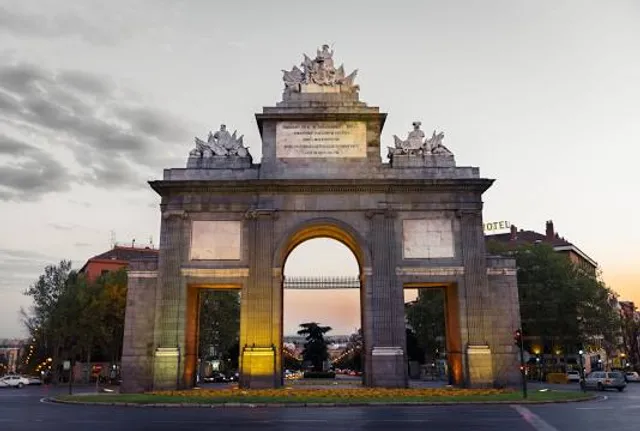
Toledo Gate
Gta. de la Prta de Toledo, s/n, Centro, 28005 Madrid, Spain
4.5(8.1K)
Open until 12:00 AM
Save
spot
spot
Ratings & Description
Info
The Puerta de Toledo is a gate located in Madrid, Spain. It was declared Bien de Interés Cultural in 1996. Construction began in 1812, but was not completed until 1827. It was one of the nineteen city gates within the Walls of Philip IV. Puerta de Toledo metro station in on Line 5 of the Madrid Metro.
Cultural
Accessibility
attractions: Pedro Salinas Library, Shoko Madrid, University Carlos III of Madrid | Puerta de Toledo, Cerca de Felipe IV, Jardines del Rastro Park (fireplace), Royal Basilica of Saint Francis the Great, Colors by Experiencity Escape Room, Museo de Artes y Tradiciones Populares, Jardines de San Francisco, La Fuentecilla, restaurants: Bar El Pescador, Restaurante Salsería, Playa Riazor restaurante, Campiello, Ataca Paca, de Madrid, Restaurante Fan Hua, Zocodover, La Abadía Beer's, Burmet Arganzuela, local businesses: Puerta de Toledo, Carisal Fashion venta al publico | Tienda de tallas grandes mujer, Superclub La Latina, Parque Madrid Río, Biblioteca del Campus Madrid Puerta de Toledo UC3M, ESPACIO DOWNTOWN, Mercadillo de la plaza del Campillo, Mercado de la Cebada, Centro Comercial Pasillo Verde, La Ensaladilla de La Taberna Errante
 Learn more insights from Wanderboat AI.
Phone
+34 915 29 82 10
Website
esmadrid.com
Open hoursSee all hours
TueOpen 24 hoursOpen
Plan your stay

Pet-friendly Hotels in Madrid
Find a cozy hotel nearby and make it a full experience.

Affordable Hotels in Madrid
Find a cozy hotel nearby and make it a full experience.

The Coolest Hotels You Haven't Heard Of (Yet)
Find a cozy hotel nearby and make it a full experience.

Trending Stays Worth the Hype in Madrid
Find a cozy hotel nearby and make it a full experience.
Reviews
Live events
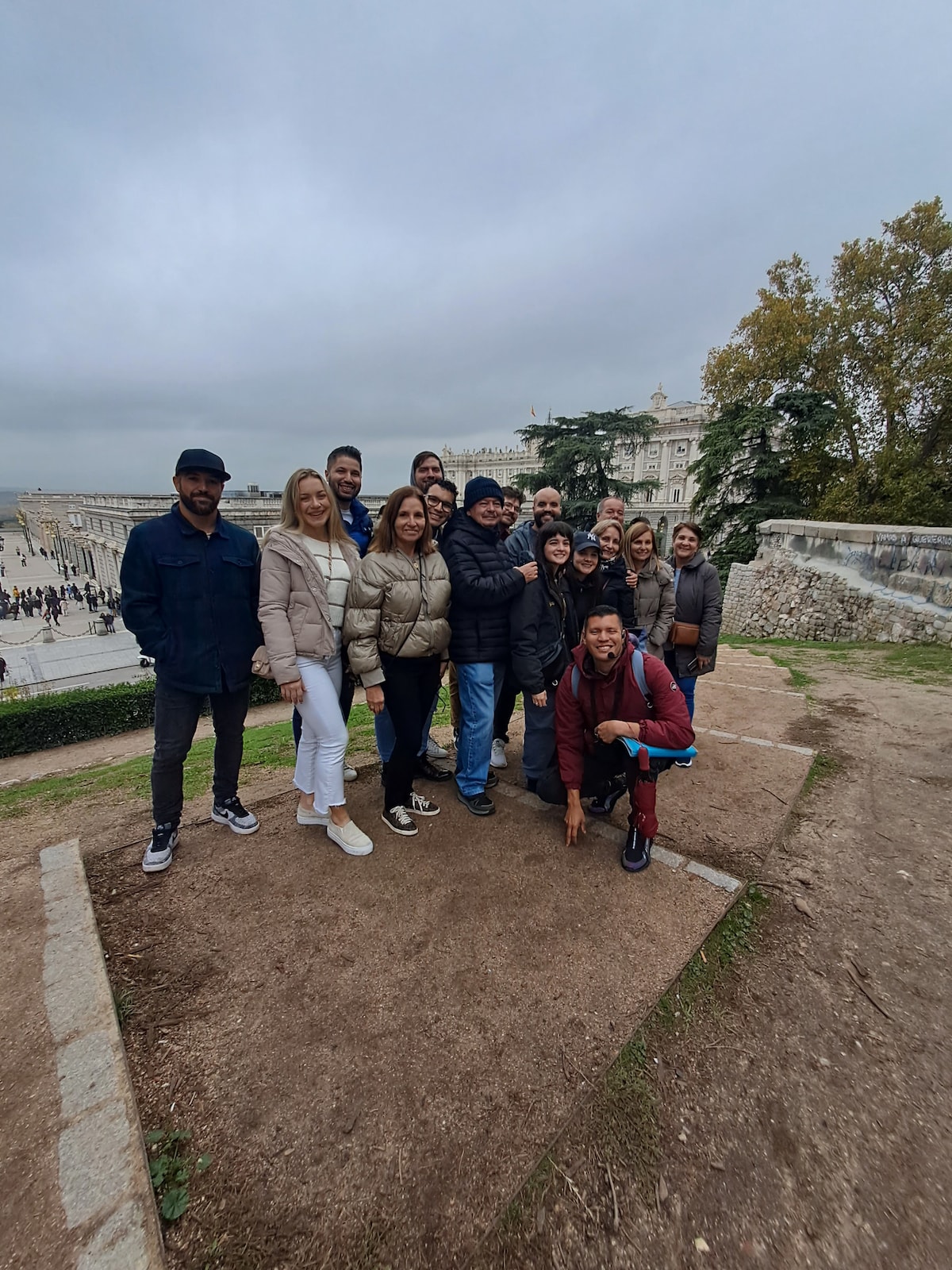
Freetour Discover the historic Madrid
Tue, Feb 24 • 10:00 AM
28000, Madrid, Community of Madrid, Spain
View details

Enjoy Authentic Flamenco
Tue, Feb 24 • 5:45 PM
28012, Madrid, Community of Madrid, Spain
View details

Avatar: The Experience
Wed, Feb 25 • 4:00 PM
Paseo de las Delicias, 61, 28045
View details
Nearby attractions of Toledo Gate
Pedro Salinas Library
Shoko Madrid
University Carlos III of Madrid | Puerta de Toledo
Cerca de Felipe IV
Jardines del Rastro Park (fireplace)
Royal Basilica of Saint Francis the Great
Colors by Experiencity Escape Room
Museo de Artes y Tradiciones Populares
Jardines de San Francisco
La Fuentecilla
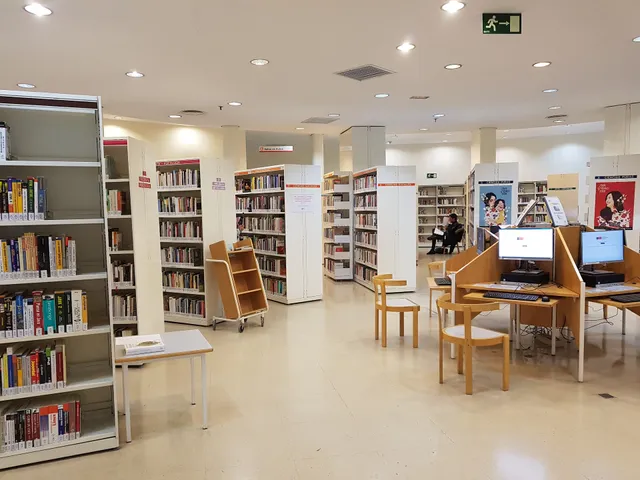
Pedro Salinas Library
3.9
(259)
Closed
Click for details

Shoko Madrid
3.5
(2.4K)
Open until 12:00 AM
Click for details
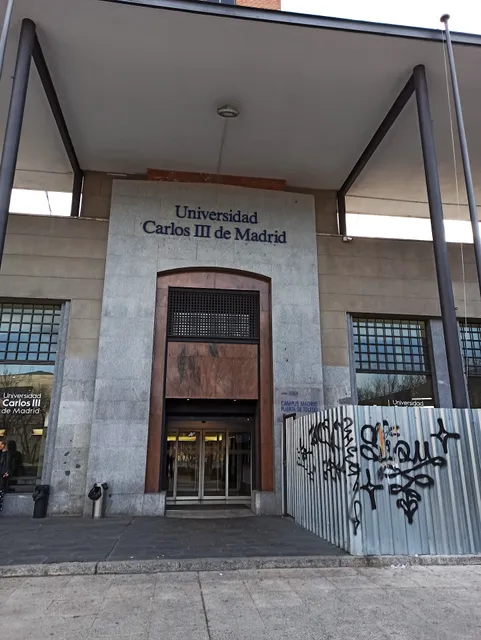
University Carlos III of Madrid | Puerta de Toledo
4.3
(84)
Closed
Click for details
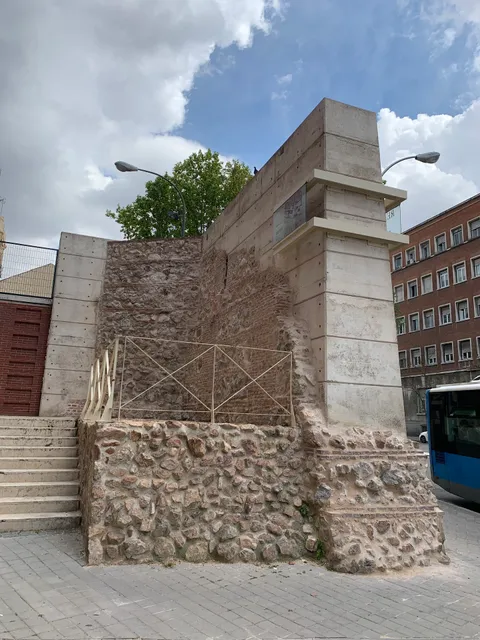
Cerca de Felipe IV
4.0
(20)
Open until 12:00 AM
Click for details
Nearby restaurants of Toledo Gate
Bar El Pescador
Restaurante Salsería
Playa Riazor restaurante
Campiello
Ataca Paca
de Madrid
Restaurante Fan Hua
Zocodover
La Abadía Beer's
Burmet Arganzuela
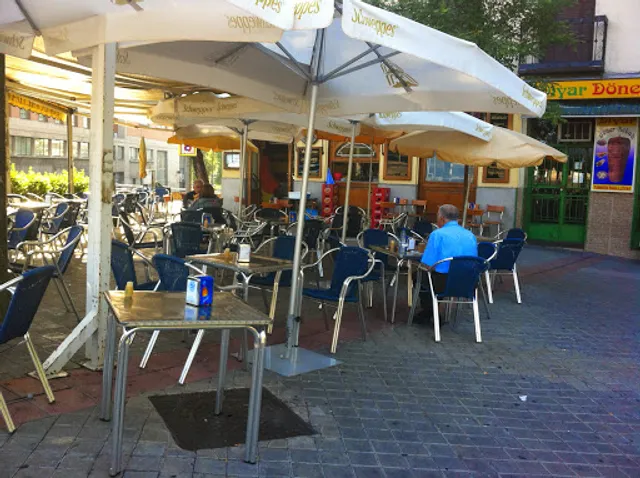
Bar El Pescador
3.4
(373)
Open until 1:00 AM
Click for details
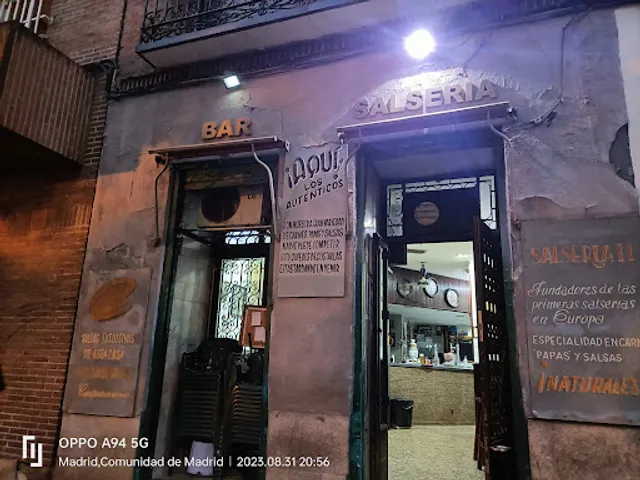
Restaurante Salsería
4.1
(395)
Closed
Click for details

Playa Riazor restaurante
3.9
(165)
Open until 1:00 AM
Click for details
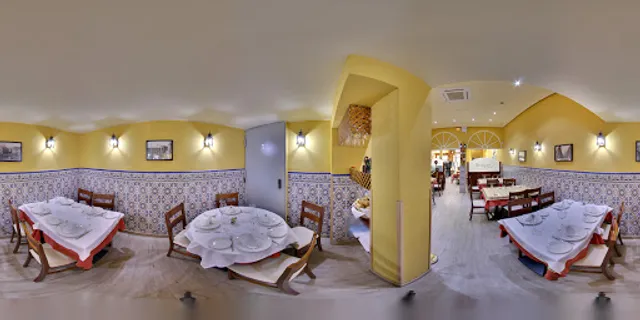
Campiello
4.1
(266)
Closed
Click for details
Nearby local services of Toledo Gate
Puerta de Toledo
Carisal Fashion venta al publico | Tienda de tallas grandes mujer
Superclub La Latina
Parque Madrid Río
Biblioteca del Campus Madrid Puerta de Toledo UC3M
ESPACIO DOWNTOWN
Mercadillo de la plaza del Campillo
Mercado de la Cebada
Centro Comercial Pasillo Verde
La Ensaladilla de La Taberna Errante
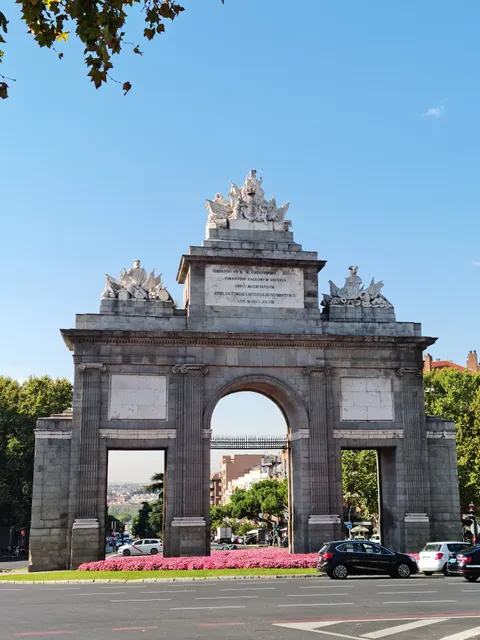
Puerta de Toledo
4.0
(90)
Click for details

Carisal Fashion venta al publico | Tienda de tallas grandes mujer
4.7
(168)
Click for details

Superclub La Latina
4.2
(531)
Click for details

Parque Madrid Río
4.6
(2.4K)
Click for details