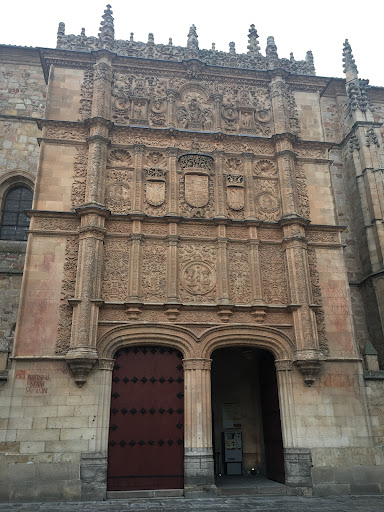
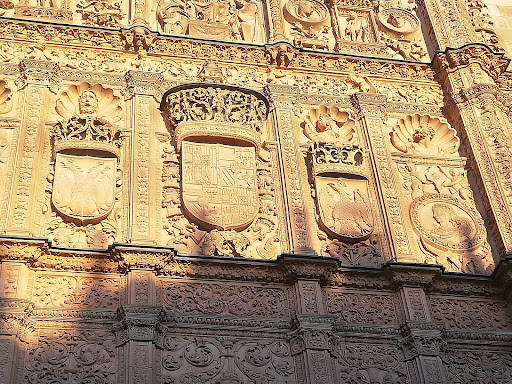
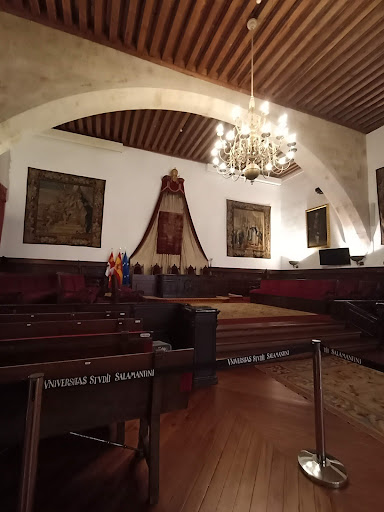
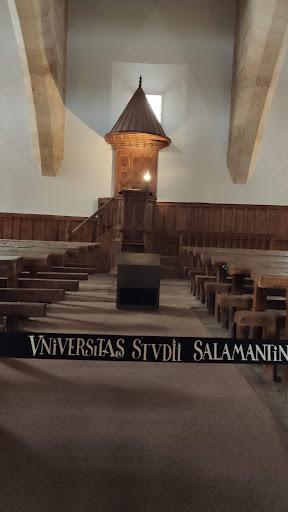
Escuelas Mayores de Salamanca things to do, attractions, restaurants, events info and trip planning

Basic Info
Escuelas Mayores de Salamanca
C. Libreros, 19, 37008 Salamanca, Spain
4.7(208)
Open until 12:00 AM
Save
spot
spot
Ratings & Description
Info
Cultural
Scenic
attractions: Frog of Salamanca, Salamanca Cathedral, University of Salamanca, Unamuno House Museum, Museo Art Nouveau y Art Déco - Casa Lis, Huerto de Calixto y Melibea, Ieronimus Tower (Old Cathedral), Casa de las Conchas, Anaya Palace, Museo de Salamanca, restaurants: MANDALA RESTAURANTE Y CAFETERÍA, Bar restaurante Don Quijote, RESTAURANTE CORTE Y CATA, Restaurante la Luna, Taberna de Libreros - Restaurante en Salamanca centro, The Irish Theatre, Pastelería La Portuguesa, La barra de Gonzalo, D4 Bar Restaurante, Cafetería Rúa, local businesses: Casa Lis, Catedral Vieja de Santa María de la Sede de Salamanca, Cielo de Salamanca, Copistería Low Cost Salamanca, Mercatus, Don Quijote Language School, Pontifical University of Salamanca, Joyería AgAu, Trotamundos, Museum of Automotive History
 Learn more insights from Wanderboat AI.
Open hoursSee all hours
Mon10 AM - 7 PMOpen
Plan your stay

Pet-friendly Hotels in Salamanca
Find a cozy hotel nearby and make it a full experience.

Affordable Hotels in Salamanca
Find a cozy hotel nearby and make it a full experience.

The Coolest Hotels You Haven't Heard Of (Yet)
Find a cozy hotel nearby and make it a full experience.

Trending Stays Worth the Hype in Salamanca
Find a cozy hotel nearby and make it a full experience.
Reviews
Live events
TOP Salamanca: visita guiada con tu móvil
Mon, Feb 16 • 12:00 AM
Plaza Mayor, 4, Salamanca, 37002
View details
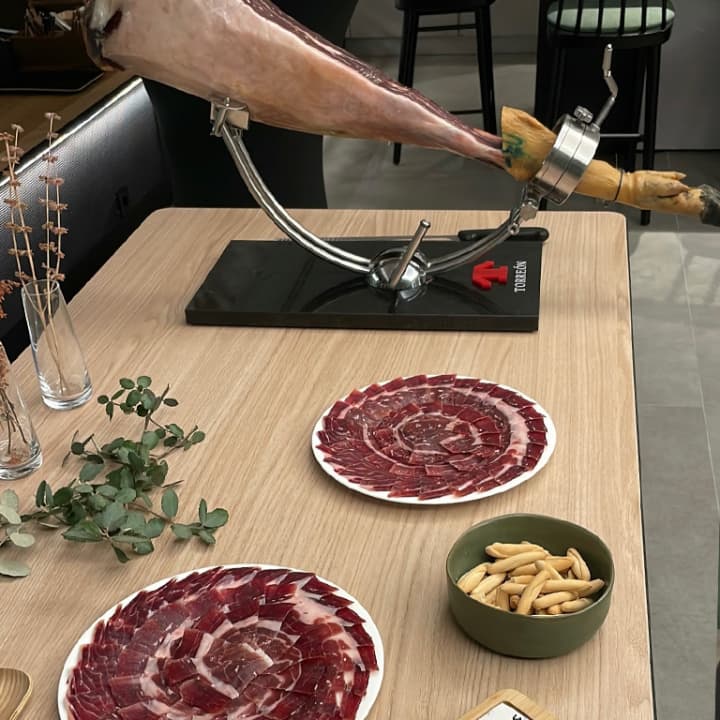
Visita a un secadero de jamones ibéricos con degustación en Salamanca
Mon, Feb 16 • 12:30 PM
P.o Delicias, 67, Villares de la Reina, 37184
View details
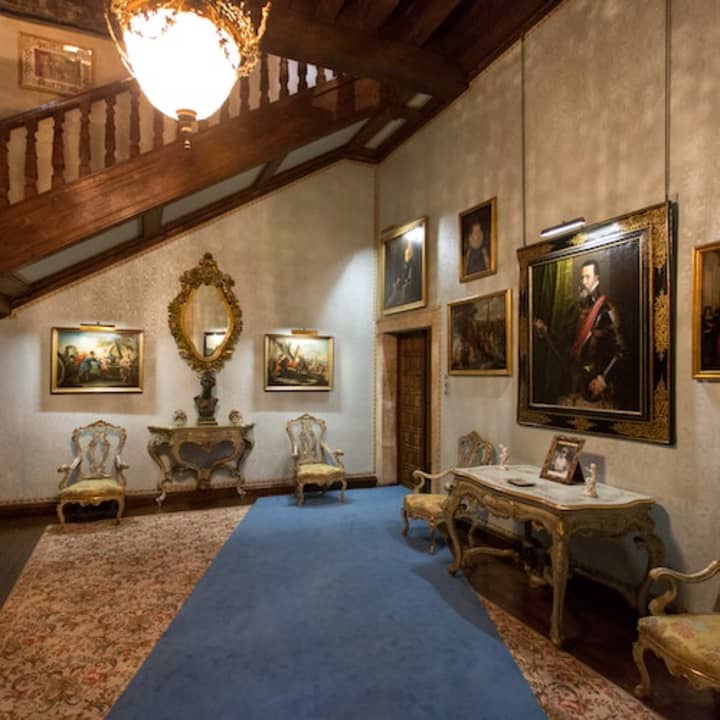
Palacio de Monterrey: Visita audioguiada
Tue, Feb 17 • 11:00 AM
Plaza de Monterrey, 2, Salamanca, 37002
View details
Nearby attractions of Escuelas Mayores de Salamanca
Frog of Salamanca
Salamanca Cathedral
University of Salamanca
Unamuno House Museum
Museo Art Nouveau y Art Déco - Casa Lis
Huerto de Calixto y Melibea
Ieronimus Tower (Old Cathedral)
Casa de las Conchas
Anaya Palace
Museo de Salamanca
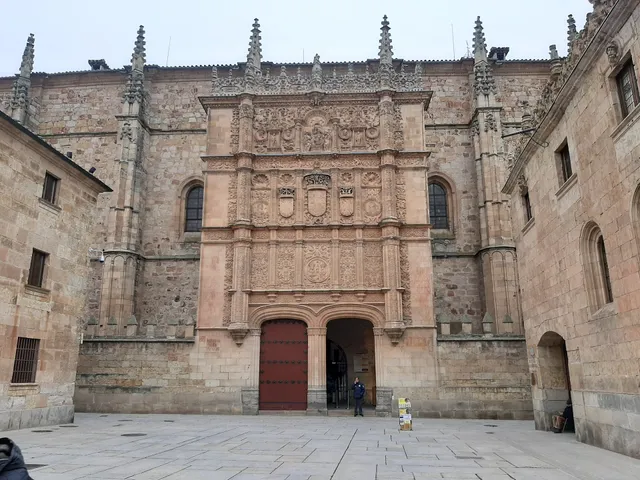
Frog of Salamanca
4.7
(1.4K)
Open until 12:00 AM
Click for details
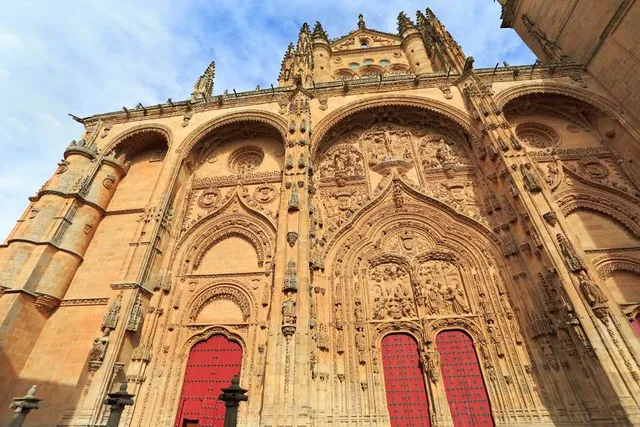
Salamanca Cathedral
4.7
(7.5K)
Closed
Click for details
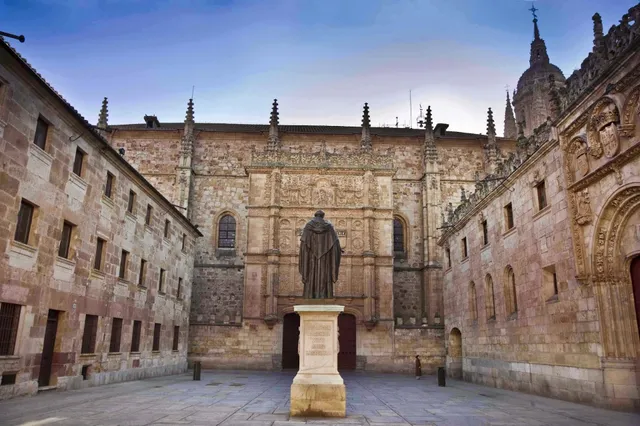
University of Salamanca
4.5
(795)
Open 24 hours
Click for details
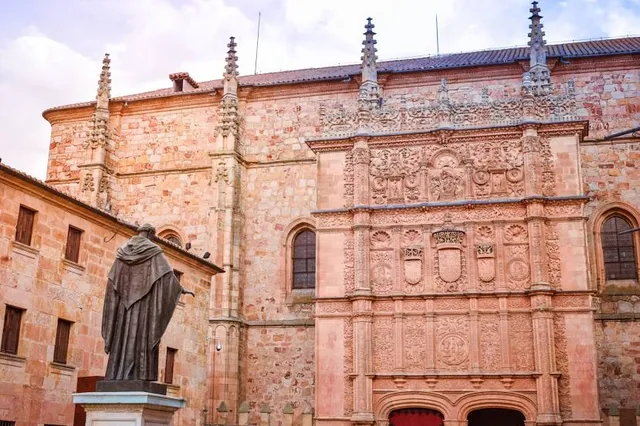
Unamuno House Museum
4.7
(331)
Open until 12:00 AM
Click for details
Nearby restaurants of Escuelas Mayores de Salamanca
MANDALA RESTAURANTE Y CAFETERÍA
Bar restaurante Don Quijote
RESTAURANTE CORTE Y CATA
Restaurante la Luna
Taberna de Libreros - Restaurante en Salamanca centro
The Irish Theatre
Pastelería La Portuguesa
La barra de Gonzalo
D4 Bar Restaurante
Cafetería Rúa
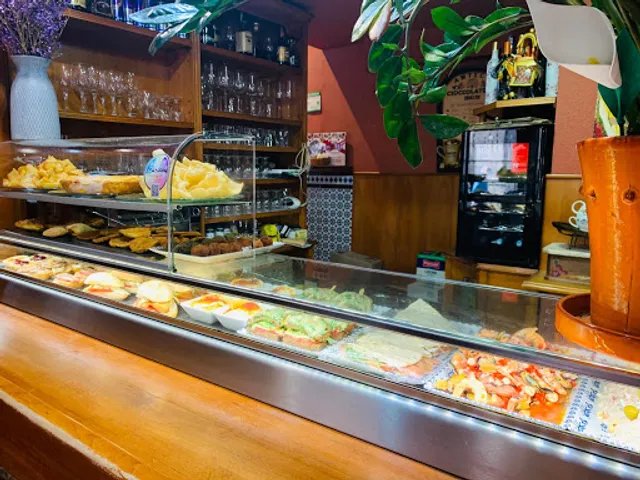
MANDALA RESTAURANTE Y CAFETERÍA
4.4
(1.3K)
$
Open until 12:00 AM
Click for details
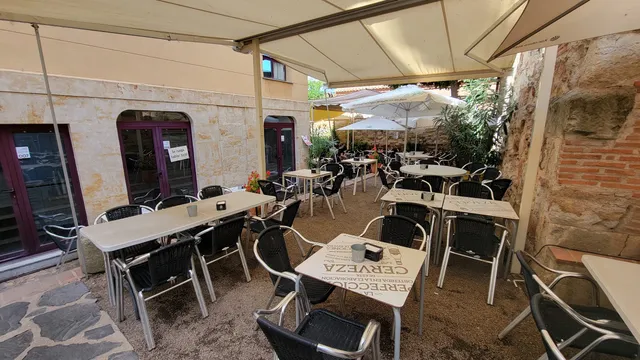
Bar restaurante Don Quijote
4.0
(1.5K)
$
Closed
Click for details
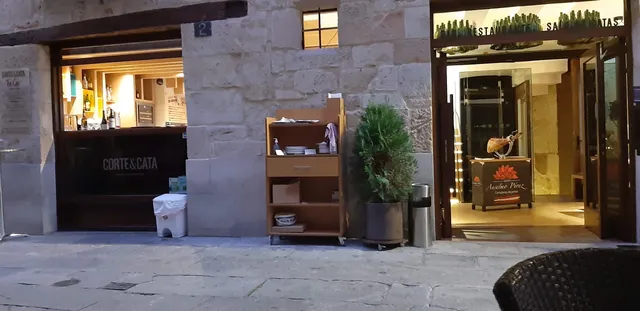
RESTAURANTE CORTE Y CATA
4.5
(1.1K)
$$
Closed
Click for details
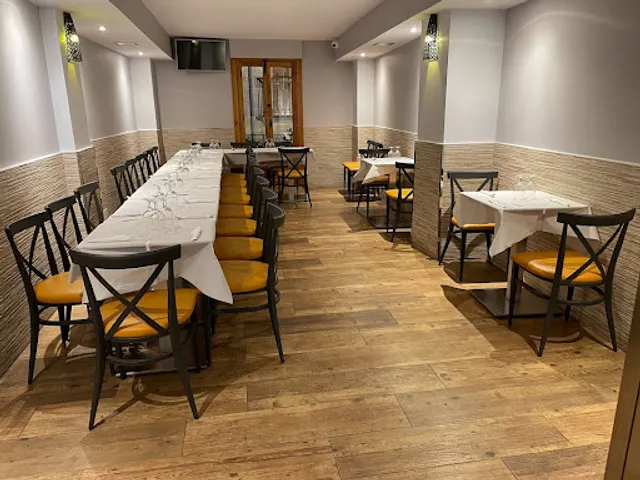
Restaurante la Luna
4.1
(882)
Open until 12:00 AM
Click for details
Nearby local services of Escuelas Mayores de Salamanca
Casa Lis
Catedral Vieja de Santa María de la Sede de Salamanca
Cielo de Salamanca
Copistería Low Cost Salamanca
Mercatus
Don Quijote Language School
Pontifical University of Salamanca
Joyería AgAu
Trotamundos
Museum of Automotive History
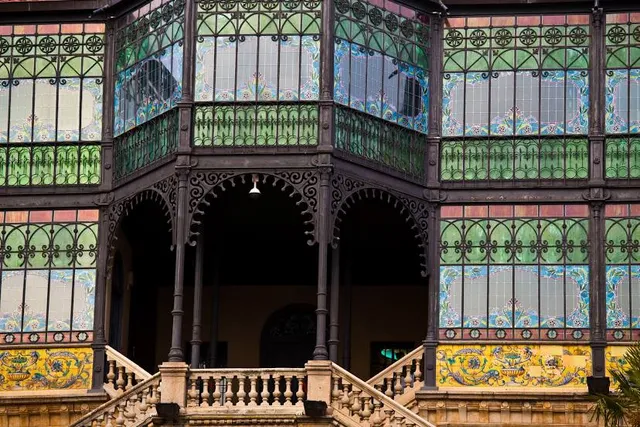
Casa Lis
4.5
(2.8K)
Click for details
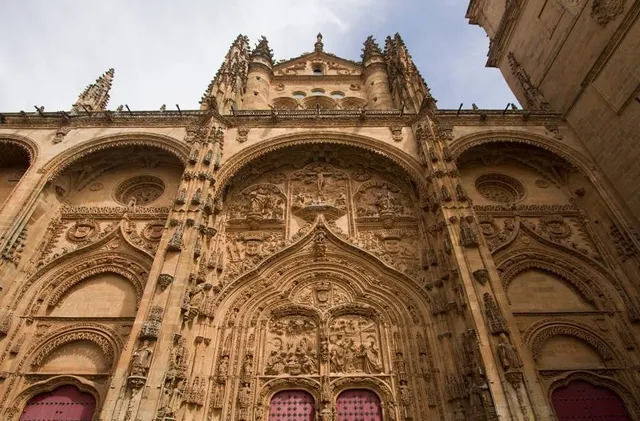
Catedral Vieja de Santa María de la Sede de Salamanca
4.8
(580)
Click for details
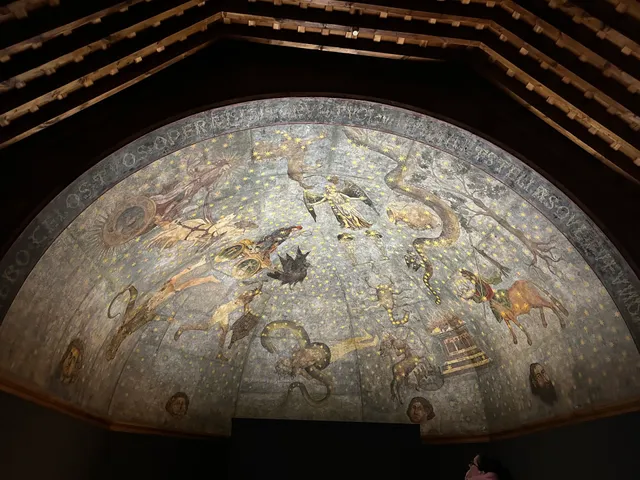
Cielo de Salamanca
4.7
(186)
Click for details
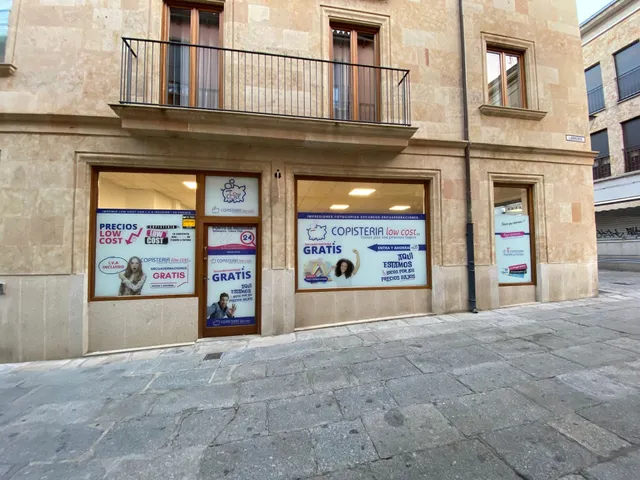
Copistería Low Cost Salamanca
4.9
(249)
Click for details