HTML SitemapExplore
logo
Find Things to DoFind The Best Restaurants

University of Salamanca — Attraction in Salamanca

Name
University of Salamanca
Description
Nearby attractions
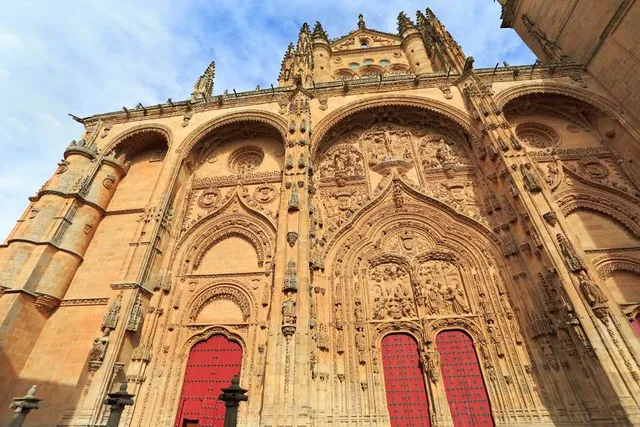
Salamanca Cathedral
C. Benedicto XVI, 37008 Salamanca, Spain
Frog of Salamanca
C. Libreros, 19, 37008 Salamanca, Spain
Museo Art Nouveau y Art Déco - Casa Lis
Gibraltar, 14, 37008 Salamanca, Spain
Huerto de Calixto y Melibea
Calle Arcediano, 20, 37008 Salamanca, Spain
Unamuno House Museum
C. Libreros, 25, 37008 Salamanca, Spain
Ieronimus Tower (Old Cathedral)
Plaza Juan XXIII, s/n, 37003 Salamanca, Spain
Escuelas Mayores de Salamanca
C. Libreros, 19, 37008 Salamanca, Spain
Anaya Palace
Pl. de Anaya, 37008 Salamanca, Spain
Casa de las Conchas
Casa de las Conchas, C. de la Compañía, 2, 37002 Salamanca, Spain
Fachada plateresca de la Universidad
Patio de Escuelas, 1, 37008 Salamanca, Spain
Nearby restaurants
MANDALA RESTAURANTE Y CAFETERÍA
C. Serranos, 9, 11, 37008 Salamanca, Spain
RESTAURANTE CORTE Y CATA
Zona, C. Serranos, n° 1, 37008 Salamanca, Spain
Restaurante la Luna
C. Libreros, 4, 37008 Salamanca, Spain
Taberna de Libreros - Restaurante en Salamanca centro
C. Libreros, 24, 37008 Salamanca, Spain
El Corral de Guevara
C. Libreros, 44, 37008 Salamanca, Spain
Restaurante Bar Las Caballerizas
C. Tostado, 3, 37008 Salamanca, Spain
El Bardo Conchas
C. de la Compañía, 8, 37008 Salamanca, Spain
Tecnic Pasta Bar
C. Latina, 8, 37008 Salamanca, Spain
RESTAURANTE LA HOJA 21
C. San Pablo, 21, 37008 Salamanca, Spain
Madre Mía Gastrotaberna
C. Francisco de Vitoria, 3, 37008 Salamanca, Spain
Related posts
Keywords
University of Salamanca tourism.University of Salamanca hotels.University of Salamanca bed and breakfast. flights to University of Salamanca.University of Salamanca attractions.University of Salamanca restaurants.University of Salamanca travel.University of Salamanca travel guide.University of Salamanca travel blog.University of Salamanca pictures.University of Salamanca photos.University of Salamanca travel tips.University of Salamanca maps.University of Salamanca things to do.
University of Salamanca things to do, attractions, restaurants, events info and trip planning
University of Salamanca
SpainCastile and LeónSalamancaUniversity of Salamanca

Basic Info

University of Salamanca

Patio de Escuelas, 1, 37008 Salamanca, Spain
4.5(778)
Open 24 hours
Save
spot

Ratings & Description

Info

Cultural
Accessibility
attractions: Salamanca Cathedral, Frog of Salamanca, Museo Art Nouveau y Art Déco - Casa Lis, Huerto de Calixto y Melibea, Unamuno House Museum, Ieronimus Tower (Old Cathedral), Escuelas Mayores de Salamanca, Anaya Palace, Casa de las Conchas, Fachada plateresca de la Universidad, restaurants: MANDALA RESTAURANTE Y CAFETERÍA, RESTAURANTE CORTE Y CATA, Restaurante la Luna, Taberna de Libreros - Restaurante en Salamanca centro, El Corral de Guevara, Restaurante Bar Las Caballerizas, El Bardo Conchas, Tecnic Pasta Bar, RESTAURANTE LA HOJA 21, Madre Mía Gastrotaberna
logoLearn more insights from Wanderboat AI.
Phone
+34 923 29 44 00
Website
usal.es

Plan your stay

hotel
Pet-friendly Hotels in Salamanca
Find a cozy hotel nearby and make it a full experience.
hotel
Affordable Hotels in Salamanca
Find a cozy hotel nearby and make it a full experience.
hotel
The Coolest Hotels You Haven't Heard Of (Yet)
Find a cozy hotel nearby and make it a full experience.
hotel
Trending Stays Worth the Hype in Salamanca
Find a cozy hotel nearby and make it a full experience.

Reviews

Nearby attractions of University of Salamanca

Salamanca Cathedral

Frog of Salamanca

Museo Art Nouveau y Art Déco - Casa Lis

Huerto de Calixto y Melibea

Unamuno House Museum

Ieronimus Tower (Old Cathedral)

Escuelas Mayores de Salamanca

Anaya Palace

Casa de las Conchas

Fachada plateresca de la Universidad

Salamanca Cathedral

Salamanca Cathedral

4.7

(7.4K)

Open 24 hours
Click for details
Frog of Salamanca

Frog of Salamanca

4.7

(1.4K)

Open until 12:00 AM
Click for details
Museo Art Nouveau y Art Déco - Casa Lis

Museo Art Nouveau y Art Déco - Casa Lis

4.5

(3.4K)

Open 24 hours
Click for details
Huerto de Calixto y Melibea

Huerto de Calixto y Melibea

4.5

(5.5K)

Open 24 hours
Click for details

Things to do nearby

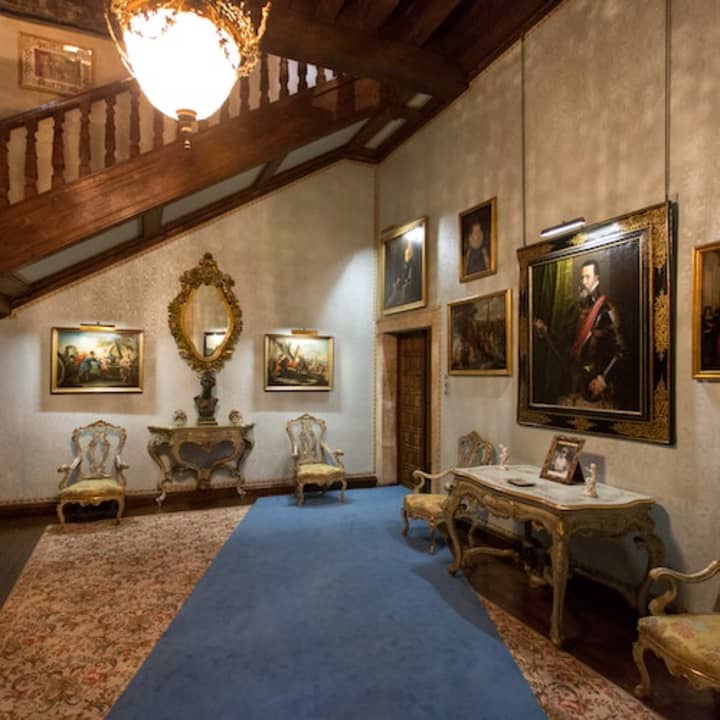
Palacio de Monterrey: Visita audioguiada
Thu, Dec 4 • 10:30 AM
Plaza de Monterrey, 2, Salamanca, 37002
View details
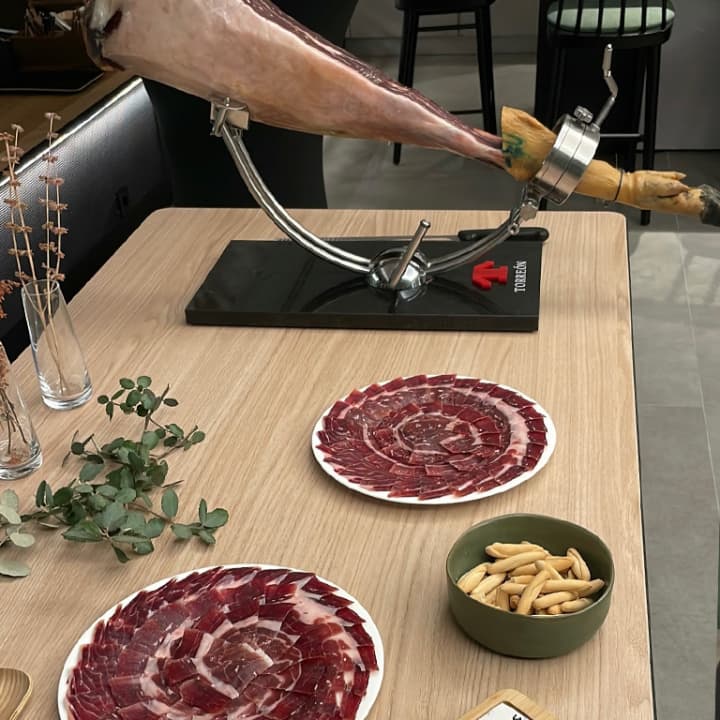
Visita a un secadero de jamones ibéricos con degustación en Salamanca
Thu, Dec 4 • 12:30 PM
P.o Delicias, 67, Villares de la Reina, 37184
View details
A Date Night Adventure! - Salamanca Scavenger Hunt
Thu, Dec 4 • 8:00 AM
22 Calle Benedicto XVI, 37008 Salamanca
View details

Nearby restaurants of University of Salamanca

MANDALA RESTAURANTE Y CAFETERÍA

RESTAURANTE CORTE Y CATA

Restaurante la Luna

Taberna de Libreros - Restaurante en Salamanca centro

El Corral de Guevara

Restaurante Bar Las Caballerizas

El Bardo Conchas

Tecnic Pasta Bar

RESTAURANTE LA HOJA 21

Madre Mía Gastrotaberna

MANDALA RESTAURANTE Y CAFETERÍA

MANDALA RESTAURANTE Y CAFETERÍA

4.4

(1.4K)

Click for details
RESTAURANTE CORTE Y CATA

RESTAURANTE CORTE Y CATA

4.5

(1.1K)

Click for details
Restaurante la Luna

Restaurante la Luna

4.1

(866)

Click for details
Taberna de Libreros - Restaurante en Salamanca centro

Taberna de Libreros - Restaurante en Salamanca centro

4.5

(278)

Click for details
Get the Appoverlay
Get the AppOne tap to find yournext favorite spots!
Wanderboat LogoWanderboat

Your everyday Al companion for getaway ideas

CompanyAbout Us
InformationAI Trip PlannerSitemap
SocialXInstagramTiktokLinkedin
LegalTerms of ServicePrivacy Policy

Get the app

© 2025 Wanderboat. All rights reserved.
logo

Posts

Seokjin HamSeokjin Ham
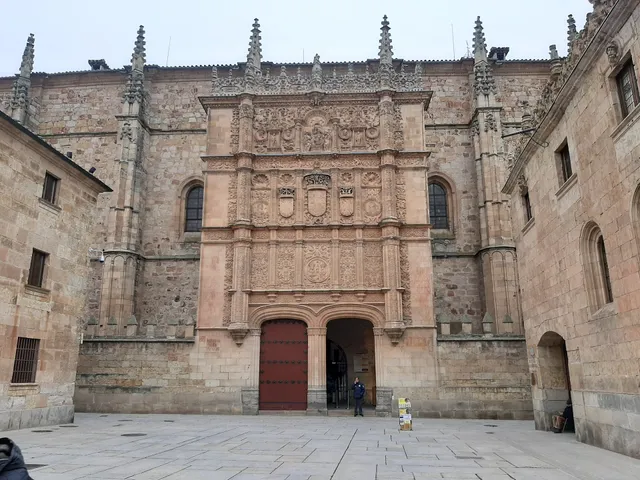
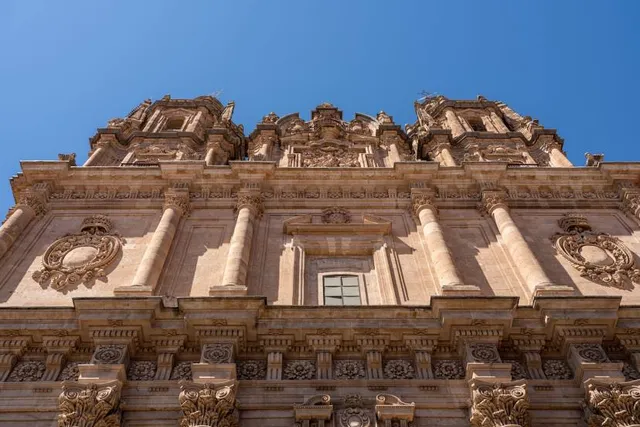
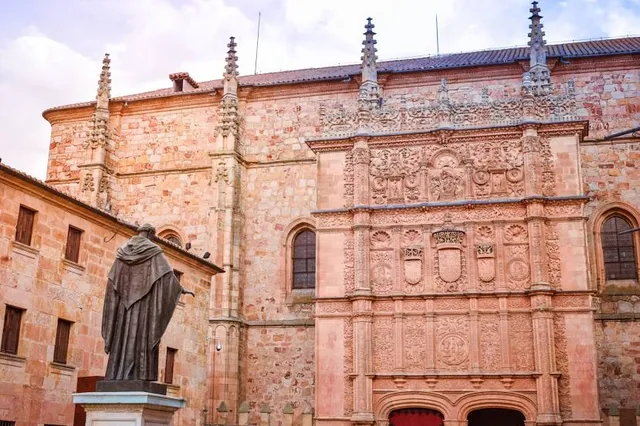
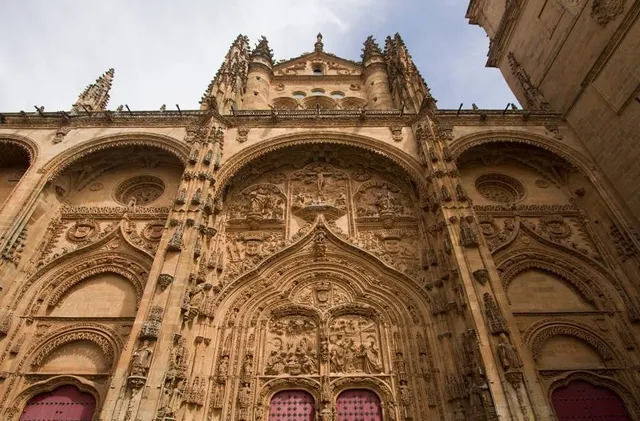
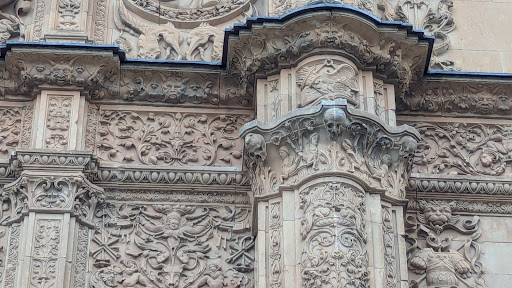
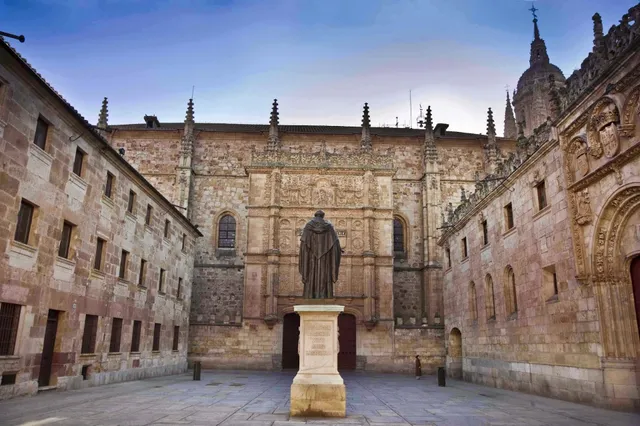
Founded in 1218 by King Alfonso IX of León, the university is the oldest university in Spain and one of the most prestigious higher education institutions in Europe. Since the Middle Ages, it has been a center of knowledge and intellectual development, gaining particular renown in the fields of theology, law, philosophy, and literature. In 1543, it became the first European university to officially discuss Copernicus' heliocentric theory. Additionally, in 1492, Antonio de Nebrija published the first Spanish grammar book at this university. The university's central building, Escuelas Mayores, has served as the institution's main academic and administrative center since the 15th century and is currently used as the main building. In contrast, Escuelas Menores was historically dedicated to elementary education and preparatory courses, featuring a smaller-scale structure. One of the university's most iconic features is the facade of Escuelas Mayores (La Fachada), which was decorated in the 16th century in the Plateresque (Plateresco) style. This artistic style blends Renaissance and Gothic elements, characterized by intricate carvings and elaborate ornamentation. Upon closer inspection of the facade, visitors can spot a small frog (La Rana) perched on a skull among the numerous sculpted figures and decorative motifs. According to legend, students who find the frog on their first attempt are destined for academic success. This tradition continues to this day, attracting both students and tourists who try to locate the famous lucky frog on the university's facade.
K TejaswiniK Tejaswini
Some may say that this university is overpriced for 10 Euro. In my opinion, it is totally worth the price. Where else can I find such a beautiful medieval university which is so well preserved? As there was a shower on that day, tourists were scarce so we could enjoy the campus as much as we want. With the audioguide, you can walk along different areas of the university and check out its function hundreds of years ago. Imagining how students listening to the lectures in the wooden built lecture hall (without the powerpoints and speakers) and the inauguration ceremony in the hall is itself a breathtaking experience. The 'finding the frog' game suggested by the university also gave us a lot of fun as we did spend considerable amount of time searching them on the incredibly complicated sculpture at the entrance. And the joy of finding it (in the answer sheet of the university shop) makes it more delightful. Their university shop sells the real deal with delicate laser cut cards and addictive alphabet stamps based on their canon and harry porter like leather bags, computer cases and stationery.
FoodTrip GoFoodTrip Go
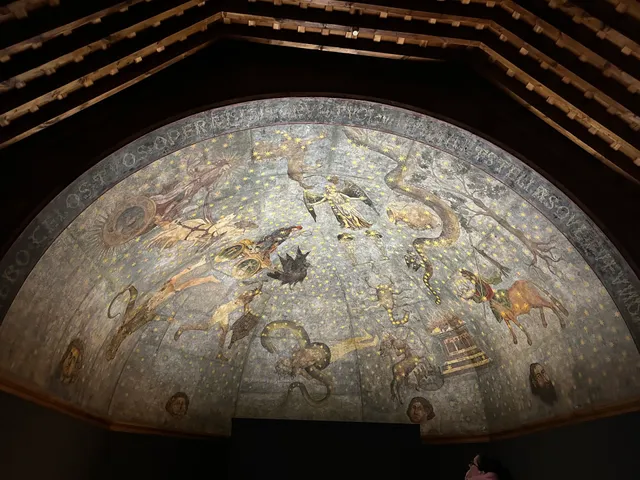
**Universidad de Salamanca** ⭐⭐⭐⭐⭐ L'Universidad de Salamanca è una delle università più antiche e prestigiose d'Europa, fondata nel 1218, ed è un vero gioiello storico e architettonico. Questa istituzione ha giocato un ruolo cruciale nella storia dell'istruzione superiore e continua a essere un simbolo di eccellenza accademica. La facciata dell'università è un capolavoro del Rinascimento spagnolo, famosa per la sua intricata decorazione plateresca. Ogni dettaglio scolpito nella pietra racconta una storia, con figure mitologiche, stemmi araldici e simbolismi religiosi. La ricerca della famosa Rana de Salamanca sulla facciata è un'attività divertente e coinvolgente, che aggiunge un tocco di mistero alla visita. All'interno, la Universidad de Salamanca offre un viaggio affascinante attraverso i secoli. Le aule storiche, come l'Aula Magna, sono ancora utilizzate per lezioni e cerimonie, mantenendo vivo il legame con il passato. Le biblioteche, ricche di manoscritti antichi e testi rari, sono un tesoro inestimabile per studiosi e appassionati di storia. Il Patio de Escuelas Menores, con il suo suggestivo Cielo de Salamanca, è un luogo di tranquillità e riflessione. Questo affresco, raffigurante il cielo notturno, è un'opera d'arte straordinaria che combina scienza e mito, offrendo una visione unica della conoscenza rinascimentale. La posizione centrale dell'università la rende facilmente accessibile e perfetta per essere inclusa in qualsiasi itinerario turistico. La vicinanza ad altre attrazioni principali, come la Plaza Mayor e la Cattedrale, permette di esplorare comodamente il cuore storico di Salamanca. In sintesi, la Universidad de Salamanca è un luogo di straordinaria bellezza e importanza storica. Visitare questa istituzione offre un'opportunità unica di immergersi nella storia dell'istruzione e di ammirare uno degli esempi più raffinati dell'architettura rinascimentale spagnola. Non perdere l'occasione di esplorare questo magnifico complesso durante il tuo soggiorno a Salamanca. FoodTripGo ti aiuta a pianificare il tuo viaggio ideale e su misura.
See more posts
See more posts
hotel
Find your stay

Pet-friendly Hotels in Salamanca

Find a cozy hotel nearby and make it a full experience.

Founded in 1218 by King Alfonso IX of León, the university is the oldest university in Spain and one of the most prestigious higher education institutions in Europe. Since the Middle Ages, it has been a center of knowledge and intellectual development, gaining particular renown in the fields of theology, law, philosophy, and literature. In 1543, it became the first European university to officially discuss Copernicus' heliocentric theory. Additionally, in 1492, Antonio de Nebrija published the first Spanish grammar book at this university. The university's central building, Escuelas Mayores, has served as the institution's main academic and administrative center since the 15th century and is currently used as the main building. In contrast, Escuelas Menores was historically dedicated to elementary education and preparatory courses, featuring a smaller-scale structure. One of the university's most iconic features is the facade of Escuelas Mayores (La Fachada), which was decorated in the 16th century in the Plateresque (Plateresco) style. This artistic style blends Renaissance and Gothic elements, characterized by intricate carvings and elaborate ornamentation. Upon closer inspection of the facade, visitors can spot a small frog (La Rana) perched on a skull among the numerous sculpted figures and decorative motifs. According to legend, students who find the frog on their first attempt are destined for academic success. This tradition continues to this day, attracting both students and tourists who try to locate the famous lucky frog on the university's facade.
Seokjin Ham

Seokjin Ham

hotel
Find your stay

Affordable Hotels in Salamanca

Find a cozy hotel nearby and make it a full experience.

Get the Appoverlay
Get the AppOne tap to find yournext favorite spots!
Some may say that this university is overpriced for 10 Euro. In my opinion, it is totally worth the price. Where else can I find such a beautiful medieval university which is so well preserved? As there was a shower on that day, tourists were scarce so we could enjoy the campus as much as we want. With the audioguide, you can walk along different areas of the university and check out its function hundreds of years ago. Imagining how students listening to the lectures in the wooden built lecture hall (without the powerpoints and speakers) and the inauguration ceremony in the hall is itself a breathtaking experience. The 'finding the frog' game suggested by the university also gave us a lot of fun as we did spend considerable amount of time searching them on the incredibly complicated sculpture at the entrance. And the joy of finding it (in the answer sheet of the university shop) makes it more delightful. Their university shop sells the real deal with delicate laser cut cards and addictive alphabet stamps based on their canon and harry porter like leather bags, computer cases and stationery.
K Tejaswini

K Tejaswini

hotel
Find your stay

The Coolest Hotels You Haven't Heard Of (Yet)

Find a cozy hotel nearby and make it a full experience.

hotel
Find your stay

Trending Stays Worth the Hype in Salamanca

Find a cozy hotel nearby and make it a full experience.

**Universidad de Salamanca** ⭐⭐⭐⭐⭐ L'Universidad de Salamanca è una delle università più antiche e prestigiose d'Europa, fondata nel 1218, ed è un vero gioiello storico e architettonico. Questa istituzione ha giocato un ruolo cruciale nella storia dell'istruzione superiore e continua a essere un simbolo di eccellenza accademica. La facciata dell'università è un capolavoro del Rinascimento spagnolo, famosa per la sua intricata decorazione plateresca. Ogni dettaglio scolpito nella pietra racconta una storia, con figure mitologiche, stemmi araldici e simbolismi religiosi. La ricerca della famosa Rana de Salamanca sulla facciata è un'attività divertente e coinvolgente, che aggiunge un tocco di mistero alla visita. All'interno, la Universidad de Salamanca offre un viaggio affascinante attraverso i secoli. Le aule storiche, come l'Aula Magna, sono ancora utilizzate per lezioni e cerimonie, mantenendo vivo il legame con il passato. Le biblioteche, ricche di manoscritti antichi e testi rari, sono un tesoro inestimabile per studiosi e appassionati di storia. Il Patio de Escuelas Menores, con il suo suggestivo Cielo de Salamanca, è un luogo di tranquillità e riflessione. Questo affresco, raffigurante il cielo notturno, è un'opera d'arte straordinaria che combina scienza e mito, offrendo una visione unica della conoscenza rinascimentale. La posizione centrale dell'università la rende facilmente accessibile e perfetta per essere inclusa in qualsiasi itinerario turistico. La vicinanza ad altre attrazioni principali, come la Plaza Mayor e la Cattedrale, permette di esplorare comodamente il cuore storico di Salamanca. In sintesi, la Universidad de Salamanca è un luogo di straordinaria bellezza e importanza storica. Visitare questa istituzione offre un'opportunità unica di immergersi nella storia dell'istruzione e di ammirare uno degli esempi più raffinati dell'architettura rinascimentale spagnola. Non perdere l'occasione di esplorare questo magnifico complesso durante il tuo soggiorno a Salamanca. FoodTripGo ti aiuta a pianificare il tuo viaggio ideale e su misura.
FoodTrip Go

FoodTrip Go

See more posts
See more posts

Reviews of University of Salamanca

4.5
(778)
avatar
5.0
41w

Founded in 1218 by King Alfonso IX of León, the university is the oldest university in Spain and one of the most prestigious higher education institutions in Europe. Since the Middle Ages, it has been a center of knowledge and intellectual development, gaining particular renown in the fields of theology, law, philosophy, and literature. In 1543, it became the first European university to officially discuss Copernicus' heliocentric theory. Additionally, in 1492, Antonio de Nebrija published the first Spanish grammar book at this university. The university's central building, Escuelas Mayores, has served as the institution's main academic and administrative center since the 15th century and is currently used as the main building. In contrast, Escuelas Menores was historically dedicated to elementary education and preparatory courses, featuring a smaller-scale structure. One of the university's most iconic features is the facade of Escuelas Mayores (La Fachada), which was decorated in the 16th century in the Plateresque (Plateresco) style. This artistic style blends Renaissance and Gothic elements, characterized by intricate carvings and elaborate ornamentation. Upon closer inspection of the facade, visitors can spot a small frog (La Rana) perched on a skull among the numerous sculpted figures and decorative motifs. According to legend, students who find the frog on their first attempt are destined for academic success. This tradition continues to this day, attracting both students and tourists who try to locate the famous lucky frog on the...

   Read more
avatar
5.0
1y

"The University of Salamanca was founded by King Alfonso IX of León in 1218 and was officially recognised by Pope Alexander IV in a papal bull issued in 1255.

Throughout the course of the Middle Ages, the Papacy intervened actively in university life, regulating the curriculum and other aspects of academic life. Subsequently, the King and his Council took over the direction of the University, and controlled it directly or through their appointed officials.

From the end of the 15th century and throughout the 16th century, the University of Salamanca became the iconic university of the Spanish Monarchy and its vast empire. This prestige made it a stepping-stone to promotion in Civil or in Ecclesiastical Administration. It was also at this time that a major cultural flourishing took place, embodied in the figures of the humanist Nebrija, the theologians Francisco de Vitoria and Fray Luis de León, and the jurist Diego de Covarrubias.

This widespread renown made Salamanca a point of confluence for students from the whole Iberian Peninsula, from Europe and even from Latin America, as it attracted greater numbers of students than any other Hispanic university of the time.

In the 1580's, this number rose considerably, with more than 6,500 students enrolled. In addition to this, Salamanca's organizational model was exported to Latin American universities, where it was adapted to the specific circumstances of each...

   Read more
avatar
5.0
7y

NACIMIENTO DE LA UNIVERSIDAD DE SALAMANCA. A Alfonso IX de León se le pueden hoy atribuir dos contribuciones fundamentales: el nacimiento de la primera Universidad Española que ha llegado hasta hoy: la Universidad de Salamanca en 1218, y también, aunque ha costado demostrarlo, pues siempre los ingleses presumían de ser la cuna del parlamentarismo: el nacimiento del parlamentarismo, con el Aula Regía de León en 1188, no hace mucho reconocida por la Unesco y demás organismos internacionales. Por eso a Alfonso IX de León se le debe reconocer, incluso en Salamanca: su maravillosa Plaza Mayor no tenía su imagen ni en el Pabellón Real pues fue rey de León y estos medallones aludían al Reino de Castilla, bastante posterior. Respecto a la Universidad, incluso se ha intentado, de siempre mermar su antigüedad por otras: sabemos que la de Palencia fue la primera de España, nacida entre 1208 y 1212, pero desapareció hacia 1263. La otra cercana, la Universidad de Valladolid, siempre ha sostenido, incluso en sus libros institucionales, que es heredera de la de Palencia, y que, incluso, es fruto del traslado desde Palencia a Valladolid. No existen pruebas de eso, pero sí se sabe que empezó a funcionar, quizás, a fines del XIII. En páginas suyas, a veces daba, la fecha 1241, demasiado primitiva: no podía ser fruto del traslado de Palencia, pues esta aún existía. Otras ya la ponen, en 1295, quizás más posible: otras, como Wikipedia, la llevan hasta 1417...Lo que sí es cierto es que no alcanzó gran importancia hasta el XVI, cuando, junto a Salamanca (1218) y Alcalá de Henares (1499) son consideradas las universidades principales del reino. En cuanto a Alcalá de Henares (1499) fundada por Cisneros, también hace años en una exposición daba a entender sus casi ocho siglos, cuando no era de universidad sino de estudios, que es otra cosa. Para hacer ver bien la importancia de estas universidades daré la relación de los seis antiguos colegios mayores creados en España: Colegio Viejo de San Bartolomé o de Anaya (1410) en Salamanca. Colegio de Santa Cruz (1484) en Valladolid. Es sede antigua de la UVA. Colegio de San Ildefonso (1499). Es sede antigua de la U. de Alcalá. Colegio de Cuenca (1509) en Salamanca. Colegio de Oviedo (1521) en Salamanca. Colegio de Santiago Zebedeo o de Fonseca (1529) en Salamanca. (Fuente de datos el Portal "Universia") Esta clasificación da imagen de la importancia de Salamanca. Además Salamana, fue la primera "Universitas", o sea, la primera a cuyos sus estudios, en el mundo occidental, se le otorgó, el valor de "valer para todo el orbe cristiano". Y, otro dato: prácticamente todas las universidades creadas en su imperio, sobretodo en América, y Asía, como la de Manila, son herederas de la Universidad de Salamanca. Pero, también, ahora que la Universidad de Salamanca celebra su VIII Centenario, y de "Universidad" no de "Estudios" (que no es lo mismo) como hicieron otras para presumir de más antigüedad, parece olvidar una cosa: la Universidad de Salamanca nació en su catedral, primero la Vieja, donde estuvo durante cerca de tres siglos dándose clase e impartiéndola religiosos, sus Escuelas Mayores y Menores, empezaron a levantarse a partir de principios del XV. En esa catedral permaneció cerca de tres siglos y, para que se hagan una idea de la dependencia: hasta 1834 los exámenes de grados o doctores se hicieron en la Catedral: de ahí la llamada "Puerta de Carros" por la que se salía del claustro cuando eran suspendidos, de ahí los innumerables vítores que se pueden aún ver en la fachada hacia Anaya de la Catedral Nueva. Por eso, es falacia histórica pretender celebrar el VIII Centenario de la Universidad de Salamanca Civil: únicamente durante cerca de siete siglos existió una universidad: los clérigos y laicos estudiaban allí, y, para más delito: en sus primeros siglos casi todos los que impartían docencia o la recibían eran religiosos. ¿Pretende la actual USAL cambiar la historia o acomodarla a su interés? (como hacen Valladolid o Alcalá en cuanto a aumentar su...

   Read more
Page 1 of 7
Previous
Next