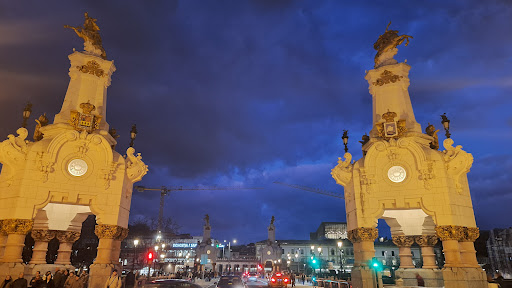
Maria Cristina zubia things to do, attractions, restaurants, events info and trip planning
Basic Info
Maria Cristina zubia
De, Puente de María Cristina, 20002 Donostia / San Sebastián, Gipuzkoa, Spain
4.6(867)
Open until 12:00 AM
Save
spot
spot
Ratings & Description
Info
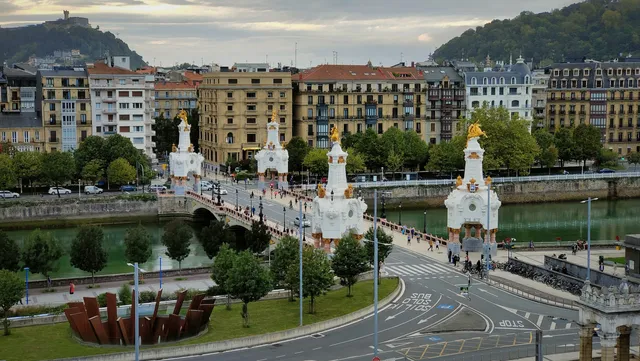
María Cristina Bridge is a bridge over the Urumea river passing through the Basque city of San Sebastián.
Outdoor
Accessibility
attractions: Good Shepherd of San Sebastián Cathedral, Tabakalera, Cristina Enea parkea, Beach of La Concha, Kutxa Kultur Artegunea, Donostiako Gabonetako Azoka, Alderdi Eder parkea, Kutxa Fundazioa Kluba, Atardecer en Zurriola, Nor Nai galería de arte (basque art & posters), restaurants: Kafe Botanika, Amazonas Jatetxea, Goxo Poke taberna, The Wander Bar, De Norte a Sur, Izarraitz Taberna, Arizmendi Pizzería Donostia, Narru Restaurant, Patagonia Gastrobar Centro, Goiko, local businesses: San Sebastián-Donostia, Mimma Gallery, Fnac, K-tuin San Sebastián · Apple Premium Reseller y Servicio Técnico Oficial, EROSKI, Pull & Bear, SOFARIUM SAN SEBASTIÁN - DONOSTIA, San Martin Merkatua, ZARA, Parque de Cristina Enea
 Learn more insights from Wanderboat AI.
Open hoursSee all hours
FriOpen 24 hoursOpen
Plan your stay

Pet-friendly Hotels in San Sebastián
Find a cozy hotel nearby and make it a full experience.

Affordable Hotels in San Sebastián
Find a cozy hotel nearby and make it a full experience.

The Coolest Hotels You Haven't Heard Of (Yet)
Find a cozy hotel nearby and make it a full experience.

Trending Stays Worth the Hype in San Sebastián
Find a cozy hotel nearby and make it a full experience.
Reviews
Live events
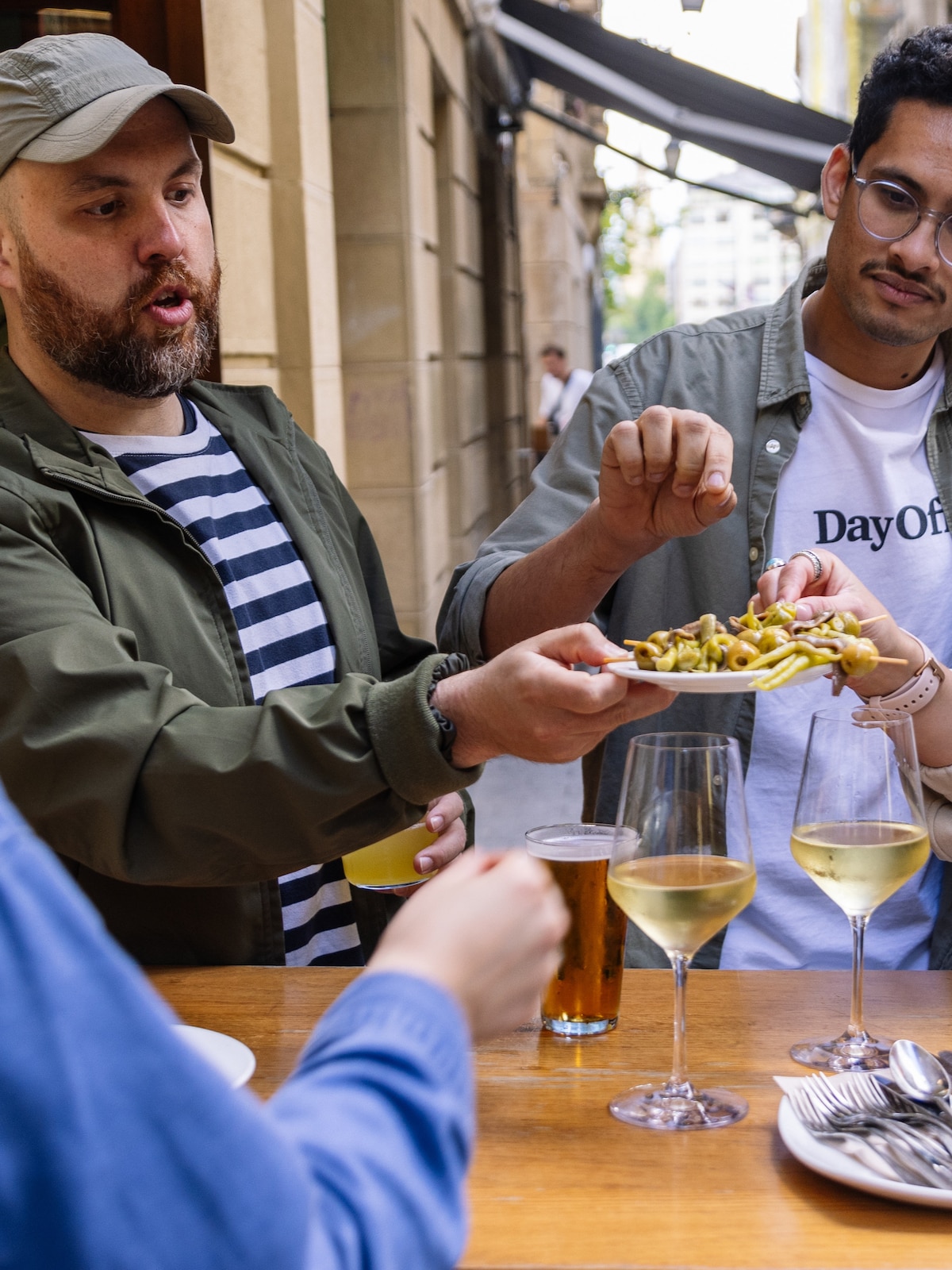
Explore pintxos in San Sebastian
Fri, Feb 20 • 6:30 PM
20006, Donostia-San Sebastian, Basque Country, Spain
View details
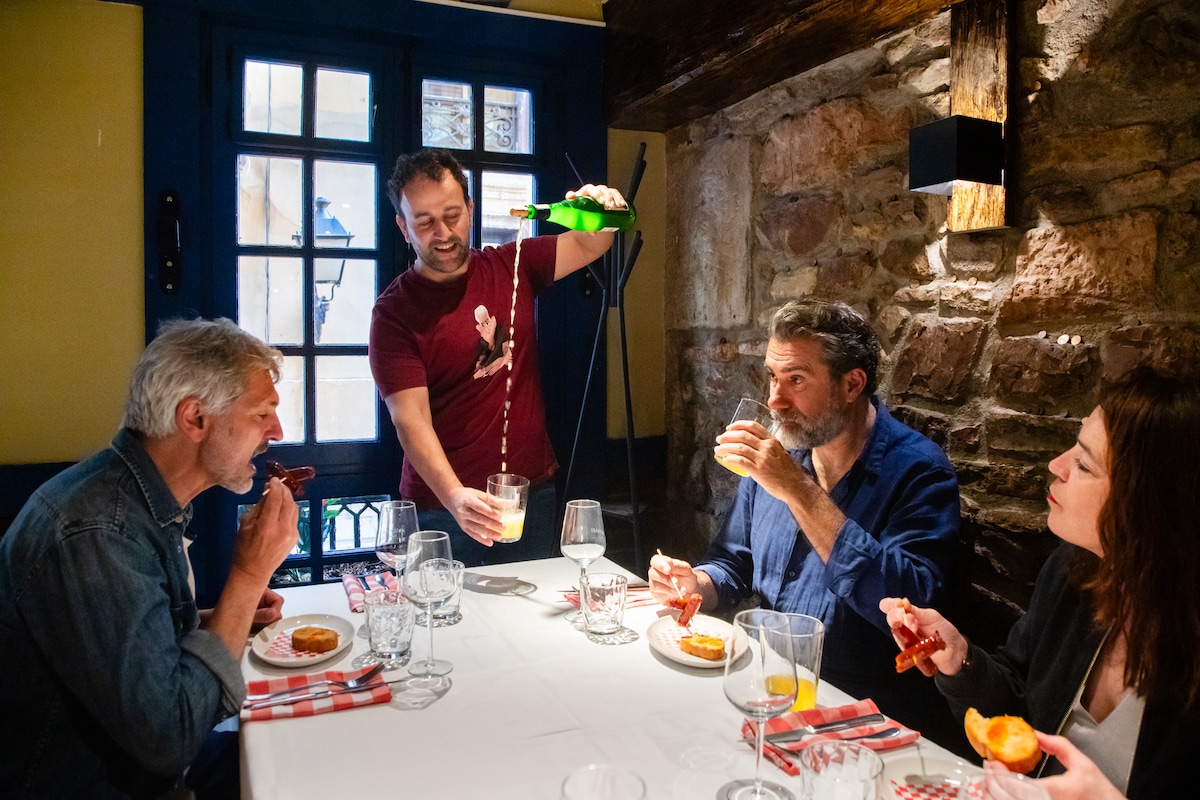
Market, Pintxos and Wine tour in San Sebastian
Fri, Feb 20 • 12:00 PM
20003, Donostia-San Sebastian, Basque Country, Spain
View details
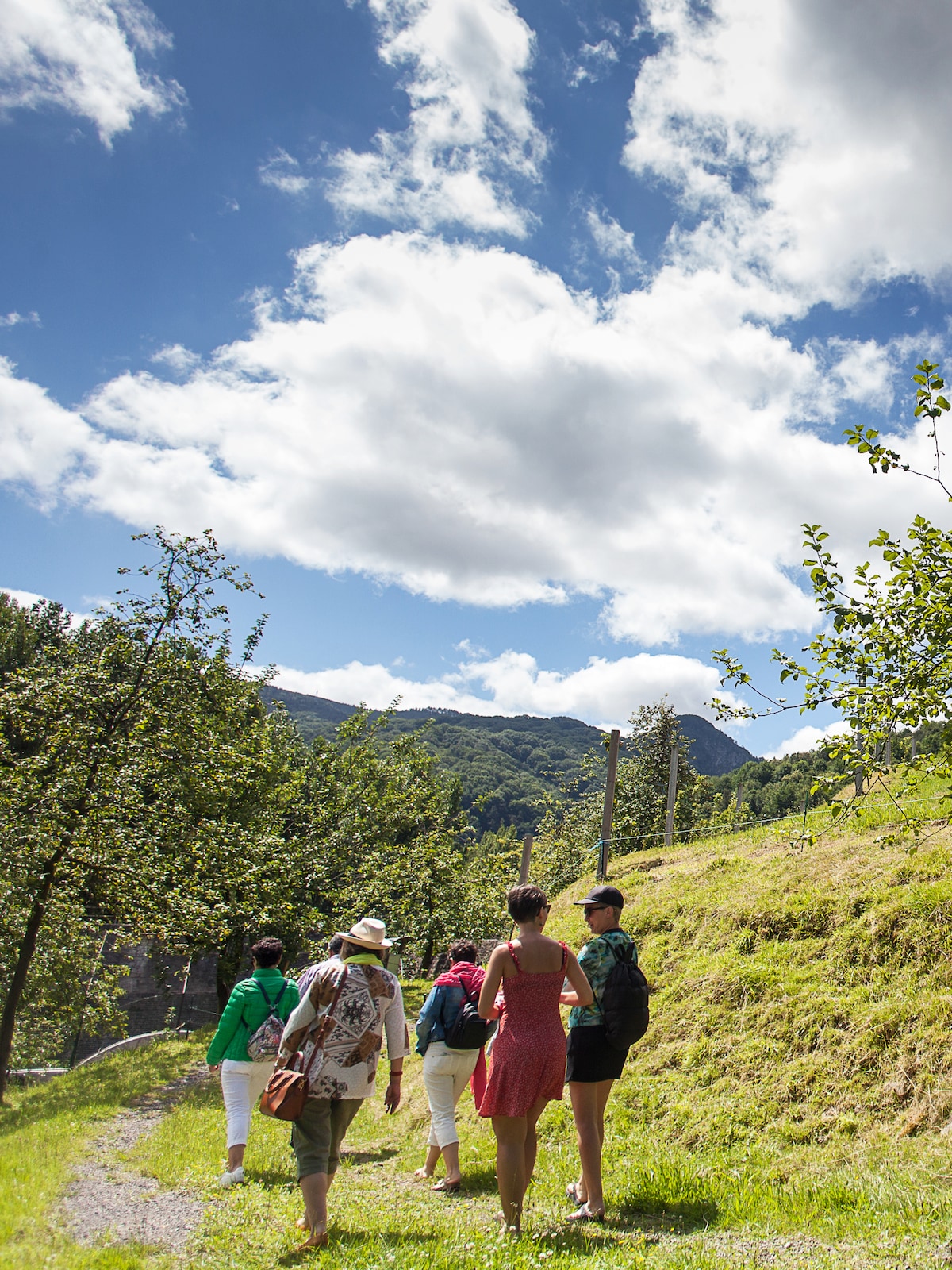
Visit a traditional Basque cider house
Sat, Feb 21 • 12:00 PM
20004, Donostia-San Sebastian, Basque Country, Spain
View details
Nearby attractions of Maria Cristina zubia
Good Shepherd of San Sebastián Cathedral
Tabakalera
Cristina Enea parkea
Beach of La Concha
Kutxa Kultur Artegunea
Donostiako Gabonetako Azoka
Alderdi Eder parkea
Kutxa Fundazioa Kluba
Atardecer en Zurriola
Nor Nai galería de arte (basque art & posters)
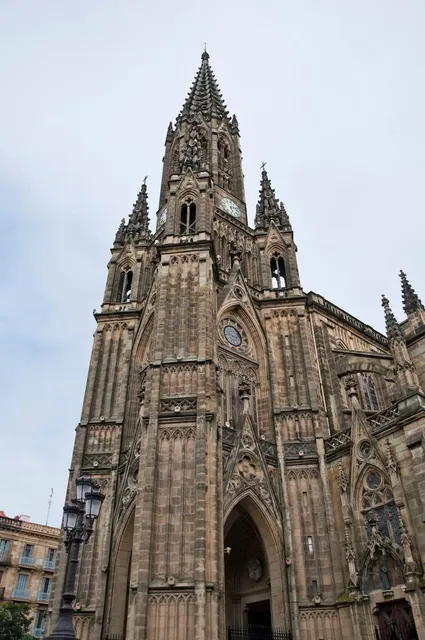
Good Shepherd of San Sebastián Cathedral
4.5
(3.1K)
Open 24 hours
Click for details
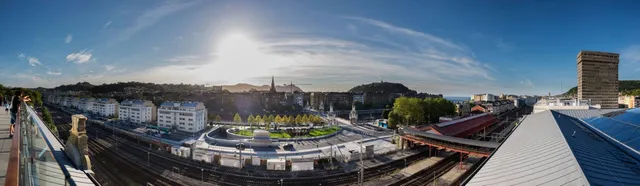
Tabakalera
4.4
(495)
Closed
Click for details
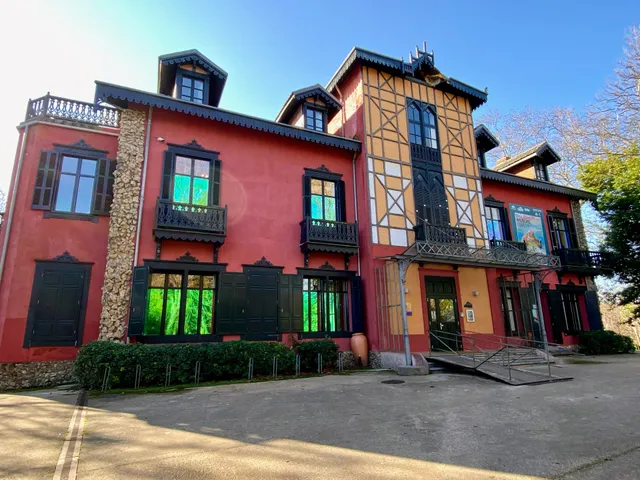
Cristina Enea parkea
4.6
(2.3K)
Closed
Click for details
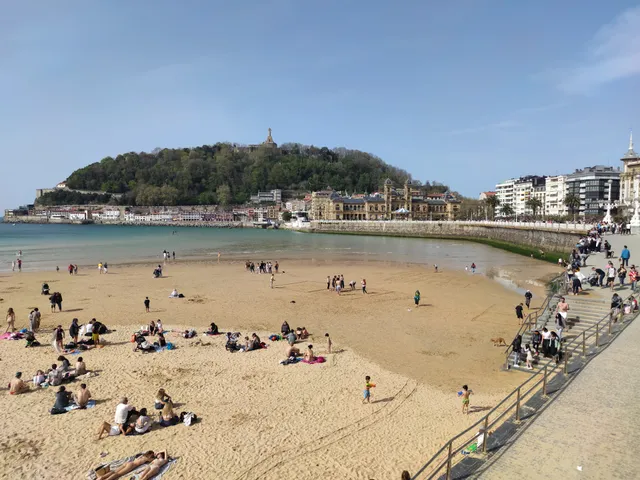
Beach of La Concha
4.7
(8.6K)
Open 24 hours
Click for details
Nearby restaurants of Maria Cristina zubia
Kafe Botanika
Amazonas Jatetxea
Goxo Poke taberna
The Wander Bar
De Norte a Sur
Izarraitz Taberna
Arizmendi Pizzería Donostia
Narru Restaurant
Patagonia Gastrobar Centro
Goiko
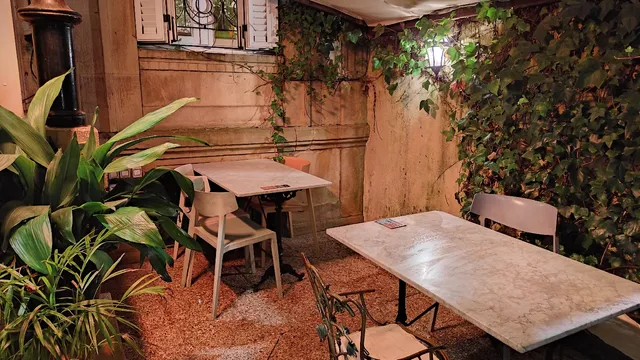
Kafe Botanika
4.2
(1.3K)
$
Closed
Click for details
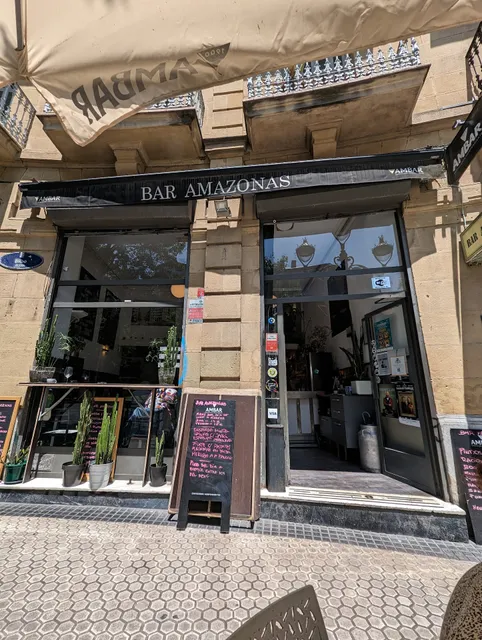
Amazonas Jatetxea
3.7
(545)
Click for details
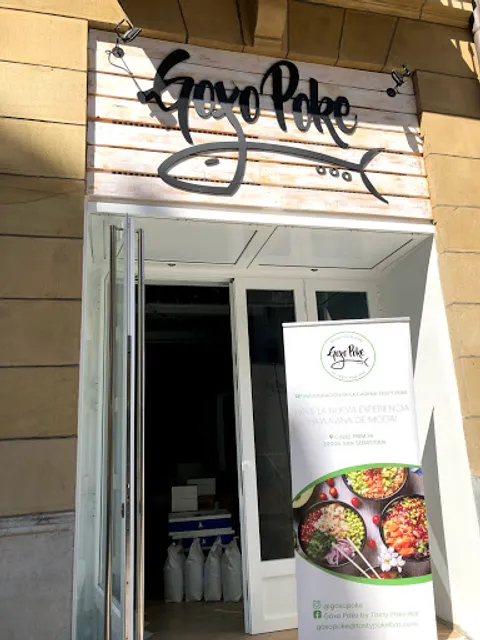
Goxo Poke taberna
4.5
(458)
$
Closed
Click for details

The Wander Bar
5.0
(1)
Closed
Click for details
Nearby local services of Maria Cristina zubia
San Sebastián-Donostia
Mimma Gallery
Fnac
K-tuin San Sebastián · Apple Premium Reseller y Servicio Técnico Oficial
EROSKI
Pull & Bear
SOFARIUM SAN SEBASTIÁN - DONOSTIA
San Martin Merkatua
ZARA
Parque de Cristina Enea
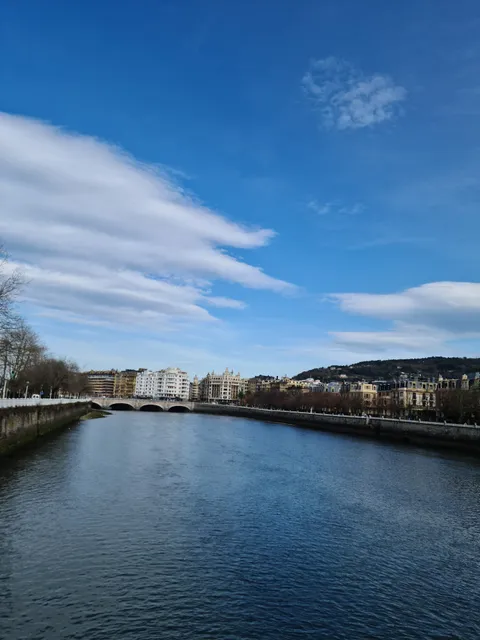
San Sebastián-Donostia
4.2
(250)
Click for details
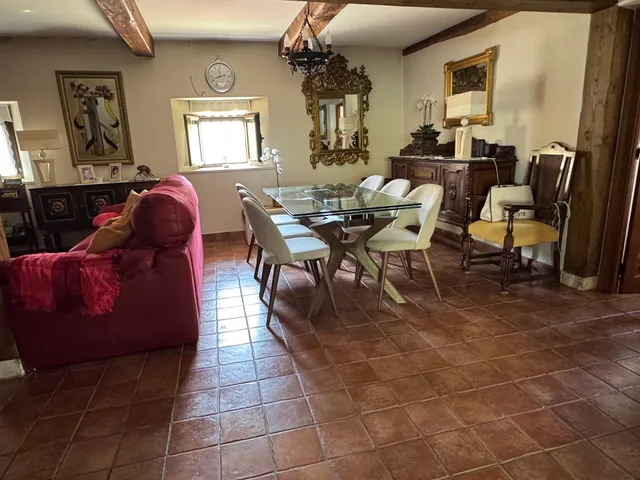
Mimma Gallery
5.0
(313)
Click for details

Fnac
4.0
(3.5K)
Click for details
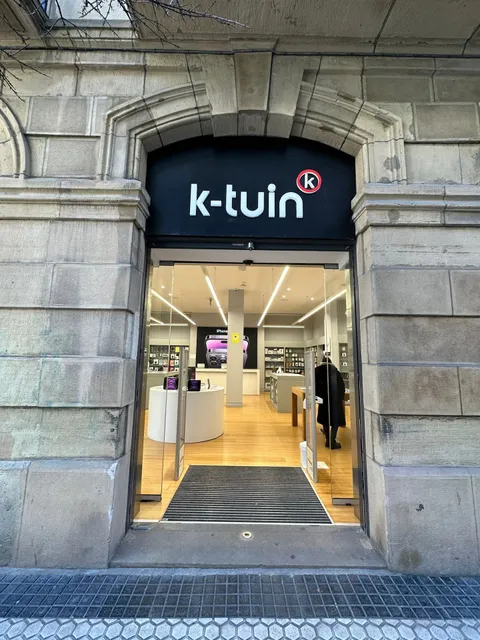
K-tuin San Sebastián · Apple Premium Reseller y Servicio Técnico Oficial
4.4
(724)
Click for details