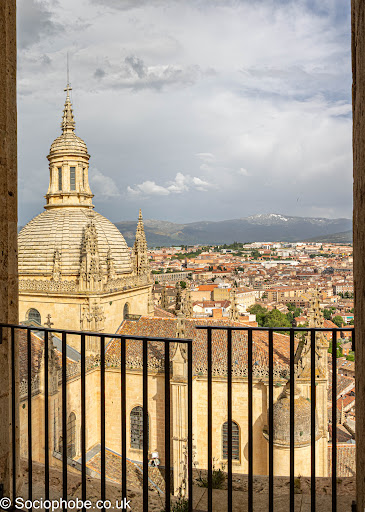
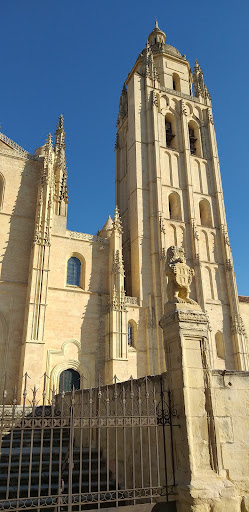
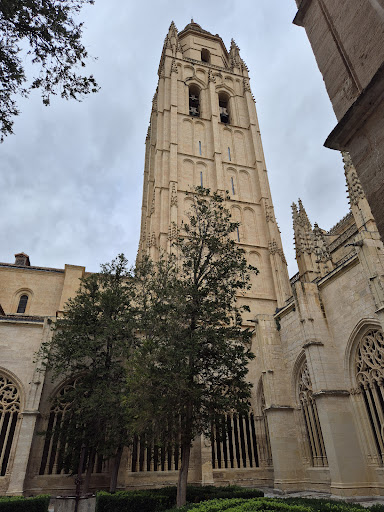
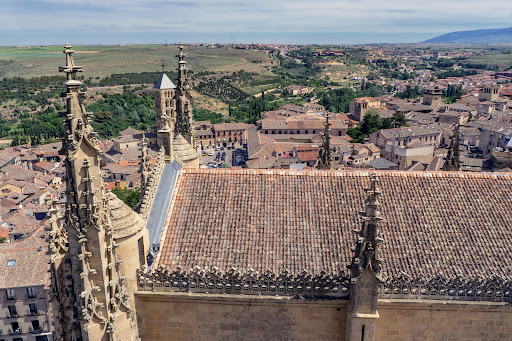
Torre de la Catedral things to do, attractions, restaurants, events info and trip planning
Basic Info
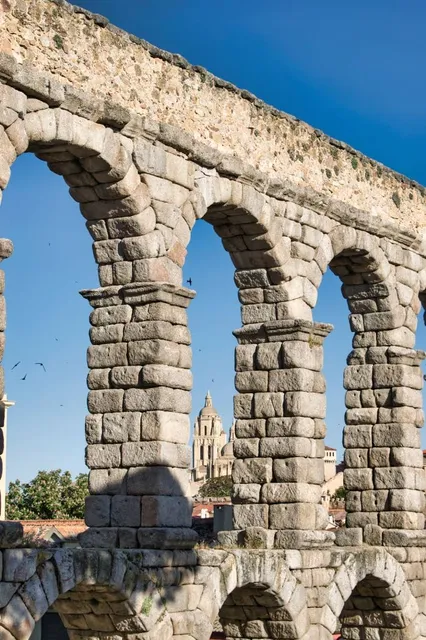
Torre de la Catedral
C. Marqués del Arco, 1, 40001 Segovia, Spain
4.7(31)
Open 24 hours
Save
spot
spot
Ratings & Description
Info
Cultural
Scenic
Family friendly
attractions: Catedral de Segovia, Puerta de San Andrés, Casa-Museo de Antonio Machado, Centro Didáctico de la Judería de Segovia, Palacio Episcopal, Teatro Juan Bravo, Claustro de la Catedral de Segovia, Casa del Sol - Museo de Segovia, Alcázar de Segovia, Iglesia de San Miguel, restaurants: La Almuzara, Jose Maria's Restaurant, El Patio de la Nonna, Bar Socorro, Restaurante El Fogón Sefardí, Restaurante La Concepción, Bar Rubi, Restaurante Pandora, Restaurante Cochifrito Plaza., Restaurante José, local businesses: Simon's Vapor El Vapor Electrónico +18, Kukul Segovia, La Casita del Segoviano, La Mentira Club, Spain Art Segovia, Official College of Architects of Segovia, Aquelarte, La Catedral, ALE-HOP, Souvenirs El Alcázar
 Learn more insights from Wanderboat AI.
Plan your stay

Pet-friendly Hotels in Segovia
Find a cozy hotel nearby and make it a full experience.

Affordable Hotels in Segovia
Find a cozy hotel nearby and make it a full experience.

The Coolest Hotels You Haven't Heard Of (Yet)
Find a cozy hotel nearby and make it a full experience.

Trending Stays Worth the Hype in Segovia
Find a cozy hotel nearby and make it a full experience.
Reviews
Live events
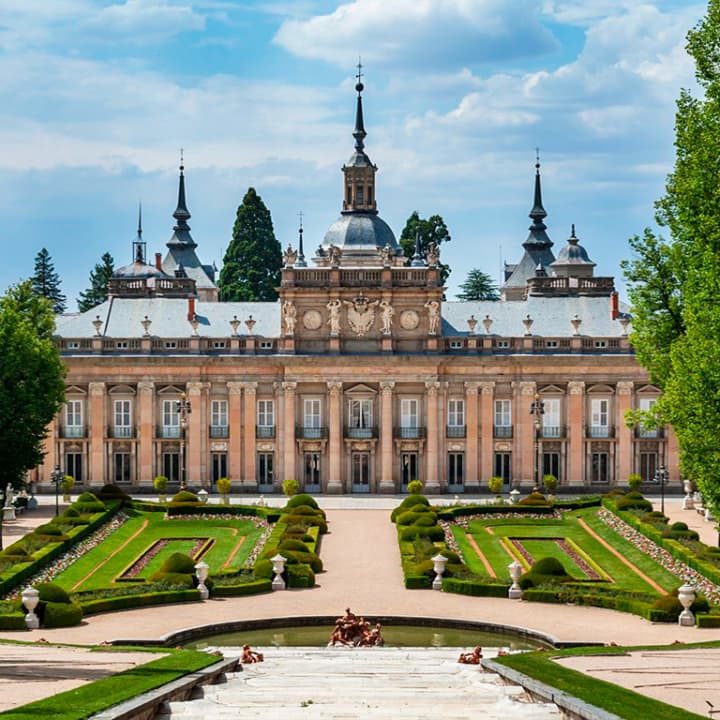
Palacio Real de La Granja de San Ildefonso
Sun, Feb 8 • 10:00 AM
Plaza de España, 15, Real Sitio de San Ildefonso, 40100
View details
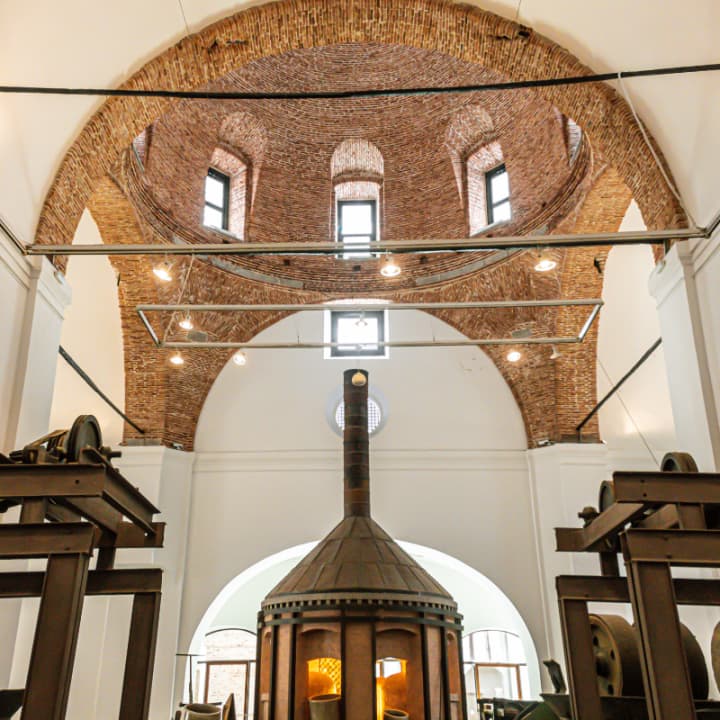
Real Fábrica de Cristales de la Granja
Sun, Feb 8 • 10:00 AM
Paseo Pocillo, 1, Real Sitio de San Ildefonso, 40100
View details
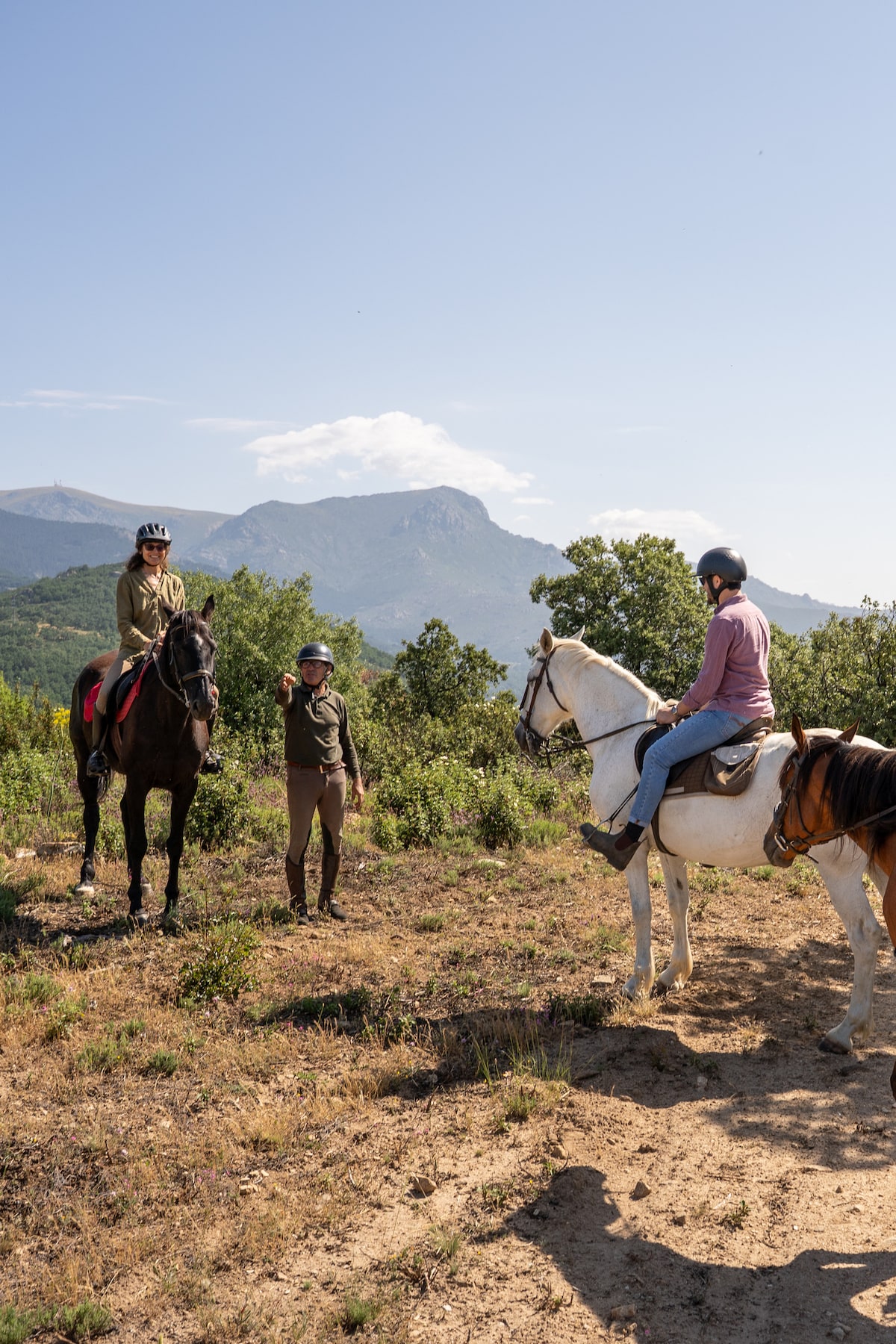
Horse Riding Madrid Natural Park
Sun, Feb 8 • 10:00 AM
28450, Collado Mediano, Comunidad de Madrid, Spain
View details
Nearby attractions of Torre de la Catedral
Catedral de Segovia
Puerta de San Andrés
Casa-Museo de Antonio Machado
Centro Didáctico de la Judería de Segovia
Palacio Episcopal
Teatro Juan Bravo
Claustro de la Catedral de Segovia
Casa del Sol - Museo de Segovia
Alcázar de Segovia
Iglesia de San Miguel
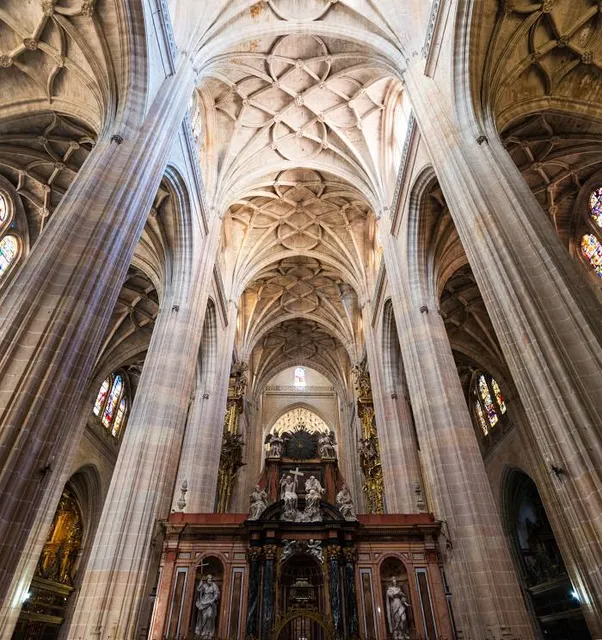
Catedral de Segovia
4.7
(9.5K)
Closed
Click for details
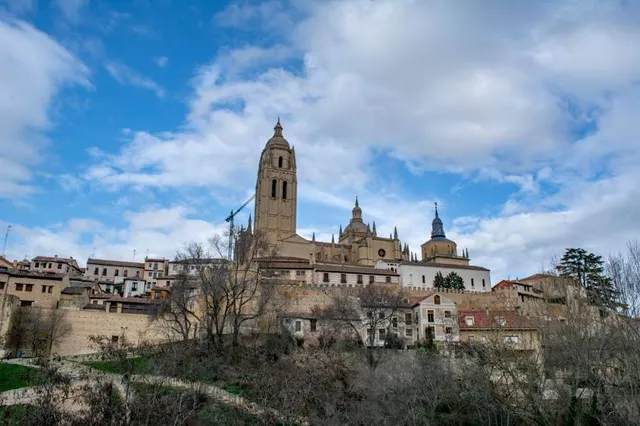
Puerta de San Andrés
4.5
(884)
Closed
Click for details
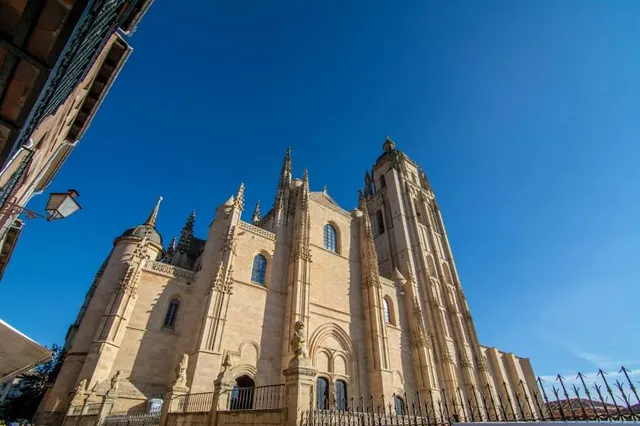
Casa-Museo de Antonio Machado
4.5
(723)
Closed
Click for details
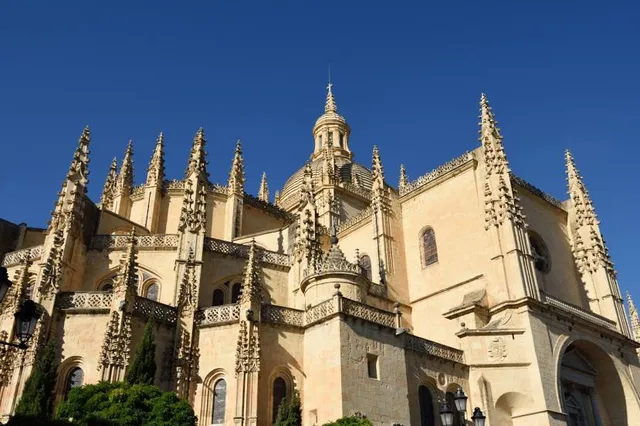
Centro Didáctico de la Judería de Segovia
4.3
(256)
Closed
Click for details
Nearby restaurants of Torre de la Catedral
La Almuzara
Jose Maria's Restaurant
El Patio de la Nonna
Bar Socorro
Restaurante El Fogón Sefardí
Restaurante La Concepción
Bar Rubi
Restaurante Pandora
Restaurante Cochifrito Plaza.
Restaurante José
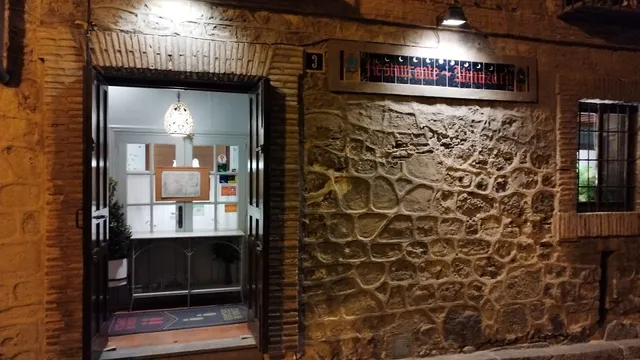
La Almuzara
4.4
(498)
Open until 12:00 AM
Click for details
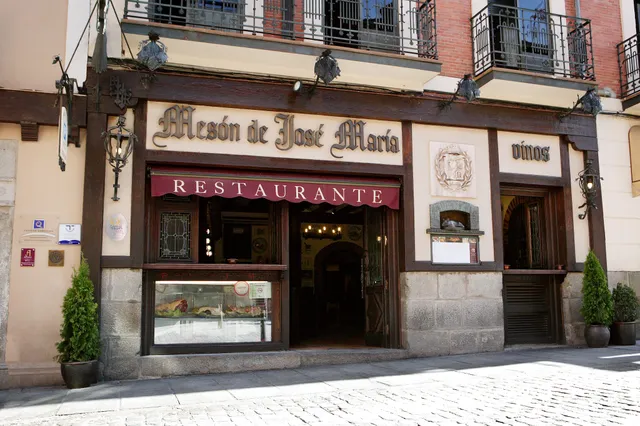
Jose Maria's Restaurant
4.6
(7.3K)
$$$
Open until 12:30 AM
Click for details
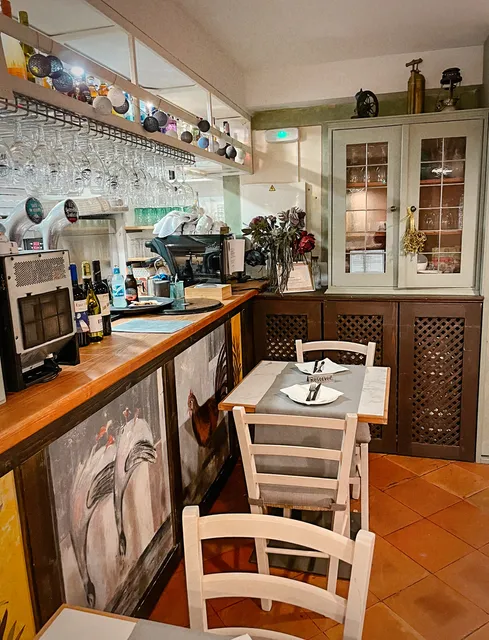
El Patio de la Nonna
4.7
(279)
Open until 11:30 PM
Click for details
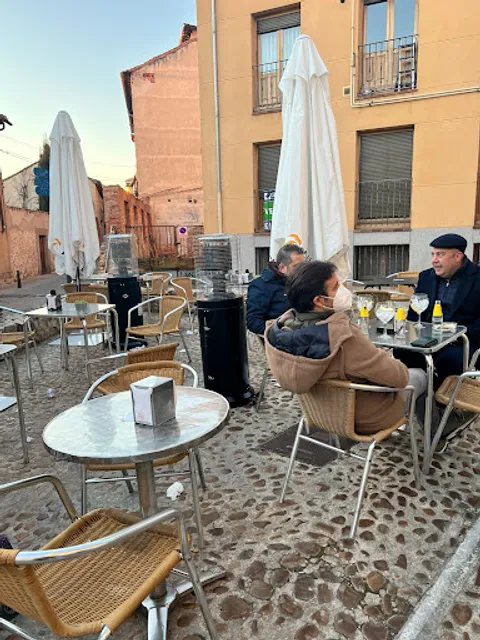
Bar Socorro
4.2
(438)
Open until 1:00 AM
Click for details
Nearby local services of Torre de la Catedral
Simon's Vapor El Vapor Electrónico +18
Kukul Segovia
La Casita del Segoviano
La Mentira Club
Spain Art Segovia
Official College of Architects of Segovia
Aquelarte
La Catedral
ALE-HOP
Souvenirs El Alcázar
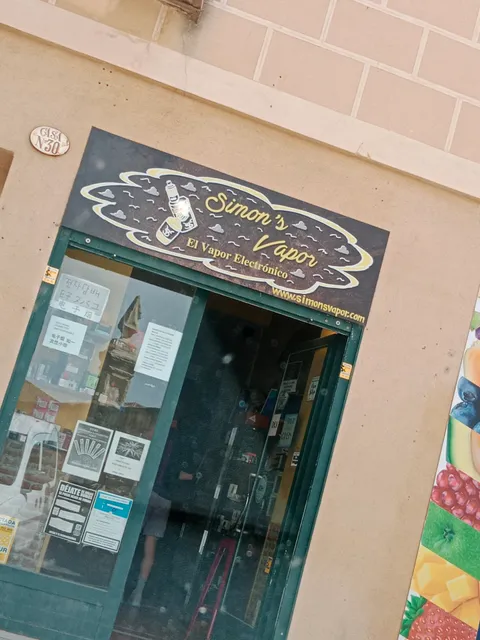
Simon's Vapor El Vapor Electrónico +18
4.8
(80)
Click for details
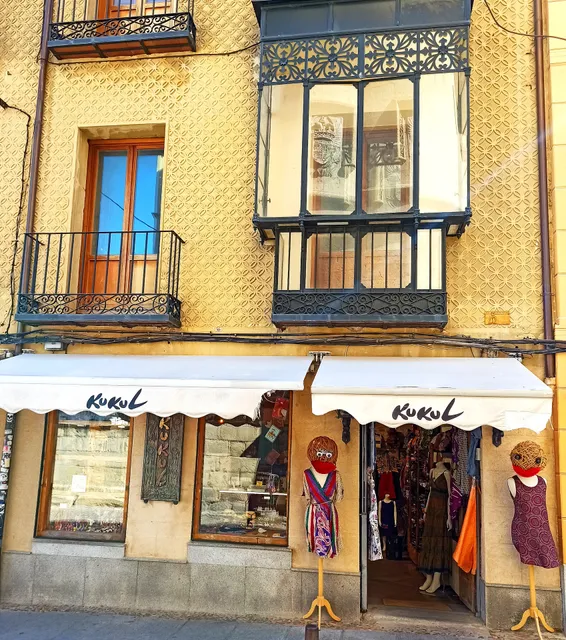
Kukul Segovia
4.9
(43)
Click for details
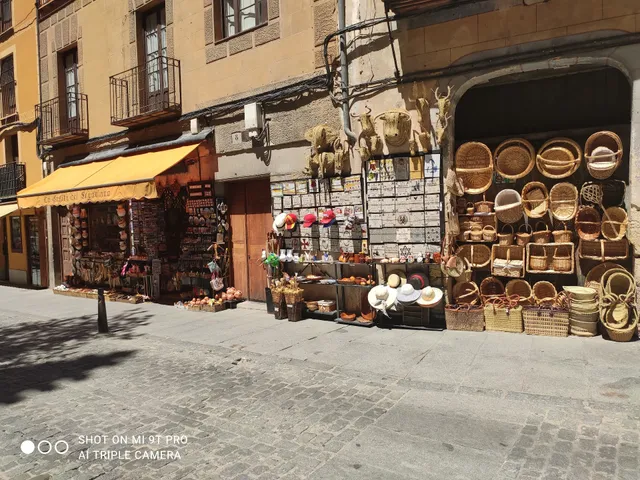
La Casita del Segoviano
4.0
(36)
Click for details
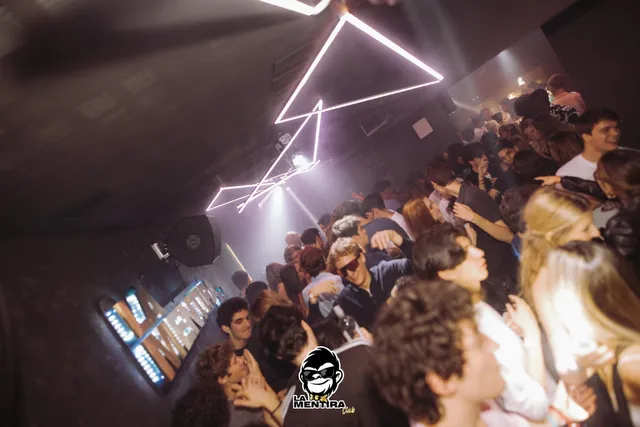
La Mentira Club
3.8
(62)
Click for details