Réplica del Giraldillo things to do, attractions, restaurants, events info and trip planning
Basic Info
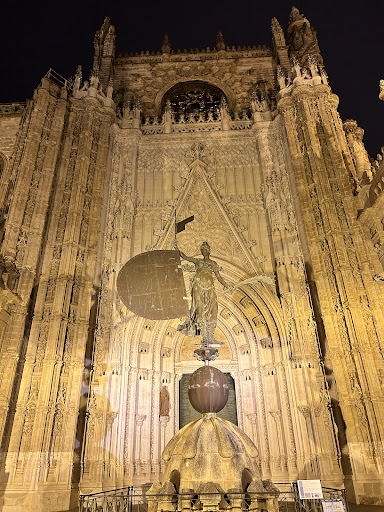
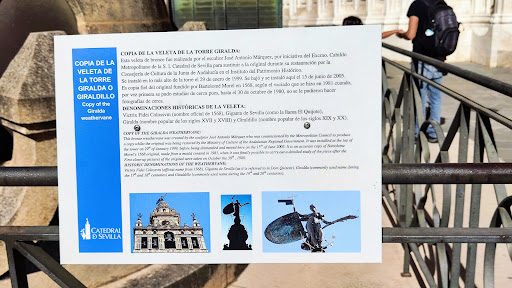
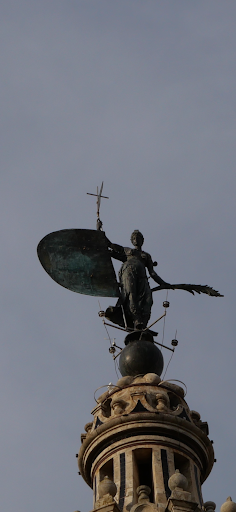
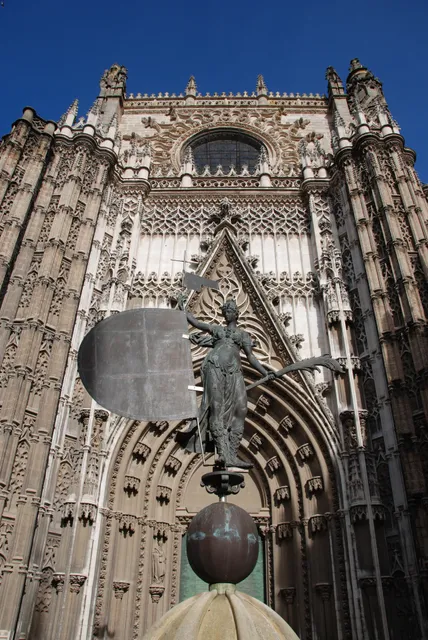
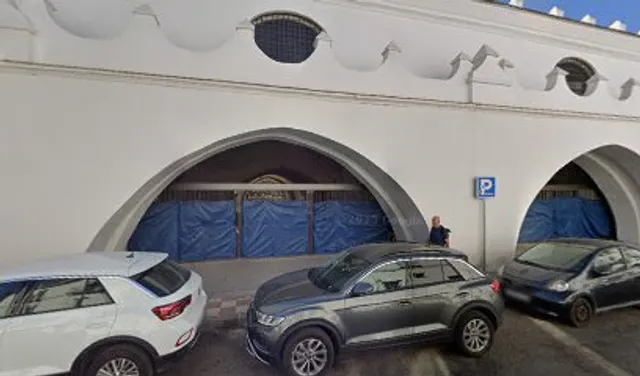
Réplica del Giraldillo
Av. de la Constitución, s/n, Casco Antiguo, 41004 Sevilla, Spain
4.6(114)
Open 24 hours
Save
spot
spot
Ratings & Description
Info
Cultural
Scenic
attractions: La Giralda, Archivo de Indias, Royal Alcázar of Seville, Tomb of Christopher Columbus🪦, Patio de Banderas, Puerta del León, Casa de la Provincia, Seville Tourist Office, Puerta del Príncipe (Entrance for Cathedral), Puerta del Perdón y Patio de los Naranjos, restaurants: El Rincón Del Alcázar, Morante, Amorino Gelato - Sevilla Catedral, Chicuelo Bodeguita & Tapas, Bodega Santa Cruz Las Columnas, Cervecería Giralda Bar, Pelayo Bar, Bar Casa Morales, Taberna El Papelon, Almiranta, local businesses: Catedral de Sevilla, Plaza del Cabildo, Plaza del Triunfo, C. Dos de Mayo, 2, Dappers - Sastrería a medida, My Top Tour | Free Tours Sevilla, Colors of Seville, La Paella Sevilla, Correos, Avenida de la Constitución
 Learn more insights from Wanderboat AI.
Website
elegirhoy.com
Plan your stay

Pet-friendly Hotels in Seville
Find a cozy hotel nearby and make it a full experience.

Affordable Hotels in Seville
Find a cozy hotel nearby and make it a full experience.

The Coolest Hotels You Haven't Heard Of (Yet)
Find a cozy hotel nearby and make it a full experience.

Trending Stays Worth the Hype in Seville
Find a cozy hotel nearby and make it a full experience.
Reviews
Live events
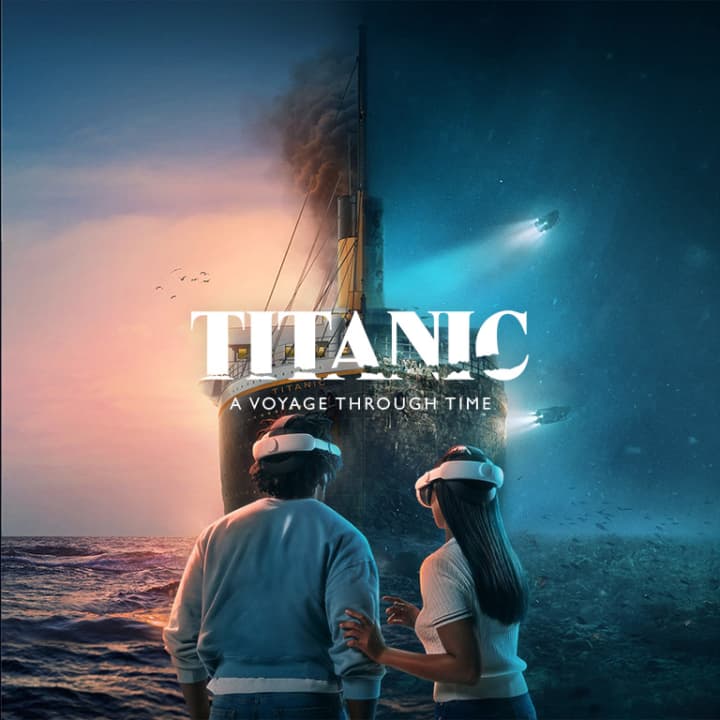
Titanic: Un viaje a través del tiempo
Fri, Feb 27 • 10:00 AM
Avenida San Francisco Javier, 9, Sevilla, 41005
View details

La liturgia de la Pasión. Las Cigarreras en concierto.
Fri, Feb 27 • 9:15 PM
18E Calle María Auxiliadora 41008 Sevilla
View details

Concierto conjunto en directo de los coros
Wed, Mar 4 • 7:30 PM
3 Plaza América 41013 Sevilla
View details
Nearby attractions of Réplica del Giraldillo
La Giralda
Archivo de Indias
Royal Alcázar of Seville
Tomb of Christopher Columbus🪦
Patio de Banderas
Puerta del León
Casa de la Provincia
Seville Tourist Office
Puerta del Príncipe (Entrance for Cathedral)
Puerta del Perdón y Patio de los Naranjos
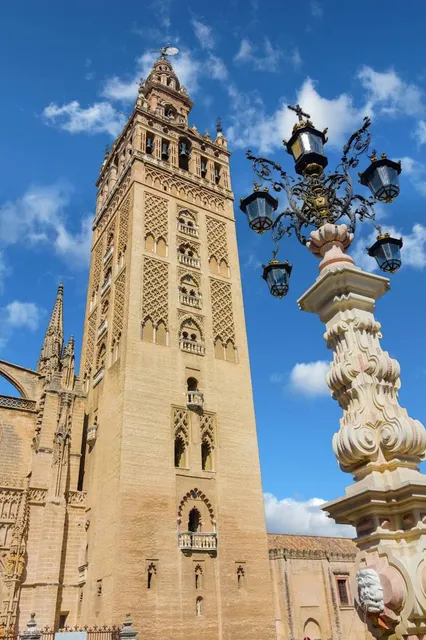
La Giralda
4.7
(20.3K)
Open 24 hours
Click for details
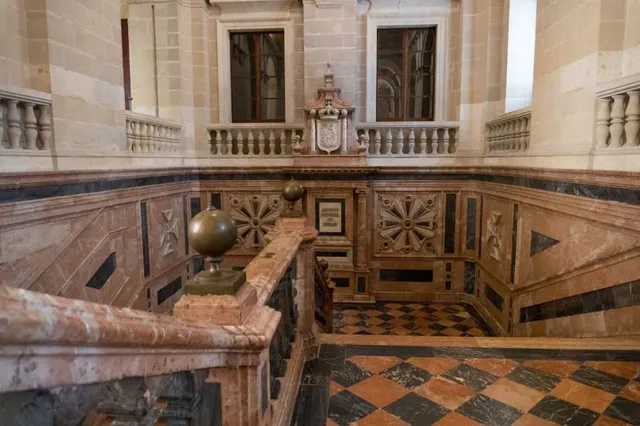
Archivo de Indias
4.4
(3K)
Closed
Click for details
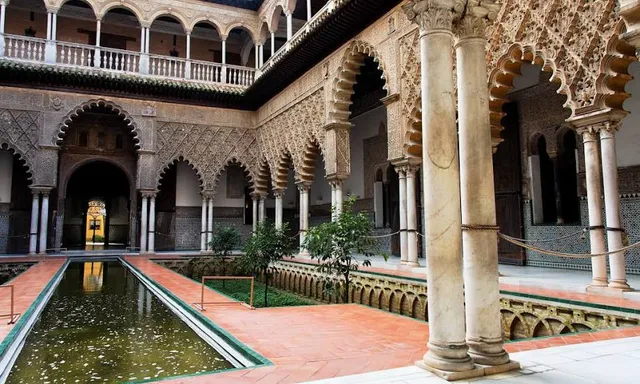
Royal Alcázar of Seville
4.7
(33.3K)
Closed
Click for details
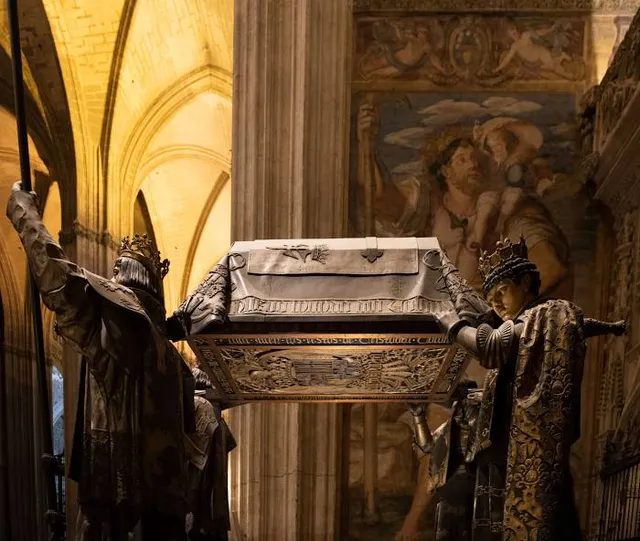
Tomb of Christopher Columbus🪦
4.7
(234)
Open 24 hours
Click for details
Nearby restaurants of Réplica del Giraldillo
El Rincón Del Alcázar
Morante
Amorino Gelato - Sevilla Catedral
Chicuelo Bodeguita & Tapas
Bodega Santa Cruz Las Columnas
Cervecería Giralda Bar
Pelayo Bar
Bar Casa Morales
Taberna El Papelon
Almiranta

El Rincón Del Alcázar
4.5
(48)
Closed
Click for details
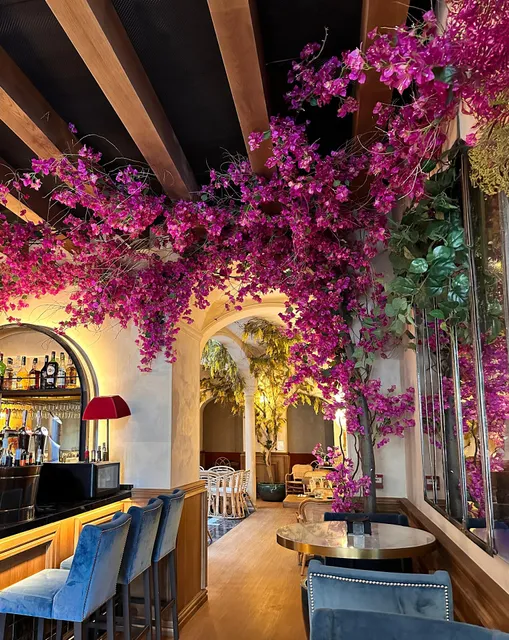
Morante
4.7
(1.7K)
Closed
Click for details
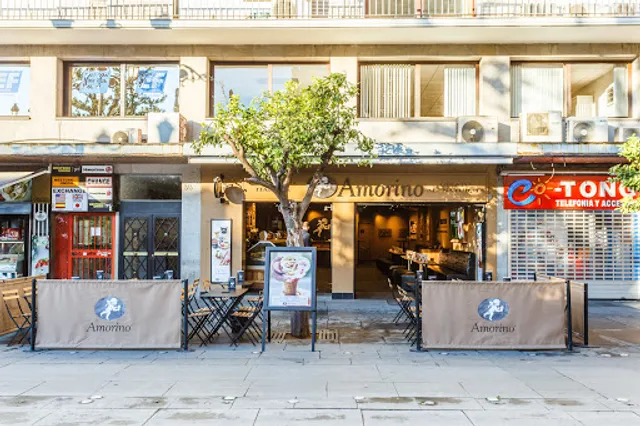
Amorino Gelato - Sevilla Catedral
4.4
(1.2K)
$$
Closed
Click for details
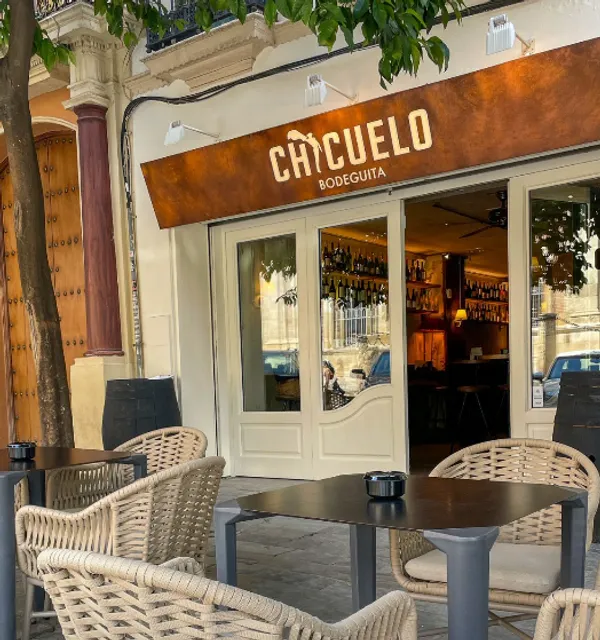
Chicuelo Bodeguita & Tapas
4.7
(1.6K)
Closed
Click for details
Nearby local services of Réplica del Giraldillo
Catedral de Sevilla
Plaza del Cabildo
Plaza del Triunfo
C. Dos de Mayo, 2
Dappers - Sastrería a medida
My Top Tour | Free Tours Sevilla
Colors of Seville
La Paella Sevilla
Correos
Avenida de la Constitución
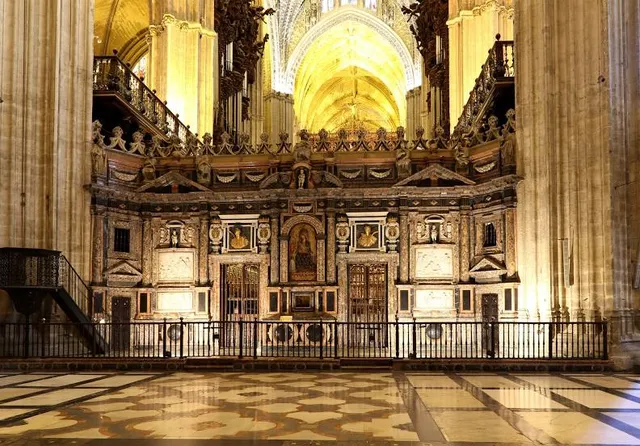
Catedral de Sevilla
4.8
(20.5K)
Click for details
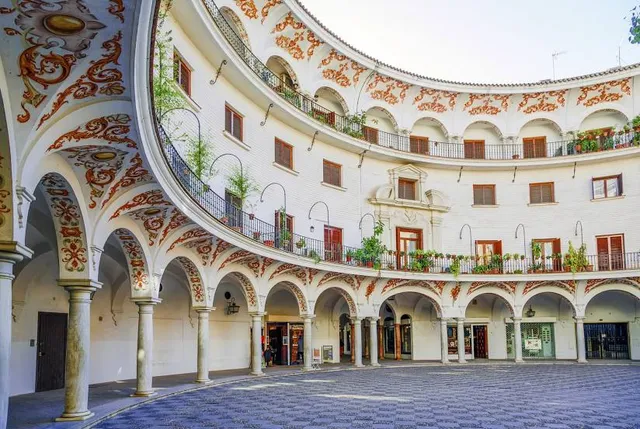
Plaza del Cabildo
4.6
(1.7K)
Click for details
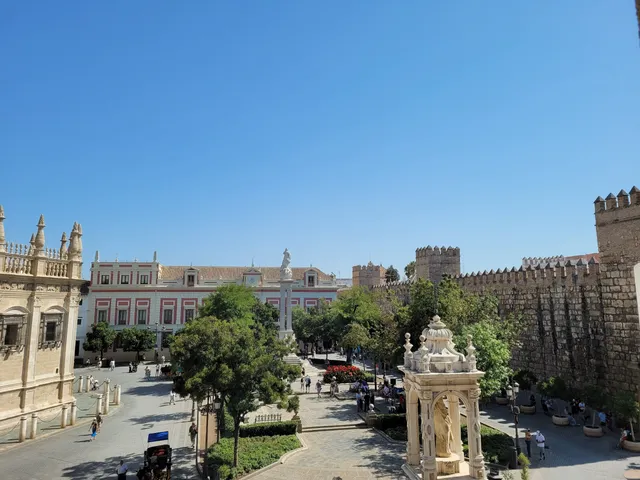
Plaza del Triunfo
4.6
(546)
Click for details
C. Dos de Mayo, 2
4.4
(3.4K)
Click for details