Archivo de Indias things to do, attractions, restaurants, events info and trip planning
Basic Info
Archivo de Indias
Av. de la Constitución, s/n, Casco Antiguo, 41004 Sevilla, Spain
4.4(3.2K)
Open until 12:00 AM
Save
spot
spot
Ratings & Description
Info
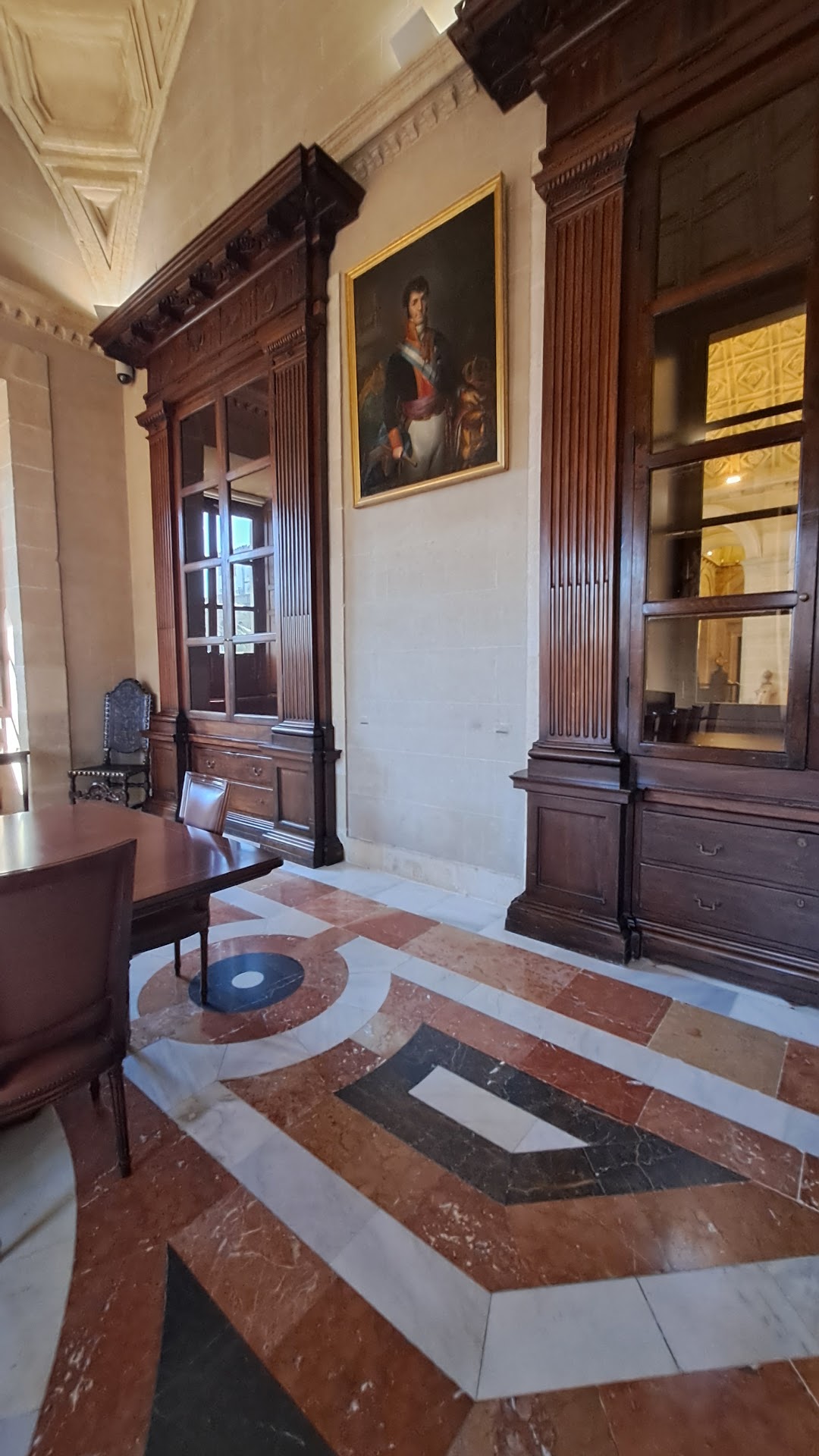
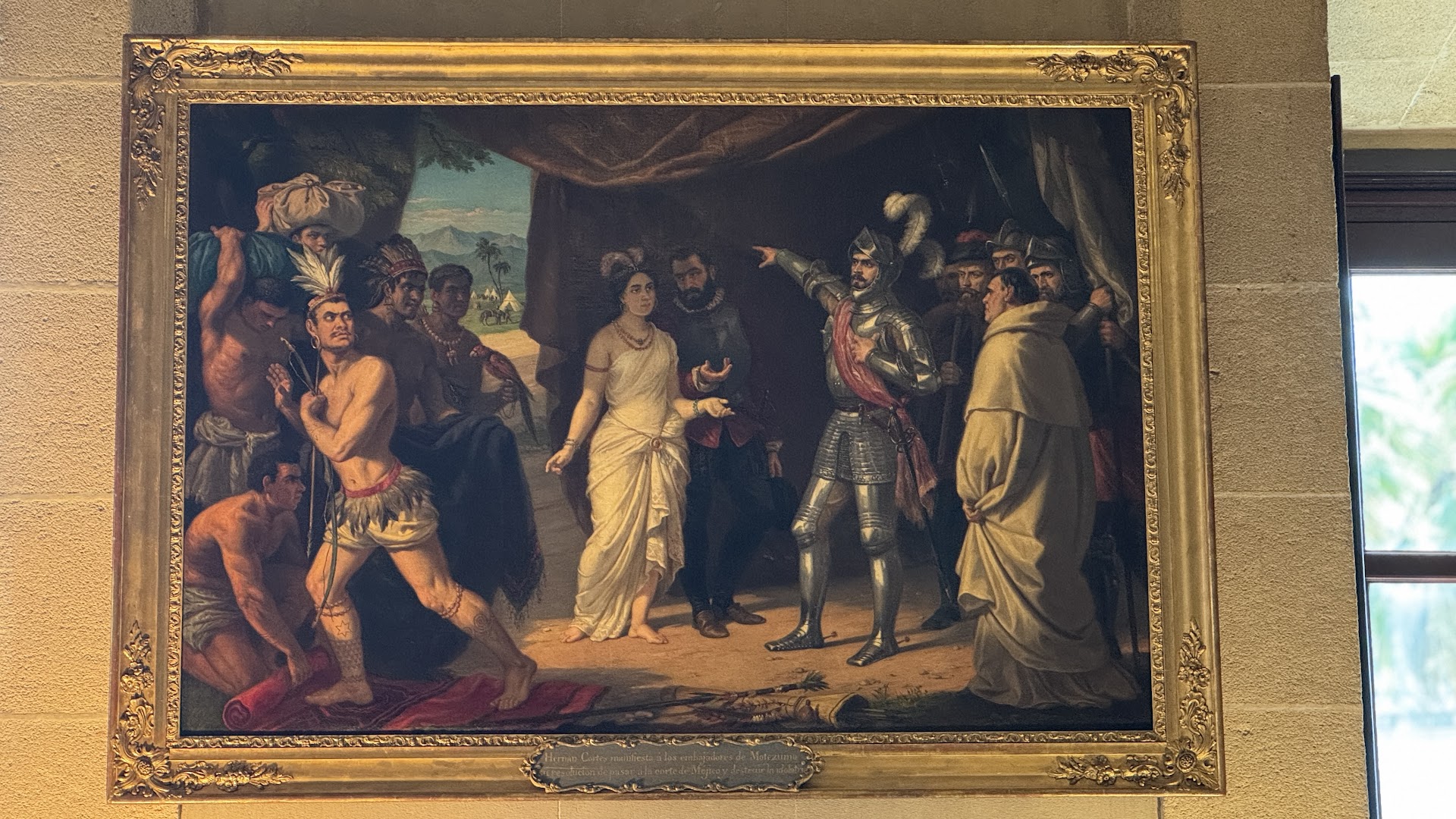
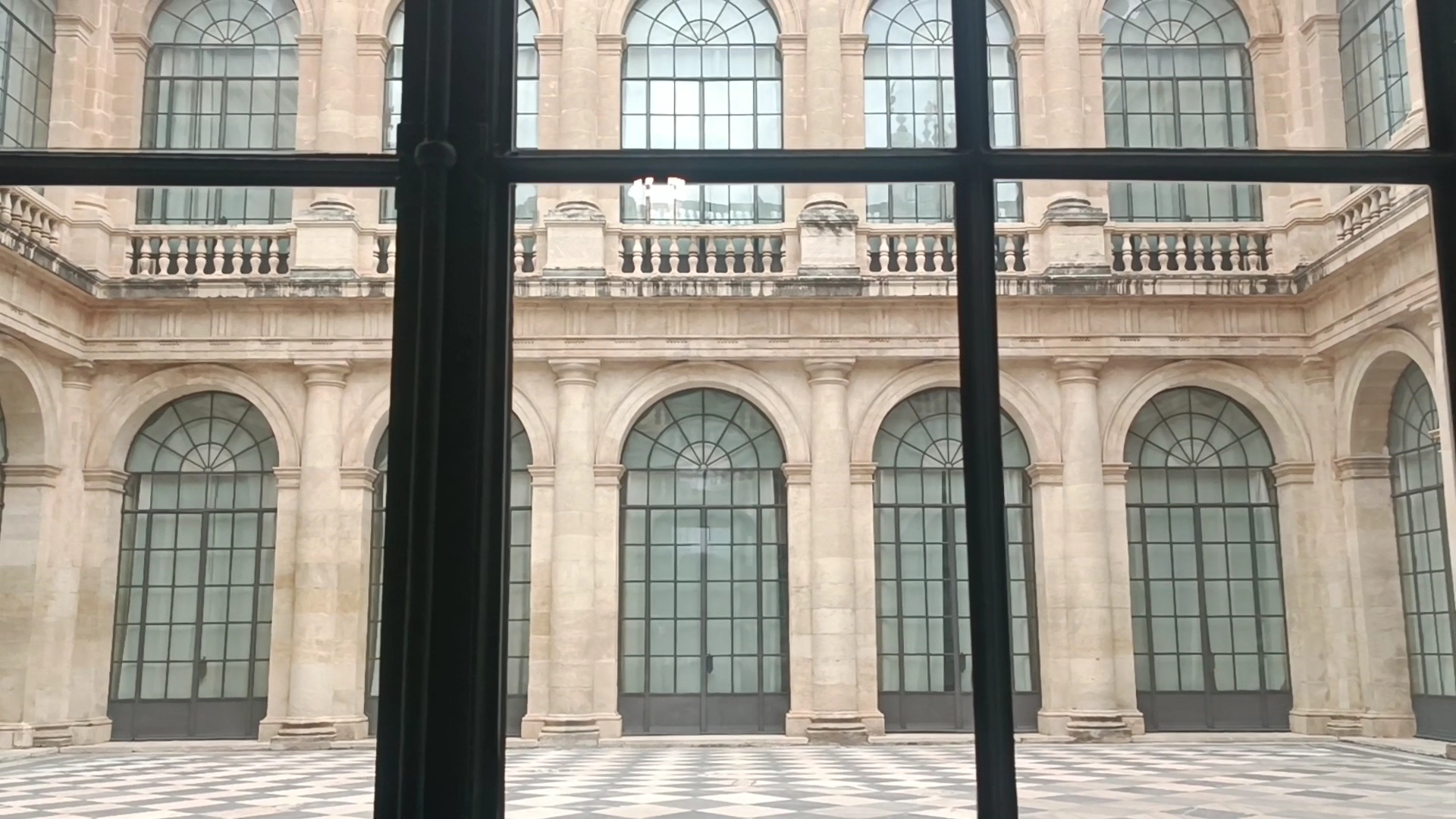
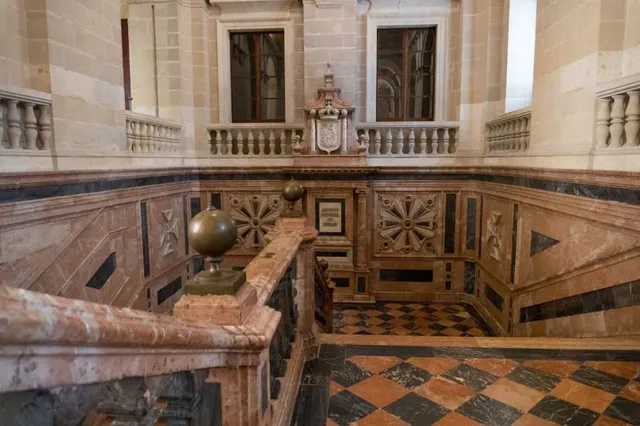
The Archivo General de Indias, housed in the ancient merchants' exchange of Seville, Spain, the Casa Lonja de Mercaderes, is the repository of extremely valuable archival documents illustrating the history of the Spanish Empire in the Americas and Asia.
Cultural
Accessibility
attractions: La Giralda, Royal Alcázar of Seville, Torre del Oro, Puerta del León (Real Alcázar main entrance), Patio de Banderas, Réplica del Giraldillo, Híspalis Fountain, Tomb of Christopher Columbus🪦, Casa de la Provincia, Seville Tourist Office, restaurants: Morante, Chicuelo Bodeguita & Tapas, Taberna El Papelon, Restaurante Donaire Azabache, Bodeguita Casablanca, Amorino Gelato - Sevilla Catedral, La Casa del Tesorero, Le XiX, Vuela Tapas & Cocktail, Bar Postiguillo Tapas, local businesses: Catedral de Sevilla, C. Dos de Mayo, 2, Plaza del Cabildo, Plaza del Triunfo, ALE-HOP, Avenida de la Constitución, La Paella Sevilla, Mercado El Postigo, EMBRUJO, TORRONS VICENS SEVILLA
 Learn more insights from Wanderboat AI.
Phone
+34 954 50 05 28
Website
cultura.gob.es
Open hoursSee all hours
Tue9:30 am - 4:30 pmOpen
Plan your stay

Pet-friendly Hotels in Seville
Find a cozy hotel nearby and make it a full experience.

Affordable Hotels in Seville
Find a cozy hotel nearby and make it a full experience.

The Coolest Hotels You Haven't Heard Of (Yet)
Find a cozy hotel nearby and make it a full experience.

Trending Stays Worth the Hype in Seville
Find a cozy hotel nearby and make it a full experience.
Reviews
Live events
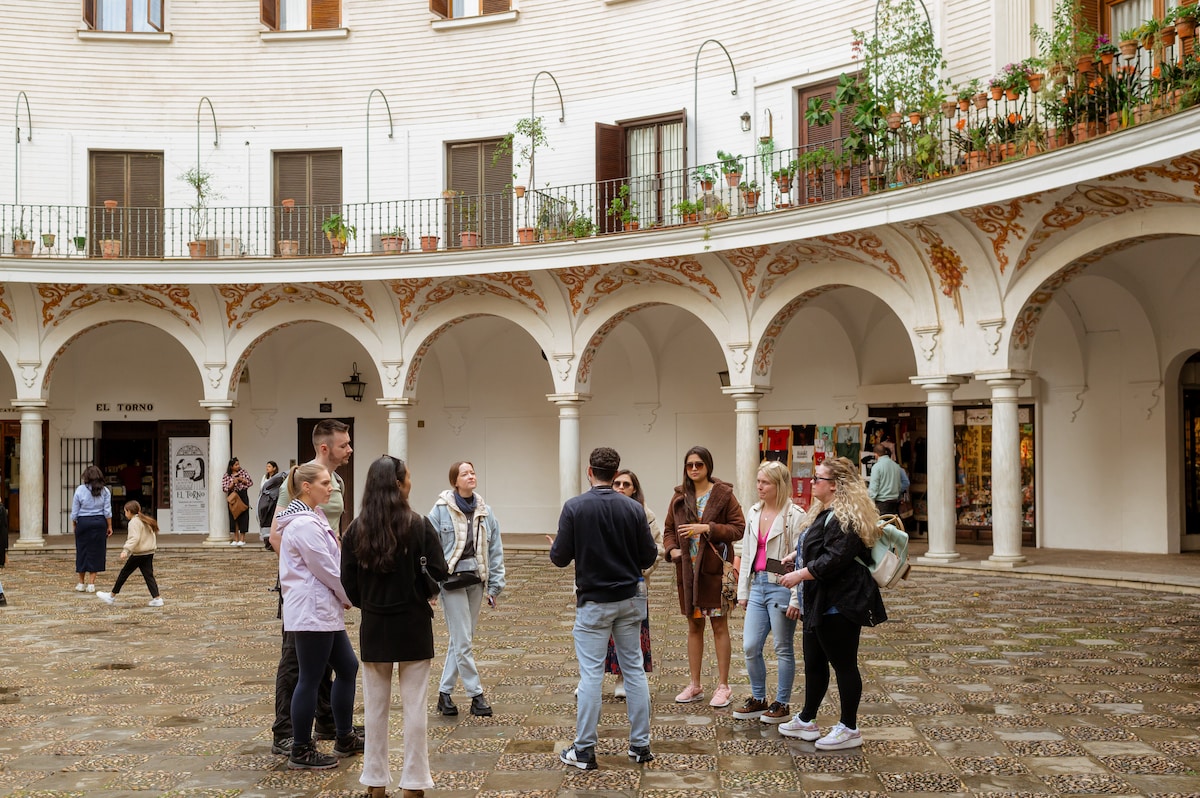
Walking Tour of Sevilles Secrets
Tue, Feb 24 • 12:30 PM
41001, Seville, Andalusia, Spain
View details
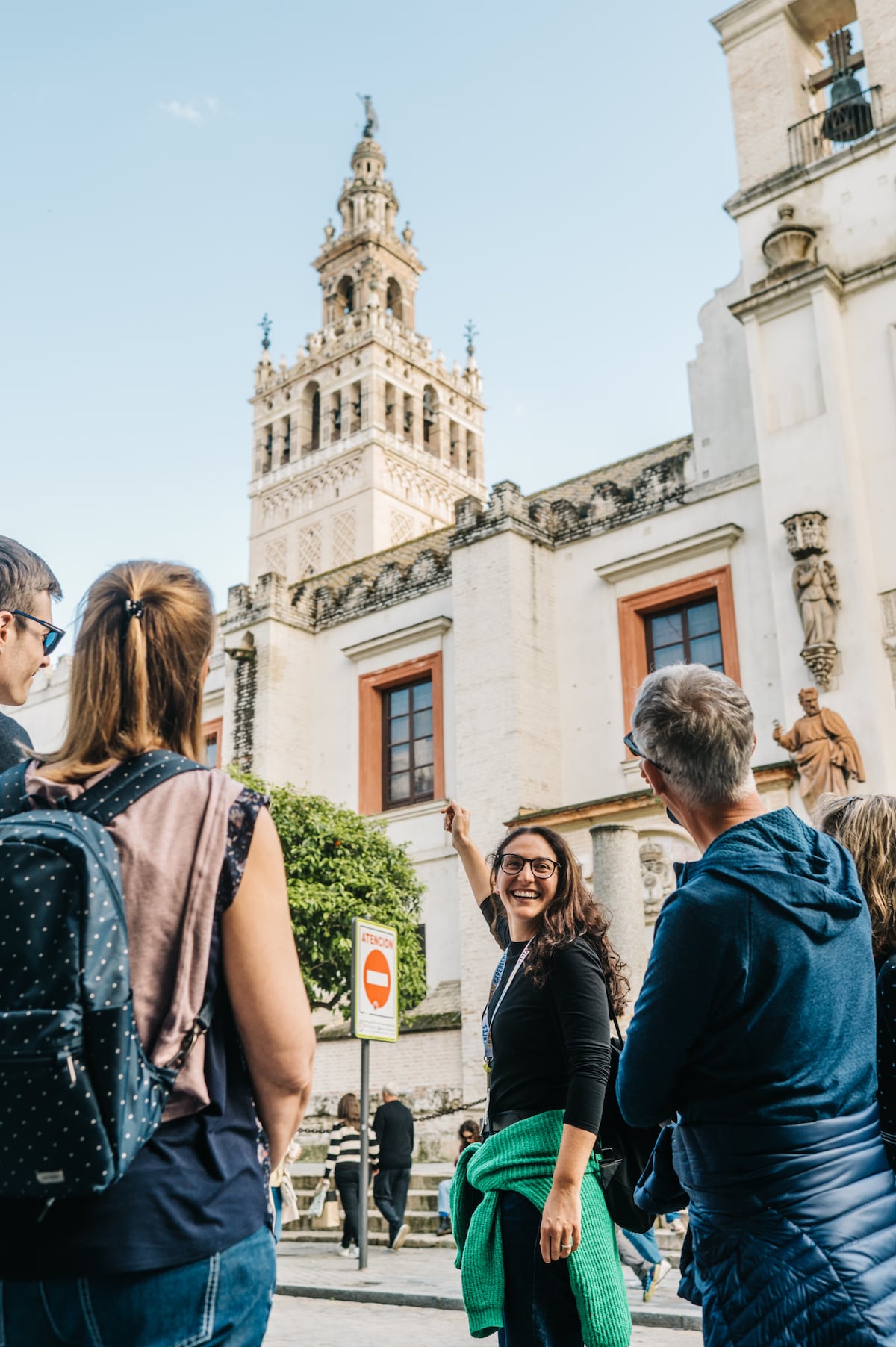
Explore Seville’s highlights with a local guide
Tue, Feb 24 • 10:00 AM
41004, Seville, Andalusia, Spain
View details

Mediterráneo Sonoro - ‘El raï: la música más internacional del magreb’
Tue, Feb 24 • 7:30 PM
Max Planck, no 2. Pabellón Hassan II 41092 Sevilla
View details
Nearby attractions of Archivo de Indias
La Giralda
Royal Alcázar of Seville
Torre del Oro
Puerta del León (Real Alcázar main entrance)
Patio de Banderas
Réplica del Giraldillo
Híspalis Fountain
Tomb of Christopher Columbus🪦
Casa de la Provincia
Seville Tourist Office
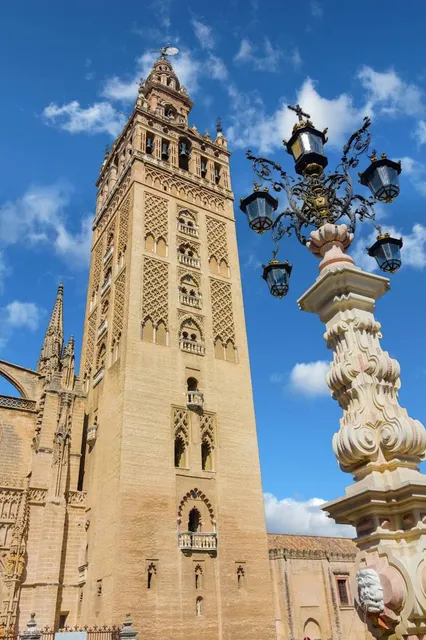
La Giralda
4.7
(18.6K)
Open 24 hours
Click for details
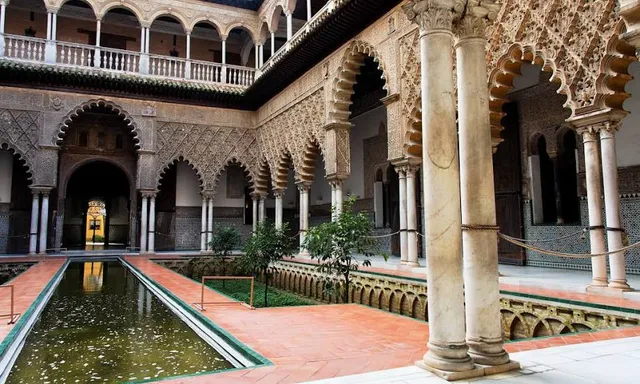
Royal Alcázar of Seville
4.7
(31K)
Closed
Click for details
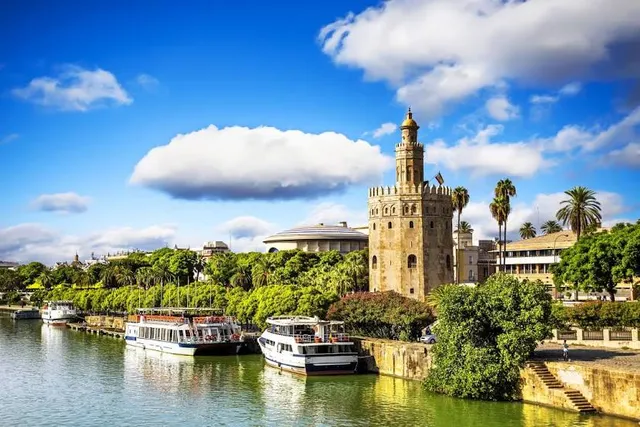
Torre del Oro
4.5
(18.5K)
Closed
Click for details
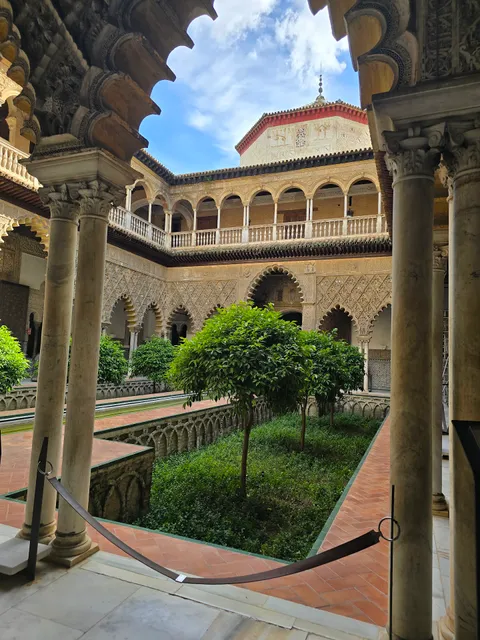
Puerta del León (Real Alcázar main entrance)
4.7
(339)
Closed
Click for details
Nearby restaurants of Archivo de Indias
Morante
Chicuelo Bodeguita & Tapas
Taberna El Papelon
Restaurante Donaire Azabache
Bodeguita Casablanca
Amorino Gelato - Sevilla Catedral
La Casa del Tesorero
Le XiX
Vuela Tapas & Cocktail
Bar Postiguillo Tapas
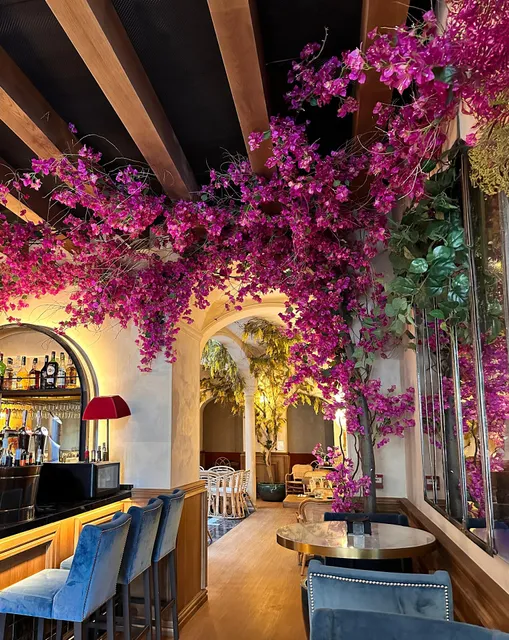
Morante
4.7
(1.6K)
$$
Closed
Click for details
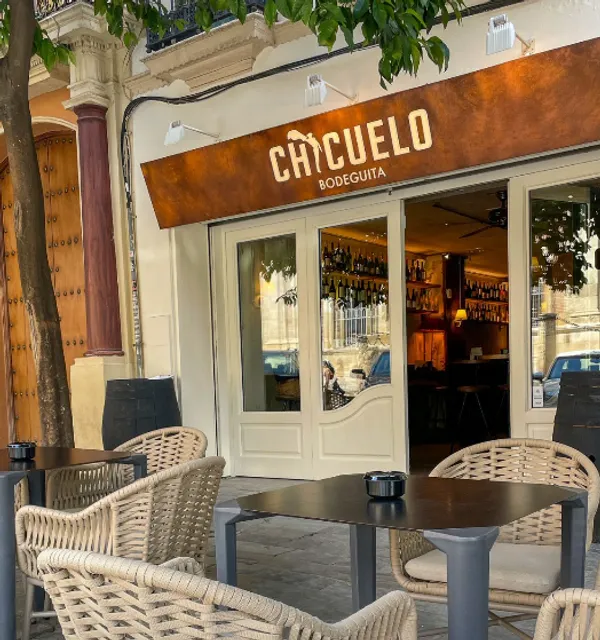
Chicuelo Bodeguita & Tapas
4.7
(1.3K)
Closed
Click for details
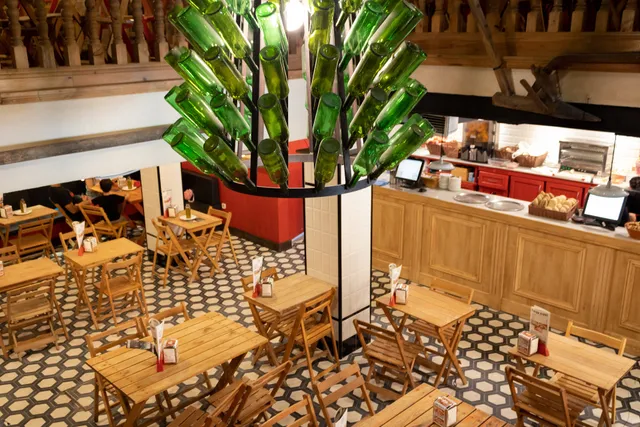
Taberna El Papelon
3.5
(1.5K)
Closed
Click for details
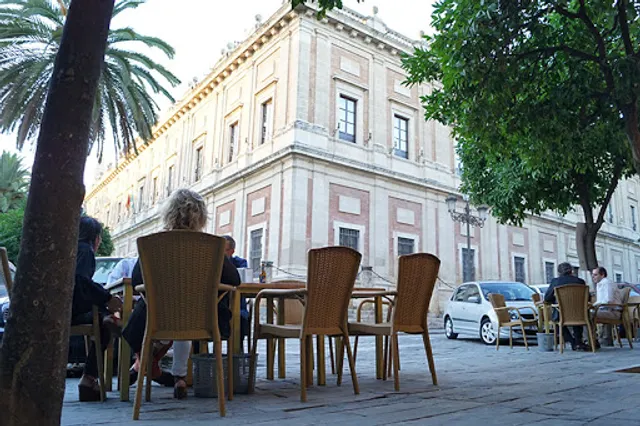
Restaurante Donaire Azabache
4.3
(895)
Closed
Click for details
Nearby local services of Archivo de Indias
Catedral de Sevilla
C. Dos de Mayo, 2
Plaza del Cabildo
Plaza del Triunfo
ALE-HOP
Avenida de la Constitución
La Paella Sevilla
Mercado El Postigo
EMBRUJO
TORRONS VICENS SEVILLA
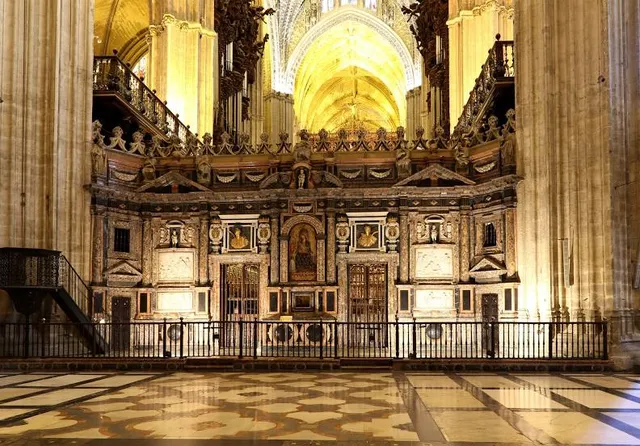
Catedral de Sevilla
4.8
(20.8K)
Click for details
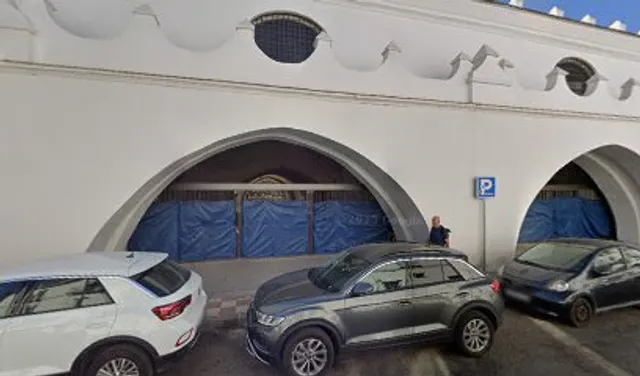
C. Dos de Mayo, 2
4.4
(3.2K)
Click for details
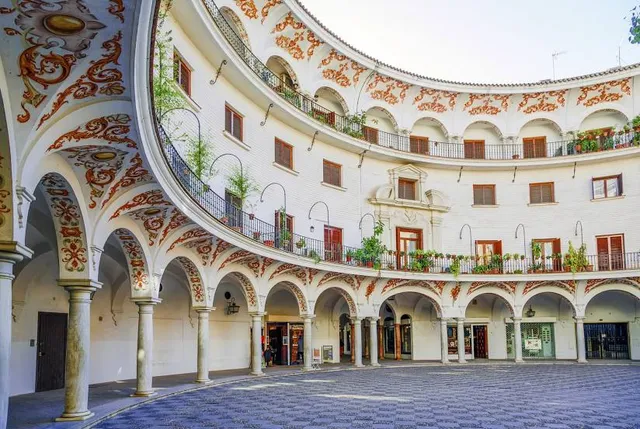
Plaza del Cabildo
4.6
(1.6K)
Click for details
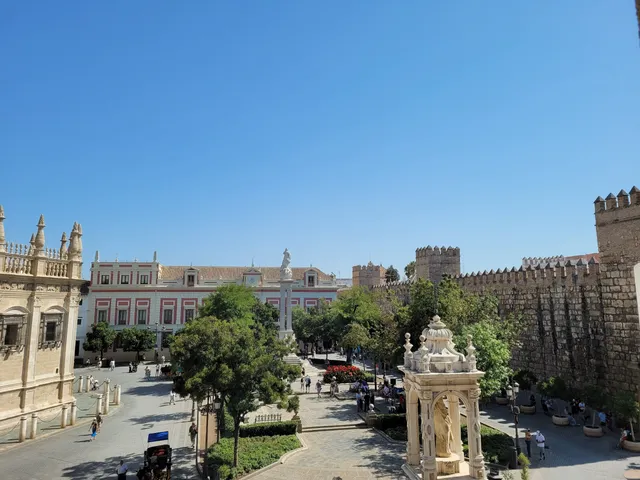
Plaza del Triunfo
4.6
(567)
Click for details