Historic Colombo Grand Masjid things to do, attractions, restaurants, events info and trip planning
Basic Info
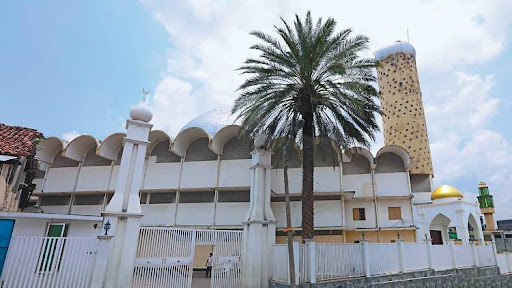
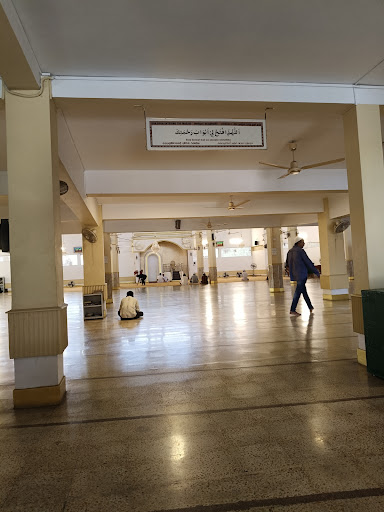
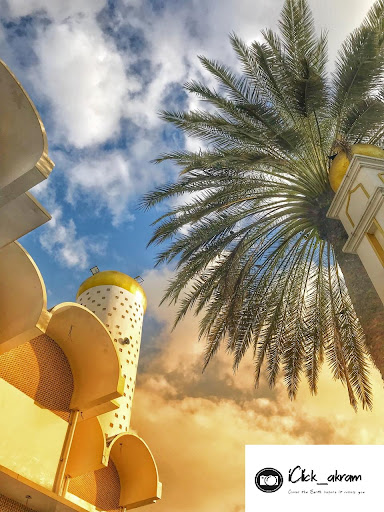
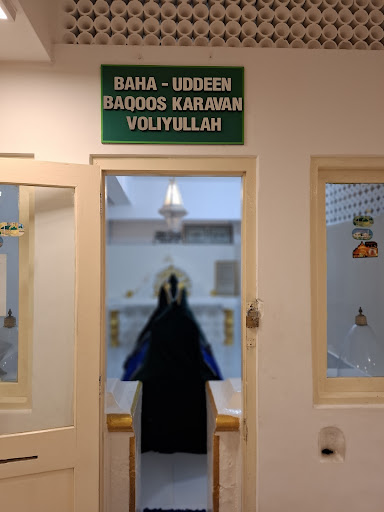
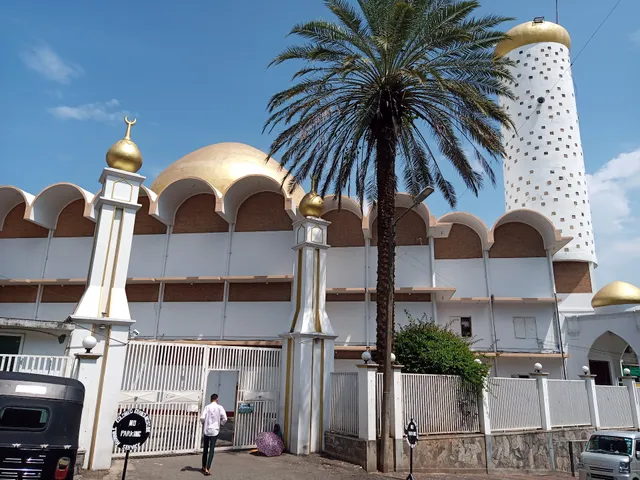
Historic Colombo Grand Masjid
151 New Moor St, Colombo 01200, Sri Lanka
4.7(407)
Open until 12:00 AM
Save
spot
spot
Ratings & Description
Info
Cultural
Accessibility
attractions: Sri Siva Subramaniaswami Temple, New Kathiresan Kovil, St. Anthony's Shrine, Kochchikade, Old Kathiresan Temple, Sri Kailasanathar Swami Temple, Jami Ul-Alfar Mosque, ISKCON Colombo - Sri Sri Radha Krishna Temple, Sri Ponnambalavaneswarar Kovil, Pettah Floating Market, Pillaiar Temple, restaurants: Hendricks Tea, Budget Rooms, Aluthkade Streetfood, BakeShop - Head Office & Factory Outlet, Mandi Darbar, Sri Suryas Hotel, Elite Indian Restaurant, Vaeni sea restaurant & Bar, Westin Restaurant & Bar, Shri Vani Vilas - Colombo 12, local businesses: Historic Colombo Grand Mosque, Sathutu Uyana, Pettah Market, Sai Sangeetha, Aslam Market, Pudukada Street Food World, Bar Association of Sri Lanka, Poorwaramaya Temple, Bodhirukkaramaya Temple, Old Town Hall Market
 Learn more insights from Wanderboat AI.
Phone
+94 112 432 110
Website
grandmosquecolombo.com
Open hoursSee all hours
TueOpen 24 hoursOpen
Plan your stay

Pet-friendly Hotels in Colombo
Find a cozy hotel nearby and make it a full experience.

Affordable Hotels in Colombo
Find a cozy hotel nearby and make it a full experience.

The Coolest Hotels You Haven't Heard Of (Yet)
Find a cozy hotel nearby and make it a full experience.

Trending Stays Worth the Hype in Colombo
Find a cozy hotel nearby and make it a full experience.
Reviews
Live events
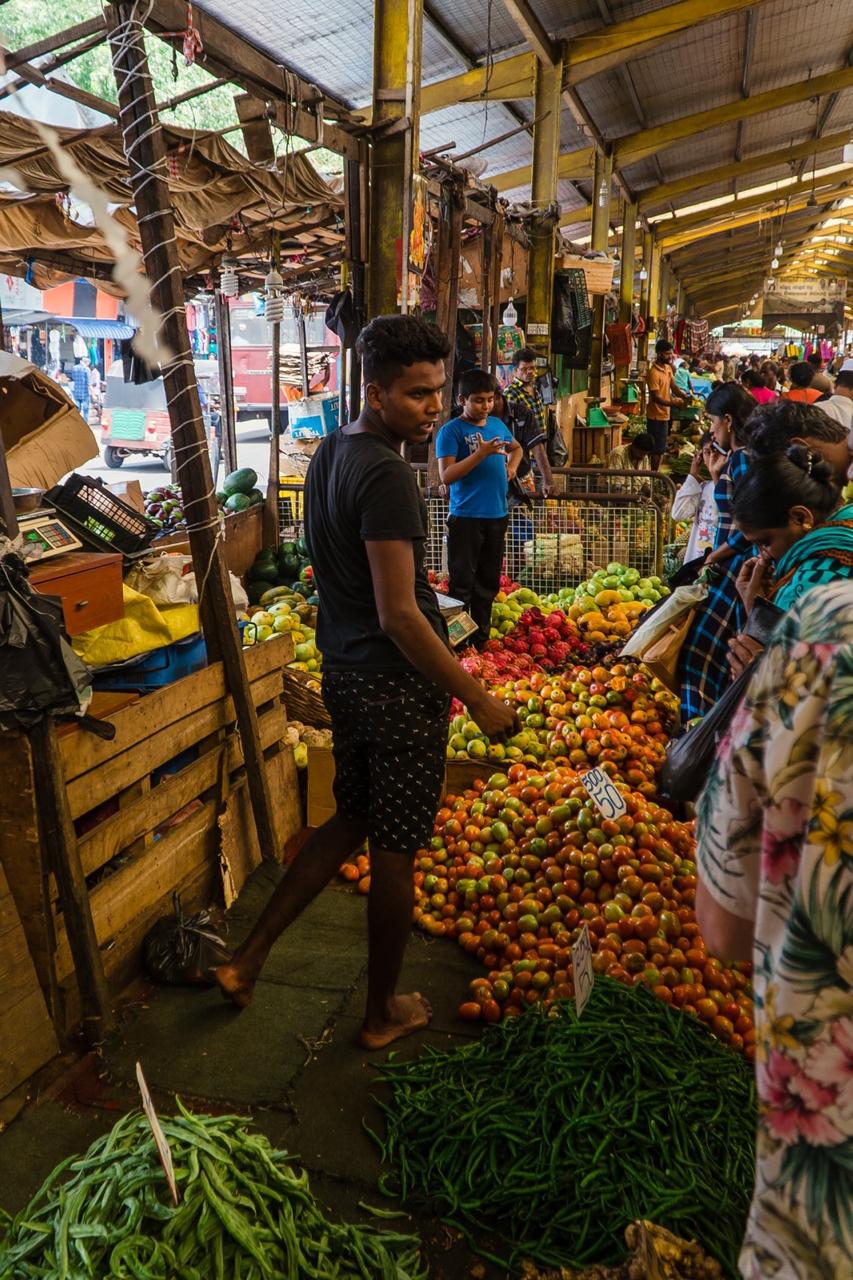
Explore Colombos hidden gems
Tue, Feb 24 • 2:30 PM
Colombo, Western Province 00700, Sri Lanka
View details
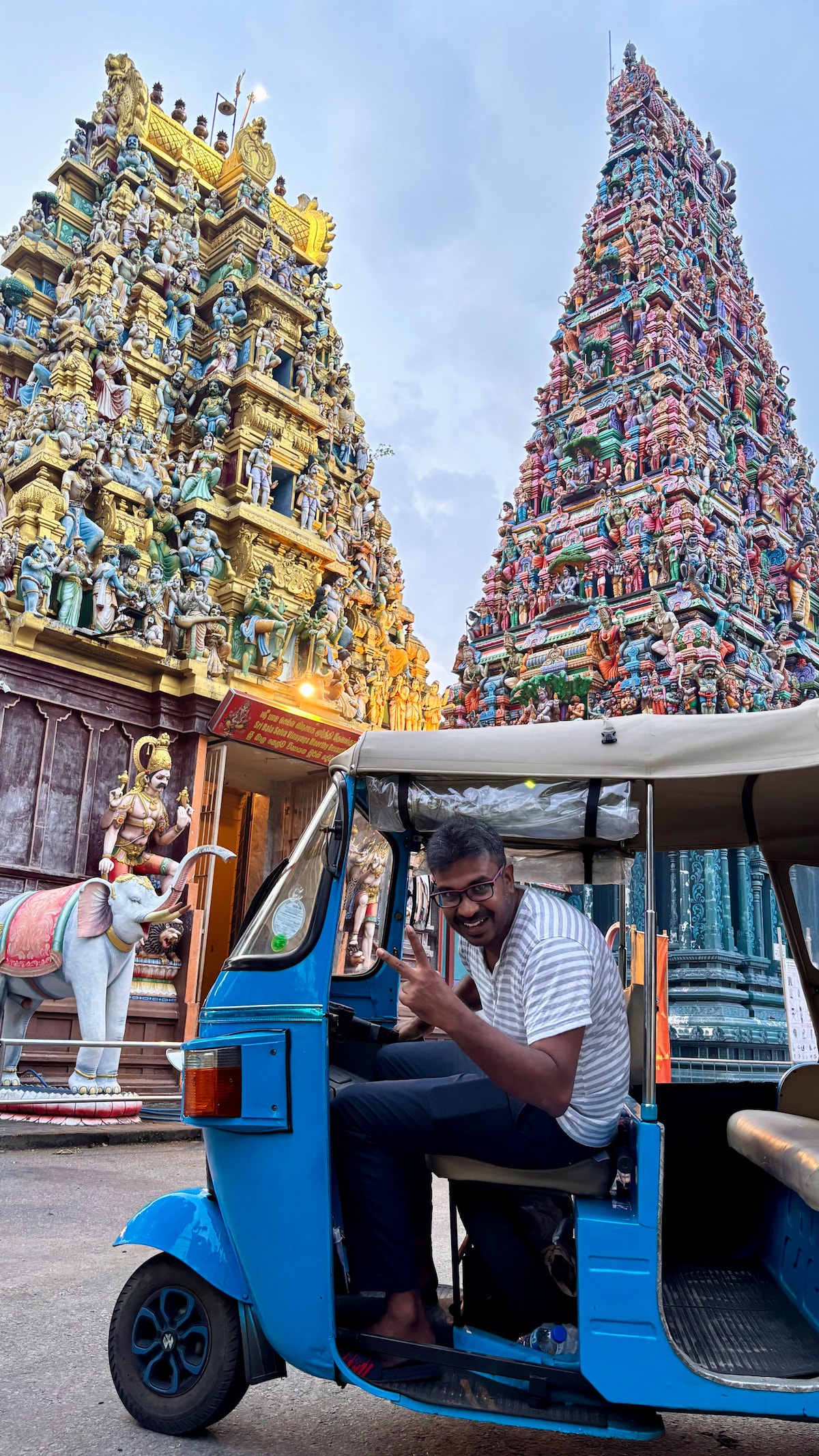
Colombo City Tour by Tuk Tuk - Private & Authentic
Tue, Feb 24 • 3:30 PM
Colombo, Western Province 00300, Sri Lanka
View details
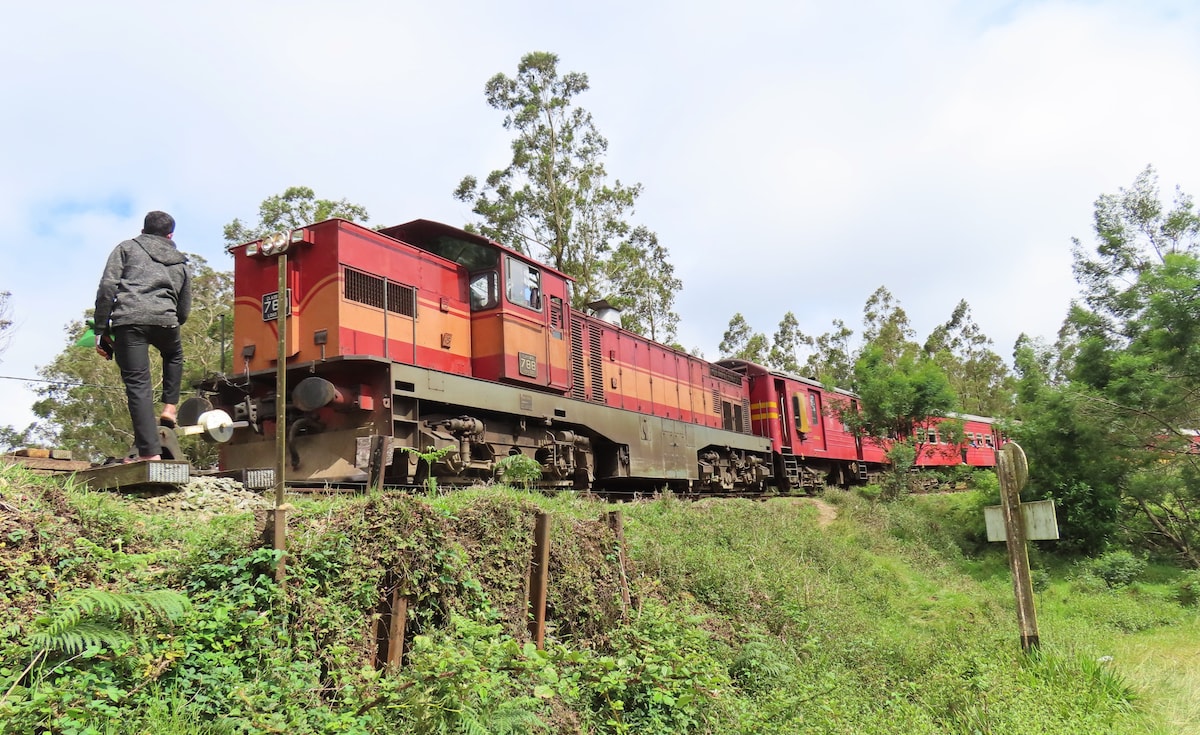
Personalize Itinerary - Galle Colombo Kandy Sigiriya
Tue, Feb 24 • 8:30 AM
Colombo, Western Province 00000, Sri Lanka
View details
Nearby attractions of Historic Colombo Grand Masjid
Sri Siva Subramaniaswami Temple
New Kathiresan Kovil
St. Anthony's Shrine, Kochchikade
Old Kathiresan Temple
Sri Kailasanathar Swami Temple
Jami Ul-Alfar Mosque
ISKCON Colombo - Sri Sri Radha Krishna Temple
Sri Ponnambalavaneswarar Kovil
Pettah Floating Market
Pillaiar Temple
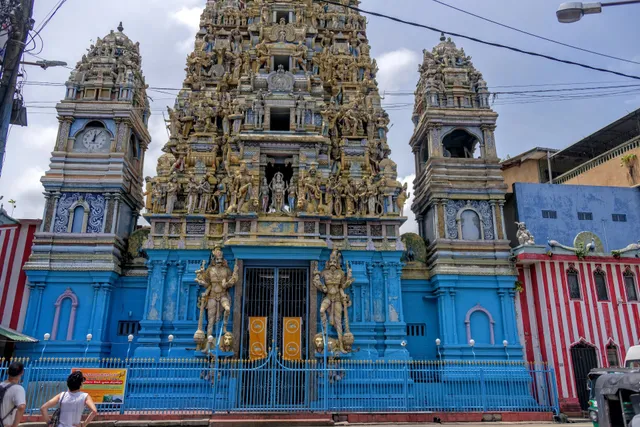
Sri Siva Subramaniaswami Temple
4.8
(80)
Closed
Click for details
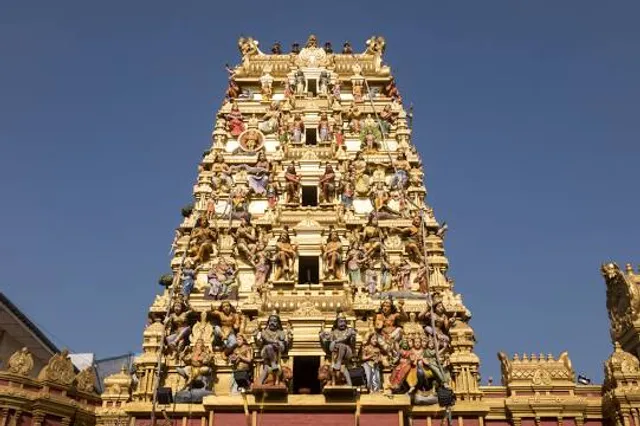
New Kathiresan Kovil
4.4
(194)
Open until 8:00 PM
Click for details
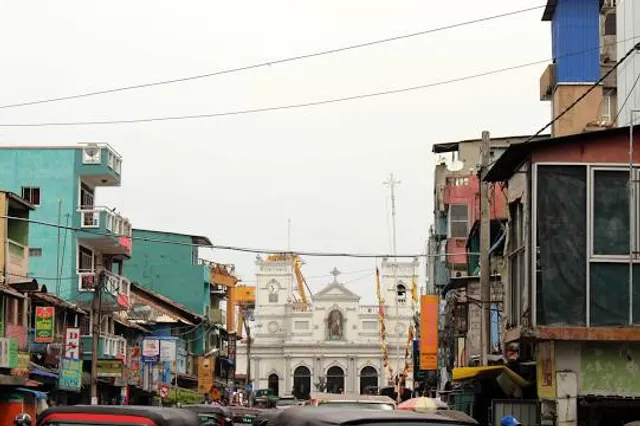
St. Anthony's Shrine, Kochchikade
4.8
(2.6K)
Open until 9:00 PM
Click for details
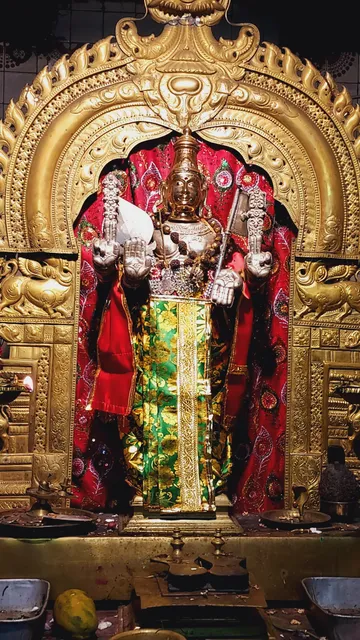
Old Kathiresan Temple
4.3
(18)
Open until 10:30 PM
Click for details
Nearby restaurants of Historic Colombo Grand Masjid
Hendricks Tea
Budget Rooms
Aluthkade Streetfood
BakeShop - Head Office & Factory Outlet
Mandi Darbar
Sri Suryas Hotel
Elite Indian Restaurant
Vaeni sea restaurant & Bar
Westin Restaurant & Bar
Shri Vani Vilas - Colombo 12

Hendricks Tea
4.6
(21)
Open until 6:00 PM
Click for details
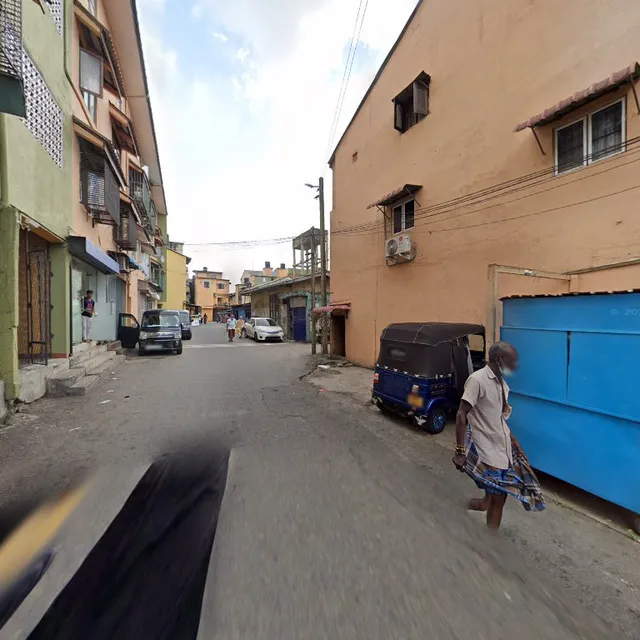
Budget Rooms
4.1
(19)
Open until 12:00 AM
Click for details
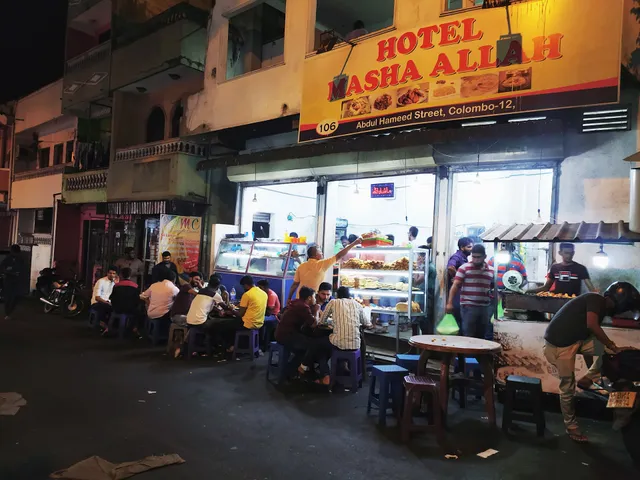
Aluthkade Streetfood
4.2
(2.2K)
Open until 12:00 AM
Click for details
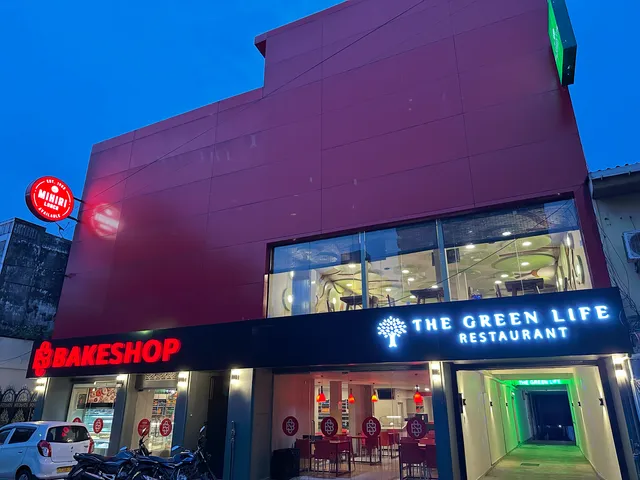
BakeShop - Head Office & Factory Outlet
3.7
(102)
Open until 7:30 PM
Click for details
Nearby local services of Historic Colombo Grand Masjid
Historic Colombo Grand Mosque
Sathutu Uyana
Pettah Market
Sai Sangeetha
Aslam Market
Pudukada Street Food World
Bar Association of Sri Lanka
Poorwaramaya Temple
Bodhirukkaramaya Temple
Old Town Hall Market
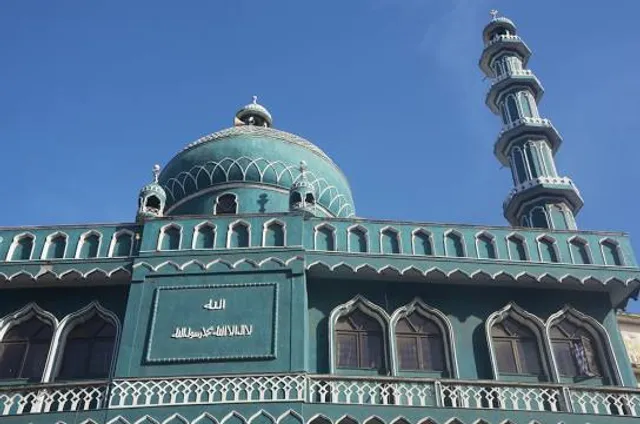
Historic Colombo Grand Mosque
4.7
(313)
Click for details
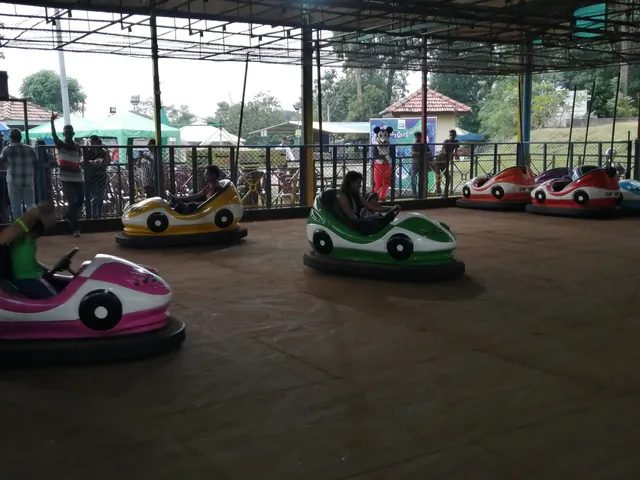
Sathutu Uyana
4.0
(417)
Click for details
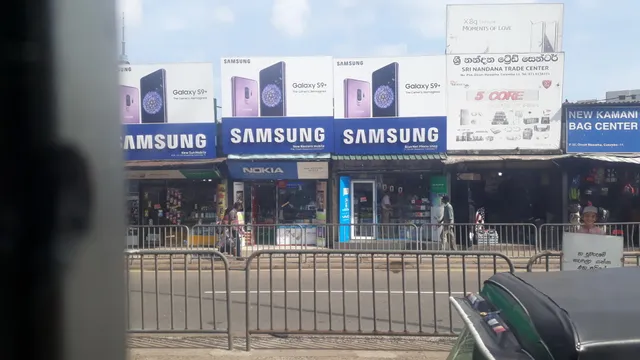
Pettah Market
4.0
(2.1K)
Click for details
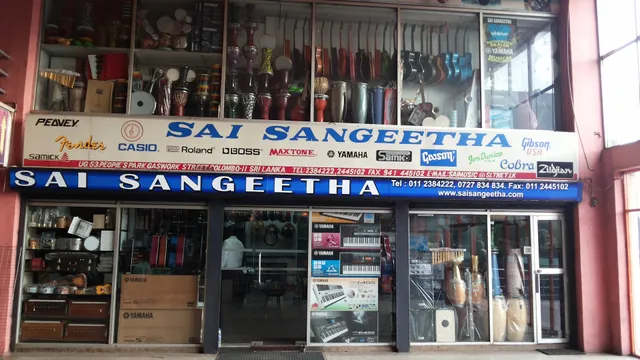
Sai Sangeetha
4.3
(437)
Click for details