Pettah Floating Market things to do, attractions, restaurants, events info and trip planning
Basic Info
Pettah Floating Market
WVM4+344, W E Bastian Mawatha, Colombo 01000, Sri Lanka
3.7(7.1K)
Closed
Save
spot
spot
Ratings & Description
Info
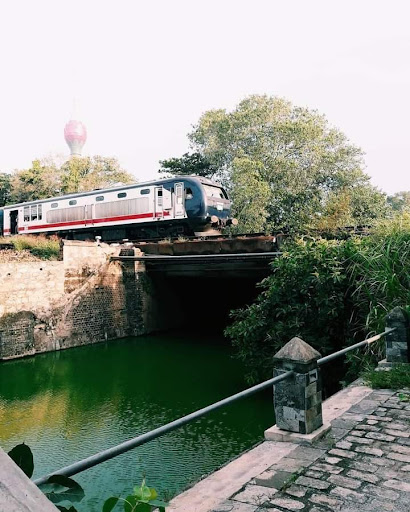
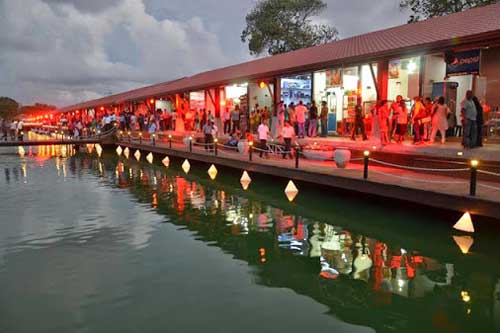
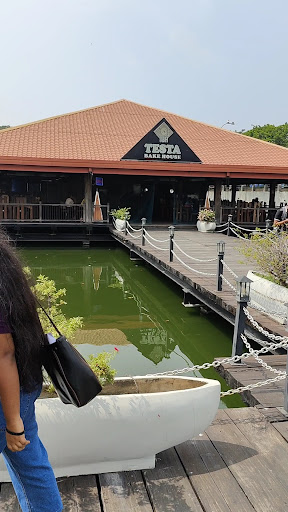
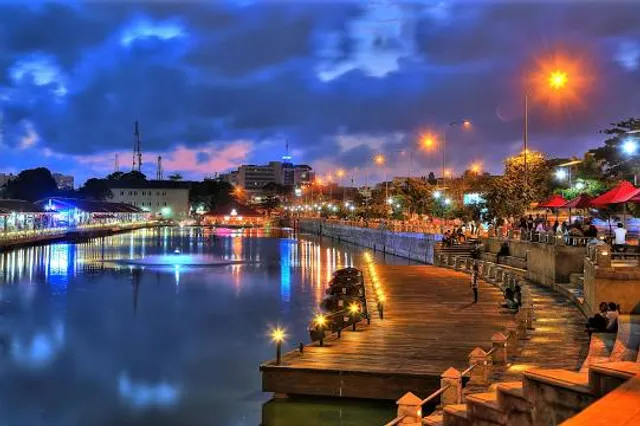
The Pettah Floating Markets are located on Bastian Mawatha in Pettah, a neighborhood in Colombo, Sri Lanka, and consist of 92 trade stalls, with a number of the stalls established on boats on Beira Lake. The floating market serves as a tourist attraction selling local produce and local handicraft.
Outdoor
Cultural
Family friendly
attractions: Sri Kaileswaram Temple, Beira Lake, Kapithavathai Sivan Temple canrect- கப்பிதாவத்தை சிவன் கோவில், Jami Ul-Alfar Mosque, Sri Lanka Philatelic Bureau, Dutch Museum, Colombo Lotus Tower, Khan Clock Tower, Cinnamon Nature Trails, Historic Colombo Grand Masjid, restaurants: Caroma Elite Specialty Coffee, Nom Nom Thai, New Palm Leaf Hotel, Bee Bee Restaurant, Pier 3 Boat Night Club, Blue Orbit by Citrus, Elite Indian Restaurant, ColomBar, Royal Thai - Cinnamon Lakeside, Hansagiri Restaurant & Bar, local businesses: Pettah Market, ஸ்ரீ கைலேஸ்வரம் கோவில் - Sri Kaileswaram Temple - ශ්රී කෛලේශ්වරම් කෝවිල, Kala Pola (කැලෑ පොළ), Pettah Market, Bally's Casino Colombo, Fort Railway station, Aslam Market, Bar Association of Sri Lanka, Sai Sangeetha, Bodhirukkaramaya Temple
 Learn more insights from Wanderboat AI.
Phone
+94 112 873 640
Open hoursSee all hours
Wed8 AM - 10:30 PMClosed
Plan your stay

Pet-friendly Hotels in Colombo
Find a cozy hotel nearby and make it a full experience.

Affordable Hotels in Colombo
Find a cozy hotel nearby and make it a full experience.

The Coolest Hotels You Haven't Heard Of (Yet)
Find a cozy hotel nearby and make it a full experience.

Trending Stays Worth the Hype in Colombo
Find a cozy hotel nearby and make it a full experience.
Reviews
Live events
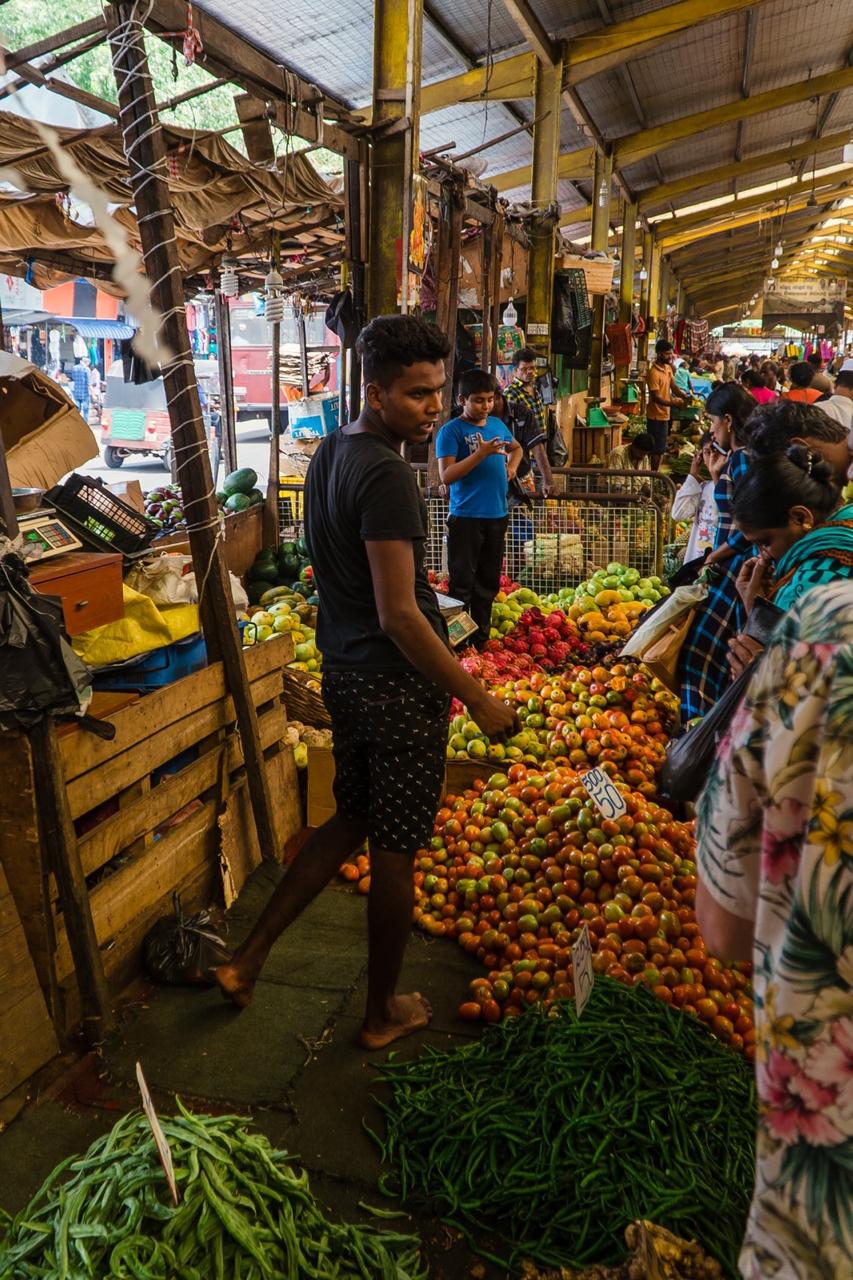
Explore Colombos hidden gems
Wed, Feb 25 • 9:00 AM
Colombo, Western Province 00700, Sri Lanka
View details
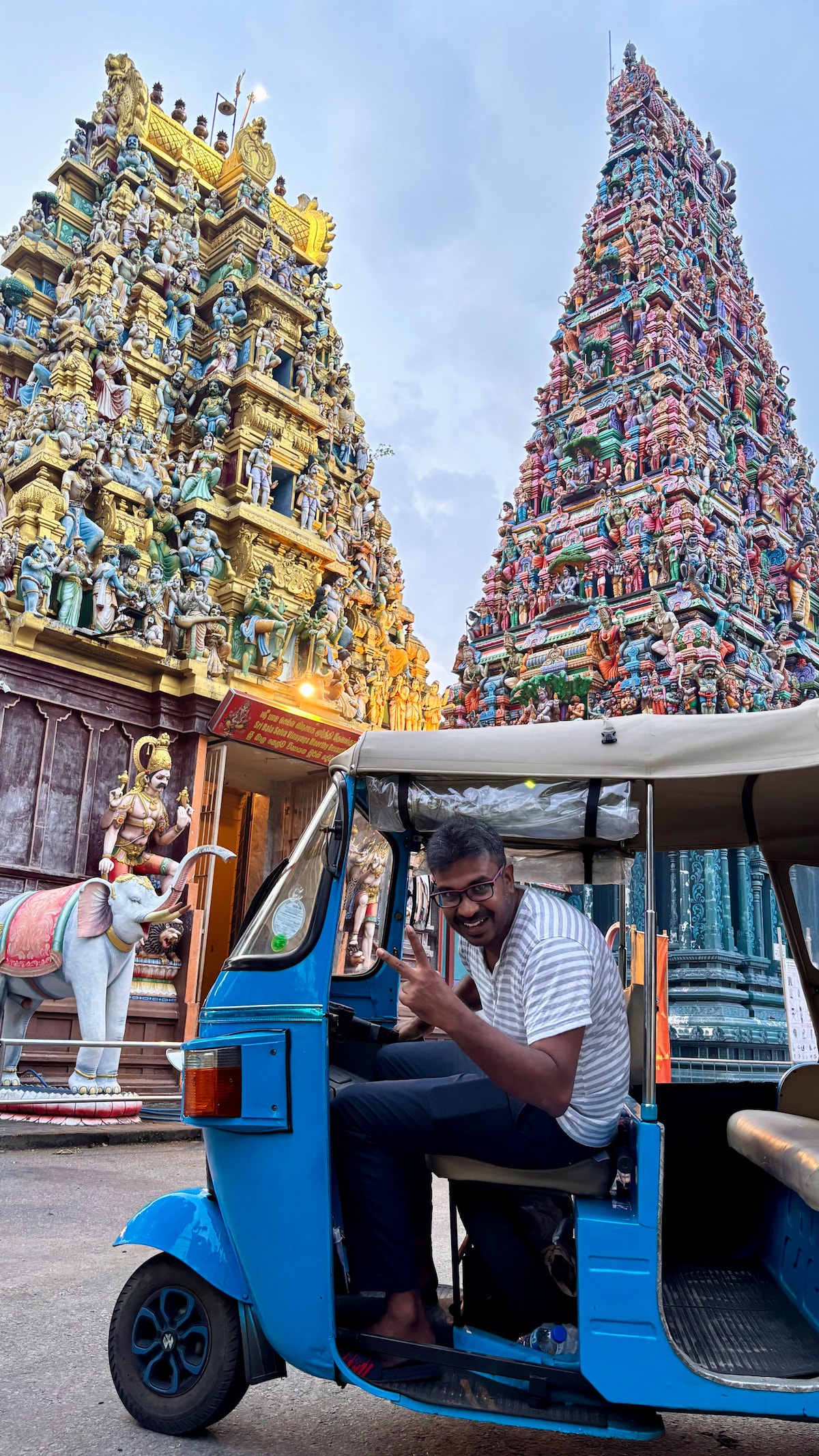
Colombo City Tour by Tuk Tuk - Private & Authentic
Wed, Feb 25 • 9:30 AM
Colombo, Western Province 00300, Sri Lanka
View details
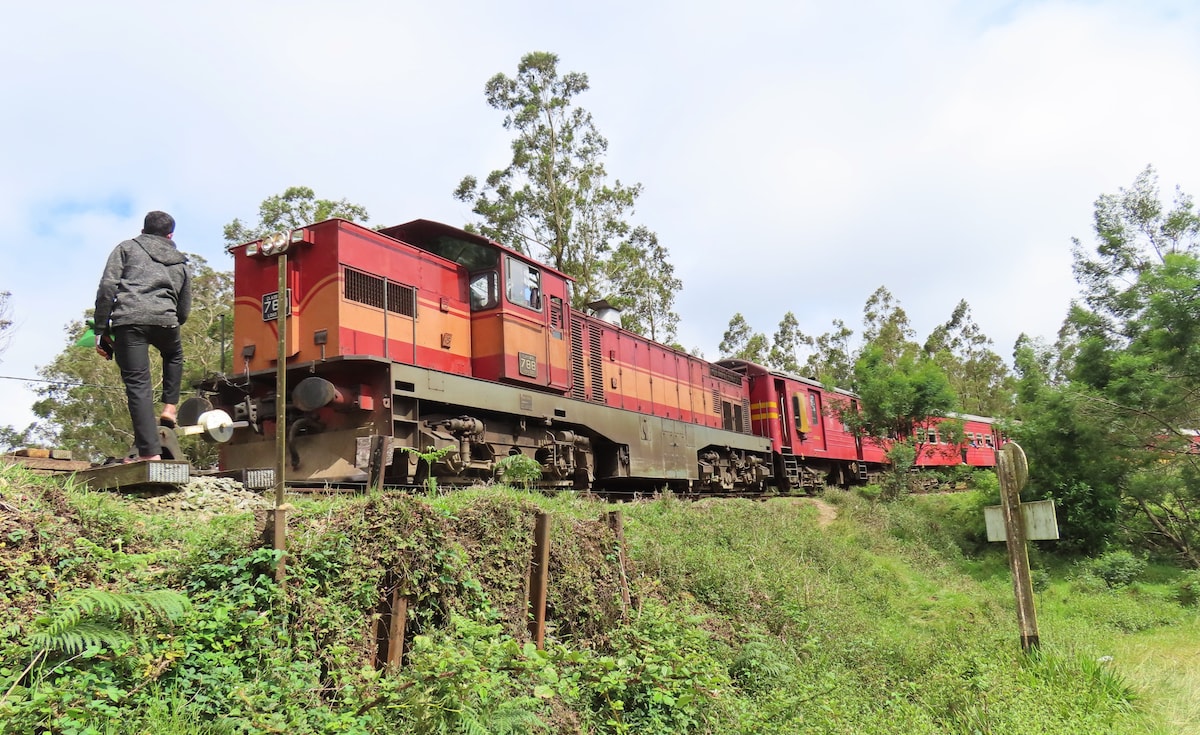
Personalize Itinerary - Galle Colombo Kandy Sigiriya
Wed, Feb 25 • 8:30 AM
Colombo, Western Province 00000, Sri Lanka
View details
Nearby attractions of Pettah Floating Market
Sri Kaileswaram Temple
Beira Lake
Kapithavathai Sivan Temple canrect- கப்பிதாவத்தை சிவன் கோவில்
Jami Ul-Alfar Mosque
Sri Lanka Philatelic Bureau
Dutch Museum
Colombo Lotus Tower
Khan Clock Tower
Cinnamon Nature Trails
Historic Colombo Grand Masjid
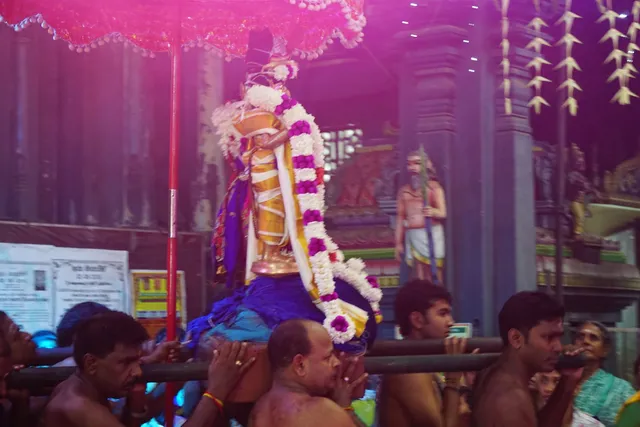
Sri Kaileswaram Temple
4.6
(494)
Closed
Click for details
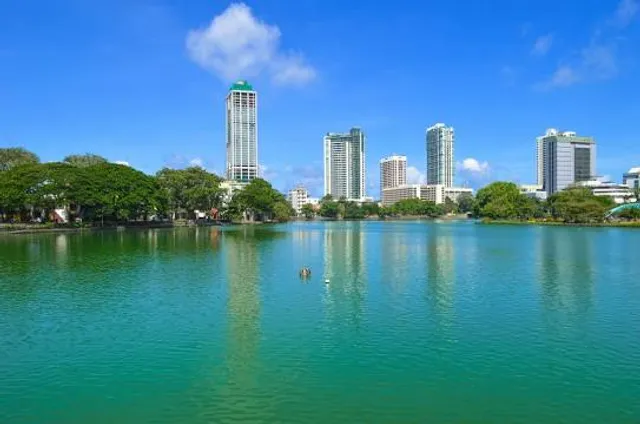
Beira Lake
4.2
(176)
Open 24 hours
Click for details
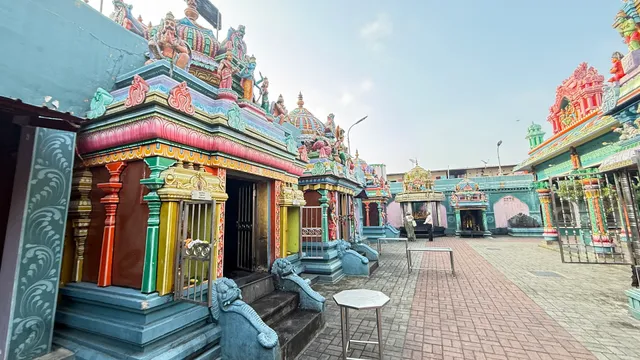
Kapithavathai Sivan Temple canrect- கப்பிதாவத்தை சிவன் கோவில்
4.6
(18)
Open 24 hours
Click for details
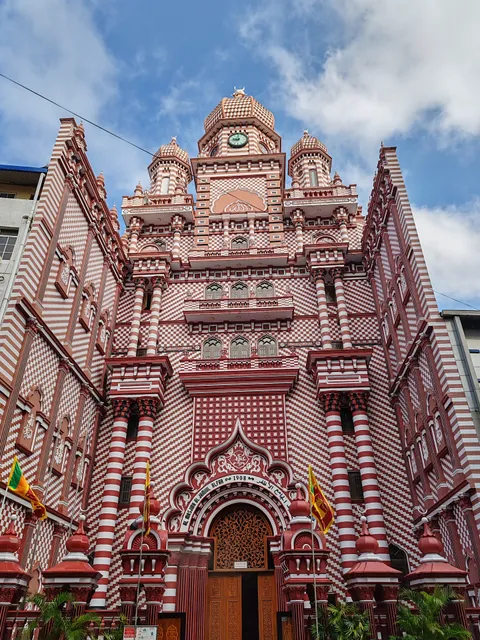
Jami Ul-Alfar Mosque
4.6
(2.3K)
Closed
Click for details
Nearby restaurants of Pettah Floating Market
Caroma Elite Specialty Coffee
Nom Nom Thai
New Palm Leaf Hotel
Bee Bee Restaurant
Pier 3 Boat Night Club
Blue Orbit by Citrus
Elite Indian Restaurant
ColomBar
Royal Thai - Cinnamon Lakeside
Hansagiri Restaurant & Bar
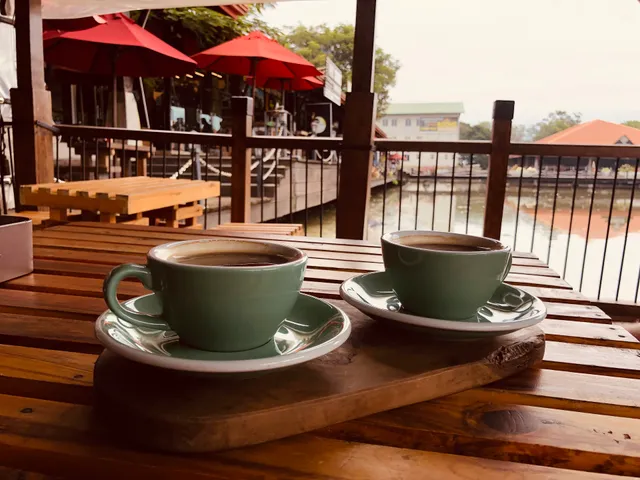
Caroma Elite Specialty Coffee
4.8
(169)
Closed
Click for details
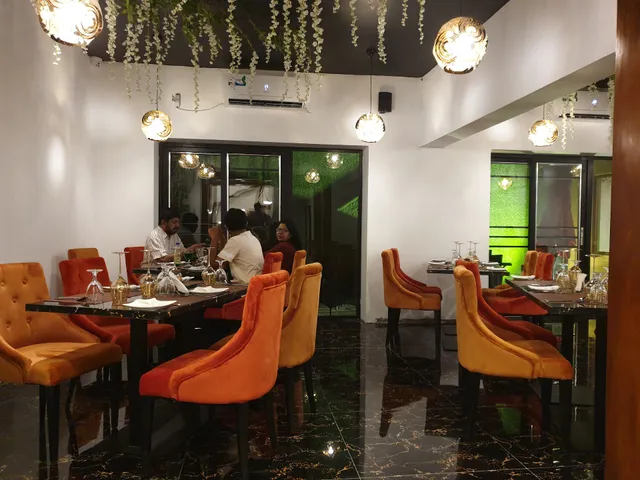
Nom Nom Thai
3.8
(351)
Closed
Click for details
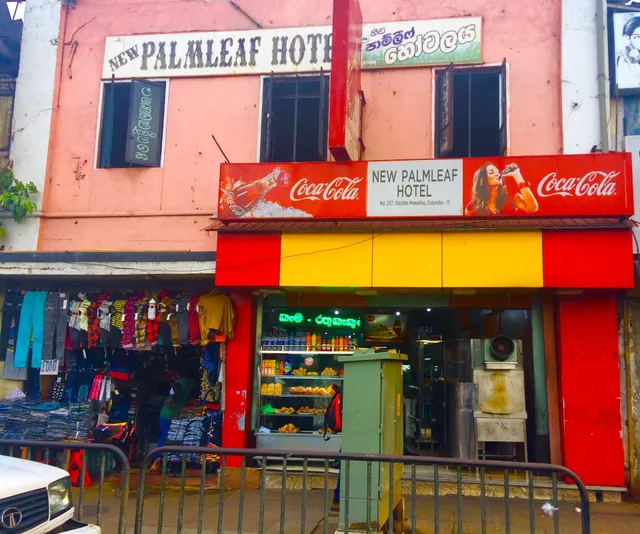
New Palm Leaf Hotel
4.0
(57)
$
Closed
Click for details
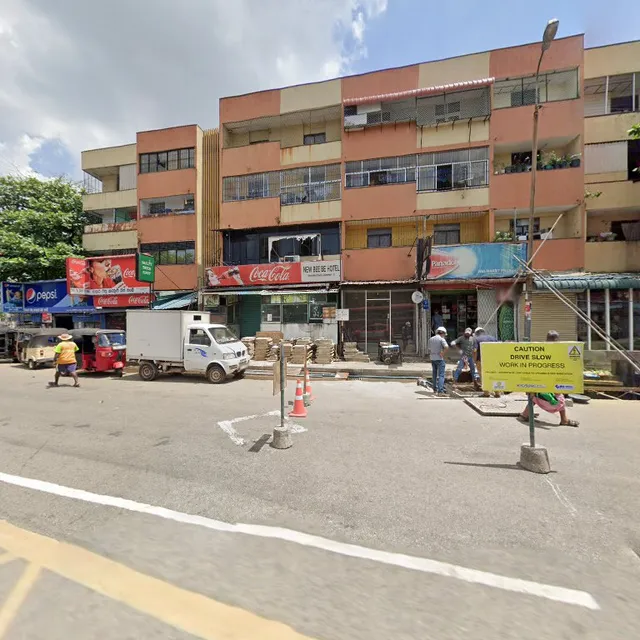
Bee Bee Restaurant
4.5
(14)
Open until 12:00 AM
Click for details
Nearby local services of Pettah Floating Market
Pettah Market
ஸ்ரீ கைலேஸ்வரம் கோவில் - Sri Kaileswaram Temple - ශ්රී කෛලේශ්වරම් කෝවිල
Kala Pola (කැලෑ පොළ)
Pettah Market
Bally's Casino Colombo
Fort Railway station
Aslam Market
Bar Association of Sri Lanka
Sai Sangeetha
Bodhirukkaramaya Temple
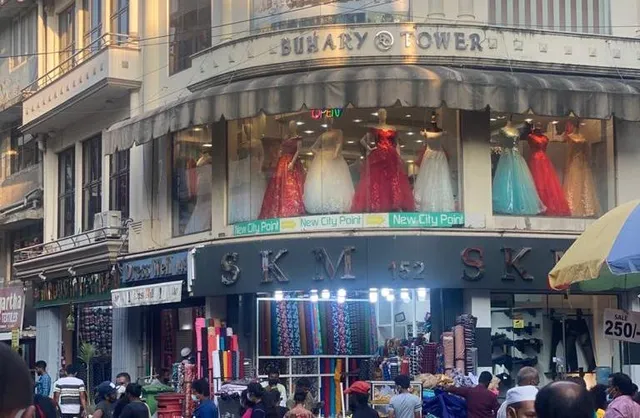
Pettah Market
4.0
(1.6K)
Click for details
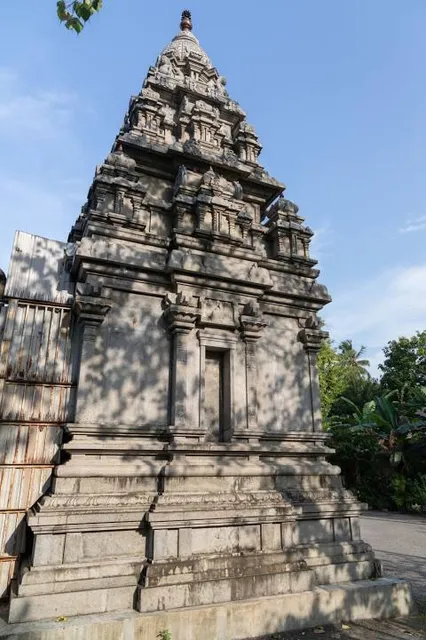
ஸ்ரீ கைலேஸ்வரம் கோவில் - Sri Kaileswaram Temple - ශ්රී කෛලේශ්වරම් කෝවිල
4.6
(278)
Click for details
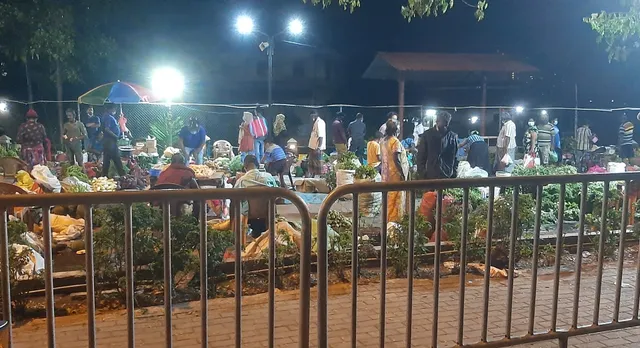
Kala Pola (කැලෑ පොළ)
4.3
(95)
Click for details
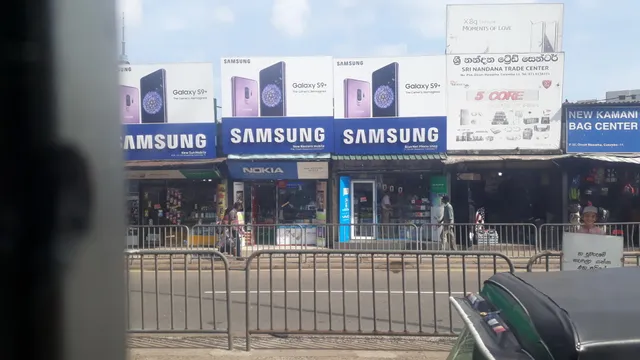
Pettah Market
4.0
(2.1K)
Click for details