Galle Fort Clock Tower things to do, attractions, restaurants, events info and trip planning
Basic Info
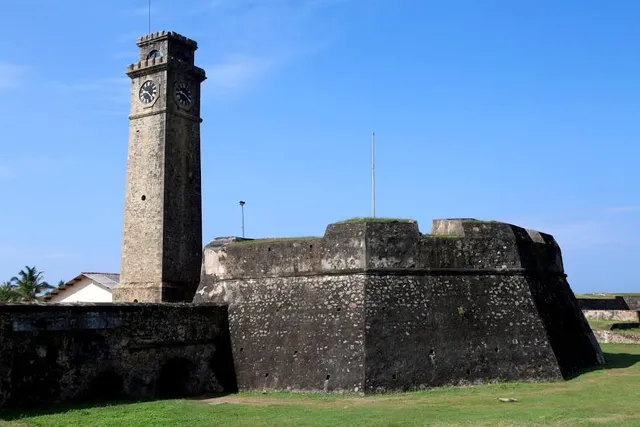
Galle Fort Clock Tower
Galle Fort Clock Tower, Galle 80000, Sri Lanka
4.6(1.6K)
Open until 12:00 AM
Save
spot
spot
Ratings & Description
Info
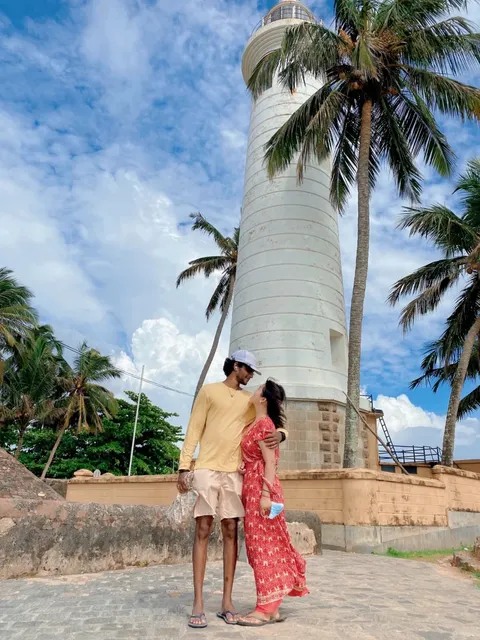
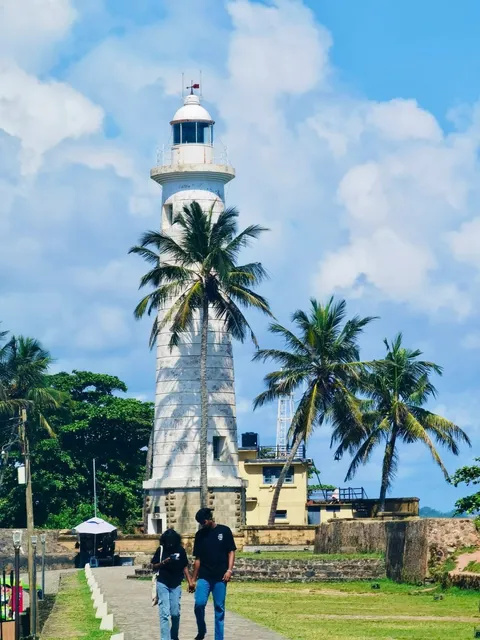
The Galle Clock Tower is located within the Galle Fort in Galle, Sri Lanka. The Clock Tower is a popular landmark and overlooks the central Moon Bastion, on the site of the former guard room.
Cultural
Outdoor
Family friendly
attractions: Galle Dutch Fort, Galle Dutch Fort, Galle Fort Attractions & Tours, Galle International Cricket Stadium - ගාල්ල ජාත්යන්තර ක්රිකට් ක්රීඩාංගණය, National Museum Galle, Dutch Reformed Church, St Joseph's Chapel, Maritime Archaeology Museum, Sri Sudharmalaya Buddhist Temple, All Saints' Church, restaurants: Galle Fort Restaurant, KiXi Fort Galle, Elita Restaurant, Anura’s Restaurant, National Tea Rooms, Tea Avenue - Galle Fort, The Bungalow Galle Fort - Restaurant & Cocktail Bar., Fort Freeze - Ice Cream Shop, Fort Heritage food cabin, Anods Cafe and Restaurant, local businesses: The Kandos Shop - Handmade Chocolate - Galle Fort, Old Dutch Hospital, The English Cake Company- The Cakery @ Galle, The Casual Club, Cakebae By Nadee, Galle Fort Beach, Lighthouse - Galle, Dragon Muay Thai Fighting School Galle, Caritas Galle-SED
 Learn more insights from Wanderboat AI.
Website
galle.travel
Open hoursSee all hours
MonOpen 24 hoursOpen
Plan your stay

Pet-friendly Hotels in Galle
Find a cozy hotel nearby and make it a full experience.

Affordable Hotels in Galle
Find a cozy hotel nearby and make it a full experience.

The Coolest Hotels You Haven't Heard Of (Yet)
Find a cozy hotel nearby and make it a full experience.

Trending Stays Worth the Hype in Galle
Find a cozy hotel nearby and make it a full experience.
Reviews
Live events
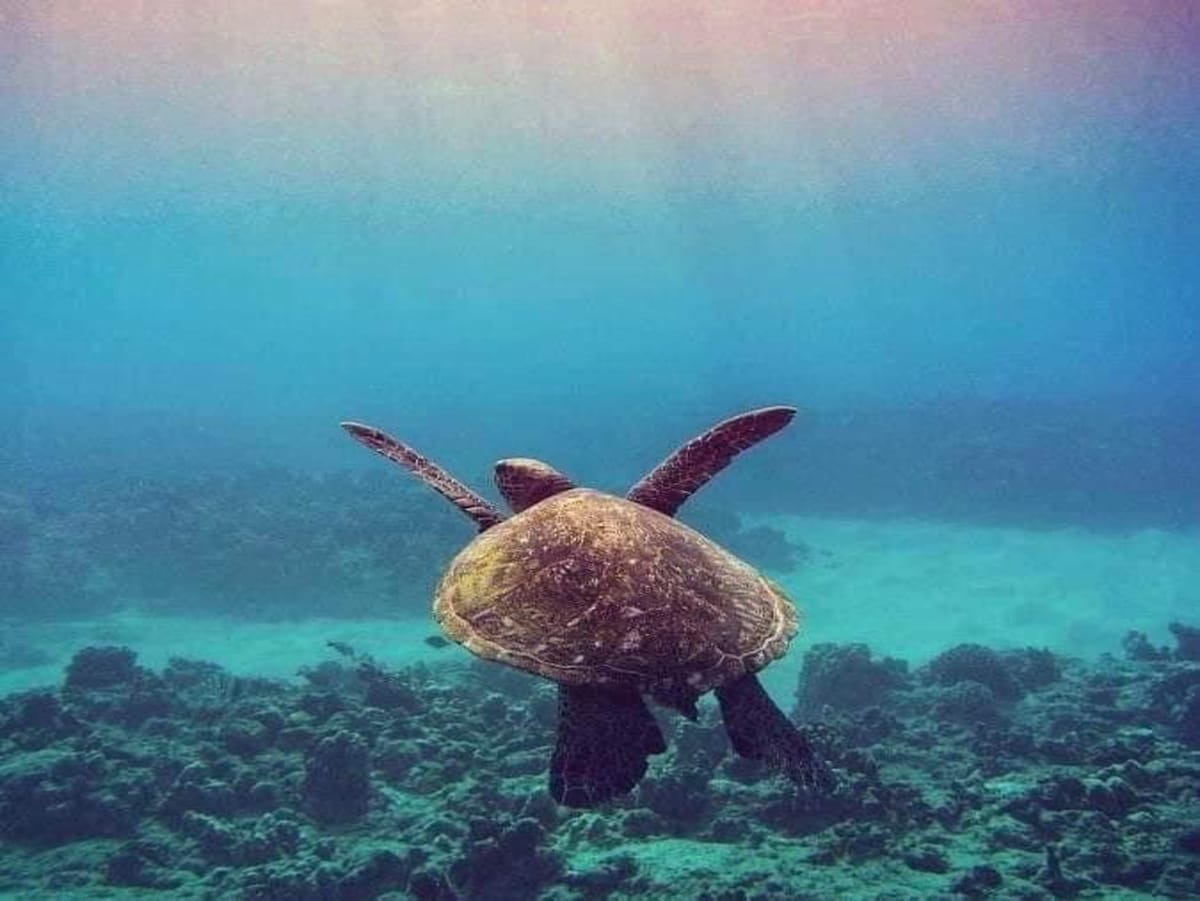
Snorkel with turtles with a marine specialist
Mon, Feb 23 • 7:00 AM
Mirissa, Southern Province 81740, Sri Lanka
View details
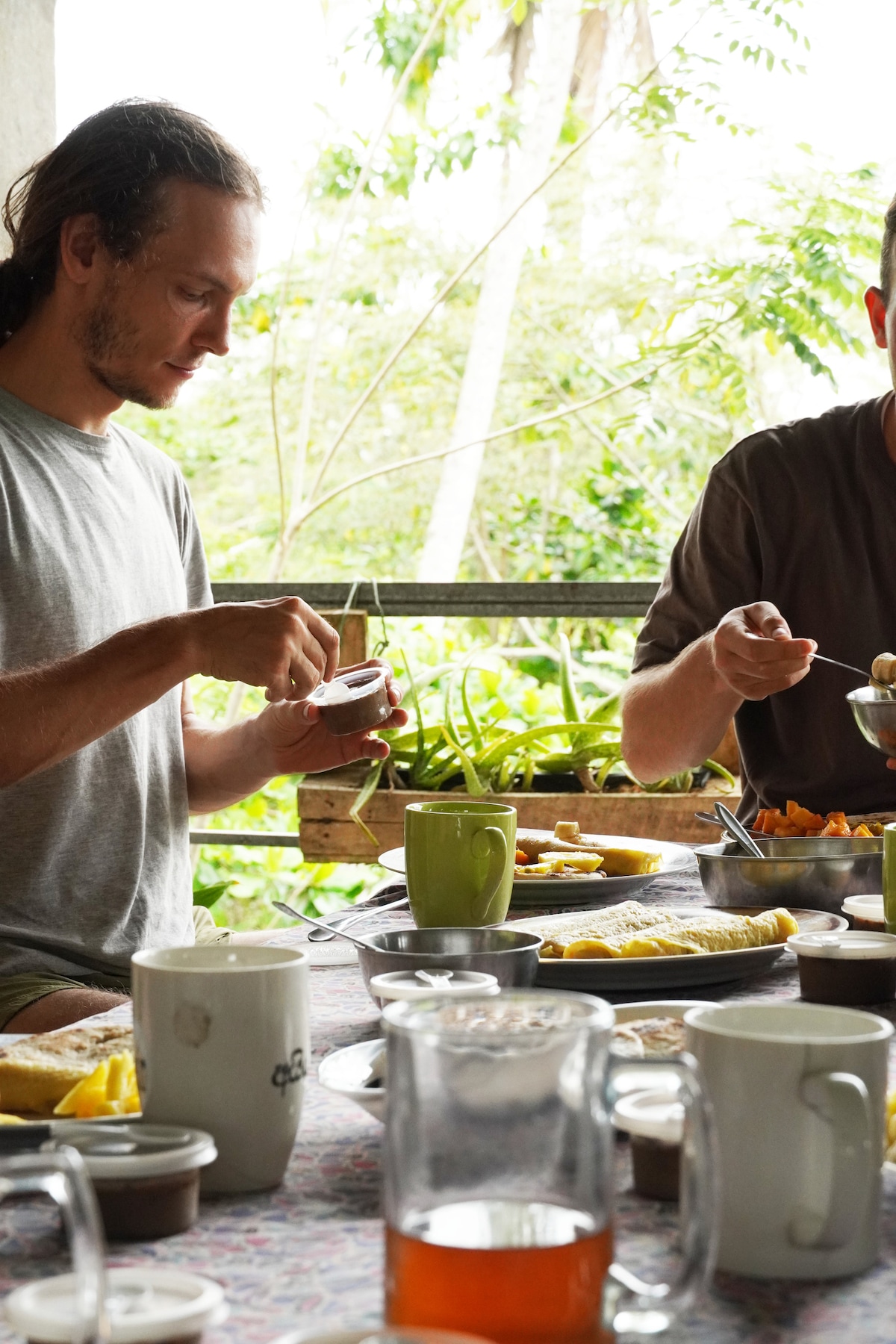
Cook authentic Sri Lankan dishes
Mon, Feb 23 • 6:00 PM
Weligama, Southern Province 81700, Sri Lanka
View details

Authentic Sri Lankan cooking class in Mirissa
Mon, Feb 23 • 4:00 PM
Mirissa, Southern Province, Sri Lanka
View details
Nearby attractions of Galle Fort Clock Tower
Galle Dutch Fort
Galle Dutch Fort
Galle Fort Attractions & Tours
Galle International Cricket Stadium - ගාල්ල ජාත්යන්තර ක්රිකට් ක්රීඩාංගණය
National Museum Galle
Dutch Reformed Church
St Joseph's Chapel
Maritime Archaeology Museum
Sri Sudharmalaya Buddhist Temple
All Saints' Church
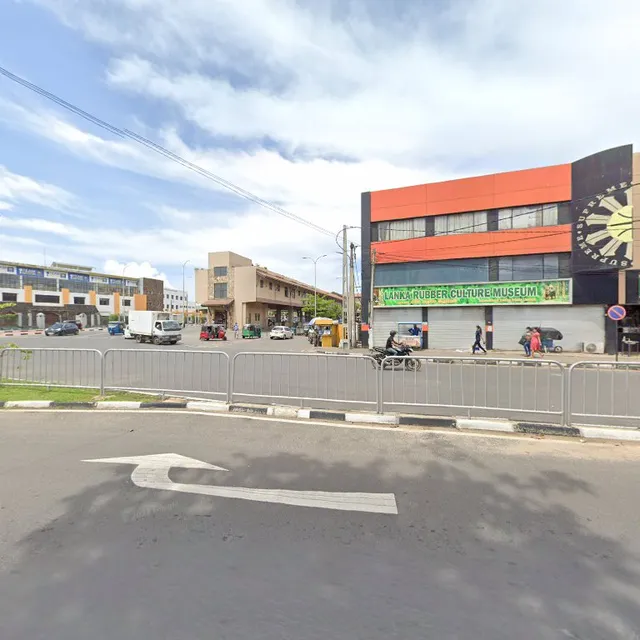
Galle Dutch Fort
4.7
(8K)
Open until 12:00 AM
Click for details
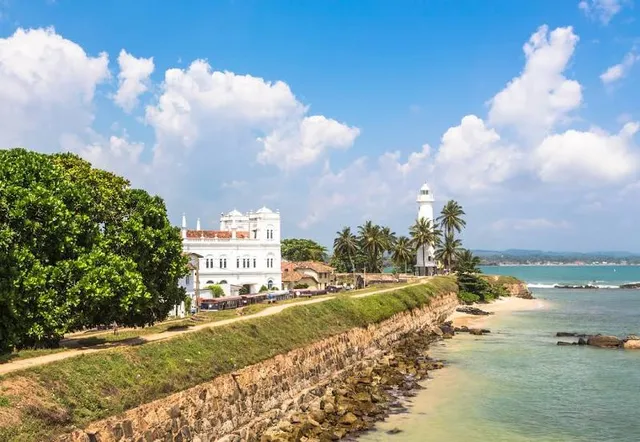
Galle Dutch Fort
4.7
(8.3K)
Open until 12:00 AM
Click for details
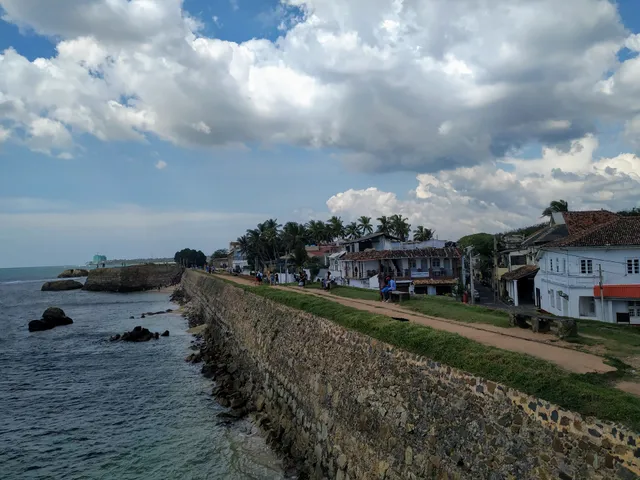
Galle Fort Attractions & Tours
4.6
(639)
Closed
Click for details
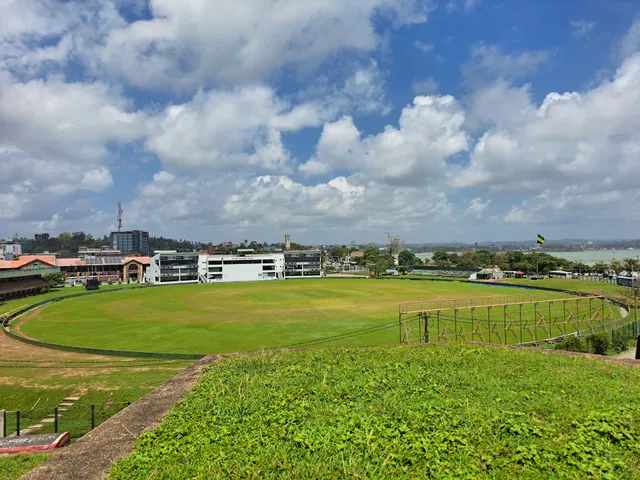
Galle International Cricket Stadium - ගාල්ල ජාත්යන්තර ක්රිකට් ක්රීඩාංගණය
4.5
(1.1K)
Open until 12:00 AM
Click for details
Nearby restaurants of Galle Fort Clock Tower
Galle Fort Restaurant
KiXi Fort Galle
Elita Restaurant
Anura’s Restaurant
National Tea Rooms
Tea Avenue - Galle Fort
The Bungalow Galle Fort - Restaurant & Cocktail Bar.
Fort Freeze - Ice Cream Shop
Fort Heritage food cabin
Anods Cafe and Restaurant
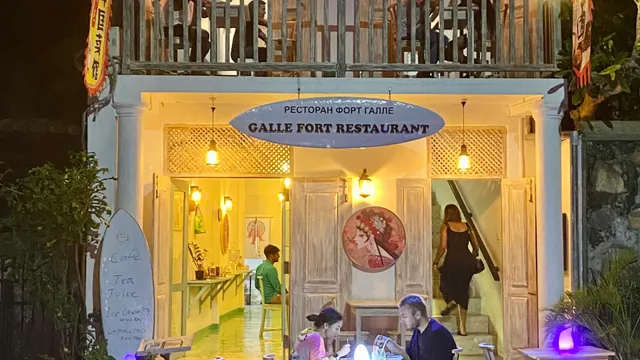
Galle Fort Restaurant
4.7
(512)
Closed
Click for details
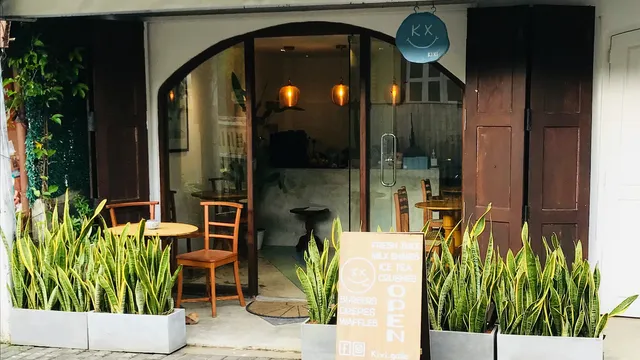
KiXi Fort Galle
4.6
(745)
Closed
Click for details
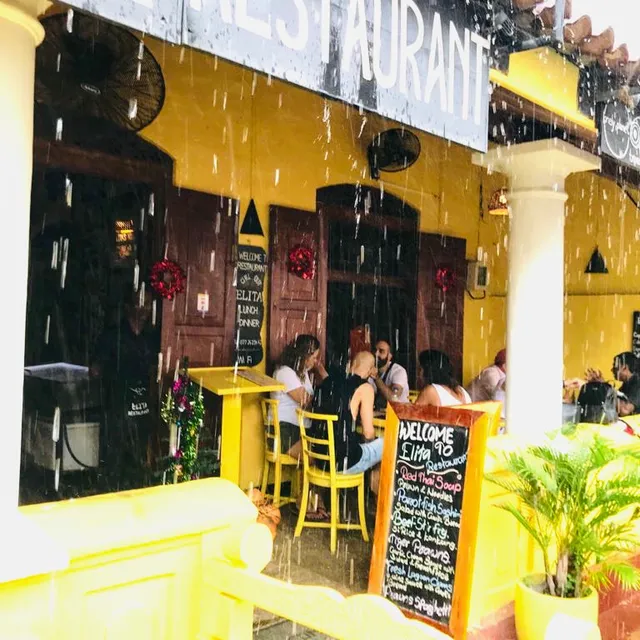
Elita Restaurant
4.3
(475)
$$
Closed
Click for details
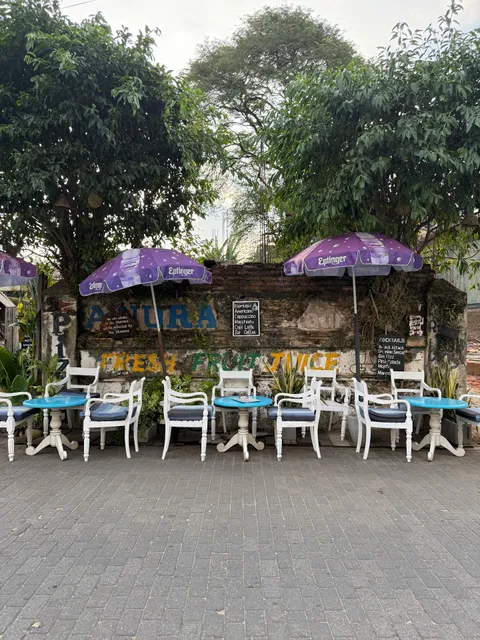
Anura’s Restaurant
3.9
(199)
Click for details
Nearby local services of Galle Fort Clock Tower
The Kandos Shop - Handmade Chocolate - Galle Fort
Old Dutch Hospital
The English Cake Company- The Cakery @ Galle
The Casual Club
Cakebae By Nadee
Galle Fort Beach
Lighthouse - Galle
Dragon Muay Thai Fighting School Galle
Caritas Galle-SED
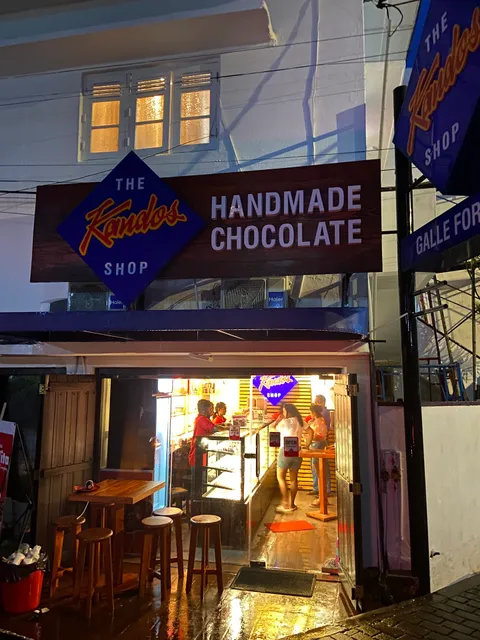
The Kandos Shop - Handmade Chocolate - Galle Fort
4.4
(60)
Click for details
Old Dutch Hospital
4.5
(691)
Click for details
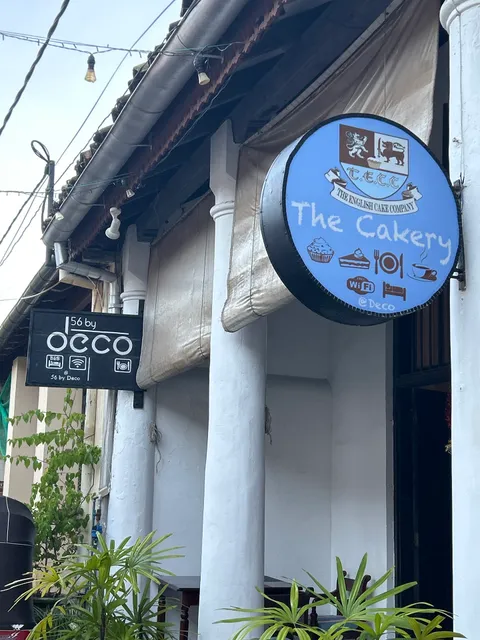
The English Cake Company- The Cakery @ Galle
4.4
(81)
Click for details
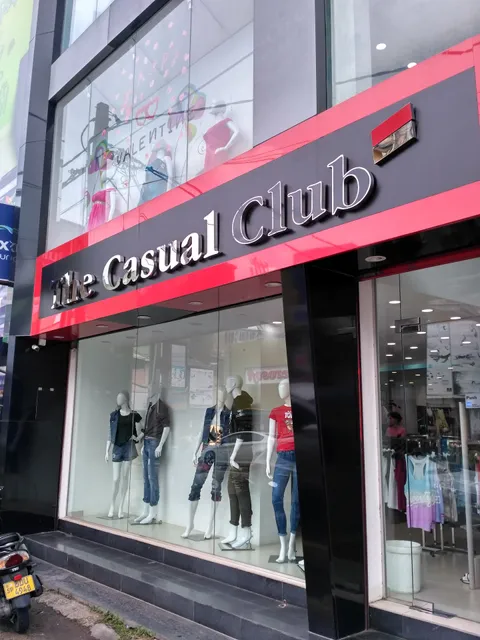
The Casual Club
4.2
(141)
Click for details