🏰 Galle Dutch Fort – A Charming Colonial Treasure by the Sea
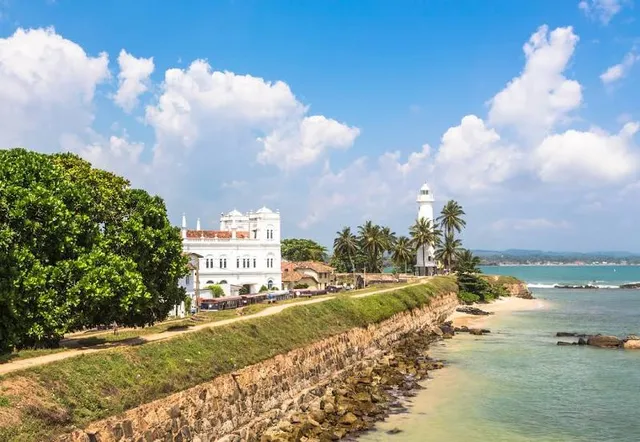
Galle Dutch Fort is a beautifully preserved colonial-era fortress located on the southwestern coast of Sri Lanka. Originally built by the Portuguese in the late 1500s and later fortified by the Dutch in the 17th century, it is now a vibrant blend of history, culture, and lifestyle.
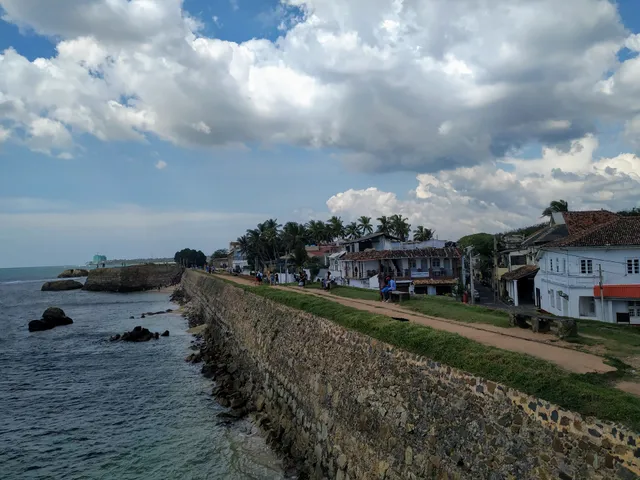
Surrounded by massive stone ramparts and bordered by the Indian Ocean, the Fort feels like a town within a town. Walking through its cobbled streets feels like stepping into a different era—lined with centuries-old buildings, charming boutiques, art galleries, cafes, and churches.
⸻
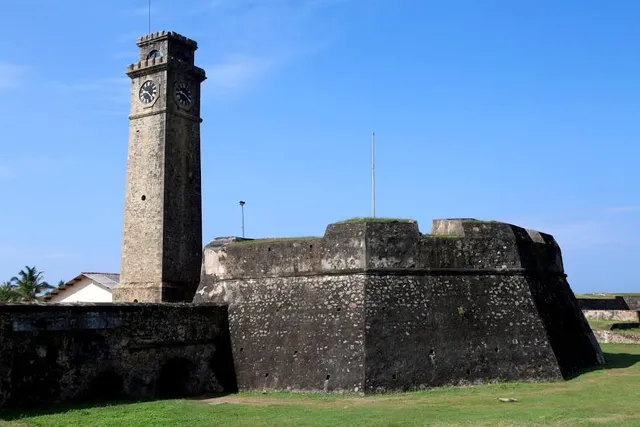
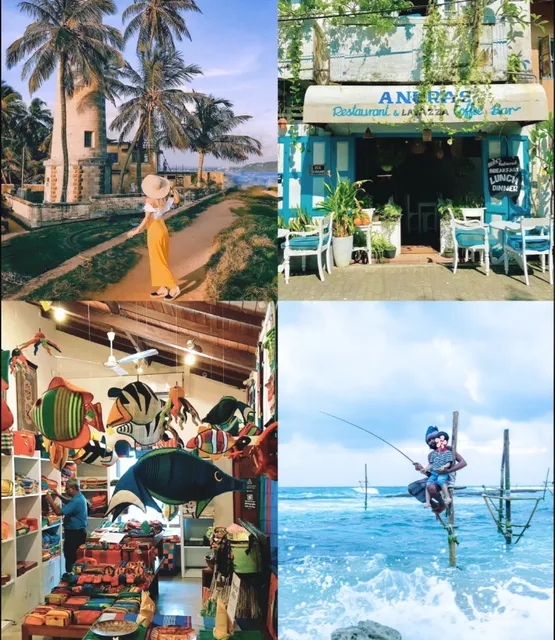
🎒 Things to Do Inside the Fort • Walk the Ramparts: A stroll along the Fort walls offers stunning panoramic views of the ocean, lighthouse, and red-tiled rooftops. Sunrise and sunset are especially magical. • Visit the Lighthouse & Clock Tower: Two iconic landmarks, perfect for photography and soaking in the Fort’s colonial atmosphere. • Explore the Museums: Inside the Fort, you’ll find small but insightful museums showcasing colonial history, maritime heritage, and traditional artifacts. • Take a Heritage Walk: A guided or self-guided walk helps you discover hidden alleys, historic churches, Dutch mansions, and the unique blend of Sri Lankan and European architecture. • Watch the Sunset at Flag Rock: One of the most popular sunset spots, where you can see local youths diving off the rocks when the waves allow.
⸻
🛍️ Shopping & Local Finds
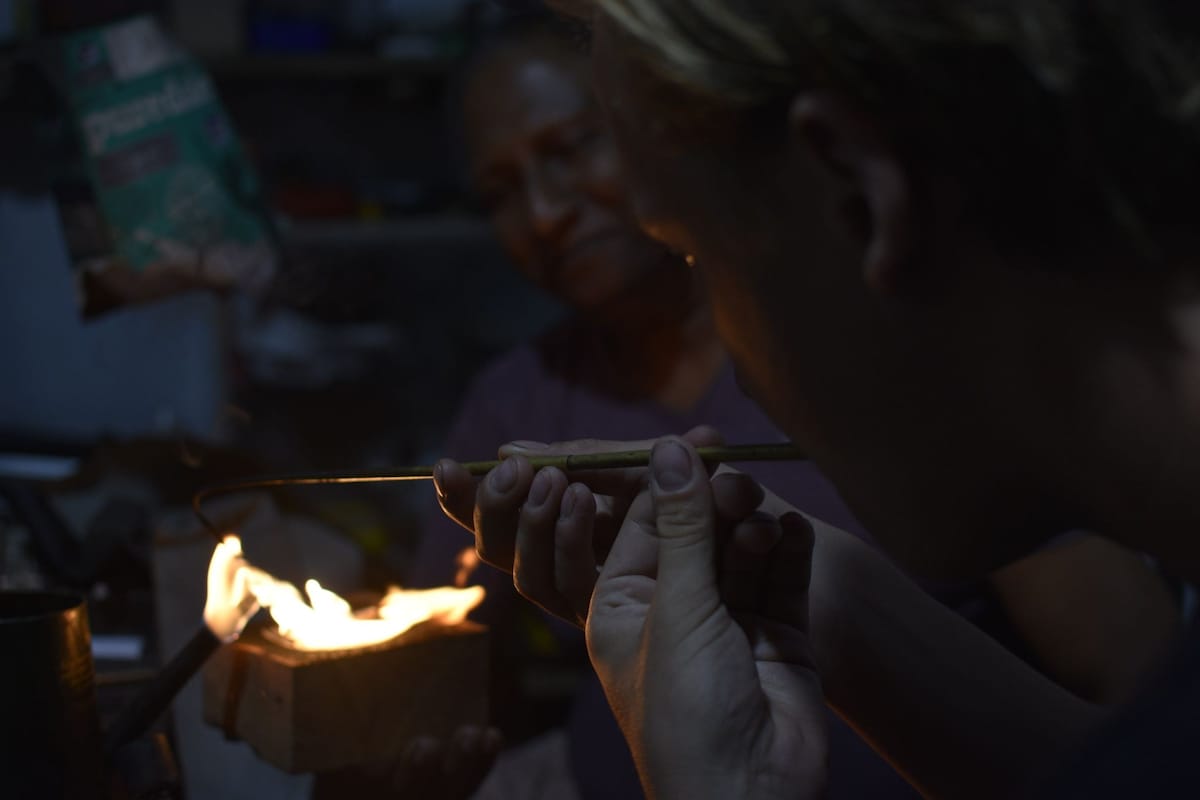
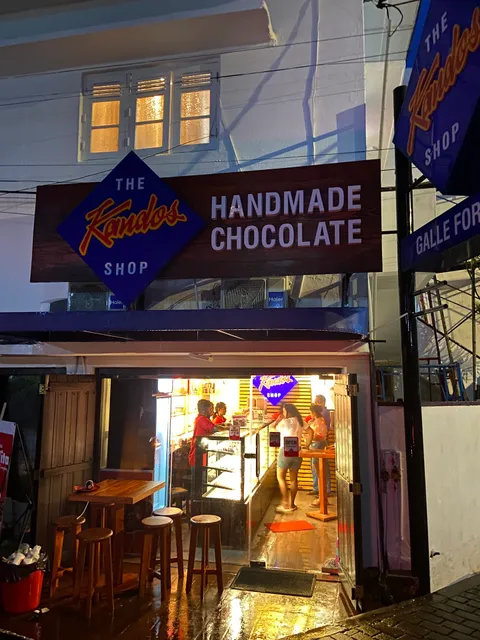
Galle Fort is a shopper’s paradise for unique and handcrafted goods. You’ll find: • Boutique stores selling handwoven fabrics, linen clothing, batik prints, and eco-friendly fashion. • Jewelry shops with beautiful silver and gemstone pieces, often featuring Sri Lankan sapphires. • Art galleries with local contemporary art, postcards, and decorative pieces. • Souvenir shops offering handcrafted woodwork, spices, teas, and vintage collectibles.
The entire Fort has a relaxed, upscale vibe—perfect for browsing without the chaos of a typical tourist market.
⸻
🍽️ Food & Dining
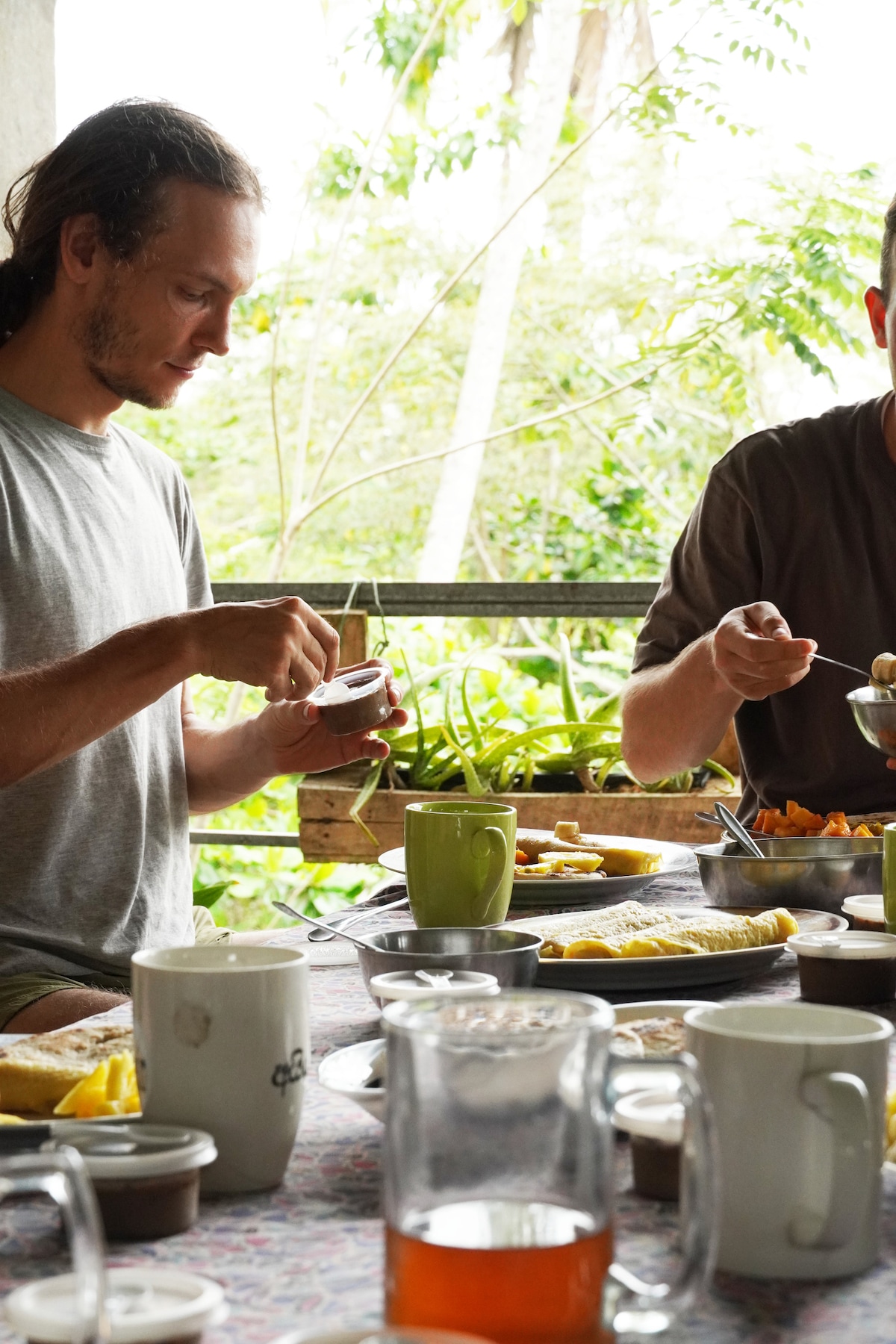
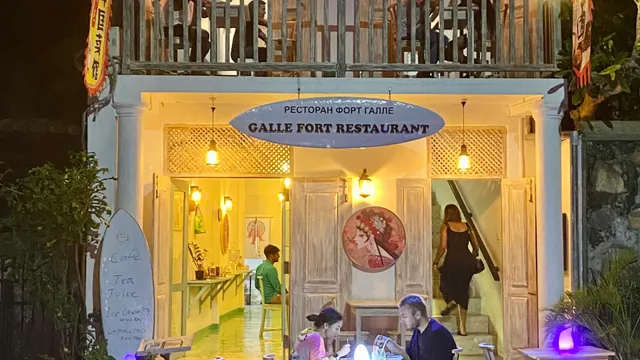
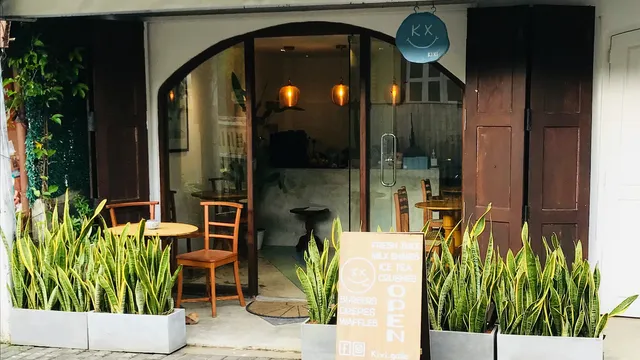
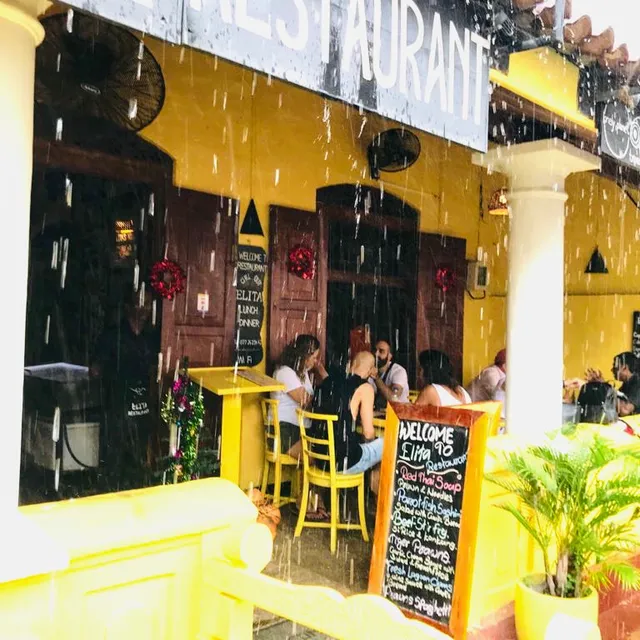
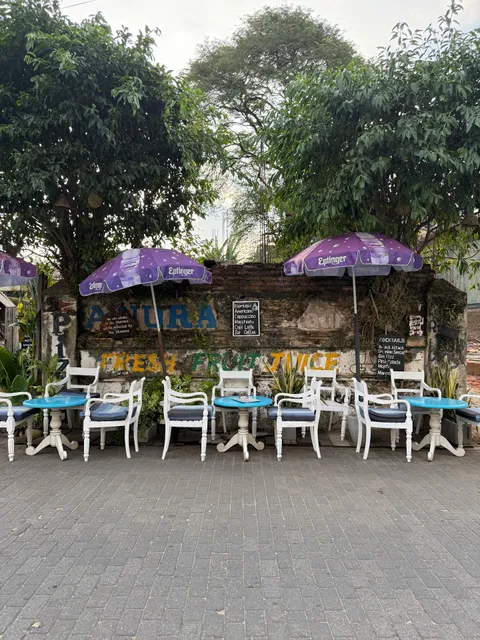
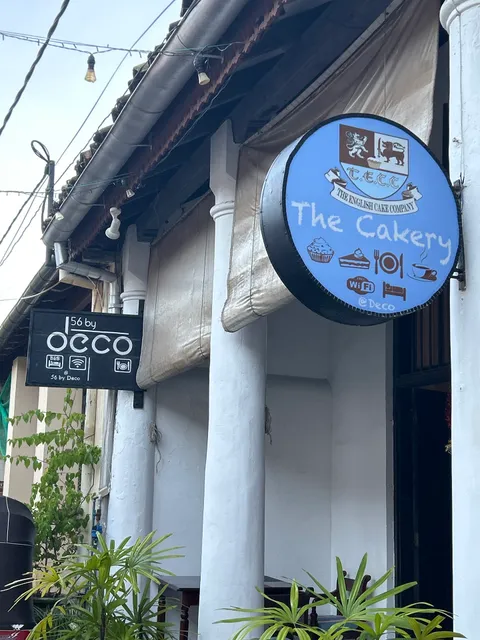
Whether you’re in the mood for fine dining or a quick street-side snack, Galle Fort delivers: • Seafood & Sri Lankan cuisine: Fresh crab, prawn curry, hoppers, and local rice dishes are must-tries at both high-end restaurants and homely cafés. • International options: You’ll also find pizzerias, French-style bakeries, and fusion bistros catering to global palates. • Coffee and gelato: Excellent coffee shops and artisanal gelato spots offer the perfect break during your exploration. • Sunset dinners: Many restaurants have rooftop seating, ideal for enjoying dinner with a sea breeze and a view of the sunset.
⸻
✨ Tips for Visitors • Timing: Early morning or late afternoon is ideal to avoid the heat and crowds. The Fort is beautiful at night too, with ambient lighting and open restaurants. • Footwear: Wear comfortable walking shoes, as you’ll be covering a lot of ground on stone and cobblestone paths. • Sun protection: Carry water, sunscreen, and a hat, especially if walking the ramparts during the day. • Respect the heritage: While it’s lively, the Fort is still a historical site and residential area—be mindful of noise, dress appropriately, and avoid littering. • Tuk-tuk caution: Be wary of overpriced tuk-tuks at the entrance. It’s best to walk or pre-arrange transport.
⸻
📌 Final Thoughts
Galle Dutch Fort is more than a historical attraction—it’s a destination full of life, flavor, and charm. Whether you’re exploring its cultural roots, enjoying a leisurely shopping day, or indulging in a seafood feast by the sea, it’s a place that offers something for everyone.
Perfect for a half-day or full-day visit, and ideal for couples, families, history buffs, and relaxed...
Read moreGalle Dutch Fort, a UNESCO World Heritage Site, stands as one of Sri Lanka’s most iconic landmarks, seamlessly blending colonial history, cultural heritage, and modern sophistication. My recent visit to this architectural marvel was nothing short of spectacular, offering a unique experience of walking through centuries-old cobblestone streets while indulging in modern luxuries. A Walk Through History Originally built by the Portuguese in 1588 and later fortified by the Dutch in the 17th century, Galle Fort has withstood the test of time, including tsunamis, wars, and changing civilizations. As I stepped inside the fort, I could feel the echoes of its colonial past—massive stone walls, ancient churches, and Dutch-style buildings standing resiliently against the backdrop of the Indian Ocean. One of the most fascinating aspects of Galle Fort is how history coexists with modernity. While some ruins tell tales of the past—like the crumbling bastions and weathered old warehouses—many colonial-era buildings have been beautifully restored and converted into boutique hotels, cafés, art galleries, and luxury shops. Modern Elegance Amidst Ruins Despite being a centuries-old structure, Galle Fort has evolved into a vibrant, upscale destination. The streets are lined with stylish cafés, high-end boutiques, chic restaurants, and boutique hotels, giving it a European-inspired coastal town vibe. It’s a rare sight where you find luxury brands, artisanal ice cream shops, and handcrafted jewelry stores sitting inside historic Dutch-era buildings! While it has become modernized and somewhat commercialized, it hasn’t lost its old-world charm. The fort still preserves its ancient ramparts, lighthouses, old trading posts, and stone-paved alleyways, making it a unique destination where the past meets the present. Must-Visit Spots in Galle Fort Galle Lighthouse One of the most picturesque and Instagram-worthy spots in the fort, this 19th-century lighthouse offers breathtaking views of the Indian Ocean. It’s a perfect spot to catch a golden sunset or simply enjoy the sea breeze. The Dutch Hospital Shopping Precinct A beautifully restored colonial-era hospital that has now been transformed into a modern shopping and dining hub. This area is perfect for those looking to enjoy fine dining, sip cocktails, or shop for unique souvenirs. The Ramparts & Bastions Walking along the fort’s ancient walls is an experience in itself. These massive stone fortifications once protected the fort from invasions and now serve as a stunning viewpoint for both history lovers and photographers. Sunsets here are absolutely magical! Historical Churches & Museums • Dutch Reformed Church (Groote Kerk): Built in 1755, this church is one of the oldest Protestant churches in Sri Lanka. • National Maritime Museum: Showcases artifacts from shipwrecks and colonial-era maritime history. • All Saints’ Church: A gorgeous Anglican church with intricate architecture and serene surroundings. Flag Rock & Sunset Point At the far end of the fort lies Flag Rock, an old Portuguese watchtower that has now become a popular cliff-jumping and sunset-viewing spot. Watching the waves crash against the rocks while the sun dips below the horizon is an unforgettable experience. The Quirky Streets & Hidden Alleys One of the best things to do in Galle Fort is to simply wander through its narrow, maze-like streets, each filled with hidden gems—antique shops, quirky cafés, street art, and local handicrafts. The vibe here is laid-back yet lively, perfect for leisurely...
Read moreGalle Fort, also known as the Dutch Fort or “Ramparts of Galle,” is a historic fortress situated in the Bay of Galle on Sri Lanka’s southwest coast. Initially constructed by the Portuguese in 1588, it underwent extensive fortification by the Dutch starting in 1649. Recognized as a UNESCO World Heritage Site, Galle Fort exemplifies the fusion of European architectural styles with South Asian traditions, reflecting its colonial past. 
Historical Overview
The Portuguese established the original fort in the 16th century, primarily using earth and palisades, with a rampart and three bastions on the northern inland side. Believing the seaward side to be naturally secure, they constructed minimal defenses there, except for the Zwart Bastion. When the Dutch seized control, they deemed the existing fortifications inadequate and embarked on a comprehensive reconstruction. They encircled the entire peninsula with robust granite and coral walls, adding 13 bastions over an area of 52 hectares. Many of these fortifications were completed by 1663, with the sea wall finalized in 1729. 
Architectural Features
The fort’s layout showcases a rectangular grid pattern of streets lined with low houses featuring gables and verandahs in the Dutch colonial style. Notable landmarks within the fort include: • Groote Kerk (Dutch Reformed Church): Built in 1640 and remodeled between 1752 and 1755, this church is paved with gravestones from the old Dutch cemetery. It houses an organ from 1760 and a pulpit made of calamander wood from Malaysia.  • Old Dutch Hospital: One of the oldest buildings in the fort, it has been restored and repurposed as a dining and shopping complex, reflecting adaptive reuse of colonial architecture.  • Galle Lighthouse: Erected in 1938 at the Point Utrecht Bastion, this 18-meter high lighthouse is a prominent feature of the fort’s seafront. 
Cultural Significance
Today, Galle Fort is a vibrant enclave with a multi-ethnic and multi-religious community. Its streets bear Dutch names, and the architecture reflects a blend of European and South Asian influences. The fort area is home to artists, writers, photographers, designers, and poets, contributing to a dynamic cultural scene. The Sri Lankan government, along with Dutch nationals who still own some properties within the fort, are committed to preserving this unique urban ensemble. 
Visitor Experience
Visitors to Galle Fort can explore its well-preserved streets, lined with boutiques, hotels, and restaurants. Walking along the ramparts offers panoramic views of the Indian Ocean, especially during sunrise and sunset. The fort’s museums and churches provide insights into its rich history, while the bustling markets and cafes reflect the daily life of its residents. The blend of historical charm and modern amenities makes Galle Fort a must-visit destination in...
Read more