Lungshan Temple things to do, attractions, restaurants, events info and trip planning
Basic Info
Lungshan Temple
No. 211, Guangzhou St, Wanhua District, Taipei City, Taiwan 10853
4.5(17.2K)
Closed
Save
spot
spot
Ratings & Description
Info
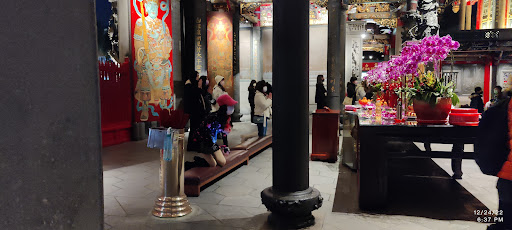
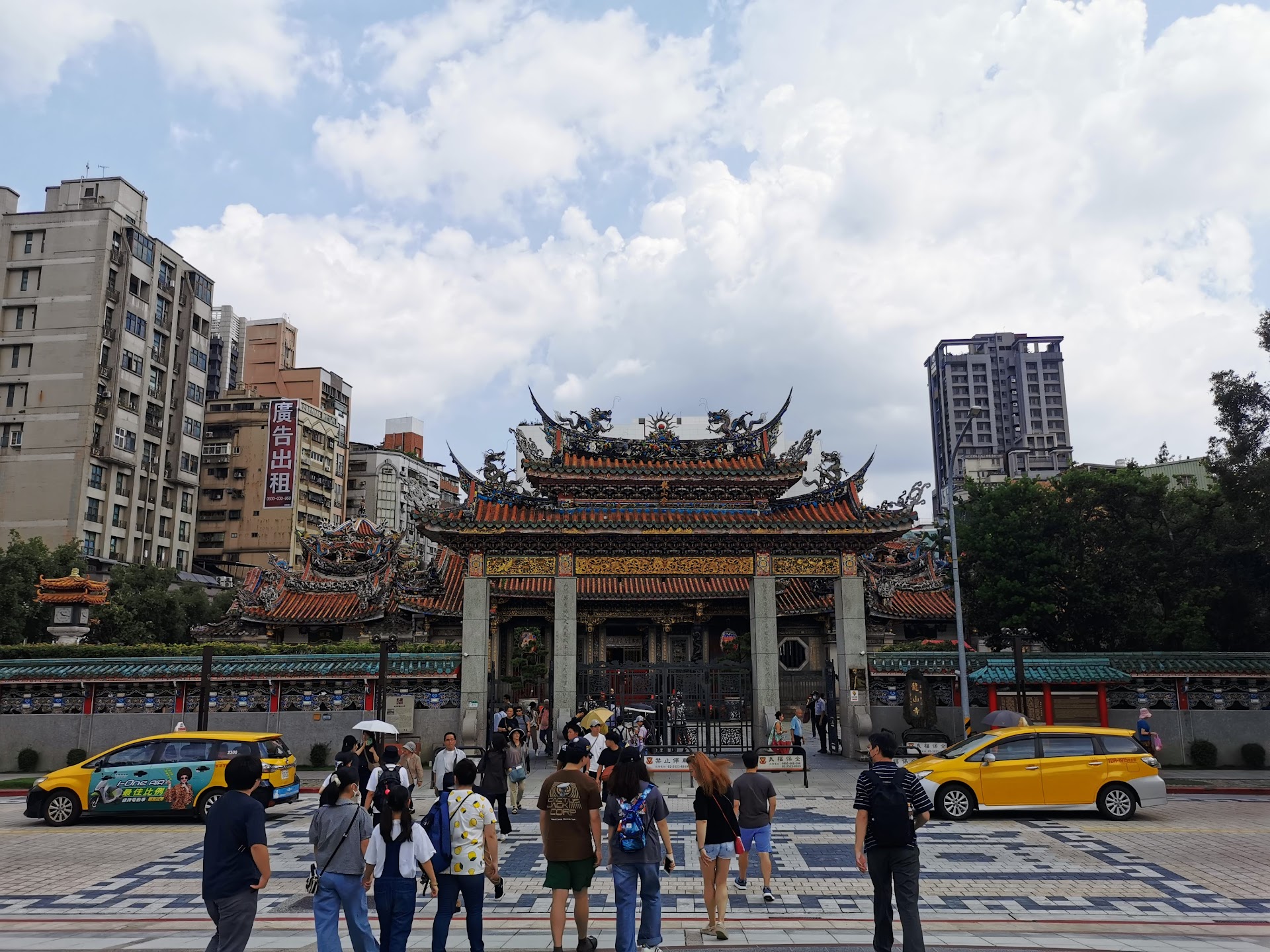
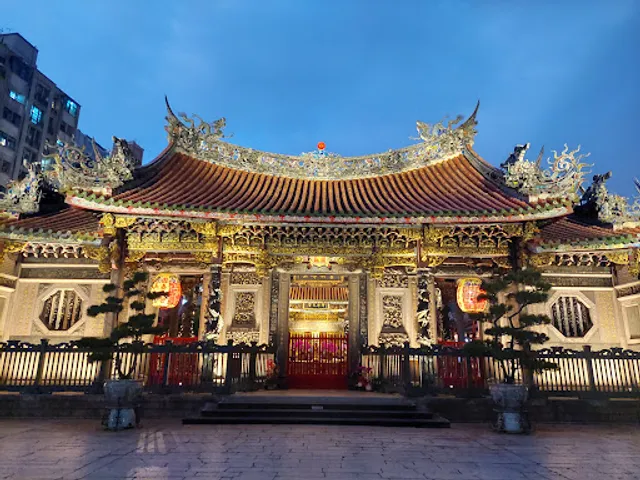
Bangka Lungshan Temple is a Chinese folk religious temple in Wanhua District, Taipei, Taiwan. The temple was built in Taipei in 1738 by settlers from Fujian during Qing rule in honor of Guanyin. It served as a place of worship and a gathering place for the Chinese settlers.
Cultural
Family friendly
Accessibility
attractions: Guangzhou Street Night Market, Bopiliao Historical Block, Bangka Park, Monga Dizang Temple, Longshan Cultural & Creative Base, Taipei Food Tour / Taipei's Origin & Longshan Temple - Walking Tour Meeting Point - TourMeAway, Xinfu Market, Bangka Old Street, Wanhua Lin Family House, Qingshui Temple, restaurants: 艋舺螺螄粉 桂林米粉, Liang Xi Hao Xiyuan Branch, 36 Rice Cake Dessert, Beigang Sweet Soup, Zhouji Meat Porridge, 極簡燒烤火鍋-萬華店-和牛專賣店-壽星生日最低5折起、火鍋最低199元起、麻辣小龍蝦--萬華美食, 九日咖啡(老店)9 Days Coffee, 華西街台南擔仔麵海鮮餐廳, Ji Yuan Vegetarian, 頂級甜不辣-台北美食 台北小吃 萬華美食 台北甜不辣 台北宵夜 龍山寺美食 附近餐廳 台北美食推薦, local businesses: Huaxi Street Night Market, Monga Night Market, 忘華刨冰, 西昌街觀光夜市, Shintomicho Cultural Market, Bangka Qingshan Temple, Longshan Temple, 龍山寺捷運站, Wuzhou Street Night Market, Zhixing Market
 Learn more insights from Wanderboat AI.
Phone
+886 2 2302 5162
Website
lungshan.org.tw
Open hoursSee all hours
Sun6 AM - 10 PMClosed
Plan your stay

Pet-friendly Hotels in Taipei
Find a cozy hotel nearby and make it a full experience.

Affordable Hotels in Taipei
Find a cozy hotel nearby and make it a full experience.

The Coolest Hotels You Haven't Heard Of (Yet)
Find a cozy hotel nearby and make it a full experience.

Trending Stays Worth the Hype in Taipei
Find a cozy hotel nearby and make it a full experience.
Reviews
Live events
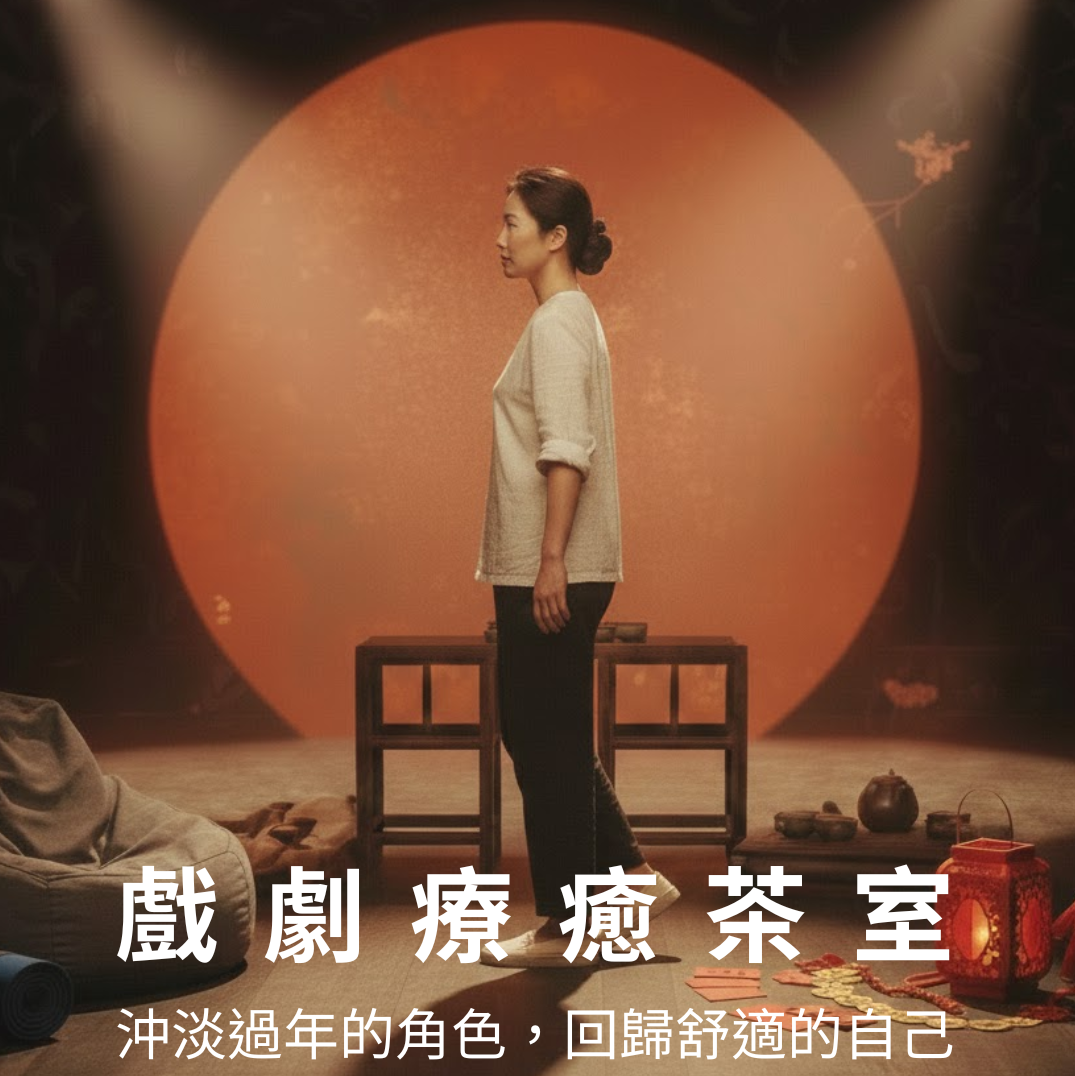
戲劇療癒茶室:沖淡過年的角色,回歸舒適的自己
Mon, Feb 23 • 11:30 AM
可能存在的遊樂園 CollaPlay, 108, Taiwan, Taipei City, Wanhua District, Section 2, Wuchang St, 83之6號3樓
View details
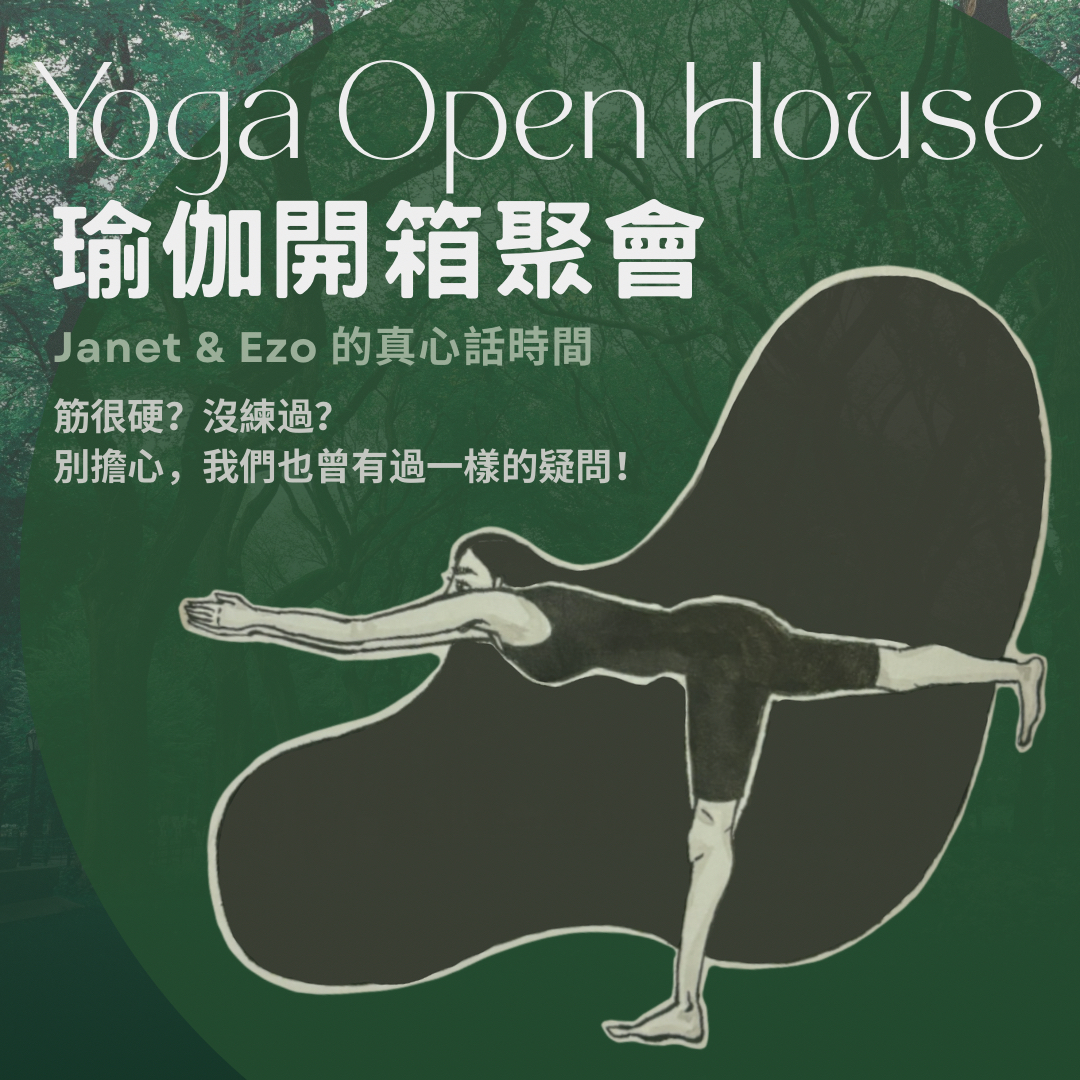
Yoga Open House | 瑜珈開箱聚會
Thu, Feb 26 • 11:00 AM
Songshan District, Taipei City
View details
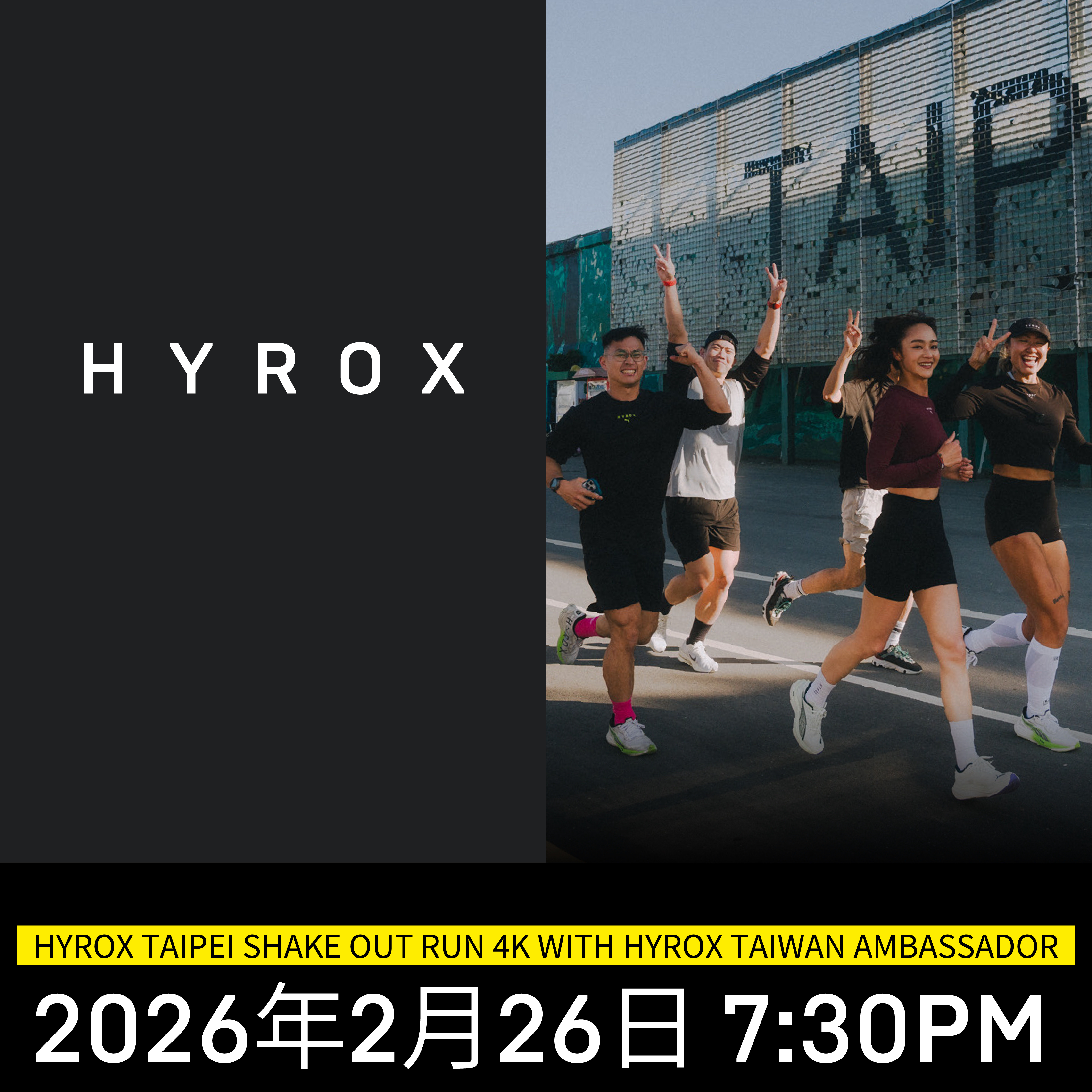
#038 HYROX Taipei Shake Out Run
Thu, Feb 26 • 11:30 AM
So Tipsy, 110, Taiwan, Taipei City, Xinyi District, Songren Rd, 38號一樓
View details
Nearby attractions of Lungshan Temple
Guangzhou Street Night Market
Bopiliao Historical Block
Bangka Park
Monga Dizang Temple
Longshan Cultural & Creative Base
Taipei Food Tour / Taipei's Origin & Longshan Temple - Walking Tour Meeting Point - TourMeAway
Xinfu Market
Bangka Old Street
Wanhua Lin Family House
Qingshui Temple
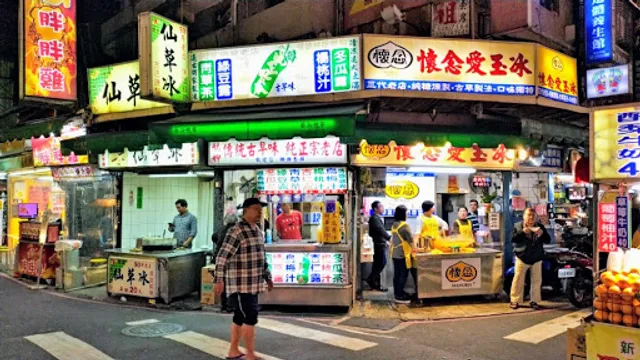
Guangzhou Street Night Market
4.1
(6K)
Closed
Click for details

Bopiliao Historical Block
4.2
(5.4K)
Closed
Click for details
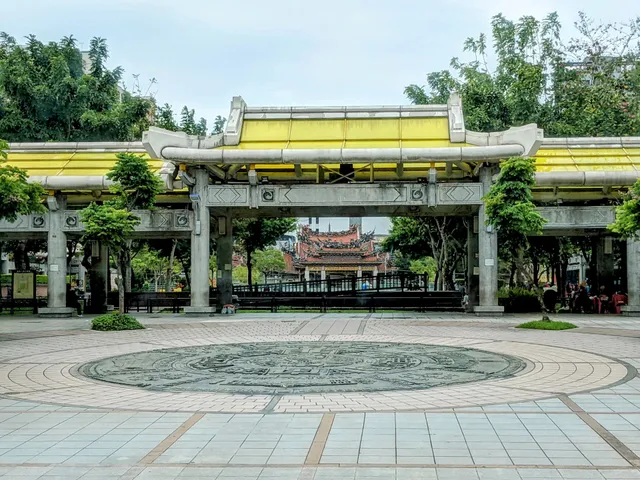
Bangka Park
3.4
(989)
Open 24 hours
Click for details
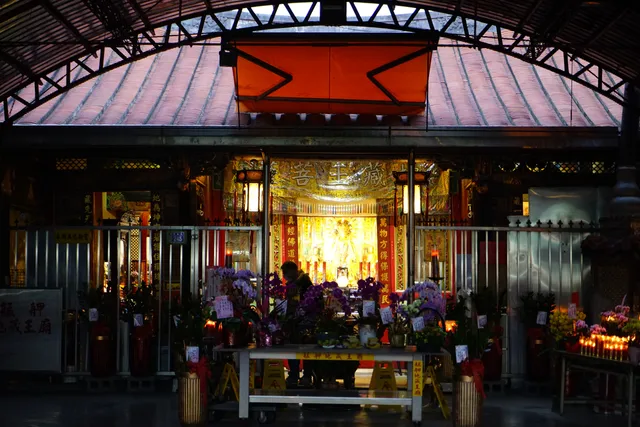
Monga Dizang Temple
4.4
(284)
Closed
Click for details
Nearby restaurants of Lungshan Temple
艋舺螺螄粉 桂林米粉
Liang Xi Hao Xiyuan Branch
36 Rice Cake Dessert
Beigang Sweet Soup
Zhouji Meat Porridge
極簡燒烤火鍋-萬華店-和牛專賣店-壽星生日最低5折起、火鍋最低199元起、麻辣小龍蝦--萬華美食
九日咖啡(老店)9 Days Coffee
華西街台南擔仔麵海鮮餐廳
Ji Yuan Vegetarian
頂級甜不辣-台北美食 台北小吃 萬華美食 台北甜不辣 台北宵夜 龍山寺美食 附近餐廳 台北美食推薦
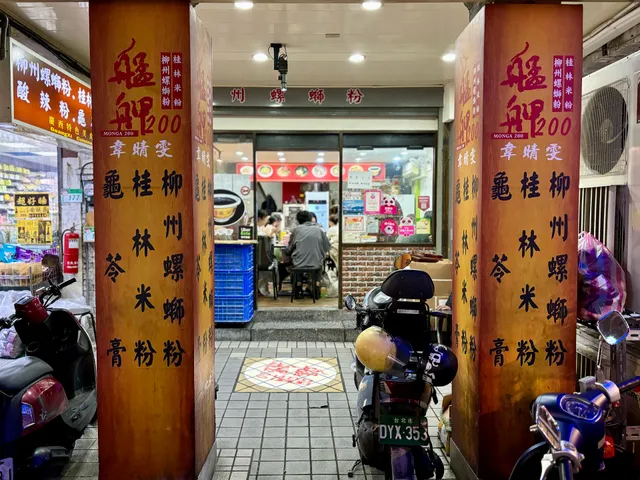
艋舺螺螄粉 桂林米粉
4.0
(2.2K)
Closed
Click for details
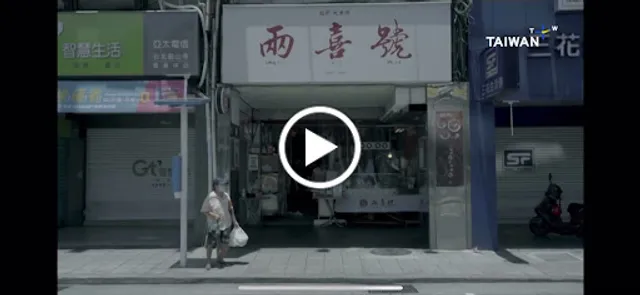
Liang Xi Hao Xiyuan Branch
4.1
(2.1K)
Closed
Click for details
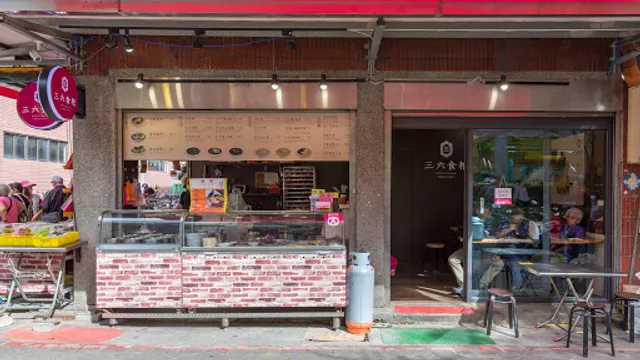
36 Rice Cake Dessert
3.8
(1.0K)
Closed
Click for details
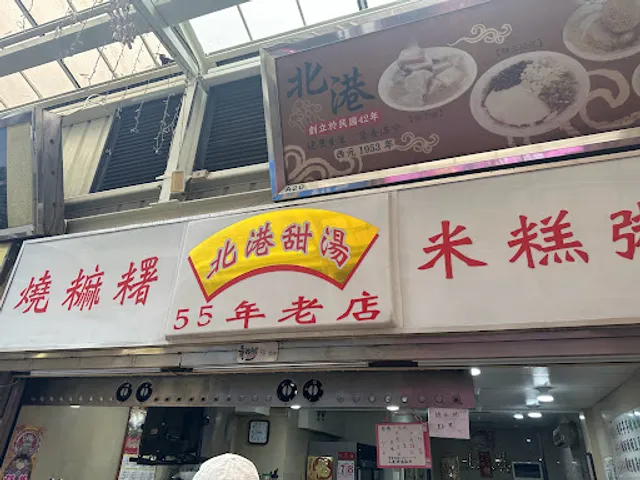
Beigang Sweet Soup
4.4
(659)
$
Closed
Click for details
Nearby local services of Lungshan Temple
Huaxi Street Night Market
Monga Night Market
忘華刨冰
西昌街觀光夜市
Shintomicho Cultural Market
Bangka Qingshan Temple
Longshan Temple
龍山寺捷運站
Wuzhou Street Night Market
Zhixing Market
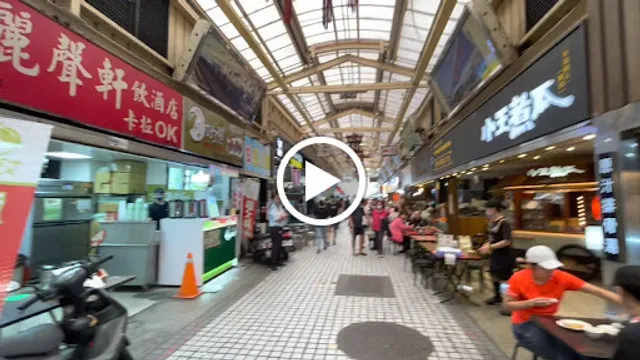
Huaxi Street Night Market
3.9
(3.7K)
Click for details
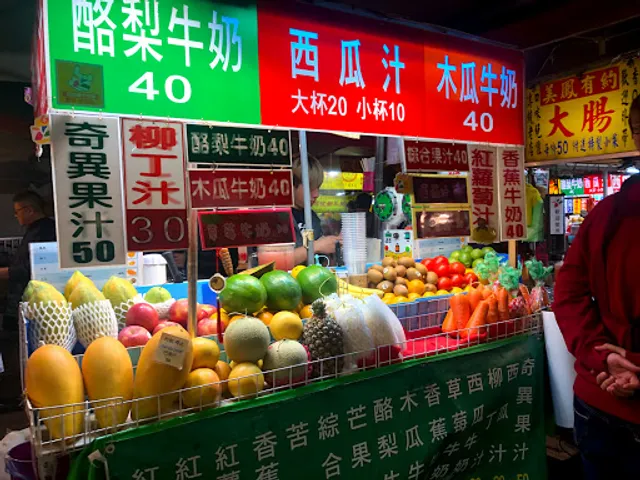
Monga Night Market
4.3
(301)
Click for details
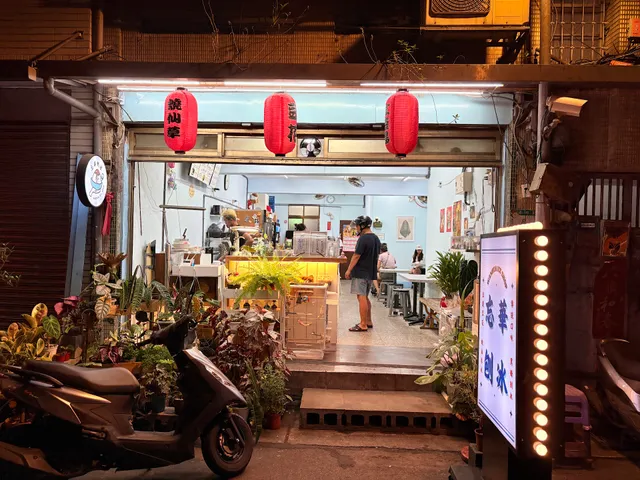
忘華刨冰
4.9
(217)
Click for details
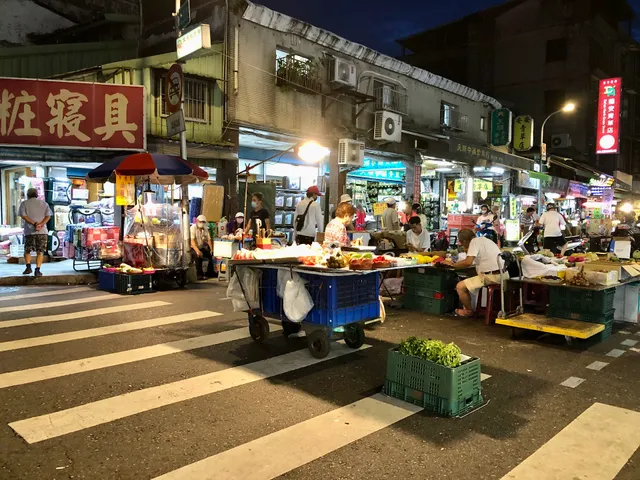
西昌街觀光夜市
3.6
(241)
Click for details