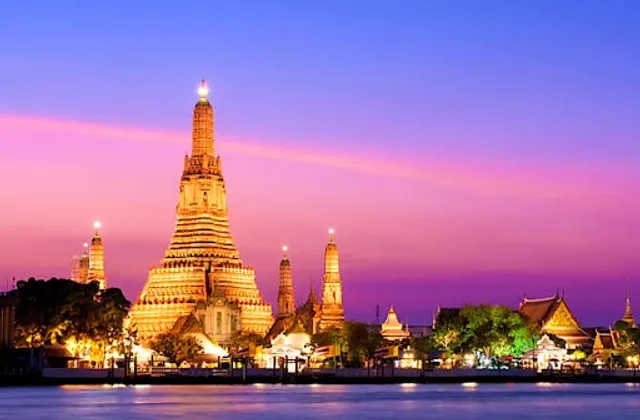
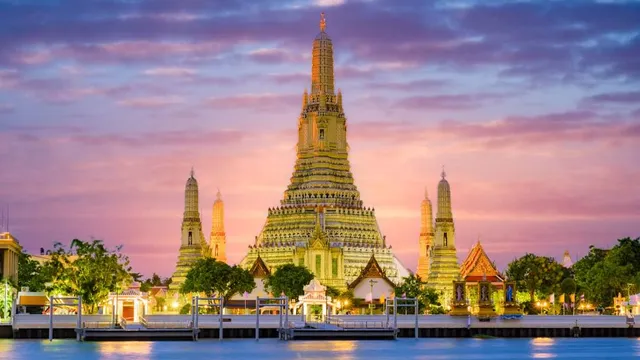
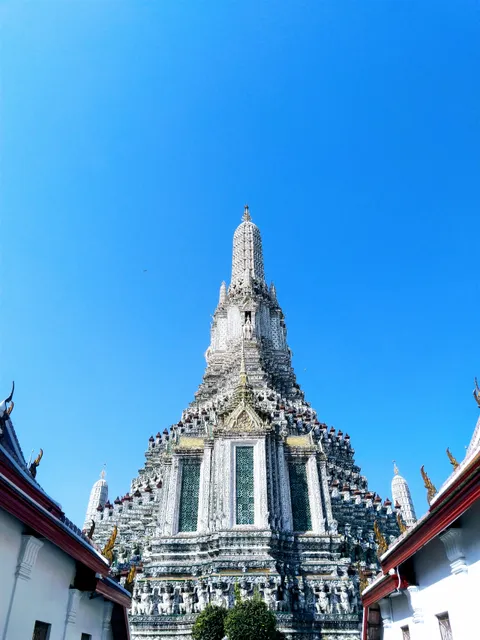
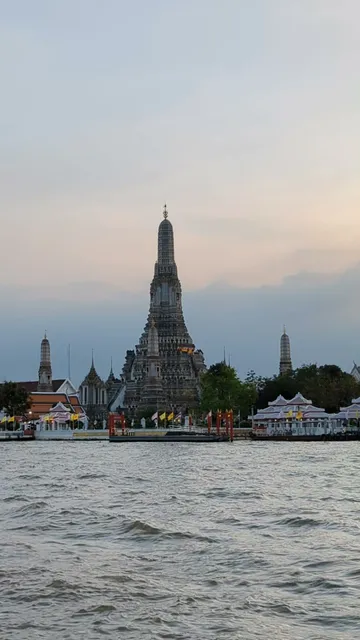
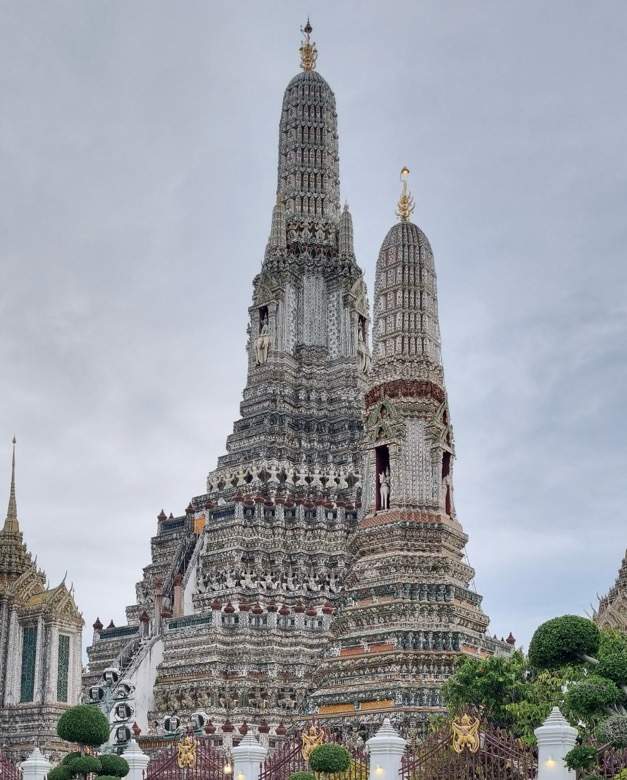
Wat Arun, the Temple of Dawn, is a masterpiece of Thai architecture that captivated me during my visit to Bangkok. Situated on the banks of the Chao Phraya River, the temple's towering central prang, adorned with intricate floral designs made from Chinese porcelain and shells, reflects centuries of history and craftsmanship. Originally built during the Ayutthaya period and later expanded under King Rama II, this iconic structure stands as a testament to Thailand's rich cultural and spiritual heritage.
The first thing that struck me about Wat Arun was its stunning beauty. The intricate decorations and vibrant colours of the porcelain tiles on the towers are truly mesmerising.
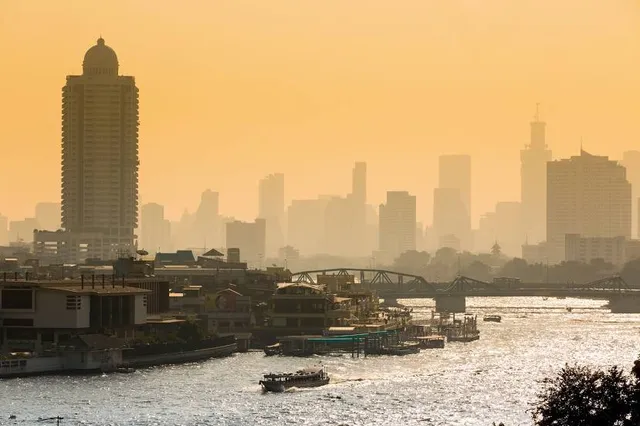
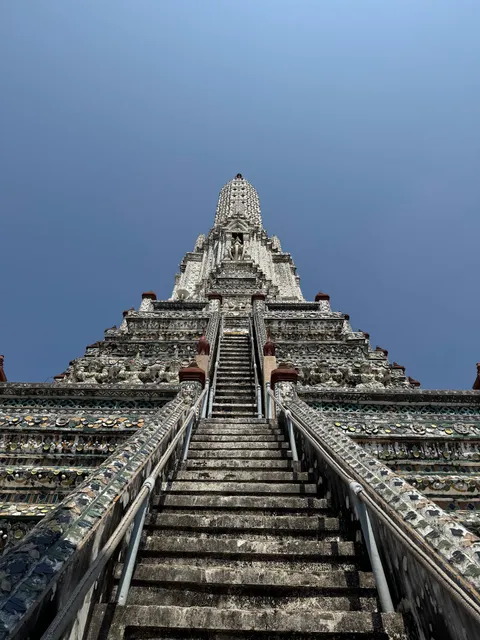
Although it is no longer possible to climb to the top of the central prang, the views from the lower levels still offer a panoramic perspective of Bangkok's skyline and the river below.
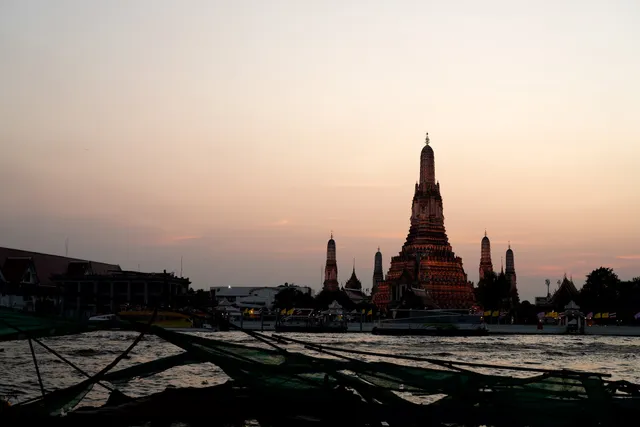
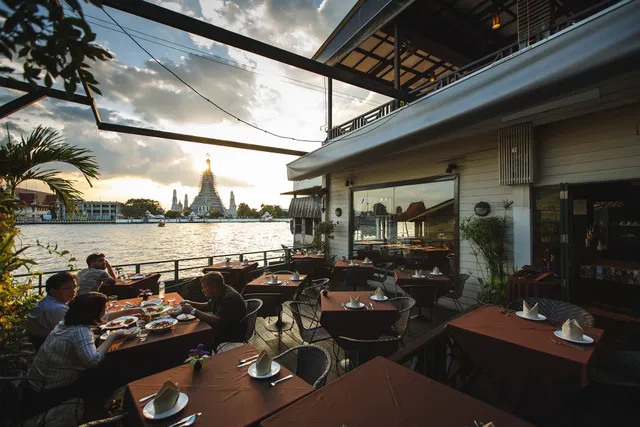
A photographer's paradise Wat Arun is a photographer's dream. The intricate details of the temple, the vibrant colours and the stunning reflections in the river offer endless opportunities to capture stunning images. We visited just before midday, not really the best time for photographers as the sun is almost always in view and the colours are washed out. I highly recommend visiting during the golden hour at sunset, when the dramatic lighting enhances the beauty of the temple... when the temple is bathed in a golden glow, creating a magical, almost surreal atmosphere. For an equally mesmerising experience, visit at night when Wat Arun is illuminated, casting an enchanting glow that makes for stunning night photography. The combination of architectural grandeur and perfect lighting conditions provides a unique backdrop that photographers will find irresistible.
One of the unique aspects of Wat Arun is the presence of tourists dressed in traditional Thai clothing. This adds an extra layer of authenticity and charm to the experience. In the area around the temple, there are numerous shops that rent out traditional Thai outfits for between 150 and 400 baht. I found it fascinating to see people embracing the culture and bringing the temple to life with vibrant colours and historical flair. It was like stepping back in time, creating an immersive experience that is both cultural and photographic gold.
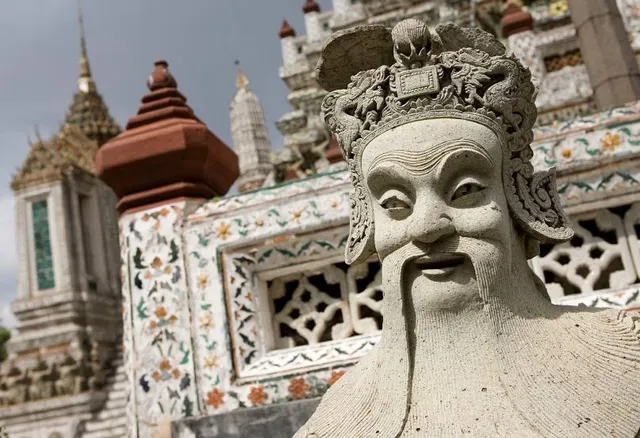
The temple grounds are extensive and offer more than just the central prang. As I explored further I discovered quiet courtyards, smaller shrines and the famous two giants of Wat Arun standing guard in the archway, perfect spots to capture the grandeur of the temple. The detailed decorations throughout the temple are amazing, each corner revealing a new layer of artistry that left me in awe.
The atmosphere of the temple is peaceful, a stark contrast to the bustling city. Early morning or late afternoon visits are ideal, as the temple is less crowded and allows for a more intimate experience. I was lucky enough to enjoy the tranquil surroundings and soak up the spiritual atmosphere that Wat Arun exudes.
For visitors, I recommend taking the ferry from Wat Pho across the river to Wat Arun. The boat ride itself is scenic, and approaching the temple from the water offers a unique view of its majestic structure. The entrance fee is 200 baht per person, which includes a bottle of water - a thoughtful touch considering the area can get quite sunny with little shade.
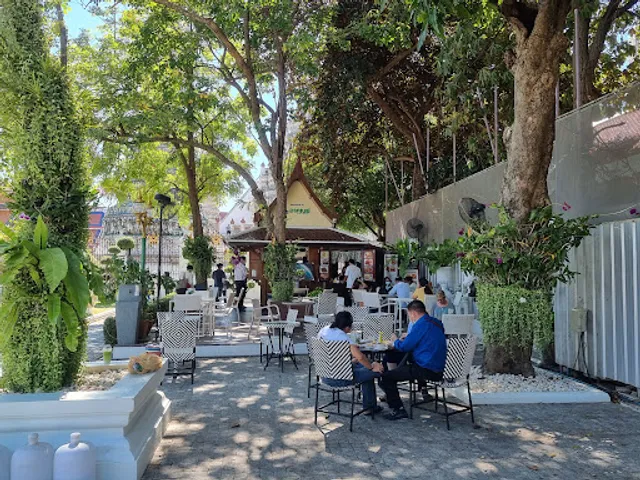
A pleasant surprise was the availability of Thai tea ice cream near the temple, a refreshing treat after exploring. It was a delicious way to cool down while taking in the beauty of the temple.
More than just a tourist attraction, Wat Arun is a spiritual sanctuary that captures the essence of Thailand's cultural identity. Whether you're there to admire the stunning architecture, learn about its historical significance or simply enjoy the peaceful surroundings, Wat Arun offers an unforgettable experience. It's a must for anyone travelling to Bangkok and remains one of the highlights of my trip, a place I would love to return to for its sheer beauty and...
Read moreA Majestic Riverside Landmark in Bangkok
Located on the banks of the Chao Phraya River, Wat Arun (Temple of Dawn) is one of Bangkok’s most iconic landmarks, offering a blend of rich history, stunning architecture, and serene beauty. Visiting this temple was an unforgettable experience, providing both a deep sense of spirituality and breathtaking views of the river and cityscape.
History and Significance
Wat Arun’s history dates back to the 17th century, though the temple in its current form was constructed during the reign of King Rama II in the early 19th century. The temple is dedicated to the Hindu god Aruna, who is often associated with the dawn. Its name, "Temple of Dawn," reflects its stunning appearance as the sun rises over the river, casting light on its towering spires. Wat Arun holds immense religious significance, not only as a Buddhist temple but also as a symbol of Thailand’s rich cultural heritage.
Architectural Beauty
The most striking feature of Wat Arun is its central prang (tower), which stands at an impressive 79 meters tall, making it one of the tallest structures in Bangkok. The prang is intricately decorated with colorful porcelain tiles, seashells, and pieces of Chinese pottery, creating a dazzling effect that catches the light at different times of the day. The design represents Mount Meru, the center of the Buddhist cosmos, with smaller spires surrounding the central one, symbolizing various aspects of Buddhist cosmology.
Climbing the central prang is an experience in itself. Though the steps are steep and narrow, the effort is worth it for the incredible views at the top. From the summit, you get panoramic views of the Chao Phraya River, the surrounding temples, and the bustling city of Bangkok. On clear days, the sight is nothing short of breathtaking, and it provides an entirely new perspective on the city’s landscape.
In addition to the prang, there are several other smaller structures and shrines within the temple complex, each beautifully designed with intricate carvings, murals, and Buddha statues. The surrounding courtyards are peaceful and well-maintained, offering a tranquil retreat from the lively atmosphere of the city. The overall atmosphere of Wat Arun is one of calm reverence, and it provides a serene space for reflection and prayer.
Experience and Atmosphere
Visiting Wat Arun is a deeply spiritual experience, as it is still an active place of worship. Locals and tourists alike come here to pay respects, meditate, or simply admire the beauty of the temple. The temple’s riverside location adds to its allure. As you approach the temple by boat, crossing the river from the opposite bank, the sight of the towering prang against the sky is awe-inspiring.
When I visited, the temple was relatively calm, despite the usual crowds of tourists. The sounds of monks chanting and the faint smell of incense filled the air, enhancing the spiritual ambiance. The temple is especially beautiful at sunset, when the setting sun casts a golden glow over the prang, making it appear even more majestic.
Conclusion
In conclusion, Wat Arun is a must-see destination for anyone visiting Bangkok. Its stunning architecture, historical significance, and tranquil atmosphere make it one of the most memorable landmarks in the city. Whether you're interested in history, spirituality, or simply admiring beautiful architecture, Wat Arun offers a unique and enriching experience. The views, both from the temple itself and from the river, are some of the best in Bangkok, making it a highlight of any trip to this...
Read moreDistinctive features Central Prang (Spire): The most striking feature is its towering central prang, built in a combination of Thai and Khmer styles. This prang is adorned with intricate mosaic patterns made from colorful porcelain and glass fragments, reflecting light in a dazzling array. It is said to symbolize Mount Meru, the center of the universe in Buddhist cosmology. Four Smaller Prangs: Surrounding the central prang are four smaller towers representing the four directions and dedicated to the wind god Phra Phai. Intricate Details: The temple boasts detailed murals, sculptures of Chinese soldiers and animals at the base of the central prang, and statues of Lord Indra riding on Airavata (a white elephant) on the second terrace. Niramitr Buddha Image: Located in the ordination hall, this golden Buddha image is another significant feature. History and significance Ayutthaya Origins: Wat Arun's history traces back to the ancient Ayutthaya Kingdom. King Taksin's Vision: Legend states that King Taksin, after escaping the fall of Ayutthaya, arrived at the site at dawn and declared it the new capital, renovating and renaming the temple in honor of the auspicious moment. Visiting Wat Arun Location: Wat Arun is located on the west (Thonburi) bank of the Chao Phraya River in Bangkok. Address: 158 Wang Doem Road, Wat Arun, Bangkok Yai, Bangkok 10600, Thailand. Opening Hours: Daily from 8 AM to 6 PM. Entry Fee: 200 THB for foreigners (as of May 2025). Thai nationals can enter for free. There might be options to rent cover-ups if not dressed appropriately. Getting There: The most scenic and convenient way is by river boat. Take the BTS Skytrain to Saphan Taksin Station, then a boat from the Saphan Taksin boat pier (Sathorn Pier) to Tha Tien Pier (N8), followed by a short ferry ride across to Wat Arun Pier. Things to Do: Explore the temple grounds and ordination hall, climb the central prang for panoramic views of the river and city skyline (the stairs are steep!), admire the intricate carvings and architecture, and enjoy the temple's beauty, especially at sunset. Important tips Dress Appropriately: Remember that Wat Arun is a religious site. Dress modestly, ensuring shoulders and knees are covered. Best Time to Visit: Early morning or late afternoon are ideal for avoiding crowds and the midday heat. The temple is particularly beautiful at sunset and when lit up at night. Expect Crowds: Wat Arun is a popular tourist destination and can get very crowded, especially during peak season (November to April). Wat Arun is a must-visit for its stunning architecture, rich history, and spiritual significance. Plan at least an hour to explore and appreciate...
Read more