Review of Queen’s Park Savannah – Trinidad & Tobago
“The Heartbeat of Port of Spain”
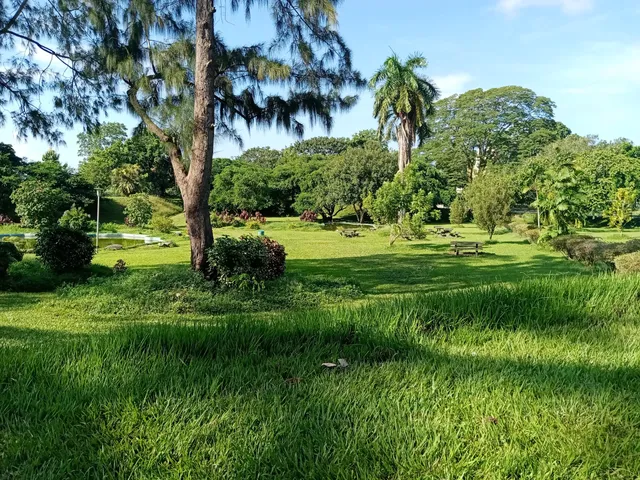
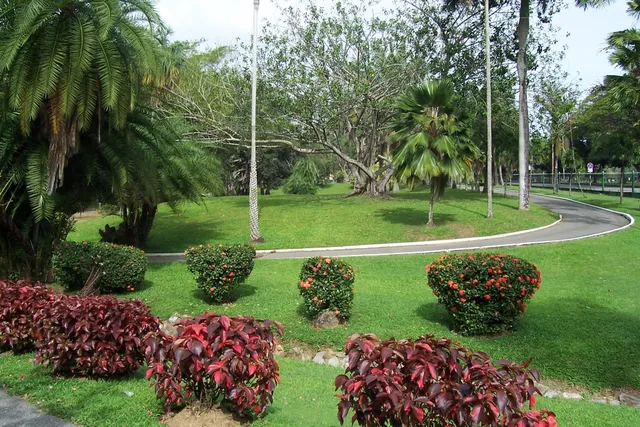
Queen’s Park Savannah, often called “The Savannah” by locals, is one of Trinidad and Tobago’s most iconic landmarks. Situated in the capital city, Port of Spain, it is the largest open recreational space in the Caribbean, covering approximately 260 acres. More than just a park, the Savannah holds deep historical, cultural, and social significance for Trinidadians.
Historically, Queen’s Park Savannah was once part of a sugar estate owned by the Peschier family in the 18th century during the colonial era. In 1817, the land was sold to the government of Trinidad for public use. Since then, it has served as a gathering space for everything from sporting events to political rallies and, most famously, Carnival celebrations.
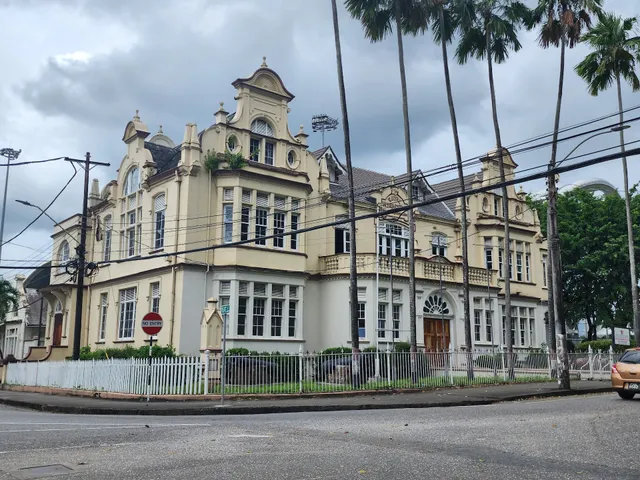
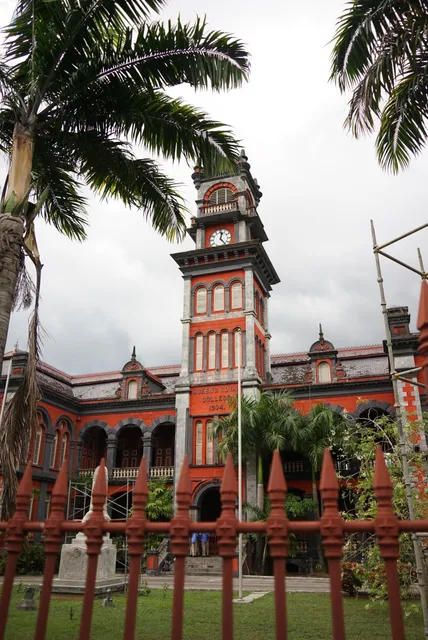
The Savannah is bordered by some of Port of Spain’s most beautiful colonial-era architecture. On its western side is the Magnificent Seven — a row of historic mansions built in the early 1900s, each with its own unique style, ranging from French Colonial to Scottish Baronial. These buildings reflect the wealth and influence of Trinidad’s colonial past and add to the Savannah’s charm.
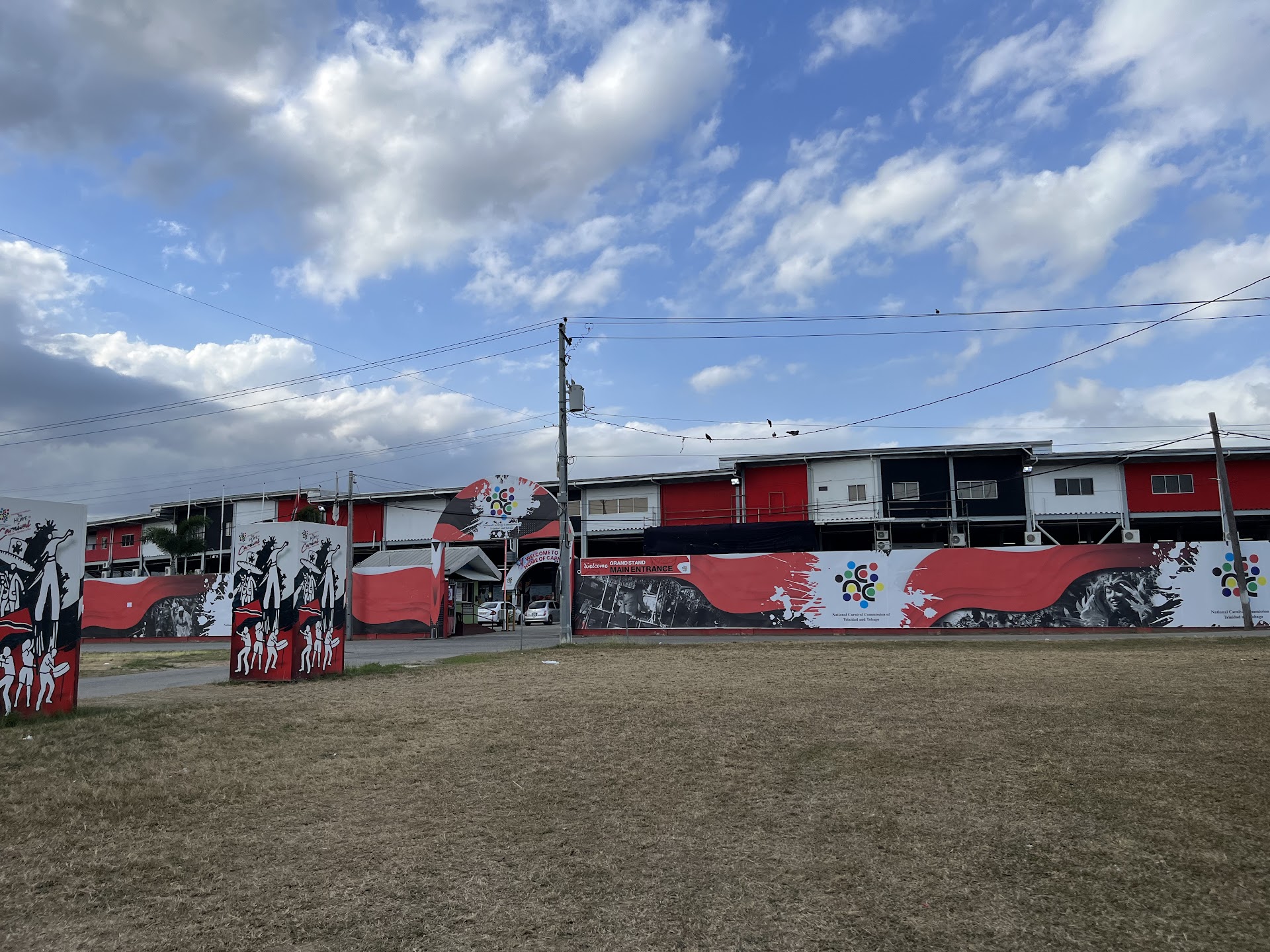
One of the Savannah’s most important roles today is as the main venue for Carnival — Trinidad’s world-famous festival celebrated with music, costumes, and street parades. During Carnival season, the Savannah transforms into the “Big Yard,” where thousands gather to witness the Parade of Bands, steel pan performances, and cultural displays.
Apart from Carnival, the Savannah is a daily hub of activity for joggers, vendors, families, and tourists. It’s surrounded by street food stalls where you can sample authentic Trinidadian treats like doubles, corn soup, and snow cone with condensed milk. At night, the area comes alive with food vendors and locals relaxing after a long day.
The Savannah is also home to the National Academy for the Performing Arts (NAPA) and the Emperor Valley Zoo, adding educational and cultural attractions to the space.
Why visit Queen’s Park Savannah? Because it’s not just a park — it’s a living symbol of Trinidad’s history, culture, and community spirit. It represents the fusion of old-world colonial history and modern Caribbean life. Whether you’re there to enjoy a peaceful walk, eat local street food, or experience the vibrant energy of Carnival, the Savannah captures the true heartbeat of...
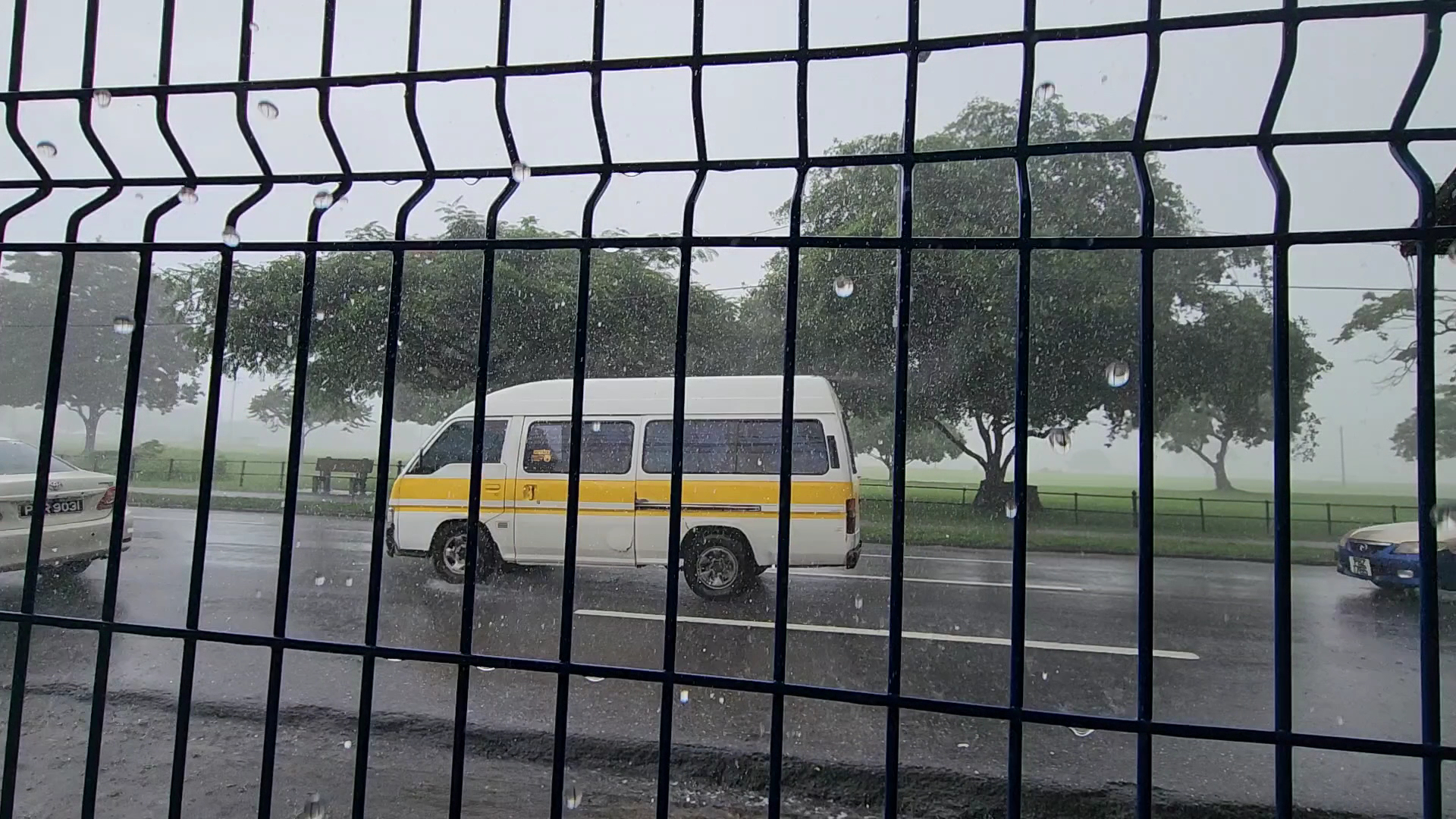
Read moreHuge open park just outside downtown Port of Spain in Trinidad and Tobago where you can find scores of young and old alike walking, jogging, kite flying (during the Easter period), playing football (soccer), cricket, even a rugby. It contains controversial physical structures (including a permanent "Grand Stand" and temporary stands) which are used for a variety of cultural (and formerly sporting) activities. It is the centre and main venue for the renowned pre-Lent Carnival celebrations and was one of the most popular historical venues for horse racing and local league football games. Lots of local city delicacies traditions can be experienced "round d Savannah" - cold coconut water (with or without "jelly", oysters, snow cones, boiled & roasted corn on the cob). Also contains a beautiful hollowed out landscaped portion ("The Hollows") which is heavily patronized by families for picnics. As added bonuses, the area surrounding the Savannah is dotted with city landmarks and attractions including the country's only Zoo, a very well maintained Botanical Gardens, the Prime Minister's Residence, President's House (under renovations) and a series of ostentatious late 19th & early 20th Century residences and mansions in various states of repair/disrepair (known collectively as the "Magnificent 7"). In recent years however, after the authorities, in their wisdom, decided to pave a large portion of the Eastern part of the park, it has now become a haven for dozens of itinerant night street food vendors of all manner. Depending on your perspective on sanitation & hygiene, use of green spaces by vehicles and general order & planning within a city, you may find this evolution to be either abhorrent or entertaining. You...
Read moreThe deal the then Trinidad and Tobago government made with the previous owners of the queen's park Savanah, was that no permanent structure be erected on the site, we now have a permanent structure there and every year during the carnival festivities large areas and dug up and covered over killing all the grass in those areas and nothing is done to then restore those areas so the land becomes compact reducingbits ability to absorb large amounts of water during the rainy season which promotes runoff and thereby flooding in other parts of the city, the areas dug up to lay pipes and other underground conduits is never flatten back out and replanted to there are large ball spots and holes that becomes a hazard later for people who frequent the queen's park Savanah for recreation and exercise by both adults and children. So I question the government abuse of this grand green space that means so much to so many. If the government of the day is going to spend tons of money to destroy such a beautiful place in the name of cultural activities, then it should be willing to spend as much to restore it after it's abuse every carnival season, rather than hope that nature would do its thing, but after so many years of abuse nature struggles more to repair itself with out real help. What a...
Read more