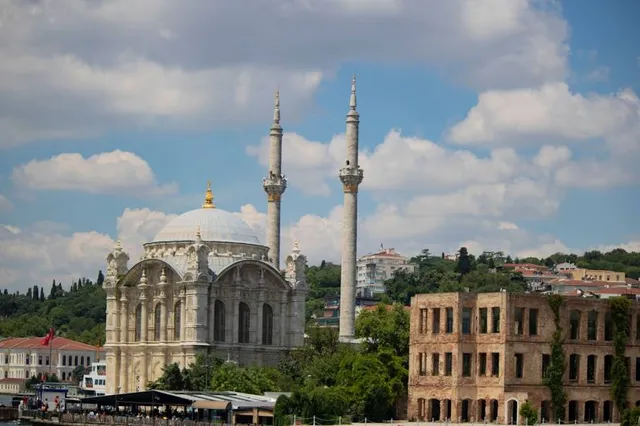
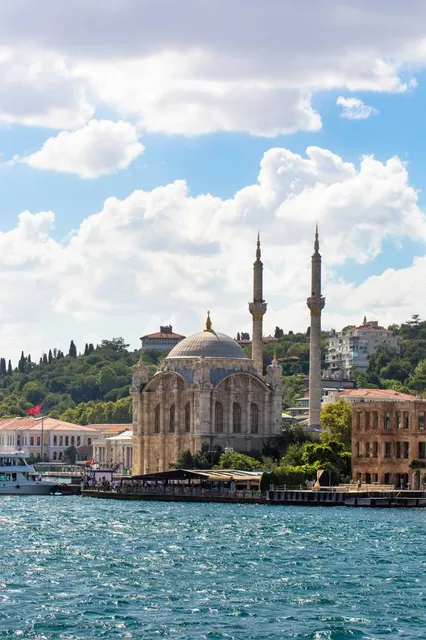
After the repairs in 1862, 1866 and 1909, it underwent an important repair in the 1960s, as it was understood that the foundations on the Ortaköy stream bed did not have sufficient stability and the building was about to collapse. Reinforcement of the foundation was started with bored piles built on solid ground at a depth of 20 m. In these works, which are known as an important restoration project carried out by the General Directorate of Foundations, the ground was reinforced by using 64 bored piles along the mosque main walls and by injecting 80 tons of cement release. The walls were carved and iron beams were inserted through it, and finally the suspended dome was dismantled and replaced by two thin reinforced concrete shells, one inside and the other outside, in order to obtain the original dome form, and the dome was renewed. Ortaköy Mosque suffered a great fire in 1984 after this major restoration and was repaired again. In summary, the original parts of the mosque have been largely replaced by a renovation, but with its unique location at the entrance of the Bosphorus, it is still one of the pillars of Istanbul's architectural heritage. The mosque consists of two parts, the sanctuary, which is the main place of worship, and the sultan's pavilion, located in front of the entrance, as in all the 19th century sultan mosques. The composition of which both parts are formed is symmetrical, except for the sultan's entrance in the west, according to the north-south axis. The harim section consists of a square planned main space with a canal of approximately 12.25 m and an intermediate space opening to it in the northern part. The intermediate space, which can be thought of as an example of the traditional narthex of Ottoman mosques, is included in the harim, and is covered with a dome on the high body walls. The body walls do not rise up to the level of the dome pulley in the corners, as in the Ottoman mosque tradition. The sultan's pavilion, which can be reached by an elliptical pair of stairs at the north entrance, has two floors. The east and west wings come forward and form a "u" shaped small courtyard in front of the north entrance. even the front volumes of the pavilion level the courtyard and the entrance with a small opening. this arrangement adds depth to the introduction, although it does not contain baroque forms. Sultan's Pavilion consists of east and peace wings that are connected to each other by the entrance hall and the hall above it. There are three spaces that can be passed to each other on both wings. Sultan's entrance is on the west side. this arrangement clearly indicates that the sultan arrived by sea. The entrance is from a three-opening portico, accessed by ten-stepped stairs on both sides. The west wing of the second floor, which is reached by a double-armed elliptical and spectacular staircase, is arranged as the sultan's flat. All three of the three openings forming the body walls are arranged as concave. This unique neo-baroque sign is reinforced at the outer ends of the openings with four columns on each façade, one quarter of which is embedded in the wall. Only the upper half of the columns are grooved on the ground floor, and they are completely grooved on the gallery floor. The ground floor and the gallery floor are separated by a rich moulding set and a caps belt, and the extension of this molding is also combined with the eaves of the sultan's caste. The columns end on the capitals consisting of stylized lotus leaves on the gallery floor. the two columns there are also well marked with additional tables and...
Read moreBüyük Mecidiye Camii, also known as the Dolmabahçe Mosque, is a magnificent and historically significant mosque located in the Beşiktaş district of Istanbul, Turkey. As a tourist guide, let me take you on a virtual tour of this remarkable architectural gem:
History: Büyük Mecidiye Camii was commissioned by Sultan Abdülmecid I and designed by the renowned Ottoman architect Garabet Balyan. Construction began in 1853 and was completed in 1855. The mosque's name, Büyük Mecidiye, honors the sultan, and it is located on the grounds of the Dolmabahçe Palace, the grandiose residence of the Ottoman Sultans during the late 19th century.
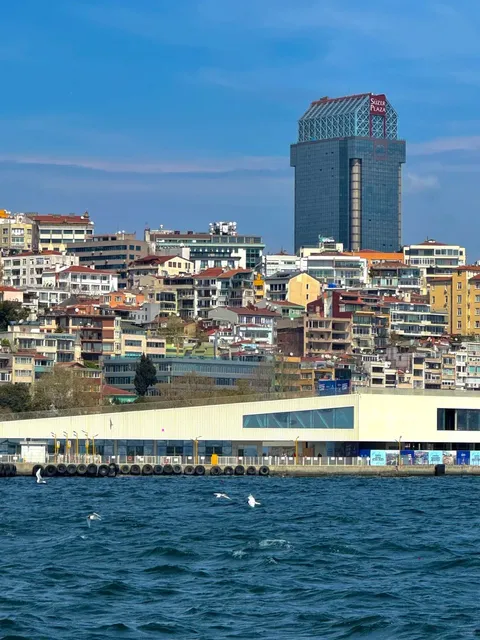
Location: Situated right on the Bosphorus waterfront, Büyük Mecidiye Camii offers breathtaking views of the Bosporus Strait and the Asian side of Istanbul. Its prime location makes it a popular destination for both tourists and locals alike.
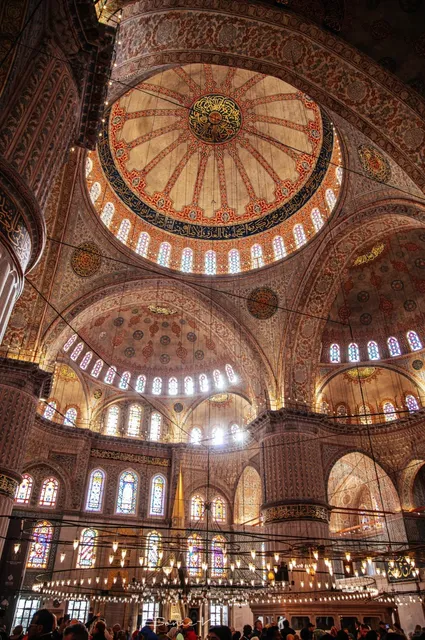
Architecture: The mosque's architectural style is a mix of Ottoman and Neoclassical elements, reflecting the transitional period in which it was built. It features a grand central dome flanked by semi-domes, intricate calligraphy, and stunning marble columns. The interior is adorned with exquisite Iznik tiles, and the impressive chandeliers add a touch of grandeur to the space.
Dolmabahçe Palace Influence: The mosque's design was influenced by the nearby Dolmabahçe Palace, and this is evident in its opulent interior and exterior details. The mosque's beauty complements the grandeur of the palace, and together they create a harmonious architectural ensemble.
Visiting the Mosque: Visitors are welcome to enter the mosque outside of prayer times. Be sure to dress modestly and remove your shoes before entering. It's recommended to visit during non-prayer times to fully appreciate the mosque's beauty and take photographs. As you explore the mosque, pay close attention to the intricate tilework and the stunning mihrab (prayer niche) at the front of the prayer hall.
Bosphorus Views: After your visit, don't forget to take a leisurely stroll along the Bosphorus waterfront. The mosque's location offers some of the most picturesque views of the strait, making it an ideal spot for a relaxing walk and photo opportunities.
Visitor Tips: Check the mosque's opening hours as they may vary. Modest dress is required; scarves and long skirts or pants are provided for women at the entrance. Remember to be respectful and quiet while inside the mosque. Photography is allowed, but be mindful of the worshippers and maintain decorum.
Büyük Mecidiye Camii is not only a place of worship but also a historical and architectural treasure that provides insight into the grandeur of the Ottoman Empire. A visit to this mosque offers a fascinating blend of history, culture, and stunning views, making it a must-see destination for any traveler...
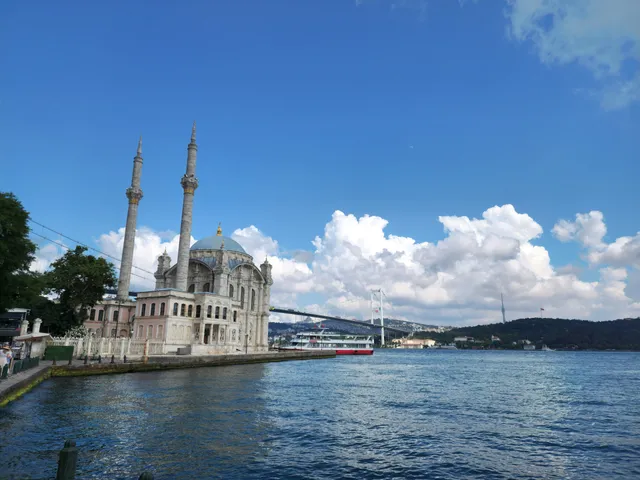
Read moreThis mosque is a unique masterpiece that seamlessly blends Ottoman and European Baroque architectural styles, making it a true gem on the Bosphorus shore.
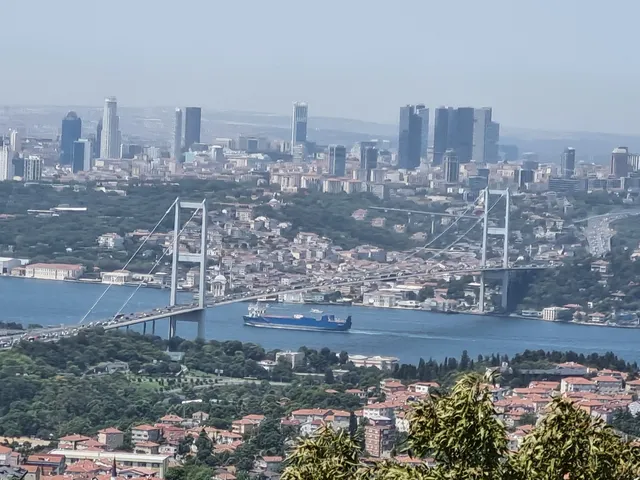
The mosque's exterior is adorned with intricate details and decorative elements that set it apart from traditional Ottoman architecture. The marble columns, ornate windows, and majestic dome create a visual feast for the eyes. Its position along the Bosphorus Strait adds to its allure, offering breathtaking views of the iconic Bosphorus Bridge and the shimmering waters.
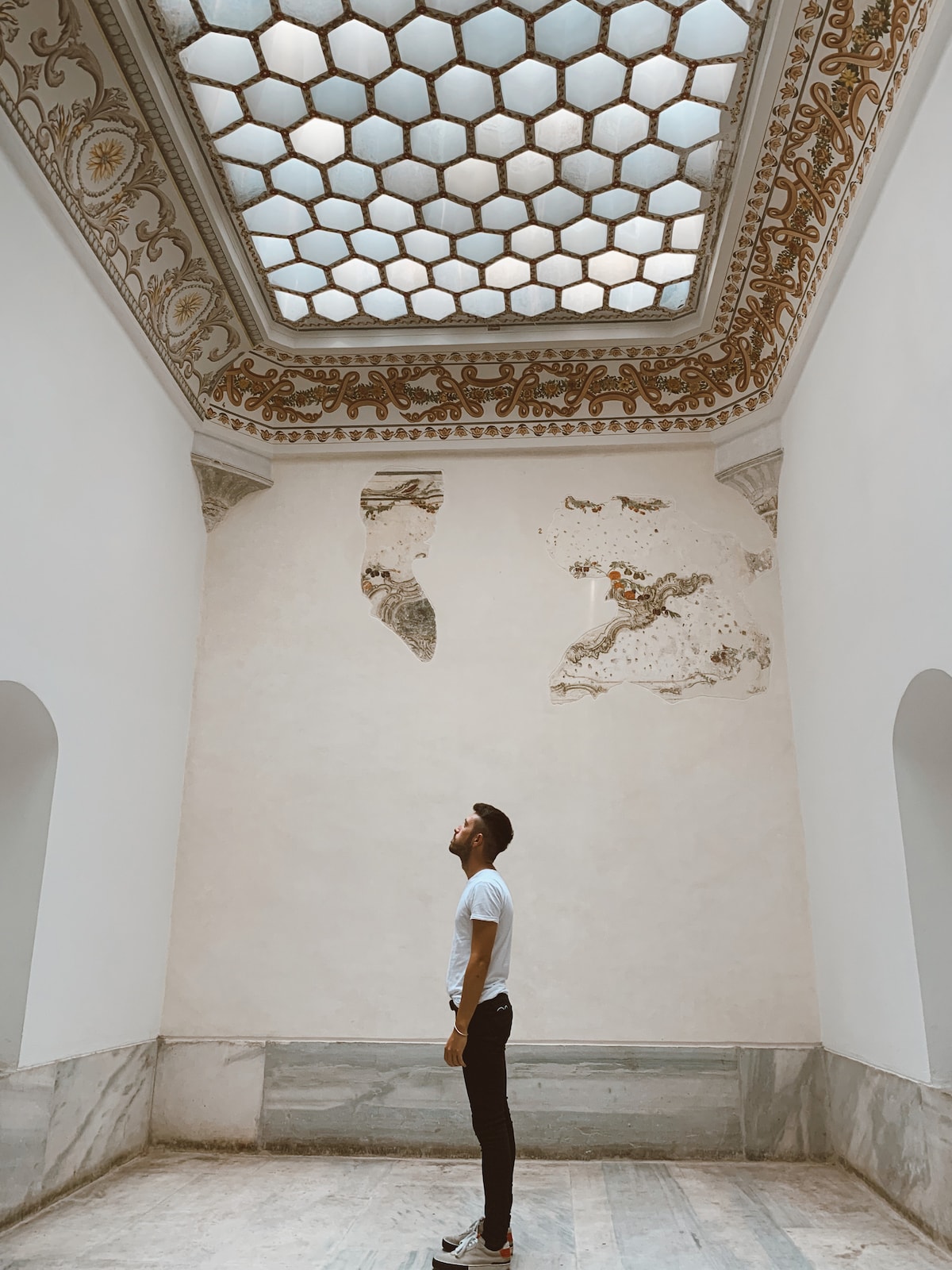
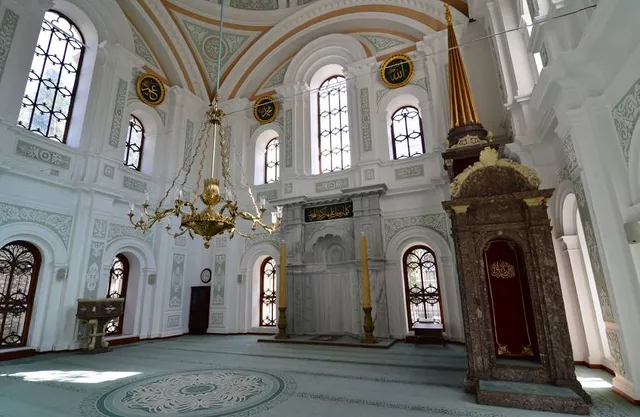
Inside, the mosque's elegance continues with its spacious and well-lit prayer hall. The stained glass windows cast colorful patterns across the marble floor, and the chandeliers contribute to the grandeur of the interior.
Beyond its architectural beauty, Ortaköy Mosque carries historical and cultural significance. Built during the 19th century, it symbolizes a period of transformation and openness within the Ottoman Empire. It's a testament to the empire's willingness to embrace Western influences while preserving its own heritage.
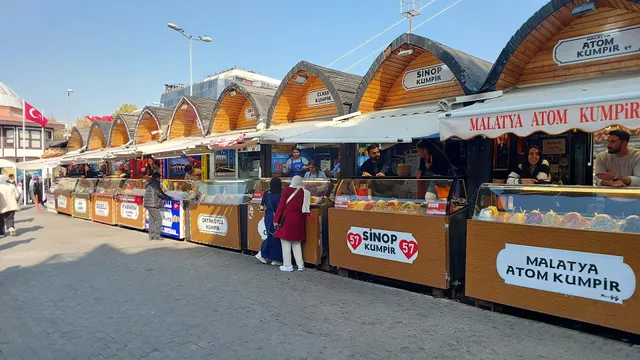
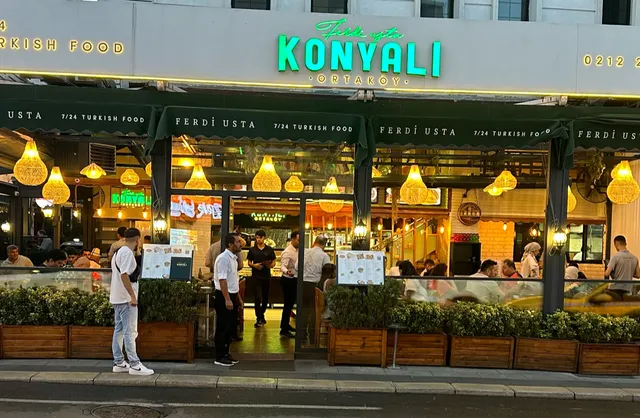
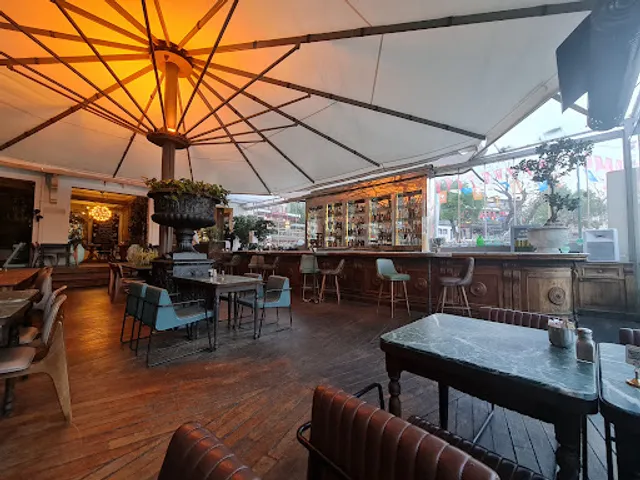
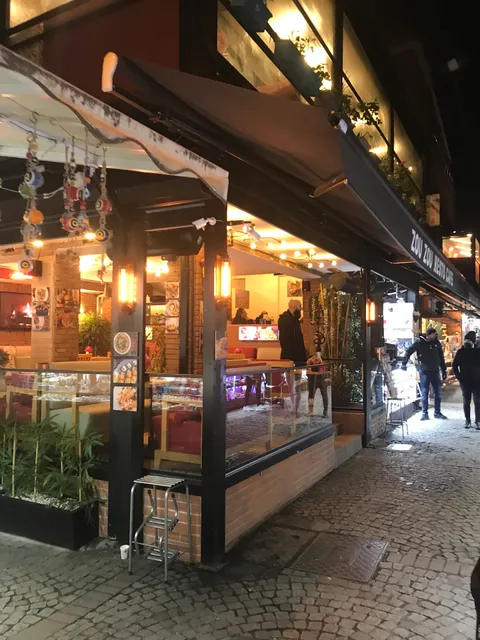
Visiting Ortaköy Mosque not only allows you to appreciate its artistic and historical value but also provides an opportunity to experience the vibrant atmosphere of the Ortaköy neighborhood. The bustling street market, local crafts, and the delightful cafes and eateries add to the overall charm of the visit.
In conclusion, Ortaköy Mosque is a must-see attraction in Istanbul, offering a unique blend of history, architecture, and culture. It's a place where you can admire the craftsmanship of the past while savoring the beauty of the present. A visit here is a journey into the heart of Istanbul's rich and...
Read more