HTML SitemapExplore
logo
Find Things to DoFind The Best Restaurants

Aynalıkavak Pavilion — Attraction in Beyoğlu

Name
Aynalıkavak Pavilion
Description
Nearby attractions
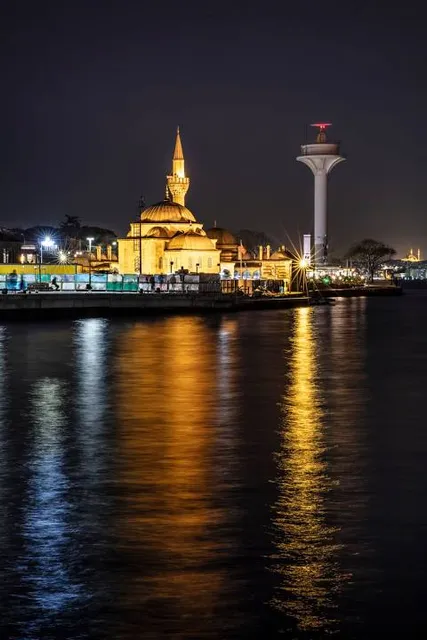
Handan Agha Mosque
Camiikebir, 34440 Beyoğlu/İstanbul, Türkiye
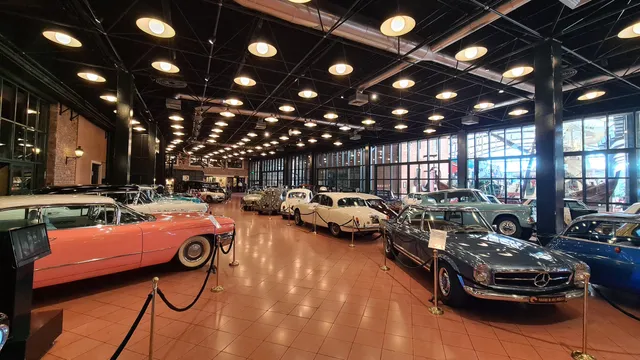
Rahmi M. Koç Museum
Piri Paşa, Rahmi M. Koç Caddesi No: 3, 34445 Beyoğlu/İstanbul, Türkiye
İBB Balat Parkı
Ayvansaray, 34087 Fatih/İstanbul, Türkiye
Ferruh Kethuda Mosque
Ayvansaray, Ferruh Kahya Sk. No:11, 34087 Fatih/İstanbul, Türkiye
Monologlar Müzesi
Ayvansaray, Mürselpaşa Cd. 163a, 34087 Fatih/İstanbul, Türkiye
Ayvansaray bahçe
Ayvansaray, Çınçınlı Çeşme Sk., 34087 Fatih/İstanbul, Türkiye
Balart
36, Balat, Hızır Çavuş Köprübaşı Sk., 34087 Fatih/İstanbul, Türkiye
Nearby restaurants
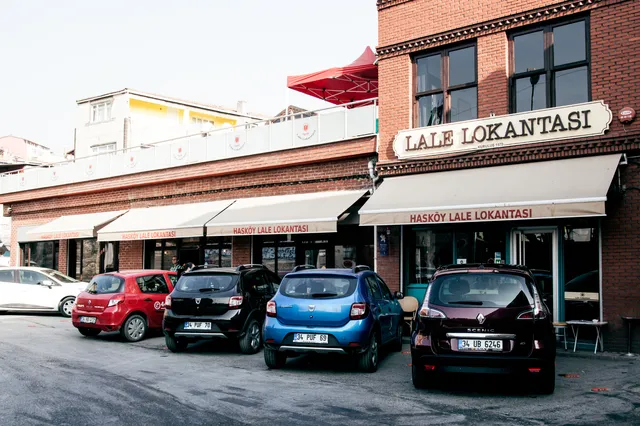
Lale Lokantası
Piri Paşa, Müze Sk. No:8, 34445 Beyoğlu/İstanbul, Türkiye
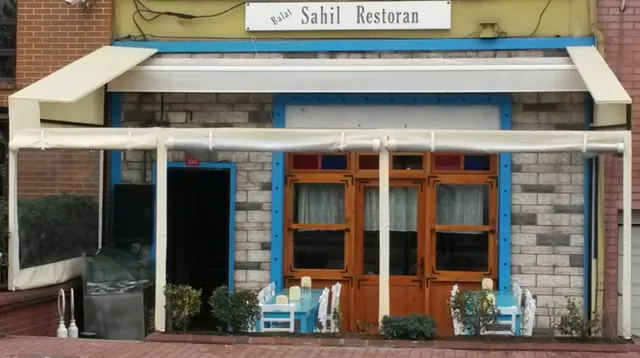
Balat Sahil Restaurant
Balat, Mürselpaşa Cd. No:245, 34087 Fatih/İstanbul, Türkiye
Gold Balat Restaurant
Balat, Vodina Cd. No:60, 34087 Fatih/İstanbul, Türkiye
New Balat Cafe Restaurant
Balat, Vodina Cd. No:52, 34000 Fatih/İstanbul, Türkiye
Old Balat Cafe & kitchen
Balat, Vodina Cd. No:56, 34000 Fatih/İstanbul, Türkiye
Agora Meyhanesi 1890
Balat, Mürselpaşa Cd. no:185, 34087 Fatih/İstanbul, Türkiye
Meşhur Fetih İşkembe
Ayvansaray, Leblebiciler Sk. No:6, 34087 Fatih/İstanbul, Türkiye
Pier Cafe Restaurant
Balat, Yıldırım Cd. No:16, 34087 Fatih/İstanbul, Türkiye
Velvet Cafe, Balat • Breakfast • Brunch • Coffee •
Balat, Çimen Sk. No:8a, 34087 Fatih/İstanbul, Türkiye
Balatkapı & Healthy Foods
Balat, Yıldırım Cd. 61/A, 34087 Fatih/İstanbul, Türkiye
Nearby hotels
Rixos Tersane Istanbul
Camiikebir, Taşkızak Tersanesi Caddesi No:23/1, 34440 Beyoğlu/İstanbul, Türkiye
Aliée Istanbul - A Paris Society Collection Hotel
Camiikebir, Taşkızak Tersanesi Caddesi No:11-19, 34437 Beyoğlu/İstanbul, Türkiye
DoubleTree by Hilton Istanbul - Piyalepasa
Kaptanpaşa, Piyalepaşa Blv. No:5, 34440 Beyoğlu/İstanbul, Türkiye
Balat Residence
Balat, Hızır Çavuş Köprübaşı Sk. No:5, 34087 Fatih/İstanbul, Türkiye
Waterfront Apartment, Sea View, Terrace with Dome
Ayvansaray, Ayvansaray Cd. no: 47, 34087 Fatih/İstanbul, Türkiye
Garth of Balat Hotel
Ayvansaray, Esnaf Loncası Sk. no:26-30, 34087 Fatih/İstanbul, Türkiye
Meroddi Beyoğlu Residence
Kaptanpaşa, Piyalepaşa Blv. No:3 D:1, 34440 Beyoğlu/İstanbul, Türkiye
Related posts
Keywords
Aynalıkavak Pavilion tourism.Aynalıkavak Pavilion hotels.Aynalıkavak Pavilion bed and breakfast. flights to Aynalıkavak Pavilion.Aynalıkavak Pavilion attractions.Aynalıkavak Pavilion restaurants.Aynalıkavak Pavilion travel.Aynalıkavak Pavilion travel guide.Aynalıkavak Pavilion travel blog.Aynalıkavak Pavilion pictures.Aynalıkavak Pavilion photos.Aynalıkavak Pavilion travel tips.Aynalıkavak Pavilion maps.Aynalıkavak Pavilion things to do.
Aynalıkavak Pavilion things to do, attractions, restaurants, events info and trip planning
Aynalıkavak Pavilion
TurkeyIstanbulBeyoğluAynalıkavak Pavilion

Basic Info

Aynalıkavak Pavilion

Keçeci Piri, Donanma Cd., 34440 Beyoğlu/İstanbul, Türkiye
4.5(831)
Open 24 hours
Save
spot

Ratings & Description

Info

Cultural
Scenic
Relaxation
Family friendly
Accessibility
attractions: Handan Agha Mosque, Rahmi M. Koç Museum, İBB Balat Parkı, Ferruh Kethuda Mosque, Monologlar Müzesi, Ayvansaray bahçe, Balart, restaurants: Lale Lokantası, Balat Sahil Restaurant, Gold Balat Restaurant, New Balat Cafe Restaurant, Old Balat Cafe & kitchen, Agora Meyhanesi 1890, Meşhur Fetih İşkembe, Pier Cafe Restaurant, Velvet Cafe, Balat • Breakfast • Brunch • Coffee •, Balatkapı & Healthy Foods
logoLearn more insights from Wanderboat AI.
Phone
+90 212 256 97 50
Website
millisaraylar.gov.tr

Plan your stay

hotel
Pet-friendly Hotels in Beyoğlu
Find a cozy hotel nearby and make it a full experience.

hotel
Affordable Hotels in Beyoğlu
Find a cozy hotel nearby and make it a full experience.

hotel
The Coolest Hotels You Haven't Heard Of (Yet)
Find a cozy hotel nearby and make it a full experience.

hotel
Trending Stays Worth the Hype in Beyoğlu
Find a cozy hotel nearby and make it a full experience.

Reviews

Nearby attractions of Aynalıkavak Pavilion

Handan Agha Mosque

Rahmi M. Koç Museum

İBB Balat Parkı

Ferruh Kethuda Mosque

Monologlar Müzesi

Ayvansaray bahçe

Balart

Handan Agha Mosque

Handan Agha Mosque

4.6

(162)

Open 24 hours
Click for details
Rahmi M. Koç Museum

Rahmi M. Koç Museum

4.8

(9.9K)

Open 24 hours
Click for details
İBB Balat Parkı

İBB Balat Parkı

4.1

(490)

Open until 12:00 AM
Click for details
Ferruh Kethuda Mosque

Ferruh Kethuda Mosque

4.7

(131)

Open 24 hours
Click for details

Things to do nearby

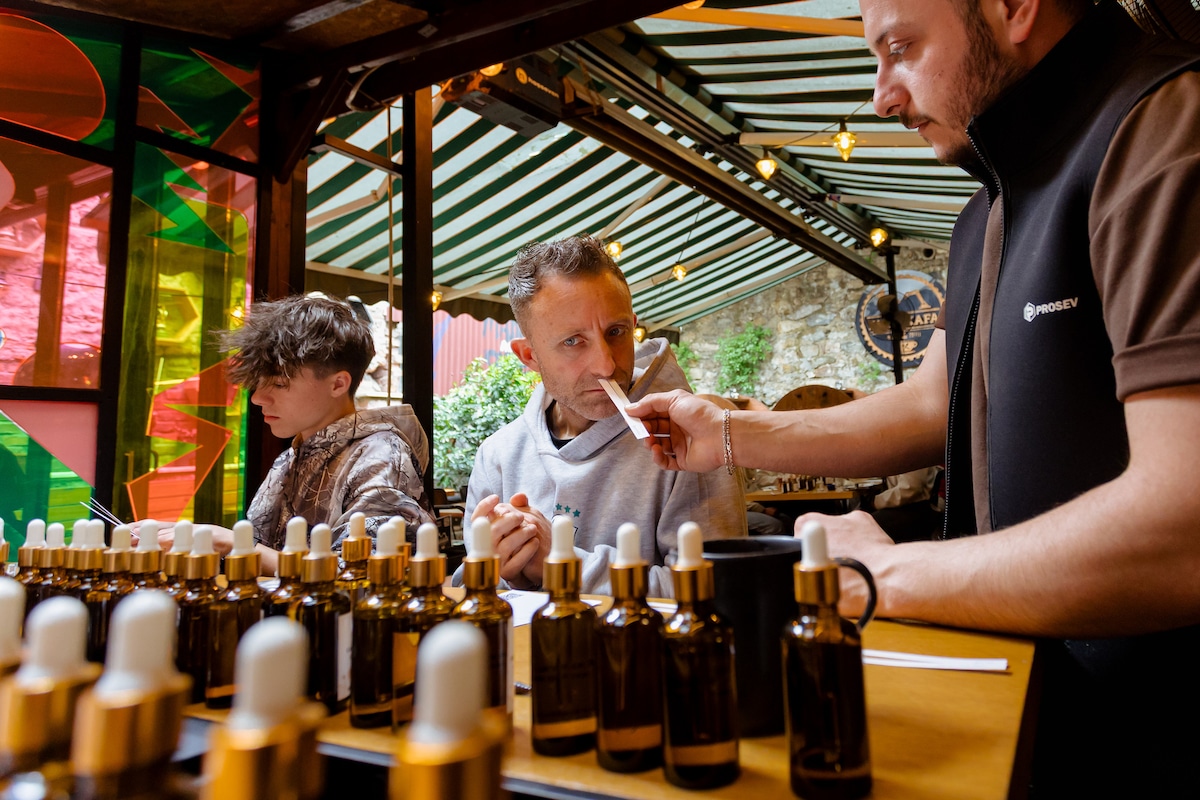
Perfume Making Workshop with Bosphorus View
Sat, Dec 6 • 10:00 AM
34425, Beyoğlu, İstanbul, Turkey
View details
Ride Heybeliada’s scenic paths
Sat, Dec 6 • 10:30 AM
34427, Beyoğlu, İstanbul, Turkey
View details
Mold and finish artistic ceramics in a cozy studio
Fri, Dec 5 • 3:30 PM
34371, Şişli, İstanbul, Turkey
View details

Nearby restaurants of Aynalıkavak Pavilion

Lale Lokantası

Balat Sahil Restaurant

Gold Balat Restaurant

New Balat Cafe Restaurant

Old Balat Cafe & kitchen

Agora Meyhanesi 1890

Meşhur Fetih İşkembe

Pier Cafe Restaurant

Velvet Cafe, Balat • Breakfast • Brunch • Coffee •

Balatkapı & Healthy Foods

Lale Lokantası

Lale Lokantası

4.5

(926)

Click for details
Balat Sahil Restaurant

Balat Sahil Restaurant

4.2

(871)

Click for details
Gold Balat Restaurant

Gold Balat Restaurant

4.9

(2.2K)

Click for details
New Balat Cafe Restaurant

New Balat Cafe Restaurant

4.8

(1.9K)

Click for details
Get the Appoverlay
Get the AppOne tap to find yournext favorite spots!
Wanderboat LogoWanderboat

Your everyday Al companion for getaway ideas

CompanyAbout Us
InformationAI Trip PlannerSitemap
SocialXInstagramTiktokLinkedin
LegalTerms of ServicePrivacy Policy

Get the app

© 2025 Wanderboat. All rights reserved.
logo

Reviews of Aynalıkavak Pavilion

4.5
(831)
avatar
4.0
3y

This tiny pavilion was first built in 1613 during the reign of Ahmed I.

The first time I visited was about 20 years ago as the 'Music Museum' and there were more instruments by then -esp.wind instruments. Also background music composed by that time was played.

Downside is no photos allowed.

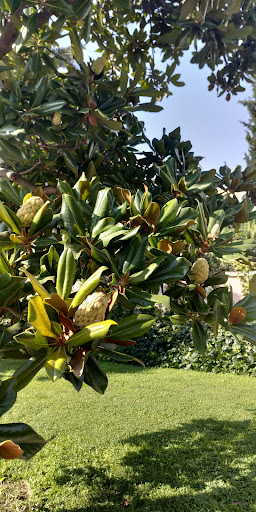
There is a small pool, lots of trees, especially magnolias and a cafe in the garden.

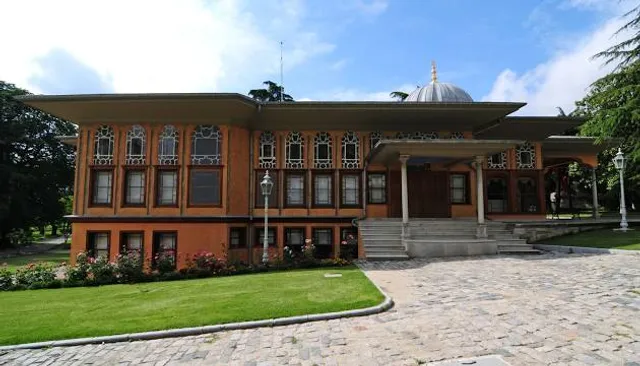
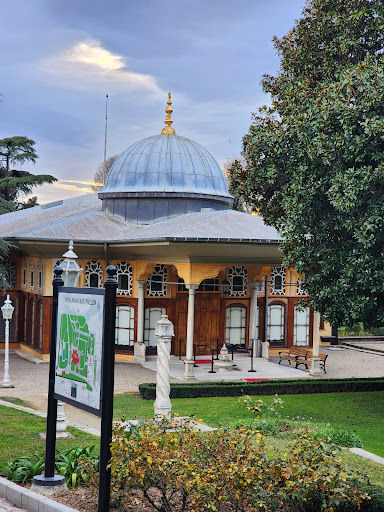
The edifice known as the Aynalıkavak Pavilion is the sole remaining building known as "Aynalıkavak Palace" or the "Shipyard Palace" reaching today from the period of Ottoman Empire. The Aynalıkavak Pavilion, thought to have been built during the time of Sultan Ahmed III (1703 1730), was repaired and radically altered by Sultan Selim III (1789-1807) to what we have today. With its two storeys facing the sea and the single-storey mass on the land side, the pavilion is a late and exceptional example of classical Ottoman architecture, reflecting the tastes of its era in terms of adornment. Particularly represented in the lifestyle of the time when the Sultan Selim III reigned. Today, it is arranged as a Music Museum where classical Turkish musical instruments of various periods are exhibited.

On a frieze embellishing the window tops of the Dîvânhâne (Audience Hall) and the Musical Composition Room the verses of the famous poets of the period, Şeyh Galib and Enderûni Fâzıl, praising the Pavilion and Selim III, were inscribed by the calligrapher Yesârî in talik script.

Among the unfortunate events of Ottoman Empire, The Treaty of Aynalıkavak (1779) was signed in this pavilion and the Treaty of Jassy where Crimea was disposed of from the Ottoman Empire was approved by the...

   Read more
avatar
5.0
1y

Stepping into Aynalıkavak Pavilion felt like entering a living testament to the grandeur of classical Ottoman architecture. The palace's exterior is a breathtaking example of the era's artistic prowess, and upon entering, the interior revealed an exceptional display of opulence.

The intricate details and ornate designs adorned every corner, transporting visitors to a bygone era of elegance. The meticulous preservation of Aynalıkavak Pavilion allows guests to appreciate the architectural brilliance that defined the Ottoman period.

The surrounding garden is nothing short of awe-inspiring, providing a tranquil escape in the heart of historical beauty. The careful landscaping and vibrant greenery make it a perfect complement to the majestic pavilion. The added touch of a cafe within the garden is a stroke of genius, allowing patrons to enjoy a coffee while marveling at the palace's splendor.

What truly elevated the experience was the inclusion of musical instruments from the Ottoman era, enriching the visit with the sounds of history. The availability of an audio guide provided a wealth of information, allowing visitors to delve deeper into the palace's history and appreciate the significance of each artifact. Aynalıkavak Pavilion is a must-visit for history enthusiasts, architecture admirers, and anyone seeking a serene escape with a side of cultural richness and...

   Read more
avatar
5.0
2y

Osmanlı Devleti’nin İstanbul’daki dördüncü büyük sarayı olan Tersane Sarayı, diğer adı ile Aynalıkavak Sahil Sarayı’ndan günümüze ulaşabilen tek yapı, Aynalıkavak Kasrı’dır. Okmeydanı yamaçlarından Haliç kıyılarına doğru uzanan alan, tarihî kaynaklara göre Bizans döneminde imparatorlara ait bir gezinti ve dinlenme yeridir. Fatih Sultan Mehmed’in (1444-1481) İstanbul’u fethinden sonra, Osmanlı sultanlarının da ilgisini çeken bu büyük koruluk, bölgede kurulan Osmanlı tersanesinden dolayı, bahçeleriyle birlikte “Tersane Hasbahçesi” adıyla anılmıştır. Hasbahçe’de bilinen ilk yapı, Kaptan-ı Derya Halil Paşa’nın Sultan I. Ahmed (1603-1617) için 1613 yılı sonlarında yaptırdığı kasırdır. Daha sonraki dönemlerde yeni köşkler, kasırlar ve bunlara ait ilave yapılarla, Tersane Sarayı son şekline kavuşmuştur. Sarayın setler hâlinde yükselen geniş bahçesinde, Haliç’e bakan yeni kasırlardan biri de Sultan III. Ahmed’in (1703-1730) şehzadeleri için düzenlenen sünnet düğününe sahne olan Aynalıkavak Kasrı’dır. Zaman içinde tersanenin büyüyüp genişlemesiyle, saraya ait yapılar birer birer yok olmuştur. 1802-1803 yıllarında tamamen yıkılan saraydan geriye sadece Aynalıkavak Kasrı kalmıştır. “Hasoda Kasrı”, “Hasbahçe Kasrı”, “Daire-i Hümâyûn” gibi adlarla da anılan yapı, bugünkü görünümüne Sultan III. Selim (1789-1807) döneminde kavuşmuş ve Sultan Abdülmecid (1839-1861) döneminde tekrar elden geçirilmiştir. “Lâle Devri” olarak anılan dönemin yaşantısını hatırlatan ve yaklaşık üç yüz yıldır Haliç kıyılarını süsleyen Aynalıkavak Kasrı, 1975 yılında Millî Saraylar yönetimine geçmiş ve 1984’te müze-saray olarak ziyarete açılmıştır. Kasır, kara tarafındaki cephesi tek, deniz tarafındaki cephesi iki katlı düzenlenmiş olarak eğimli zemine uygun bir yerleşim göstermektedir. Çifte dîvanhâne çevresinde gelişen üç sofalı planıyla, 18. yüzyıl Osmanlı saraylarının geleneksel mimari özelliklerini taşımaktadır. Sofaların bir tarafında sultanın önemli konuklarını kabul ettiği Dîvanhâne ile üç oda, diğer tarafında giriş sofası ile iki oda bulunmaktadır. Dış çephede dilimli bir kubbeyle örtülü olduğu görülen Arz Odası’nın tavan eteğinde Sultan III. Selim’in altın yaldızlı tuğrası, pencereler üzerinde Yesârîzâde Efendi’nin ta’lîk hat ile yazdığı, Enderûnî Fâzıl Efendi’nin Aynalıkavak Kasrı’nı öven 54 beyitlik şiiri dikkati çekmektedir. III. Selim’in lirik ve akıcı bestelerini yaptığı sanılan Hasoda’nın pencereleri üzerinde, yine Yesârîzâde’nin ta’lîk hatla yazdığı, Şeyh Galib’in III. Selim’i öven 36 beyitlik şiiri yer almaktadır. Tavanda, Hasoda ile benzer biçimde, geometrik düzen içinde bitkisel ve stilize motiflerle zenginleştirilmiş zarif bir bezeme göze...

   Read more
Page 1 of 7
Previous
Next

Posts

Gulgun BenekGulgun Benek
This tiny pavilion was first built in 1613 during the reign of Ahmed I. The first time I visited was about 20 years ago as the 'Music Museum' and there were more instruments by then -esp.wind instruments. Also background music composed by that time was played. Downside is no photos allowed. There is a small pool, lots of trees, especially magnolias and a cafe in the garden. The edifice known as the Aynalıkavak Pavilion is the sole remaining building known as "Aynalıkavak Palace" or the "Shipyard Palace" reaching today from the period of Ottoman Empire. The Aynalıkavak Pavilion, thought to have been built during the time of Sultan Ahmed III (1703 1730), was repaired and radically altered by Sultan Selim III (1789-1807) to what we have today. With its two storeys facing the sea and the single-storey mass on the land side, the pavilion is a late and exceptional example of classical Ottoman architecture, reflecting the tastes of its era in terms of adornment. Particularly represented in the lifestyle of the time when the Sultan Selim III reigned. Today, it is arranged as a Music Museum where classical Turkish musical instruments of various periods are exhibited. On a frieze embellishing the window tops of the Dîvânhâne (Audience Hall) and the Musical Composition Room the verses of the famous poets of the period, Şeyh Galib and Enderûni Fâzıl, praising the Pavilion and Selim III, were inscribed by the calligrapher Yesârî in talik script. Among the unfortunate events of Ottoman Empire, The Treaty of Aynalıkavak (1779) was signed in this pavilion and the Treaty of Jassy where Crimea was disposed of from the Ottoman Empire was approved by the sultan here.
SALIH MIQDADSALIH MIQDAD
Stepping into Aynalıkavak Pavilion felt like entering a living testament to the grandeur of classical Ottoman architecture. The palace's exterior is a breathtaking example of the era's artistic prowess, and upon entering, the interior revealed an exceptional display of opulence. The intricate details and ornate designs adorned every corner, transporting visitors to a bygone era of elegance. The meticulous preservation of Aynalıkavak Pavilion allows guests to appreciate the architectural brilliance that defined the Ottoman period. The surrounding garden is nothing short of awe-inspiring, providing a tranquil escape in the heart of historical beauty. The careful landscaping and vibrant greenery make it a perfect complement to the majestic pavilion. The added touch of a cafe within the garden is a stroke of genius, allowing patrons to enjoy a coffee while marveling at the palace's splendor. What truly elevated the experience was the inclusion of musical instruments from the Ottoman era, enriching the visit with the sounds of history. The availability of an audio guide provided a wealth of information, allowing visitors to delve deeper into the palace's history and appreciate the significance of each artifact. Aynalıkavak Pavilion is a must-visit for history enthusiasts, architecture admirers, and anyone seeking a serene escape with a side of cultural richness and auditory delights.
Seyyah-ı TalibSeyyah-ı Talib
Osmanlı Devleti’nin İstanbul’daki dördüncü büyük sarayı olan Tersane Sarayı, diğer adı ile Aynalıkavak Sahil Sarayı’ndan günümüze ulaşabilen tek yapı, Aynalıkavak Kasrı’dır. Okmeydanı yamaçlarından Haliç kıyılarına doğru uzanan alan, tarihî kaynaklara göre Bizans döneminde imparatorlara ait bir gezinti ve dinlenme yeridir. Fatih Sultan Mehmed’in (1444-1481) İstanbul’u fethinden sonra, Osmanlı sultanlarının da ilgisini çeken bu büyük koruluk, bölgede kurulan Osmanlı tersanesinden dolayı, bahçeleriyle birlikte “Tersane Hasbahçesi” adıyla anılmıştır. Hasbahçe’de bilinen ilk yapı, Kaptan-ı Derya Halil Paşa’nın Sultan I. Ahmed (1603-1617) için 1613 yılı sonlarında yaptırdığı kasırdır. Daha sonraki dönemlerde yeni köşkler, kasırlar ve bunlara ait ilave yapılarla, Tersane Sarayı son şekline kavuşmuştur. Sarayın setler hâlinde yükselen geniş bahçesinde, Haliç’e bakan yeni kasırlardan biri de Sultan III. Ahmed’in (1703-1730) şehzadeleri için düzenlenen sünnet düğününe sahne olan Aynalıkavak Kasrı’dır. Zaman içinde tersanenin büyüyüp genişlemesiyle, saraya ait yapılar birer birer yok olmuştur. 1802-1803 yıllarında tamamen yıkılan saraydan geriye sadece Aynalıkavak Kasrı kalmıştır. “Hasoda Kasrı”, “Hasbahçe Kasrı”, “Daire-i Hümâyûn” gibi adlarla da anılan yapı, bugünkü görünümüne Sultan III. Selim (1789-1807) döneminde kavuşmuş ve Sultan Abdülmecid (1839-1861) döneminde tekrar elden geçirilmiştir. “Lâle Devri” olarak anılan dönemin yaşantısını hatırlatan ve yaklaşık üç yüz yıldır Haliç kıyılarını süsleyen Aynalıkavak Kasrı, 1975 yılında Millî Saraylar yönetimine geçmiş ve 1984’te müze-saray olarak ziyarete açılmıştır. Kasır, kara tarafındaki cephesi tek, deniz tarafındaki cephesi iki katlı düzenlenmiş olarak eğimli zemine uygun bir yerleşim göstermektedir. Çifte dîvanhâne çevresinde gelişen üç sofalı planıyla, 18. yüzyıl Osmanlı saraylarının geleneksel mimari özelliklerini taşımaktadır. Sofaların bir tarafında sultanın önemli konuklarını kabul ettiği Dîvanhâne ile üç oda, diğer tarafında giriş sofası ile iki oda bulunmaktadır. Dış çephede dilimli bir kubbeyle örtülü olduğu görülen Arz Odası’nın tavan eteğinde Sultan III. Selim’in altın yaldızlı tuğrası, pencereler üzerinde Yesârîzâde Efendi’nin ta’lîk hat ile yazdığı, Enderûnî Fâzıl Efendi’nin Aynalıkavak Kasrı’nı öven 54 beyitlik şiiri dikkati çekmektedir. III. Selim’in lirik ve akıcı bestelerini yaptığı sanılan Hasoda’nın pencereleri üzerinde, yine Yesârîzâde’nin ta’lîk hatla yazdığı, Şeyh Galib’in III. Selim’i öven 36 beyitlik şiiri yer almaktadır. Tavanda, Hasoda ile benzer biçimde, geometrik düzen içinde bitkisel ve stilize motiflerle zenginleştirilmiş zarif bir bezeme göze çarpmaktadır.
See more posts
See more posts
hotel
Find your stay

Pet-friendly Hotels in Beyoğlu

Find a cozy hotel nearby and make it a full experience.

This tiny pavilion was first built in 1613 during the reign of Ahmed I. The first time I visited was about 20 years ago as the 'Music Museum' and there were more instruments by then -esp.wind instruments. Also background music composed by that time was played. Downside is no photos allowed. There is a small pool, lots of trees, especially magnolias and a cafe in the garden. The edifice known as the Aynalıkavak Pavilion is the sole remaining building known as "Aynalıkavak Palace" or the "Shipyard Palace" reaching today from the period of Ottoman Empire. The Aynalıkavak Pavilion, thought to have been built during the time of Sultan Ahmed III (1703 1730), was repaired and radically altered by Sultan Selim III (1789-1807) to what we have today. With its two storeys facing the sea and the single-storey mass on the land side, the pavilion is a late and exceptional example of classical Ottoman architecture, reflecting the tastes of its era in terms of adornment. Particularly represented in the lifestyle of the time when the Sultan Selim III reigned. Today, it is arranged as a Music Museum where classical Turkish musical instruments of various periods are exhibited. On a frieze embellishing the window tops of the Dîvânhâne (Audience Hall) and the Musical Composition Room the verses of the famous poets of the period, Şeyh Galib and Enderûni Fâzıl, praising the Pavilion and Selim III, were inscribed by the calligrapher Yesârî in talik script. Among the unfortunate events of Ottoman Empire, The Treaty of Aynalıkavak (1779) was signed in this pavilion and the Treaty of Jassy where Crimea was disposed of from the Ottoman Empire was approved by the sultan here.
Gulgun Benek

Gulgun Benek

hotel
Find your stay

Affordable Hotels in Beyoğlu

Find a cozy hotel nearby and make it a full experience.

Get the Appoverlay
Get the AppOne tap to find yournext favorite spots!
Stepping into Aynalıkavak Pavilion felt like entering a living testament to the grandeur of classical Ottoman architecture. The palace's exterior is a breathtaking example of the era's artistic prowess, and upon entering, the interior revealed an exceptional display of opulence. The intricate details and ornate designs adorned every corner, transporting visitors to a bygone era of elegance. The meticulous preservation of Aynalıkavak Pavilion allows guests to appreciate the architectural brilliance that defined the Ottoman period. The surrounding garden is nothing short of awe-inspiring, providing a tranquil escape in the heart of historical beauty. The careful landscaping and vibrant greenery make it a perfect complement to the majestic pavilion. The added touch of a cafe within the garden is a stroke of genius, allowing patrons to enjoy a coffee while marveling at the palace's splendor. What truly elevated the experience was the inclusion of musical instruments from the Ottoman era, enriching the visit with the sounds of history. The availability of an audio guide provided a wealth of information, allowing visitors to delve deeper into the palace's history and appreciate the significance of each artifact. Aynalıkavak Pavilion is a must-visit for history enthusiasts, architecture admirers, and anyone seeking a serene escape with a side of cultural richness and auditory delights.
SALIH MIQDAD

SALIH MIQDAD

hotel
Find your stay

The Coolest Hotels You Haven't Heard Of (Yet)

Find a cozy hotel nearby and make it a full experience.

hotel
Find your stay

Trending Stays Worth the Hype in Beyoğlu

Find a cozy hotel nearby and make it a full experience.

Osmanlı Devleti’nin İstanbul’daki dördüncü büyük sarayı olan Tersane Sarayı, diğer adı ile Aynalıkavak Sahil Sarayı’ndan günümüze ulaşabilen tek yapı, Aynalıkavak Kasrı’dır. Okmeydanı yamaçlarından Haliç kıyılarına doğru uzanan alan, tarihî kaynaklara göre Bizans döneminde imparatorlara ait bir gezinti ve dinlenme yeridir. Fatih Sultan Mehmed’in (1444-1481) İstanbul’u fethinden sonra, Osmanlı sultanlarının da ilgisini çeken bu büyük koruluk, bölgede kurulan Osmanlı tersanesinden dolayı, bahçeleriyle birlikte “Tersane Hasbahçesi” adıyla anılmıştır. Hasbahçe’de bilinen ilk yapı, Kaptan-ı Derya Halil Paşa’nın Sultan I. Ahmed (1603-1617) için 1613 yılı sonlarında yaptırdığı kasırdır. Daha sonraki dönemlerde yeni köşkler, kasırlar ve bunlara ait ilave yapılarla, Tersane Sarayı son şekline kavuşmuştur. Sarayın setler hâlinde yükselen geniş bahçesinde, Haliç’e bakan yeni kasırlardan biri de Sultan III. Ahmed’in (1703-1730) şehzadeleri için düzenlenen sünnet düğününe sahne olan Aynalıkavak Kasrı’dır. Zaman içinde tersanenin büyüyüp genişlemesiyle, saraya ait yapılar birer birer yok olmuştur. 1802-1803 yıllarında tamamen yıkılan saraydan geriye sadece Aynalıkavak Kasrı kalmıştır. “Hasoda Kasrı”, “Hasbahçe Kasrı”, “Daire-i Hümâyûn” gibi adlarla da anılan yapı, bugünkü görünümüne Sultan III. Selim (1789-1807) döneminde kavuşmuş ve Sultan Abdülmecid (1839-1861) döneminde tekrar elden geçirilmiştir. “Lâle Devri” olarak anılan dönemin yaşantısını hatırlatan ve yaklaşık üç yüz yıldır Haliç kıyılarını süsleyen Aynalıkavak Kasrı, 1975 yılında Millî Saraylar yönetimine geçmiş ve 1984’te müze-saray olarak ziyarete açılmıştır. Kasır, kara tarafındaki cephesi tek, deniz tarafındaki cephesi iki katlı düzenlenmiş olarak eğimli zemine uygun bir yerleşim göstermektedir. Çifte dîvanhâne çevresinde gelişen üç sofalı planıyla, 18. yüzyıl Osmanlı saraylarının geleneksel mimari özelliklerini taşımaktadır. Sofaların bir tarafında sultanın önemli konuklarını kabul ettiği Dîvanhâne ile üç oda, diğer tarafında giriş sofası ile iki oda bulunmaktadır. Dış çephede dilimli bir kubbeyle örtülü olduğu görülen Arz Odası’nın tavan eteğinde Sultan III. Selim’in altın yaldızlı tuğrası, pencereler üzerinde Yesârîzâde Efendi’nin ta’lîk hat ile yazdığı, Enderûnî Fâzıl Efendi’nin Aynalıkavak Kasrı’nı öven 54 beyitlik şiiri dikkati çekmektedir. III. Selim’in lirik ve akıcı bestelerini yaptığı sanılan Hasoda’nın pencereleri üzerinde, yine Yesârîzâde’nin ta’lîk hatla yazdığı, Şeyh Galib’in III. Selim’i öven 36 beyitlik şiiri yer almaktadır. Tavanda, Hasoda ile benzer biçimde, geometrik düzen içinde bitkisel ve stilize motiflerle zenginleştirilmiş zarif bir bezeme göze çarpmaktadır.
Seyyah-ı Talib

Seyyah-ı Talib

See more posts
See more posts