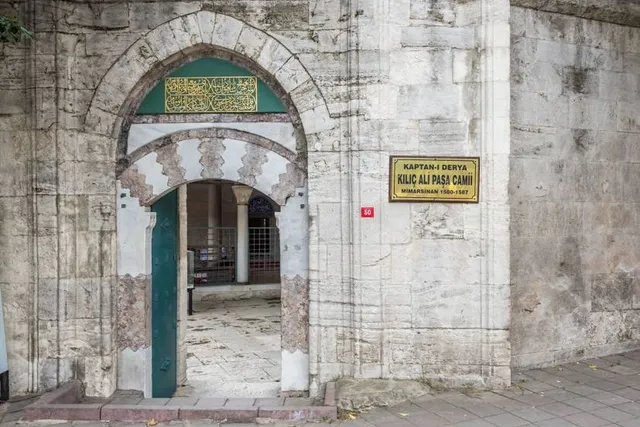
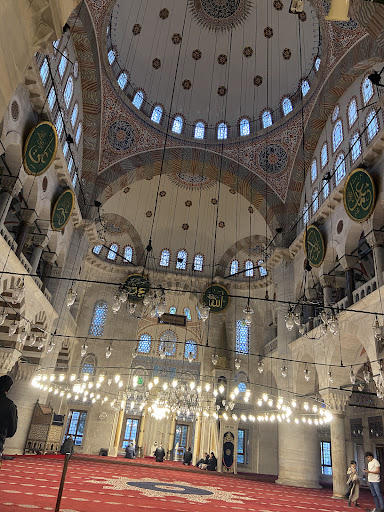
Name: Kılıç Ali Paşa Mosque (Kılıç Ali Paşa Camii)
Location: Istanbul, Turkey
Rating: ★★★★★
Review:
The Kılıç Ali Paşa Mosque, situated in the bustling Tophane district of Istanbul, is a masterpiece of Ottoman architecture and a tribute to the naval commander Kılıç Ali Paşa. Designed by the renowned architect Mimar Sinan in the late 16th century, this mosque stands as a symbol of both historical significance and architectural brilliance.
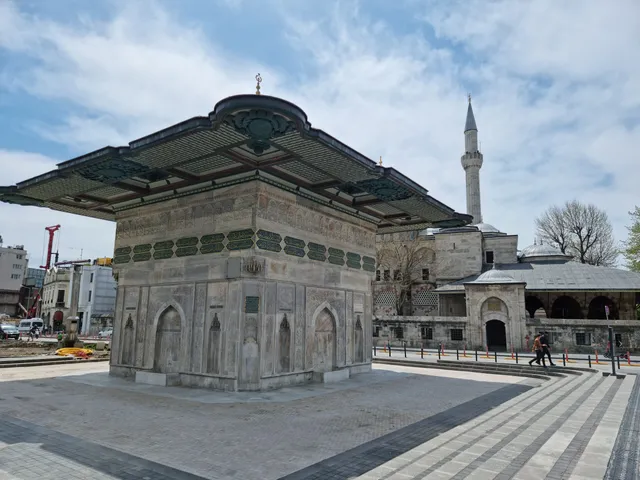
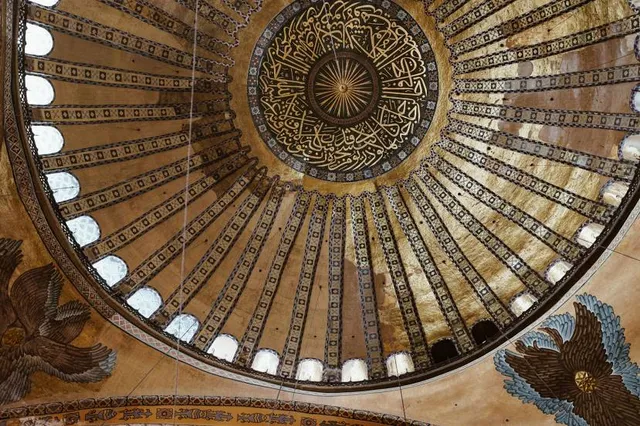
The mosque’s exterior is striking, with a prominent central dome flanked by semi-domes and a tall, elegant minaret. The courtyard is spacious and serene, featuring a beautiful ablution fountain and shaded by trees, providing a tranquil setting for visitors. The mosque’s design is reminiscent of the famous Hagia Sophia, reflecting Sinan’s inspiration and mastery.
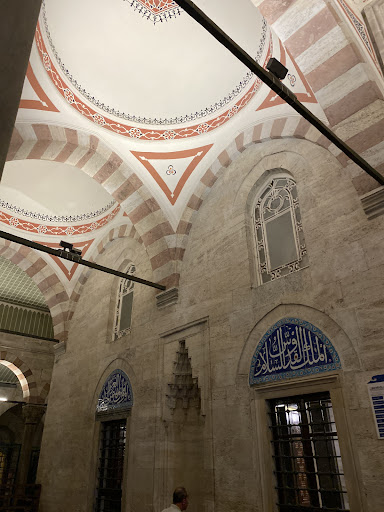
Inside, the Kılıç Ali Paşa Mosque is a marvel of artistry and craftsmanship. The prayer hall is expansive and filled with natural light, thanks to the numerous windows that encircle the dome. The interior is adorned with exquisite Iznik tiles, intricate calligraphy, and ornate chandeliers. The mihrab and minbar are finely crafted, showcasing the detailed work of Ottoman artisans. The atmosphere inside the mosque is serene and spiritually uplifting, offering a peaceful retreat for worshippers and visitors alike.
One of the unique features of the Kılıç Ali Paşa Mosque is its connection to the naval history of the Ottoman Empire. Kılıç Ali Paşa, originally an Italian convert who rose to become an admiral, commissioned the mosque as part of a larger complex that includes a madrasa (Islamic school), a hamam (bathhouse), and a tomb. The mosque’s location near the Bosphorus underscores its maritime heritage.
The mosque is well-maintained and offers a quiet and less crowded alternative to some of Istanbul’s more famous mosques. Its proximity to other attractions, such as the Istanbul Modern Art Museum and the vibrant Karaköy district, makes it an excellent addition to any sightseeing itinerary.
Visitors should be mindful that the Kılıç Ali Paşa Mosque is an active place of worship. Dressing modestly and respecting prayer times is essential. While the mosque is accessible to tourists, joining a guided tour can provide deeper insights into its historical and architectural significance.
Pros:
• Stunning example of Ottoman architecture by Mimar Sinan • Beautiful and serene interior with intricate decorations • Rich historical and cultural significance • Less crowded and peaceful atmosphere • Convenient location near other attractions
Cons:
• Limited on-site historical information • Respect for prayer times and modest dress required
Overall: The Kılıç Ali Paşa Mosque is a gem of Ottoman architecture and history, offering a serene and enriching experience for visitors. Its architectural beauty, historical significance, and peaceful environment make it a must-visit for anyone exploring Istanbul. Whether you’re an architecture enthusiast, a history buff, or simply seeking a tranquil place to visit, the Kılıç Ali Paşa Mosque provides a rewarding and...
Read moreThe complex is located in the Tophane neighbourhood of the Beyoğlu district of Istanbul, Turkey. It is named after Kılıç Ali Pasha. It consists of a mosque, a medrese, a hamam, a türbe, and a fountain. Originally, it had been on the coastline, but since the sea in front of it has been filled again, it is now surrounded by other buildings. The complex was built on the orders of the Kapudan-i Derya (Grand Admiral) Kılıç Ali Pasha. When the Pasha was told to build the complex on the sea for being the Chief Captain, he had the mosque built on the land reclaimed from the sea.
The central dome of the mosque is 12.70 metres in diameter, carried on pendentives on granite piers and two half-domes on the Qibla axis. Towards the entrance, on two sides, there is a two-story gallery. The dome is placed at the center with two exedrae similar to a Byzantine basilica, thus the resemblance to Hagia Sophia.
Above the prayer hall are five small domes carried on six marble columns. The tile panels placed high in the prayer hall are inscribed with ayats (verses) from the Quran. The mosque has only one minaret with one gallery. There are 247 windows including the 24 of the central dome. The mihrab is in a square projecting apse. A 16th-century ship lamp that used to hang from the central dome was taken off to be displayed at the Museum of Ottoman and Turkish Naval...
Read moreUluç lakabıyla da anılır. Aslen Kalabriyeli olup Giovan Dionigi Galeni adını taşıdığı, papaz olmak üzere Napoli’ye giderken Cezayirli Ali Ahmed Reis tarafından 926’da (1520) esir alındığı rivayet edilir. Tophane’de adına yaptırılan camiye ait vakfiyede baba adının Abdülmennân ve Abdullah gibi iki ayrı şekilde belirtilmiş olması (Kılıç Ali Paşa Vakfiyesi, vr. 8b, 40a) mühtedi olduğunu gösterir. Önceleri kendisine verilen Uluç lakabı, Kuzey Afrika’da “Arap olmayan kâfir ve dinsiz” anlamındaki “ılc” kelimesinden gelmekte olup (Karahisârî, s. 694; Kāmus Tercümesi, I, 424) arşiv belgelerinde daha çok denizciler için “uluç ve müslüman sûretinde kâfirler” şeklinde kullanılmakta ve casusluk yapan hıristiyan denizcilerini ifade etmektedir (BA, KK, nr. 1770, s. 85b; BA, MD, nr. 5, hk. 1502-1503). Hicrî takvimle doksan yaşları civarında vefat ettiğine göre 1500’lü yılların başlarında doğmuş olması muhtemeldir (Selânikî, I, 186).
Esir düştükten sonra İslâmiyet’i kabul edip denizciler arasına katılmış olduğu sanılan Uluç Ali hakkındaki ilk bilgiler 955 (1548) yılına kadar iner. Bu tarihte Turgut Reis’in maiyetine giren Uluç Ali, Mehdiye savunmasında (956/1549) ve Cerbe akınlarında (957/1550) başarılı hizmetlerde bulundu. Turgut Reis’in 958’deki (1551) Trablusgarp seferine katıldı. Bilinen ilk görevi Belediunnâb kāidliğidir. Bu görevde iken bazı şikâyetler üzerine teftişe mâruz kaldı. Cezayir Beylerbeyi Sâlih Paşa’nın emriyle Cezayir’e getirilmek üzere Memî Reis görevlendirildiyse de ondan kurtularak İstanbul’a geldi (BA, MD, nr. 2, hk. 414). Belgelerde Cezayir reislerinden olduğu belirtilen Uluç Ali, 3 Cemâziyelâhir 963’te (14 Nisan 1556) 40 akçe ulûfe ile hassa reisliğe tayin edildi (BA, MD, nr. 2, hk. 516). Cezayir Beylerbeyi Sâlih Paşa’nın vefatı üzerine onun emrindeki donanmayı geri çağırmak üzere Cezayir’e gitti ve bu hizmetlerinden dolayı ulûfesi 15 Zilkade 963’te (20 Eylül 1556) 100 akçeye çıkarıldı (BA, MD, nr. 2, hk. 1431-1432). 964’te (1557) Piyâle Bey kumandasında Akdeniz’e açılan Osmanlı donanmasına bir baştarda ile katıldı (BA, D.BŞM, nr. 51, s. 2, 55).
Piyâle Paşa ile birlikte 967’de (1560) Cerbe seferine gitti. Donanma Benefşe’ye geldiğinde Uluç Ali keşifte bulunmak üzere Çuka adası civarına gönderildiğinde rastladığı bir gemiyi (barça) esir aldı ve kuşatma sırasında pek çok yararlık gösterdi (Zekeriyyâzâde, s. 42-43, 74-75); yevmiyesi 10 akçe yükseltildi (BA, MD, nr. 4, hk. 1466). Bu hizmetleri karşılığında Sığla sancak beyliğine getirildi ve bölgedeki sularda muhafaza (derya muhafazası) görevi üstlendi (BA, KK, nr. 219, s. 144). Hububat kaçakçılığı takibatı sırasında 971’de (1564) Sakız beyleriyle çatıştı, kendisiyle aynı adı taşıyan kardeşi Ali Sakızlılar tarafından öldürüldü (BA, KK, nr. 74, s. 14). Daha sonra Malta kuşatmasına İskenderiye beyi olarak altı gemilik bir filo ile katıldı (Turan, s. 82, 86). Trablusgarp Beylerbeyi Turgut Paşa’nın şehid olması üzerine Zilhicce 972’de (Temmuz 1565) Trablusgarp beylerbeyi oldu ve gerekli mühimmatı Cerbe’den Malta’ya taşımakla görevlendirildi (BA, KK, nr. 7501, s. 108, 111). Trablusgarp beylerbeyiliğine bir ara Mehmed Paşa getirildiyse de (BA, MD, nr. 5, hk. 1972) Tâcûrâ halkının isyanı üzerine buraya tekrar Uluç Ali Paşa tayin edildi. Bu isyanı bastırdığı için 16 Rebîülevvel 975’te (20 Eylül 1567) padişahın iltifatına mazhar oldu, kendisine bir kılıçla iki hil‘at gönderildi. Ayrıca İspanya donanmasının Akdeniz’deki bütün hareketlerini İstanbul’a bildirerek tedbir alınmasını istedi (BA, MD, nr. 7, hk. 250, 653, 1060). 2 Muharrem 976’da (27 Haziran 1568) Cezayirigarb beylerbeyi oldu (BA, MD, nr. 7, hk. 1625). Tunus halkının da kendisine müracaatı üzerine Şevval 977’de (Mart 1570) Tunus’u aldı ve Kāid Ramazan’ı buraya kaymakam bırakarak Cezayir’e döndü. Aynı zamanda bölge ahalisinin desteğiyle İspanya üzerine gidilerek Endülüs müslümanlarına yardım edildi, İspanya şehirleri yağmalandı (BA, MD, nr. 9, hk. 204). Bu sırada başlayan Kıbrıs kuşatmasına katılmak üzere Akdeniz’e açılan Uluç Ali Paşa karşılaştığı dört Malta kadırgasını...
Read more