Tophane Fountain things to do, attractions, restaurants, events info and trip planning
Basic Info
Tophane Fountain
Kılıçali Paşa, Defterdar Yokuşu Sok. Tophane Fountain No:2, 34433 Beyoğlu/İstanbul, Türkiye
4.7(210)
Open until 12:00 AM
Save
spot
spot
Ratings & Description
Info
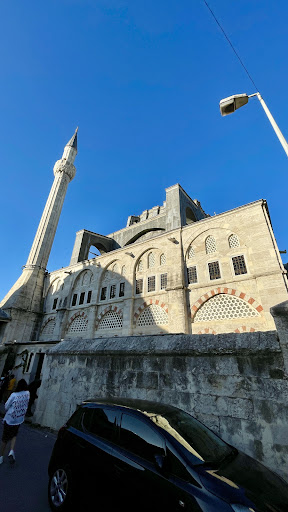
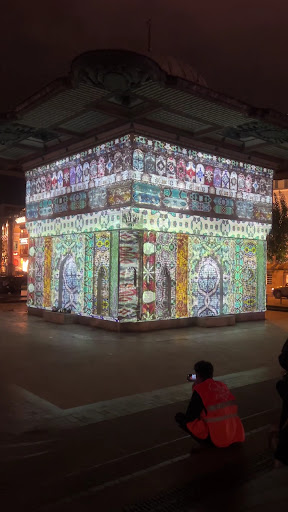
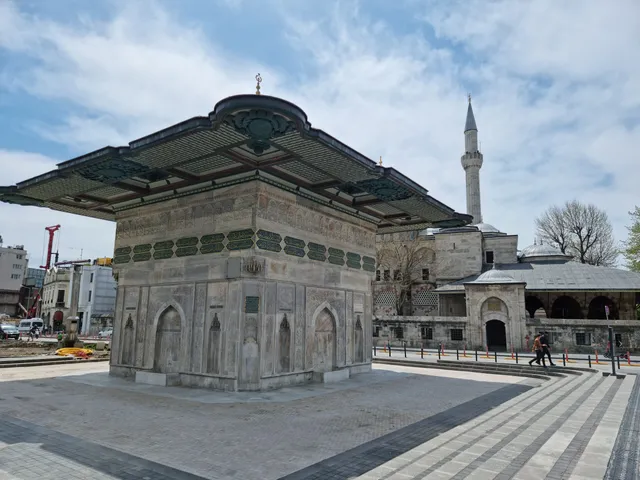
Tophane Fountain is an 18th-century public water fountain built by Ottoman sultan Mahmud I in the Ottoman rococo architecture and situated in the square of Tophane neighborhood in Beyoğlu district of Istanbul, Turkey.
Cultural
Scenic
attractions: Kılıç Ali Pasha Mosque, Tophane-İ Amire Culture and Art Center, Highlights in Istanbul Workshops, Nusretiye Mosque, Galataport Clock Tower Square, Galataport Promenade, Tophane-i Amire Sanjak Tower, Galata Tower, Istanbul Museum of Painting and Sculpture, Tophane Parki, restaurants: Mahal Antep, Karaköy Güllüoğlu - Nadir Güllü, Factory Karaköy, İBB Cihangir Sosyal Tesisi, Pera Port Lounge, Arada Beyrut, Arada Endülüs Breakfast & Lebanese Cuisine, Coffee Sapiens, Hafız Mustafa 1864 Galataport, Kirpi Galataport, local businesses: Istanbul Museum of Modern Art, Kılıç Ali Paşa Hamam, Galataport Istanbul, Cafer Erol Candy Shop Galataport, Craftsmen Park, Hazarfen Kebap, Istanbul Tour Studio, Golden Shish Döner & Cağ Kebap, Probador Colectiva, Çağla's Gift Shop
 Learn more insights from Wanderboat AI.
Open hoursSee all hours
SunOpen 24 hoursOpen
Plan your stay

Pet-friendly Hotels in Beyoğlu
Find a cozy hotel nearby and make it a full experience.

Affordable Hotels in Beyoğlu
Find a cozy hotel nearby and make it a full experience.

The Coolest Hotels You Haven't Heard Of (Yet)
Find a cozy hotel nearby and make it a full experience.

Trending Stays Worth the Hype in Beyoğlu
Find a cozy hotel nearby and make it a full experience.
Reviews
Live events
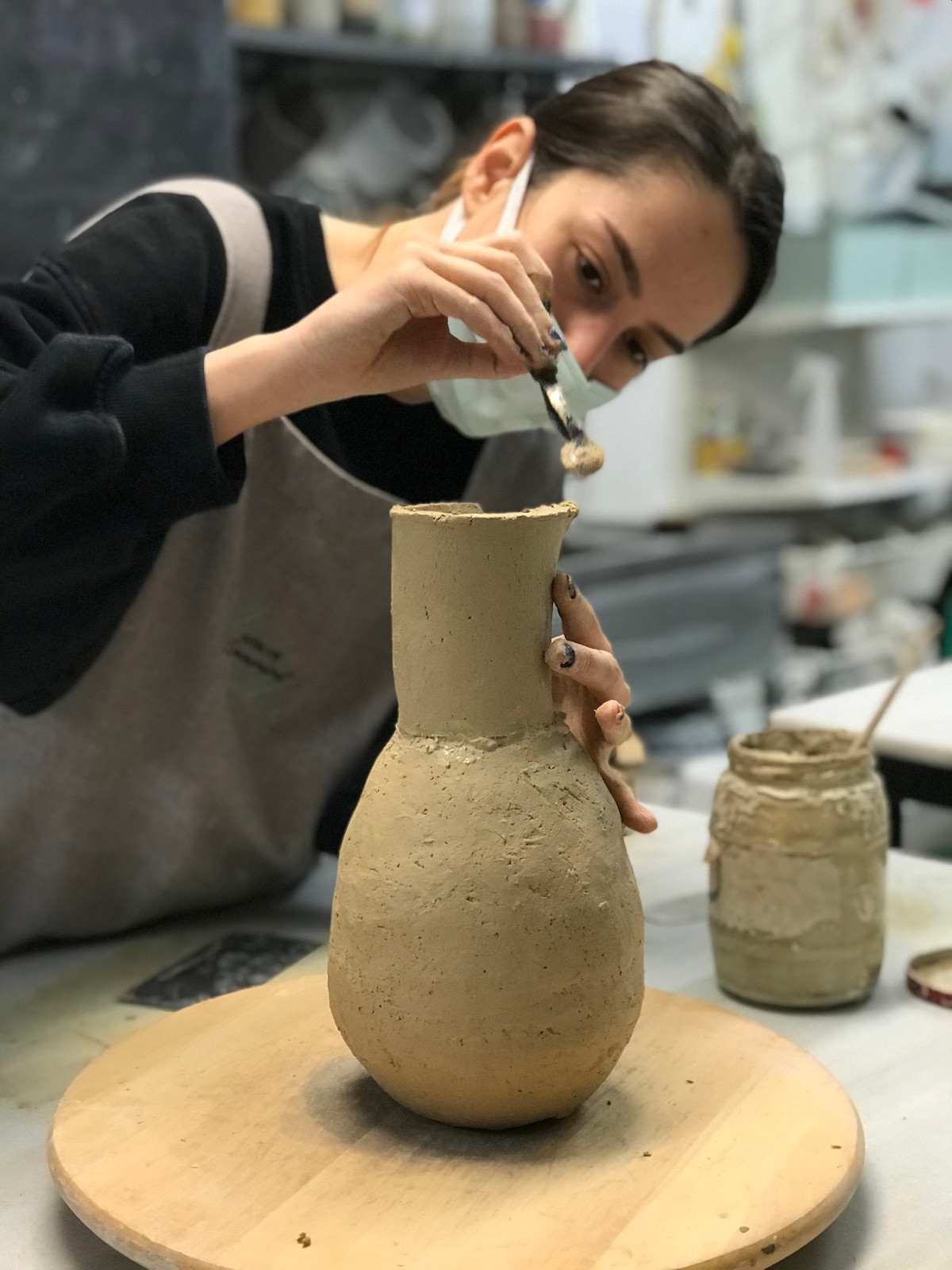
Mold and finish artistic ceramics in a cozy studio
Sun, Feb 8 • 4:00 PM
34371, Şişli, İstanbul, Turkey
View details

Istanbul Sunset Yacht Tour – Wine, Music & Photos
Sun, Feb 8 • 4:00 PM
34200, Beyoğlu, İstanbul, Turkey
View details
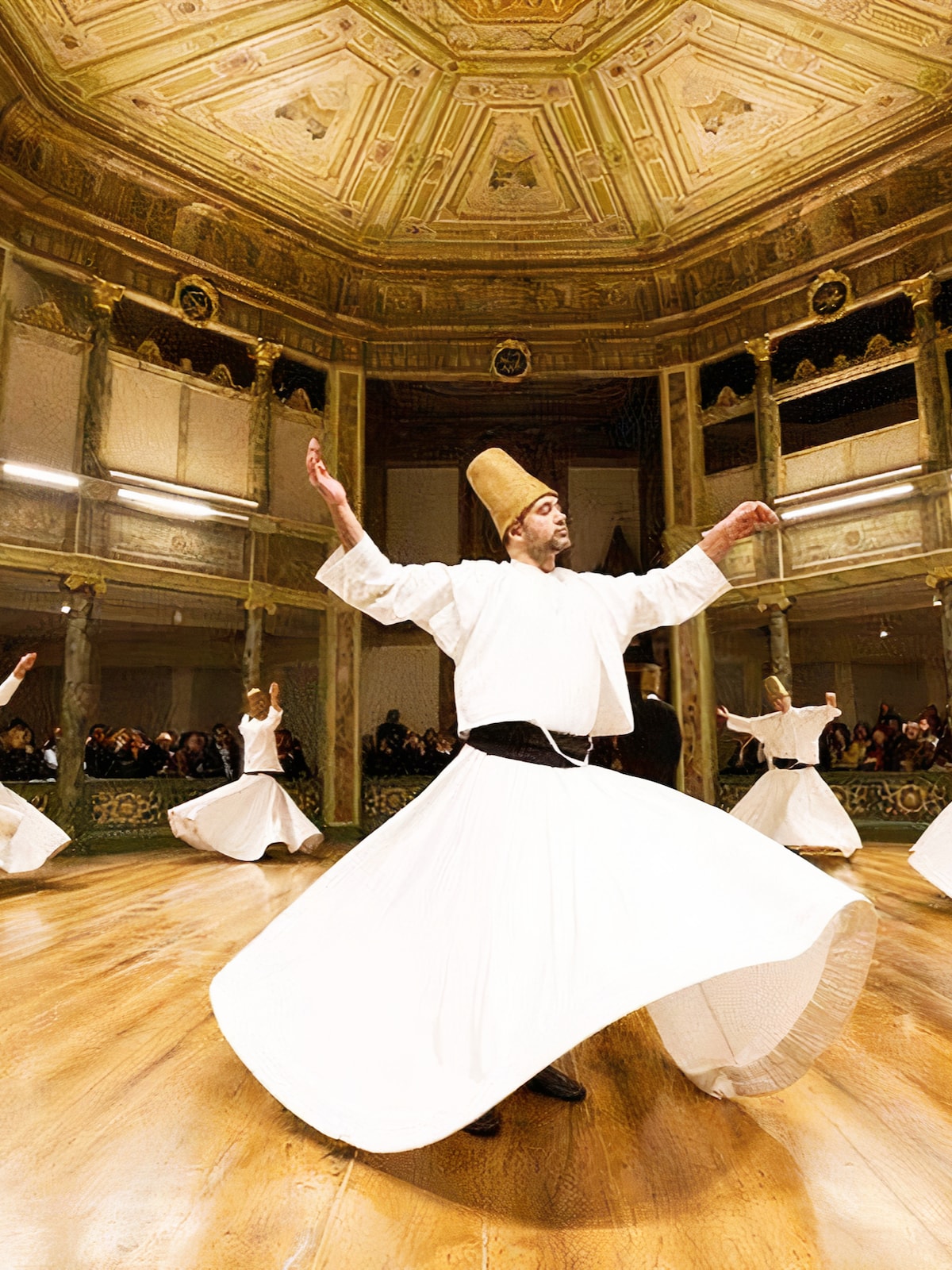
Traditional Turkish Dinner & Dervish Experience
Sun, Feb 8 • 4:30 PM
34110, Fatih, İstanbul, Turkey
View details
Nearby attractions of Tophane Fountain
Kılıç Ali Pasha Mosque
Tophane-İ Amire Culture and Art Center
Highlights in Istanbul Workshops
Nusretiye Mosque
Galataport Clock Tower Square
Galataport Promenade
Tophane-i Amire Sanjak Tower
Galata Tower
Istanbul Museum of Painting and Sculpture
Tophane Parki
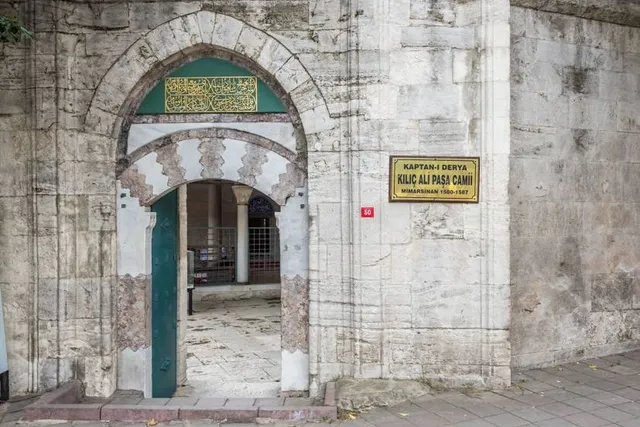
Kılıç Ali Pasha Mosque
4.8
(966)
Open until 12:00 AM
Click for details
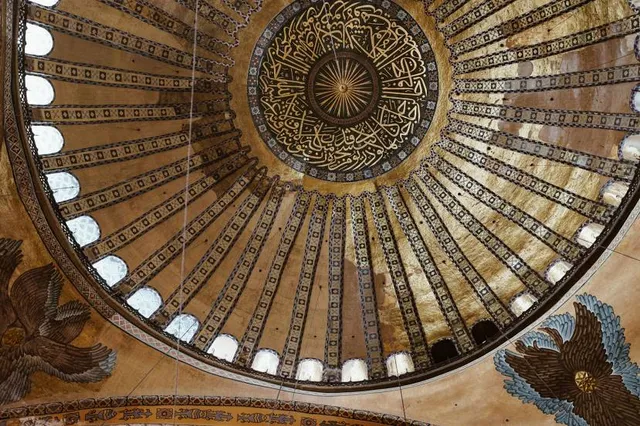
Tophane-İ Amire Culture and Art Center
4.7
(581)
Open until 6:00 PM
Click for details
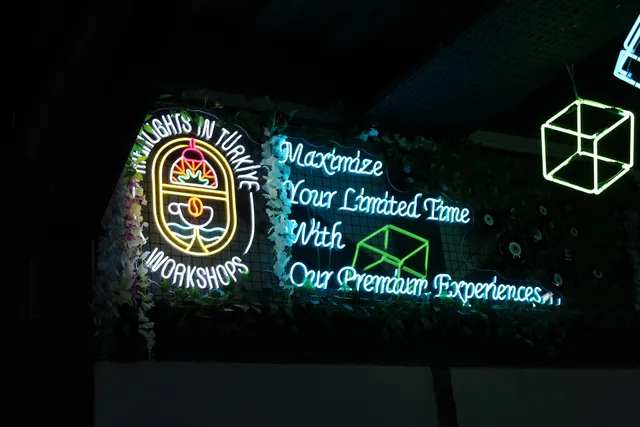
Highlights in Istanbul Workshops
5.0
(1.9K)
Open until 11:00 PM
Click for details
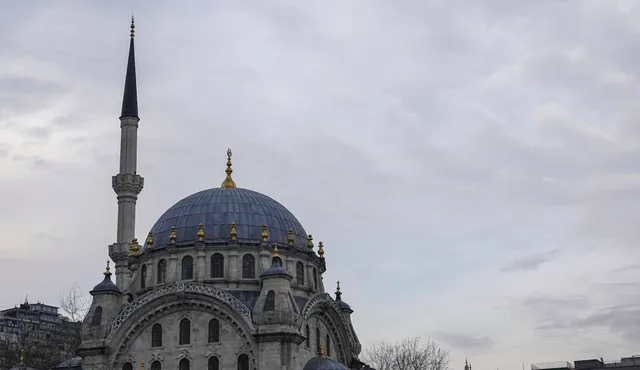
Nusretiye Mosque
4.9
(490)
Open 24 hours
Click for details
Nearby restaurants of Tophane Fountain
Mahal Antep
Karaköy Güllüoğlu - Nadir Güllü
Factory Karaköy
İBB Cihangir Sosyal Tesisi
Pera Port Lounge
Arada Beyrut
Arada Endülüs Breakfast & Lebanese Cuisine
Coffee Sapiens
Hafız Mustafa 1864 Galataport
Kirpi Galataport
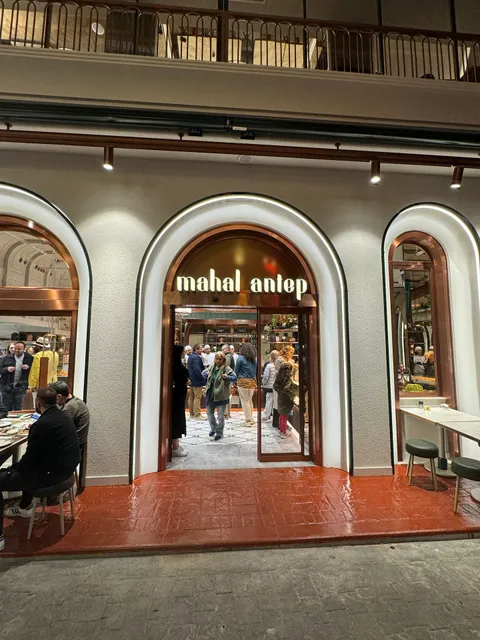
Mahal Antep
4.8
(1.6K)
Open until 2:00 AM
Click for details
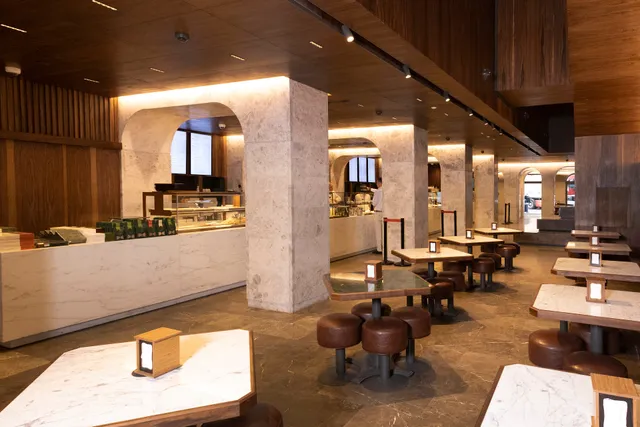
Karaköy Güllüoğlu - Nadir Güllü
4.4
(10.1K)
$$$
Open until 1:00 AM
Click for details
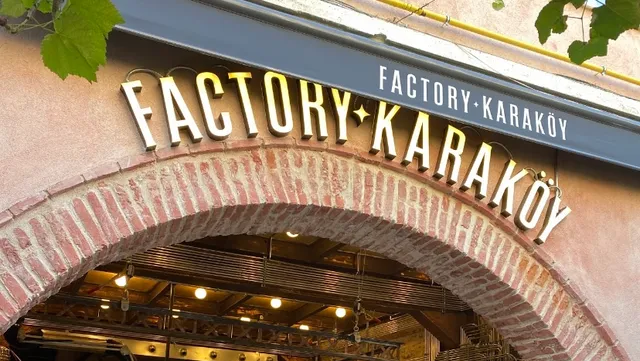
Factory Karaköy
3.9
(854)
Open until 1:00 AM
Click for details
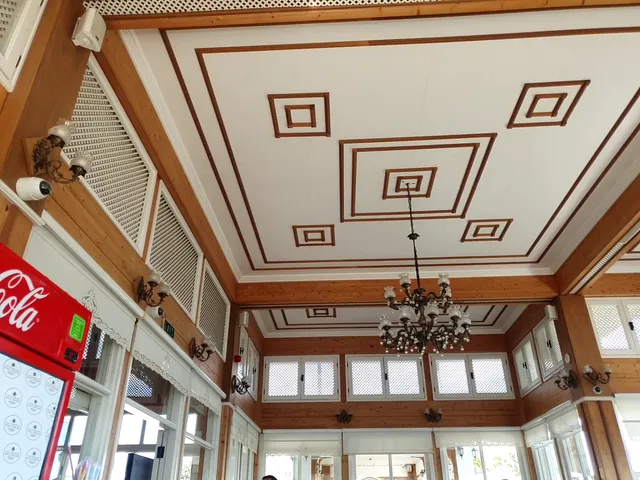
İBB Cihangir Sosyal Tesisi
4.3
(3.3K)
Open until 11:00 PM
Click for details
Nearby local services of Tophane Fountain
Istanbul Museum of Modern Art
Kılıç Ali Paşa Hamam
Galataport Istanbul
Cafer Erol Candy Shop Galataport
Craftsmen Park
Hazarfen Kebap
Istanbul Tour Studio
Golden Shish Döner & Cağ Kebap
Probador Colectiva
Çağla's Gift Shop
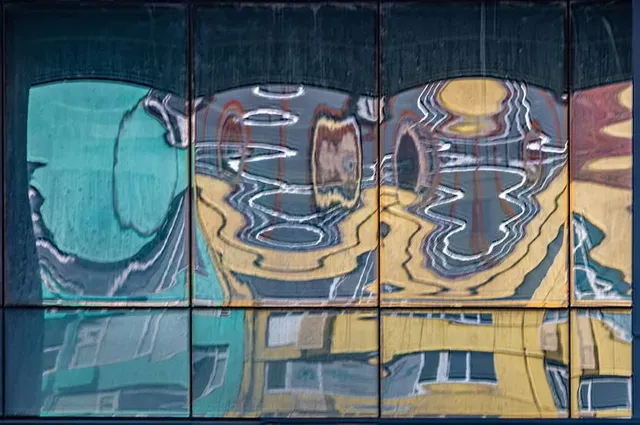
Istanbul Museum of Modern Art
4.4
(4.3K)
Click for details

Kılıç Ali Paşa Hamam
4.7
(1.3K)
Click for details
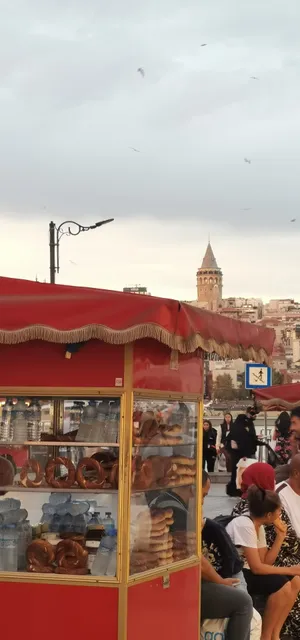
Galataport Istanbul
4.6
(11.4K)
Click for details
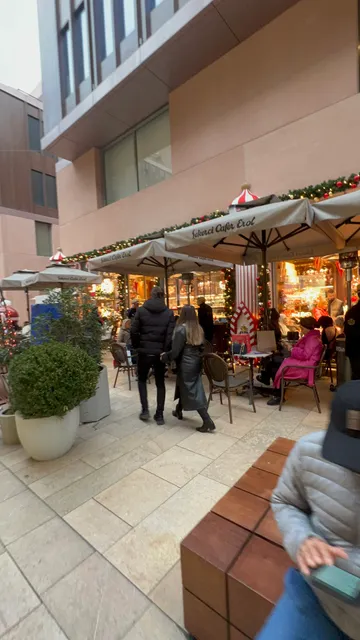
Cafer Erol Candy Shop Galataport
4.3
(435)
Click for details