My most recent trip to Turkey was just spectacular. I had the pleasure of visiting several gorgeous locations, but the Rustem Pasha Mosque, also known as Rüstem Paşa Camii by the locals, particularly made an effect on me. Anyone visiting this fascinating nation should pay a visit to this architectural gem, which is hidden away in the thriving city of Istanbul.
The renowned architect Mimar Sinan created the Rustem Pasha Mosque, which was finished in 1563. It bears the name of Rüstem Pasha, a well-known Ottoman statesman and Suleiman the Magnificent's Grand Vizier. I was impressed by the mosque's unusual placement as I got closer. It is placed on an elevated platform and tucked away in the bustling Tahtakale Market neighbourhood, offering a tranquil haven from the busy streets.
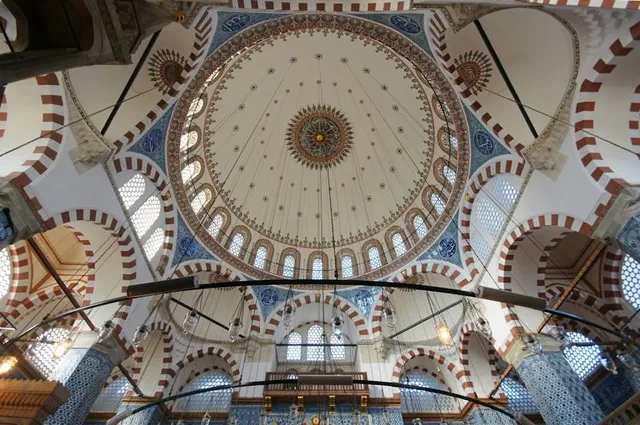
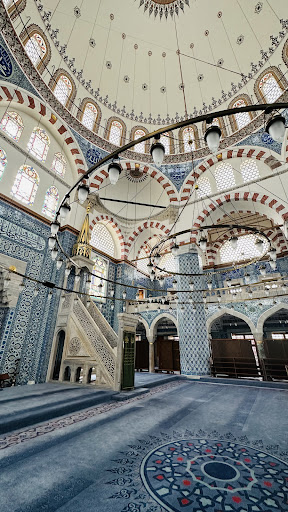
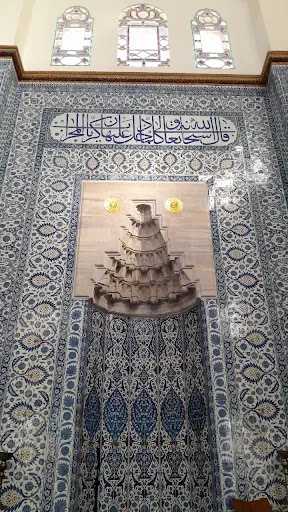
Iznik tiles that graced the mosque's walls initially drew my attention when I walked in. These hand-painted tiles, which are famous for the mosque's extensive use of them, are distinguished by their intricate designs and stunning hues of blue, turquoise, and scarlet. I could not help but be in awe of the geometric and floral patterns' seamless integration of Islamic and Ottoman art.
Another stunning piece of architecture is the mosque's central dome, which is held up by four semi-domes and graceful arches. The room's symmetrical design and clever use of the light that streams in through the windows produce a charming ambiance that encourages introspection and reflection. I had intense calm as soon as I sat down on the velvety carpet.
The Rustem Pasha Mosque's intimacy was what I valued most. The Rustem Pasha Mosque offers a more intimate and tranquil experience than the bigger and busier mosques in Istanbul, like the Blue Mosque and Hagia Sophia. The smaller crowds made it possible for me to completely appreciate the mosque's artistic and architectural splendour without feeling hurried or overawed.
I also got to talk to the knowledgable and pleasant locals that frequent the mosque. They were delighted to share their knowledge of the mosque's background and significance with us, as well as provide us insider information on other Istanbul attractions that are worth seeing. My vacation was made more authentic by this contact, and I now have a deeper respect for Turkish hospitality and culture.
In closing, I cannot express enough how highly I regard the Rustem Pasha Mosque. This undiscovered gem offers a peaceful getaway from Istanbul's busy streets and is embellished with beautiful Iznik tiles. Anyone interested in Islamic art or Ottoman architecture, or who just wants to have a peaceful, spiritual experience, must go there. You won't regret including the Rustem Pasha Mosque in your itinerary as you prepare for your...
Read moreRustem Pasha Mosque in Istanbul is an architectural gem that should not be missed by visitors to the city. This comprehensive review will delve into the mosque's historical significance, architectural beauty, and overall experience for visitors.
Located in the historic district of Eminonu, Rustem Pasha Mosque was built in the 16th century by the famous Ottoman architect Mimar Sinan. The mosque is a stunning example of Ottoman architecture, characterized by its intricate tilework, elegant domes, and ornate interior design. Its historical significance and exceptional craftsmanship make it a must-visit destination for those interested in the rich cultural heritage of Istanbul.
One of the highlights of Rustem Pasha Mosque is its exquisite tilework. The interior walls are adorned with beautiful İznik tiles, showcasing intricate floral patterns and vibrant colors. The tiles are meticulously crafted and add a sense of grandeur and beauty to the mosque. This intricate tilework is considered some of the finest in Istanbul, and it is truly a sight to behold.
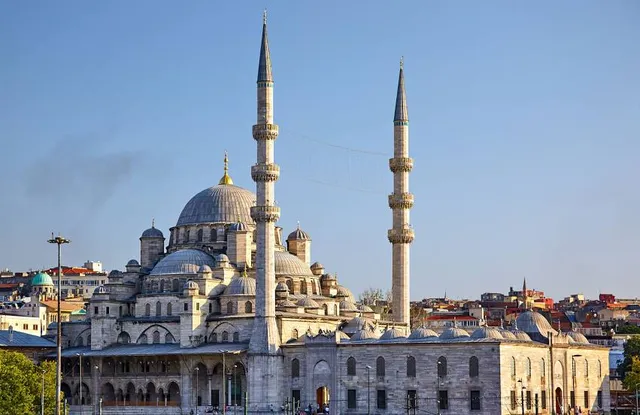
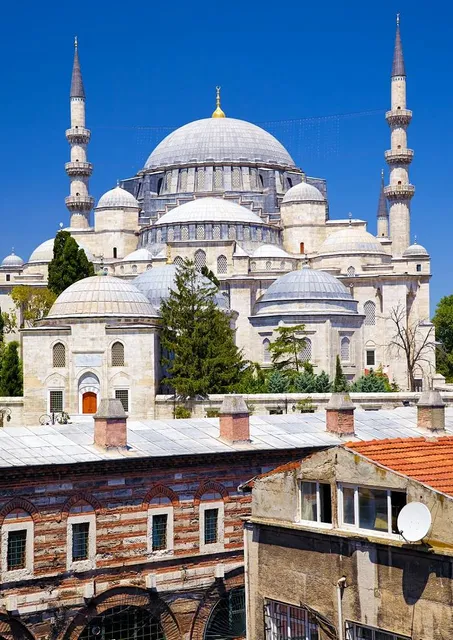
The mosque's architectural design is equally impressive. The domes and minarets create a striking silhouette against the Istanbul skyline. Inside, the spacious prayer hall provides a tranquil atmosphere for worshippers and visitors alike. The soft lighting and intricate details create a sense of serenity and reverence, allowing visitors to appreciate the mosque's architectural splendor.
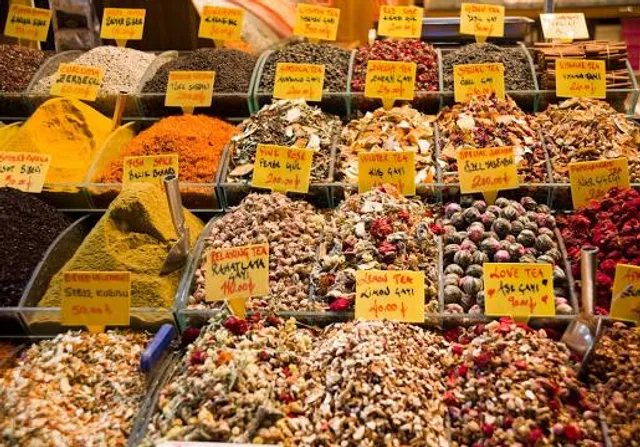
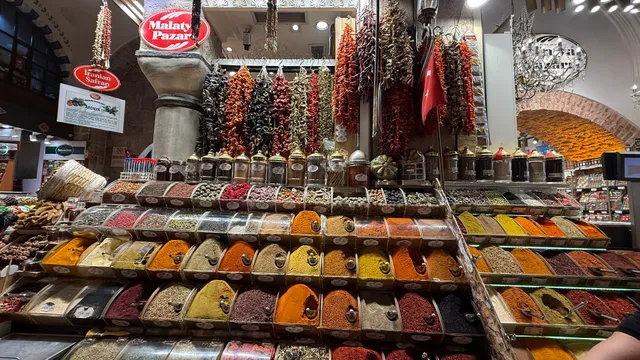
The location of Rustem Pasha Mosque adds to its appeal. It is conveniently situated near other popular attractions such as the Spice Bazaar, making it easy to incorporate into a day of sightseeing. Additionally, the mosque is less crowded compared to some of Istanbul's more famous landmarks, allowing for a more peaceful and intimate experience.
Visiting Rustem Pasha Mosque is a delightful and enriching experience. Whether one is a history buff, an architecture enthusiast, or simply seeking a serene place for reflection, the mosque offers something for everyone. Its historical significance, stunning tilework, and architectural beauty make it a true gem in Istanbul's cultural landscape.
In conclusion, Rustem Pasha Mosque in Istanbul is a testament to the grandeur and beauty of Ottoman architecture. With its remarkable tilework, elegant design, and serene atmosphere, it is a must-visit destination for travelers interested in immersing themselves in the city's rich history and...
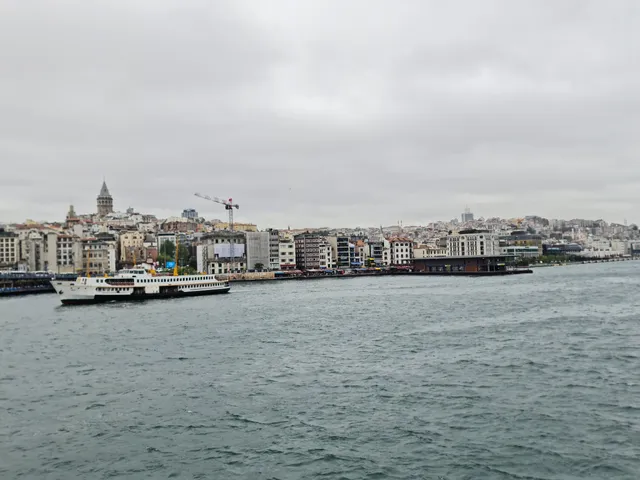
Read moreExcellent tile decorations. One of the best 16th century buildings of the Ottoman Empire. If this place had been built larger like Suleymaniye, it would definitely be a serious center of attraction. Even in this state, the fact that it contains all the tile motifs dating back to its time makes it extremely important. There is even a sketch in a small tile on the right side of the entrance. In the interior of the mosque, there are two corridors on the left and right, separated by columns; A very nice detail that adds depth. Tile motifs change as you move along the corridor. The pattern moving into the vase on the altar is very nice. When the beautiful calligraphy examples on the upper parts of the door come together with the tiles, it adds a complex texture adorned with excellent detail. Its marble pulpit is carved and its back is visible. A person praying in the first row can see the person at the end while saluting, even if he is on the other side of the pulpit. The current simplicity of Mimber marble is reminiscent of 14th century works. This simple structure is like a signature in the Ottoman classical style. A small but dense apse is provided by intertwined domes. When you lift your head up, an all-encompassing atmosphere draws you in. No matter where you look in the mosque, small or small, the gold leaf decorations you encounter are distributed so evenly that they are like a wink, a reference to the daring stance of the Eastern style, which does not get lost in the confused seas, but can still get what it wants just as much. Wherever you see these gold leaves, you will immediately see that the base is a plain, solid marble. Just like the decorations on the inner-upper part of the door at the entrance and on the altar. This assertive golden ornament is balanced with a plain background. If you look at the mosque from the outside, from the Galata side, you will notice a magnificent, singular, bold stance built on the outskirts of Suleymaniye. The perfect, classical stance of the mosque, which has a greyish, stone color, ends with a golden finial at the top. Rather than going towards blue like other domes, it has sailed towards a greyish, dark color. And when we wonder how many more exterior details there could be, we come across three magnificent small domes adjacent to the main dome, and those domes remind us of a single man: Sinan...
Read more