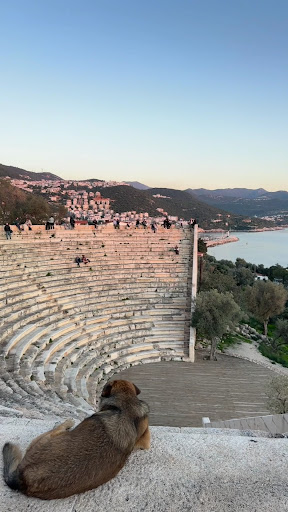
Antiphellos Ancient City things to do, attractions, restaurants, events info and trip planning
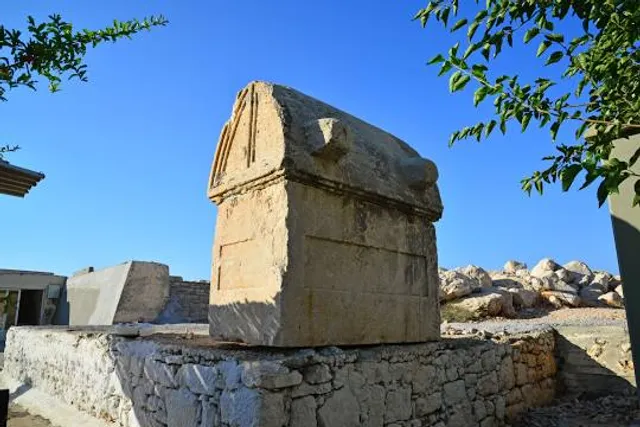
Basic Info
Antiphellos Ancient City
Andifli, 07580 Kaş/Antalya, Türkiye
4.7(2.3K)
Open until 12:00 AM
Save
spot
spot
Ratings & Description
Info
Cultural
Outdoor
Family friendly
attractions: Hellenistic theatre, Boat Trips by Captain Ergun | Kekova Tekne Turu | Kaş Tekne Turu | Кекова прогулка на лодке | Tekne Kiralama, Akdam dor kaya Gömütü, Kaş, Kaş Merkez, Lion Tomb, Kral Mezarı, Kaş Old town, Lycia Rock Tombs, Tuğra Art Gallery, restaurants: Leymona Beach & Restaurant & Bar, Linckia Roastery Cafe, Koi Sushi & More, Bi Lokma Bahçe, Bunbun Kaş, Oburus Bites, Çi neo cucina by mezetaryen, Sardunya Restaurant, Öz Nazilli Restoran, Ege Restaurant Taner Usta, local businesses: Kaş Otogarı, Ehlikeyf Meyhanesi Kaş, Bermuda Boat Daily Boat Trips, Mehmet Usta, Tzatziki Meyhane, Pirzula Meyhane, Maya Steak House, Incebogaz plaji, Kaputas Apart Hotel
 Learn more insights from Wanderboat AI.
Open hoursSee all hours
SatOpen 24 hoursOpen
Plan your stay

Pet-friendly Hotels in Kaş
Find a cozy hotel nearby and make it a full experience.

Affordable Hotels in Kaş
Find a cozy hotel nearby and make it a full experience.

The Coolest Hotels You Haven't Heard Of (Yet)
Find a cozy hotel nearby and make it a full experience.

Trending Stays Worth the Hype in Kaş
Find a cozy hotel nearby and make it a full experience.
Reviews
Live events
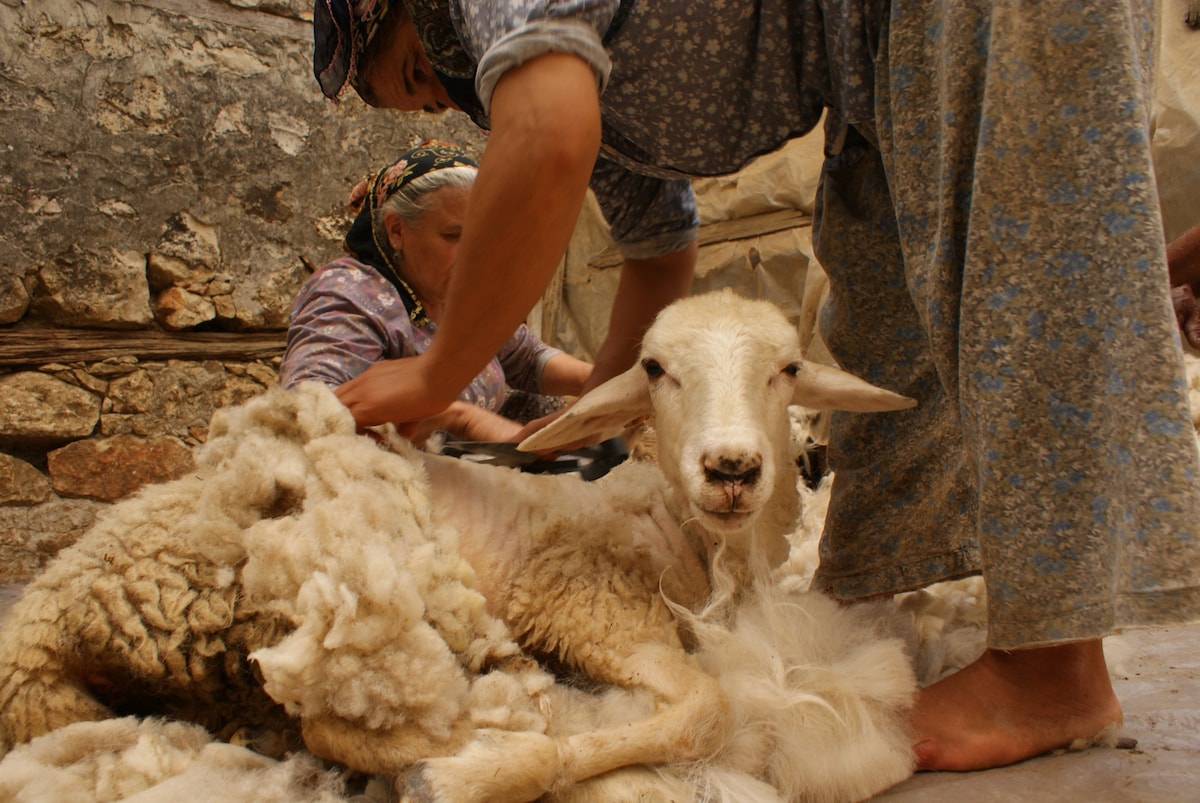
Explore daily life in a Mediterranean village
Sun, Feb 15 • 3:00 PM
07960, Bezirgan, Antalya, Turkey
View details
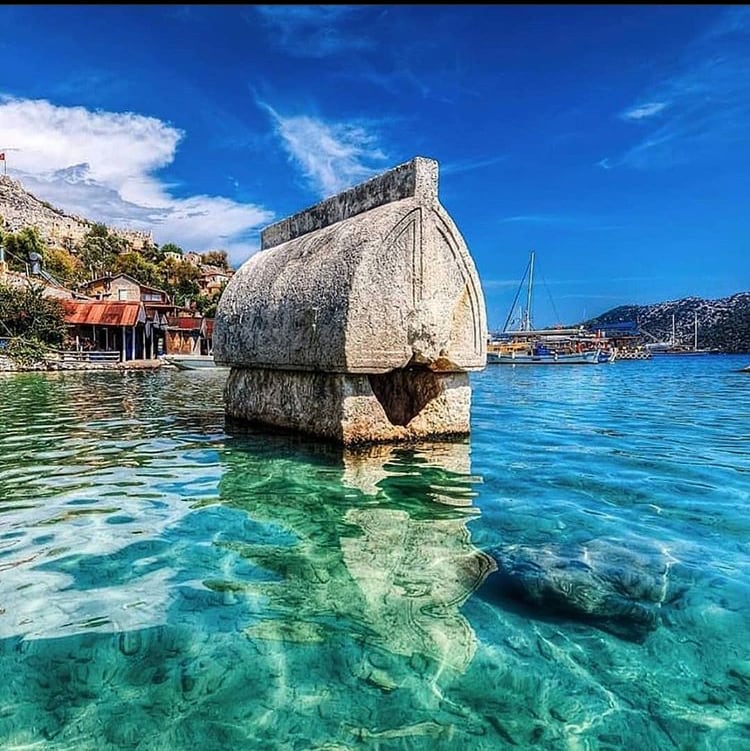
Discover Kekova’s history and coves by boat
Sun, Feb 15 • 11:00 AM
07572, Demre, Antalya, Turkey
View details
Nearby attractions of Antiphellos Ancient City
Hellenistic theatre
Boat Trips by Captain Ergun | Kekova Tekne Turu | Kaş Tekne Turu | Кекова прогулка на лодке | Tekne Kiralama
Akdam dor kaya Gömütü
Kaş
Kaş Merkez
Lion Tomb
Kral Mezarı
Kaş Old town
Lycia Rock Tombs
Tuğra Art Gallery
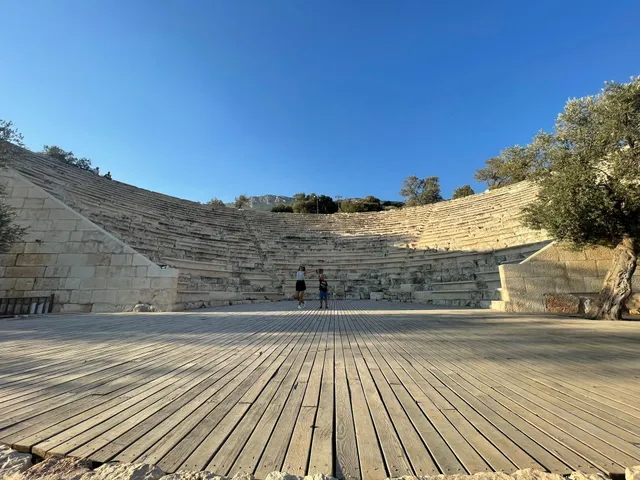
Hellenistic theatre
4.7
(108)
Open 24 hours
Click for details
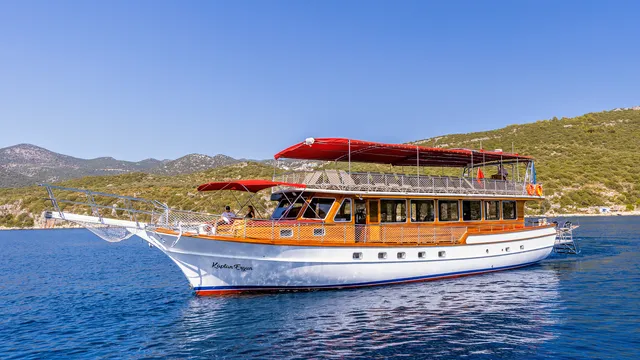
Boat Trips by Captain Ergun | Kekova Tekne Turu | Kaş Tekne Turu | Кекова прогулка на лодке | Tekne Kiralama
4.9
(2.2K)
Open until 12:00 AM
Click for details
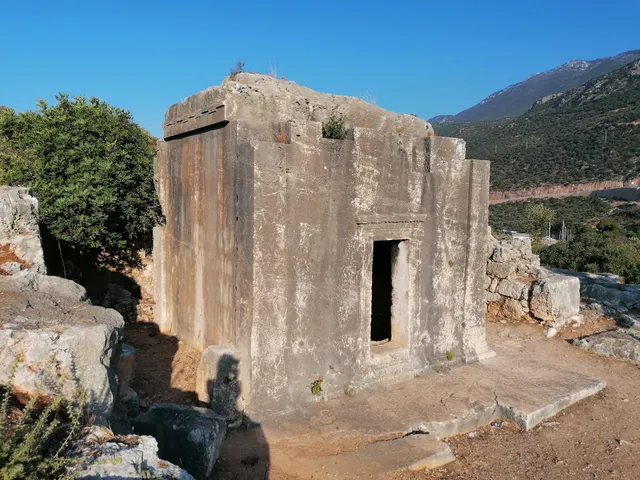
Akdam dor kaya Gömütü
4.4
(15)
Open 24 hours
Click for details
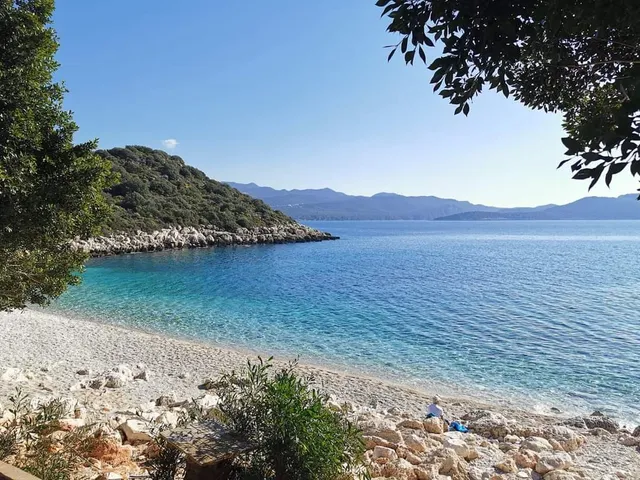
Kaş
4.8
(129)
Open until 12:00 AM
Click for details
Nearby restaurants of Antiphellos Ancient City
Leymona Beach & Restaurant & Bar
Linckia Roastery Cafe
Koi Sushi & More
Bi Lokma Bahçe
Bunbun Kaş
Oburus Bites
Çi neo cucina by mezetaryen
Sardunya Restaurant
Öz Nazilli Restoran
Ege Restaurant Taner Usta
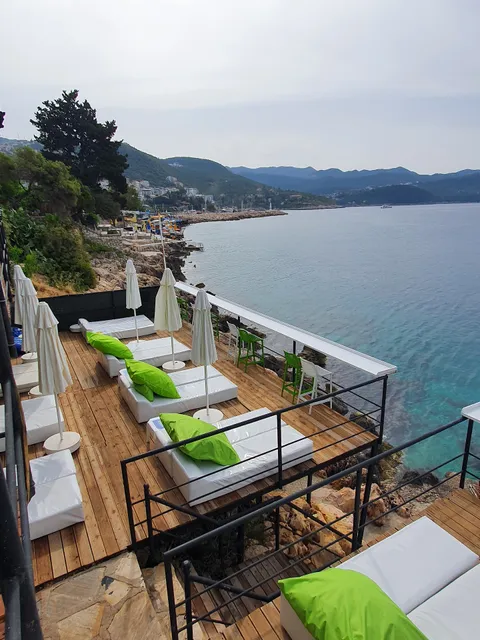
Leymona Beach & Restaurant & Bar
4.6
(598)
Click for details
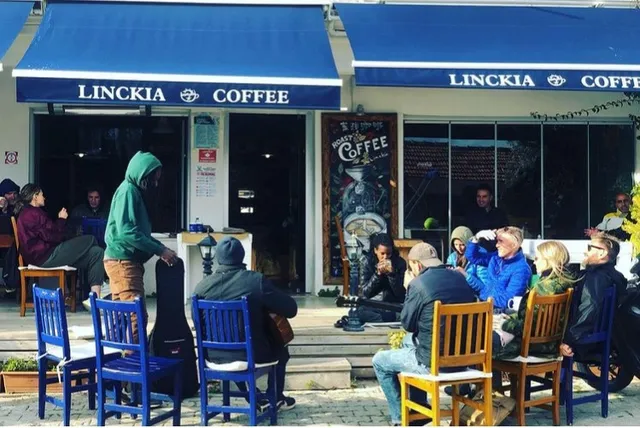
Linckia Roastery Cafe
4.5
(518)
Open until 11:00 PM
Click for details
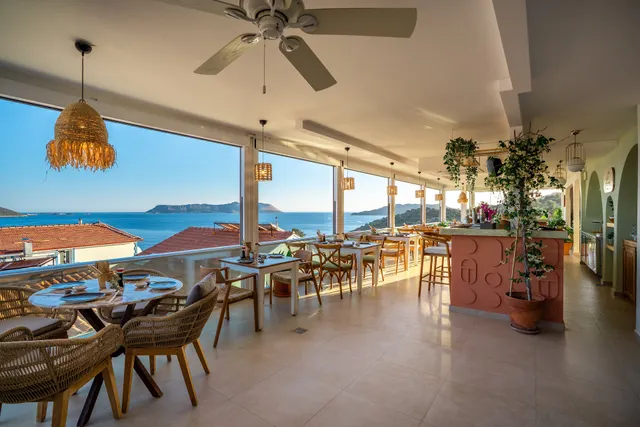
Koi Sushi & More
4.6
(227)
Click for details
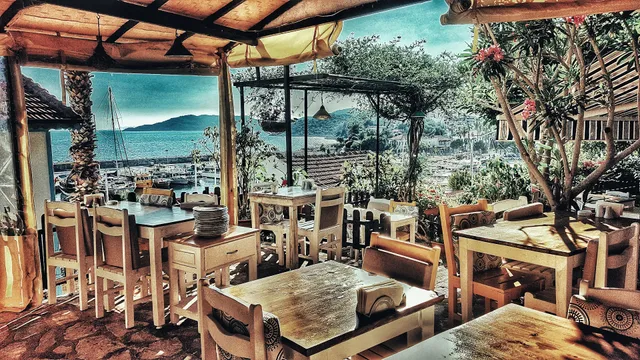
Bi Lokma Bahçe
4.3
(817)
Open until 12:00 AM
Click for details
Nearby local services of Antiphellos Ancient City
Kaş Otogarı
Ehlikeyf Meyhanesi Kaş
Bermuda Boat Daily Boat Trips
Mehmet Usta
Tzatziki Meyhane
Pirzula Meyhane
Maya Steak House
Incebogaz plaji
Kaputas Apart Hotel
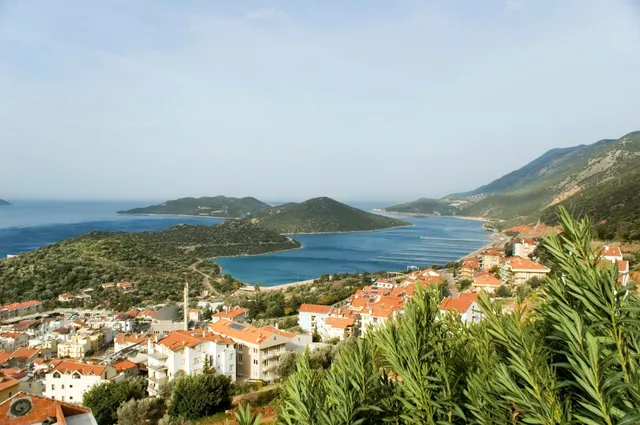
Kaş Otogarı
3.5
(187)
Click for details
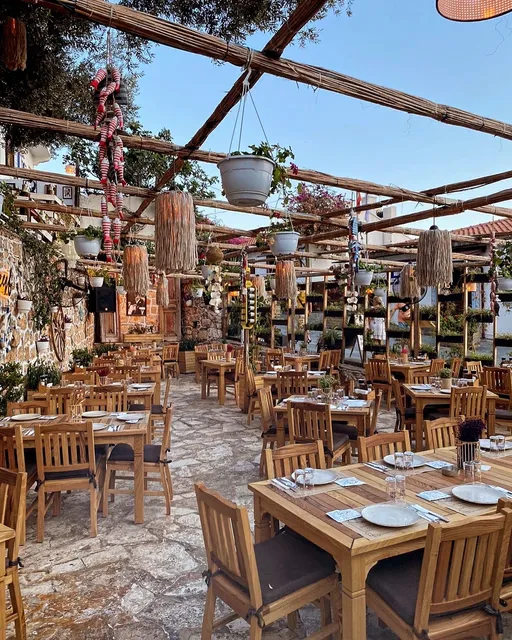
Ehlikeyf Meyhanesi Kaş
4.8
(2.6K)
Click for details
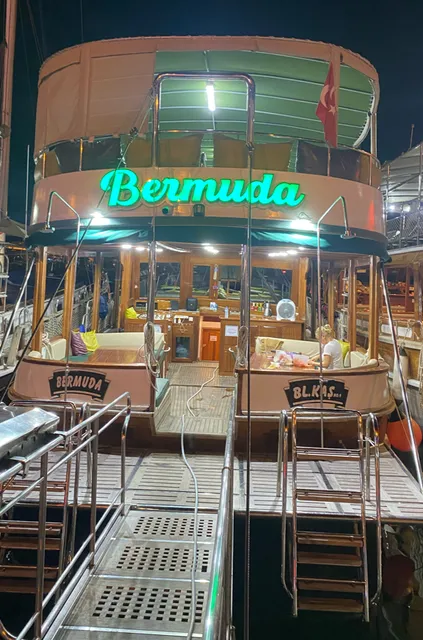
Bermuda Boat Daily Boat Trips
5.0
(942)
Click for details
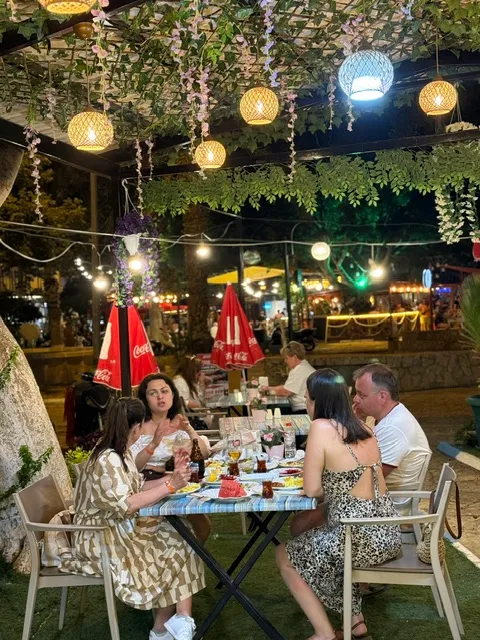
Mehmet Usta
4.5
(132)
Click for details