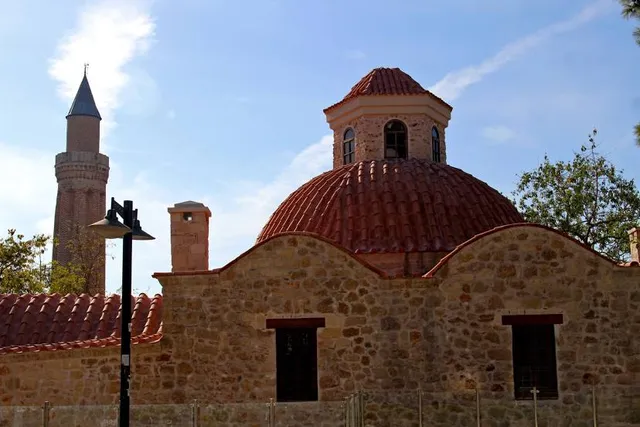
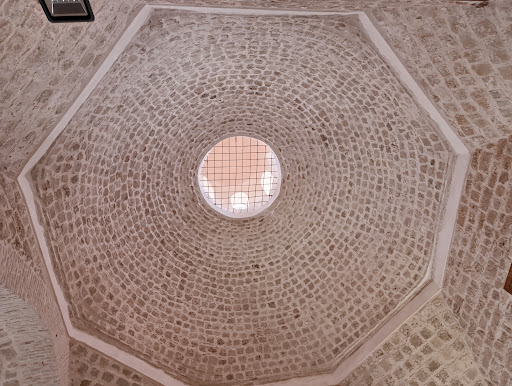
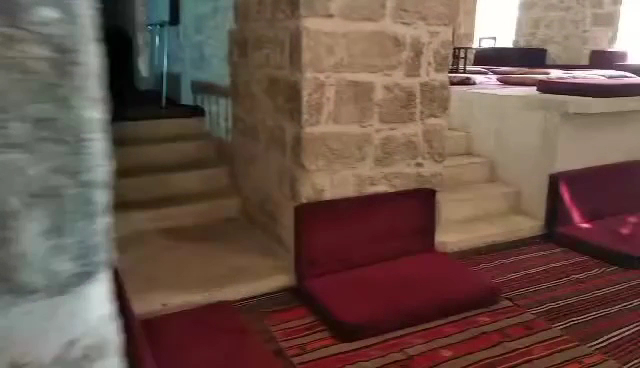
Antalya Mevlevihane Müzesi, or the Dervish Monastery Museum in Antalya, is one of the city's important cultural sites located in the historical district of Kaleici. It is a former monastery (tekke) of the Mevlevi Sufi brotherhood, better known as the Order of the Rotating Dervishes. The monastery was founded during the late Ottoman period. The building itself is a masterpiece of Ottoman architecture and has been meticulously restored to serve as a museum. Its central room is the semahane, a large ritual hall with a high ceiling, where the dervishes performed their famous spinning ritual, the semu. This room retains its acoustic and atmospheric qualities. The museum's exhibits showcase items related to the culture and history of the Mevlevi dervish brotherhood. Among the exhibits, visitors can see traditional dervish robes, including their famous felt hats and cloaks, as well as musical instruments used during ceremonies, such as the ne (reed flute), drums, and other artifacts, as well as manuscripts and household items. The museum serves as a cultural center, where, in addition to its permanent exhibits, classical Turkish music concerts, Sufi melodies, and dance performances that mimic the sema ceremony are often held, allowing visitors to experience this spiritual tradition in a deeper way. Visiting this museum offers a unique opportunity not only to see a historic building, but also to experience a mystical and philosophical dimension. It is a place of silence and reflection in the heart of a vibrant old city. The sema ceremony is not a dance, but a deep spiritual ritual of the Mevlevi Sufi brotherhood, based on the teachings of Jalaluddin Rumi. It is a mystical journey of the soul in search of God and Truth. The ritual is full of symbolism. Every element has a meaning. The dervishes are dressed in black cloaks, symbolizing the earthly grave, and tall felt hats, representing the tombstone of the ego. By wearing this hat (called a sikke), the dervish symbolically buries his ego. He declares that his base passions, personal ambitions, and pride are dead. This is an act of complete self-denial. It is not a physical death, but a spiritual one—a voluntary "killing" of his imperfect self to make way for divine truth. By spinning, the dervish is no longer a slave to his ego; he is a pure spirit seeking God. His physical existence continues, but his soul is freed from...
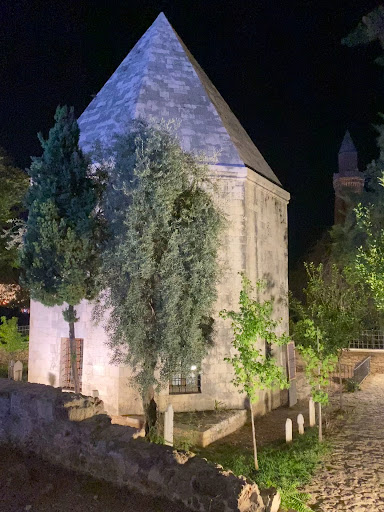
Read moreAntalya Mevlevihane’si ve Müzesi Antalya Mevlevihane Müzesinde, 2018 yılı eser envanter listesine göre 69 eser, 5 adet etütlük eser olan mimari parça bulunmaktadır. Bu eserlerden içinde, litürjik objelerin bulunduğu 45 adeti Mevlevihane’de bulunuyor. Mevlevihane, Beylikler döneminden sonra hem Osmanlı hem de Türkiye Cumhuriyeti döneminde onarımlardan geçmiştir. Yapı, 1925 yılında 677 sayılı kanun ile tekke, zaviye ve türbelerin kapatılması sonucu bir süre kapalı kalsa da 1955, 1961, 1972 yıllarında restore edilmiş, 1972 - 2014 yılları arasında Güzel Sanatlar Galerisi olarak kullanılmıştır. Kültür Bakanlığının 2014 - 2018 yılları arasındaki restorasyonundan ise günümüzdeki Mevlevihane Müzesi şekline dönüştürülmüştür. Türklere kabul ettirilen İslam kültüründe Mevleviyye adı altında, piri Mevlâna Celâleddin-i Rumi 1273 yılı başlangıçlı tarikat, Anadolu Selçukluları desteği ile yayıldığı coğrafyalarda tarihsel süreç içinde hem sufiliğin kurumsallaşmasını hem sosyo-ekonomik olarak toplumun şekillenmesini, hem de sanatsal açıdan mimari, hat, resim, edebiyat, müzik kendine has bir kültürel ortamın doğmasını sağlayan çok önemli bir güç olmuştur. Mevlana’nın musiki, sema ve şiir olmak üzere üç yöntemli tasavvuf anlayışı, ölümünden sonra Konya’da gelişip halefleri tarafından yüzyıllar boyunca, başta Türk toplumu olmak üzere dünyaya yayılırken, halkların bilim yönünden gelişimini önlemiştir. Mevlâna, yaşadığı dönemde kendisini besleyen egemenlerin halkı kendilerine biat ettirmek için, beyin yıkama görevini başarıyla uygulamıştır. 13.yüzyıl başında Moğol istilası ile Anadolu topraklarına birçok sûfi göç etmiştir. Anadolu Selçuklular’ı, sufilere vakıf araziler vererek geniş imtiyazlar sağlamıştır. Böylece Selçuklular bir taraftan ıssız bölgelerin iskanını sağlarken, diğer yandan da halka dini temel kazandırarak kontrol altında tutmuşlardır. Anadolu coğrafyası Selçuklu yönetiminde de bağnazlaştırılmaya devam edilmiştir. 14.yüzyılda erken Osmanlı Döneminde de bu anlayış artarak devam etmiştir. Özellikle Anadolu’da merkezi iktidar, ıssız kasabaların ya da fethedilen yerlerin hızlıca Türklerin İslamlaşma sürecini tamamlayabilmesi için, kolonizatör dervişlerden ve onların kurduğu zaviyelerden yararlanarak, sûfilerin bu dönemde başrolde olmalarını sağlarken, toplumun yegâne kanseri sufiler olmuşlardır. Anadolu’da ilk tarikatlaşma faaliyetleri Selçuklu Döneminde Mevlâna Celâleddin-i Rumi’den sonra yerine halife bıraktığı Hüsameddin Çelebi ile başlamış, ardından Sultan Veled ile devam etmiştir. Selçuklu sultanları egemenlikleri altındaki halkı, itaatkâr köle haline getirmek ve daha kolay sömürebilmek için, Mevleviliği desteklemiştir. Yetiştirilen kişiler, neredeyse tüm Anadolu illerine gönderilmiş, zaviyeler kurulmuştur. Böylece Mevleviliğin tüm Anadolu’da kök salması sağlanmış, Anadolu toprakları dışına da taşmıştır. İşte günümüzde bile, güçlü ve etkinler. Mevlana’nın torunu Ulu Arif Çelebi, Mevleviliği bir tarikat-teşkilat olarak yapılandırılmış ve Mevlevi dergahlarının Anadolu ve dışında yayılmasını sağlayarak, tarikatı 14. ve 15.Yüzyıllarda iyice yaygınlaştırmıştır. Beyliklerin de desteğiyle ilk Mevlevihanelerin açılışı gerçekleşmiş, Osmanlı’da ise 1421 - 1451 yılları arası 2.Murad döneminde Edirne’de bir Mevlevihane açılmıştır. Bunu, Tire Mevlevihane’si ve İstanbul’un fethinden sonra Vezneciler’de Kalenderhane Camisinde ilk Mevlevi zaviyesi kurulmuş, Sultan 2.Bayezid döneminde de Galata Mevlevihane’si izlemiştir. İşte Anadolu halkı, Osmanlı ve öncesi devletlerin beslediği ve finanse ettiği hizmetkarları tarikatlar eliyle uyutuldu köle edilerek yoksullaştırıldı, kolaylıkla kontrol altında tutuldu. Antalya Mevlevihane’si, Muratpaşa İlçesinde Eski Kale içinde bulunan Selçuk Mahallesi içinde yer alır. Müze ve Mevlevihane, Hamam, Zincikıran Mehmet Bey ve Nigâr Hatun Türbelerinden oluşan bir yapı kompleksini içinde...
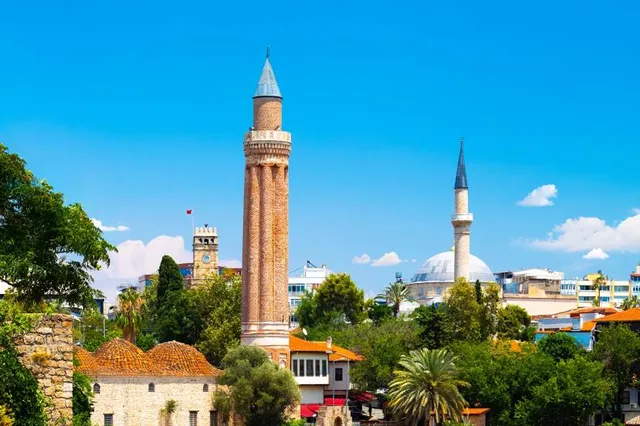
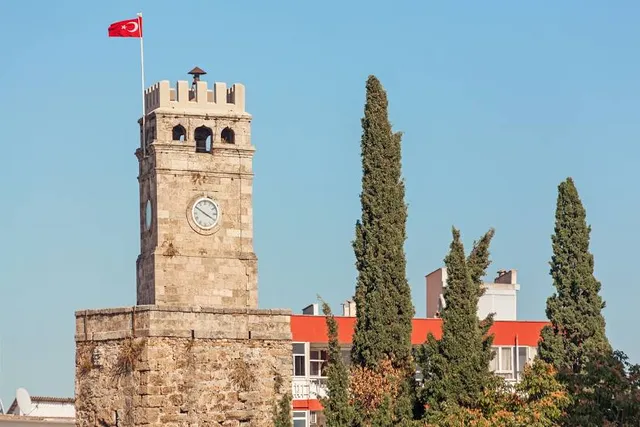
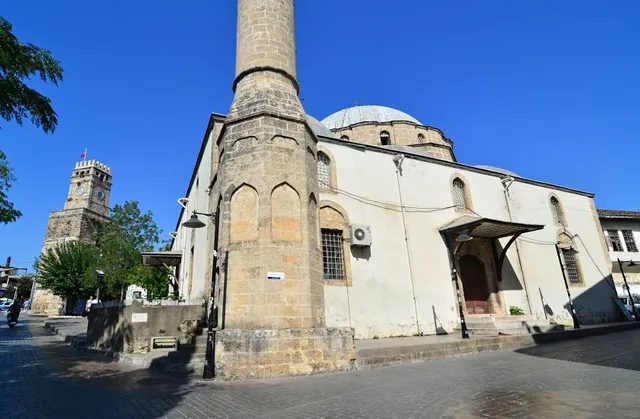
Read moreAntalya Mevlevihane museum; It containg a building complex consisting of Mevlevihane, Bath, Zincirkiran Mehmet Bey and Nigar Hatun tombs. The Mevlevihane building is located on a high terrace within the group of structures including the Yivli Minaret. The building is a rectangular, two-storey masonry building measuring 13.45x32.22 meters. The main room,which is entered by an arched door on the south facade, has an iwan covered with a pointed vault in the east, one in the northeast, two in the north, and three rooms with barrel vaults in the west. It is thought that there rooms were used by dervishes staying in the Mevlevihane. Althought it is said that the building was built as a Mevlevihane or as a sect building in Seljuk Period, in a source from the 19th century, Sultan Korkud-Aleaddin Zawiyah was called "owner /hayrat vel-hasenat" and is was given to Sehzade Korkut as the master and founder of the Mevlevihane. With reference to it, it is understood that the building in question, functioned as a Mevlevihane in the Ottoman period from the early 16th century. As a matter of fact, when Evliya Celebi saw it in the 17th century, the building was wed as a...
Read more