Al Bastakiya things to do, attractions, restaurants, events info and trip planning
Basic Info
Al Bastakiya
Al Souq Al Kabeer - Al Fahidi - Dubai - United Arab Emirates
4.6(142)
Open 24 hours
Save
spot
spot
Ratings & Description
Info
Cultural
Scenic
Family friendly
Accessibility
attractions: Al Fahidi Historical Neighbourhood, Sheikh Mohammed Centre for Cultural Understanding, Coffee Museum, Coins Museum Bur Dubai, Wall of Old Dubai, Dubai Museum, XVA Gallery, Historical neighbourhood, Bayt Al Khanyar Museum & Coffee Shop, Museum Of Illusions, restaurants: Al Khayma Heritage Restaurant | مطعم الخيمة التراثي, Arabian Tea House Restaurant & Cafe - Al Fahidi, Dubai, Wokyo Noodle Bar - Al Seef, Local House Restaurant, XVA Café & Restaurant, ODÖNER ALSEEF, NEW KABAB AL MADINA Restaurant 2OURIST CAFE & ARABIC FOOD CORNER, Falafel Alkofiya, Peet's Coffee, Nablus - Traditional Kanafeh, local businesses: Al Seef, Kanz Jewels Gold Souk, Meena Bazar Burdubai, Dubai Spice Souk, Dubai Spice Souk, Al Seef St, Abra Deira dubai, Deira Perfume Souk Br, AYAL PERFUMES - BUR DUBAI, Textile wholesale market Bur Dubai
 Learn more insights from Wanderboat AI.
Website
en.m.wikipedia.org
Plan your stay

Pet-friendly Hotels in Dubai
Find a cozy hotel nearby and make it a full experience.

Affordable Hotels in Dubai
Find a cozy hotel nearby and make it a full experience.

The Coolest Hotels You Haven't Heard Of (Yet)
Find a cozy hotel nearby and make it a full experience.

Trending Stays Worth the Hype in Dubai
Find a cozy hotel nearby and make it a full experience.
Reviews
Live events

Premium Sunset Desert Tour, Sandboard & Bbq Dinner
Thu, Feb 26 • 2:15 PM
Dubai, United Arab Emirates
View details
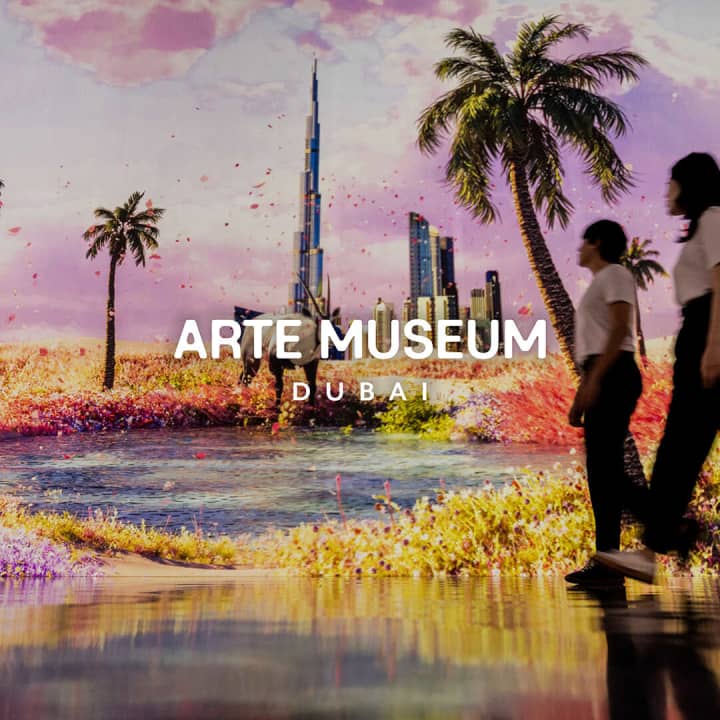
Arte Museum Dubai: An Immersive Media Art Exhibition
Thu, Feb 26 • 10:00 AM
Dubai Mall - opposite Galeries Lafayette - Level 2 Financial Center street - Dubai, UAE
View details

Chaos Karts Dubai: The Immersive Karting Experience
Thu, Feb 26 • 2:20 PM
6A Street - Al Quoz, Dubai, 00000
View details
Nearby attractions of Al Bastakiya
Al Fahidi Historical Neighbourhood
Sheikh Mohammed Centre for Cultural Understanding
Coffee Museum
Coins Museum Bur Dubai
Wall of Old Dubai
Dubai Museum
XVA Gallery
Historical neighbourhood
Bayt Al Khanyar Museum & Coffee Shop
Museum Of Illusions
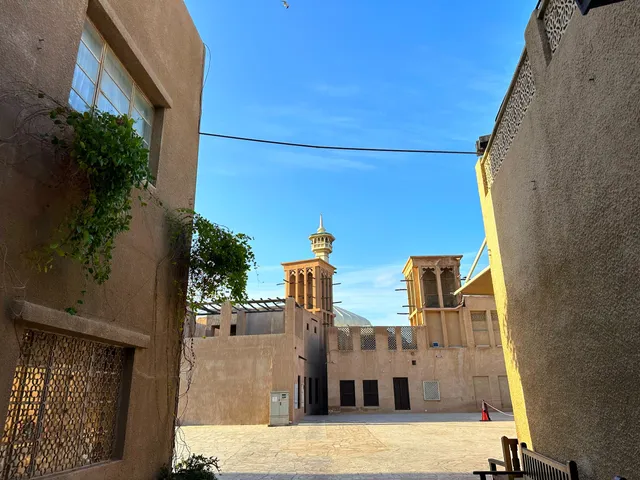
Al Fahidi Historical Neighbourhood
4.6
(6.3K)
Open 24 hours
Click for details
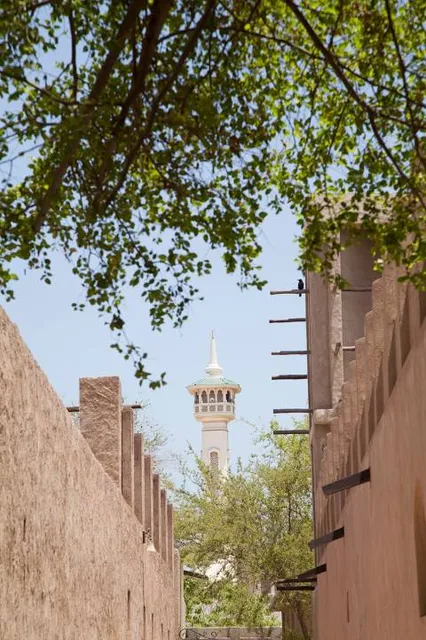
Sheikh Mohammed Centre for Cultural Understanding
4.7
(528)
Open until 8:00 PM
Click for details
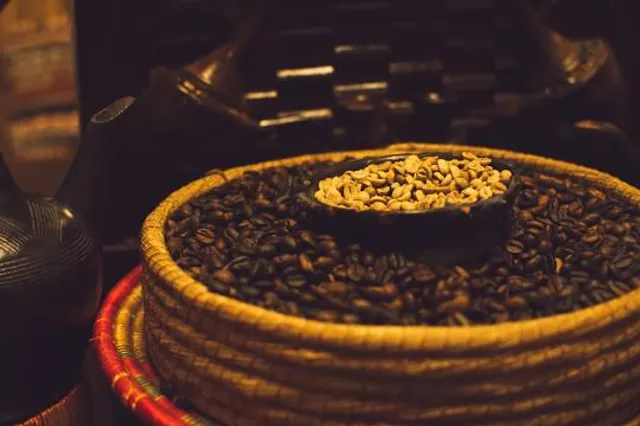
Coffee Museum
4.4
(692)
Open until 5:00 PM
Click for details
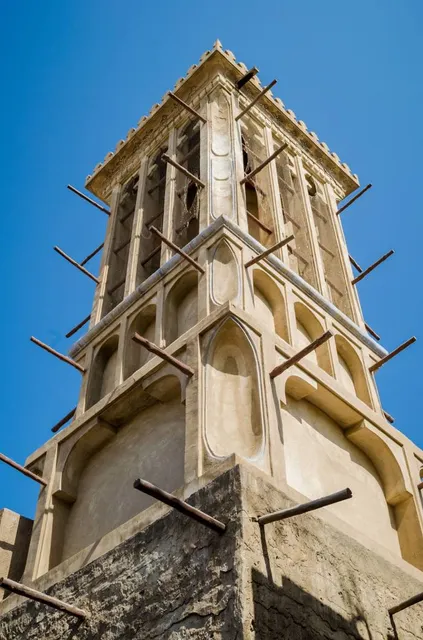
Coins Museum Bur Dubai
4.3
(108)
Open until 3:00 PM
Click for details
Nearby restaurants of Al Bastakiya
Al Khayma Heritage Restaurant | مطعم الخيمة التراثي
Arabian Tea House Restaurant & Cafe - Al Fahidi, Dubai
Wokyo Noodle Bar - Al Seef
Local House Restaurant
XVA Café & Restaurant
ODÖNER ALSEEF
NEW KABAB AL MADINA Restaurant 2OURIST CAFE & ARABIC FOOD CORNER
Falafel Alkofiya
Peet's Coffee
Nablus - Traditional Kanafeh
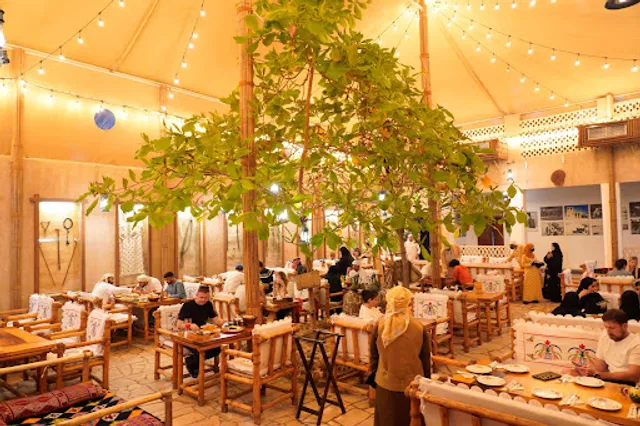
Al Khayma Heritage Restaurant | مطعم الخيمة التراثي
4.9
(6.4K)
Open until 11:00 PM
Click for details
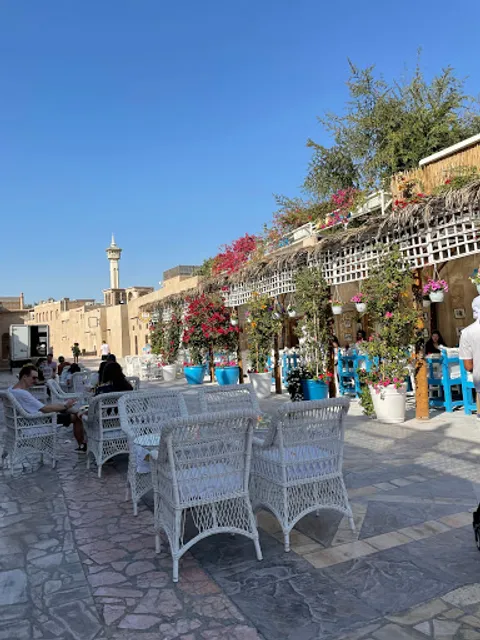
Arabian Tea House Restaurant & Cafe - Al Fahidi, Dubai
4.8
(7.1K)
Open until 11:00 PM
Click for details
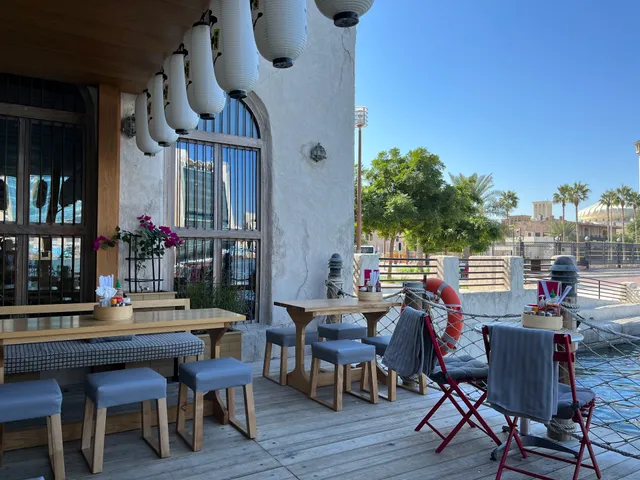
Wokyo Noodle Bar - Al Seef
4.7
(870)
Open until 11:45 PM
Click for details
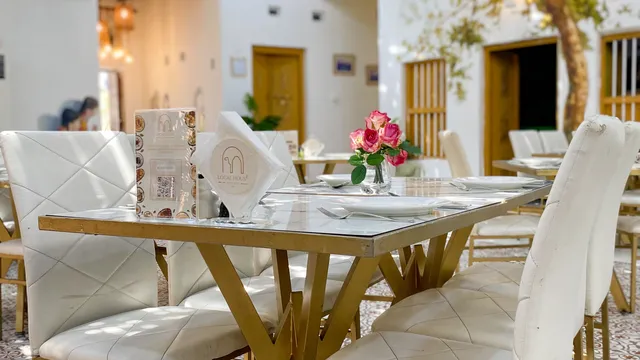
Local House Restaurant
4.5
(665)
Open until 11:00 PM
Click for details
Nearby local services of Al Bastakiya
Al Seef
Kanz Jewels Gold Souk
Meena Bazar Burdubai
Dubai Spice Souk
Dubai Spice Souk
Al Seef St
Abra Deira dubai
Deira Perfume Souk Br
AYAL PERFUMES - BUR DUBAI
Textile wholesale market Bur Dubai
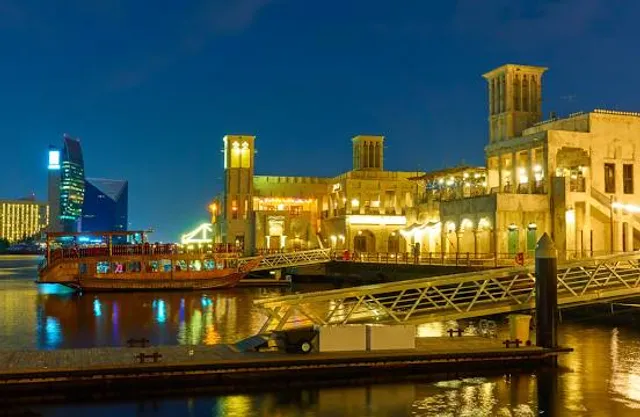
Al Seef
4.6
(7.3K)
Click for details
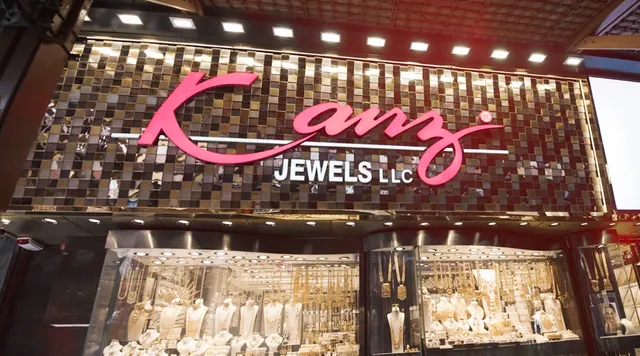
Kanz Jewels Gold Souk
5.0
(12.4K)
Click for details
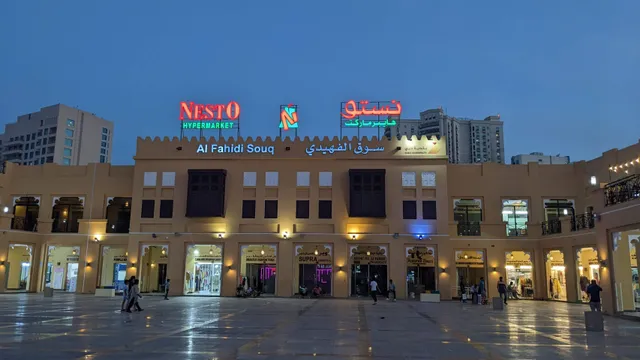
Meena Bazar Burdubai
4.4
(2.2K)
Click for details
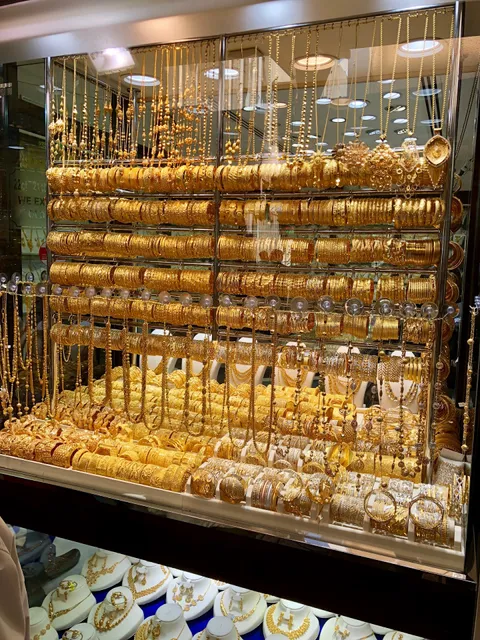
Dubai Spice Souk
4.3
(2.9K)
Click for details